Xeviora
Xeviora
Xeviora
High-TDP radiators and integrated liquid blocks engineered for high-performance enterprise and industrial computing architectures.
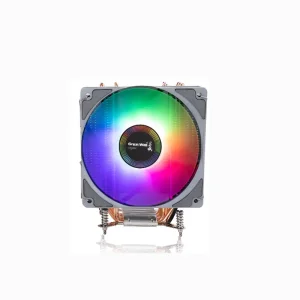
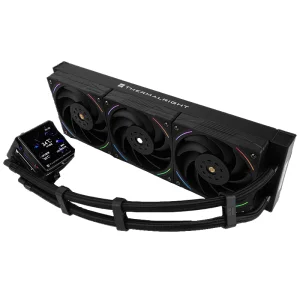
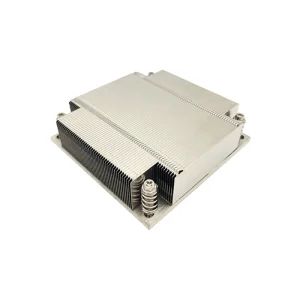
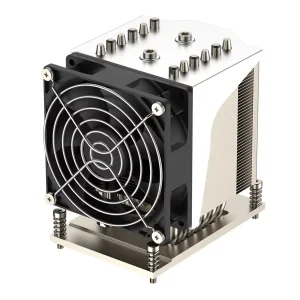
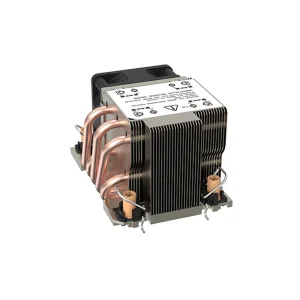
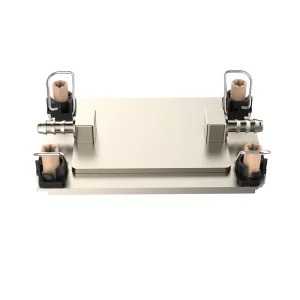
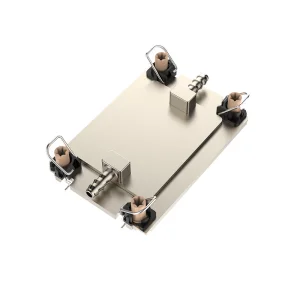
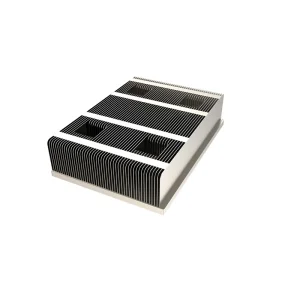
As digital transformation accelerates across AI training networks, cloud computing data centers, and advanced manufacturing platforms, server thermal management has transitioned from a supporting component to a mission-critical technology. Modern microprocessors from Intel (LGA 4677, LGA 4189) and AMD (SP3, SP6) are breaking TDP (Thermal Design Power) thresholds, regularly exceeding 300W to 400W per socket. Operating high-density silicon at these thermodynamic levels requires advanced thermal engineering, where traditional passive dissipation is replaced by multi-heatpipe active assemblies and direct-to-chip (D2C) liquid cooling blocks.
SEO Information Gain Insight: Unlike standard desktop heatsinks, server radiators must withstand uninterrupted 24/7/365 operations within restricted rack units (1U, 2U, 4U). This constraint forces engineering to maximize thermal transfer coefficients (W/m·K) while controlling static air pressure, airflow resistance, and spatial dimensions to fit inside tightly enclosed server chassis.
Globally, hyperscalers and cloud service providers are under pressure to optimize Power Usage Effectiveness (PUE). In cooling-dominated facilities, optimizing heat dissipation at the CPU level directly translates to lower air conditioning overhead. This macro trend has created substantial global demand for custom-engineered radiators and cooling plates. From industrial automation systems utilizing specialized BGA brackets to modular edge computing nodes using low-profile 1U copper blocks, thermodynamic optimization is a primary driver of operational efficiency and hardware longevity.
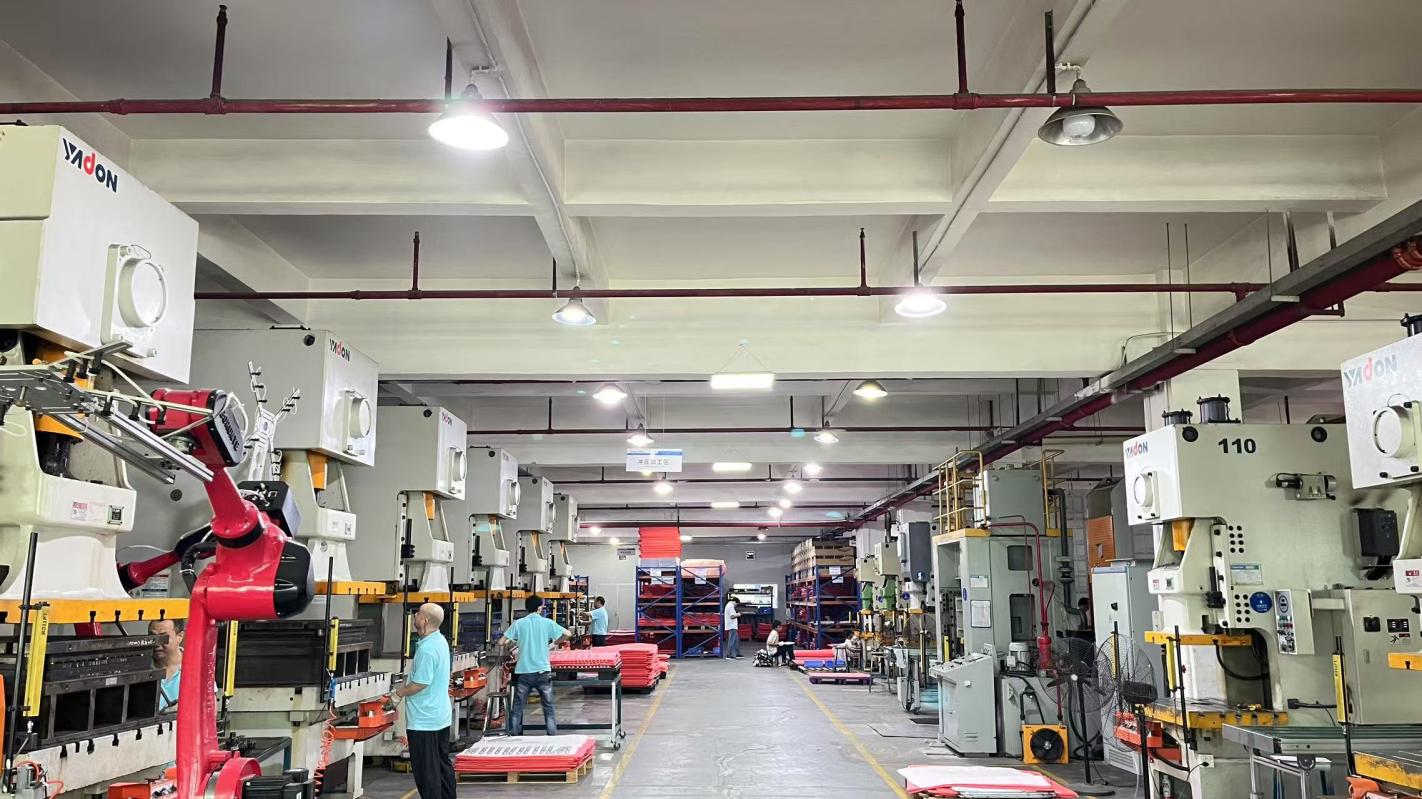
China has long stood as the epicenter of thermodynamic hardware production, combining deep industrial clusters with highly integrated manufacturing lines. The physical construction of a high-performance server radiator relies on highly specialized processes—such as skived fin technology, copper-aluminum vacuum brazing, precision CNC machining, and automated heatpipe integration. In China, all these stages are executed within localized industrial corridors, vastly reducing material transport costs, component lead times, and engineering feedback loops.
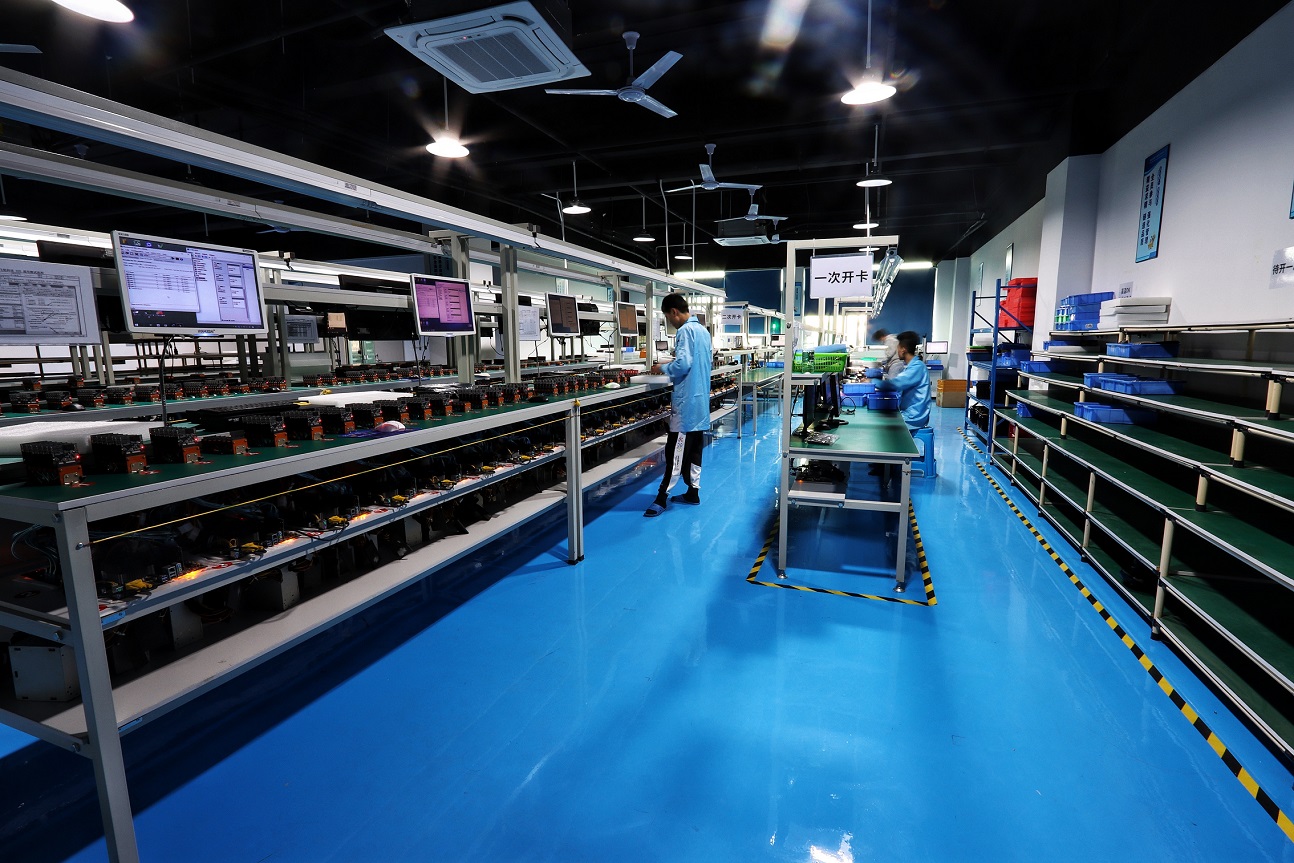
At Xeviora Memory Technology (China) Co., Ltd., we harness these industrial clusters to provide comprehensive thermal and memory solutions. Combining our 12 years of core industry expertise with a specialized production facility, we manage critical stages of the production pipeline under strict control protocols. Because server performance is heavily dependent on thermal stability, integrating optimized server radiators with high-speed DDR5 memory modules ensures overall system stability, preventing memory thermal throttling and CPU bottlenecking.
Through our network of over 850 supply chain partners, we ensure rapid material acquisition—from oxygen-free copper plates to high-durability hydraulic bearing fans. This network enables us to maintain fast development cycles, allowing system builders and data center procurement teams to prototype customized heatsinks in days rather than weeks.
Choosing the correct server radiator depends on the space constraints, air velocity, and CPU TDP of the host chassis. Below, we break down standard configurations based on localized deployment profiles:
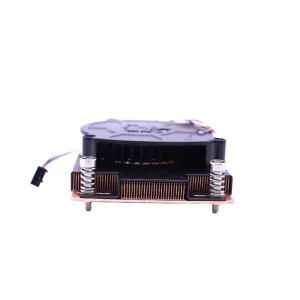
1U chassis environments (approximately 44.4mm total height) allow minimal vertical clearance. Radiators for these builds must feature low profiles, typically under 29mm, using high-density skived copper fins or vapor-chamber bases. Airflow resistance is high, so these radiators generally require high-RPM chassis fans to force air through tightly packed fins. Typical configurations include the 95W LGA115X 1U Radiator and the copper-bottomed SP3 1U Server Cooler.
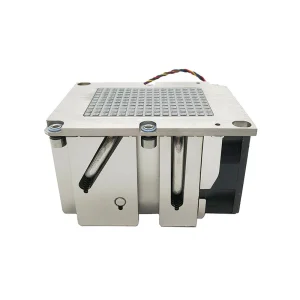
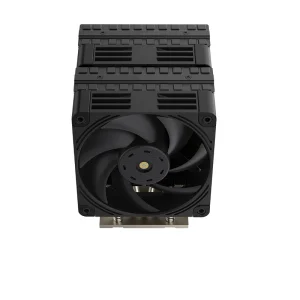
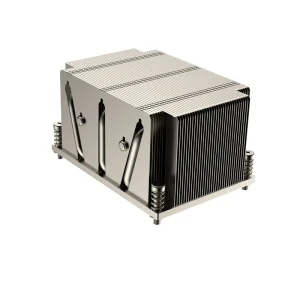
2U systems permit larger, more efficient designs. This scale allows the integration of copper heatpipes, which draw thermal energy away from the processor base and distribute it across aluminum fins. The 300W LGA 4677 Desktop/2U Cooler and the AMD SP6 350W Radiator leverage multiple heatpipes and active fans, offering high cooling capacity with lower fan speeds than 1U equivalents.
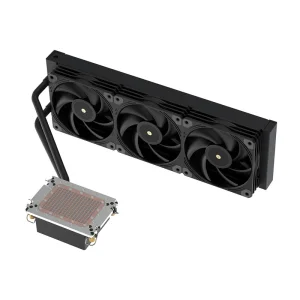
For high-performance compute clusters and AI workloads exceeding 350W-400W TDP, air cooling faces thermodynamic limitations. Direct-to-Chip (D2C) liquid cooling blocks, such as our High Performance LGA4189/LGA4677 400W Liquid Cooler Blocks, route coolant directly over a micro-channel copper base. This methodology keeps operating temperatures low, reduces reliance on fans, and helps lower the overall facility PUE.
| Radiator Category | Common Socket Compatibility | Target TDP Capability | Key Mechanical Features | Primary Deployment Target |
|---|---|---|---|---|
| 1U Air Cooled (Low Profile) | LGA115X, SP3, BGA 2518 | 95W – 150W | Pure Copper Skived Fins, Vapor Chamber bases, 28.5mm height | Low-profile compute servers, Edge IoT Nodes |
| 2U-4U Air Cooled (Multi-Heatpipe) | LGA4677, LGA4926, AMD SP6 | 200W – 350W | Aluminum Fins, 4-6 Copper Heatpipes, active hydraulic fans | Enterprise Application Servers, Cloud Infrastructure |
| Liquid Cold Blocks (D2C) | LGA4189, LGA4677 | 300W – 400W+ | Precision CNC Copper Bases, Internal micro-channels, low resistance | AI training setups, High-Performance Compute (HPC) |
Modern server performance depends on a tight synergy between the processor, thermal dissipation system, and memory subsystem. When a server encounters intensive data tasks, CPU temperatures rise and RAM modules face increased thermal loads. High-speed DDR5 memory generates significant heat due to on-board Power Management ICs (PMICs). If the internal chassis temperature remains elevated due to inefficient CPU cooling, the DDR5 memory modules may throttle speed, degrading overall system throughput.
As a result, leading hardware system designers now treat thermal dissipation and memory selection as a unified engineering task. Standard features of next-generation layouts include:
Answers to common engineering and sourcing questions about server radiators and cooling systems.
Explore our full line of active air coolers, multi-heatpipe arrays, and liquid-cooled blocks built to meet international quality standards.
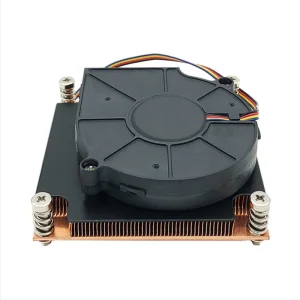
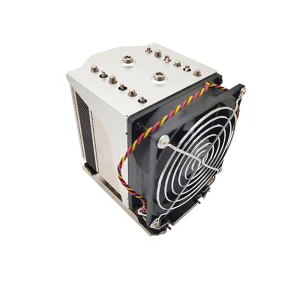
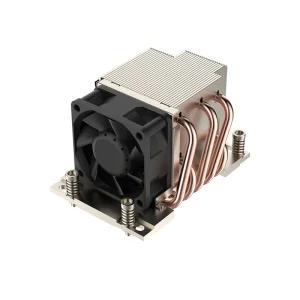
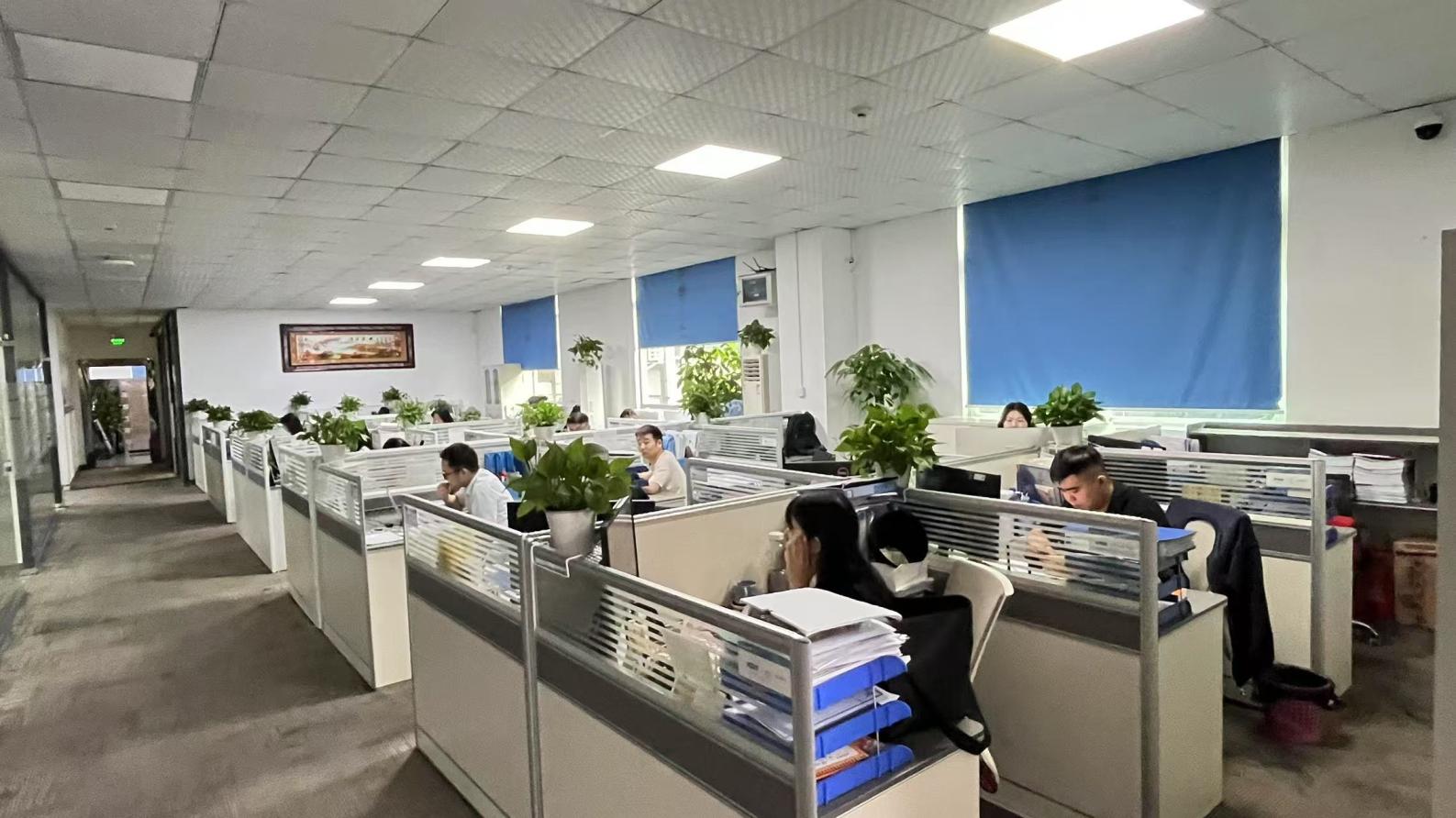
Established in 2017, Xeviora Memory Technology (China) Co., Ltd. is a specialized manufacturer and supplier based in China, providing DDR5 memory solutions and thermal management products for gaming, industrial, enterprise, and consumer electronics applications. Over the years, we have grown into an OEM and ODM partner for distributors, system integrators, and tech brands worldwide.
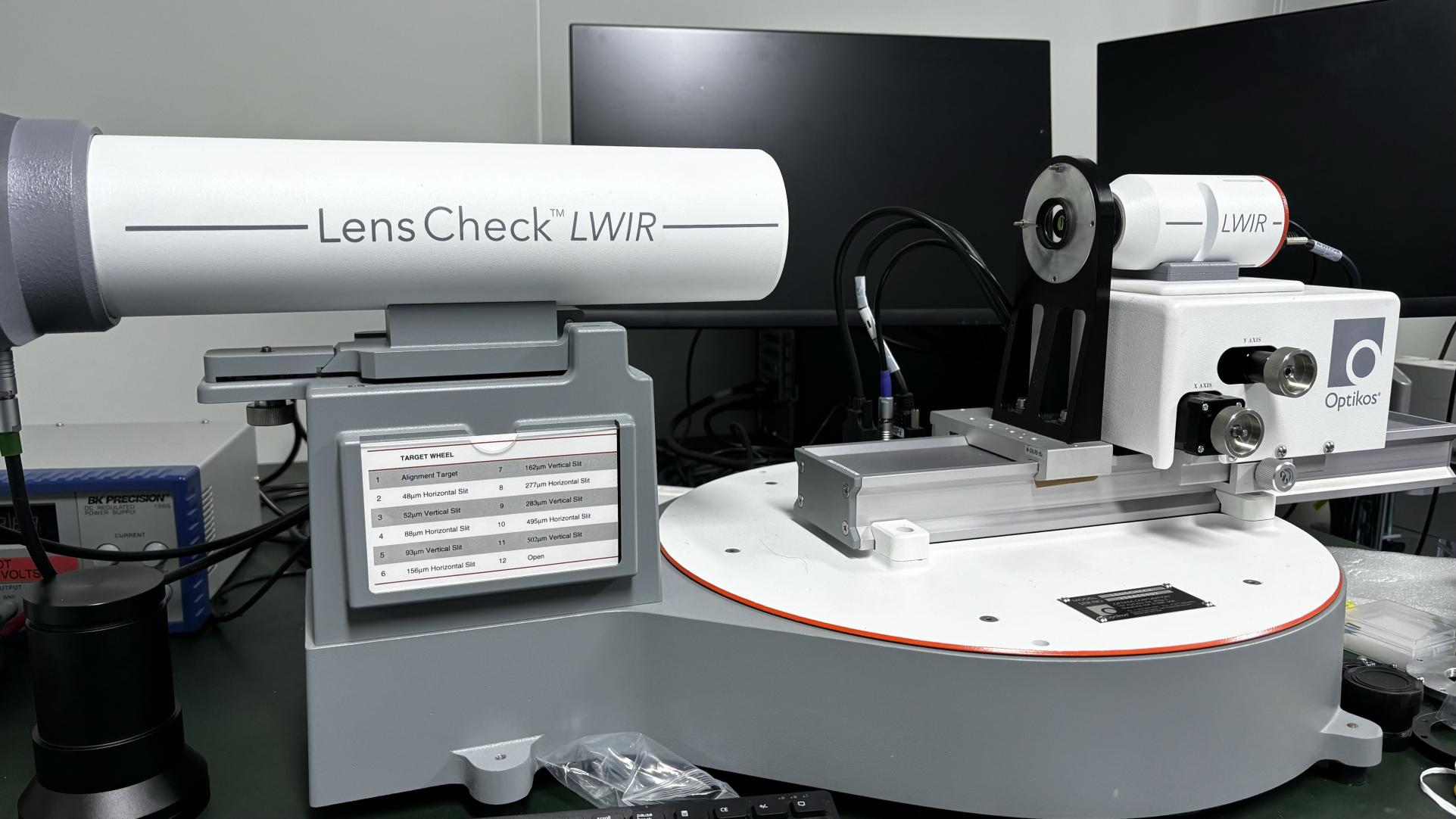
Our manufacturing facility spans 368 square meters and is equipped with production and testing systems to ensure product quality and reliable thermal performance. With an annual export revenue exceeding USD 18 million, Xeviora serves customers across North America, Europe, Southeast Asia, the Middle East, and South America.
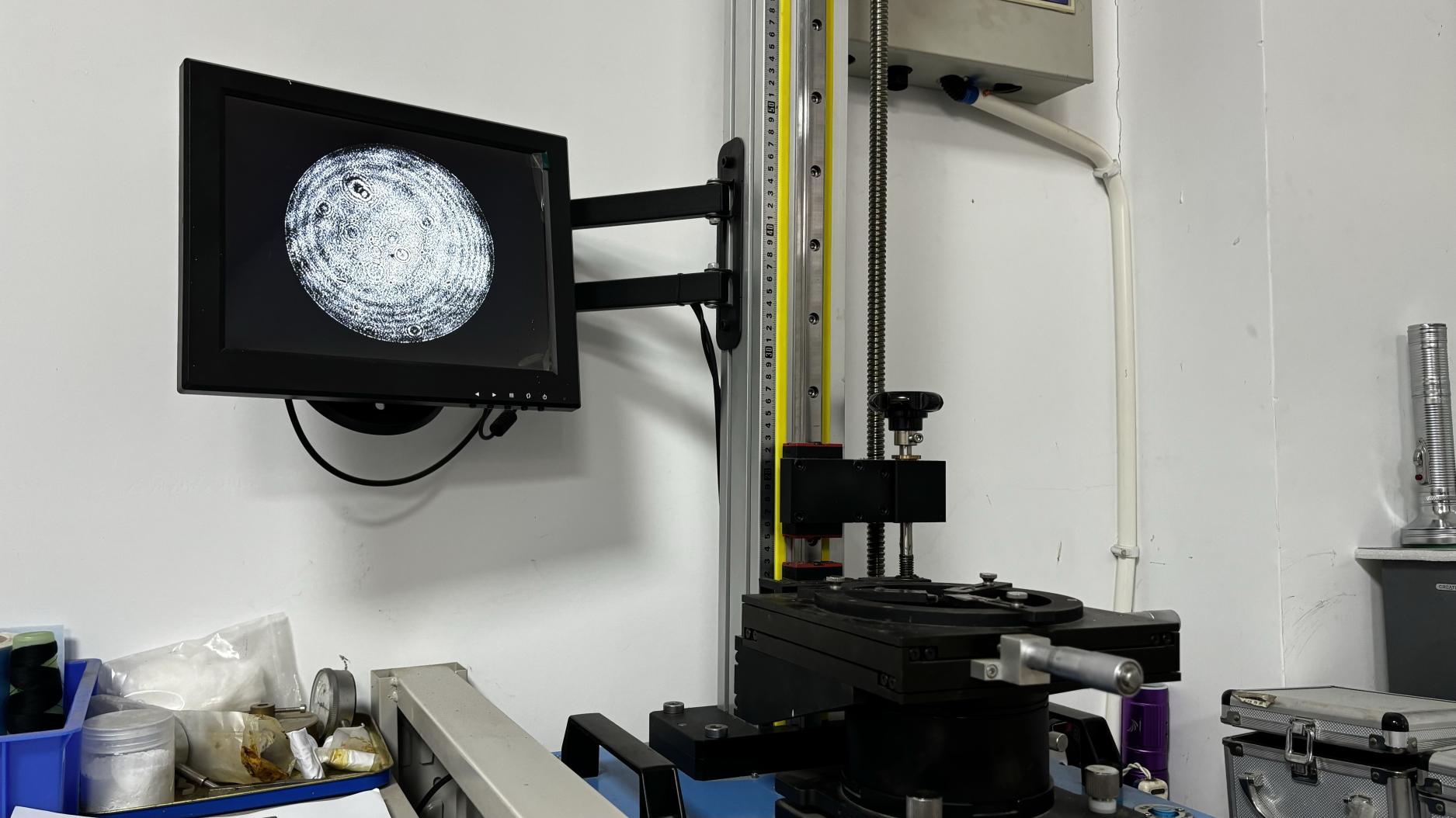
Backed by 8 years of export experience and 12 years of industry expertise, we design products that comply with international quality standards. Our quality management system covers incoming material inspection (IQC), in-process quality control (IPQC), and final product testing (FQC). All products undergo automated functional testing, compatibility verification, performance validation, and thermal aging tests before shipment. Our quality assurance team includes 46 inspectors who verify that each module and heatsink meets strict reliability requirements.
As an OEM and ODM supplier, Xeviora works with over 850 supply chain partners globally, supporting flexible production, efficient sourcing, and fast shipping. Our primary customer base consists of wholesalers, distributors, e-commerce sellers, system builders, and enterprise solution providers.
We invest continuously in R&D through our team of 128 engineers. Last year, we introduced 86 new products, including DDR5 gaming modules, industrial-grade memory, server memory solutions, and customized thermal products.
Our customization services include private labeling, logo printing, custom packaging, specification adjustment, firmware optimization, and full-cycle OEM/ODM development. Whether you require standard components or bespoke thermal assemblies, our team is ready to support your project with competitive pricing and technical service.