Xeviora
Xeviora
Xeviora
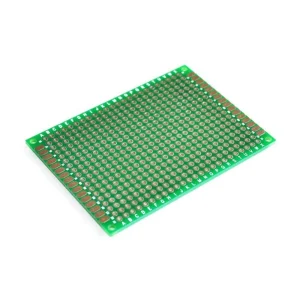
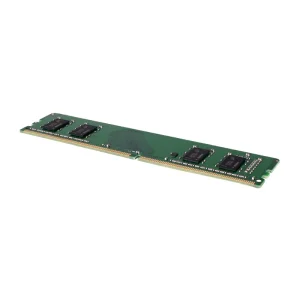
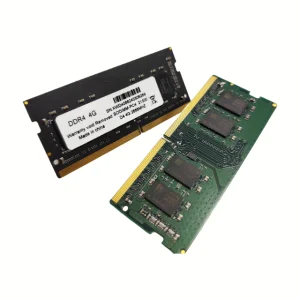
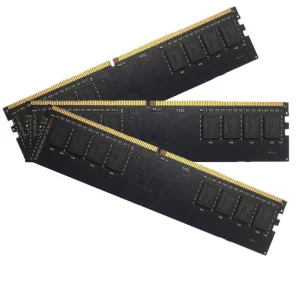
The global demand for high-fidelity audio and video hardware is experiencing unprecedented growth. Driven by the expansion of ultra-high-definition (UHD) streaming, smart cities, artificial intelligence of things (AIoT), and digital workspace integration, the underlying printed circuit board assembly (PCBA) must support vastly complex routing architectures. Industrial displays, digital signage networks, and enterprise audio/video interfaces require specialized PCBA designs that can process massive streams of uncompressed data with zero packet loss and minimum latency. High-definition video signals such as HDMI 2.1, DisplayPort 2.0, and high-bitrate multi-channel audio codecs require circuit boards built with extreme precision.
Historically, audio and video components were treated as simple analog pipelines. Modern installations, however, treat AV hardware as digital node systems. High-frequency digital processing has introduced complex design bottlenecks, notably signal degradation and thermal limits. A modern PCB audio and video exporter must provide boards designed to survive environments where multi-channel routing, digital signal processing (DSP), and ultra-high-frequency memory storage modules converge. Across industrial machinery, control rooms, surgical monitors, and large-scale digital arrays, modern electronic hardware is required to perform with absolute predictability, regardless of electrical interference.
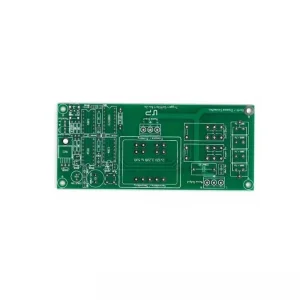
Designing PCBs for high-performance audio and video signal integrity presents distinct electronic challenges. Unlike basic microcontrollers, video processors handle multi-gigabit signal paths where signal degradation, electromagnetic interference (EMI), and capacitive crosstalk can instantly compromise audio and video output quality. A highly reliable audio-video PCB relies on premium substrate materials, with high-quality FR-4 composites remaining the industry standard for general-purpose applications. The standard 1.6mm thickness provides structural integrity and reliable layer stacking, allowing designers to route high-frequency signal pathways over dedicated reference planes.
Key design considerations for high-performance AV boards include:
Through careful implementation of these routing techniques, systems achieve high SNR (Signal-to-Noise Ratio), securing clean signal pathways for professional-grade audio and video operations.
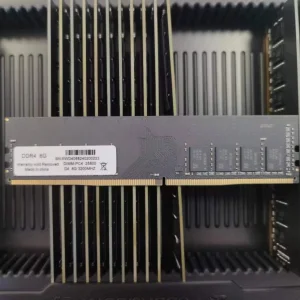
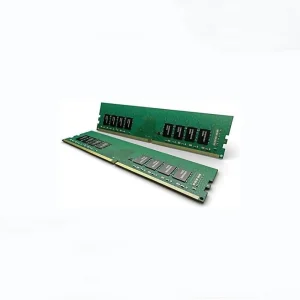
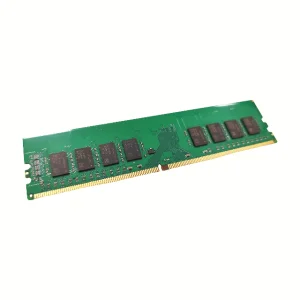
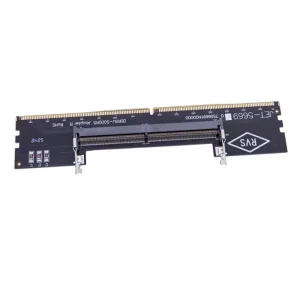
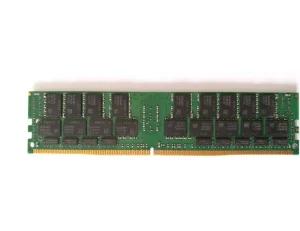
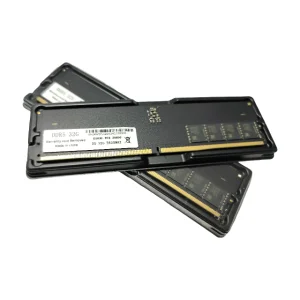
In modern high-definition systems, audio and video data streams require robust processor configurations and high-bandwidth memory architectures. Video buffer systems, frame renderers, and digital audio workstations process millions of data frames per second. This creates storage bottlenecks, making the choice of memory modules a key factor in overall device performance. To prevent data flow bottlenecks, modern system designs rely on high-speed DDR3, DDR4, and DDR5 RAM modules. Integrating fast memory adapters and physical chips onto the PCB enables video cards and processing boards to access frame buffers with minimal latency.
DDR5 memory represents a significant leap forward, providing base frequencies up to 6000MHz to meet the needs of modern high-performance devices. With its dual 32-bit subchannel architecture, DDR5 enables concurrent access to frame buffer zones, ensuring stable output for 4K/8K media streams. For legacy systems, DDR3 and DDR4 RAM remain cost-effective solutions, offering the stability and compatibility needed for embedded digital signage and audio decoding tasks. Ensuring correct impedance matching and equal trace lengths between the central CPU/DSP and the memory modules is critical to preventing timing skew and memory corruption.
Continuous processing of high-definition video signals generates significant thermal energy. High-speed components such as video decoders, CPUs, and DSPs generate substantial heat, which can trigger thermal throttling and lead to frame drops or system instability. Reliable audio-video operations require efficient heat dissipation paths, combining high-conductivity materials, optimized thermal vias, and dedicated heatsink modules.
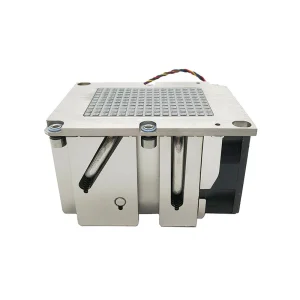
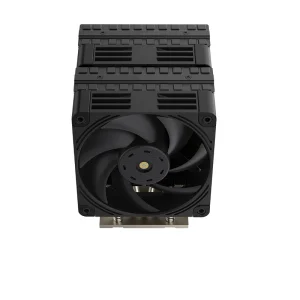
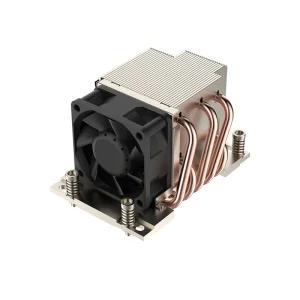
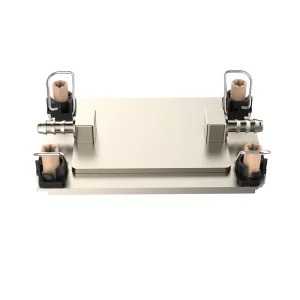
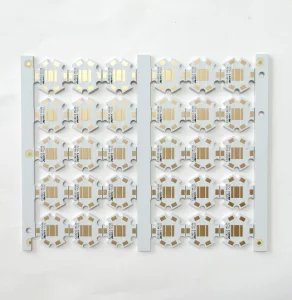
Using metal-backed substrates, like aluminum PCBs, is an effective strategy for thermal regulation. These substrates draw heat away from hot active components and transfer it directly to the system housing. For server-side rendering, streaming encoders, and video processors, integrating passive and active coolers (such as LGA3647, AMD SP6, and LGA4677 copper heatsinks or water blocks) is essential to keep core temperatures within safe limits under high processing loads.
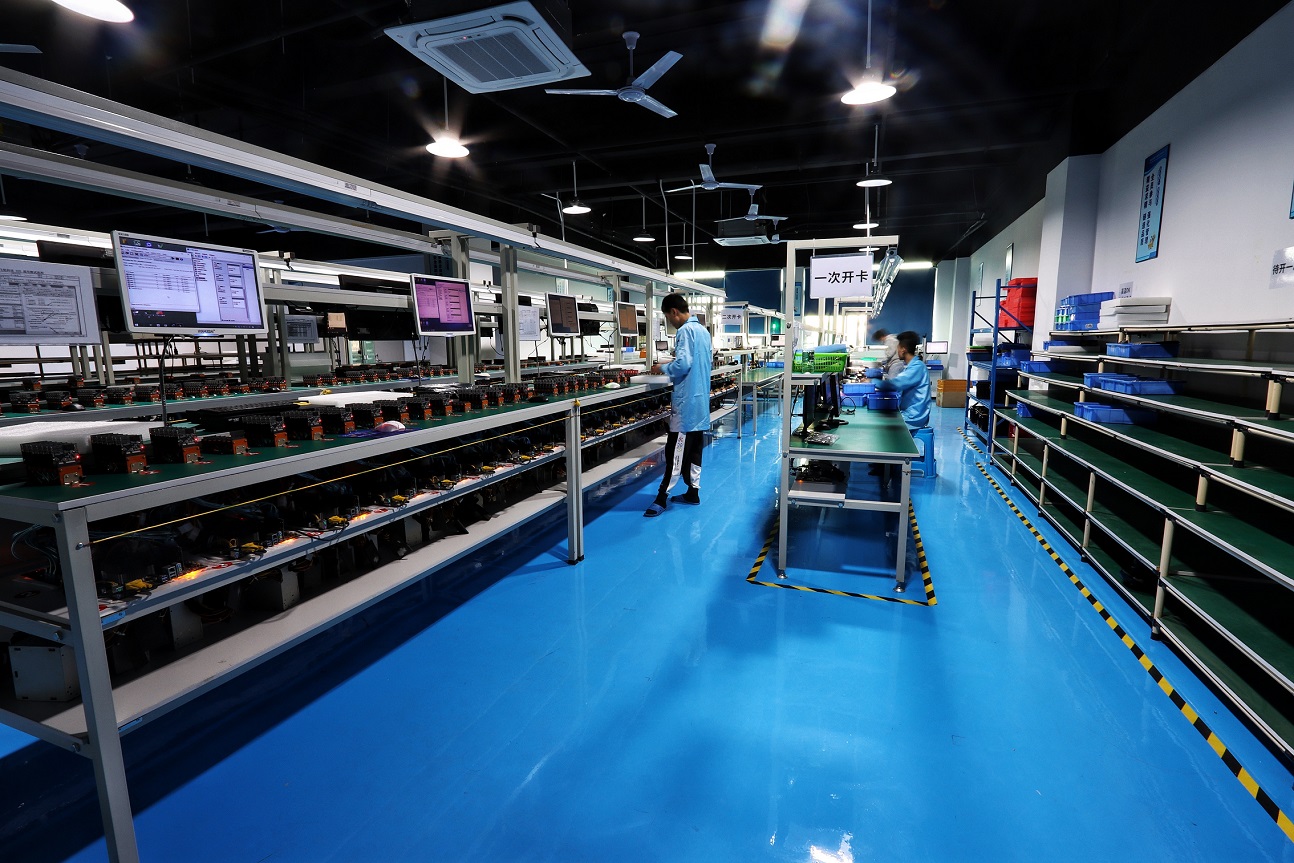
Our manufacturing processes support tight tolerance impedance controls and fine-pitch SMT assembly, ensuring high integrity for high-speed digital AV paths.
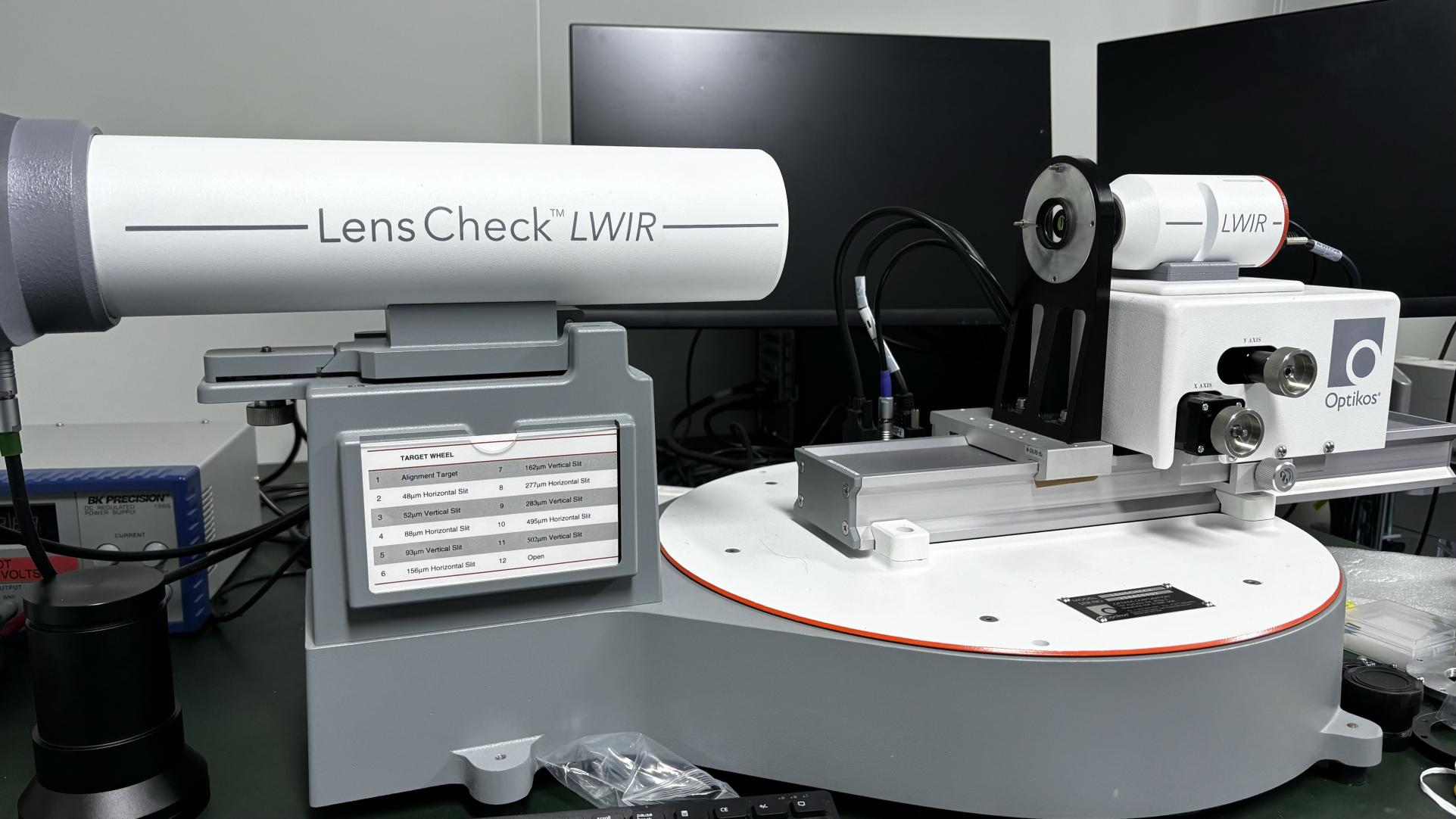
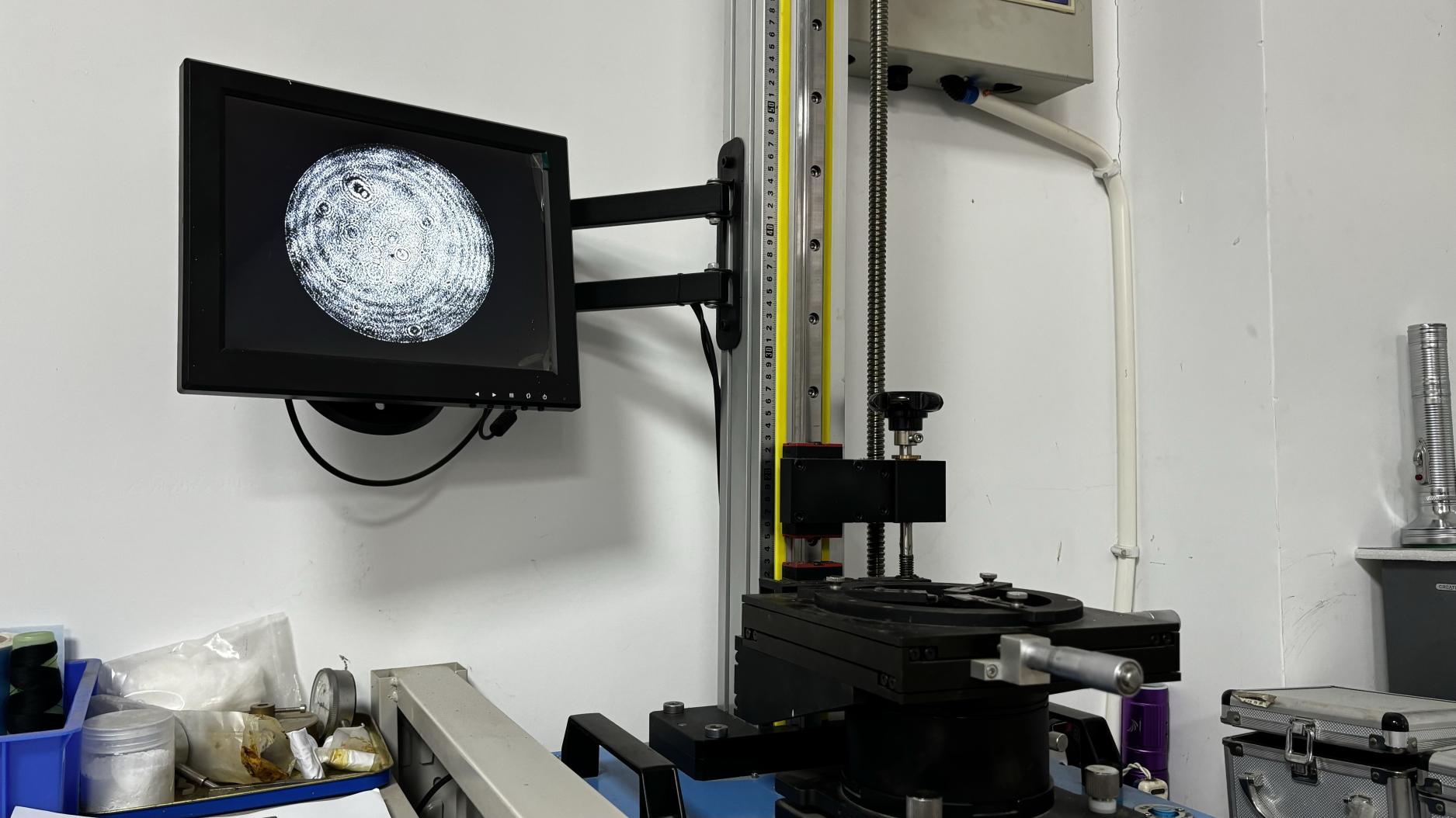
Backed by 46 dedicated inspectors, our facility implements comprehensive AOI, ICT, and high-frequency functional tests to verify every board before shipment.
From custom trace routing and layer stack-ups to custom BIOS and memory firmware, our engineering team supports your project from prototype to production.
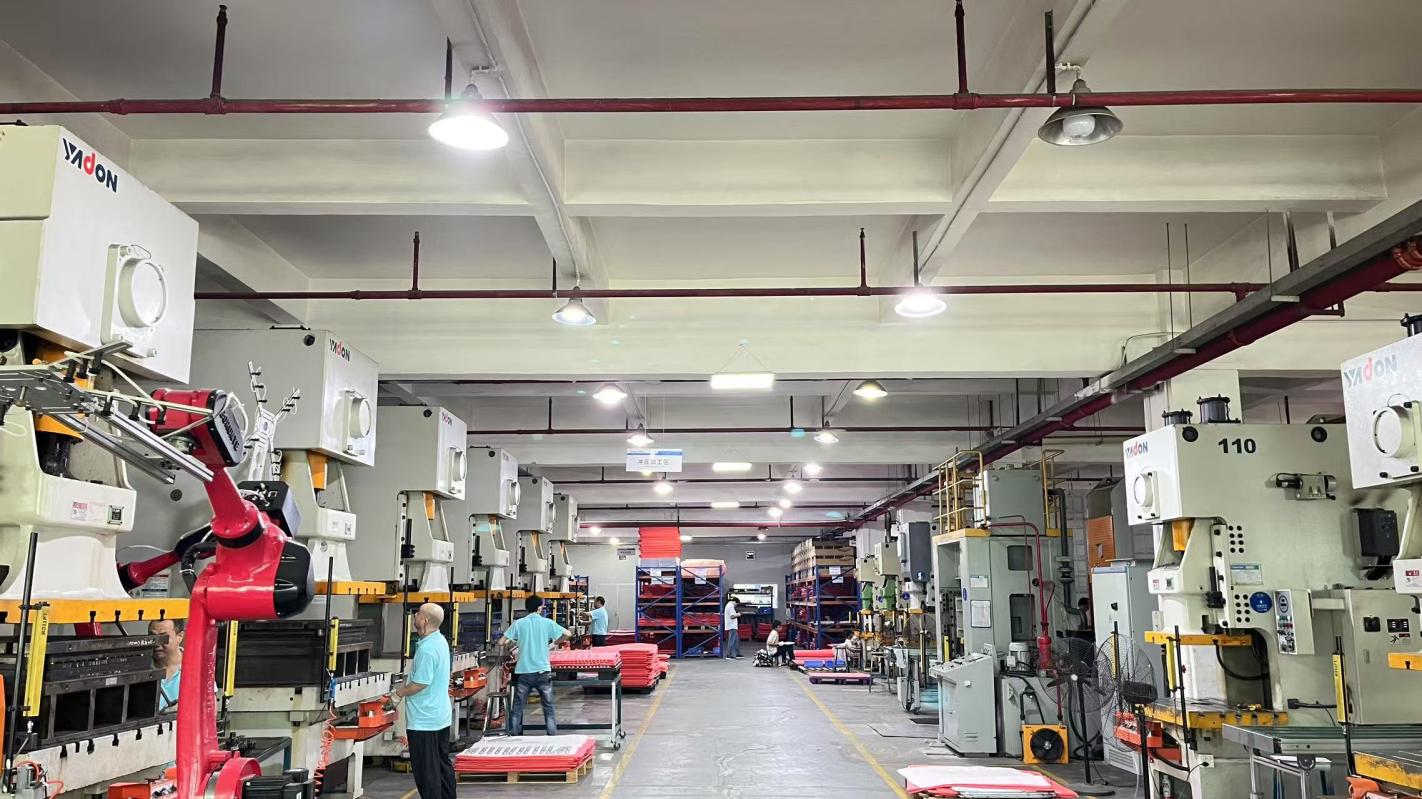
The electronics manufacturing ecosystem in China offers unparalleled supply chain advantages. With rapid access to raw materials, PCB substrate suppliers, passive components, and IC packaging facilities, production turnaround times are highly efficient. Working with specialized manufacturing partners allows global purchasers to scale production smoothly from low-volume prototypes to high-volume commercial runs. Modern manufacturing facilities leverage advanced automated assembly lines, high-speed pick-and-place equipment, and reflow ovens to produce precise PCB assemblies at competitive costs.
As a key player in this manufacturing landscape, Xeviora Memory Technology (China) Co., Ltd. has provided high-performance memory and hardware solutions since its establishment in 2017. Operating from a modern facility equipped with advanced assembly and testing equipment, Xeviora delivers reliable memory modules, custom adapter cards, and related hardware designs. Supported by 12 years of industry experience and 8 years of export operations, the company works with over 850 supply chain partners to source high-grade components and deliver products globally.
Our quality assurance program is built on strict multi-stage inspection, managed by a dedicated team of 46 quality inspectors. Every product batch undergoes incoming material checks, in-process monitoring, and final functional and stress testing before shipment, ensuring reliable performance in demanding user environments.
Industrial audio and video hardware is deployed across a range of specialized, mission-critical environments:
The convergence of artificial intelligence and AV hardware is driving several key design trends. Modern audio-video systems increasingly incorporate edge AI processing, allowing smart cameras and audio units to run deep learning models locally for real-time analysis. This trend requires hardware layouts that place high-speed DDR5 memory closer to the processor, minimizing path delays and speeding up AI compute loops. Additionally, the industry is shifting toward High-Density Interconnect (HDI) PCBs, which use microvias to package advanced routing capabilities into smaller form factors.
Environmental sustainability is also reshaping manufacturing standards. Global regulations are encouraging lead-free materials, halogen-free substrates, and energy-efficient manufacturing processes. Our engineering and R&D teams continually refine board layouts to reduce energy loss, improve heat dissipation, and use environmentally compliant materials, helping global importers meet local green standards.
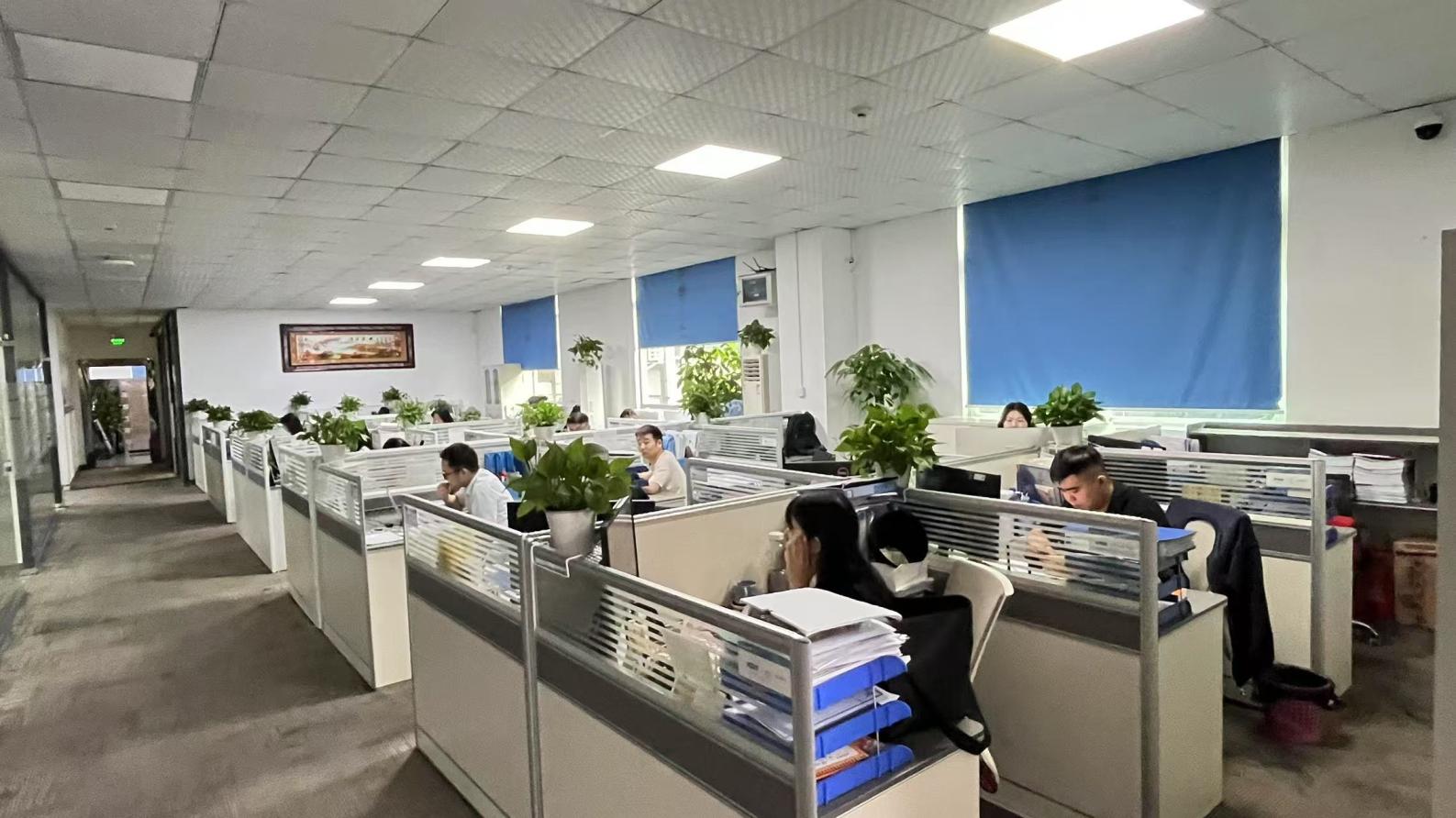
Global electronics buyers, system integrators, and distributors require tailormade hardware configurations to meet unique market needs. Xeviora offers comprehensive customization services, providing end-to-end OEM and ODM support. Backed by a research and development department of 128 engineers, we regularly launch new designs to adapt to changing market requirements, introducing 86 new memory and hardware products last year alone.
Our OEM and ODM services include:
DDR5 memory increases base data rates up to 6000MHz, providing nearly double the bandwidth of standard DDR4. For high-resolution video streams, this extra bandwidth prevents data buffer bottlenecks during high-bitrate rendering. Additionally, DDR5 features dual 32-bit subchannels on a single module, enabling concurrent memory access to minimize frame buffering delays and keep playback smooth.
Maintaining signal integrity requires strict layout strategies. First, high-frequency differential pairs (like those for HDMI or DisplayPort) must be routed with matched trace lengths to prevent timing skew. Second, placing solid ground planes directly beneath signal layers controls trace impedance. Finally, routing sensitive analog audio lines away from high-speed digital buses, power grids, and switching components prevents digital noise from bleeding into the audio path.
Aluminum PCBs offer much higher thermal conductivity than standard FR-4. High-power LEDs generate significant localized heat, which must be dissipated to prevent efficiency loss and prolong component life. The aluminum core acts as an integrated heatsink, transferring heat away from active components and out to the device housing, making it ideal for automotive light bars and commercial projector arrays.
Our quality control workflow includes multi-stage inspections. We perform Incoming Quality Control (IQC) on raw memory chips, PCBs, and connectors. During assembly, automated optical inspection (AOI) systems verify component placement. Completed modules undergo functional tests, compatibility sweeps on various host systems, and thermal burn-in tests to filter out early component failures before packaging.
High-density AV transcoding platforms generate significant heat under continuous computing loads. Heavy-duty heatsinks (designed for sockets like SP3, SP6, and LGA4677) use high-density aluminum fins, copper base plates, and direct-contact heat pipes to efficiently transfer heat. Some configurations use liquid cooling blocks to manage high-thermal profiles, keeping core temperatures within safe limits to prevent processor throttling and ensure steady streaming output.