Xeviora
Xeviora
Xeviora
Explore our industrial-grade components engineered to support high-frequency signal processing, high heat dissipation, and dense system-level integration.
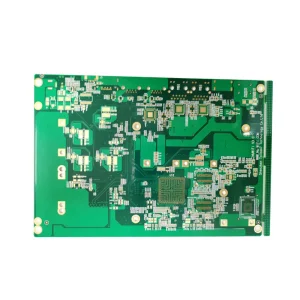
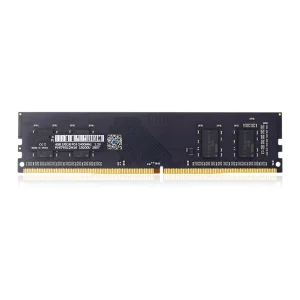
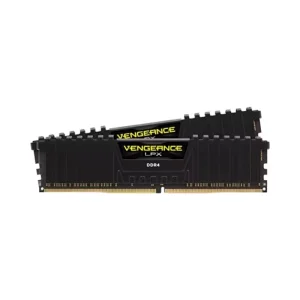
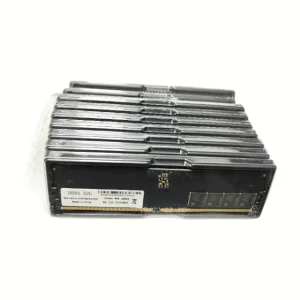
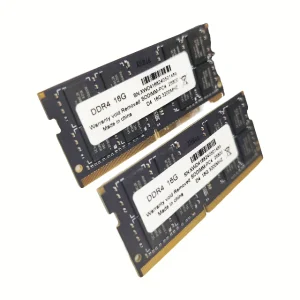
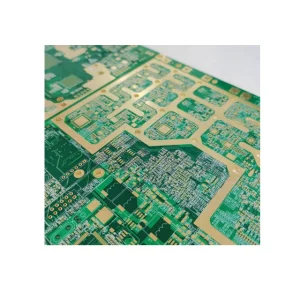
In the modern electronics landscape, the demand for compact, high-speed, and structurally resilient hardware has accelerated the evolution of multilayer printed circuit boards (PCBs). Once dominated by simple dual-layer designs, today's industrial and consumer hardware relies on intricate stackups ranging from 4 to 32+ layers. These complex configurations are essential for supporting dense routing matrixes, isolating sensitive high-speed signals, and managing thermal dissipation. As a premier partner in SMT assembly and custom multilayer manufacturing, Xeviora Memory Technology (China) Co., Ltd. integrates state-of-the-art substrate fabrication with high-precision surface mount technologies to deliver reliable system-level components.
The critical element of multilayer board manufacturing lies in control over physical and electrical variables. Designers and engineers face challenging environments where electromagnetic interference (EMI), signal degradation, and propagation delays can undermine device performance. Achieving high signal integrity requires high-specification materials, including low-loss ceramic-filled laminates like Rogers 4000 series, alongside advanced FR-4 substrates (such as Shengyi High TG170) with stable dielectric constants (Dk) and low dissipation factors (Df). Through precise dielectric thickness control and high-accuracy impedance calculations, our factory delivers multilayer solutions that meet the tight tolerances required by high-speed digital electronics.
The global market for multilayer circuit boards is undergoing a substantial technological shift. Several major trends are currently redefining the standard for high-performance fabrication:
Hybrid stackups bonding high-frequency materials (e.g., Rogers) with standard FR-4. This approach optimizes raw material costs while maintaining low insertion loss for RF signal pathways.
Utilization of laser-drilled blind and buried microvias to maximize routing density. This reduces parasitic capacitance and inductance, providing cleaner signal transitions.
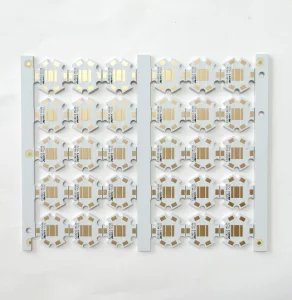
Integration of metal-core designs (such as Aluminum substrates for LED arrays and power systems) to facilitate rapid heat extraction in space-constrained layouts.
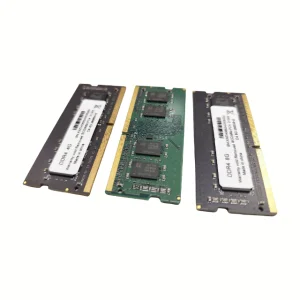
Furthermore, high-speed memory systems like DDR5 operating up to 6000MHz require strict PCB design compliance. As frequencies rise, trace skin effects and dielectric losses become more pronounced. Advanced multilayer fabrication resolves these issues by using smooth copper profiles (low-profile and ultra-low-profile copper foil) and resin materials that limit signal dispersion and maintain signal amplitude.
For hardware manufacturers, system builders, and distributors worldwide, securing a steady supply of premium multilayer PCBs involves navigating complex global challenges. Supply chain vulnerabilities, pricing volatility, and variable quality yields present significant risks to project timelines. Industry buyers look for partners who can offer highly reliable processes and clear engineering transparency.
Critical areas of concern for procurement specialists include:
Chinese manufacturing has evolved beyond simply offering cost-competitive production to become a leader in high-precision, automated manufacturing. The integration of Industrial Internet of Things (IIoT) technologies, automatic optical inspection (AOI), and inline X-ray registration control ensures consistent precision in every step of the PCB lamination process.
This automated ecosystem reduces human error during manufacturing and ensures high registration accuracy across multiple layers. The close proximity of raw material suppliers, specialized chemical processors, and surface-mount assembly services allows Chinese factories to compress standard lead times, facilitating rapid transitions from prototype runs to volume production. This integration provides global clients with the agility needed to respond to changing market demands.
As an industry leader in complex electronic hardware, Xeviora Memory Technology (China) Co., Ltd. is a professional DDR5 memory manufacturer and supplier based in China, specializing in high-performance RAM solutions for gaming, industrial, enterprise, and consumer applications. Established in 2017, the company has rapidly grown into a trusted OEM and ODM partner for global distributors, system integrators, and technology brands.
Our manufacturing facility covers 368 square meters and is equipped with advanced production and testing equipment to ensure stable quality and reliable performance. With an annual export revenue of over USD 18 million, Xeviora serves customers across North America, Europe, Southeast Asia, the Middle East, and South America.
Backed by 8 years of export experience and 12 years of industry expertise, we are committed to delivering innovative memory products and multilayer PCBs that meet international quality standards. Our quality management system includes comprehensive incoming material inspection, in-process quality control, and final product testing. All products undergo automated functional testing, compatibility verification, performance validation, and aging tests before shipment. Our quality assurance team consists of 46 dedicated inspectors who ensure every module meets strict reliability requirements.
As a manufacturer with strong OEM and ODM capabilities, Xeviora works closely with more than 850 supply chain partners worldwide, enabling efficient sourcing, flexible production, and fast delivery. Our primary customers include wholesalers, distributors, e-commerce sellers, system builders, brand owners, and enterprise solution providers.
Innovation is at the core of our business. Supported by an experienced R&D team of 128 engineers, we continuously invest in new technologies and product development. Last year alone, we successfully launched 86 new memory products covering DDR5 gaming memory, industrial-grade memory modules, server memory solutions, and customized storage products.
We offer flexible customization services, including private labeling, logo printing, packaging design, specification customization, firmware optimization, and complete OEM/ODM development. Whether customers require standard memory modules or fully customized multilayer PCB solutions, our team is dedicated to providing reliable products, competitive pricing, and professional technical support.



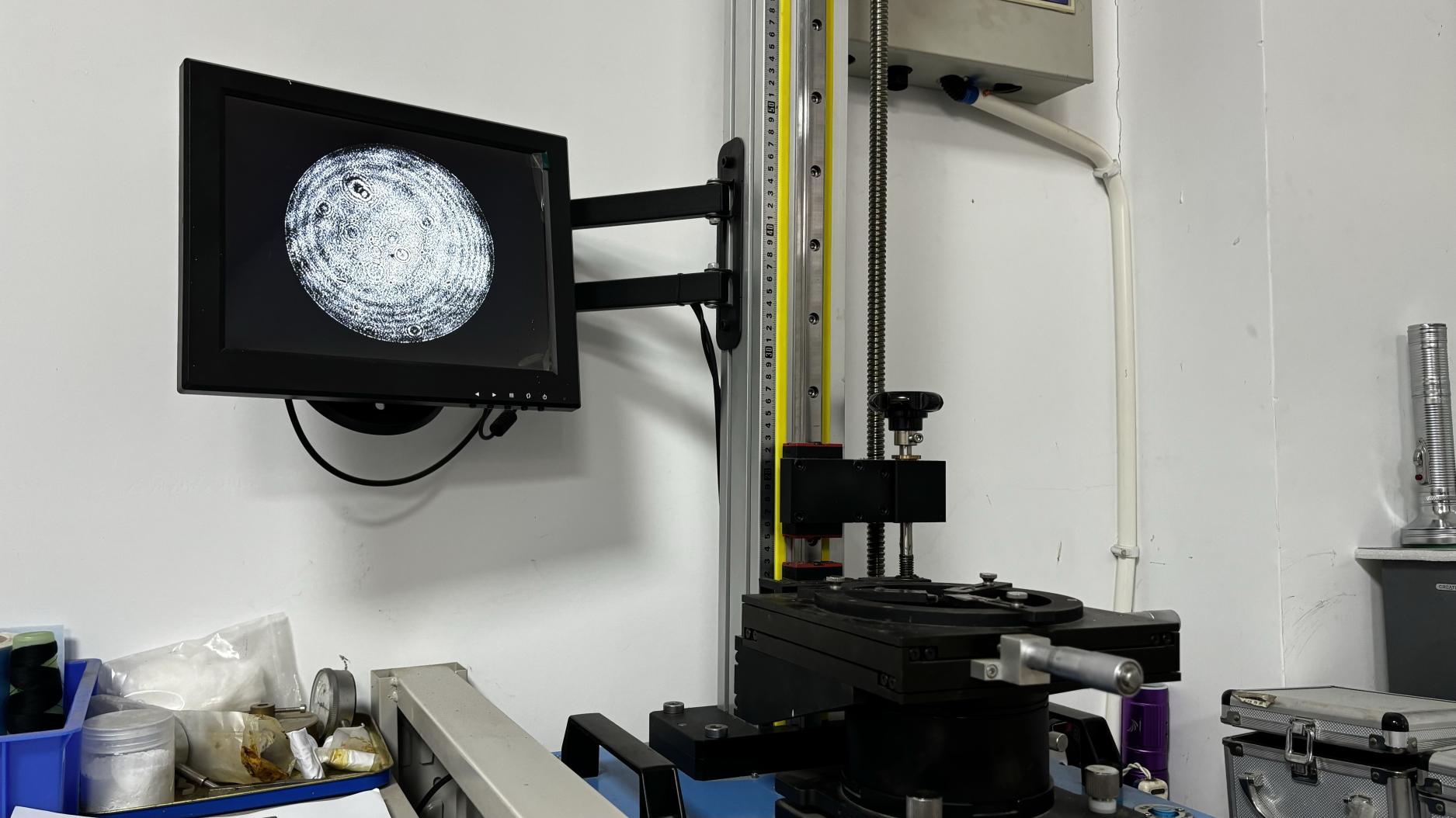
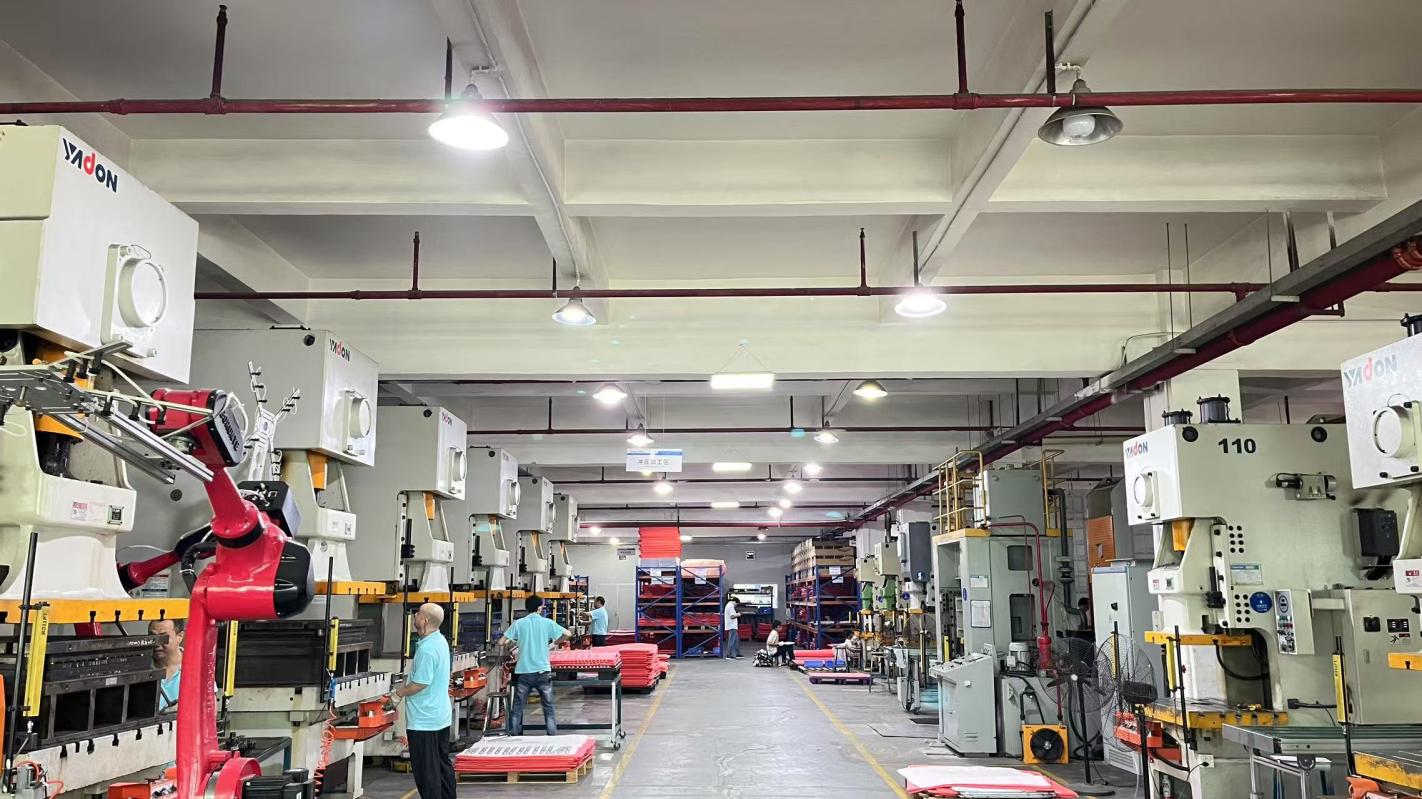
Multilayer printed circuit boards and integrated RAM modules form the backbone of modern processing hardware. Below are the primary application sectors where our advanced substrates and SMT configurations are deployed:
Modern data centers and cloud computing networks handle massive data loads requiring high-speed transfer rates and minimal latency. High-density, high-frequency multilayer PCBs are vital for routing high-speed DDR5 memory signals up to 6000MHz. Utilizing tight control over trace impedance and low-loss substrates (e.g., Rogers mixed-pressure laminate) prevents signal attenuation and preserves signal margins across long motherboard traces.
Industrial environments expose electronics to high heat, vibration, and electromagnetic noise. In power control systems—such as high-frequency welding machines, motor controllers, and power converters—our heavy-copper multilayer PCBs provide the necessary current carrying capacity and structural reliability. Integrated thermal management (via aluminum backings and thick copper ground planes) maintains safe operational temperatures.
As modern vehicles integrate advanced driver assistance systems (ADAS), high-frequency radar, and smart sensor suites, the need for reliable signal processing becomes critical. Multi-layer boards utilizing high-reliability, high-Tg materials ensure that critical safety systems continue to operate under extreme temperature swings (ranging from -40°C to +125°C) and harsh mechanical vibrations.
Expert insights covering multilayer stackup engineering, material selection, SMT assembly parameters, and quality assurance.
Browse our selection of high-frequency computer RAM modules, server memory components, and custom multilayer prototype boards.