Xeviora
Xeviora
Xeviora
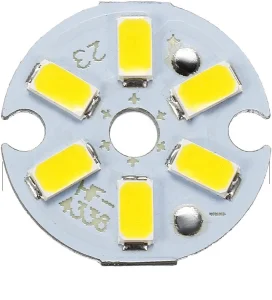
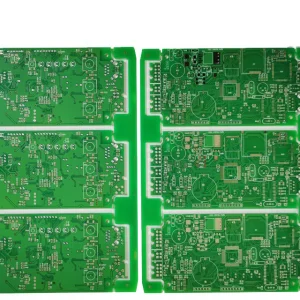
Explore our leading SMD light beads circuits, multi-layered high-frequency PCBs, and dynamic thermal cooling structures.
A comprehensive examination of dielectric materials, core substrates, and their impact on junction temperatures.
Solid-state lighting (SSL) technologies have revolutionized commercial, automotive, and industrial markets. However, the performance, lifespan, and reliability of high-power Light Emitting Diodes (LEDs) depend fundamentally on the thermal dissipation performance of their printed circuit boards. While LEDs do not emit heat as infrared radiation, they generate substantial thermal energy at the p-n semiconductor junction. Elevating the junction temperature (Tj) beyond critical thresholds causes irreversible luminous efficacy decay, color shifting, and premature catastrophic failure.
To address these engineering constraints, manufacturers have transitioned from standard FR4 substrates to sophisticated Metal Core PCBs (MCPCBs), also known as Insulated Metal Substrates (IMS). These advanced boards leverage copper or aluminum backing plates to rapidly conduct thermal energy away from SMD components.
At Xeviora Memory Technology (China) Co., Ltd., we utilize our extensive background in ultra-dense DDR5 high-frequency routing and multi-layer structural manufacturing to engineer LED PCBs that exhibit unparalleled thermal conductivity. Whether we are fabricating double-sided prototypes with resin-filled vias or heavy copper metal-core structures, our primary goal remains clear: reducing thermal resistance across all layers.
For light-emitting arrays, the layer layout must balance electrical isolation with thermal transfer. The thin dielectric polymer layer between the circuit copper and the metal core acts as a bottleneck. Our engineering lines optimize this layer, deploying highly ceramic-filled polymers to achieve thermal conductivities of 2.0 W/m-K to 4.0 W/m-K, compared to the mere 0.25 W/m-K of standard FR4.
| Substrate Material | Thermal Conductivity (W/m-K) | Dielectric Breakdown Voltage | Coefficient of Thermal Expansion (CTE) | Primary Application Class |
|---|---|---|---|---|
| Standard FR-4 (Tg 140°C - 170°C) | 0.25 - 0.40 | > 40 kV/mm | 14 - 17 ppm/°C | Low-power displays, signal indicator panels, simple control boards |
| Aluminum Core (MCPCB) | 1.0 - 4.0 | > 6 kV (AC) | 22 ppm/°C | Automotive headlights, architectural fixtures, high-intensity street lights |
| Copper Core (MCPCB) | 380 - 401 | > 6 kV (AC) | 17 ppm/°C | High-power industrial grow lights, theater lighting, dense projection arrays |
| Ceramic (Al2O3 / AlN) | 24 - 180 | > 15 kV/mm | 5.5 ppm/°C | Aerospace instrumentation, ultra-high-density MiniLED/MicroLED modules |
Our operational scale and technical performance metrics validate our position as a premier EMS partner.
Understanding the unique stressors and performance requirements of targeted localized markets.
Modern vehicles rely on adaptive matrix LED headlights, dynamic brake indicators, and ambient driver cabins. In these applications, thermal expansion matching and shock resistance are non-negotiable. Using lead-free HASL with resin processes ensures the solder joints withstand constant thermal cycling and physical vibrations over years of active service.
Industrial vertical farming demands high-intensity spectrum control systems that run continuously for 18+ hours daily. This continuous operation creates significant cumulative heat. Our heavy-copper PCB layouts ensure that the PAR (Photosynthetically Active Radiation) output remains stable, preventing color degradation that could disrupt crop growth cycles.
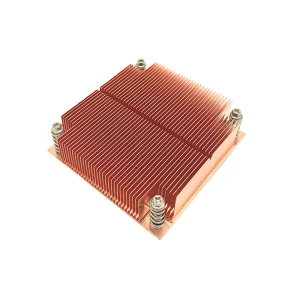
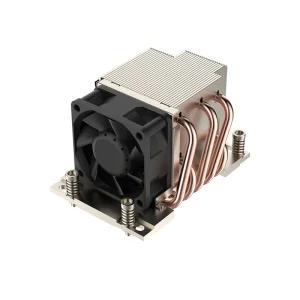
Warehouses and manufacturing floors utilize high-bay light fixtures operating at high wattages and high temperatures. To prevent failure in these environments, PCBs must use premium raw materials (such as high-Tg FR4 or aluminum backplanes) coupled with advanced server-grade heat sinks to ensure continuous air or liquid cooling.
A projection of how MiniLED, HDI processing, and material integration will transform the LED PCB landscape.
As displays transition from traditional LCD backlighting to self-emissive arrays, the density of SMD light beads is increasing by orders of magnitude. A single automotive display panel can now require tens of thousands of individual MiniLEDs. Placing and routing these components requires sub-100μm trace widths and spacing, forcing PCB manufacturers to adopt High-Density Interconnect (HDI) manufacturing practices.
Traditional mechanical drilling is no longer sufficient for microvias. Laser direct imaging (LDI) and laser drilling are now mandatory steps to connect the dense array of pads with multi-layered routing channels. Furthermore, high pad density increases the risk of thermal mismatch, necessitating substrates with coefficients of thermal expansion (CTE) that closely match the silicon dies.
The future of LED PCBs lies in structural integration. Instead of separating the control logic (microcontrollers, wireless transceivers) from the light-emitting panel, manufacturers are moving toward consolidated, single-board architectures. This integration requires advanced multi-layer designs where memory, processor units, and light emitters sit on the same substrate.
Xeviora's high-speed memory production facility is uniquely positioned to lead this change. By combining our knowledge of multi-layer impedance control, high-frequency DDR5 layout configurations, and localized thermal management (using customized server-grade cooling systems), we deliver single-board solutions that manage both intensive processing and high-wattage lighting loads.
How Xeviora leverages localized clusters, raw material vertical integration, and advanced logistics to secure global pipelines.
In the global electronics industry, supply chain resilience is a critical competitive advantage. Sourcing LED PCBs from China, specifically within the Guangdong-Shenzhen-Dongguan electronic manufacturing cluster, offers structural benefits that extend beyond labor costs. This region contains a complete ecosystem of raw material vendors, copper clad laminate (CCL) producers, chemistry suppliers, high-precision tooling makers, and high-speed SMT assembly services.
Xeviora exploits this proximity. By partnering with more than 850 verified supply chain suppliers, we secure premium raw materials (including high-Tg laminates, lead-free solder pastes, and high-grade aluminum/copper backings) even during global material shortages. This network allows us to provide reliable lead times and cost-effective prototyping.
Furthermore, our 368 square meters advanced production and testing facility features state-of-the-art SMT placement systems, multi-zone reflow ovens, and Automated Optical Inspection (AOI) technology. Every LED chip bulb PCB or DDR memory strip we manufacture undergoes strict quality controls, including thermal cycling stress tests, to guarantee reliability before shipping.
Our export structures are optimized for international compliance. With 8 years of export experience and an annual export volume exceeding USD 18 million, our logistics team manages all aspects of international trade, including custom clearance processes, RoHS/REACH declarations, and fast-track shipping to key hubs across North America, Europe, and Asia.
Maintaining international standards through proactive testing protocols and rigorous inspections.
When purchasing components from industrial factories, reliability is the primary concern. A failure in an automotive headlight circuit or a server memory module can lead to costly recalls and compromise end-user safety. Our quality management system covers all stages of production, starting with strict incoming material inspections (IQC) to verify the thermal conductivity of raw copper-clad sheets and the purity of solder pastes.
Our in-process quality control (IPQC) teams monitor reflow oven profiles, component placement accuracy, and solder joint integrity. For high-density SMD LED designs, we use automated optical inspection (AOI) and X-ray testing to identify solder voids or misaligned components that could lead to early field failures.
All products designed and built in Xeviora facilities comply with major global regulatory standards. Our lead-free SMT processes align with the RoHS (Restriction of Hazardous Substances) and REACH directives, ensuring safe distribution in European and North American markets.
Additionally, we maintain a team of 46 dedicated quality inspectors who oversee our final product testing and validation processes. Before packaging, every batch of PCBs undergoes automated functional checks, high-voltage dielectric breakdown tests, and thermal aging assessments to verify long-term performance.
Addressing key technical questions regarding LED PCB design, thermal management, and factory sourcing.
The main difference is thermal conductivity. Standard FR4 PCBs have a low thermal conductivity of roughly 0.25 W/m-K, making them prone to heat buildup in high-power applications. MCPCBs (typically aluminum or copper core) feature a dedicated thermal core and a specialized dielectric layer, achieving conductivities between 1.0 and 4.0 W/m-K. This enables efficient heat dissipation, keeping LED junction temperatures low and extending the lifetime of the chips.
Lead-free HASL (Hot Air Solder Leveling) provides a reliable, flat surface finish that stands up well to high-temperature reflow cycles. It complies with global RoHS regulations and offers strong solderability for SMD components like light beads and high-density chip arrays. This makes it an ideal option for automotive and outdoor lighting systems exposed to harsh environments.
We follow a multi-stage quality assurance protocol. This includes incoming material inspections (IQC), automated optical inspection (AOI) during SMT assembly, functional testing, and thermal aging checks. Our team of 46 quality inspectors verifies that every PCB, memory module, and thermal solution meets international quality and performance standards before shipping.
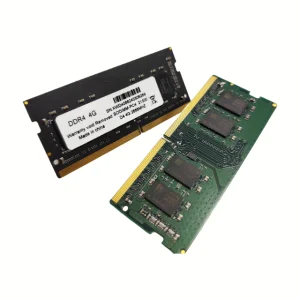
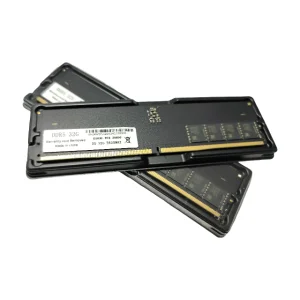
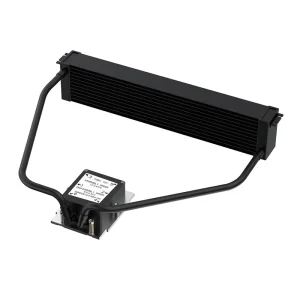
Yes. Xeviora offers full OEM and ODM services. With a team of 128 R&D engineers, we customize PCB layouts, heat sink designs (including SP5, SP6, and LGA2011 models), and high-frequency memory modules (DDR4/DDR5) to meet our customers' specific performance and spacing requirements.
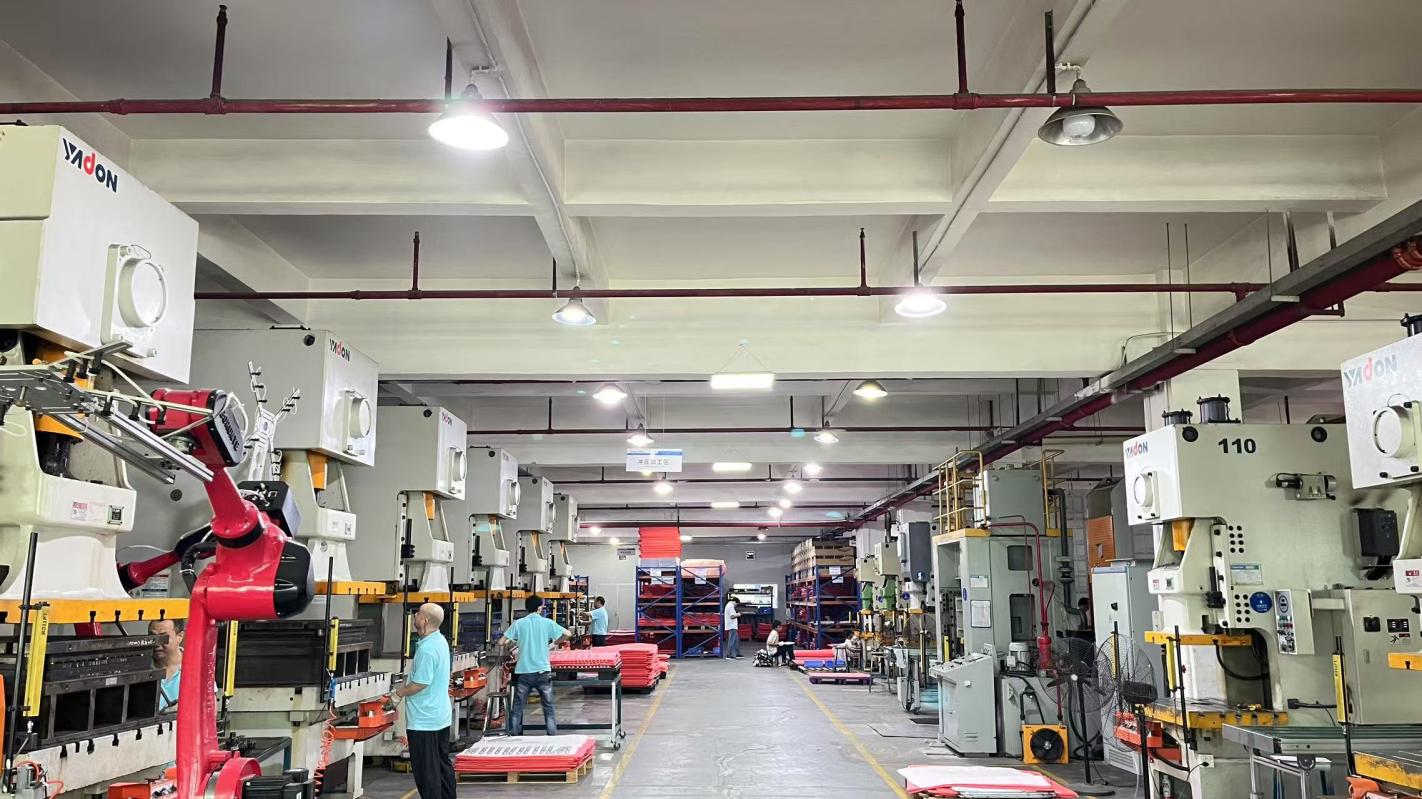
A visual look inside our production lines, testing laboratories, and assembly floors.
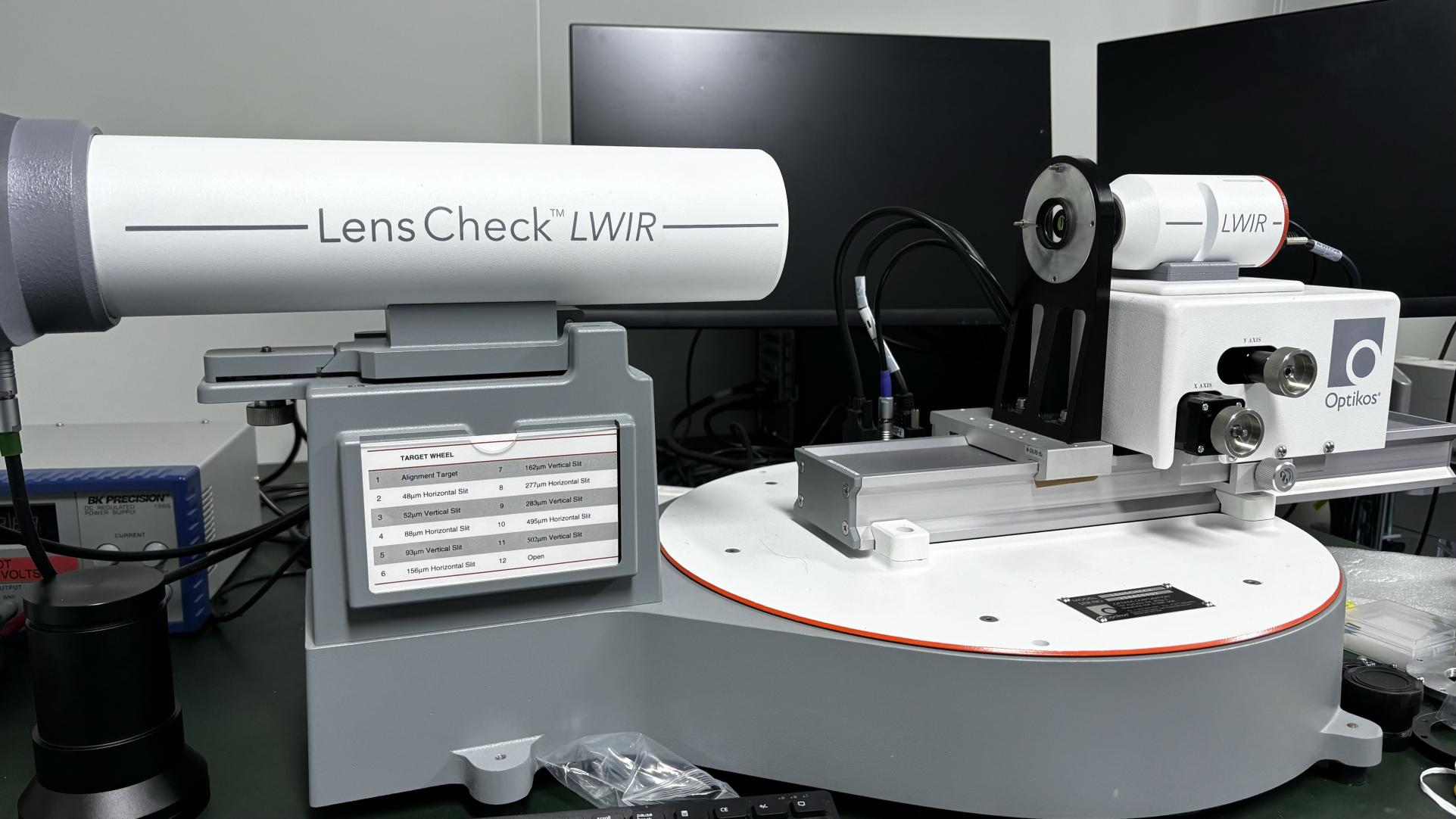
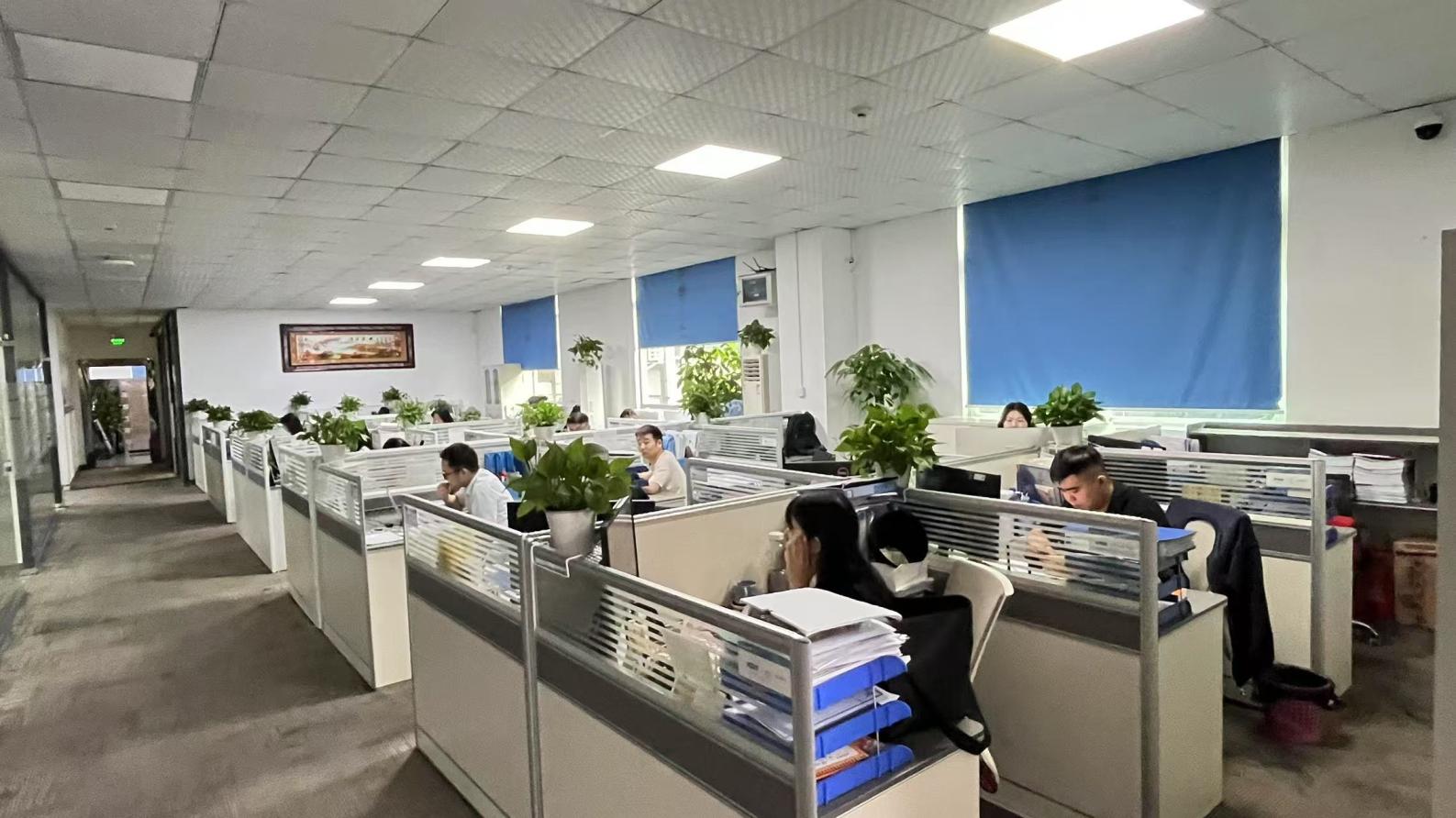
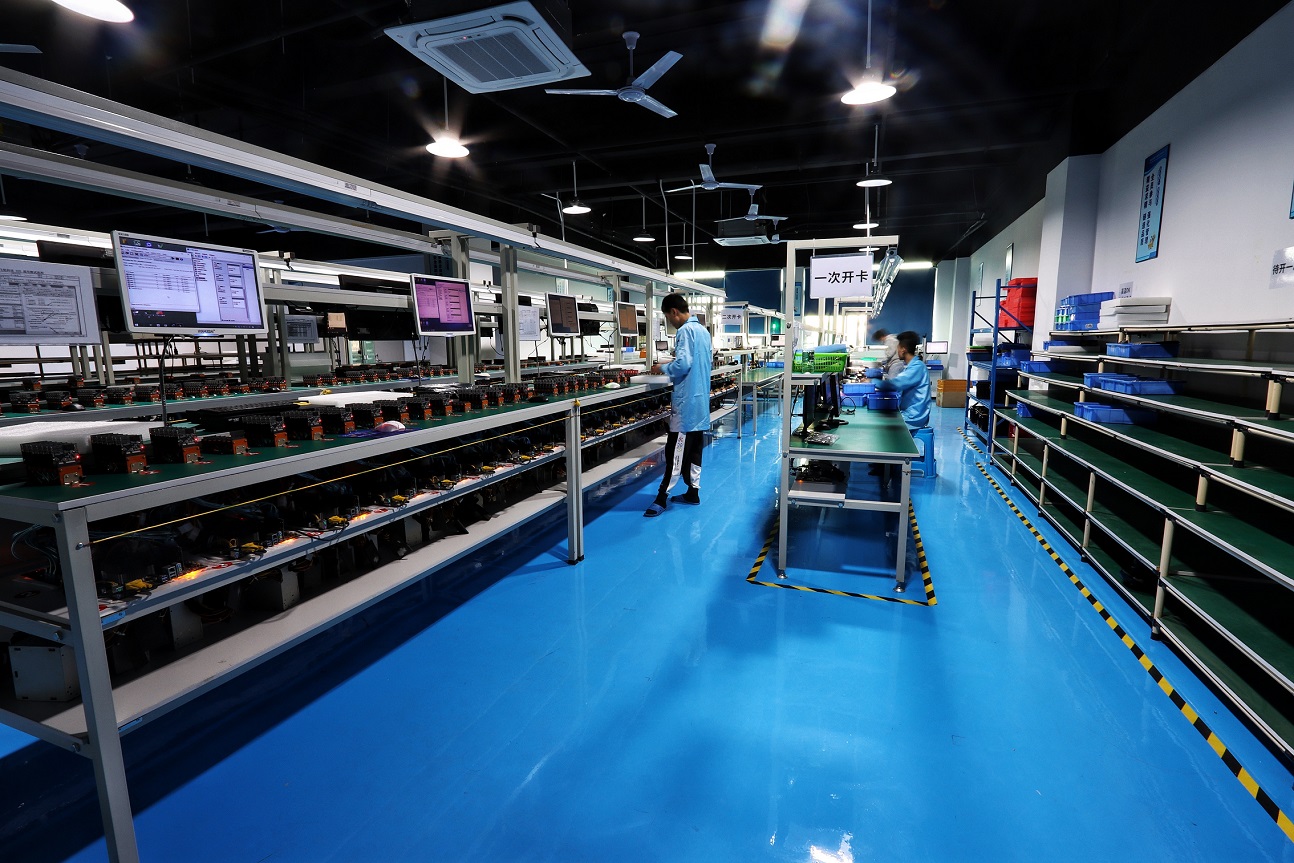
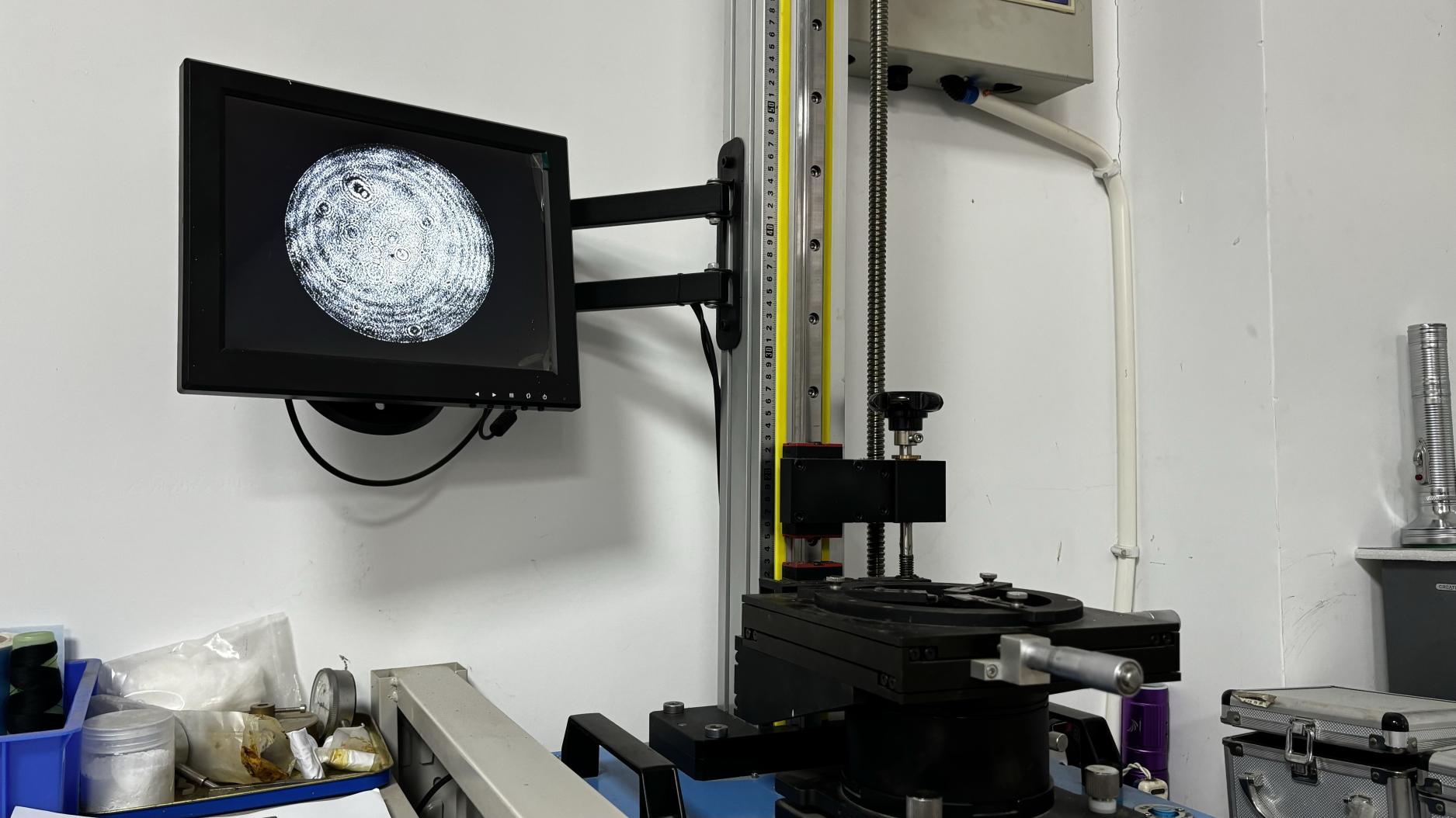
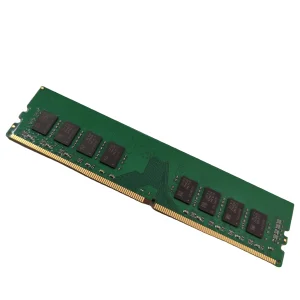
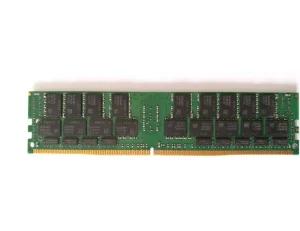
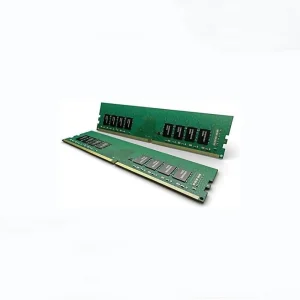
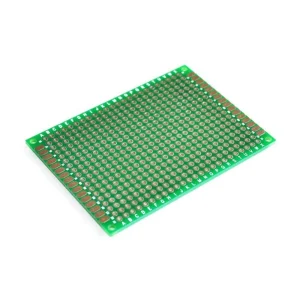
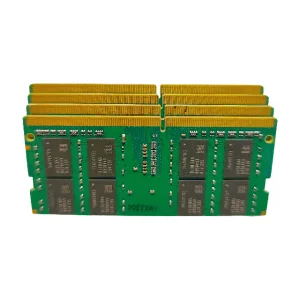
Explore our specialized DDR RAM modules, server-grade CPU coolers, and custom double-sided PCBs.