Xeviora
Xeviora
Xeviora
Explore our specialized catalog of RF boards, impedance-controlled laminates, high-performance computing memory modules, and thermal dissipation systems.
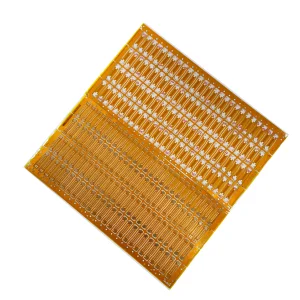
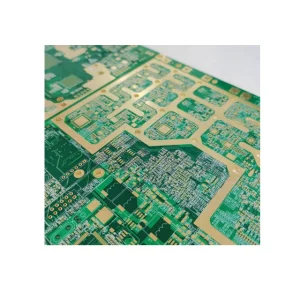
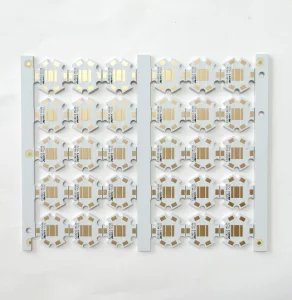
High-Frequency (HF) printed circuit boards represent the pinnacle of modern electrical engineering, specifically designed to transmit electromagnetic waves in the gigahertz (GHz) range with minimal signal degradation. Unlike conventional FR4 boards which suffer from significant dielectric loss and signal distortion at high frequencies, HF PCBs utilize specialized substrates to maintain signal integrity, control impedance, and handle thermal challenges.
The performance of a high-frequency PCB is governed by two critical parameters: the Dielectric Constant ($D_k$ or $\epsilon_r$) and the Dissipation Factor ($D_f$ or loss tangent). A stable $D_k$ across a wide frequency range is essential to prevent phase distortion and velocity changes in signal propagation. Concurrently, a low $D_f$ ensures that electrical energy is not converted into heat within the substrate, preserving signal amplitude over long traces.
Another crucial factor is the Thermal Coefficient of Dielectric Constant ($TC D_k$). In aerospace, defense, and base station applications, outdoor temperature swings can alter the substrate's electrical properties. Materials with a low $TC D_k$ (measured in ppm/°C) prevent impedance mismatch and frequency drift, which is critical for precision phase-array antennas and high-speed signal processing units.
A technical breakdown of the performance characteristics of industry-standard HF PCB substrates.
| Material Class | Common Brand/Type | Dielectric Constant ($D_k$ @ 10 GHz) | Dissipation Factor ($D_f$ @ 10 GHz) | Thermal Conductivity (W/m/K) | Primary Application Area |
|---|---|---|---|---|---|
| Hydrocarbon/Ceramic | Rogers RO4003C / RO4350B | 3.38 - 3.48 | 0.0021 - 0.0037 | 0.71 - 0.81 | Base station antennas, LNBs, RF power amplifiers |
| PTFE Woven Glass | Taconic TLY-5 | 2.20 | 0.0009 | 0.22 | Automotive radar, aerospace, satellite transceivers |
| Hybrid Laminate | Rogers 4000 + Shengyi FR4 (TG170) | Variable (Composite) | Intermediate | Medium | Cost-effective high-speed digital boards, multi-layers |
| High-Tg FR-4 | Shengyi SY-1170 (TG170) | 4.60 | 0.0150 | 0.40 | Industrial controls, consumer electronics, LED backlights |
Why leading global tech companies leverage Chinese manufacturing ecosystems for high-speed hardware production.
China's electronics clusters (mainly in Shenzhen, Dongguan, and Suzhou) place raw material manufacturers, chemical processors, substrate developers (such as Shengyi), and precision CNC drilling services within a 50-mile radius. This enables rapid sourcing of exotic materials like Taconic TLY-5 and specialized Rogers laminates, drastically cutting lead times.
Modern Chinese PCB factories feature state-of-the-art machinery including LDI (Laser Direct Imaging) machines, vacuum laminators, and high-speed mechanical/laser drills capable of micro-via drilling down to 0.075 mm. This technology is critical for handling the tight dimensional tolerances required for high-frequency applications.
Chinese manufacturers offer optimized production lines that support hybrid lamination processes (such as bonding Rogers with standard FR4). This reduces overall board costs by using high-frequency materials only in the critical signal layers while utilizing economical FR4 for power and ground planes.
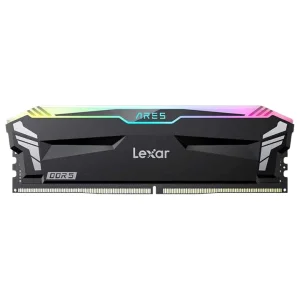
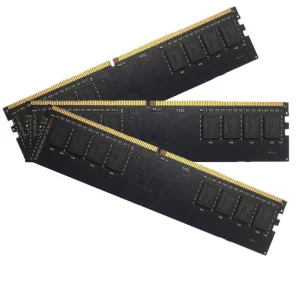
As communication systems transition from 5G to 6G, and data centers implement PCIe Gen 6/7 architectures alongside high-speed DDR5 memory (like our DDR5 ECC 32GB 1333MHz Gaming RGB modules), PCB layouts must evolve to prevent signal loss. Key technical trends shaping the industry include:
Deploying high-frequency PCB systems across high-demand mission-critical global industries.
Providing ultra-thin PTFE laminates (like 0.254mm Taconic TLY-5) for 77 GHz to 79 GHz millimeter-wave automotive radars, allowing vehicles to map surroundings with high spatial resolution.
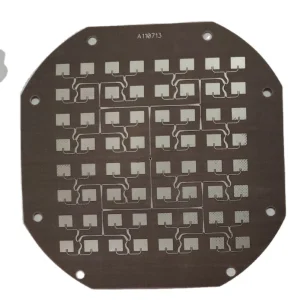
Multi-beam patch antennas and low-noise block converters (LNB) require Rogers 4000 series hybrid stack-ups to maintain signal integrity during atmospheric transitions.
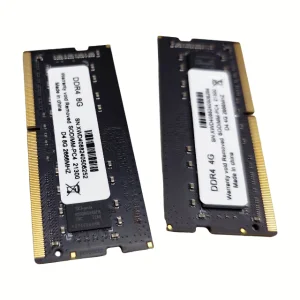
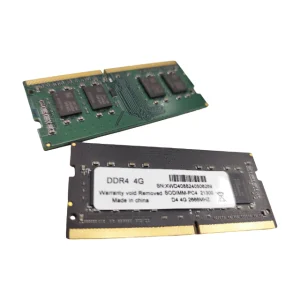
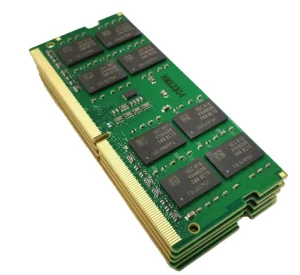
Integrating fast processor memories, like DDR4 and DDR5 memory modules, with dense multi-layer routing that prevents crosstalk and signal delays across long buses.
Procuring high-frequency PCBs and high-speed hardware is a rigorous process. Global procurement teams prioritize suppliers that meet strict quality, validation, and reliability standards. Below is the industry-standard qualification checklist:
| Evaluation Parameter | Technical Verification Criteria | Significance for RF/High-Speed Designs |
|---|---|---|
| Impedance Tolerance | ±5% to ±7% (using Polar instruments coupon testing) | Prevents reflection coefficients ($S_{11}$) from degrading signal path return loss. |
| Quality Certifications | ISO 9001, IATF 16949 (Automotive), UL 94V-0 flammability | Ensures process consistency, material traceability, and safety compliance. |
| Surface Finish Options | ENIG, ENEPIG, I-Silver, or HASL-LF | ENEPIG and I-Silver are ideal for RF applications as they prevent the "skin effect" losses associated with nickel layers in standard ENIG finishes. |
| Testing Protocols | ICT, Flying Probe, Micro-sectioning, and TDR testing | Verifies internal layer registration, blind/buried via connection, and trace integrity. |
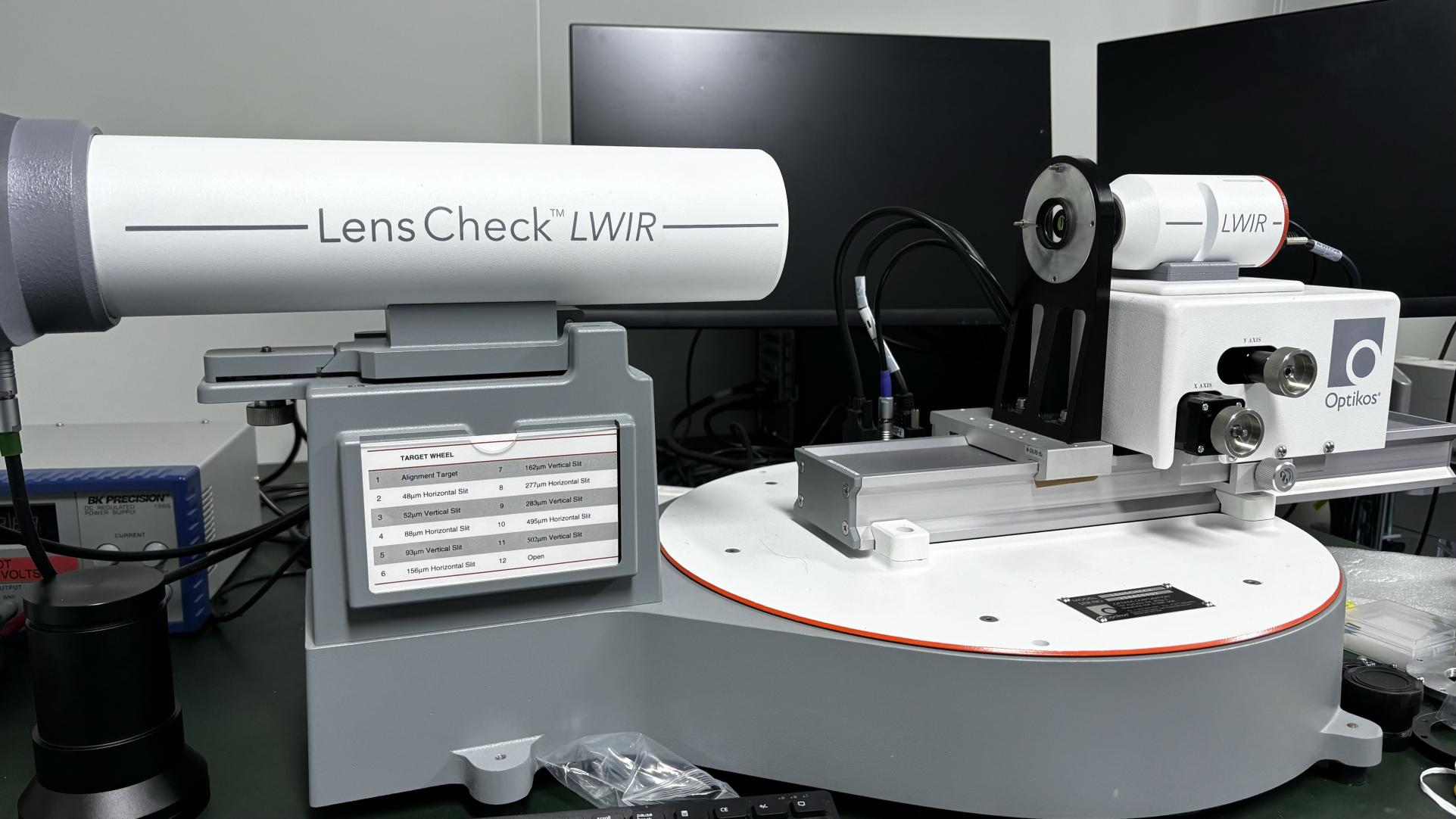
Xeviora Memory Technology (China) Co., Ltd. is a professional DDR5 memory manufacturer and supplier based in China, specializing in high-performance RAM solutions for gaming, industrial, enterprise, and consumer applications. Established in 2017, the company has rapidly grown into a trusted OEM and ODM partner for global distributors, system integrators, and technology brands.
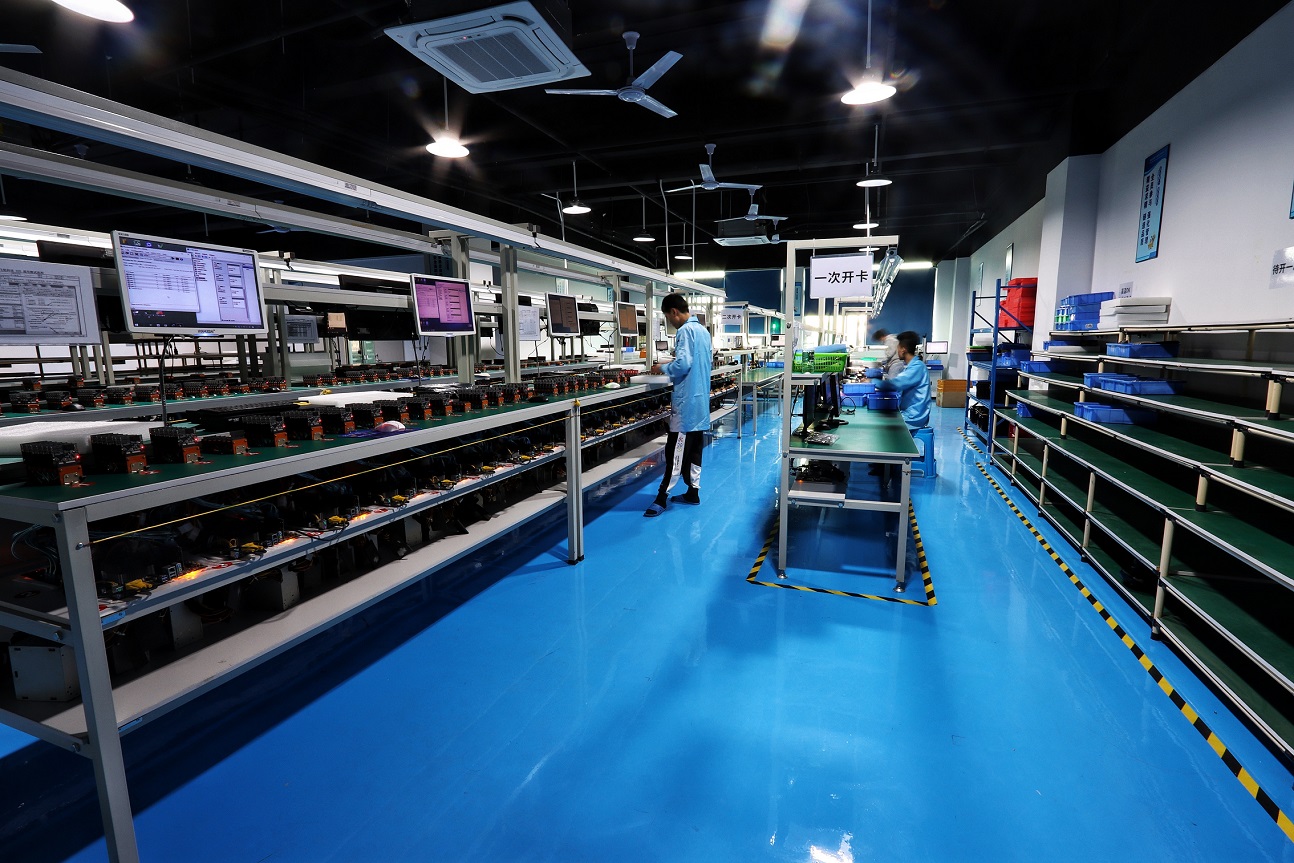
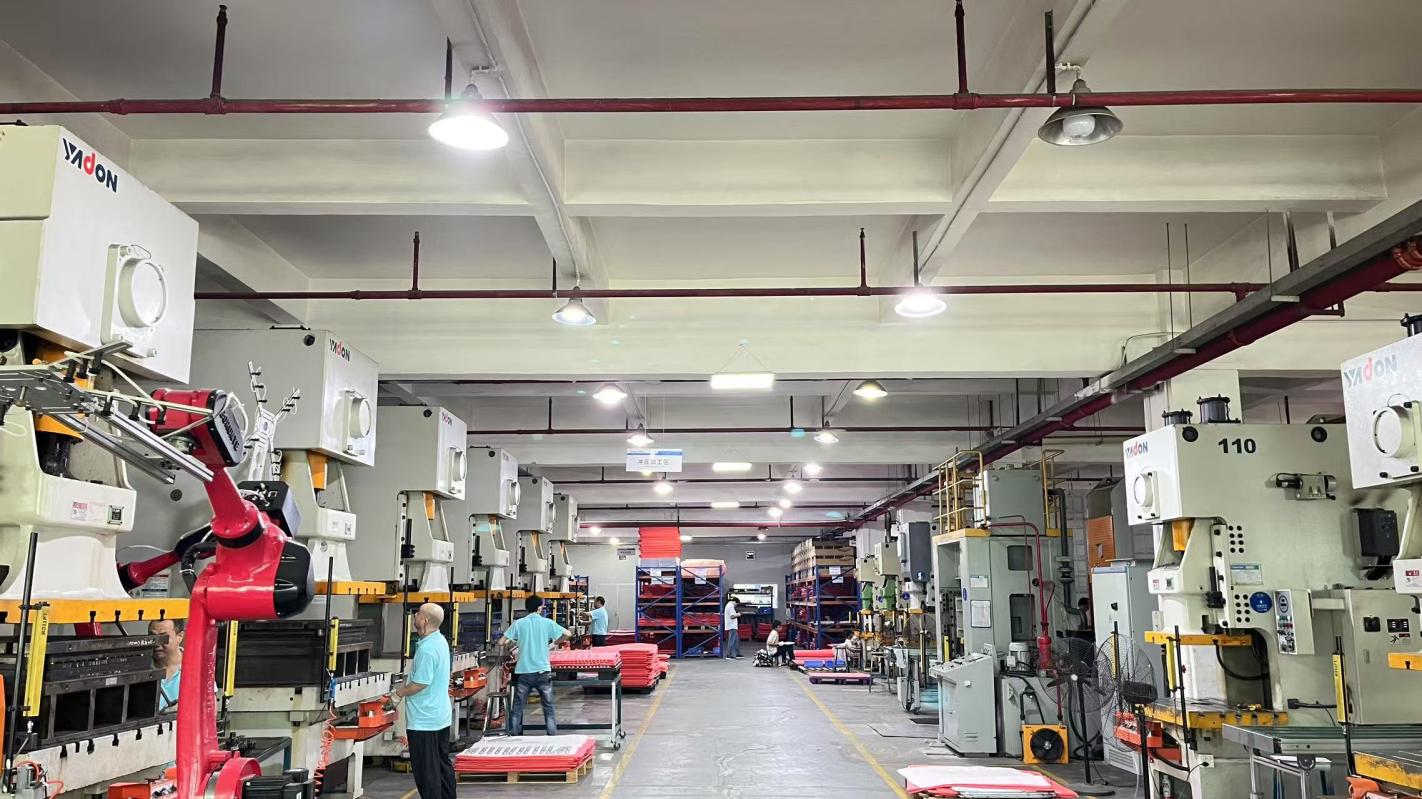
Our manufacturing facility covers 368 square meters and is equipped with advanced production and testing equipment to ensure stable quality and reliable performance. With an annual export revenue of over USD 18 million, Xeviora serves customers across North America, Europe, Southeast Asia, the Middle East, and South America.
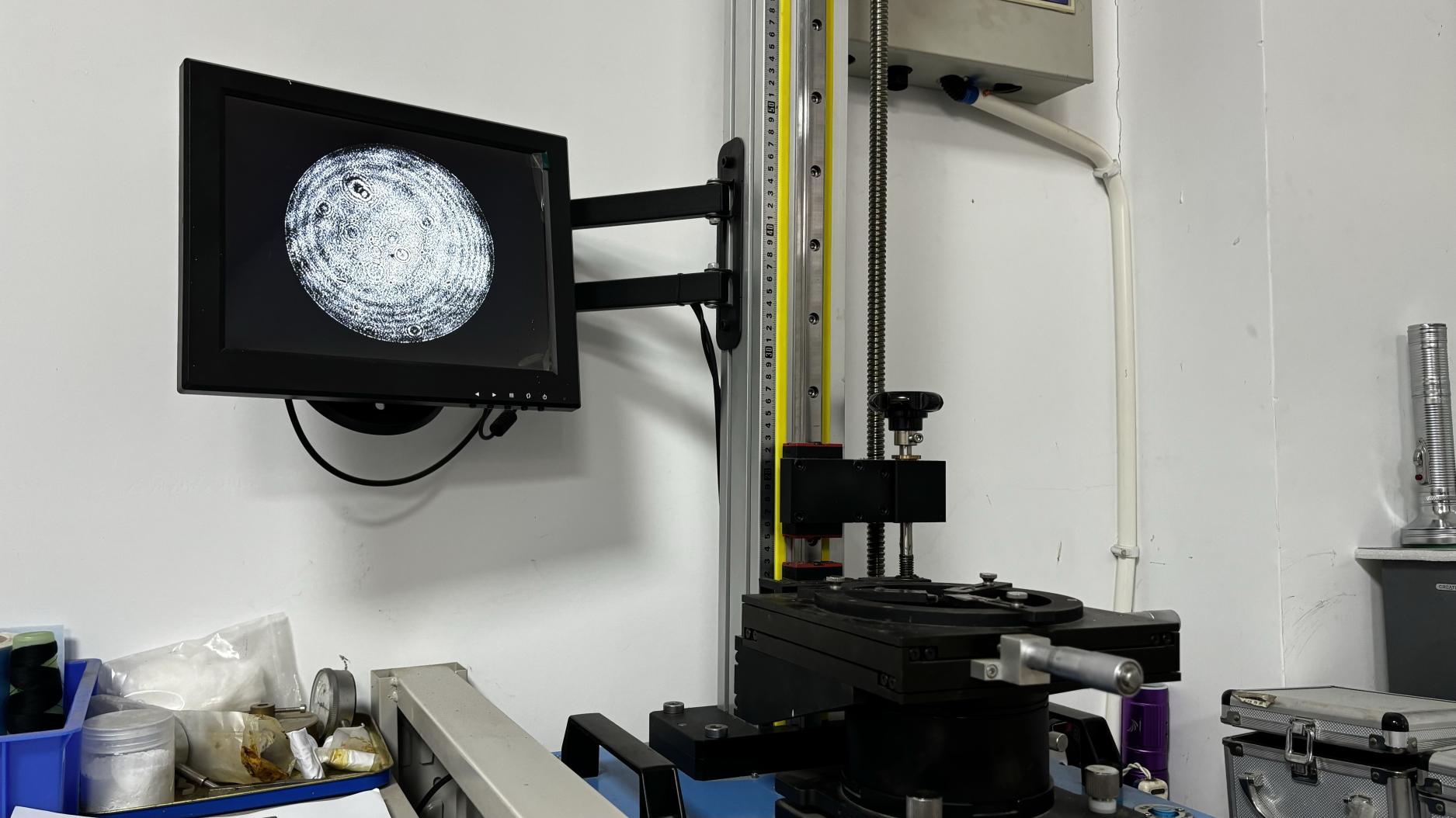
Backed by 8 years of export experience and 12 years of industry expertise, we are committed to delivering innovative memory products that meet international quality standards. Our quality management system includes comprehensive incoming material inspection, in-process quality control, and final product testing. All products undergo automated functional testing, compatibility verification, performance validation, and aging tests before shipment. Our quality assurance team consists of 46 dedicated inspectors who ensure every module meets strict reliability requirements.
As a manufacturer with strong OEM and ODM capabilities, Xeviora works closely with more than 850 supply chain partners worldwide, enabling efficient sourcing, flexible production, and fast delivery. Our primary customers include wholesalers, distributors, e-commerce sellers, system builders, brand owners, and enterprise solution providers.
Innovation is at the core of our business. Supported by an experienced R&D team of 128 engineers, we continuously invest in new technologies and product development. Last year alone, we successfully launched 86 new memory products covering DDR5 gaming memory, industrial-grade memory modules, server memory solutions, and customized storage products.
We offer flexible customization services, including private labeling, logo printing, packaging design, specification customization, firmware optimization, and complete OEM/ODM development. Whether customers require standard memory modules or fully customized solutions, our team is dedicated to providing reliable products, competitive pricing, and professional technical support.
At Xeviora, our mission is to empower global customers with advanced memory technology, dependable manufacturing, and long-term business partnerships built on quality, innovation, and trust.
Detailed technical answers to the most common engineering and procurement questions regarding RF and high-speed assemblies.
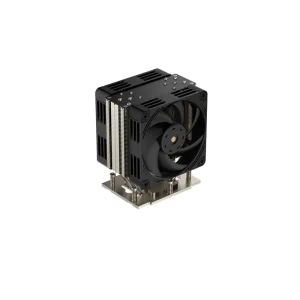
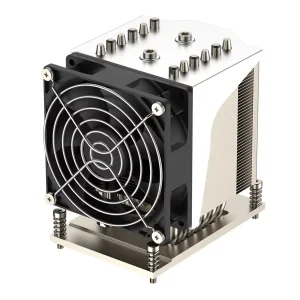
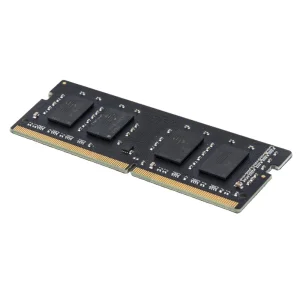
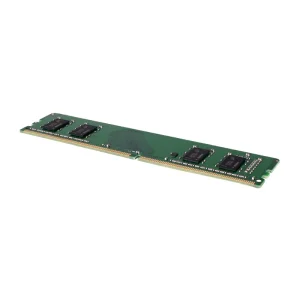
Our product lines include high-speed RAM modules, server heatsinks, and custom electronics designed for intensive computing clusters.
Take a look inside our high-grade SMT placement facilities, automated testing systems, and quality control lines.