Xeviora
Xeviora
Xeviora
High-reliability, high-density JEDEC-compliant DRAM designs verified through strict thermal and signal-integrity testing cycles.
Establishing the global benchmark for semiconductor reliability, high-density manufacturing, and agile supply chain logistics.
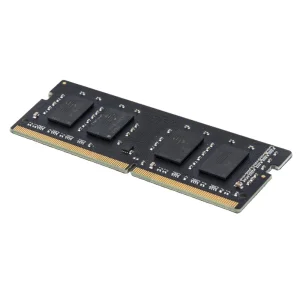
Xeviora Memory Technology (China) Co., Ltd. stands as a premier global Laptop DDR RAM Memory Manufacturer & Supplier. Established in 2017, the company has integrated advanced semiconductor packaging knowledge, engineering capacity, and systematic quality assurance processes to serve enterprise, industrial, and high-performance consumer computing ecosystems. Over the last 12 years of industry engagement and 8 years of dedicated export experience, Xeviora has evolved into a strategic OEM/ODM partner for multinational distributors, system integrators, brand owners, and e-commerce leaders.
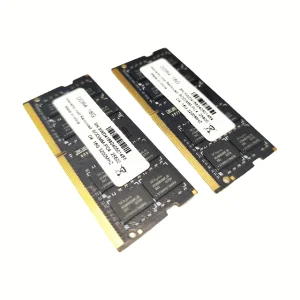
Operating a dedicated manufacturing facility covering 368 square meters, equipped with high-efficiency Surface Mount Technology (SMT) lines and automated diagnostic infrastructure, we sustain an export distribution footprint spanning North America, Europe, Southeast Asia, the Middle East, and South America. Our product portfolio encompasses the entire spectrum of dynamic random-access memory configurations: from legacy DDR3 SO-DIMMs to mainstream, high-density DDR4 systems (including ECC and non-ECC modules running at 2133MHz, 2400MHz, 2666MHz, and 3200MHz) and bleeding-edge, low-power DDR5 platforms pushing limits up to 5600MHz and 6000MHz.
Through our deep network of more than 850 supply chain partners, we secure high-grade dynamic RAM integrated circuits (ICs) from tier-one wafer foundries, assuring our clients of product continuity, stable pricing, and structural resilience against market volatility. Last year alone, our specialized engineering squad introduced 86 new high-reliability memory SKUs, meeting strict global conformity standards and reinforcing our commitment to technology leadership.
How the progression of operating voltages, signal topologies, and density controls shape modern mobile and industrial computing.
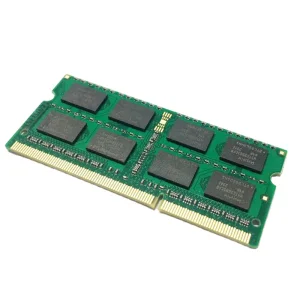
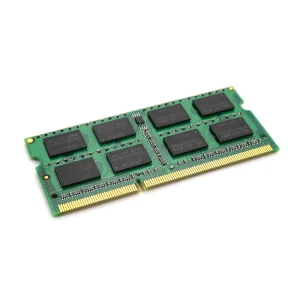
Operating primarily at 1.5V (or 1.35V for DDR3L), DDR3 continues to play a vital role in embedded systems, legacy POS terminals, medical monitors, and industrial gateways. By offering stable 1333MHz and 1600MHz modules, Xeviora ensures long-term operational continuity for equipment requiring precise, legacy compatibility profiles.
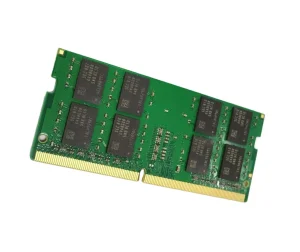
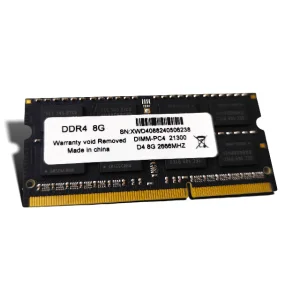
Running at 1.2V, DDR4 represents the workhorse of current commercial notebook fleets, mobile workstations, and edge servers. Supporting frequencies from 2133MHz up to 3200MHz, it introduces significant power-efficiency metrics, improved signal layouts, and integrated cyclic redundancy checks (CRC) to maintain high data reliability.
Lowering operating voltages to 1.1V, DDR5 migrates the Power Management Integrated Circuit (PMIC) directly onto the module PCB. By introducing On-Die ECC and dual 32-bit subchannels, DDR5 delivers bandwidth starting at 4800MHz up to 6000MHz+, addressing the parallel computing demands of localized mobile AI models.
| DDR Generation | Data Rates (Standard) | Supply Voltage (VDD) | On-Module Power Management | Structural Bus Configuration | Primary Applications |
|---|---|---|---|---|---|
| DDR3 / DDR3L | 1066 to 1600 MT/s | 1.5V / 1.35V | Motherboard Controlled | Single 64-Bit Channel | Legacy IPCs, Embedded systems, POS terminals |
| DDR4 SODIMM | 2133 to 3200 MT/s | 1.2V | Motherboard Controlled | Single 64-Bit Channel + ECC bits | Enterprise fleets, Rugged laptops, Mobile stations |
| DDR5 SODIMM / CAMM2 | 4800 to 6400+ MT/s | 1.1V | On-Module PMIC (High Efficiency) | Dual 32-Bit Independent Channels | AI Notebooks, High-End Gaming, Virtualization Workstations |
Navigating technical parameter selection, supply chain assurance, and qualification methodologies for enterprise procurement managers.
For wholesale procurement managers, system builders, and global electronics distributors, sourcing Laptop DDR RAM Memory involves complex technical parameters. It is no longer just about selecting a capacity (8GB, 16GB, or 32GB); it requires evaluating signal integrity, compatibility matrixes, and physical component reliability. Xeviora addresses these pain points by offering granular configuration controls and design transparency.
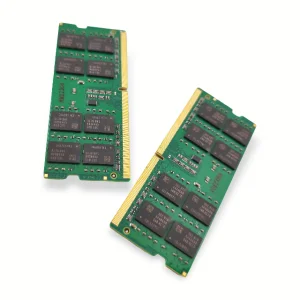
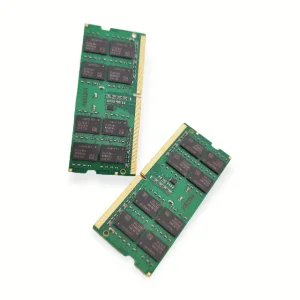
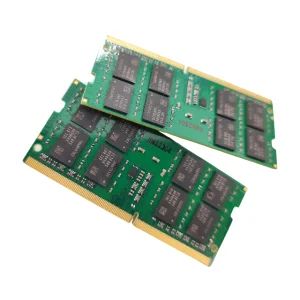
A primary technical choice during procurement is specifying original major-brand DRAM integrated circuits (Samsung, SK Hynix, Micron) versus using secondary-tier alternative dies. Xeviora prioritizes tier-one A-grade silicon dies. This selection reduces the risk of intermittent bit-errors and premature chip degradation under elevated thermal conditions. Furthermore, our modules utilize high-density 8-layer or 10-layer PCBs. These multi-layered PCB designs optimize ground routing and isolate high-frequency signal lines, preventing signal cross-talk and electromagnetic interference (EMI) in compact laptop enclosures.
Additionally, understanding the difference between Standard Unbuffered SODIMMs and Error-Correcting Code (ECC) SODIMMs is critical. For office-grade laptops and standard commercial notebooks, non-ECC memory offers cost-effective efficiency. However, for mobile workstation deployments used in financial trading, geological rendering, and data analysis, specifying ECC Laptop RAM is essential. ECC modules detect and correct single-bit errors in real-time, preventing system crashes and ensuring continuous data integrity.
We source only original A-grade DRAM dies, ensuring high timing margins, stable voltage tolerance, and long-term operating life under fluctuating thermal conditions.
By employing 8 to 10-layer PCBs, Xeviora guarantees clean electrical pathways, minimizes signal crosstalk, and ensures reliability under demanding operating frequencies.
Our engineering team designs custom Serial Presence Detect (SPD) ROM settings, ensuring automatic compatibility across diverse OEM laptop BIOS frameworks.
How automation, geographical integration, and advanced logistics buffer global distributors from market volatility.
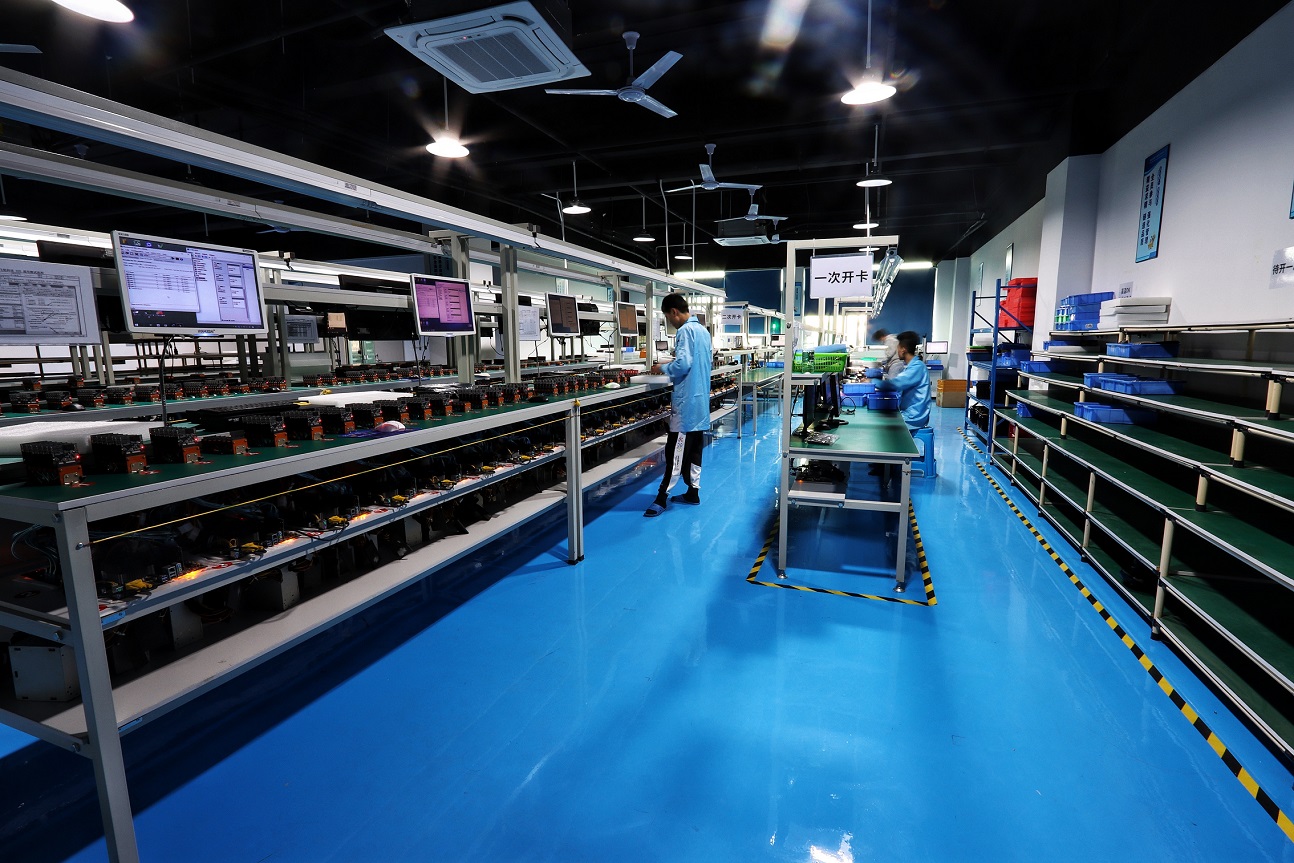
The semiconductor market is characterized by fluctuating lead times, changing material costs, and complex global logistics. Operating from the industrial center of China, Xeviora integrates advanced manufacturing automation with strategic logistics access. Our facility utilizes automated SMT assembly lines to minimize manual component placement errors and ensure uniform solder joint quality across high-density resistors and memory chips.
By implementing an Industry 4.0 execution system, we track each batch of memory modules from wafer sorting to the final box shipment. This level of traceability allows us to offer flexible production runs, helping distributors scale their orders to match actual market demand without carrying excess inventory. Supported by our network of over 850 partners, we maintain a rolling inventory of critical components, ensuring production continuity even during global shipping disruptions.
Additionally, our location provides convenient access to major international shipping hubs like Hong Kong, Shenzhen, and Guangzhou. This positioning allows us to dispatch finished goods quickly, reducing transit times to key markets in Europe, North America, and Southeast Asia. For volume buyers, this integration translates into shorter lead times, lower shipping costs, and a more responsive supply chain.
Our structured quality system ensures that every memory module meets rigorous reliability standards before leaving the factory.
Every inbound batch of DRAM ICs, PCB layers, capacitors, and EEPROM chips undergoes strict incoming quality control to verify conformity with JEDEC electrical standards.
Post-reflow Solder Joint Integrity is audited using high-resolution Automated Optical Inspection (AOI) to eliminate micro-bridging, voiding, or dynamic positioning shift errors.
Samples from each manufacturing batch are subjected to high-temperature burn-in chambers under continuous computing load to identify early component failures.
Final modules undergo validation testing across multiple Intel and AMD chipsets, verifying physical interface performance and BIOS compatibility.
Deploying tailored memory architectures across diverse physical hardware structures, operating climates, and computing workloads.
Data modeling and high-frequency trading applications require large capacities and stable computing platforms. Xeviora's high-capacity DDR4 32GB ECC modules help prevent data errors and system interruptions, ensuring continuous uptime in critical business environments.
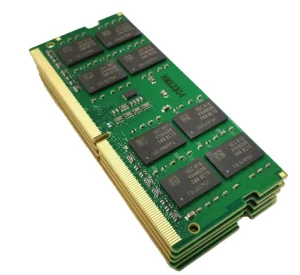
Edge computers operating in warehouses, manufacturing floors, or marine environments must withstand vibrations and temperature extremes. Our SODIMM modules feature reinforced gold fingers and high-quality passive components to maintain connection stability under mechanical stress.
For processing 4K/8K video assets, running local 3D rendering engines, and compiling software, memory throughput is a primary system bottleneck. Xeviora's DDR5 5600MHz/6000MHz kits provide the high data bandwidth necessary to maximize modern processor efficiency.
Technical answers to common questions about compatibility, manufacturing standards, and bulk procurement.
Standard non-ECC modules are designed for consumer notebooks where cost and performance are prioritized, and occasional minor memory errors do not cause critical issues. ECC (Error-Correcting Code) modules feature an additional DRAM chip that communicates with the system processor to detect and correct single-bit errors in real-time. ECC is typically specified for mobile workstations, servers, and high-stability industrial systems where data corruption or system crashes must be avoided.
No, DDR5 SODIMM modules are not backward compatible with DDR4 slots due to differences in physical pin configurations, key notch locations, and electrical designs. DDR5 modules operate at a lower voltage (1.1V compared to DDR4's 1.2V) and integrate power management directly onto the module via an onboard PMIC, whereas DDR4 relies on the laptop motherboard for voltage regulation.
We address compatibility at the design level by programming and verifying JEDEC-compliant Serial Presence Detect (SPD) tables. Our quality control team tests our memory modules across a wide range of popular motherboards and processors from major manufacturers. For large OEM projects, we can also customize the SPD settings to ensure compatibility with specific proprietary systems.
We offer full customization services, including private labeling, logo printing, custom packaging design, and targeted technical configurations such as frequency, voltage, capacity, and timing profiles. Our R&D department can also develop custom PCB layouts or optimize firmware settings to meet specific customer requirements.
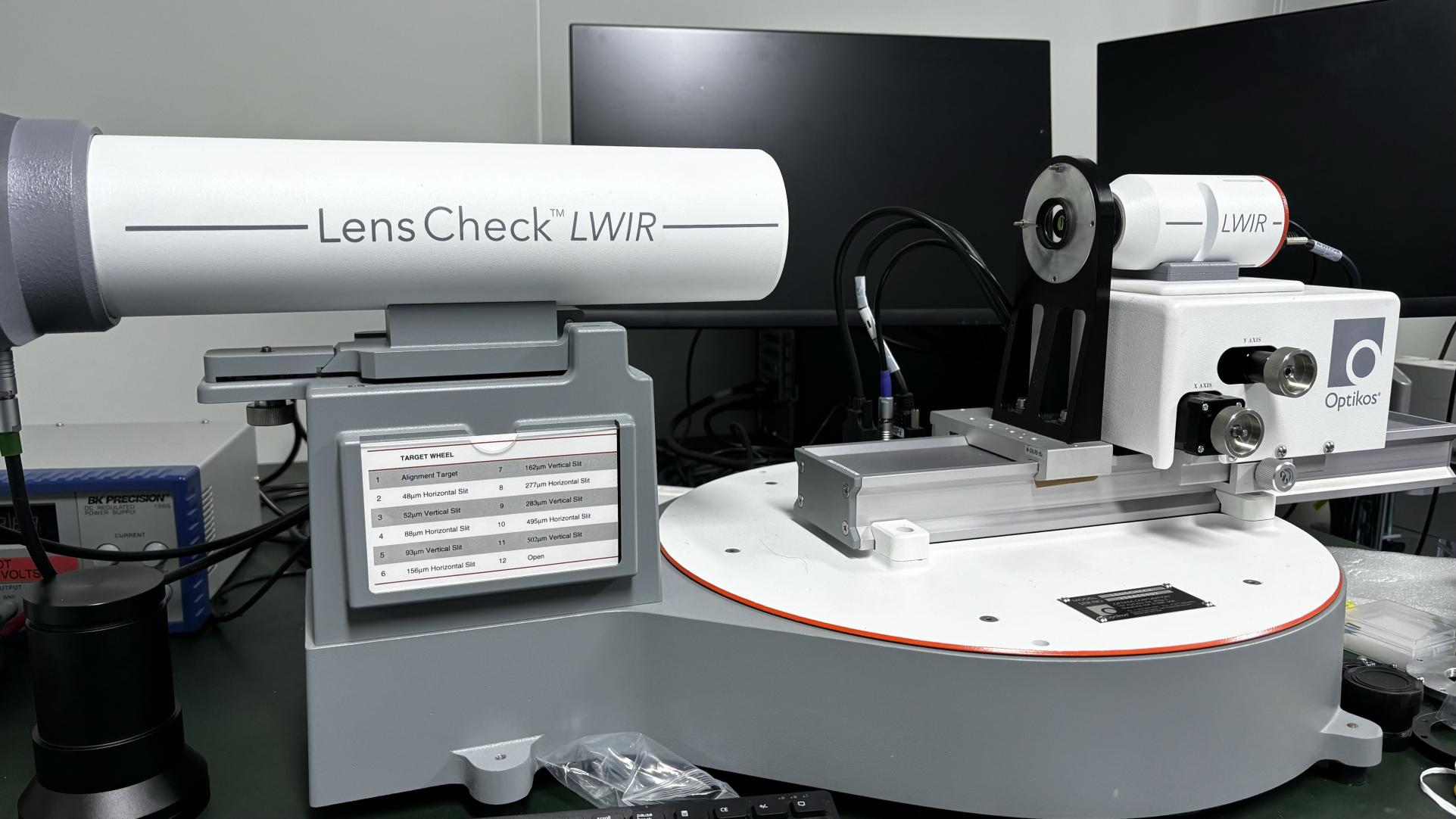
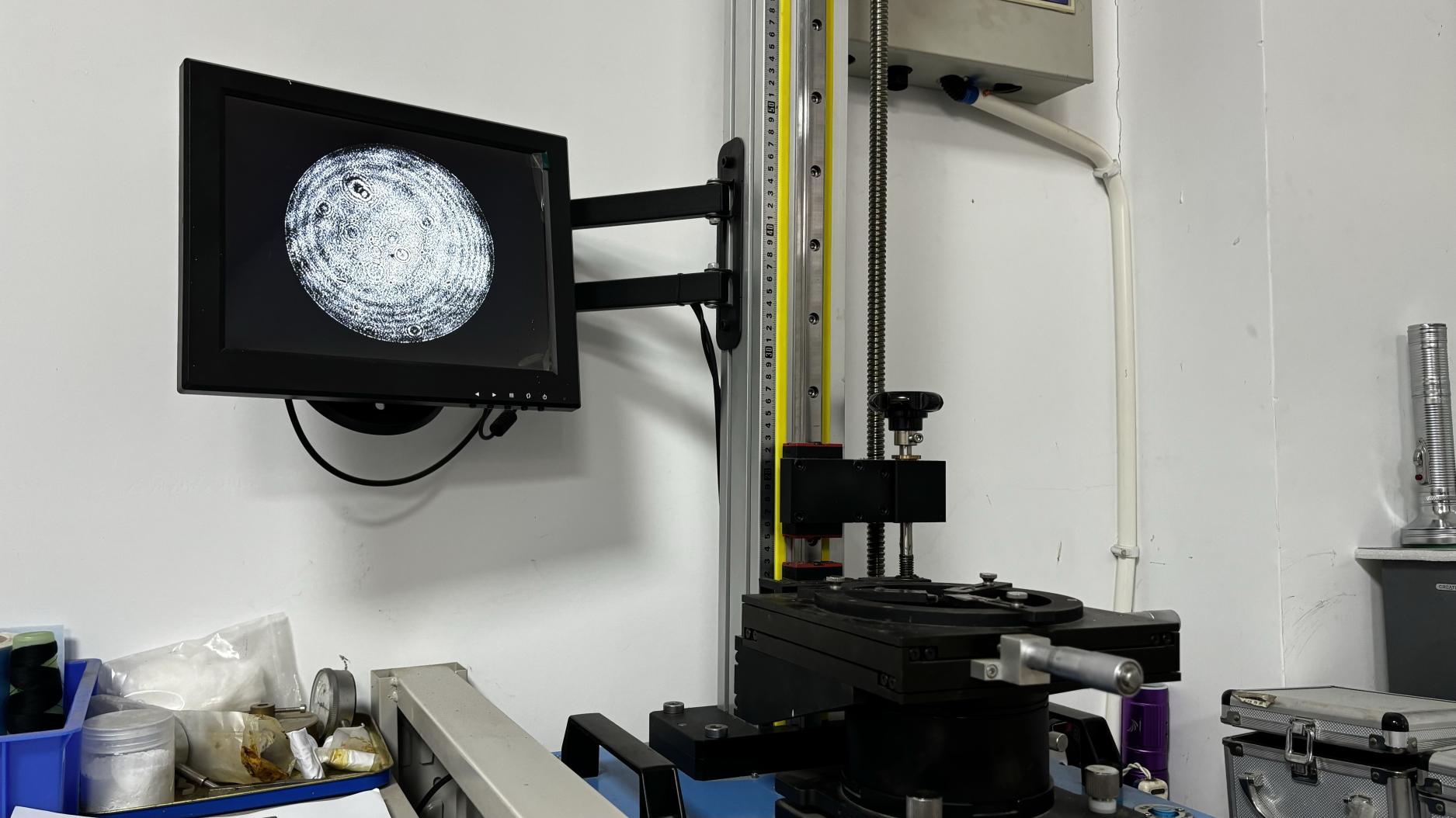
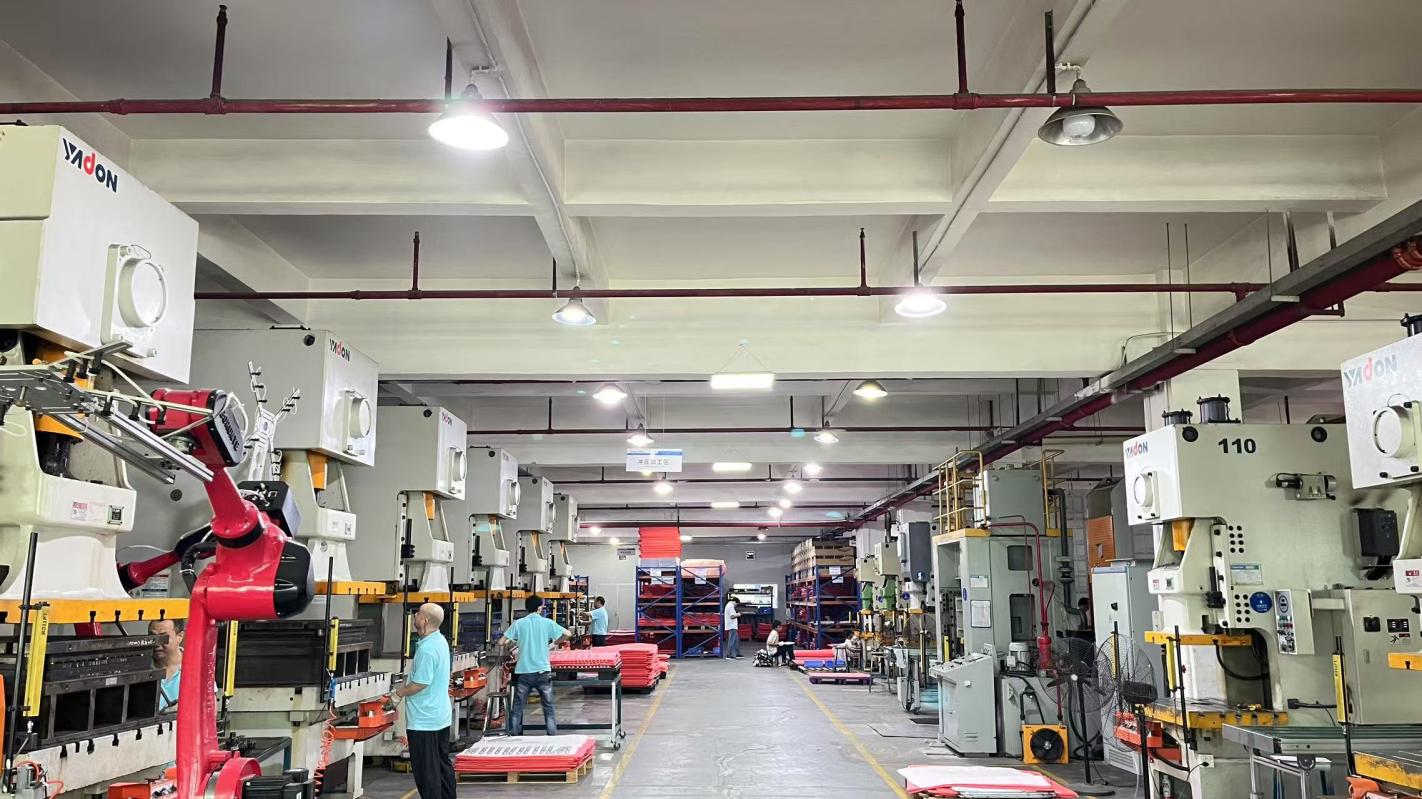
A look inside our advanced manufacturing, packaging, and testing facilities designed for semiconductor assembly.

Complete memory configurations for upgrading consumer networks and legacy computing terminals.