Xeviora
Xeviora
Xeviora
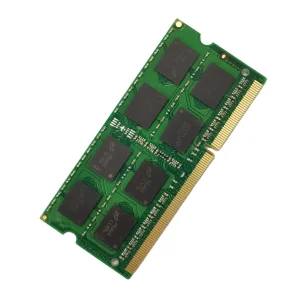
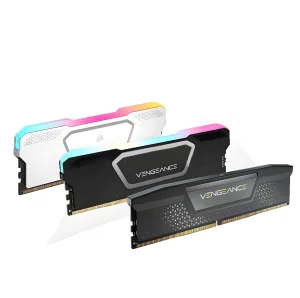
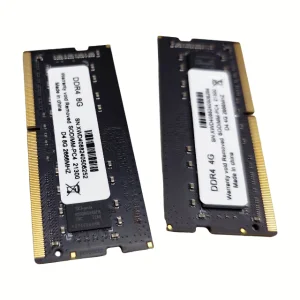
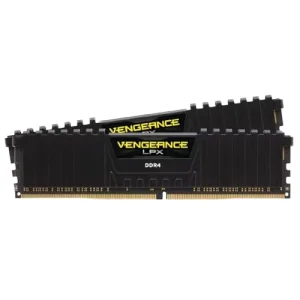
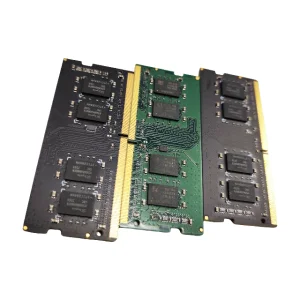
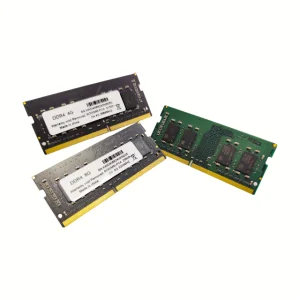
Premium high-speed DDR memory modules and thermodynamic cooling assemblies engineered for maximum stability in mixed-signal compute platforms.
In the modern era of edge intelligence, high-frequency signal processing, and automated industrial environments, the convergence of analog physics and high-speed digital computing has emerged as a major technological bottleneck. Systems utilizing high-precision integrated circuits—such as those manufactured by industry leaders like Analog Devices Inc. (ADI)—require an uncompromising digital backbone. Without high-bandwidth DDR4 and DDR5 memory modules and advanced thermodynamic heat dissipation structures, the real-world processing of high-fidelity analog signals (ranging from sensor arrays to radio frequency transceivers) suffers from latency overhead, signal jitter, and premature thermal shutdown.
This whitepaper analyzes the current commercial landscape of high-performance signal processing interfaces, memory topology, and thermal engineering. As a leading manufacturer and globally recognized supplier, Xeviora Memory Technology (China) Co., Ltd. acts as a strategic manufacturing partner. Xeviora delivers the critical memory modules and thermal management hardware required to sustain high-speed digital pipelines. These pipelines handle digitized data streams emerging from precision ADCs, DACs, and DSPs under severe operational constraints.
Industrial IoT, automotive telemetry (ADAS), smart medical imaging, and aerospace guidance systems generate massive quantities of raw physical data. Translating these continuous waveforms into digital structures requires precise analog front ends. However, the throughput demands on the system memory (RAM) are immense. If the digital subsystem cannot sustain the write speeds required by high-sample-rate converters, data loss occurs.
Furthermore, high-speed digital processing arrays emit significant thermal energy. Without high-efficiency heatsinks designed for sockets such as SP3, SP5, LGA3647, or LGA4926, the processors throttle, degrading system-level performance. Consequently, sourcing reliable memory and thermal cooling hardware from audited, highly capable factories has become a top priority for global system architects.
Analog-to-digital converters (ADCs) operate by sampling continuous electrical signals at precise time intervals. In high-frequency communications and defense radar systems, sample rates routinely exceed several Gigasamples per second (GSPS). This generates a continuous stream of digital words that must be immediately queued, processed, and stored.
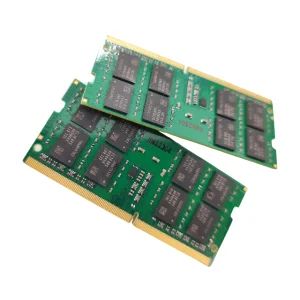
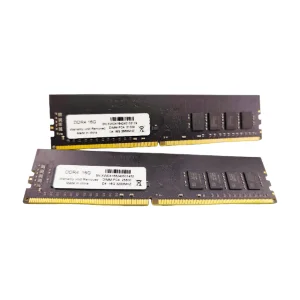
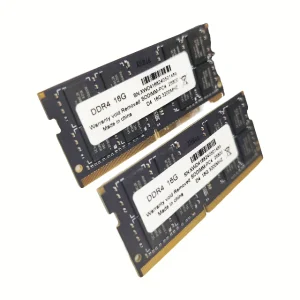
Modern DDR4 and DDR5 memory modules act as the primary buffer stage. In these environments, any latency spikes or memory writing bottlenecks result in buffer overflows, compromising the integrity of the data capture.
High-speed digital buses generate electromagnetic interference (EMI). Xeviora's multi-layered PCB designs optimize trace routing to minimize cross-talk and maintain low signal jitter, ensuring clean digital data transmission adjacent to sensitive analog stages.
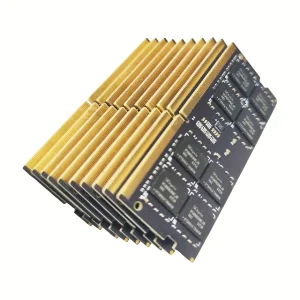
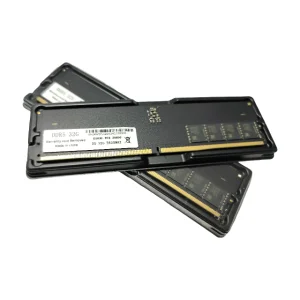
Operating at frequencies up to 6000MHz, DDR5 provides the massive data bandwidth required by modern multi-channel high-speed converters, offering twice the burst length and bank groups of DDR4.
For industrial automation and critical infrastructure, ECC RAM continuously identifies and corrects single-bit memory errors, preventing system crashes and ensuring telemetry accuracy.
When deploying digital signal processing (DSP) hardware, engineering teams must evaluate the entire hardware stack. Using standard consumer-grade memory components in an industrial setting leads to premature failure due to thermal stress and voltage fluctuations. To combat this, Xeviora integrates industrial-grade DRAM chips, optimized power management ICs (PMICs), and thermal spreaders. This ensures these modules survive the harsh environments where high-precision analog data collection takes place.
High-performance servers, edge servers, and industrial computing rigs generate substantial amounts of heat under heavy processing loads. A major issue faced by system integrators is the high thermal profile of modern processors (such as AMD EPYC and Intel Xeon Scalable processors). When these central processing units handle extensive DSP algorithms, their thermal output can cause localized hotspots, destabilizing adjacent memory modules.
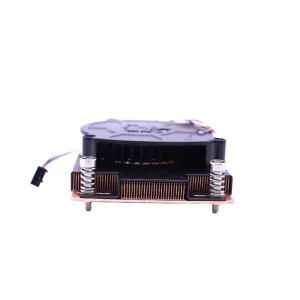
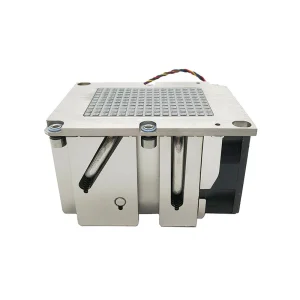
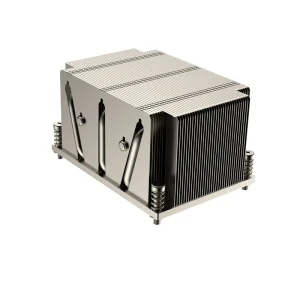
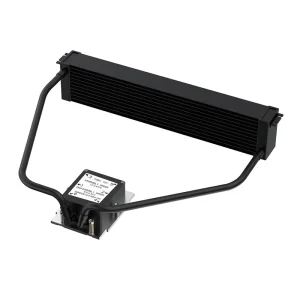
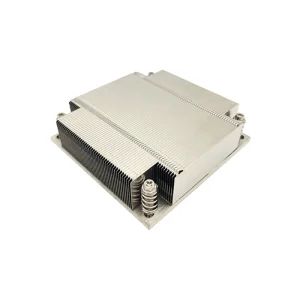
To maintain stable operating temperatures, professional systems rely on engineered thermal solutions. Xeviora offers high-efficiency passive and active server coolers optimized for different sockets:
By pairing advanced memory modules with thermal solutions engineered for the same environment, Xeviora provides a cohesive hardware system that minimizes thermal throttling, lowers power consumption, and extends the operational lifespan of the entire system.
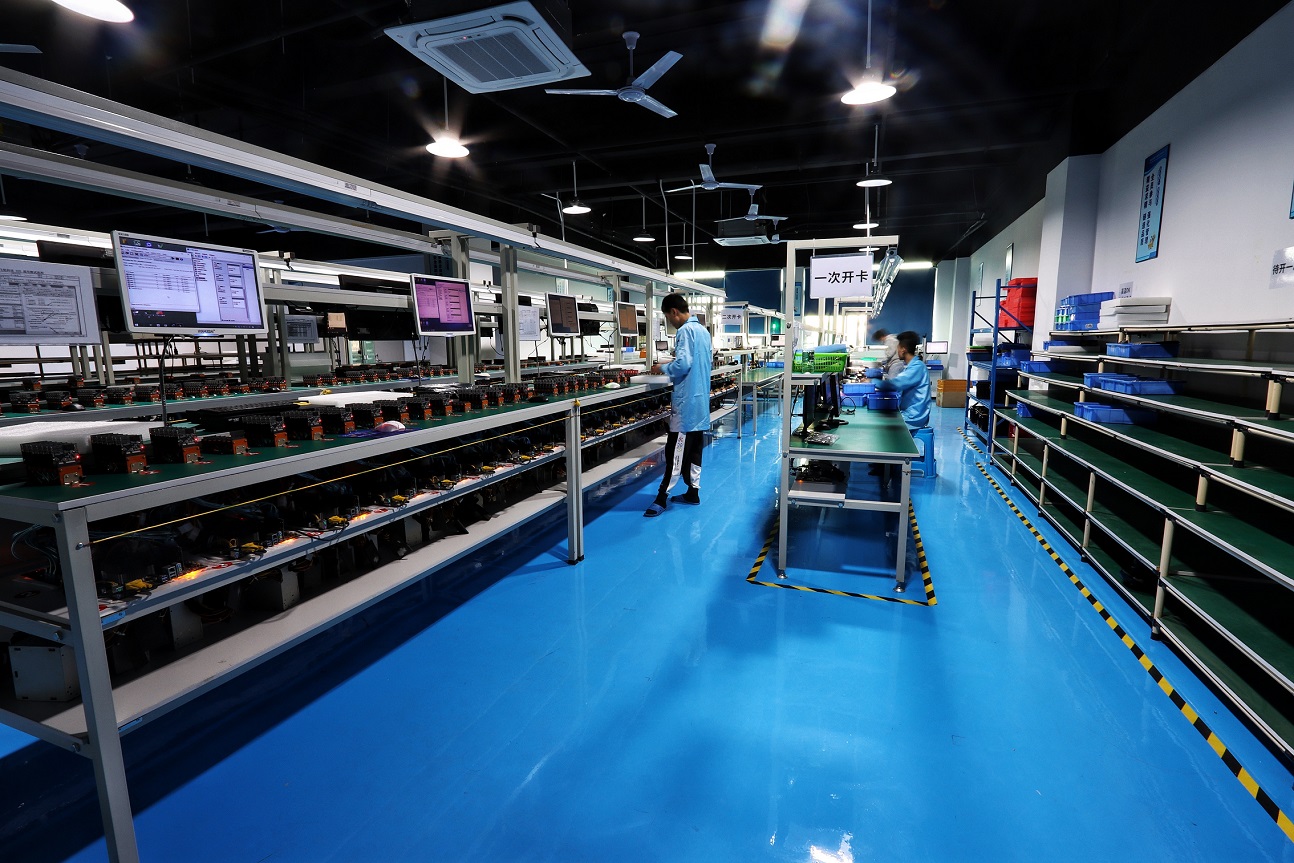
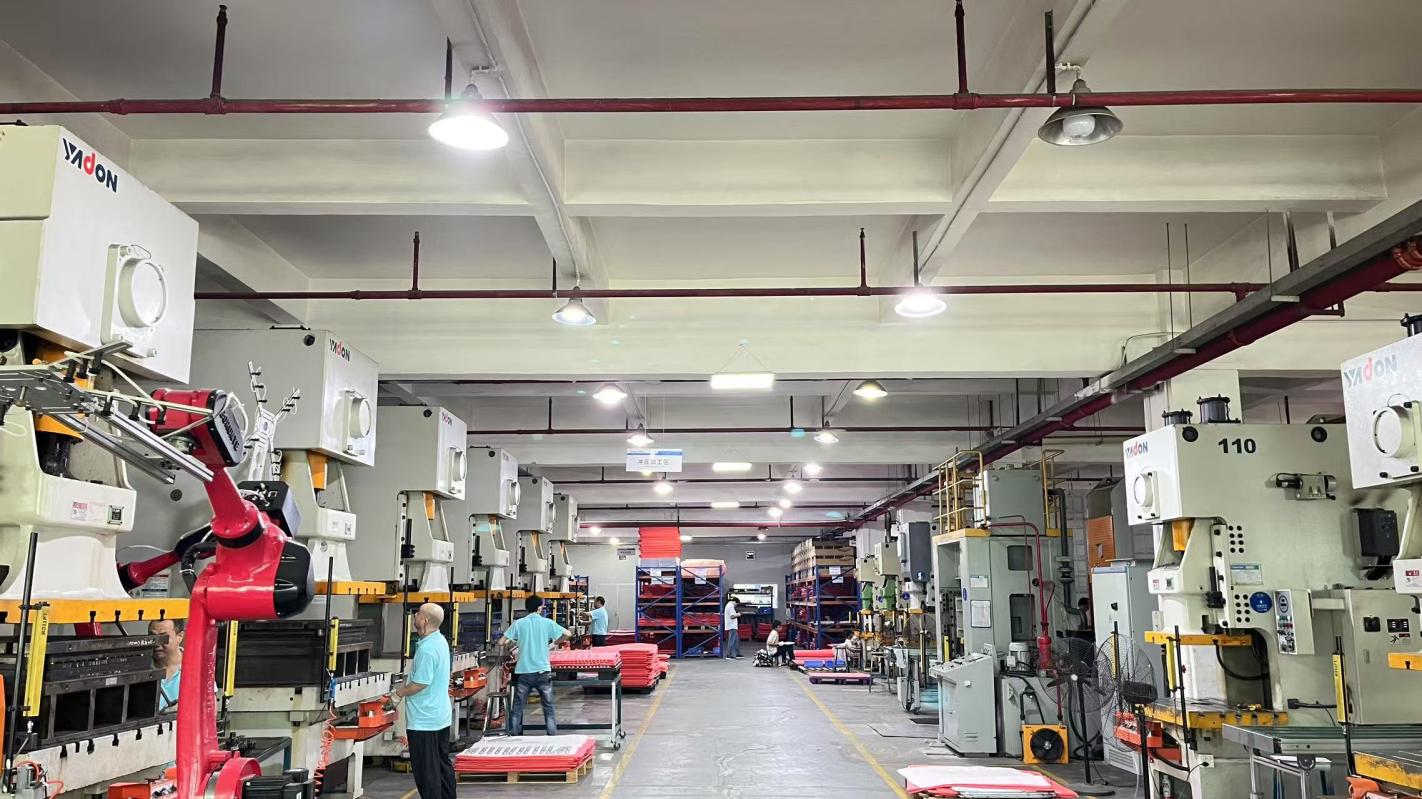
Established in 2017, Xeviora Memory Technology (China) Co., Ltd. has developed a sophisticated production infrastructure focused on high-performance RAM and thermal cooling components. The company operates a specialized manufacturing facility spanning 368 square meters, optimized for precision surface-mount technology (SMT), cleanroom assembly, and rigorous testing processes.
Rather than relying on basic batch testing, Xeviora implements a multi-stage Quality Management System that includes:
With a dedicated team of 46 quality control inspectors and 128 R&D engineers, Xeviora continuously optimizes its manufacturing practices. Last year alone, the engineering team designed, tested, and launched 86 new products, helping the brand stay at the forefront of memory and cooling technology.
For international procurement agents, system engineers, and distributors, hardware compliance is critical. Industrial computing platforms operating in telemetry, medical device, and smart grid environments must conform to strict electromagnetic compatibility, material safety, and performance standards.
Xeviora products are designed, manufactured, and documented to meet JEDEC specifications, ensuring complete interoperability with standard computing architectures. The materials used in production comply with global environmental standards, including RoHS and REACH directives, limiting hazardous substances in electronics. Furthermore, the company's QA processes align with ISO 9001 quality management guidelines, providing a traceable and auditable production path for municipal, enterprise, and military deployments.
This focus on compliance makes Xeviora a trusted OEM/ODM partner for over 850 supply chain clients worldwide. Our memory products and thermal cooling components are exported to major markets in North America, Europe, Southeast Asia, the Middle East, and South America, generating an annual export revenue of over USD 18 million.
Xeviora provides comprehensive customization services tailored to specific project requirements:
Clear, technically detailed answers to common inquiries from engineering teams, hardware procurement officers, and global distributors.
Xeviora's R&D department tests our memory modules across a wide range of industrial embedded platforms. By conforming to JEDEC standards for DDR4 and DDR5 memory architectures, our modules integrate seamlessly with industrial PCs, single-board computers, and edge servers that utilize ADI signal processors, ADCs, and microcontrollers.
DDR5 memory modules offer twice the bandwidth and higher density compared to DDR4. This improvement allows data-intensive systems, such as high-frequency radar arrays or multi-channel sensors, to buffer incoming analog-to-digital data streams with less risk of data loss. Additionally, DDR5 features built-in On-Die ECC for enhanced data integrity.
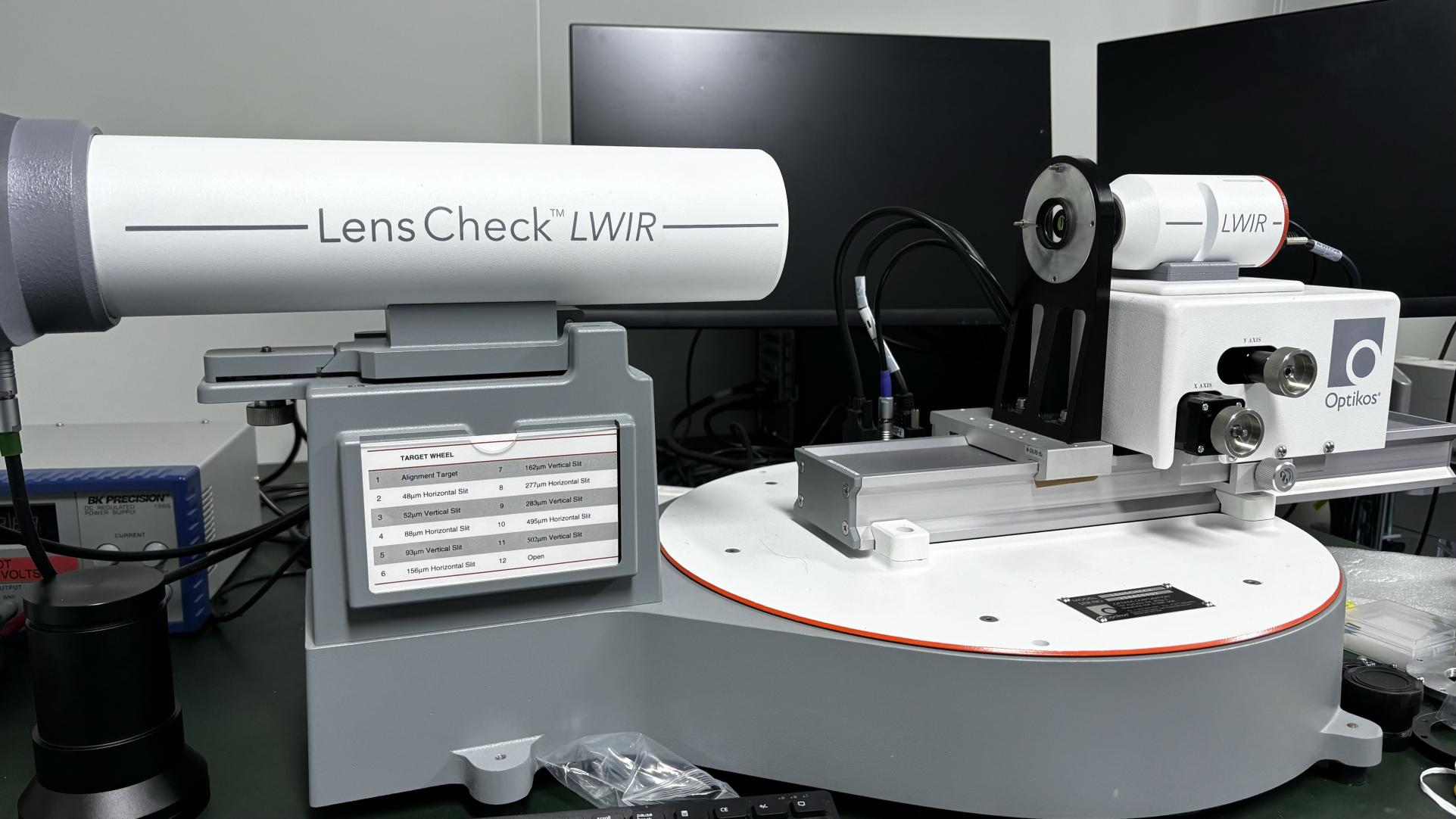
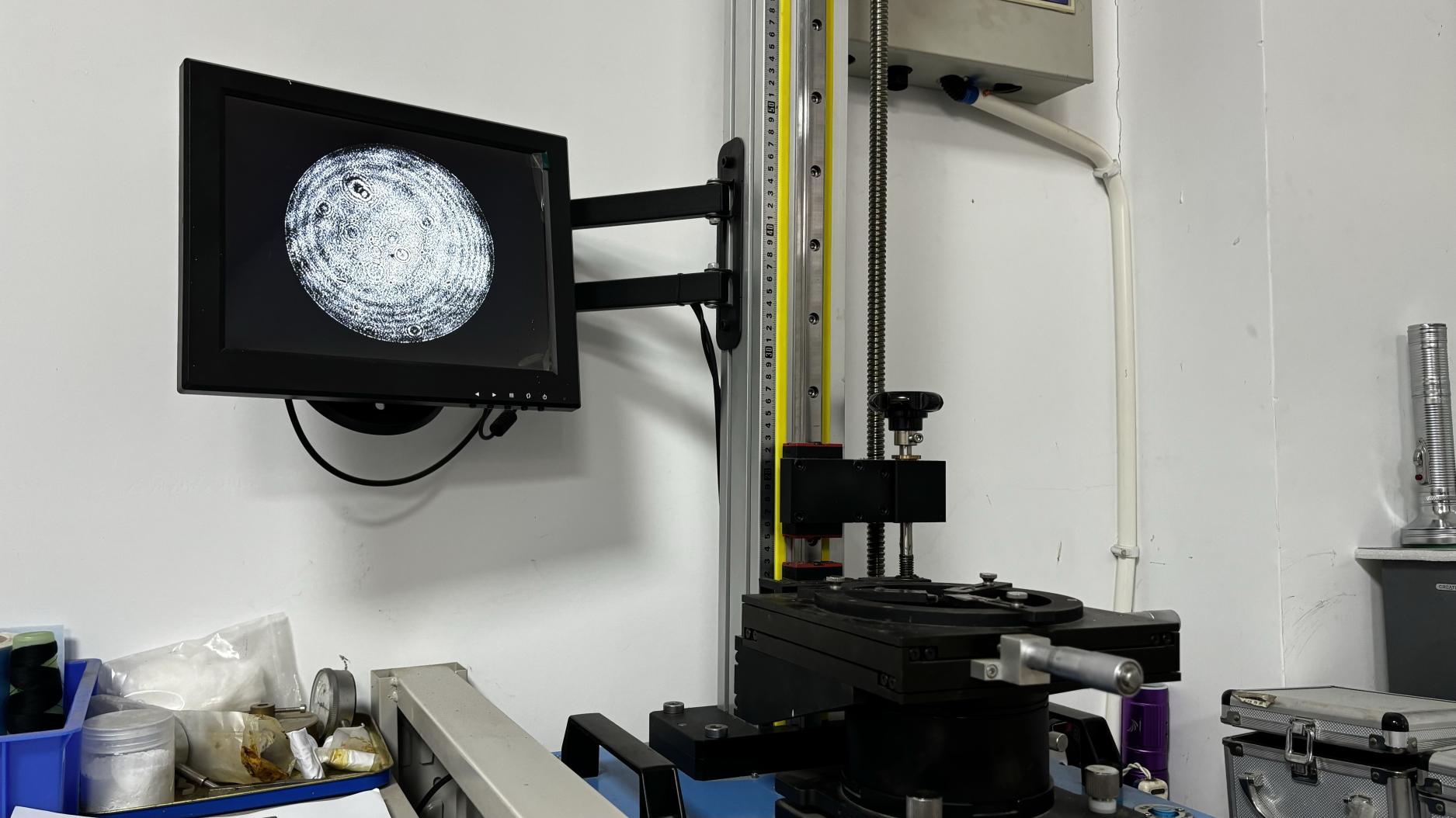
Xeviora employs a team of 46 quality control inspectors who monitor the entire production line. From SMT placement to final packaging, all components undergo automated optical inspections, functional testing, and environmental stress tests. This ensures our memory modules and server heatsinks can operate continuously under challenging industrial conditions.
Yes, Xeviora offers specialized server heatsinks and water-cooling blocks for sockets like LGA3647, LGA4926, SP3, and SP5. These thermal assemblies are designed to dissipate up to 205W, 300W, or higher thermal design power (TDP), preventing thermal throttling during complex computing tasks.
Yes, Xeviora provides comprehensive OEM and ODM customization services. Our R&D team can customize SPD settings, optimize memory timings, customize packaging designs, and apply protective coatings to meet the unique requirements of your application.
High-efficiency cooling components and advanced memory modules designed for high-density, multi-tenant computing systems.
A look inside our manufacturing processes, including precision SMT placement, testing, and compliance certification.