Xeviora
Xeviora
Xeviora
High-power UVC sanitization requires precision thermal management and memory-driven logic boards to withstand Qatar's extreme climate. Explore our top engineering integrations.
Doha, the powerhouse of Qatar's rapid industrialization and urban expansion, presents a unique set of challenges for sterilization, HVAC hygiene, and municipal water purification. Governed by the ambitious Qatar National Vision 2030, the state is investing heavily in green smart buildings, advanced sanitation infrastructure, and district cooling systems to counter extreme desert temperatures exceeding 45°C. In this hot, arid climate, traditional mercury vapor lamps struggle with heat degradation, environmental toxicity, and structural fragility.
Enter Solid-State UVC LED Technology. Unlike conventional solutions, semiconductor-based UVC LED modules operate efficiently across a wider temperature envelope, offer instant-on operation, and possess compact form factors suitable for localized integration. In commercial complexes across West Bay, Hamad Medical Corporation facilities, and advanced logistics warehouses in the Hamad Port Area, industrial-grade UVC disinfection has transitioned from an elective sanitation upgrade to a fundamental infrastructural standard.
Driven by global chemical regulations and breakthrough semiconductor physics, UVC LED technology is undergoing a massive shift towards high-power AlGaN arrays.
The global enforcement of the Minamata Convention on Mercury has catalyzed the complete phase-out of medium-pressure mercury lamps. UVC LEDs offer a toxic-free, solid-state alternative, compliant with global environmental laws and LEED green building requirements.
Recent advances in Aluminum Gallium Nitride (AlGaN) quantum-well structuring have propelled UVC LED optical efficiency. Present modules achieve high emission densities at wavelengths ranging from 260nm to 280nm, targeting the peak absorption spectrum of viral and bacterial DNA/RNA.
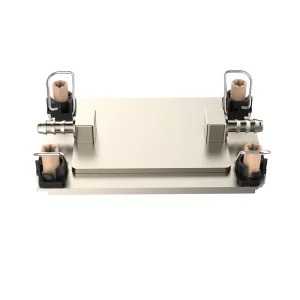
Because only a small portion of input power is converted to optical radiation in UVC LEDs, heat dissipation is paramount. Integrating high-performance thermal interfaces (copper core PCBs, heat sinks, and active water cooling) dictates system lifespan, preventing junction-temperature damage.
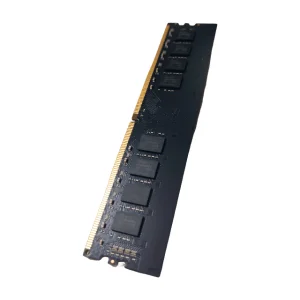
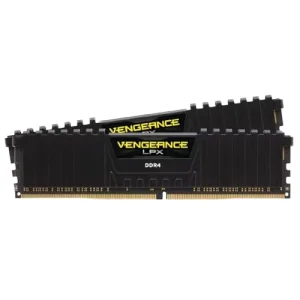
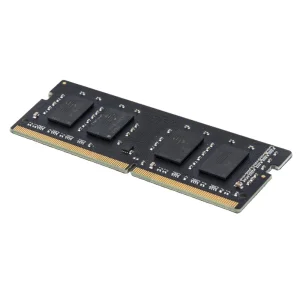
Established in 2017, Xeviora has evolved from a specialized DDR5 memory manufacturer into a multi-disciplinary industrial technology supplier, leveraging our precision SMT (Surface Mount Technology) lines, advanced FPC (Flexible Printed Circuit) fabrication, and high-capacity thermal engineering systems to manufacture world-class integrated hardware solutions.
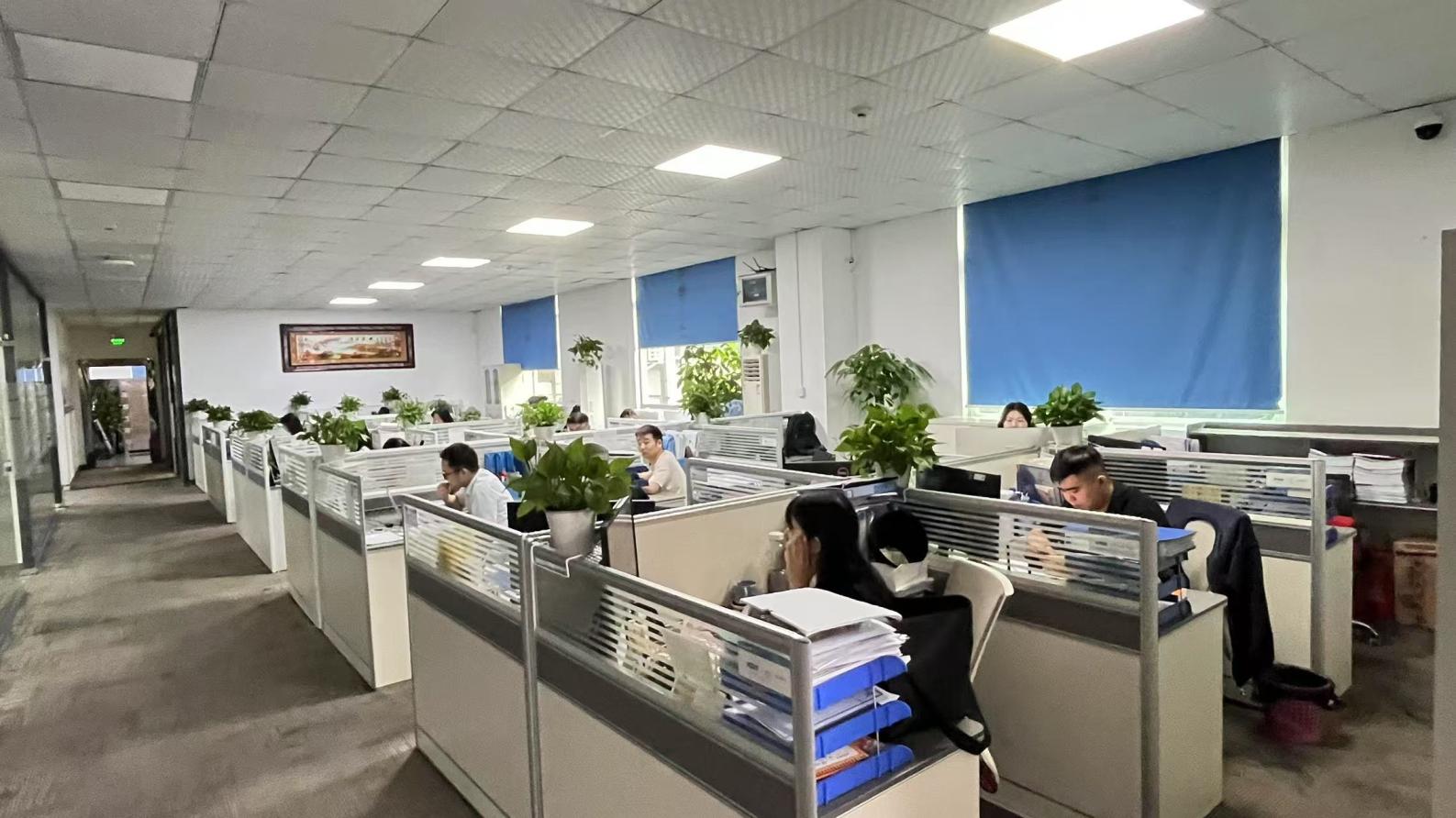
Our 368-square-meter state-of-the-art facility in China integrates advanced automated testing arrays, cleanroom SMT production, and comprehensive QA systems to supply high-reliability industrial modules. By pairing high-speed memory control logic with high-performance copper water blocks and thermal management hardware, we solve the most challenging electrical and thermodynamic limits in modern industrial electronics.
With an annual export revenue of over USD 18 million and 8 years of dedicated global export experience, we serve major commercial clients across North America, Europe, the Middle East, and South America, establishing a trusted supply chain network comprising over 850 partners.
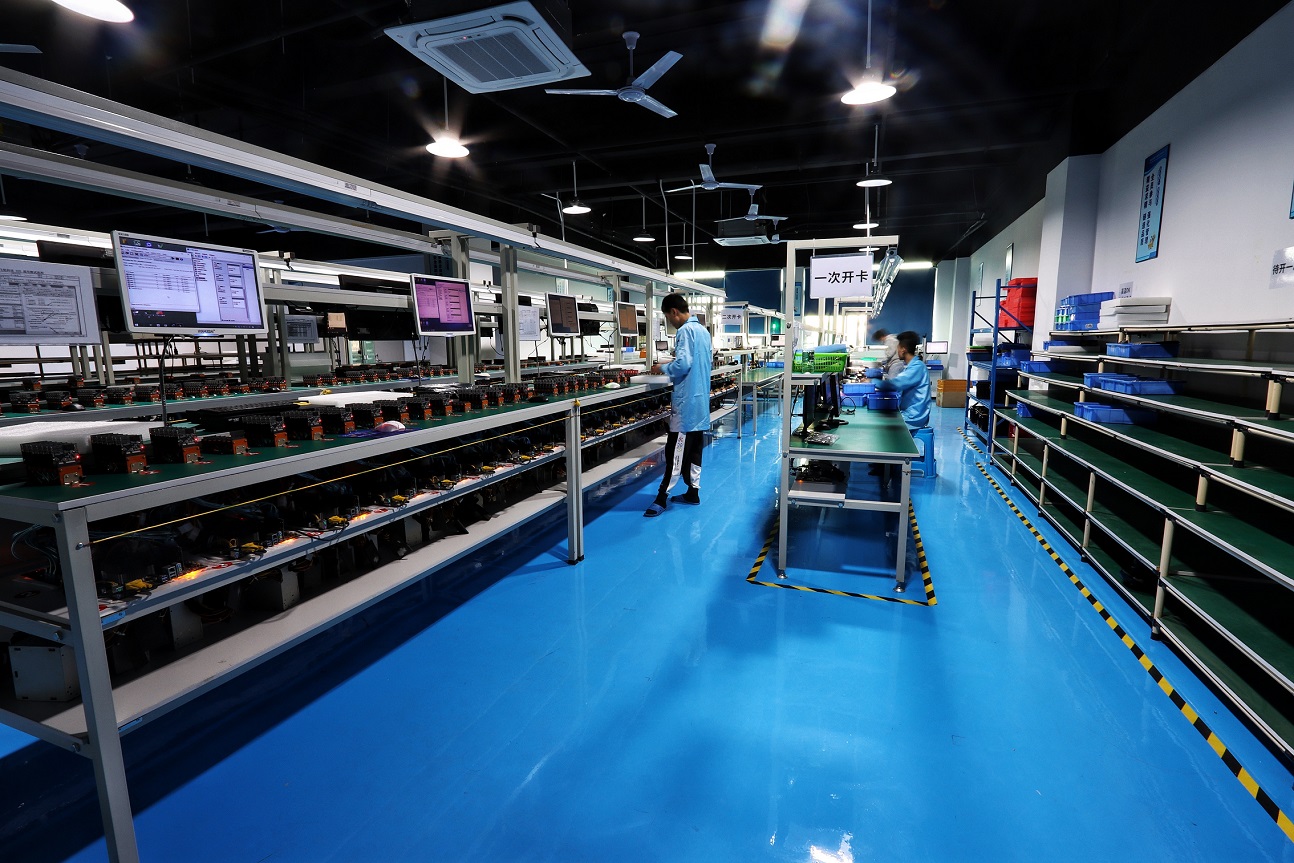
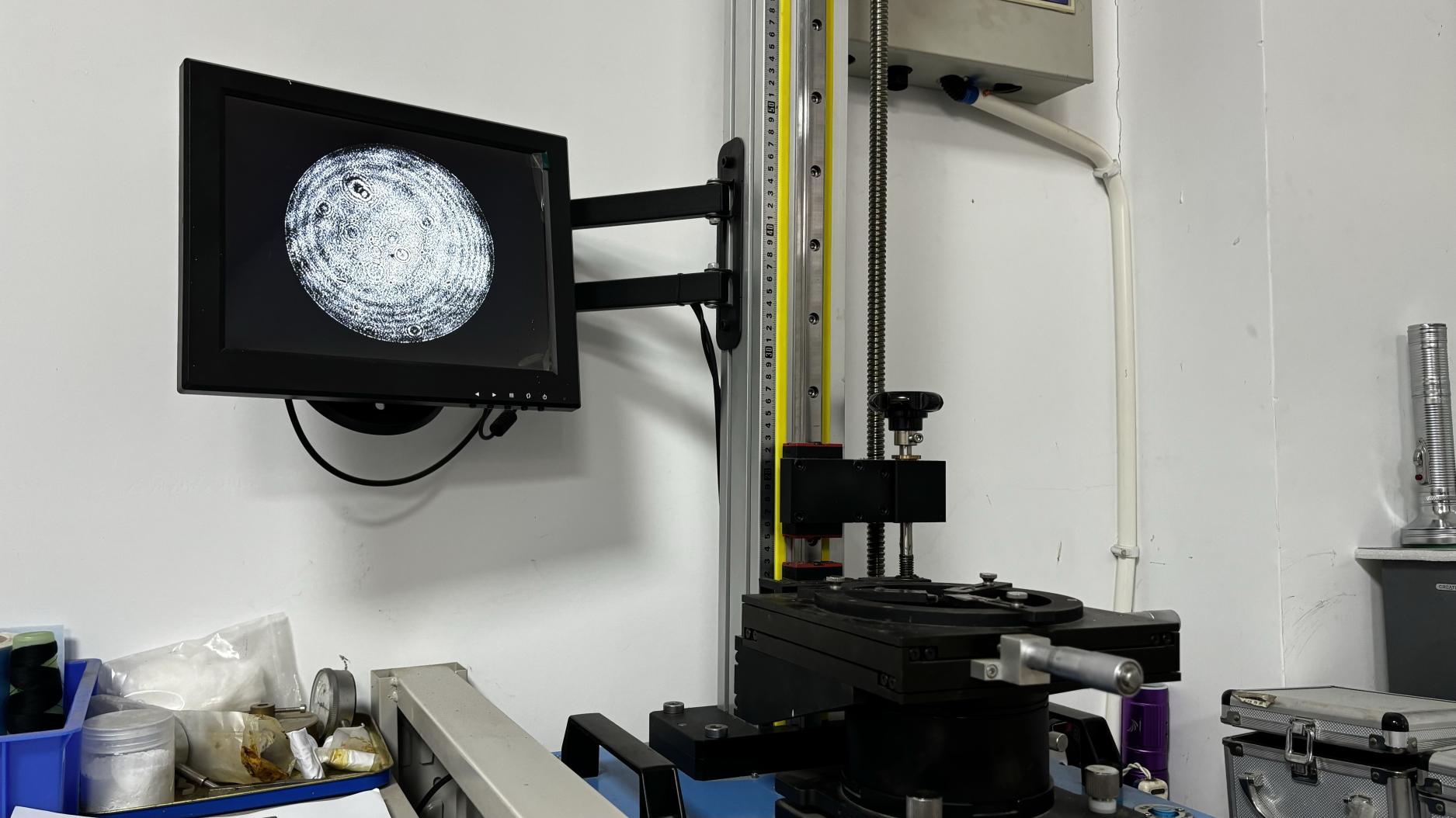
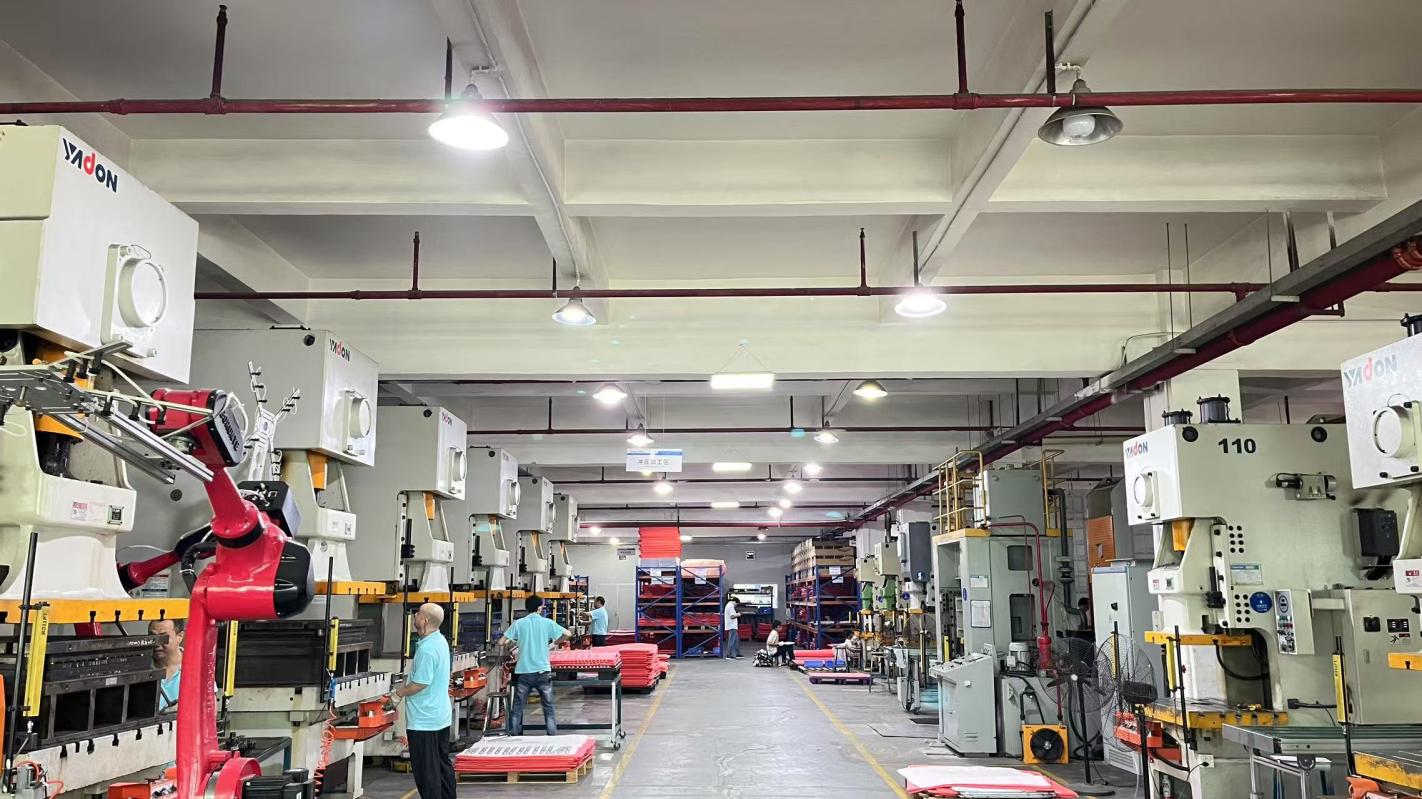
Why global enterprises and Doha-based system integrators partner with Chinese OEM/ODM electronics leaders like Xeviora.
Our facility bridges component sourcing with final system builds. By directly integrating multi-layer FPCs, high-speed RAM buffers, and advanced server-grade active cooling mechanisms under one roof, we eliminate supply chain overhead, offering competitive direct-from-factory pricing.
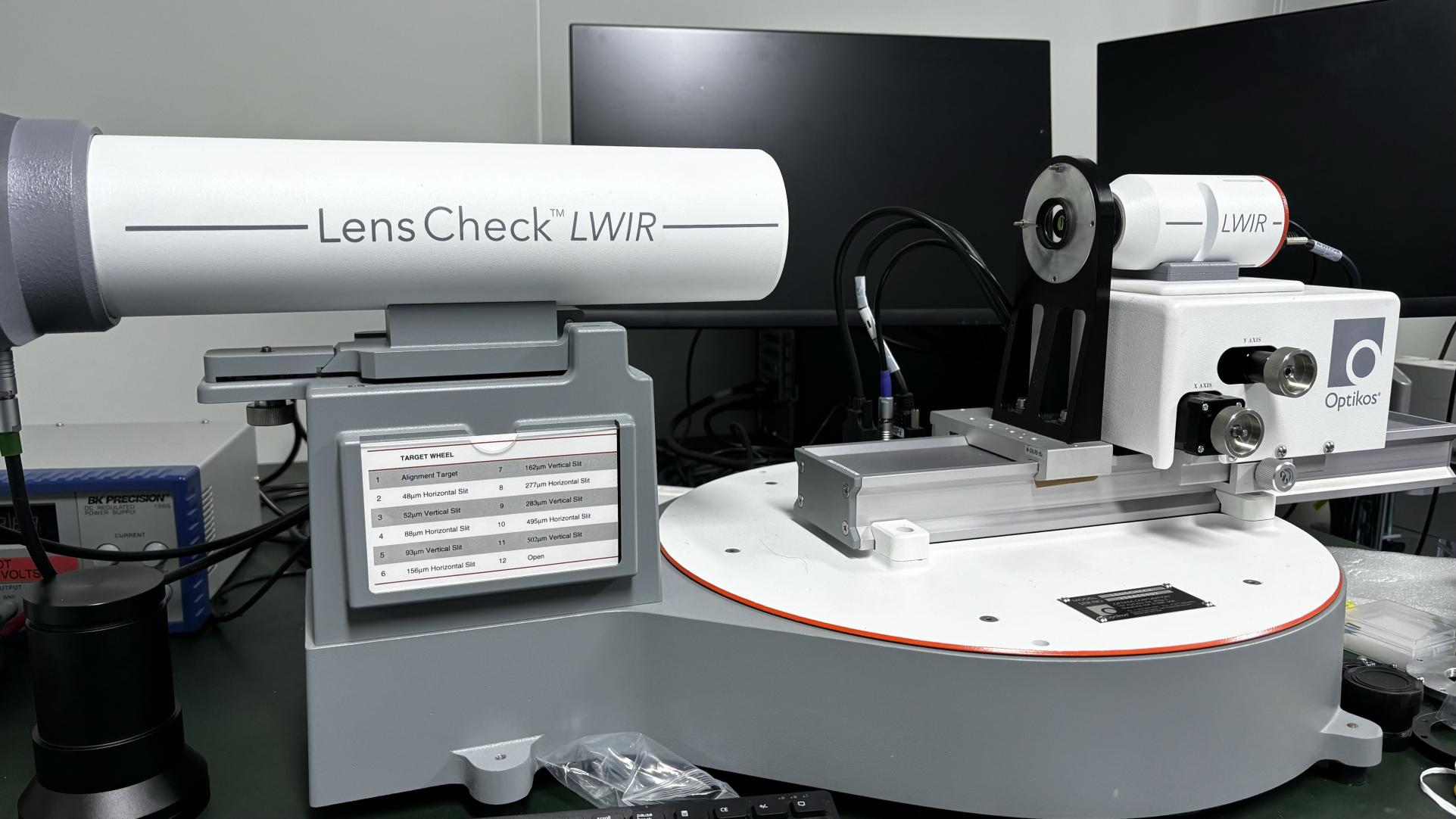
Precision-manufactured items demand strict validation. All components undergo automated visual inspection (AOI), thermal stress testing, optical spectrum analysis, and long-term aging tests to verify performance. Our 46 dedicated QC inspectors maintain zero-defect standards for every batch shipped to Doha.
Supported by our R&D team of 128 engineers, we handle custom circuit layout, thermal design simulations, logo printing, customized firmware, and tailor-made packaging. Our agile fabrication flow permits custom UVC LED driver boards to transition from layout to production in record time.
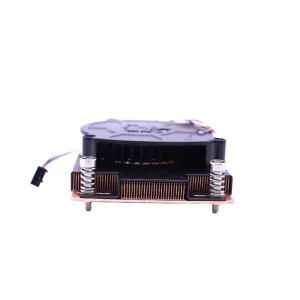
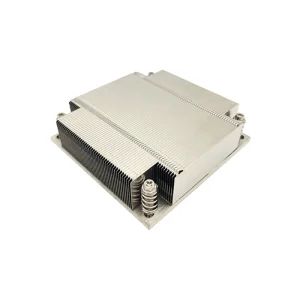
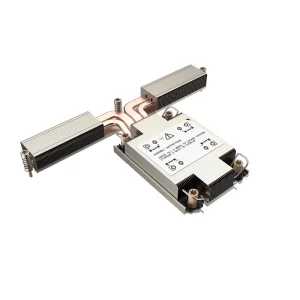
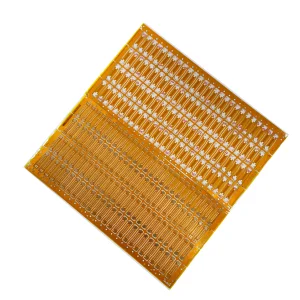
High-reliability flexible circuits and active-passive heat sinks engineered for modern UVC LED arrays and industrial servers.
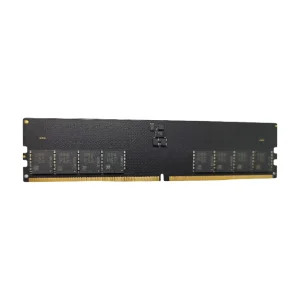
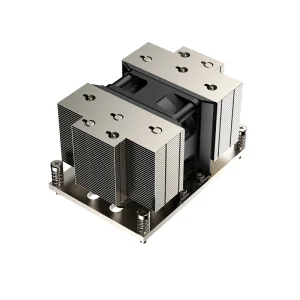
Integrating high-power UVC LEDs with modern automation controls to target Doha's specific sanitization and environmental demands.
Doha's mega district cooling plants operate massive air handling units (AHUs). High humidity mixed with hot air fosters rapid biofilm build-up on heat exchange coils, reducing thermodynamic efficiency and degrading indoor air quality. By deploying arrayed UVC LED strips continuously across the coil faces, biofilm is eradicated, lowering maintenance cycles and increasing operational energy efficiency.
Given the reliance on desalinated water in Qatar, preventing bacterial contamination in storage tanks and pipeline networks is vital. High-output flow-through UVC LED reactor chambers sterilize water at tap outlets and buffer reserves. This chemical-free, solid-state system ensures that no toxic residue or disinfection by-products enter the drinking water stream.
Doha's futuristic skyscrapers in Lusail and commercial districts use integrated AI systems. Automated disinfection robots equipped with UVC LED modules sanitise high-touch surfaces, conference rooms, and medical clean rooms during off-peak hours. High-density storage modules control spatial positioning while UVC emitters handle instantaneous surface sterilization.
For procurement officers and technical designers at Kahramaa, Hamad Medical, and regional EPC contractors, specify components using these engineering metrics.
"A typical pitfall in UVC LED integration within high-temperature markets is neglecting thermal resistance ($R_{th}$). For every 10°C rise in junction temperature above the baseline, the L70 operating lifetime of a typical AlGaN chip drops by approximately 30%. Specifying copper-core PCBs and matching heat dissipators is non-negotiable for Doha installations."
| Parameter | Industrial Target Range |
|---|---|
| Emission Wavelength | 265nm - 275nm (Optimal germicidal window) |
| Junction Temperature Max | < 85°C (Ensuring reliable long-term operations) |
| Thermal Substrate Material | Aluminium Nitride (AlN) Ceramic or Copper MCPCB |
| Lifetime (L70) | > 20,000 hours at continuous rated current |
| Module Control Protocol | 0-10V, PWM, or Modbus RTU interface |
All international cargo routed to Hamad Port or Doha International Airport undergoes strict customs and safety checks. Xeviora ensures all shipments carry complete RoHS, CE, and FCC certification paperwork. Our cargo packaging utilizes vacuum-sealed electrostatic shielding bag (ESD) wrapping inside reinforced multi-layered master cartons to survive marine humidity and dry port storage temperatures.
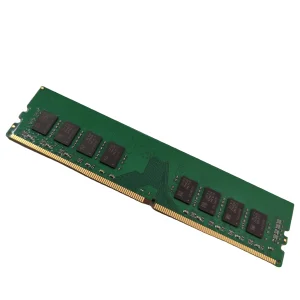
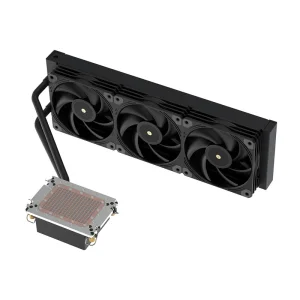
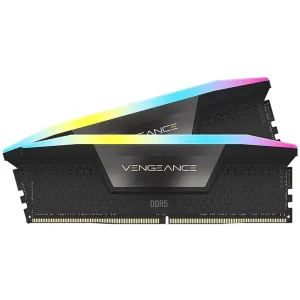
Download Procurement WhitepaperExplore our full catalog of high-power system memory control boards, CPU radiators, and heat pipe solutions adaptable to UVC hardware and heavy-duty logic servers.
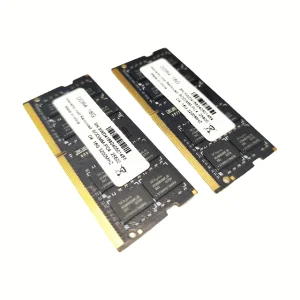
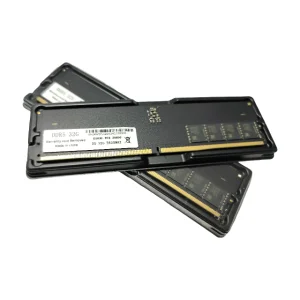
Key design, integration, and procurement questions answered by our system engineering team.
Whether you require standard high-output UVC LED modules or customized electronic control solutions for Doha's industrial and commercial projects, our engineering experts are ready to assist.
Send Inquiry Now