 Xeviora
Xeviora
Xeviora
Specialized components tested and optimized to maintain structural and computational integrity in harsh marine and industrial computing environments.
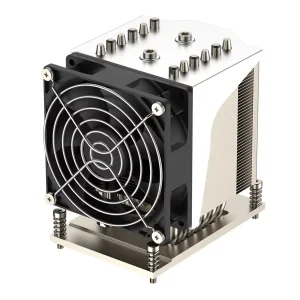
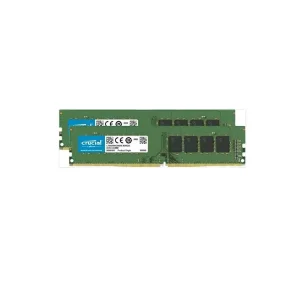
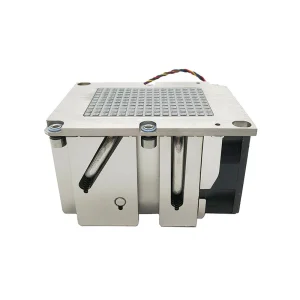
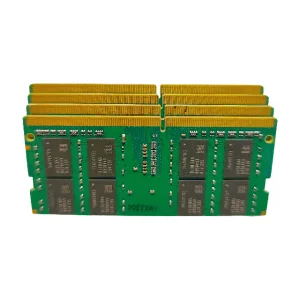
The Kingdom of Norway operates one of the world's most sophisticated and demanding industrial landscapes. Driven by intensive maritime engineering, offshore oil and gas telemetry, deep-sea subsea robotics, and state-of-the-art aquaculture systems, Norway requires electronic components that transcend typical commercial parameters. PCBA (Printed Circuit Board Assembly) solutions intended for Norwegian deployment must confront specific climatic and environmental stress factors: constant exposure to saline moisture, severe mechanical vibrations on vessels, and dramatic thermal cycles down to sub-zero Arctic temperatures.
Furthermore, Norway is spearheading the global transition to renewable grid solutions, smart hydro-electric distribution systems, and carbon capture infrastructure. As high-speed Edge Computing, Industrial IoT, and machine learning nodes move closer to physical offshore installations, the demand for rugged server platforms and dense high-performance memory modules has scaled exponentially. For Norwegian OEMs and system integrators based in technology hubs like Oslo, Bergen, and Trondheim, securing a resilient and highly capable manufacturing partner is key to minimizing field failure rates and maintaining operational continuity.
Traditionally, Norwegian industrial developers relied heavily on local European electronics manufacturing services (EMS) for quick-turn prototyping. However, when moving into volume production and complex component sourcing, localized operations often struggle with long component lead times, high labor costs, and a lack of direct semiconductor supply channels. This dynamic has driven a massive shift toward strategic partnerships with highly integrated Chinese manufacturers who offer a blend of prototyping flexibility, rapid component sourcing networks, and specialized testing infrastructures.
By combining European engineering requirements with Chinese Factory 4.0 production capabilities, procurement directors achieve several strategic milestones:
Established in 2017, Xeviora Memory Technology (China) Co., Ltd. stands as a premier specialized DDR5 memory manufacturer, thermal management supplier, and custom PCBA exporter. Backed by 12 years of industry expertise and 8 years of dedicated export experience, Xeviora serves as the critical bridge connecting advanced semiconductor manufacturing with industrial-grade application demands worldwide.
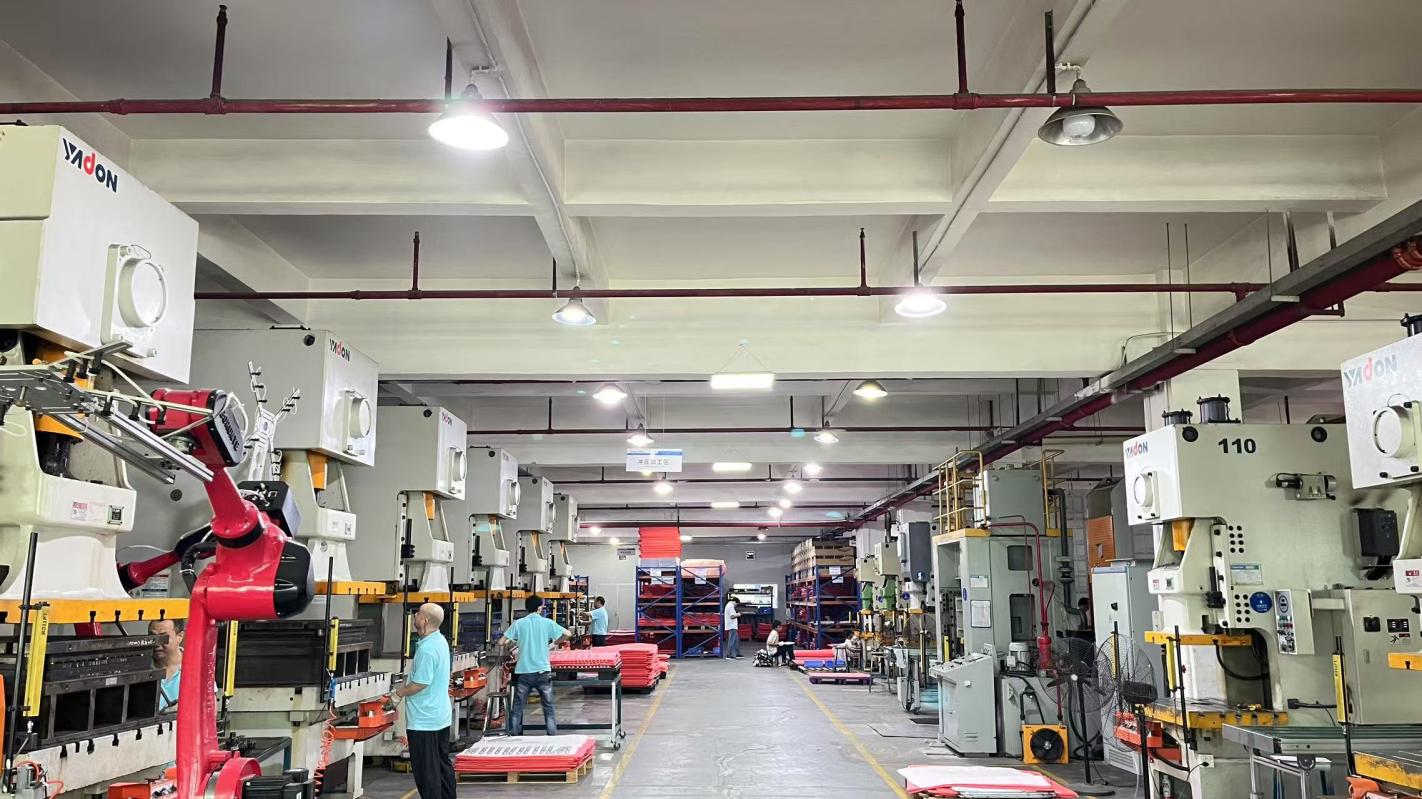
Our specialized prototyping, firmware configuration, and testing facilities in China span 368 square meters, optimized with high-speed automated testing environments. By working in close coordination with more than 850 verified supply chain partners, we ensure uninterrupted component sourcing, rapid design alterations, and stable manufacturing capabilities. Backed by an experienced R&D team consisting of 128 senior engineers, we continually push technical limits, launching 86 new high-performance memory products last year alone.
| Parameter / Metric | Standard Consumer Grade | Xeviora Industrial Grade (Norway Focus) |
|---|---|---|
| Operational Temp. Range | 0°C to 70°C | -40°C to +85°C (Extended/Industrial Range) |
| Anti-Corrosion Measure | Standard solder mask only | Conformal coating & Anti-Sulfuration resistors option |
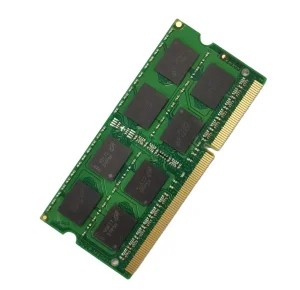
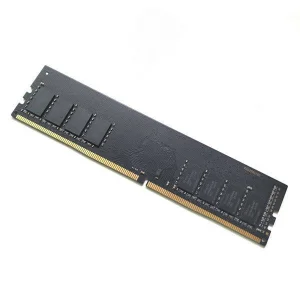
| Memory Reliability | Non-ECC Desktop Modules | On-Die & Sideband ECC DDR4/DDR5 Server Modules |
| Vibration Resistance | Standard friction latch lock | Ruggedized layout with optional underfill adhesive protection |
For Norwegian system architects, sourcing from China is no longer merely a cost-reduction strategy. It is an engineering choice designed to secure competitive advantages through "Information Gain" and supply chain agility. The modern SMT (Surface Mount Technology) assembly line utilizes automated optical inspection (AOI), 3D X-ray inspection for Ball Grid Array (BGA) packages, and selective wave soldering machines that ensure perfect compliance with IPC Class 3 quality criteria.
At Xeviora, quality control is integrated into every manufacturing stage. With an annual export revenue of over USD 18 million, our global operations depend on rigorous test protocols managed by our 46 dedicated quality inspectors. Every single module we manufacture is subjected to automated functional tests, cross-system compatibility verifications, performance validation, and thermal stress aging tests inside walk-in environmental chambers. This guarantees that whether the module is deployed in an Oslo data center or onboard an autonomous vessel navigating the North Sea, it will operate reliably under continuous load.
Operating hundreds of meters beneath the sea surface requires computing clusters with zero tolerance for downtime. High-power subsea sensors rely on high-capacity memory kits and reliable passive thermal blocks to conduct real-time acoustic signal processing. Memory errors down there are difficult and expensive to service; therefore, Xeviora's ECC server modules are crucial for maintaining system uptime.
Norway’s power network relies on edge controllers deployed across remote geographic areas. High-density DDR4 modules and specialized PCBA power supply units process grid data locally to prevent voltage spikes. Our modules undergo intense EMI/EMC shielding validation to prevent electrical noise interference under high-voltage environments.
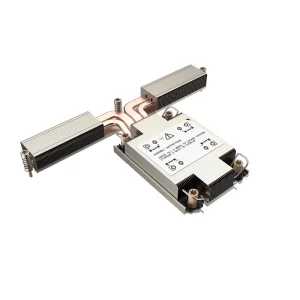
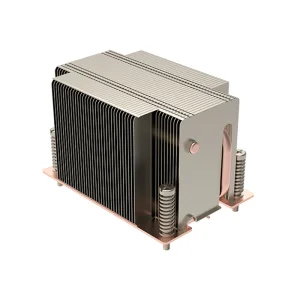
Turbine nacelles experience continuous vibrations, high humidity, and extreme temperature changes. Solid-state monitoring systems on wind farms use our custom-designed aluminum heatsinks and LGA server coolers to prevent processing units from throttling during periods of maximum energy generation.
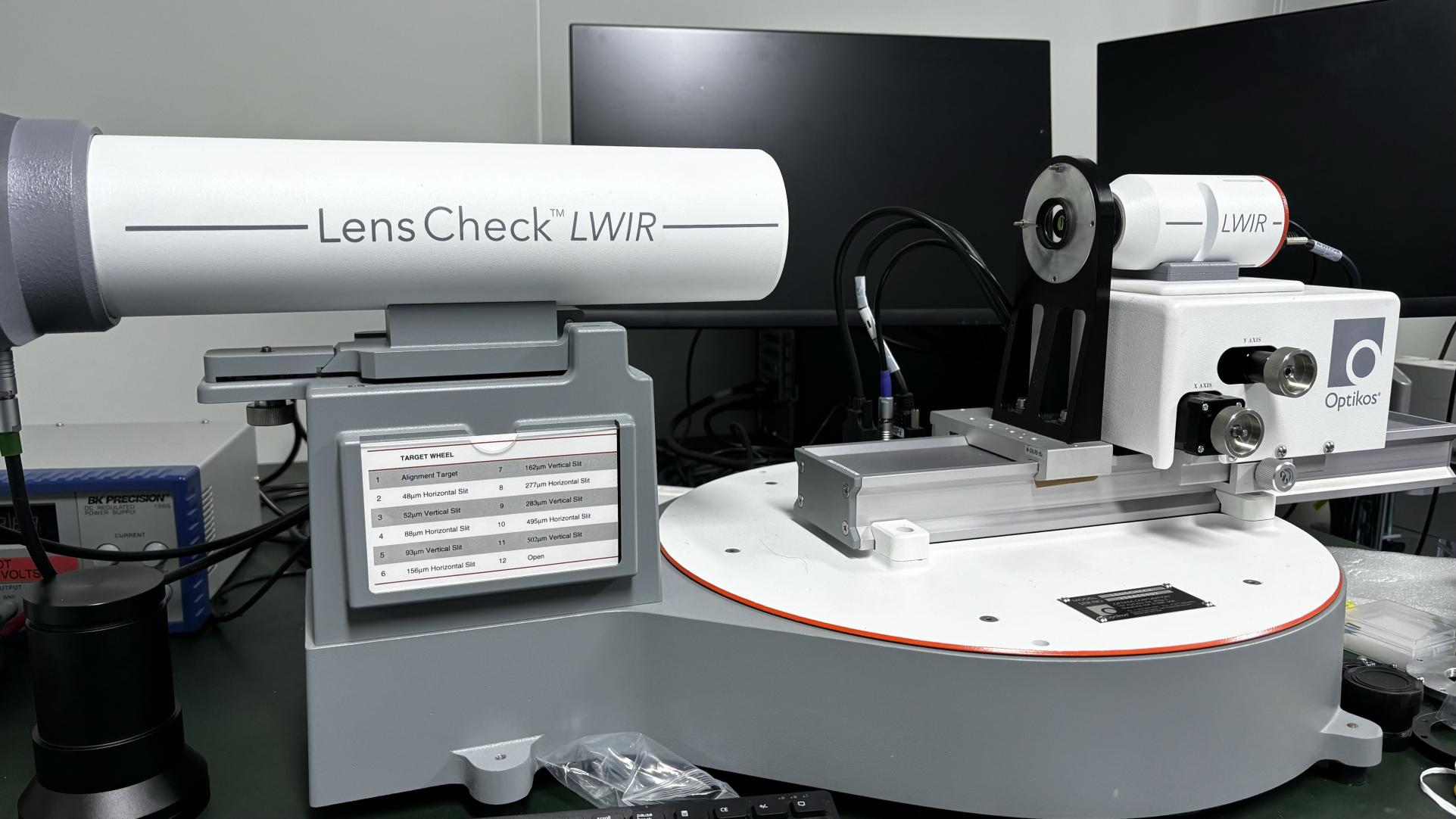
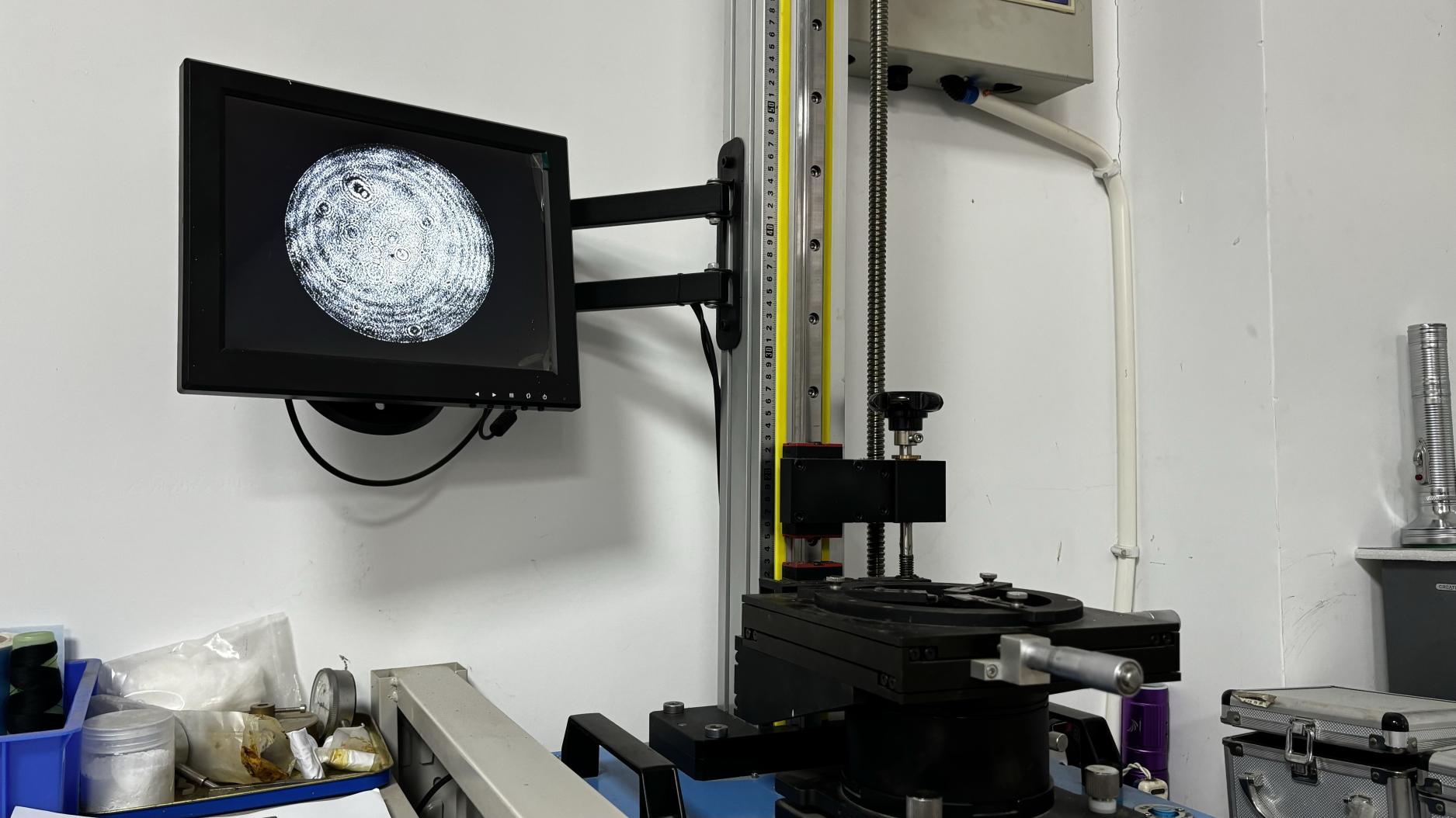
Our cleanrooms use ESD protection and dynamic heat chambers to test memory and PCBA setups under extreme thermal stress.


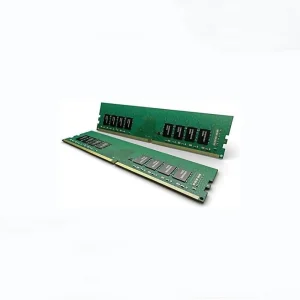
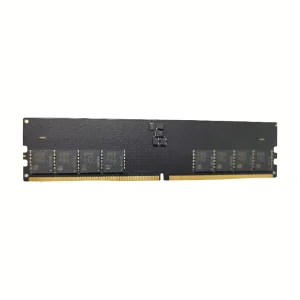
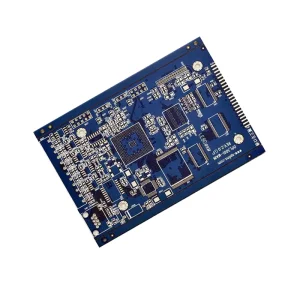
Discover our full catalog of high-speed memory systems, thermal management products, and automated PCB assemblies.
Answers to critical engineering and procurement inquiries regarding Norwegian environmental standards and export operations.
Yes. For electronics destined for oceanographic, subsea telemetry, or offshore wind applications in Norway, we offer professional conformal coating services (including Acrylic, Polyurethane, and Silicone coatings). This layer protects SMT micro-components against salt-spray corrosion, humidity condensation, and electrical shorts in high-salinity maritime regions.
We provide full OEM/ODM firmware services managed by our 128-engineer R&D team. This includes SPD custom serialization, write-protection configurations, thermal throttling thresholds adjustments, and custom compatibility patches tailored for unique industrial motherboards and edge computing systems.
Our quality management protocol is supervised by 46 dedicated quality inspectors. We enforce strict multi-stage testing including incoming material inspections, in-line 3D Automated Optical Inspection (AOI), X-ray inspection for complex SMT structures, and 100% thermal chamber aging tests before shipment to ensure stable performance under continuous load.
Standard lead times for custom PCBA and memory batches range from 2 to 4 weeks, depending on component availability and customization requirements. Leveraging our network of over 850 supply chain partners, we optimize raw component sourcing to minimize production delays and support secure air freight delivery to Norwegian logistics hubs.