Xeviora
Xeviora
Xeviora
Quick access to our specialized multi-layer printed circuit assemblies, high-speed RAM setups, and system integration boards certified for localized commercial application.
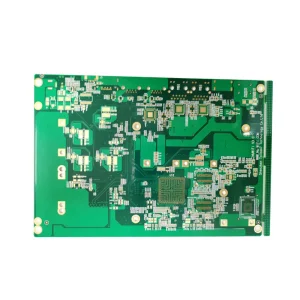
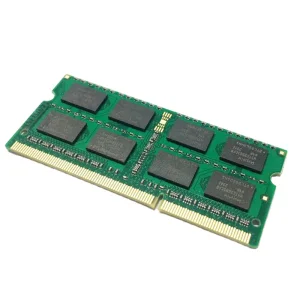
Indonesia’s digital economy is expanding at an unprecedented rate. Driven by the national masterplan "Making Indonesia 4.0", key sectors such as automotive manufacturing, consumer electronics, IoT development, and telecommunication hardware are moving rapidly towards local manufacturing integration. Industrial zones across West Java—such as Cikarang, Karawang, and Bekasi—as well as the strategic Batam Free Trade Zone, have evolved into powerhouse clusters for hardware assembly. To sustain this momentum, the demand for highly reliable multi-layer printed circuit boards (PCBs) and high-speed enterprise memory arrays has risen dramatically.
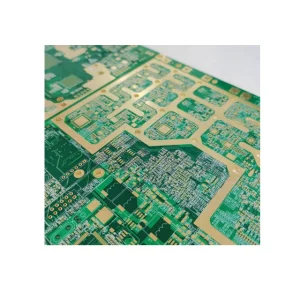
Modern applications in smart grids, electric vehicle (EV) controllers, and IoT gateways in Indonesia require multi-layer circuit boards that offer excellent thermal performance and signal integrity. Low-quality double-sided boards no longer suffice for these high-power environments. Instead, complex multi-layer designs (ranging from 4 to 24+ layers) are required to accommodate dense routing, minimize electromagnetic interference (EMI), and maintain low cross-talk in telecommunications hardware.
Enabling microvias, blind, and buried vias to support ultra-dense layouts, critical for localized smart device controllers and compact automotive modules built in Indonesia.
Leveraging high-TG (Tg170+) laminates and heavy copper layers to resist high-humidity, high-ambient-temperature operating conditions typical of Java and Sumatra industrial parks.
Rigorous differential impedance matching for high-speed transmission lines, ensuring error-free communication in telecom routing gear and embedded DDR5 modules.
Selecting the correct dielectric substrate material is vital to ensuring long-term product viability under harsh environmental conditions. The Indonesia climate, characterized by relative humidity frequently exceeding 80%, presents unique challenges. High humidity increases the risk of conductive anodic filament (CAF) formation within the PCB layers, which can lead to sudden, catastrophic system failures.
To address this, our manufacturing partnerships utilize industry-leading raw materials, including Shengyi FR4 (High TG170 / TG180) and Rogers 4000 series mixed pressure structures. These materials ensure that the Coefficient of Thermal Expansion (CTE) remains low across all axes, preventing inner-layer delamination during reflow soldering or field operations.
| Substrate Material Class | Dielectric Constant (Dk) @ 10GHz | Dissipation Factor (Df) | Tg (Glass Transition Temp) | Recommended Application in Indonesia |
|---|---|---|---|---|
| Shengyi SY-1170 (High TG) | 4.6 | 0.015 | 170°C | Industrial power supply, solar inverters, smart grid systems |
| Rogers RO4003C | 3.38 | 0.0027 | >280°C | 5G telecommunication base stations, RF modules, radar systems |
| Rogers/FR-4 Mixed Pressure | 3.8 - 4.2 | 0.008 | 180°C | Edge computing servers, network interface controllers (NICs) |
| Halogen-Free Environmental FR4 | 4.4 | 0.012 | 150°C | Consumer IoT devices, smart home appliances, TKDN-compliant hardware |
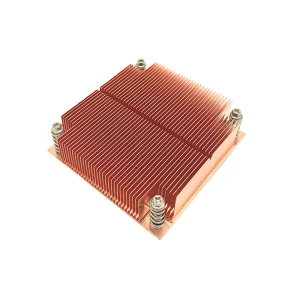
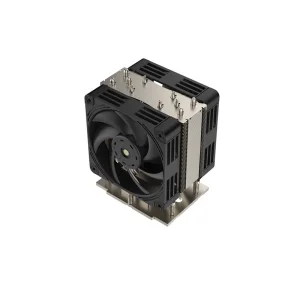
Precision-engineered multi-layer boards and thermal dissipation units configured for regional network servers and heavy-duty industrial control applications.
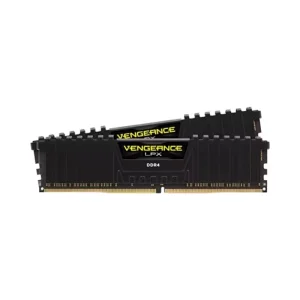
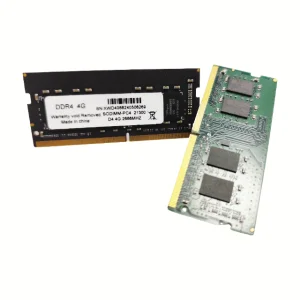
A growing segment of our Indonesian partners focuses on cloud computing, edge processing hubs, and local telecom networks. In high-speed servers, the mainboard itself is a highly sophisticated multi-layer PCB (often featuring 12 to 24 layers) built with tight impedance tolerances to accommodate high-frequency memory buses.
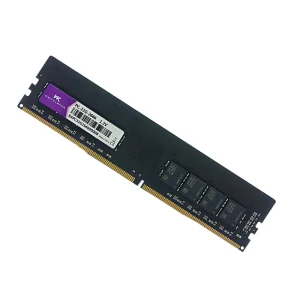
This is where the synergy between Xeviora Memory Technology (China) Co., Ltd. and advanced PCB prototyping becomes clear. By offering both high-performance memory modules (DDR4 and DDR5 ECC RAM) and precision multi-layer boards, we provide a complete system-level solution for local assembly lines. Our RAM modules undergo rigorous testing on our own customized multi-layer boards, ensuring complete compatibility, signal integrity, and minimal thermal throttling when installed in local environments.
For example, in digital server operations within Jakarta data centers, a single data packet passes through multiple layers of microvias and impedance-matched lines before reaching the CPU and the memory modules. Any slight impedance mismatch on the motherboard could lead to bit errors, signal attenuation, and eventual server failure. By controlling the quality of both the storage strip assemblies and the multi-layer baseboards, we guarantee maximum reliability and continuous uptime.
Importing high-tech components into Indonesia requires navigating local regulations. The Ministry of Industry enforces the TKDN (Tingkat Komponen Dalam Negeri) framework, which sets local content requirements for telecommunications and digital devices. For global OEMs looking to sell in Indonesia, partnering with suppliers who understand how to optimize the manufacturing split is critical.
By structuring supply chains logically—shipping semi-knocked-down (SKD) component kits or bare multi-layer PCBs to local assembly lines in Cikarang or Batam—companies can easily meet TKDN target scores. This enables local factories to perform final assembly, testing, and memory mounting domestically, qualifying their products for government contracts and domestic tenders.
Additionally, importing components through major ports like Tanjung Priok (Jakarta) or Tanjung Perak (Surabaya) requires meticulous documentation to avoid customs clearance delays. We provide complete certification compliance, including RoHS, CE, and FCC test reports, along with clear HS Code classification (e.g., HS Code 8534.00 for Printed Circuits and HS Code 8473.30 for memory modules), ensuring a smooth transit process.
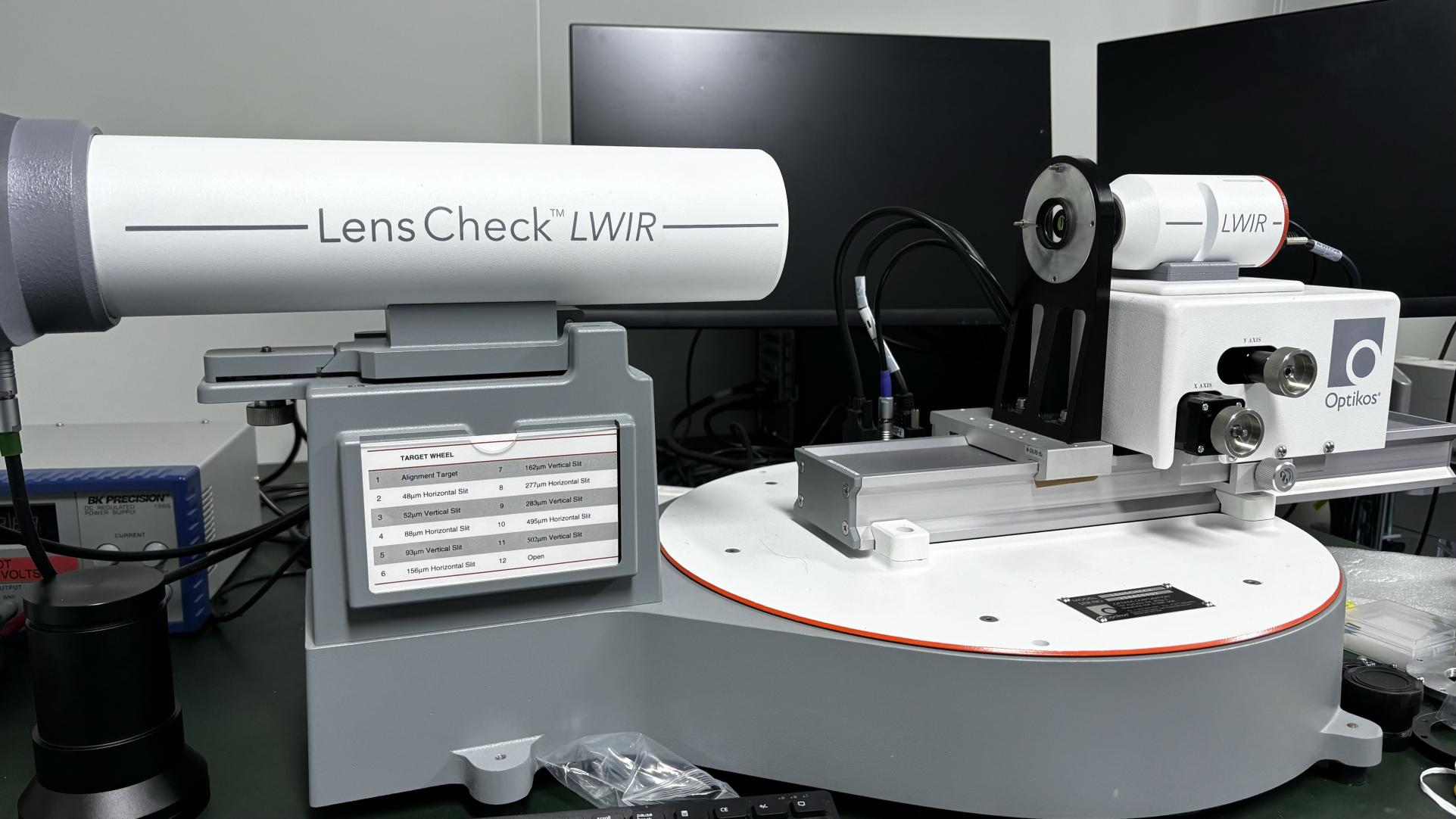
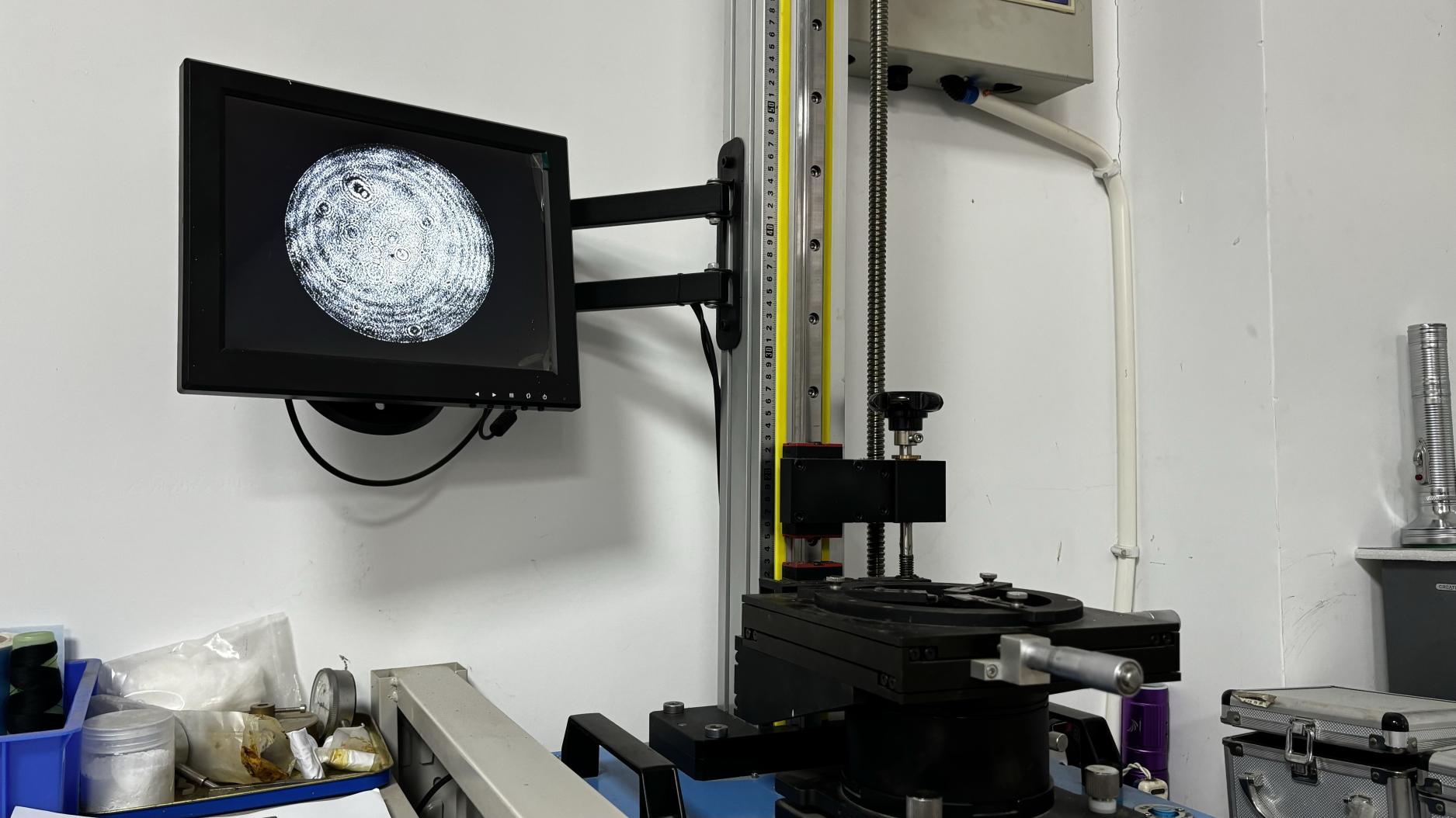
To maintain an exceptionally low Defect Rate (less than 150 PPM), our factories employ a multi-phase quality control framework. This process begins with raw material intake and continues through automated optical inspection (AOI) to final circuit validation.
| Manufacturing Phase | Equipment / Method Used | Testing Objective | Target Standard |
|---|---|---|---|
| Inner Layer Imaging | Direct Imaging (DI) & AOI | Detecting trace opens, shorts, and line width anomalies | Zero tolerances on trace defects |
| Lamination Quality | Vacuum Pressing & X-Ray Target Drill | Ensure exact inner-layer registration and avoid voids | Registration deviation < 50μm |
| Microvia Drilling | CO2 / UV Laser Drill | Blind and buried microvia execution for HDI layout | Minimum diameter 75μm |
| Memory Integration | Automated SMT & Nitrogen Reflow | Precise mounting of BGA/DRAM chips on PCB tracks | IPC-A-610 Class 3 (High-Reliability) |
| Final Reliability Test | Flying Probe & Thermal Cycling Chambers | Verifying electrical continuity under stress conditions | 100% netlist verification |
Expert answers to common engineering and sourcing questions regarding multi-layer PCBs and high-speed memory modules for the Indonesian market.
Xeviora Memory Technology (China) Co., Ltd. is a professional DDR5 memory manufacturer and supplier based in China, specializing in high-performance RAM solutions for gaming, industrial, enterprise, and consumer applications. Established in 2017, the company has rapidly grown into a trusted OEM and ODM partner for global distributors, system integrators, and technology brands.
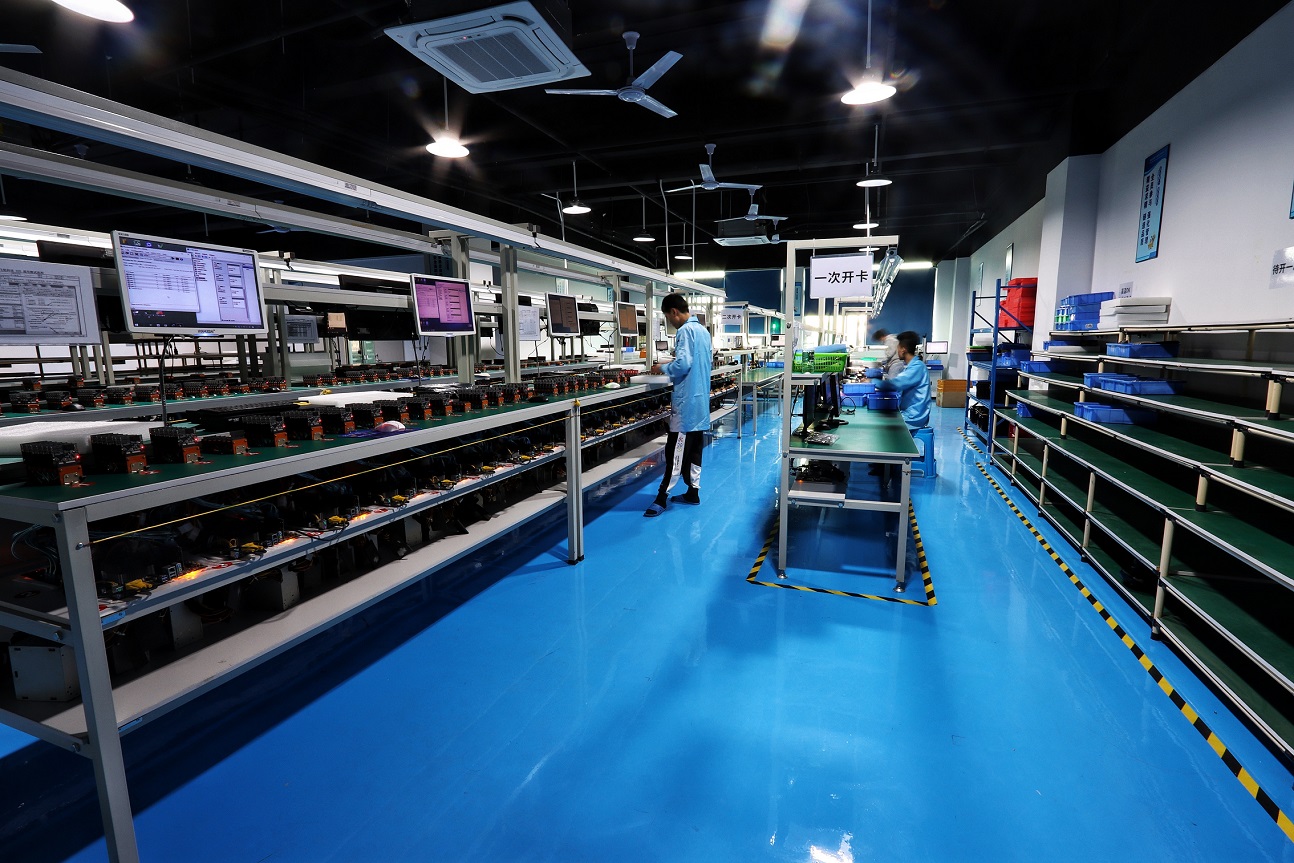
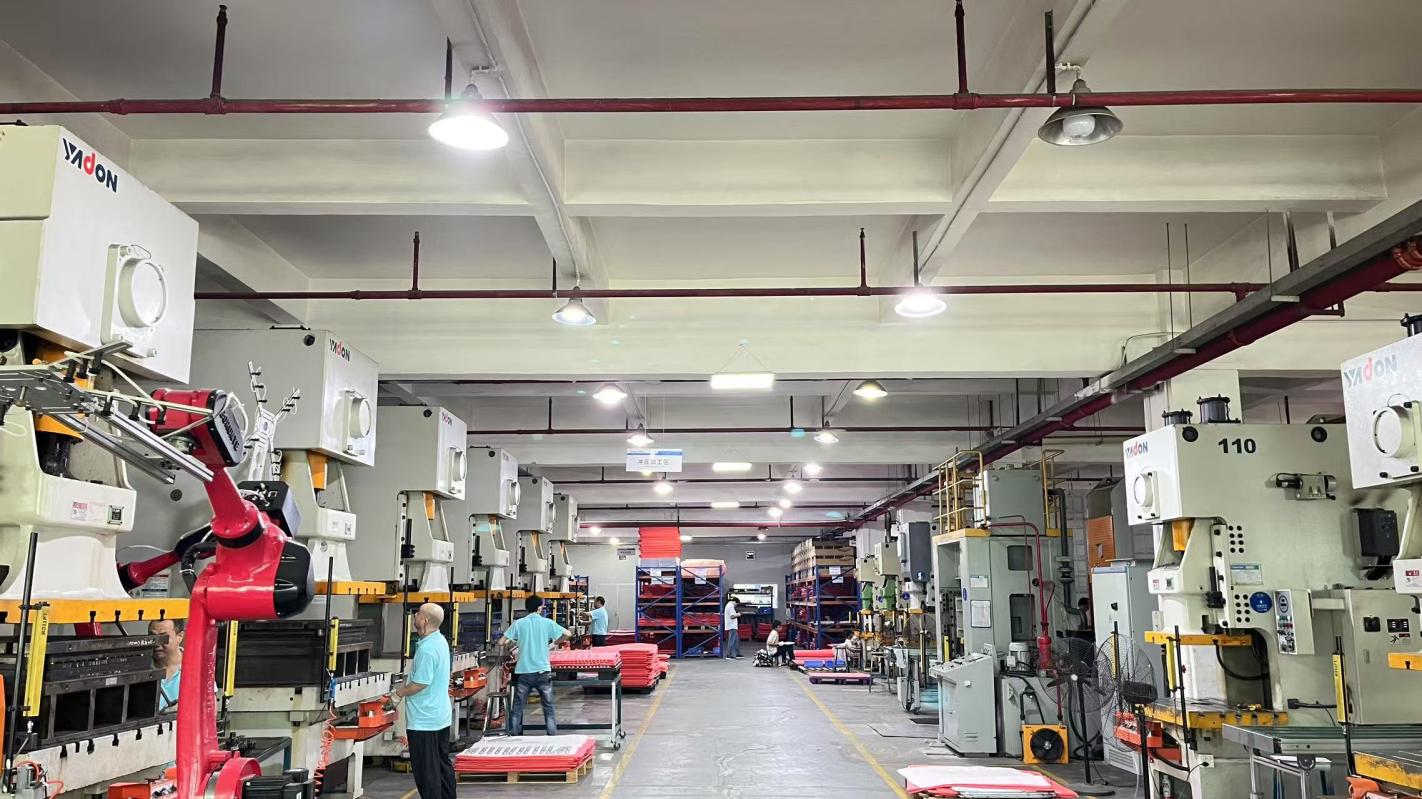
Our manufacturing facility covers 368 square meters and is equipped with advanced production and testing equipment to ensure stable quality and reliable performance. With an annual export revenue of over USD 18 million, Xeviora serves customers across North America, Europe, Southeast Asia, the Middle East, and South America.
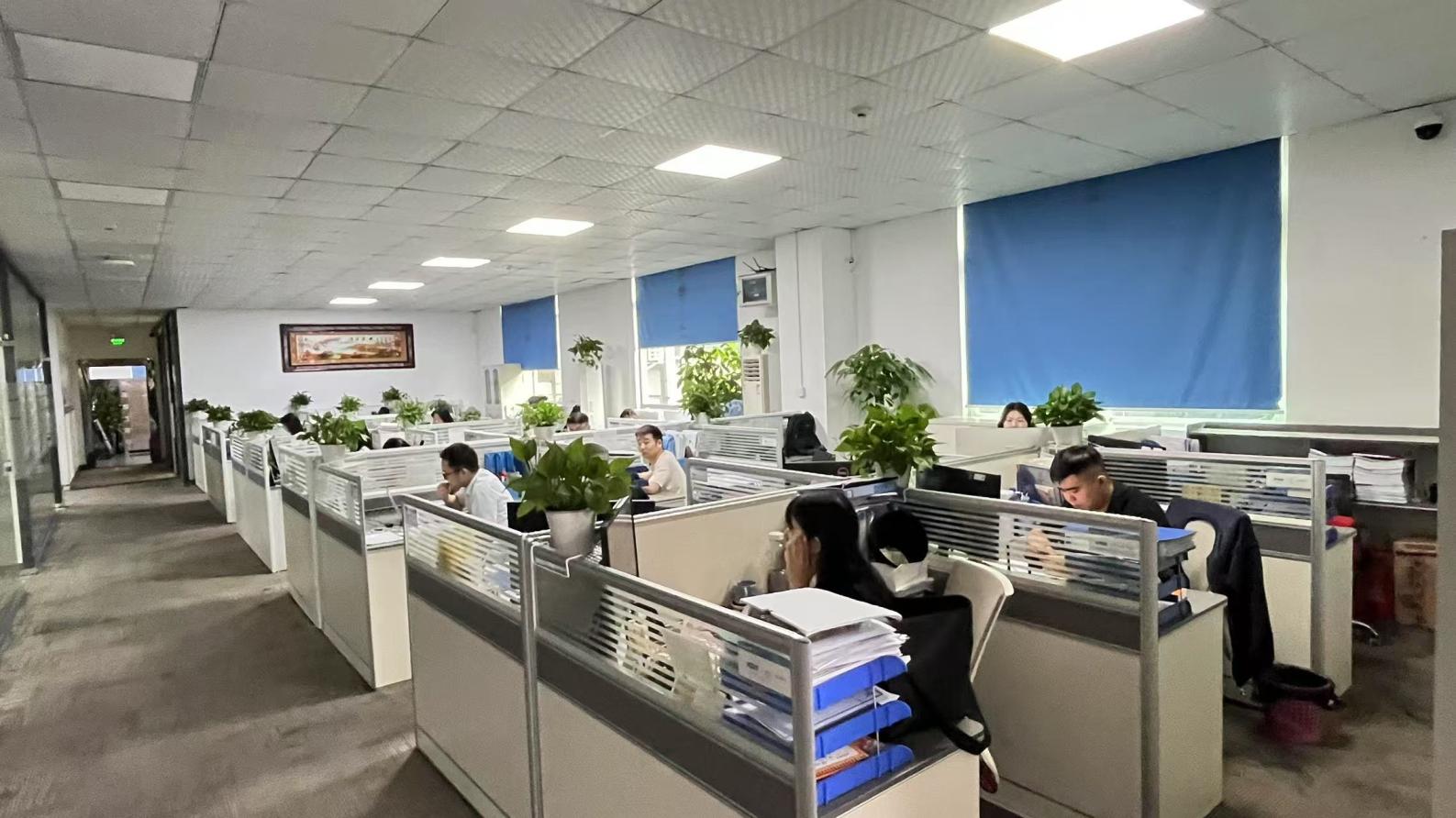
Backed by 8 years of export experience and 12 years of industry expertise, we are committed to delivering innovative memory products that meet international quality standards. Our quality management system includes comprehensive incoming material inspection, in-process quality control, and final product testing. All products undergo automated functional testing, compatibility verification, performance validation, and aging tests before shipment. Our quality assurance team consists of 46 dedicated inspectors who ensure every module meets strict reliability requirements.
As a manufacturer with strong OEM and ODM capabilities, Xeviora works closely with more than 850 supply chain partners worldwide, enabling efficient sourcing, flexible production, and fast delivery. Our primary customers include wholesalers, distributors, e-commerce sellers, system builders, brand owners, and enterprise solution providers.
Innovation is at the core of our business. Supported by an experienced R&D team of 128 engineers, we continuously invest in new technologies and product development. Last year alone, we successfully launched 86 new memory products covering DDR5 gaming memory, industrial-grade memory modules, server memory solutions, and customized storage products.
We offer flexible customization services, including private labeling, logo printing, packaging design, specification customization, firmware optimization, and complete OEM/ODM development. Whether customers require standard memory modules or fully customized solutions, our team is dedicated to providing reliable products, competitive pricing, and professional technical support.
At Xeviora, our mission is to empower global customers with advanced memory technology, dependable manufacturing, and long-term business partnerships built on quality, innovation, and trust.
Browse our complete catalog of industrial RAM configurations, server cooling solutions, and multi-layer high-frequency PCB systems.