Xeviora
Xeviora
Xeviora
Engineered for extreme reliability, high data bandwidth, and complex digital architecture requirements in Tashkent and regional hubs.
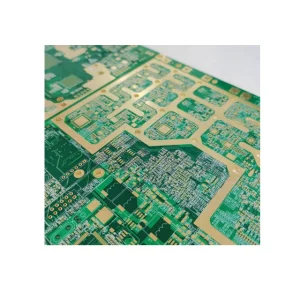
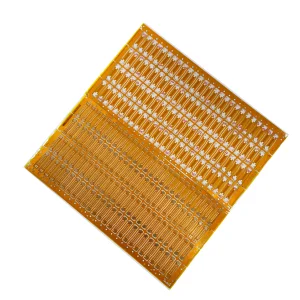
Under the national strategy "Digital Uzbekistan 2030", the Republic of Uzbekistan is accelerating the installation of advanced communications infrastructure, 5G wireless networks, smart power grids, and digital automated systems. This massive leap towards digital transformation demands specialized hardware components, particularly high-frequency printed circuit boards (HF PCBs). Local industries in Tashkent, Samarkand, and Navoi require RF substrates capable of managing signals in the range of 1 GHz to 100 GHz without compromise.
From base station transceivers deployed by major cellular operators to localized smart-metering networks, the requirement for robust dielectric properties, low insertion loss, and stable signal integrity under wide temperature variations is absolute. Our engineering partnership bridges the gap between state-of-the-art Chinese smart factories and Uzbekistan's fast-developing technical enterprises.
A comprehensive look at dielectric performance, transmission lines, and hybrid thermal dissipation strategies.
Modern radiofrequency (RF) systems require materials engineered to address electromagnetic characteristics that standard FR-4 substrates cannot accommodate. When routing signals exceeding several gigahertz, transmission line characteristics like insertion loss, phase stability, and crosstalk become critical variables in system yield and operational margins.
High-frequency laminates, such as Rogers (RO4003C, RO4350B, RO3003) and Shengyi (s1000-2, high-frequency series), differ fundamentally from conventional materials. Polytetrafluoroethylene (PTFE) based substrates offer extremely low dissipation factors (Df), but they present mechanical manufacturing challenges due to their soft, high-coefficient of thermal expansion (CTE) behavior. Conversely, thermoset hydrocarbon materials filled with ceramic particulates provide standard PCB mechanical characteristics while preserving exceptional microwave electrical parameters. This is essential for mixed-pressure multi-layer boards that balance cost and performance.
| Material Family | Dielectric Constant (Dk @ 10GHz) | Dissipation Factor (Df @ 10GHz) | Thermal Conductivity (W/m/K) | Primary Industrial Applications |
|---|---|---|---|---|
| Rogers RO4350B | 3.48 ± 0.05 | 0.0037 | 0.62 | LNB, Base Station Antennas, Radar, Automotive Radar Systems |
| Rogers RO3003 (PTFE) | 3.00 ± 0.04 | 0.0013 | 0.50 | 77 GHz ADAS Radar, Millimeter Wave Applications |
| Shengyi FR4 High TG170 | 4.60 | 0.0150 | 0.40 | High-speed Digital Backplanes, Power Modules, Industrial Memory Control |
| Mixed Pressure Hybrid | Variable (Stack-up Dependent) | Optimized Core Channels | Highly Customizable | Smart-Metering Transceivers, Mixed RF/Digital controllers |
At high frequencies, current migrates to the outer boundaries of trace copper—a phenomenon known as the skin effect. Copper surface roughness at the substrate interface directly impacts attenuation. Smooth, low-profile copper options, such as reverse-treated foils (RTF) or very-low-profile (VLP) copper, are specified to mitigate this effect. Standard engineering practices on our lines demand impedance tolerances of ±5% to prevent signal reflection and ensure high return loss performance.
Xeviora Memory Technology (China) Co., Ltd. serves as a reliable manufacturing and technology partner. Spanning advanced cleanroom facilities and backed by 8 years of export operations and 12 years of core industry expertise, our team manages high-density memory and high-frequency substrate assembly with exceptional precision. With annual export volumes exceeding USD 18 million, our supply chain reaches partners in North America, Europe, and Central Asian markets like Uzbekistan.
Every batch of high-frequency multi-layer boards undergoes a complete validation matrix: Automated Optical Inspection (AOI) for line definition, Time-Domain Reflectometry (TDR) testing for controlled impedance verification, and Flying Probe electrical testing. We run an operational quality assurance team of 46 inspectors who verify compliance to IPC Class 2 and Class 3 guidelines.
Guaranteed availability of specialty microwave laminates including Rogers, Taconic, Nelco, and Shengyi series.
Direct copper plating, coin insertion, and thick-metal backing options for high-power amplifiers.
Empirical physical verification of impedance tolerances with full instrumentation reporting.
Deploying specialized radiofrequency and high-speed memory systems across the country's key growth sectors.
Supporting Tashkent's telecommunication upgrades. High-frequency Rogers/Shengyi hybrid stack-ups are key to power amplifiers and MIMO antenna arrays, maintaining stable signal pathways through demanding summer conditions.
Navoi and Samarkand's power distribution networks utilize RF modules for automated metering. Controlled impedance ensures reliable wireless transmission in busy urban spectrum environments.
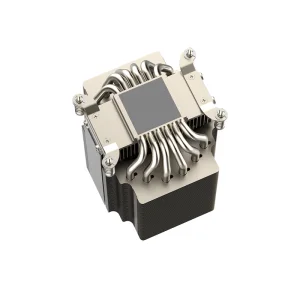
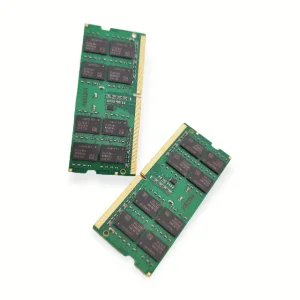
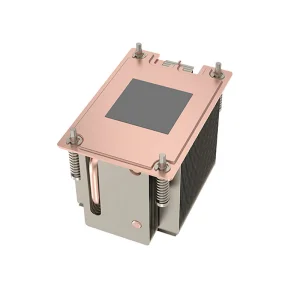
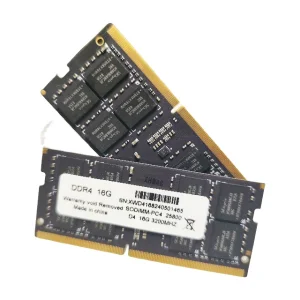
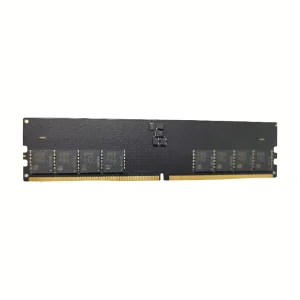
Upgrading local server architecture with enterprise DDR5 modules, active heatsinks, and impedance-tuned motherboards to handle database processing for financial institutions and public utilities.
Explore our full line of server memory, desktop RAM upgrades, and high-capacity thermal cooling kits.
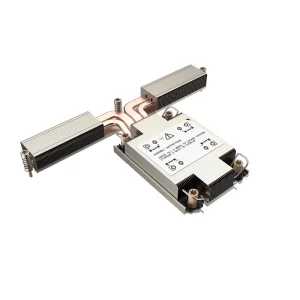
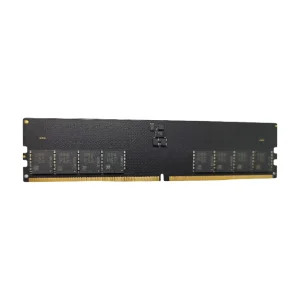
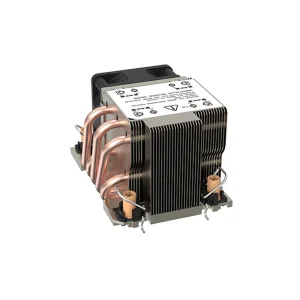
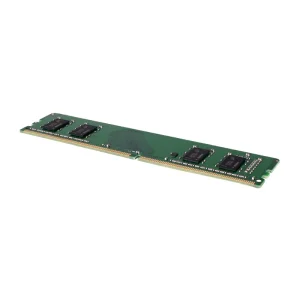
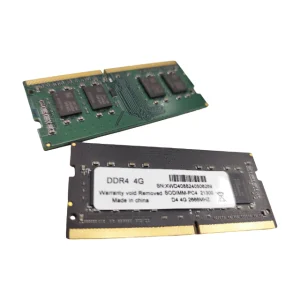
Industrial-grade fabrication, precision assembly, and compliance verification under global standards.
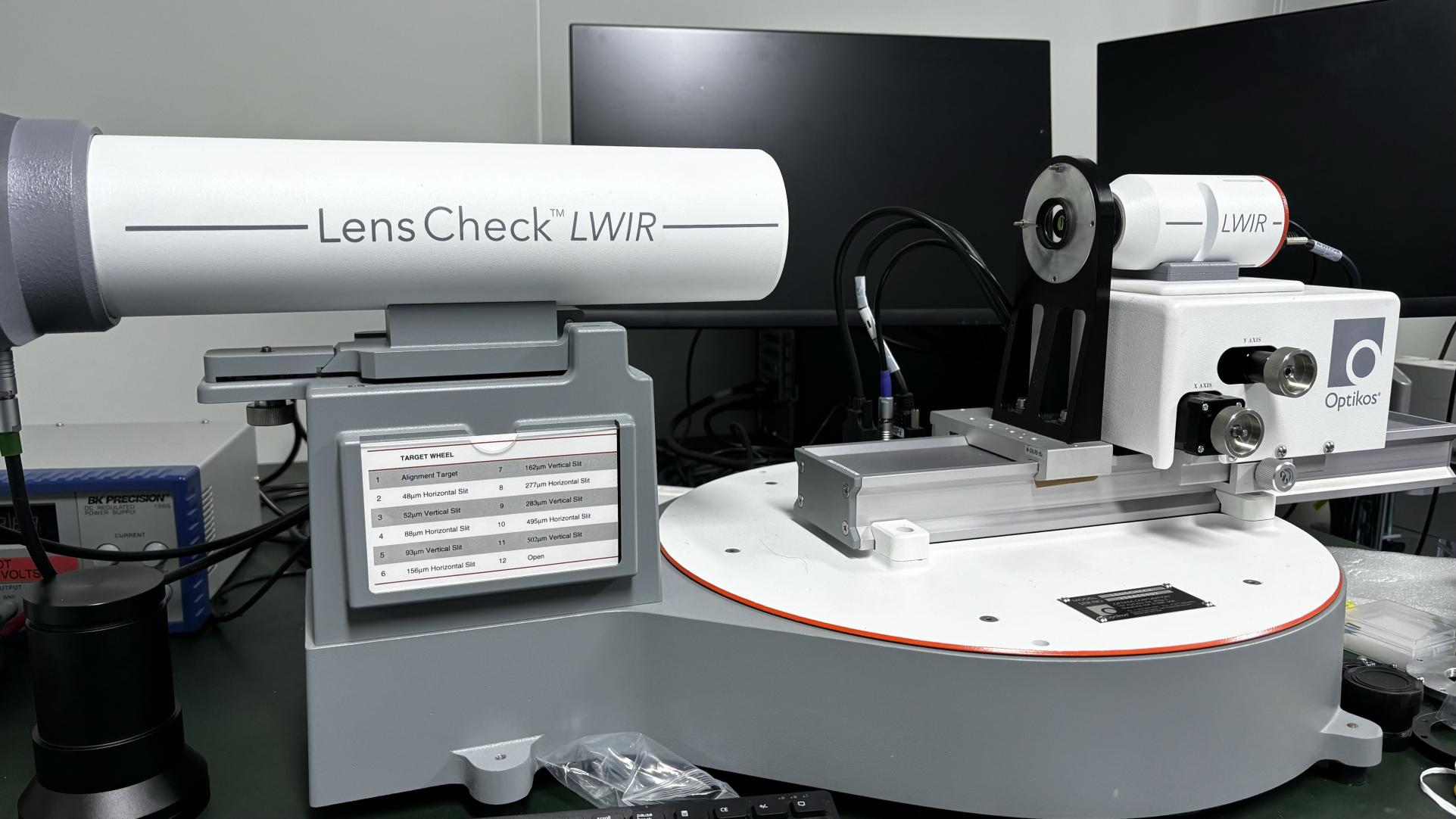

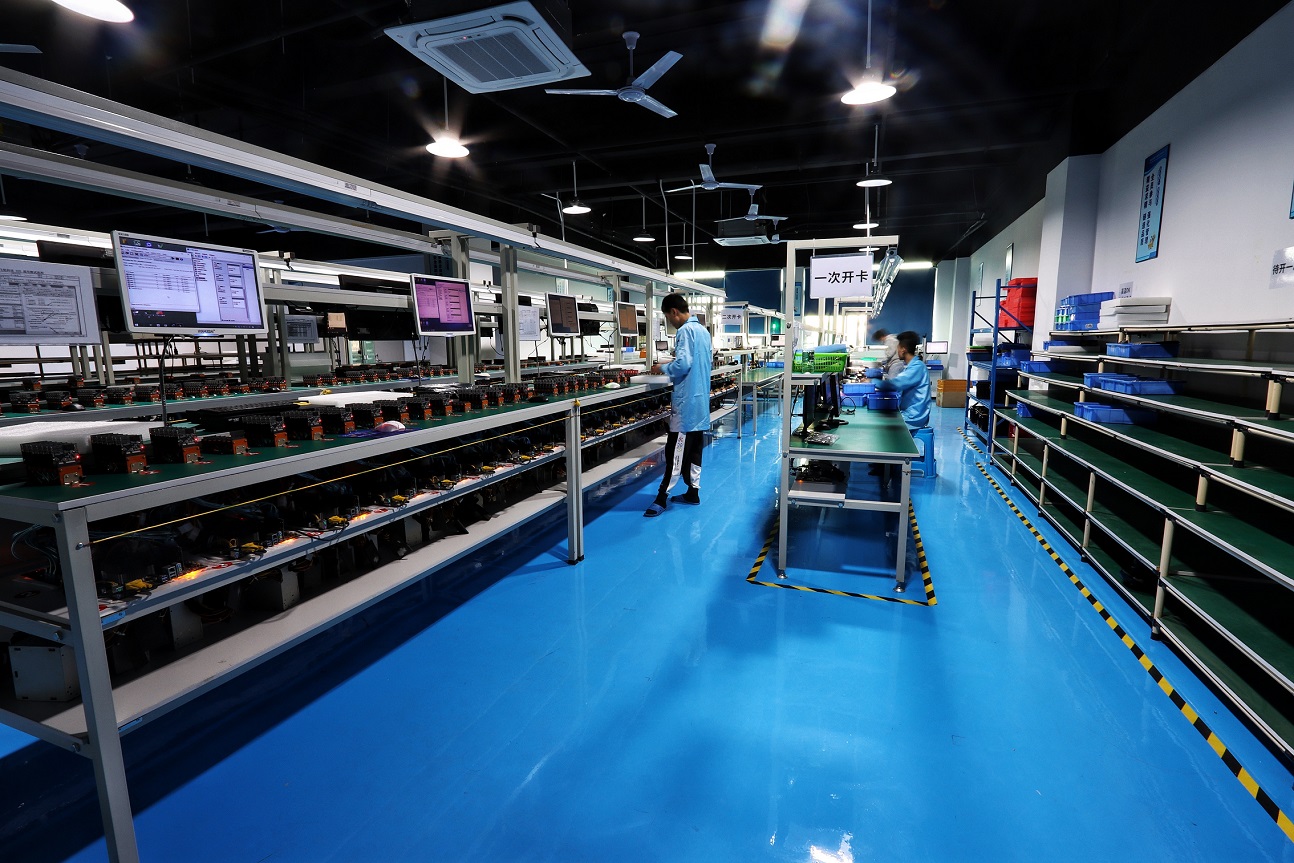
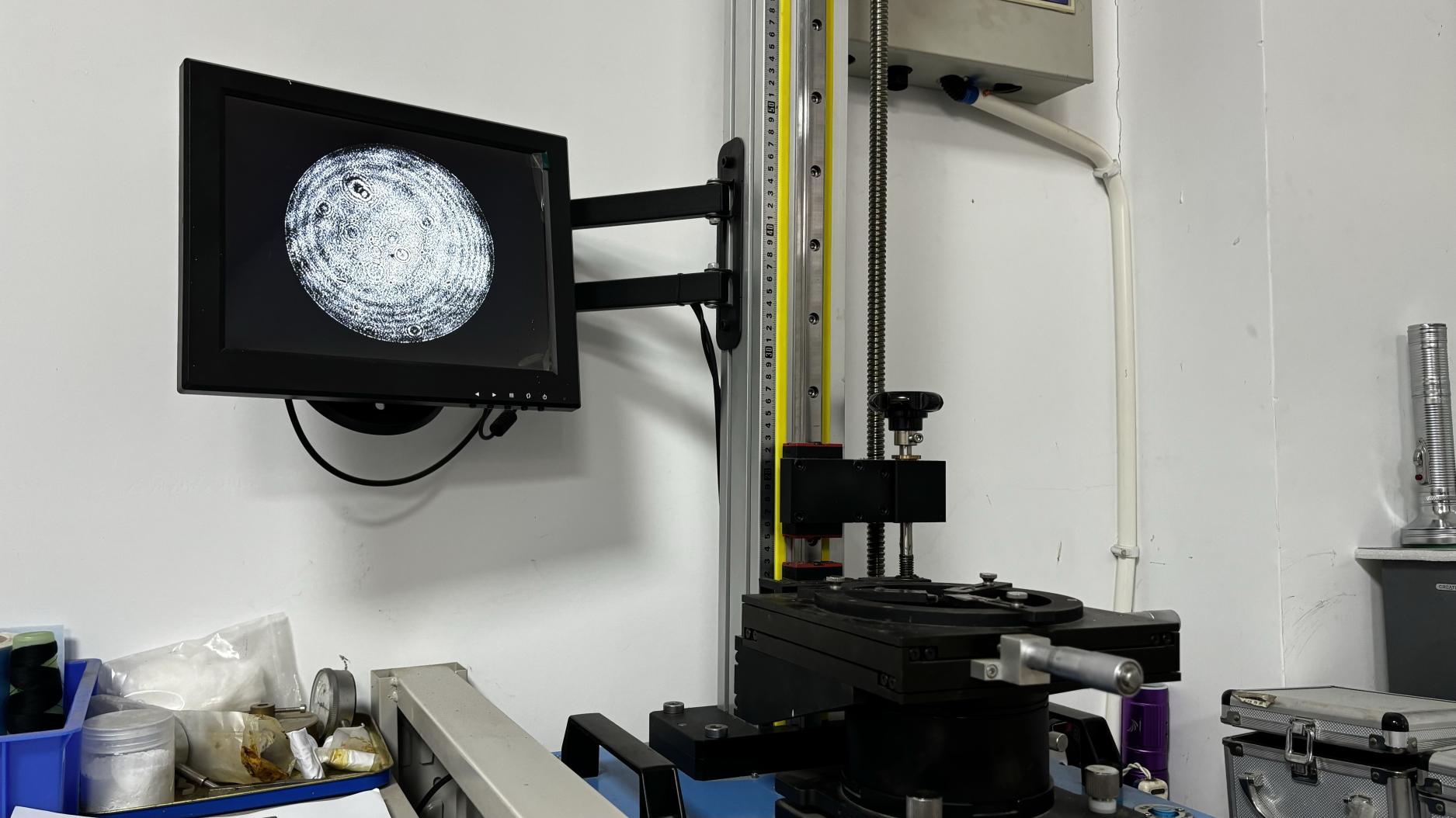

Technical clarifications regarding high-frequency design configurations, global supply networks, and logistics options for Uzbekistan.
A hybrid mixed-pressure PCB combines specialized high-frequency laminates (like Rogers RO4350B) with standard FR-4 layers. Critical radiofrequency transmission lines are routed exclusively on the high-performance microwave substrate, while digital, control, and power routing utilize the economical FR-4. This approach reduces overall material costs while meeting strict signal integrity requirements.
We maintain standard controlled impedance tolerances of ±10%, with capabilities down to ±5% for critical designs. Precise trace geometry is verified through pre-production modeling, automated trace-width controls during copper etching, and empirical validation using Time-Domain Reflectometers (TDR).
Yes. Our core capabilities span high-frequency PCB architecture, enterprise-level server memory modules (DDR4/DDR5 ECC RAM), and specialized thermal solutions. This allows us to provide comprehensive hardware design and manufacturing services for telecom systems and data center architectures.
Depending on the urgency of the order, shipments are dispatched via air cargo (typically arriving at Tashkent International Airport within 5–8 days) or land transport corridors (utilizing rail networks through Central Asian shipping links, taking 15–22 days). We assist with the complete set of customs documents, certification compliance, and import logistics coordination.
High-frequency laminates feature a low Coefficient of Thermal Expansion (CTE), especially along the Z-axis. This ensures that the dimensions of plated through-holes (PTH) and vias remain stable during seasonal temperature shifts from -20°C to +50°C. Choosing materials with a low thermal coefficient of dielectric constant (TCDk) prevents detuning of critical circuits like filters and antennas in outdoor enclosures.
Engineers can submit standard Gerber RS-274X or ODB++ files, along with complete drilling logs, stack-up definitions, and impedance specifications. Our engineering team conducts a detailed Design for Manufacturing (DFM) review prior to starting production to identify and address issues like trace clearance bottlenecks, copper balancing challenges, or thermal relief problems.
Get in touch with our engineering team today to review your Gerber files, request custom stack-up layouts, or obtain detailed quotes for high-frequency PCBs and high-capacity RAM modules.