 Xeviora
Xeviora
Xeviora
Optimized for the high-reliability demands of Costa Rica's technological manufacturing corridors.
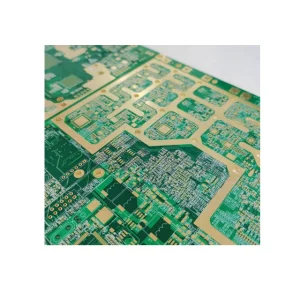
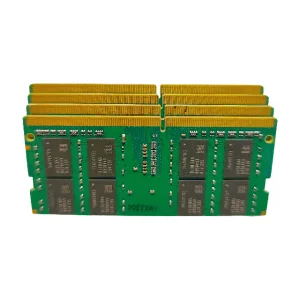

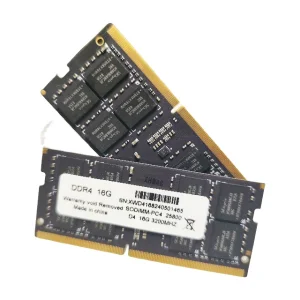
Over the last two decades, Costa Rica has successfully transitioned from an agricultural-focused economy to a high-technology manufacturing and advanced services hub in Latin America. The establishment of dedicated Free Trade Zones (such as the Coyol Free Zone in Alajuela and Global Park in Heredia) has attracted industry giants in medical devices, aerospace engineering, automotive electronics, and telecommunications. This transformation has elevated the demand for high-reliability components, particularly High Frequency (HF) PCBs designed to handle microwave and radio frequency (RF) signals without degradation.
In medical device manufacturing—which represents one of Costa Rica’s leading exports—high frequency PCBs are critical. Electrosurgical units, diagnostic equipment, patient monitors, and high-frequency ultrasound systems rely on microstrip and stripline transmission lines with extremely stable dielectric constants (Dk). Any deviation in signal propagation can result in critical errors. Furthermore, Costa Rica’s growing aerospace initiatives and wireless base station installations across the Central Valley demand PCB designs that can function optimally under harsh environmental conditions, maintaining structural and electromagnetic integrity.
Advanced multi-layer hybrid stack-ups featuring Rogers and Taconic materials tailored for medical imaging and ablation devices operating in the GHz range.
Low-loss dielectric substrates and controlled impedance circuits designed for avionics, satellite communications, and localized telecommunication arrays.
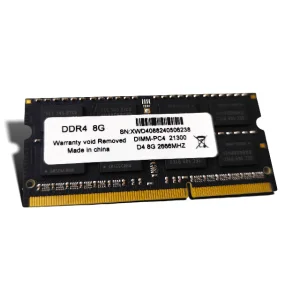
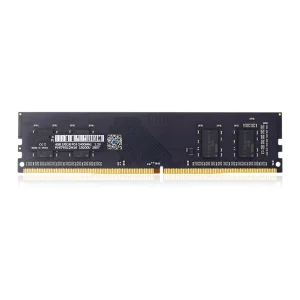
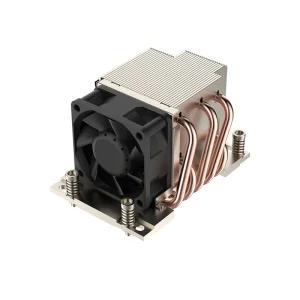
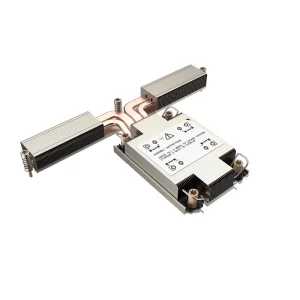
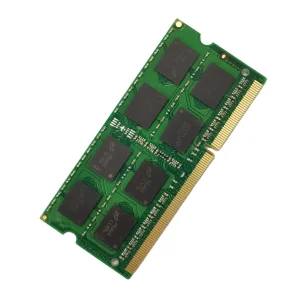
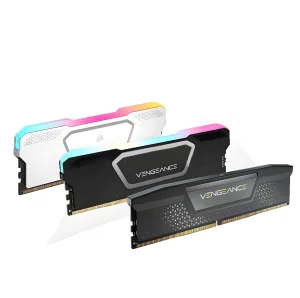
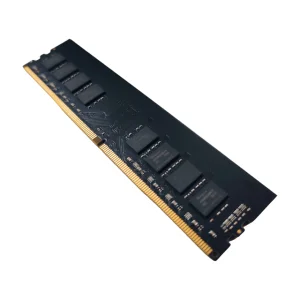
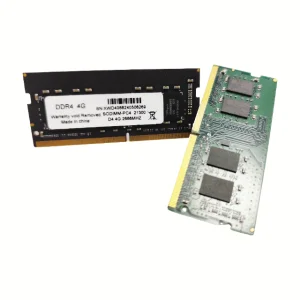
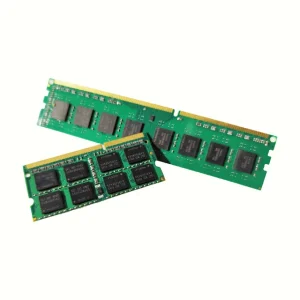
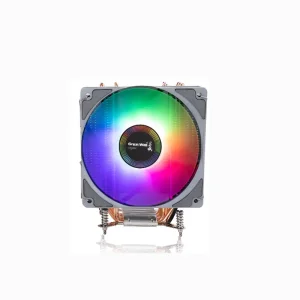
Co-developing high-frequency PCBs with server-grade memory (DDR4/DDR5) and thermal solutions to address regional data distribution challenges.
The global electronics sector is undergoing a profound paradigm shift driven by 5G deployment, advanced driver assistance systems (ADAS), IoT networks, and the miniaturization of high-performance computing components. As signal frequencies climb into the millimeter-wave (mmWave) spectrum, traditional FR-4 glass-epoxy substrates fail to meet performance benchmarks due to significant dielectric loss (Df) and variations in dielectric constant (Dk).
Current industrial design principles focus heavily on mitigating signal integrity issues. High-frequency boards require substrates with a low dissipation factor (typically under 0.003) and highly uniform surface profiles. Additionally, the integration of hybrid multilayer structures—combining expensive RF materials like PTFE (Teflon) or ceramic-filled thermosets with conventional FR-4 layers—has become standard practice. This approach optimizes manufacturing costs while ensuring high-speed signal pathways retain minimal insertion loss.
Choosing the correct high-frequency substrate involves evaluating thermal, mechanical, and electrical parameters. Below is a comparative overview of key material options used in our high-frequency builds for the Costa Rican market:
| Substrate / Material | Dielectric Constant (Dk) @ 10GHz | Dissipation Factor (Df) @ 10GHz | Glass Transition (Tg) | Primary Application Areas |
|---|---|---|---|---|
| Rogers RO4003C | 3.38 ± 0.05 | 0.0027 | > 280 °C | RF Infrastructure, Space/Avionics, LNBs |
| Rogers RO4350B | 3.48 ± 0.05 | 0.0037 | > 280 °C | Automotive Radar, Medical Diagnostics, Base Stations |
| Shengyi S1000-2 (High-TG) | 4.60 | 0.0150 | 170 °C | High-speed Digital Backplanes, Heavy Copper Power boards |
| PTFE Glass Fiber (Teflon-based) | 2.20 - 2.50 | 0.0009 | N/A (Thermoplastic) | Ultra-low Loss Microwave Filters, Military Radars |
In practice, our engineering team tailors PCB designs to the unique environmental and logistical frameworks of Costa Rican manufacturing facilities. In the central valley of San José, Cartago, and Alajuela, atmospheric humidity can affect PCB materials that have high water absorption coefficients. As water has a high dielectric constant (Dk ~80), moisture absorption in standard PCBs will alter the controlled impedance of transmission lines, leading to impedance mismatches and reflections.
To combat this, Xeviora utilizes moisture-resistant PTFE and hydrocarbon ceramic laminates with water absorption values as low as 0.06%. This ensures that RF telemetry devices, automotive sensor suites, and high-frequency communication transceivers maintain calibration and signal accuracy in tropical climates.
Costa Rica’s space sector is actively designing nanosatellites and altitude-monitoring probes. These high-vacuum, extreme-temperature environments demand high-frequency PCBs designed with low outgassing properties, rigid-flex parameters, and thermal-expansion coefficients matching copper (typically 16-18 ppm/°C along the X/Y axes) to prevent solder joint failures over thermal cycles.
Modern micro-endoscopes and implantable medical monitors manufactured in the Coyol Free Zone demand extremely compact layout designs. By incorporating microvias, stacked vias, and thin-core Rogers laminates, we deliver sub-millimeter trace structures capable of handling gigahertz-level telemetry while adhering to strict ISO 13485 bio-compatibility and validation requirements.
As the tech sector moves past early-stage 5G towards ultra-high-speed data requirements, hardware designers are looking ahead to the next technological leaps. Our engineering roadmap addresses these changes through developments in three areas:
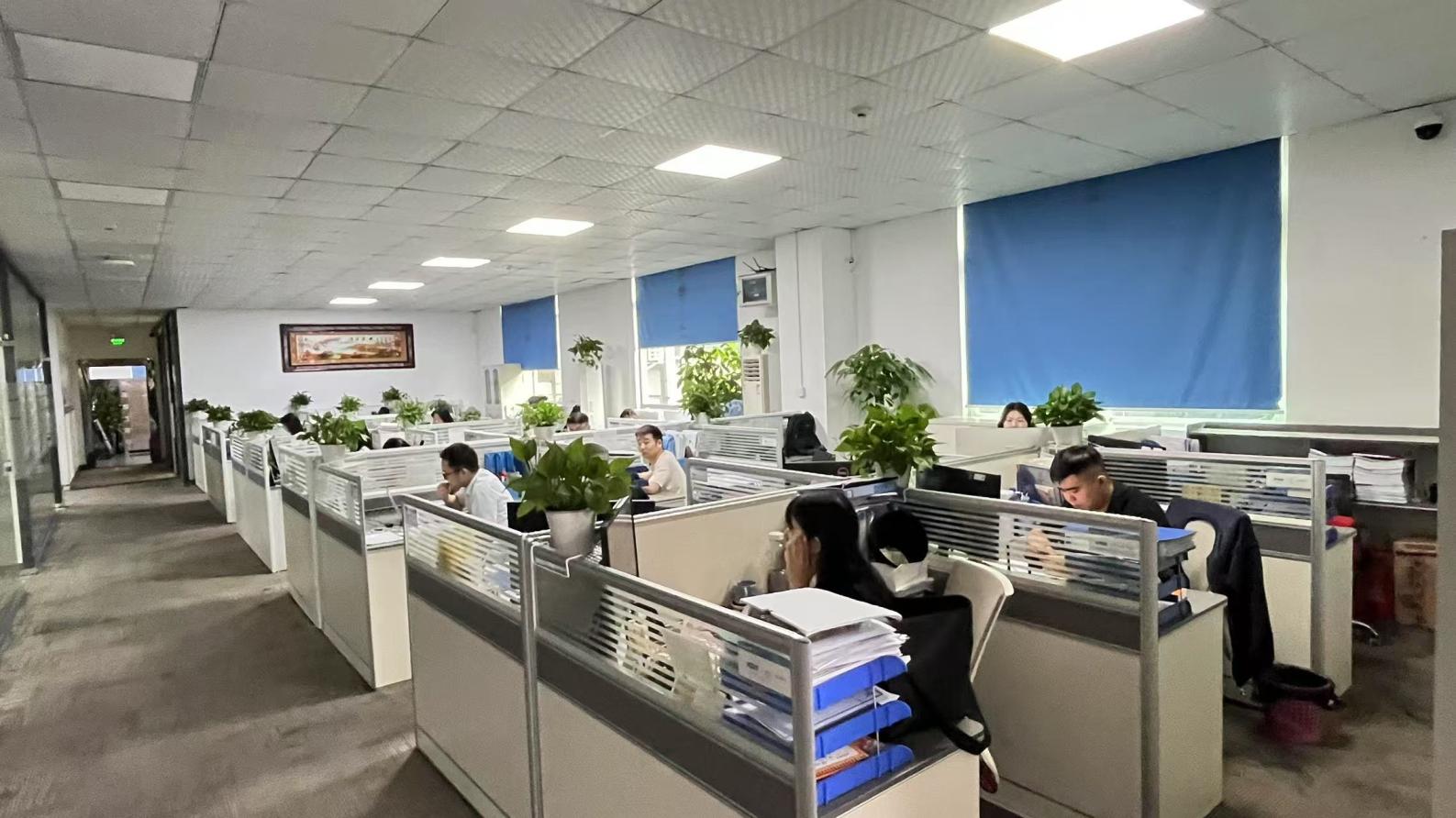
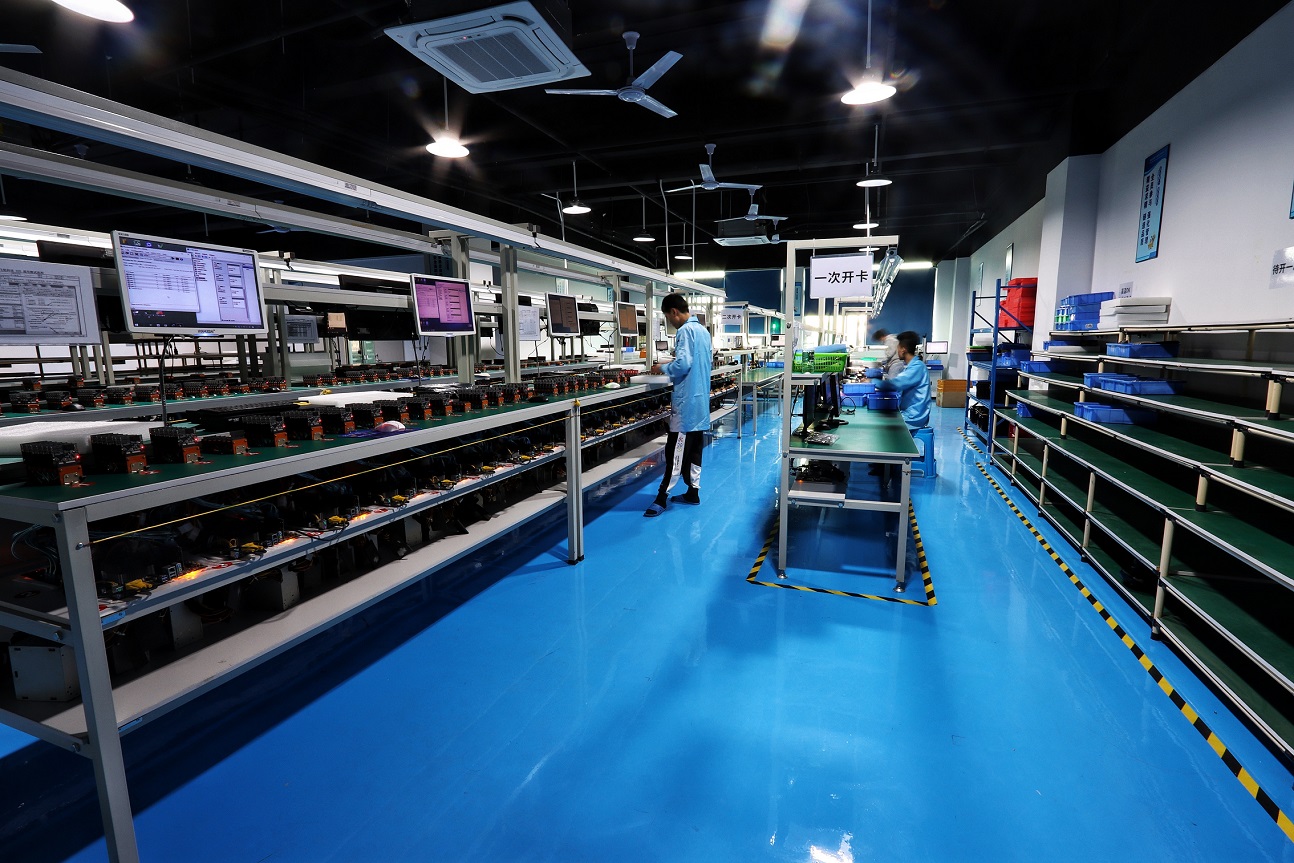
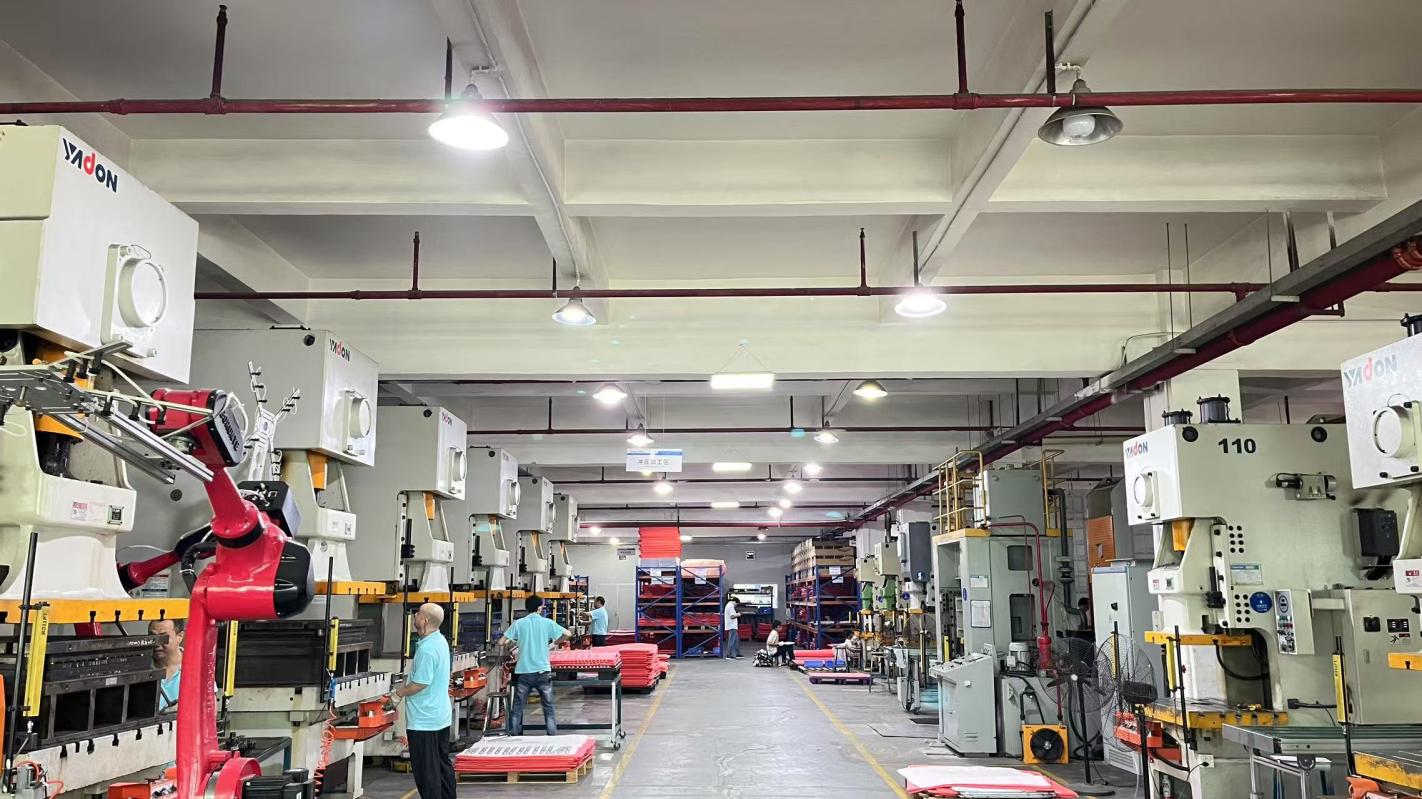
Xeviora Memory Technology (China) Co., Ltd. is a specialized high-performance hardware and memory manufacturer. Established in 2017 with a production foundation rooted in high-speed digital architectures, we have grown into a multi-disciplinary OEM/ODM partner. Our production facility is equipped with automated SMT lines, advanced reflow ovens, and optical inspection (AOI) tools that support the assembly of both advanced high-frequency multi-layer PCBs and high-speed memory systems.
With an annual export value exceeding USD 18 million, our global operations cater to system integrators, contract manufacturers, and research centers across Latin America, North America, and Europe. Our engineering team comprises 128 specialists, including PCB layout professionals, signal integrity engineers, and thermal analysts. We provide complete layout reviews, impedance simulations, and material selection consultation services to ensure your prototypes transition smoothly to mass production.
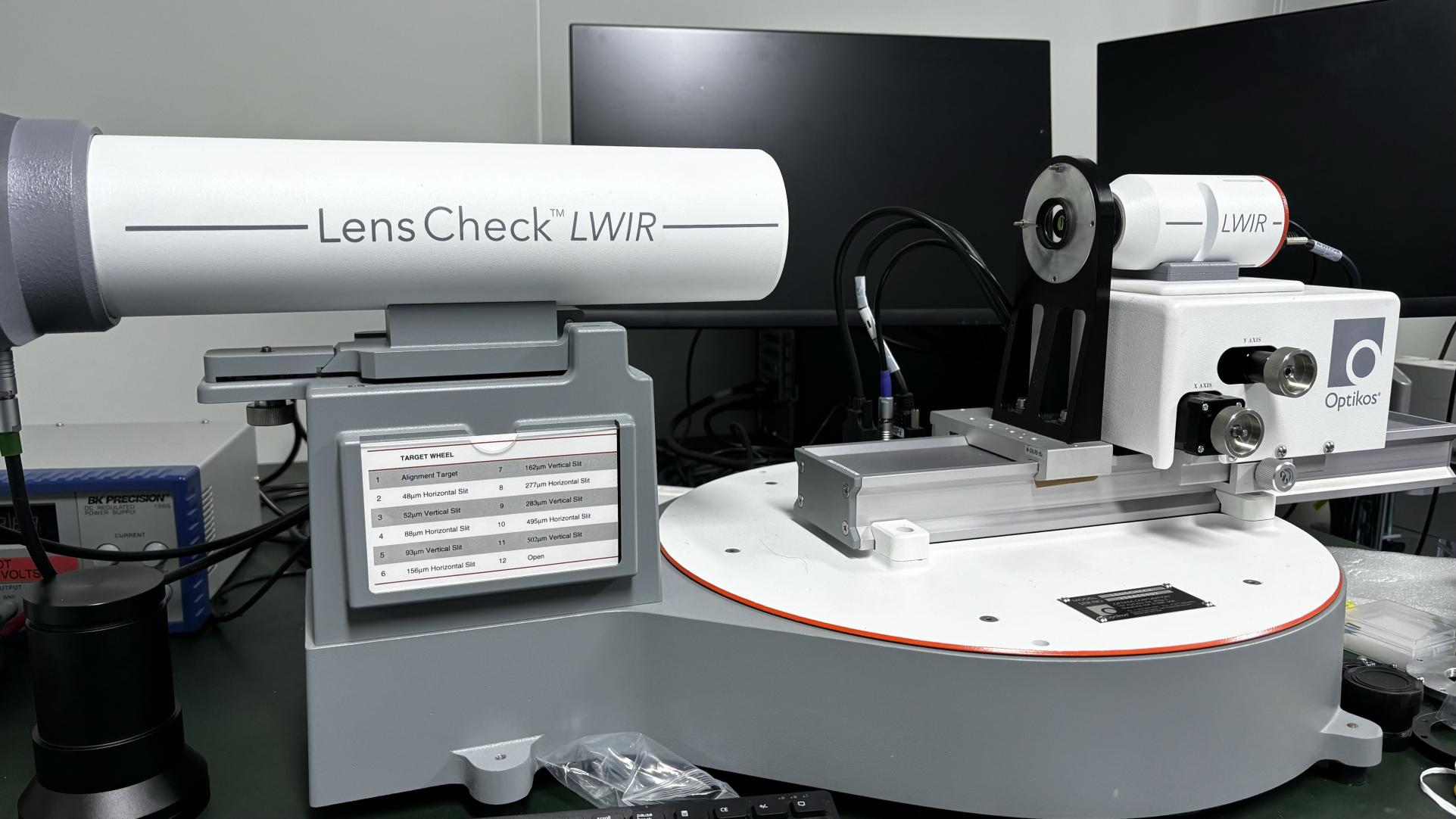
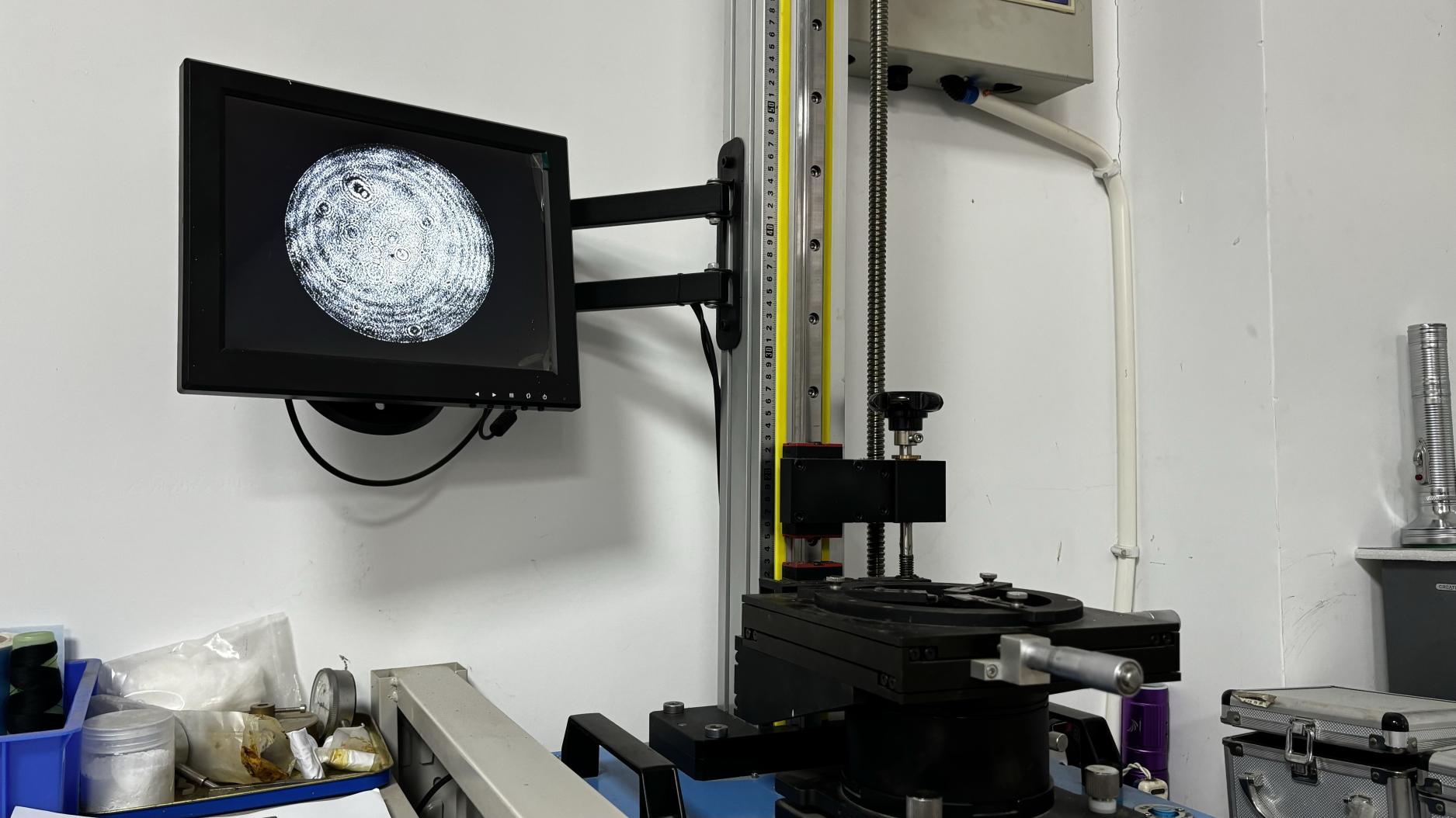
Our quality control program covers incoming material inspection, in-process control, and functional stress testing. All high-frequency designs are subjected to network analyzer testing, micro-section analysis, and temperature-humidity bias testing. By utilizing premium raw materials and maintaining strong supply partnerships with substrate manufacturers like Rogers, Shengyi, Nelco, and Taconic, we guarantee consistent quality, reliable lead times, and competitive pricing for Costa Rican industries.
Expert answers to common engineering questions concerning high-frequency signal design, thermal properties, and logistics.
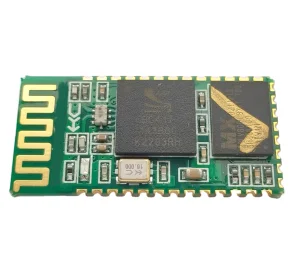
Complete your high-speed industrial stack with premium memory modules and custom thermal dissipation components.
Connect with our expert engineering team to optimize your PCB layout for thermal management, impedance control, and signal integrity.