Xeviora
Xeviora
Xeviora
Direct supply paths for customized, high-precision circuit assembly modules and specialized high-frequency substrates.
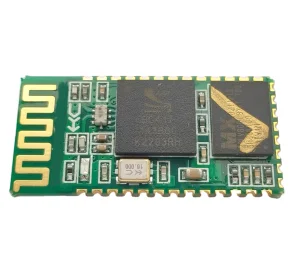
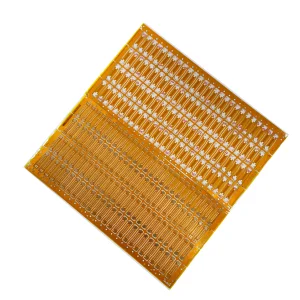
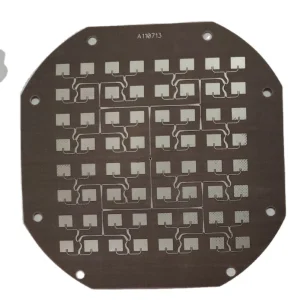
Melbourne, the capital of Victoria, is undergoing a profound industrial transition. Traditionally recognized as the heart of Australia's automotive manufacturing, the city's commercial focus has pivoted toward high-value, advanced technological operations. Today, hubs like Dandenong, Campbellfield, and the Fishermans Bend innovation precinct lead the country in medical technology, aerospace systems, defense hardware, and complex IoT sensor arrays. As local operations scale, the requirement for robust component sourcing has intensified.
This industrial evolution relies heavily on reliable electronics hardware. Every piece of equipment, from biomedical monitoring devices used in the Parkville health precinct to heavy geological exploration sensors deployed in regional Victoria, depends on printed circuit boards (PCBs). High-quality Single-Sided and Double-Sided PCBs represent the operational foundation of this hardware landscape. Ensuring structural integrity, electrical stability, and thermal efficiency is not merely a preference; it is a critical operational standard for Melbourne’s engineering, procurement, and hardware teams.
Unlike off-the-shelf electronic modules, local Melbourne applications require custom layouts with specific physical dimensions and environmental durability. Victorian weather conditions (significant ambient temperature variation and coastal relative humidity) demand PCB designs that resist oxidation, manage heat effectively, and support high signal integration.
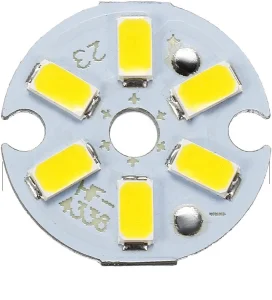
Thermal dissipation structures optimized with thick copper foils and specialized metal cores (MCPCB) to support Melbourne's outdoor IoT deployments and high-power LED grids.
Complete compliance with IPC-A-600 standards. Stringent inspection processes verify plated through-hole (PTH) integrity and solder mask accuracy.
Streamlined logistics path from our specialized factory to Melbourne hubs, ensuring customs clearance handling under ChaFTA and rapid delivery timelines.
In electronic system design, selecting between single-sided (1-layer) and double-sided (2-layer) board topologies affects both performance and manufacturing costs. Single-sided designs are best suited for high-volume, cost-sensitive devices requiring straightforward layouts. In contrast, double-sided PCBs utilize plated through-holes (PTH) to link top and bottom copper traces. This layout is standard for more complex designs requiring high-density routing and integrated ground planes.
Below is a comparative analysis detailing materials, tolerances, and typical use cases tailored to Victorian engineering specifications:
| Parameters & Specifications | Single-Sided PCBs (1-Layer) | Double-Sided PCBs (2-Layer) | High-Frequency Substrates (e.g., Taconic TLY-5) |
|---|---|---|---|
| Common Substrates | FR-4 (standard/high Tg), CEM-1, CEM-3, Aluminum Core | FR-4 (Tg 130°C to 180°C), Polyimide (flexible) | PTFE-based fiberglass reinforced laminates |
| Copper Thickness | 18µm (0.5oz) to 105µm (3oz) | 18µm (0.5oz) to 210µm (6oz) | 9µm (0.25oz) to 70µm (2oz) |
| Dielectric Constant (Dk) | 4.2 - 4.8 (FR-4) | 4.2 - 4.8 (FR-4), 3.4 (Polyimide) | 2.20 ± 0.02 (extremely low dielectric loss) |
| Recommended Use Cases | LED lighting, simple power supplies, domestic appliances | Industrial sensors, medical instruments, controllers | RF transceivers, telecommunication links, radar systems |
| Surface Finish Options | HASL (Lead-Free), OSP, ENIG | ENIG, HASL, Immersion Silver, Hard Gold | ENIG, Immersion Silver (for optimal signal transfer) |
For demanding deployments, high-frequency materials like the Taconic TLY-5 are specified for their low dielectric loss. With a thickness of only 0.254mm, they support gigahertz-range transmissions without significant signal degradation, making them vital for Melbourne's growing 5G infrastructure and remote IoT mesh networks.
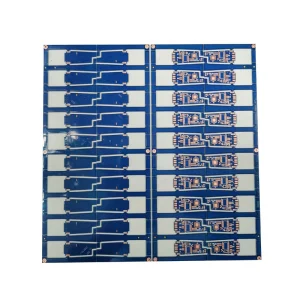
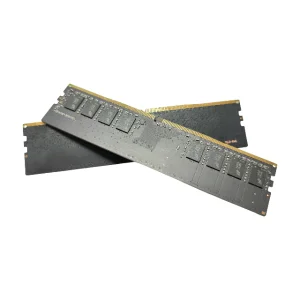
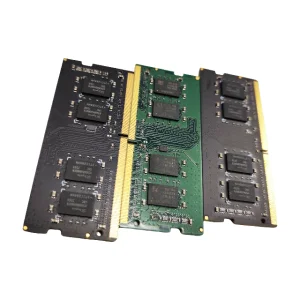
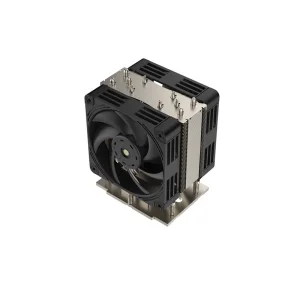
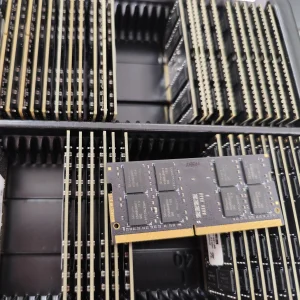
To support high-tech industries, Xeviora integrates PCB fabrication with system assemblies, high-capacity server memory, and thermal management solutions. Below are our specialized manufacturing components supplied to local system builders:
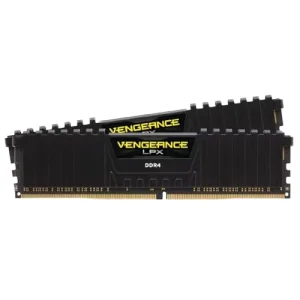
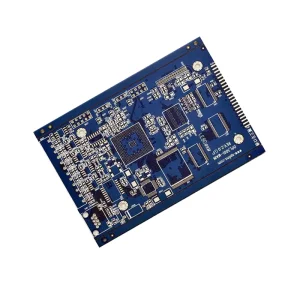
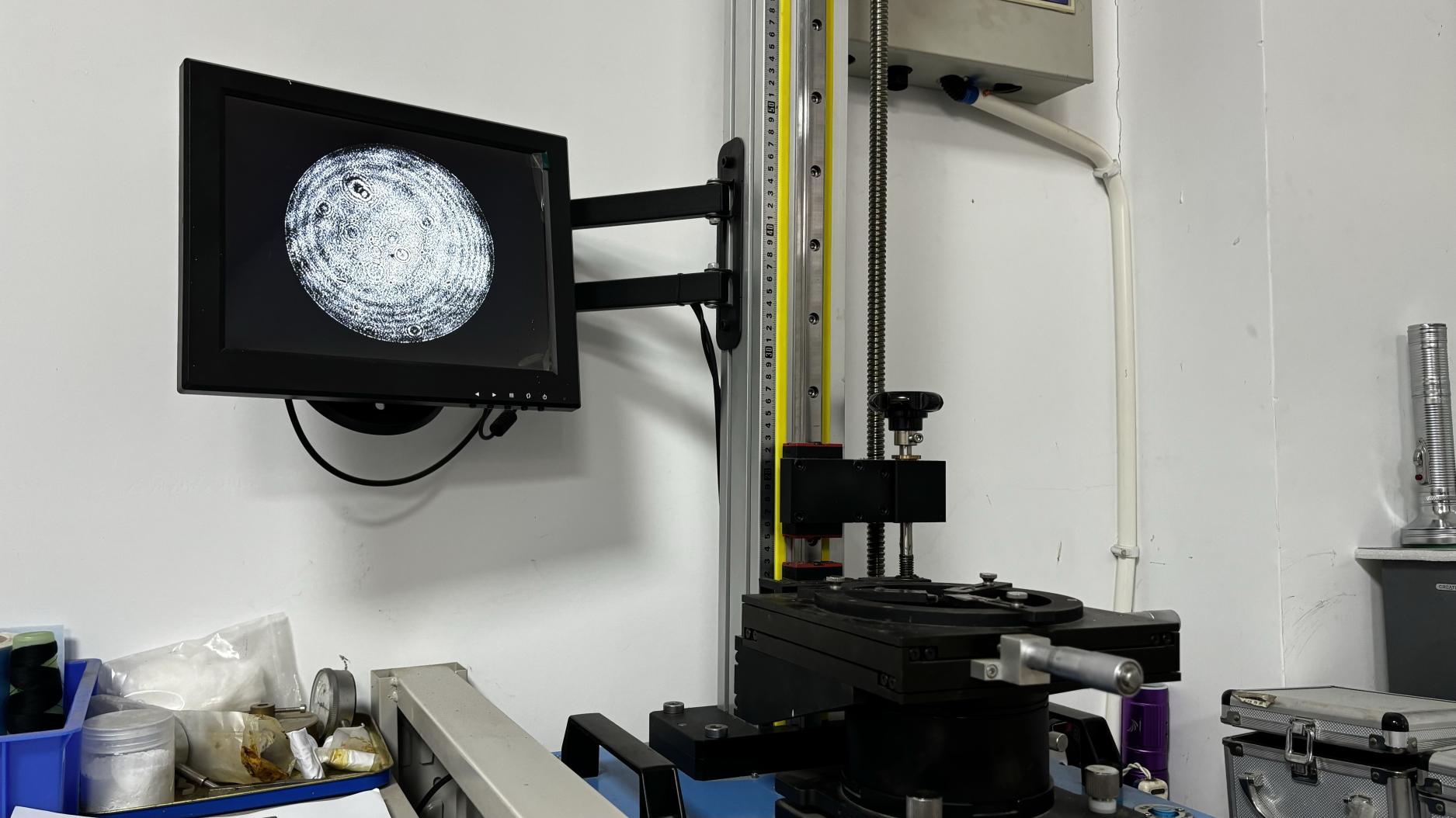
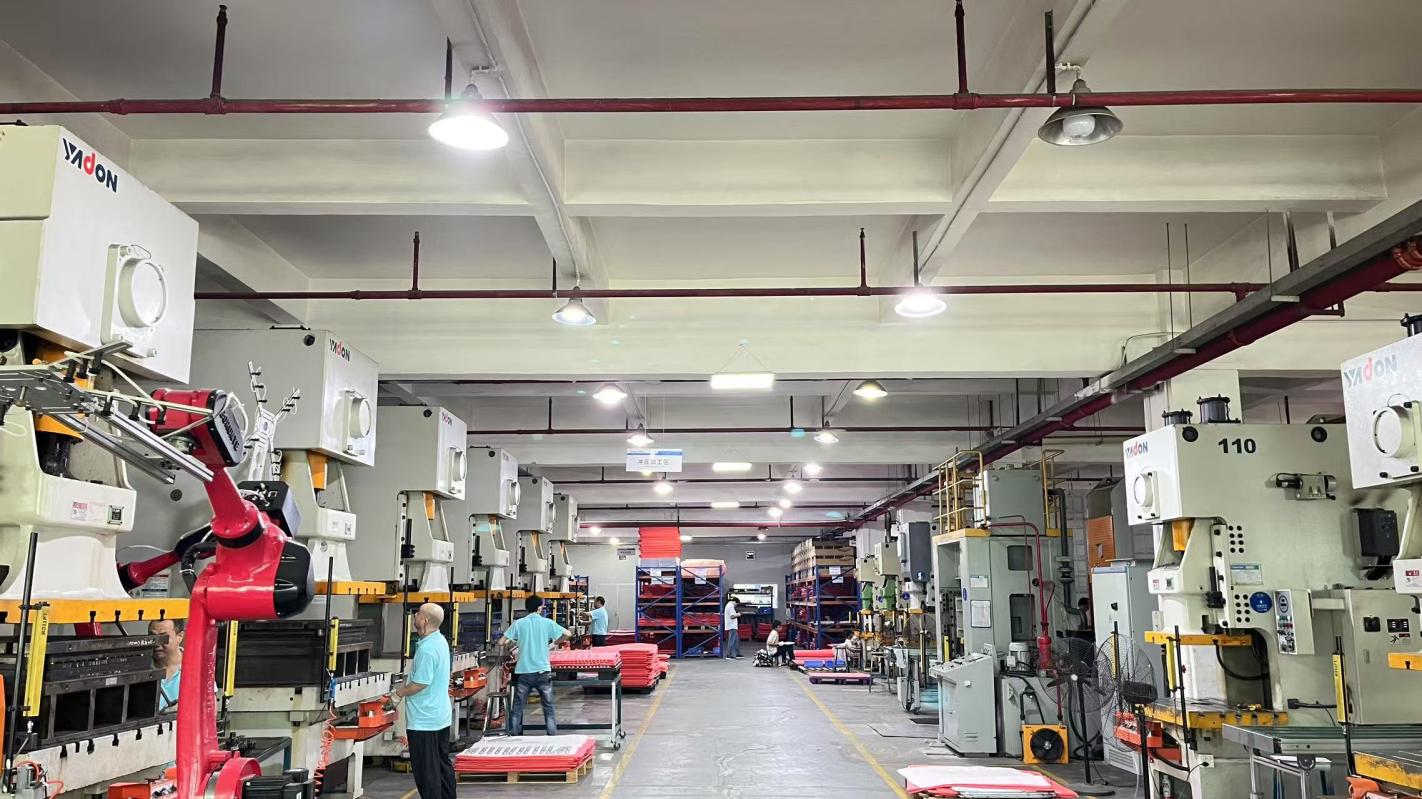
Established in 2017, Xeviora Memory Technology (China) Co., Ltd. is a specialized manufacturer and supplier, providing high-performance RAM solutions and advanced PCB/PCBA manufacturing services for gaming, industrial, enterprise, and consumer electronics. Our facility spans 368 square meters and is equipped with advanced automated SMT production lines, high-frequency testing instruments, and climatic environmental chambers to ensure consistent quality and reliable performance.
With an annual export revenue exceeding USD 18 million, Xeviora serves technology brands, system builders, and wholesale distributors in North America, Europe, Southeast Asia, the Middle East, and Australia. Over the past 8 years of export operations, backed by 12 years of core industry expertise, we have optimized our workflow to meet the stringent technical requirements of international target markets, including the Australian AS/NZS compliance guidelines.
Innovation and quality control form the foundation of our business operations. Our engineering department features a dedicated R&D team of 128 specialists. In the last year alone, we developed and launched 86 new products, including high-capacity DDR5 server modules, industrial-grade storage hardware, and customized multi-layer SMT controller boards. Our quality management system utilizes comprehensive incoming material testing, in-process inspection (IPQC), automatic optical inspection (AOI), and final functional stress verification. A dedicated team of 46 quality control inspectors manages these QA systems to ensure every shipment meets high reliability standards.
Our OEM/ODM services allow us to offer full product customization. From custom PCB layer stackups, substrate selections (such as Rogers or Taconic), and copper weight variations to specific private labeling, packaging layouts, and optimized BIOS configurations, we support your project from initial design to final volume delivery.
Procuring electronic components from overseas factories requires efficient logistics and compliance management. Standardizing manufacturing processes to match local requirements is key to avoiding customs clearance delays at the Port of Melbourne or Melbourne Airport (MEL).
Our export process aligns with the relevant trade frameworks between China and Australia, utilizing benefits under the China-Australia Free Trade Agreement (CHAFTA) to reduce tariff impacts for our clients. We handle the preparation of Certificates of Origin (COO), commercial documentation, and harmonized system (HS) product codes to ensure predictable customs processing.
To be integrated into commercial systems in Victoria, electronic assemblies must meet specific environmental and safety regulations. We manufacture our boards to align with several international frameworks:
Given the long-distance shipping routes across varying maritime environments, moisture contamination can degrade unpopulated PCBs. Every batch we export is vacuum-sealed with silica gel desiccant packs and packaged in anti-static ESD shielding bags to ensure they arrive ready for assembly.
The global electronics market is moving toward smaller form factors, higher heat dissipation requirements, and higher operating frequencies. As Melbourne develops its smart city infrastructure, industrial automation grids, and high-frequency communication links, standard manufacturing methods are shifting to support these requirements.
Our engineering roadmap focuses on three main developments:



Common questions from engineering leads and procurement managers sourcing printed circuit assemblies and memory modules.
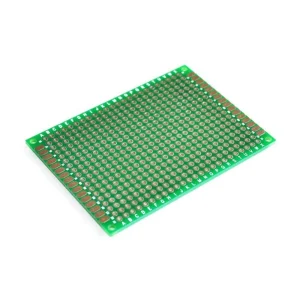
Explore our catalog of double-sided breadboards, server components, cooling systems, and memory upgrades.
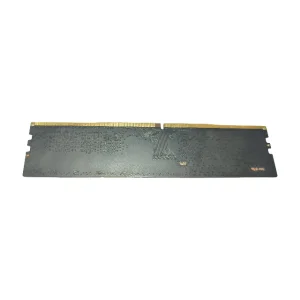
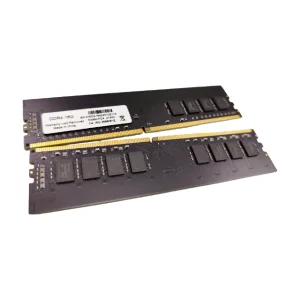
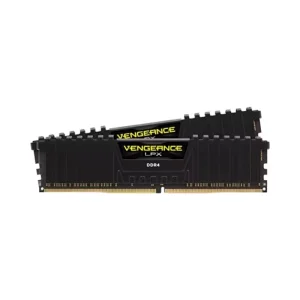
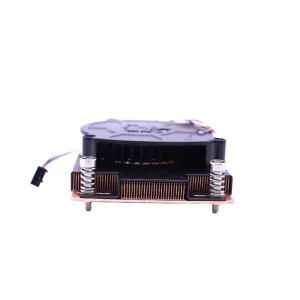
Submit your Gerber files or component specifications. Our engineering team will review your files for design compatibility (DFM) and provide a quote within 24 hours.
Send Inquiry Now