Xeviora
Xeviora
Xeviora
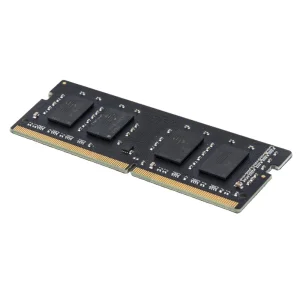
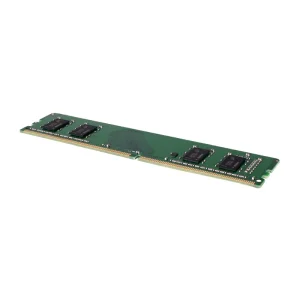
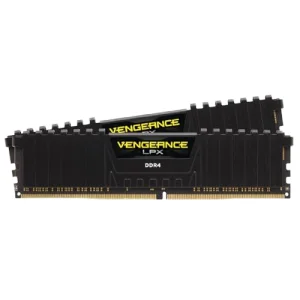
The Nagoya metropolitan area, acting as the primary hub of Aichi Prefecture, represents the undisputed industrial engine of Japan. Driven by aerospace manufacturing, advanced robotics, precision CNC systems, and the world-renowned automotive cluster led by Toyota Motor Corporation, Nagoya's industrial infrastructure runs on a mixture of modern and mature embedded architectures.
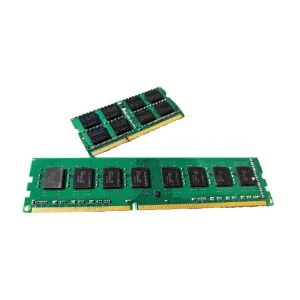
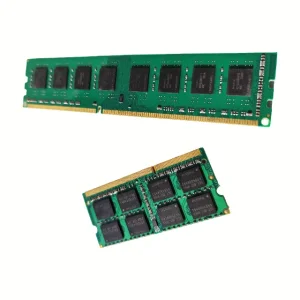
Within this complex framework, DDR3 RAM memory remains a foundational pillar for embedded computing. Unlike consumer electronics markets where DDR5 and DDR4 hold sway, Nagoya's factory floors, automated assembly lines, and high-precision CNC controllers require long-lifecycle reliability. Many legacy systems utilizing Real-Time Operating Systems (RTOS), proprietary PLCs, and rugged industrial PCs were designed around DDR3's electrical profiles, featuring operating voltages of 1.5V (Standard DDR3) and 1.35V (DDR3L). Upgrading these capital-intensive systems to newer generations is not merely a cost issue—it requires complex validation processes, safety re-certifications, and potential downtime that Japanese manufacturers avoid at all costs.
"In high-precision manufacturing environments across Aichi Prefecture, changing a single controller component can void entire production line certifications. Sourcing reliable, locked-BOM DDR3 RAM modules is a strategic necessity to guarantee zero downtime."
Nagoya's heavy industries place extreme demands on computer hardware. Our DDR3 memory solutions are engineered to address the specific micro-environmental factors found in Chubu's manufacturing plants:
Industrial lines operate in ambient temperatures from -40°C to 85°C. Our memory modules utilize top-tier, industrial-grade ICs (Samsung, Micron, SK Hynix) that undergo strict burn-in testing to guarantee performance stability.
Industrial environments contain corrosive gases and high humidity. We offer optional conformal coatings to protect the PCB and components from chemical, moisture, and dust degradation.
To avoid hardware compatibility drift, we guarantee locked BOMs for our industrial partners in Nagoya. Once a memory module is certified, the DRAM dies, PCB layers, and passive components remain unchanged.
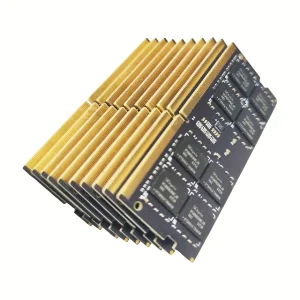
Vibration from machinery can cause signal dropouts. Our industrial modules feature 30u" gold-plated contacts, dramatically outperforming standard 3u" consumer modules in stability and connection longevity.
For system engineers and procurement officers in the Nagoya region, balancing technical performance with system longevity is essential. Below is a detailed technical comparison indicating the specific niches where DDR3 remains unmatched in cost-efficiency and system preservation compared to successor architectures.
| Feature Parameter | DDR3 SDRAM / DDR3L | DDR4 SDRAM | DDR5 SDRAM |
|---|---|---|---|
| Operating Voltages | 1.5V (DDR3) / 1.35V (DDR3L) | 1.2V | 1.1V (on-module PMIC) |
| Frequency Range | 800 MT/s to 1866 MT/s | 1600 MT/s to 3200 MT/s | 4800 MT/s to 8400+ MT/s |
| Pin Count (UDIMM) | 240 Pins | 288 Pins | 288 Pins (Different Keying) |
| Signal Architecture | Fly-by Topology | Point-to-Point (Address/CMD) | Dual Sub-channels (32-bit each) |
| Industrial Lifecycle Status | Active (Legacy Preservation) | Mature (Mainstream Industrial) | Emerging (Next-Gen Industrial) |
| Typical Nagoya Applications | CNC Machine Controllers, PLCs, AGVs | Vision Processing, Edge Servers | AI Inferencing, Advanced ADAS Dev |
As a premier global DDR3 & DDR4 memory manufacturer based in China, Xeviora Memory Technology (China) Co., Ltd. bridges the gap between cost-effective Chinese production and strict Japanese quality standards. We understand the logistical pressures faced by local enterprises, which is why we have optimized our supply chains to seamlessly integrate with Japanese manufacturing frameworks.
We support Just-In-Time (JIT) delivery schedules via air-freight direct lanes from Shenzhen and Hong Kong to Chubu Centrair International Airport (NGO), and consolidated ocean cargo to the Port of Nagoya. Our logistics architecture is designed to handle import documentation, customs compliance, and direct shipping to manufacturing zones across Chubu, reducing delivery delays and administrative overhead for our corporate clients.
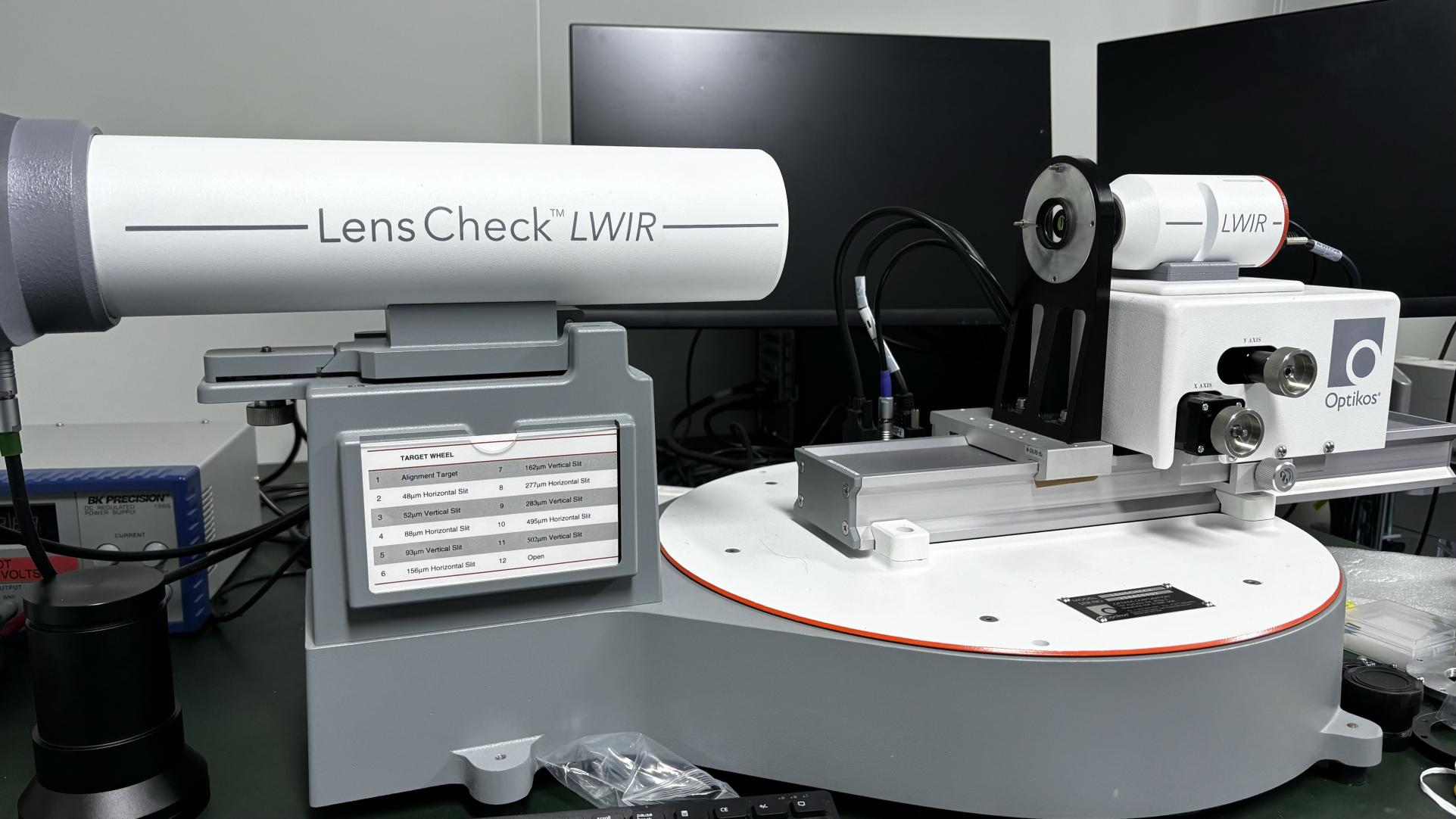
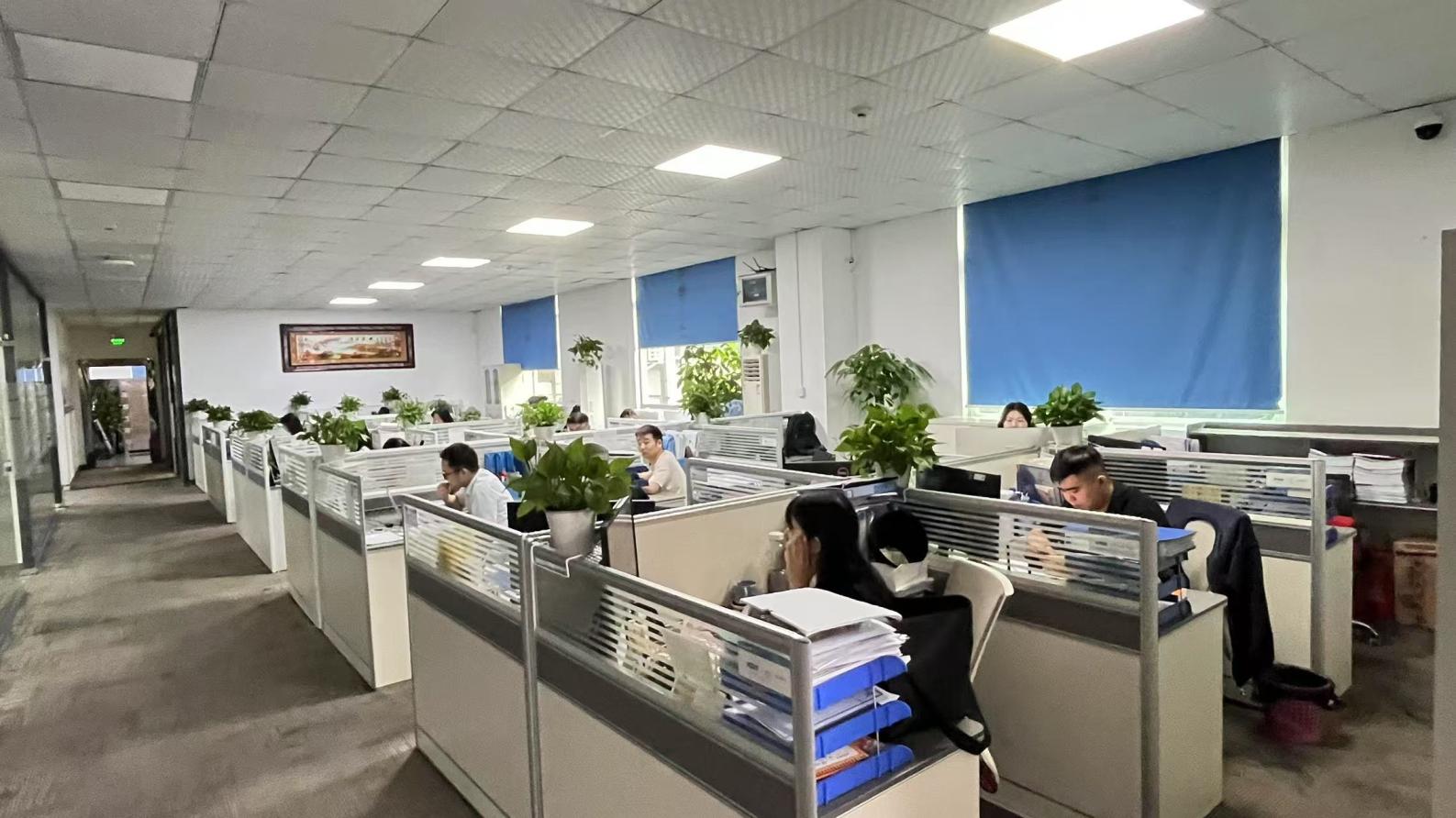
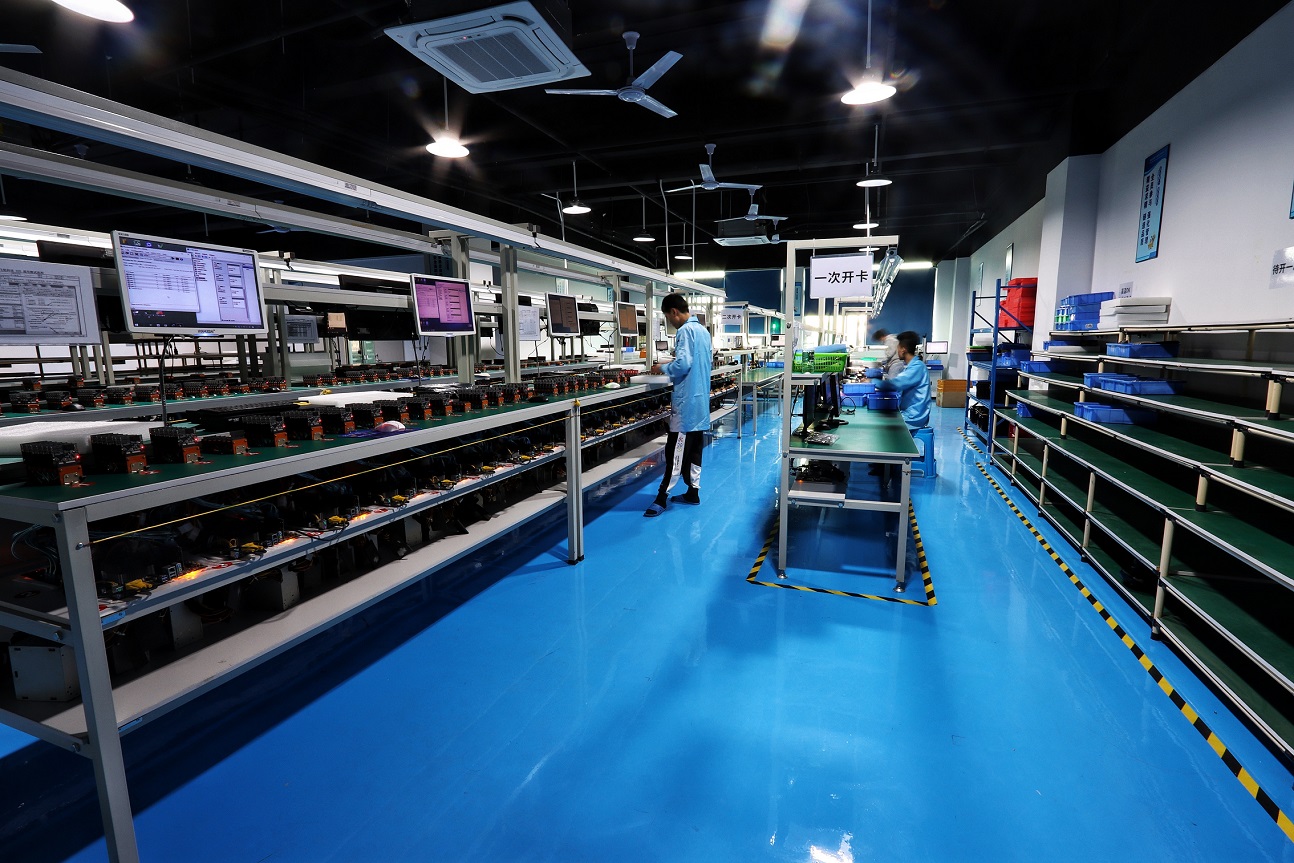
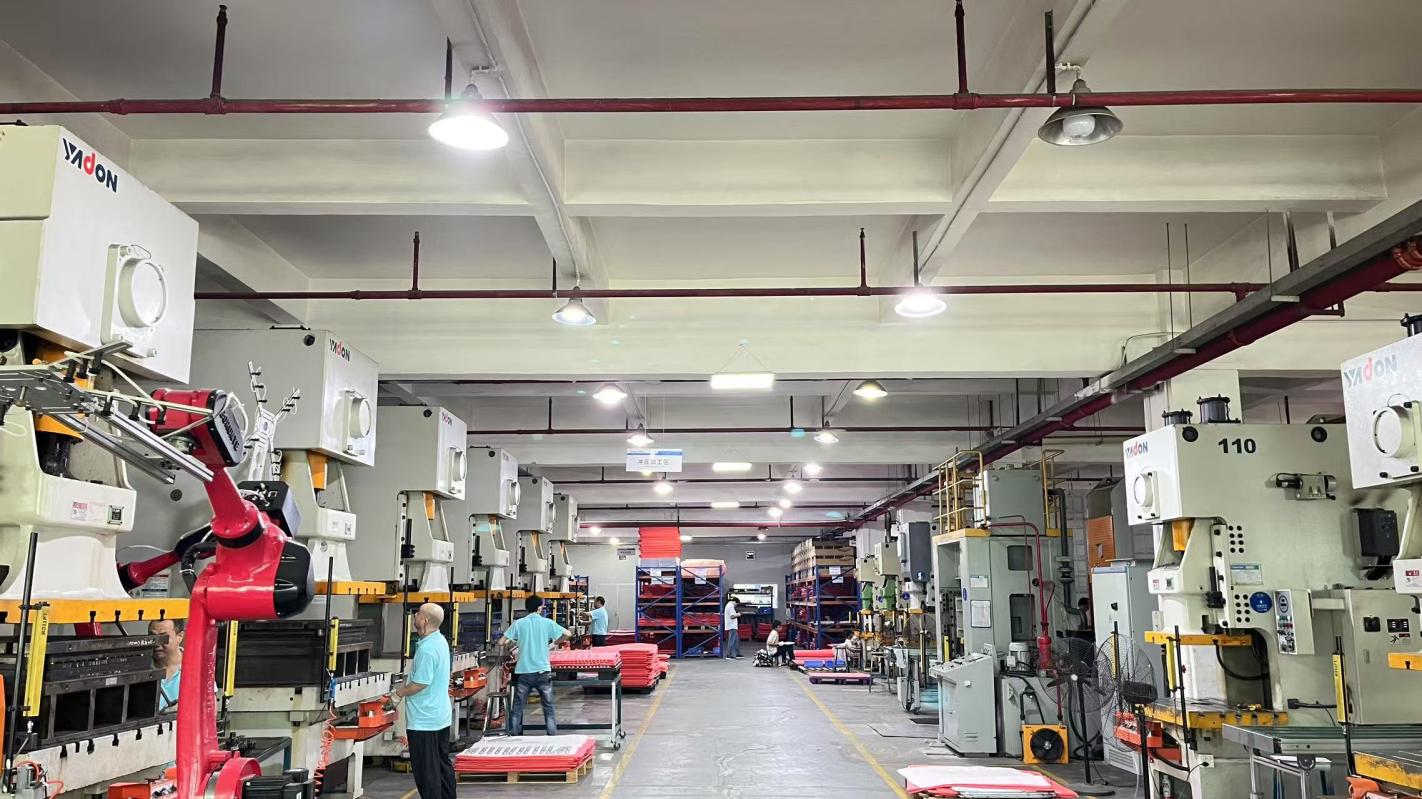
Established in 2017, Xeviora Memory Technology is a professional OEM and ODM memory module manufacturer. Our primary production facility spans 368 square meters of high-precision cleanroom space, housing automated SMT lines, advanced chip-sorting equipment, and specialized environmental testing chambers.
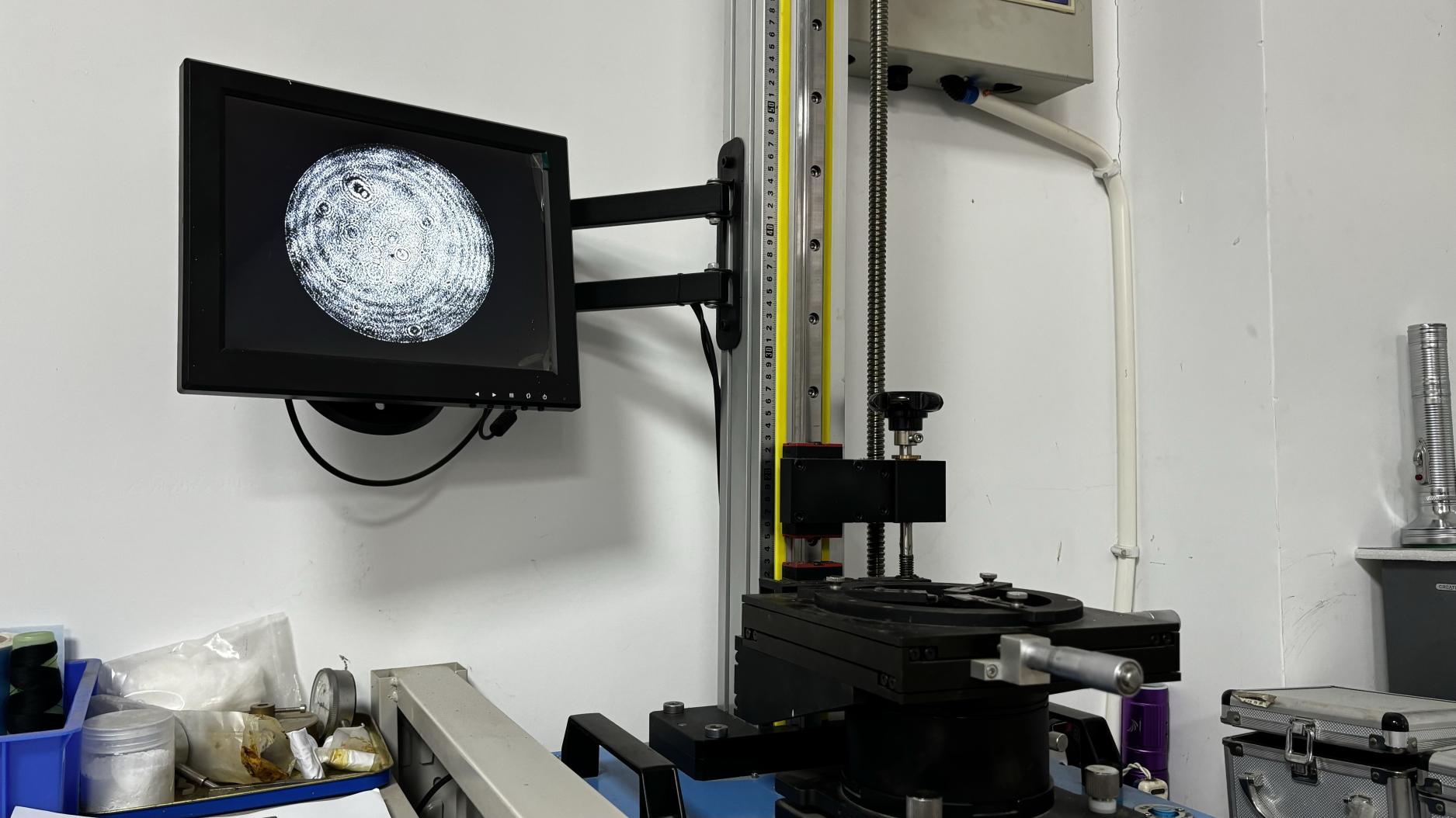
Our Quality Management System is based on a zero-tolerance policy for failures. All DDR3, DDR4, and server components undergo a multi-layered testing regimen:
Navigating the import and deployment of hardware in Japan requires adherence to strict compliance directives. Xeviora products are manufactured and certified to align with global and local regulatory requirements:
For standard DDR3 industrial memory modules, we maintain a baseline inventory with dispatch times within 3–5 working days. For custom BOM-locked modules, tailored SPD settings, or customized branding/packaging, our production timeline runs between 10–15 working days. Shipping via express air from Shenzhen/Hong Kong to Nagoya (NGO) typically takes an additional 2–3 business days.
Yes. We offer specialized SPD configuration services to ensure compatibility with older motherboards used in legacy CNC equipment and PLC controllers. During the design review stage, we ask customers to specify BIOS/chipset details so that we can pre-test and program the SPD chips with custom parameters.
Absolutely. We recognize that industrial and automotive-related systems require complete uniformity of internal parts across lifecycles. We sign fixed BOM agreements, which state that the controller revision, internal PCB layer profile, and DRAM die stepping (e.g., A-die, B-die, E-die) cannot be altered without formal engineering change notifications (ECN).
All Xeviora products comply with RoHS and REACH regulations, utilizing lead-free components and manufacturing processes. To prevent interference inside dense factory enclosures, we conform to VCCI specifications, and we supply relevant documentation (like Certificate of Conformity and safety reports) upon client request.
Our modules are subjected to thermal stress testing within environmental chambers, cycling between -40°C to +85°C (+95°C for specialized extended range). Additionally, they undergo active system stress tests (such as MemTest86+ loops and proprietary pattern routines) to identify early failures, ensuring our delivered components perform reliably under demanding field conditions.
Consult with our engineering and logistics specialists. Get a comprehensive technical review, customized SPD configuration proposals, and competitive wholesale pricing tailored for Nagoya's manufacturing and enterprise networks.
Send Inquiry Now