Xeviora
Xeviora
Xeviora
Optimized auxiliary hardware modules engineered to support high-power 270nm-410nm 3535 LED system assemblies for Philippine commercial applications.
The Philippines is experiencing a rapid industrial transition driven by strict modernization policies in municipal water treatment, food safety protocols, and commercial HVAC sanitization. With major urbanization hubs in Metro Manila, Metro Cebu, and Metro Davao upgrading their local sanitary frameworks, the integration of solid-state ultraviolet systems is moving at an unprecedented pace.
Traditional mercury-vapor lamps, which have historically dominated water treatment and surface disinfection in regional factories, are being phased out in compliance with global initiatives such as the Minamata Convention on Mercury, to which the Philippines is a signatory. This regulatory shift has created a massive technology vacuum, positioning 270nm to 410nm 3535 UVC/UVA LEDs as the standard replacements.
270nm - 280nm (Deep UVC): The primary germicidal band. Destroys the DNA/RNA structures of pathogens such as Escherichia coli, Salmonella enterica, and local airborne vectors. A crucial wavelength for cleanrooms and local beverage bottling plants.
310nm - 320nm (UVB): Used extensively in specialized agricultural environments to regulate plant growth, stimulate secondary metabolites, and provide medical phototherapy solutions in Luzon regional hospitals.
365nm - 410nm (UVA): The industrial curing spectrum. Widely deployed for instant polymerization of adhesives in electronics assembly and high-speed local printing presses.
Why the 3.5mm x 3.5mm footprint is the global engineering benchmark for high-reliability UV operations.
Aluminum Gallium Nitride (AlGaN) epitaxial layers grown on sapphire substrates form the active layers. By adjusting the aluminum mole fraction, manufacturers can precisely tune the emission peak from 270nm to 410nm, ensuring high-purity optical output tailored for specific chemical and biological processes.
The 3535 package uses Aluminum Nitride (AlN) ceramic bases with high thermal conductivity (>180 W/mK). This minimizes thermal resistance (typical Rth < 5-8 K/W), ensuring junction heat is rapidly dissipated to keep the LED running within safe operational temperature envelopes under tropical conditions.
Unlike organic silicone domes that degrade and yellow when exposed to high-energy UV light, the 3535 package uses quartz glass dome lenses. This ensures more than 90% UV optical transmission efficiency over a 10,000+ hour operational lifespan, even in high-humidity regional climates.
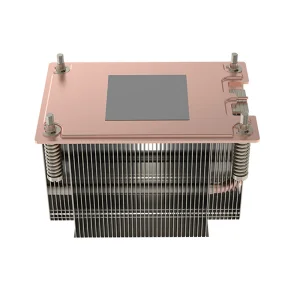
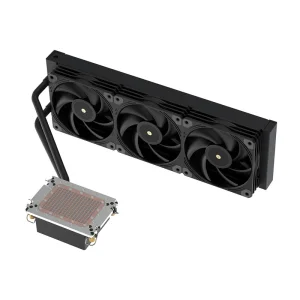
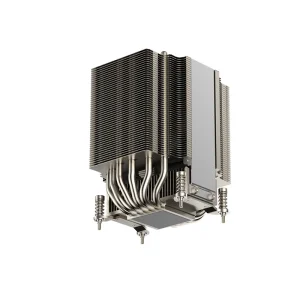
The Philippine climate, characterized by high ambient temperatures (often exceeding 35°C in industrial plants) and high relative humidity (averaging 75-85%), poses significant challenges for high-power semiconductor installations. If an LED junction temperature exceeds 85°C, its optical power drops significantly, and its lifespan is cut in half. To combat this, advanced module designs must incorporate robust thermal dissipation systems. This is why many local integrators rely on high-capacity active components, such as copper-core PCBs (MCPCBs), thermal interface materials, and active heat dissipation platforms like dedicated server-grade heatsinks and cooling fans to preserve device lifespan.
For procurement officers and manufacturing engineers in the Philippines, sourcing high-reliability UVC LEDs involves complex technical and logistical evaluations. Unlike generic lighting systems, UV-C emitters require verified radiation reports and strict compliance certificates. Sourcing from unverified partners often results in low optical outputs (often below 2% wall-plug efficiency), poor thermal bonding, or unstable spectral distributions that fail sanitization inspections.
Additionally, local custom clearance processes under the Bureau of Customs (BOC) and safety clearances required by the Food and Drug Administration (FDA) of the Philippines can cause supply chain bottlenecks if shipping documentation lacks detailed material composition data, especially regarding hazardous mercury-vapor bulb replacements.
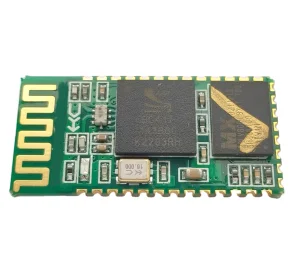
Providing high-precision SMT assembly, circuit board layouts, and high-performance server cooling options to back up intensive industrial UV-C LED deployments.
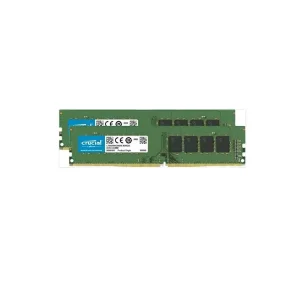
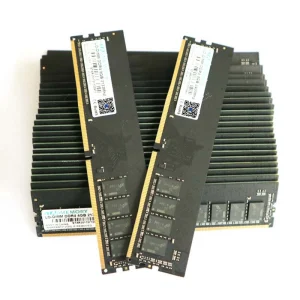
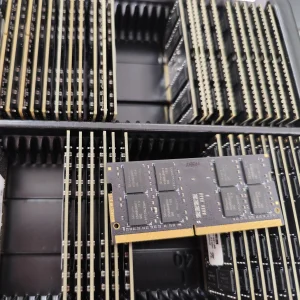
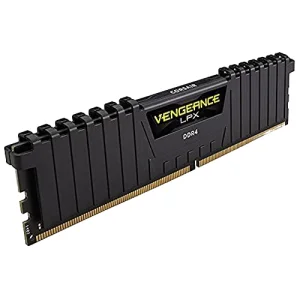
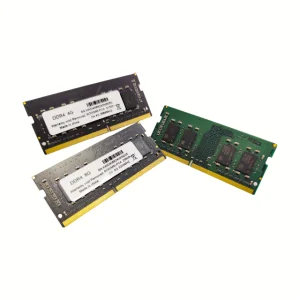
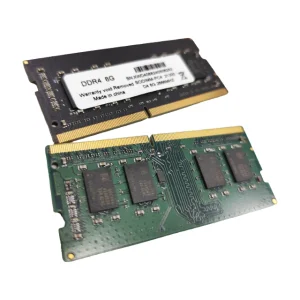
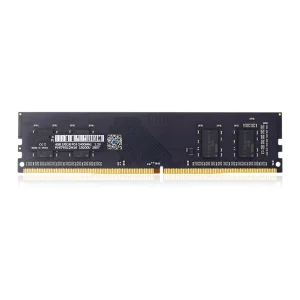
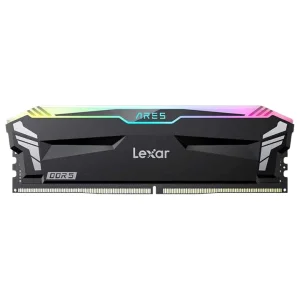
Xeviora Memory Technology (China) Co., Ltd. is a professional DDR5 memory manufacturer and supplier based in China, specializing in high-performance RAM solutions for gaming, industrial, enterprise, and consumer applications. Established in 2017, the company has rapidly grown into a trusted OEM and ODM partner for global distributors, system integrators, and technology brands.
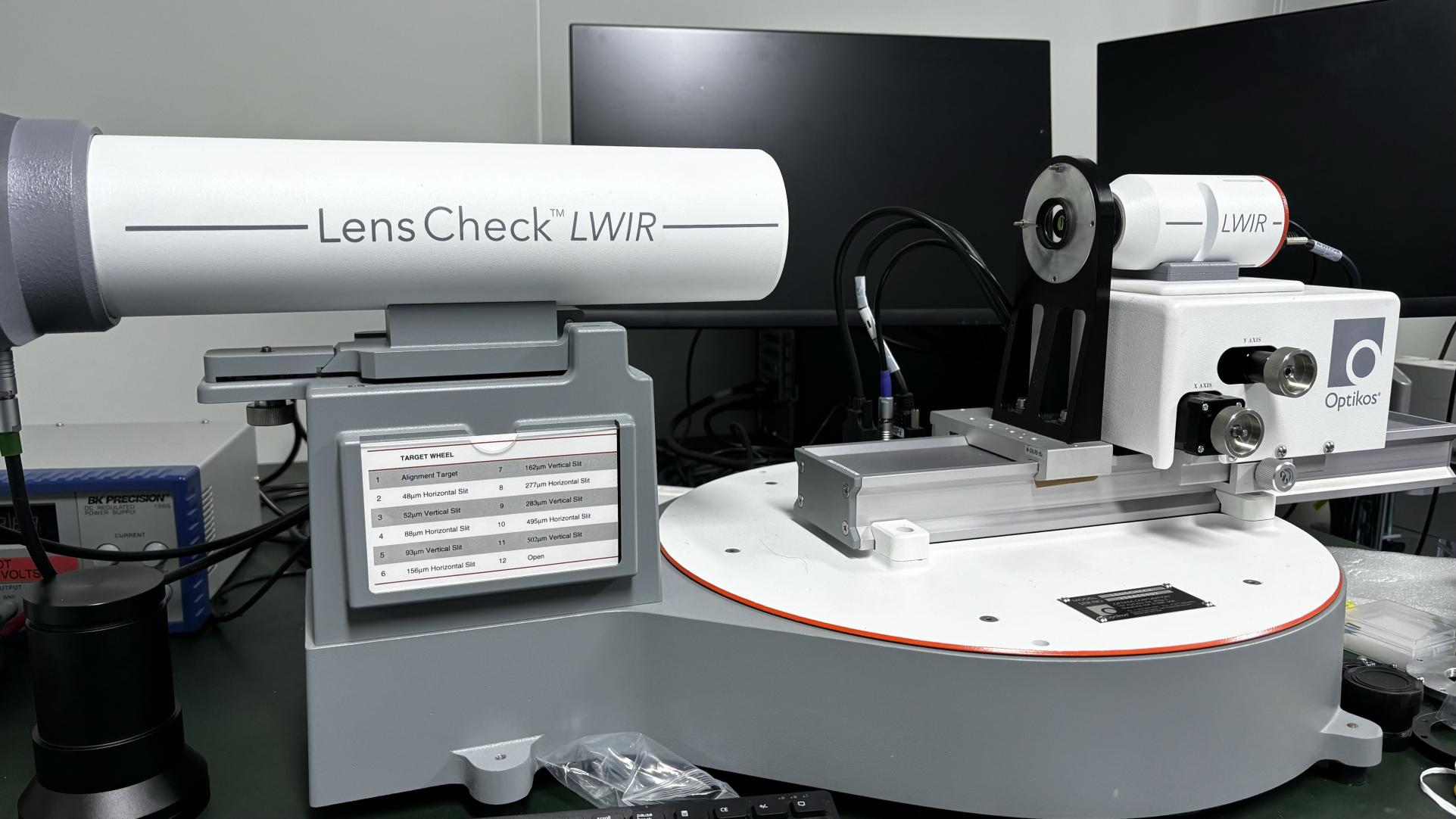
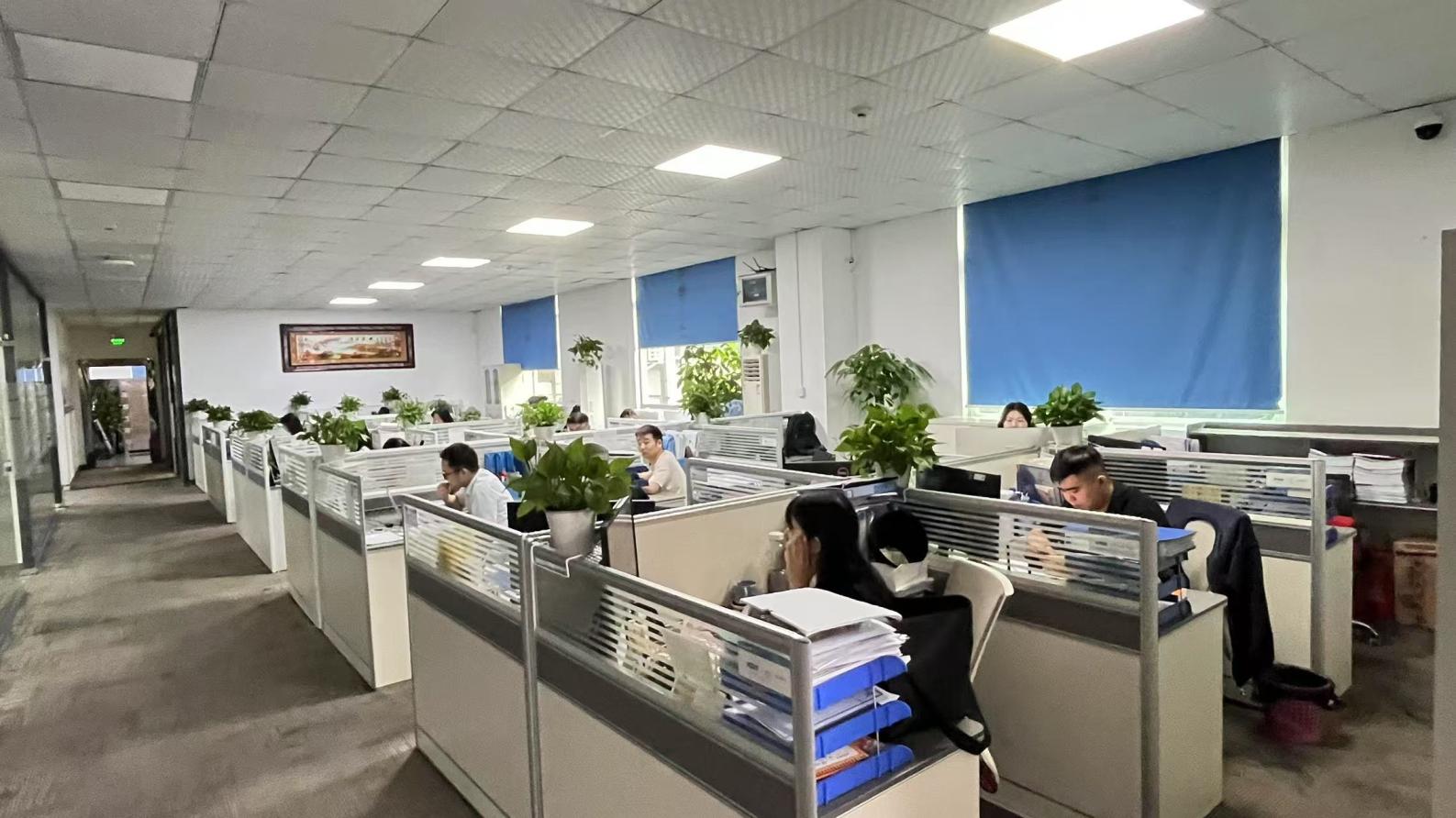
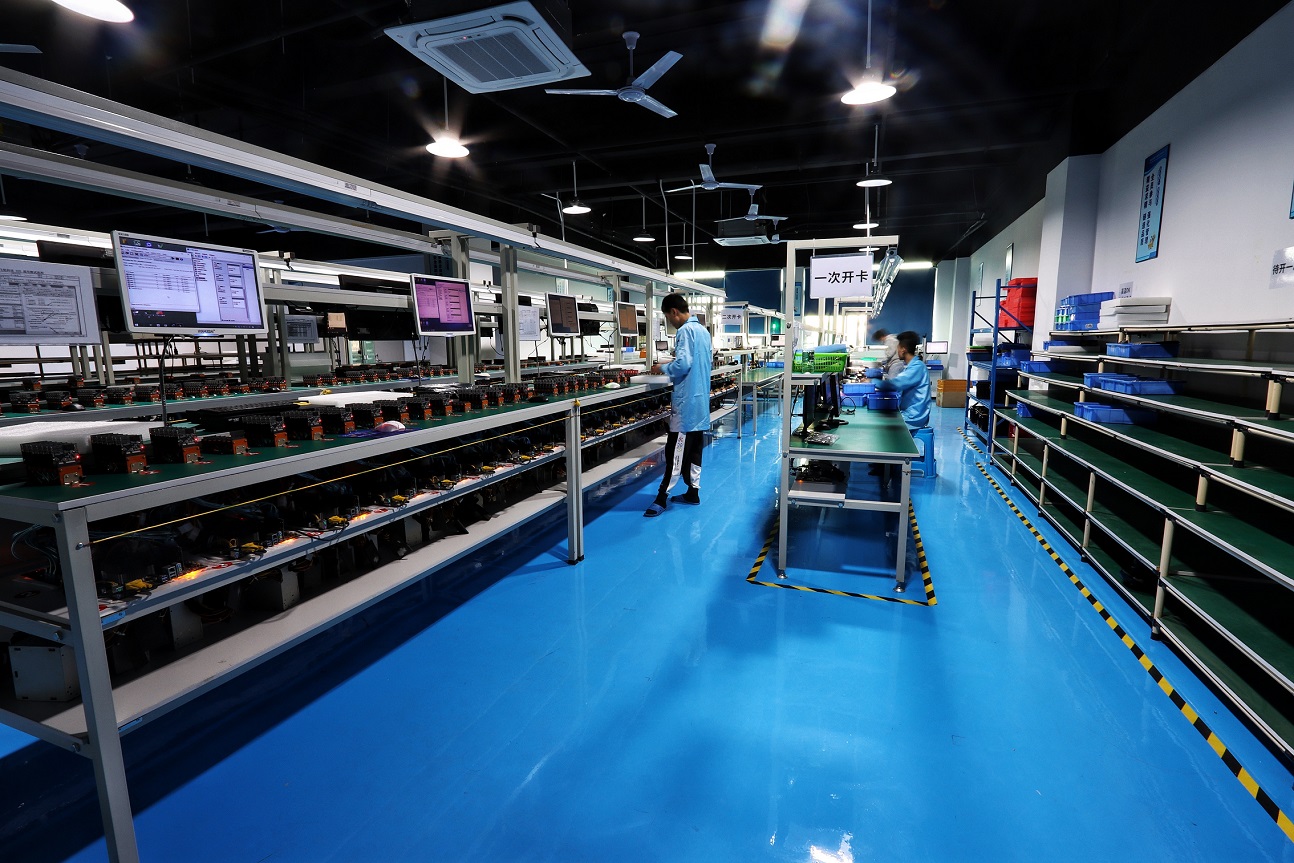
Our manufacturing facility covers 368 square meters and is equipped with advanced production and testing equipment to ensure stable quality and reliable performance. With an annual export revenue of over USD 18 million, Xeviora serves customers across North America, Europe, Southeast Asia, the Middle East, and South America.
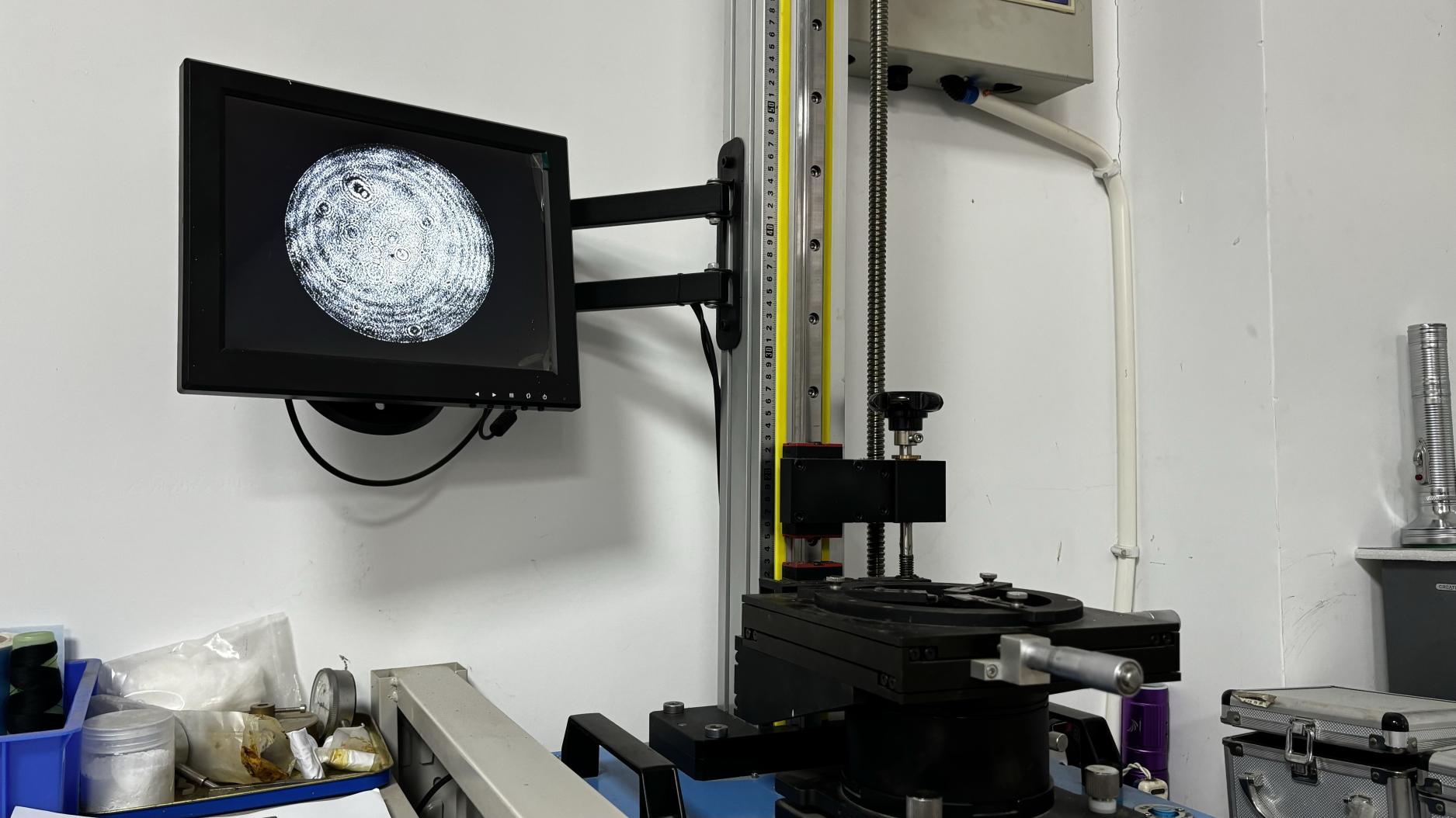
Backed by 8 years of export experience and 12 years of industry expertise, we are committed to delivering innovative memory products that meet international quality standards. Our quality management system includes comprehensive incoming material inspection, in-process quality control, and final product testing. All products undergo automated functional testing, compatibility verification, performance validation, and aging tests before shipment. Our quality assurance team consists of 46 dedicated inspectors who ensure every module meets strict reliability requirements.
As a manufacturer with strong OEM and ODM capabilities, Xeviora works closely with more than 850 supply chain partners worldwide, enabling efficient sourcing, flexible production, and fast delivery. Our primary customers include wholesalers, distributors, e-commerce sellers, system builders, brand owners, and enterprise solution providers.
Innovation is at the core of our business. Supported by an experienced R&D team of 128 engineers, we continuously invest in new technologies and product development. Last year alone, we successfully launched 86 new memory products covering DDR5 gaming memory, industrial-grade memory modules, server memory solutions, and customized storage products.
We offer flexible customization services, including private labeling, logo printing, packaging design, specification customization, firmware optimization, and complete OEM/ODM development. Whether customers require standard memory modules or fully customized solutions, our team is dedicated to providing reliable products, competitive pricing, and professional technical support.
At Xeviora, our mission is to empower global customers with advanced memory technology, dependable manufacturing, and long-term business partnerships built on quality, innovation, and trust.

Aligning with local standards to ensure fast deployments and reliable supply lines across the archipelago.
All supplied components are compliant with RoHS, CE, and FCC standards, meeting the guidelines of the Department of Science and Technology (DOST) and the Department of Health (DOH) in the Philippines for safe biological sterilization equipment.
With distribution channels optimized for Southeast Asia, we support consolidated ocean freight and air cargo shipping routes delivering directly to industrial hubs in Clark, Subic, Cavite, Laguna, and Cebu Port Authority zones.
The trajectory of AlGaN technology and next-generation solid-state UV innovations.
The solid-state UV sector is moving rapidly toward higher wall-plug efficiency (WPE) and lower cost-per-milliwatt ($/mW). Historically, UVC LEDs exhibited WPE values around 1.5% to 3%, but with improvements in chip design, active layer crystal quality, and reflective coatings, contemporary outputs are exceeding 5% and are projected to reach 10% by 2026. This performance leap will make large-scale municipal water sterilization plants powered entirely by LEDs economically viable.
Furthermore, dual-wavelength chip integration within a single 3535 package (e.g., combining 275nm for germicidal efficacy and 365nm for photocatalytic purification on titanium dioxide filters) represents the cutting edge of biological purification technology. This dual-action approach is particularly effective in high-humidity climates like the Philippines, where mold and volatile organic compounds (VOCs) present constant environmental issues in commercial buildings.
Expert answers addressing the practical integration of 3535 UVC LEDs in industrial projects.
Complete memory modules, high-frequency PCBs, and advanced cooling sub-assemblies to support computing and control units of high-capacity UV-C setups.
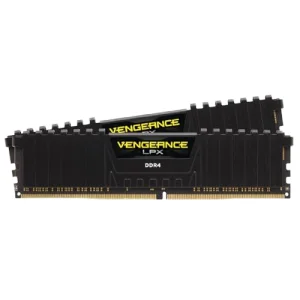
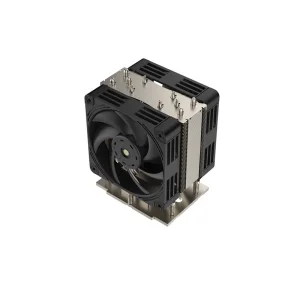
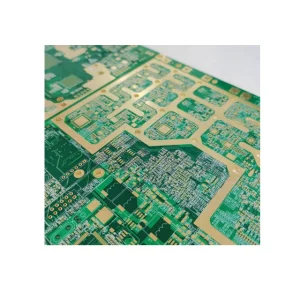
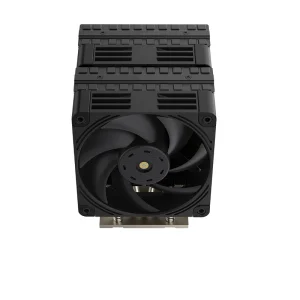
Get in touch with our engineering team for technical layouts, wavelength recommendations, verified LM-80 test reports, and custom pricing configurations matching your project requirements in the Philippines.
Send Inquiry Now