Xeviora
Xeviora
Xeviora
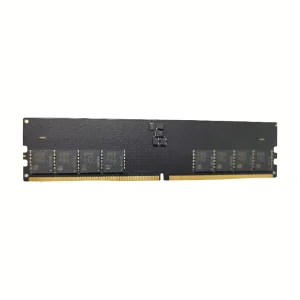
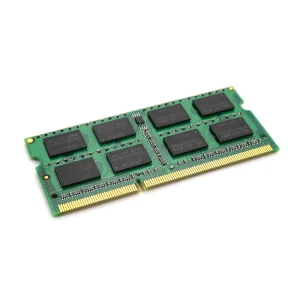
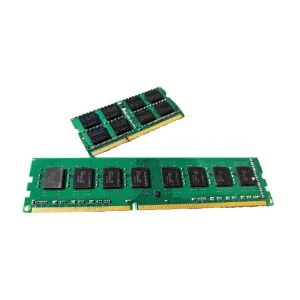
Decoding how Power Management ICs (PMICs) and Voltage Regulator Modules (VRMs) shape enterprise memory systems, server infrastructures, and solid-state operations.
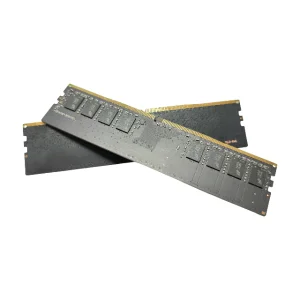
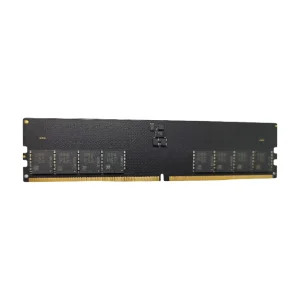
In modern high-frequency computing systems, voltage regulation has shifted from the system motherboard directly to local modules. The transition is highly evident in DDR5 memory architecture, where the integration of an on-board Power Management Integrated Circuit (PMIC) acts as the dedicated voltage regulator. This shift enables lower system noise, faster transient response times, and higher efficiency—which are critical for processing rates exceeding 6000MHz.
As a leading supplier in high-frequency hardware systems, Xeviora Memory Technology (China) Co., Ltd. stands as a professional DDR5 memory manufacturer and supplier based in China, specializing in high-performance RAM solutions for gaming, industrial, enterprise, and consumer applications. Established in 2017, the company has rapidly grown into a trusted OEM and ODM partner for global distributors, system integrators, and technology brands. Our deep understanding of semiconductor design and electrical safety shapes our approach to component validation.
Voltage regulators are not merely static converters; they are highly dynamic safety systems that protect high-speed silicon from electro-migration, thermal stress, and power-frequency drops. Understanding how these factors function ensures that hardware architectures maintain continuous up-time, regardless of grid spikes or computational surges.
Xeviora at a Glance:
Analysing industrial demand patterns, supply chain vulnerabilities, and geopolitical factors driving the electronic component sourcing landscape.
The global demand for reliable voltage regulators and advanced PMICs is driven by three main factors: the expansion of hyperscale AI data centers, the electrification of automotive systems, and the shift from DDR4 to DDR5 platforms. Because power requirements are rising and core operating voltages are dropping below 1.1V, the tolerances for voltage ripples have become very small.
Purchasing managers must navigate complex requirements, including electromagnetic compatibility (EMC) standards, RoHS and CE compliance, and long-term production lifespan guarantees. Component suppliers are now expected to provide comprehensive support, including custom printed circuit board (PCB) designs, advanced thermal modeling, and simulation-backed engineering data.
Every shipment requires full traceability. We ensure conformity to CE, FCC, and RoHS standards while integrating thorough reliability testing including automated optical inspection (AOI) and thermal baking cycles.
With an annual export revenue of over USD 18 million, Xeviora serves customers across North America, Europe, Southeast Asia, the Middle East, and South America, maintaining buffer stocks to offset raw material lead times.
We provide flexible customization services, including private labeling, logo printing, packaging design, specification customization, firmware optimization, and complete OEM/ODM development for specific system requirements.
From Linear Regulators to Intelligent Digital PMICs and Gallium Nitride (GaN) Power Configurations.
Modern electrical engineering has advanced past standard analog low-dropout (LDO) regulators. Tomorrow's architectures require smart digital control loops that dynamically adjust voltage based on computing loads (Dynamic Voltage Scaling). Below is our roadmap for active component development:
Highly quiet but low efficiency. Ideal for ultra-low noise analog RF stages and initial power filtering rails.
High efficiency (>92%). Uses inductors to step down voltages, standard for motherboard VRMs and desktop applications.
Uses direct digital interfaces (I2C/I3C bus) to monitor voltage drops, manage temperature sensors, and optimize efficiency dynamically.
The future of power architecture. Operates at much higher switching frequencies with minimal heat output and ultra-small footprints.
How power management configurations are designed for different operating environments.
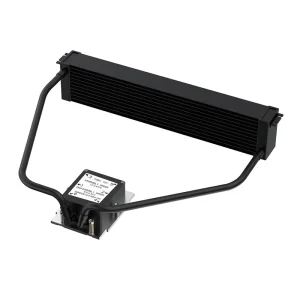
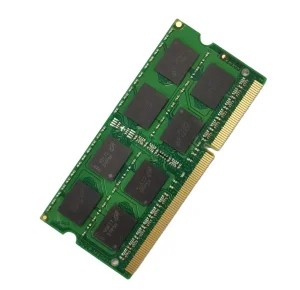
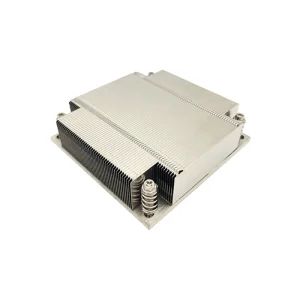
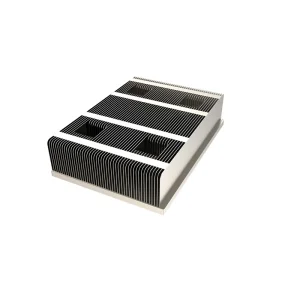
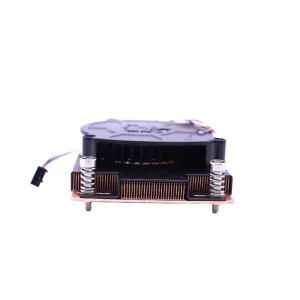
Enterprise database infrastructure requires stable, continuous power. Standard servers use dual-loop systems, combining high-wattage copper cooling solutions with DDR5 ECC memory containing integrated PMICs. This setup prevents data corruption and minimizes power loss during load transitions.
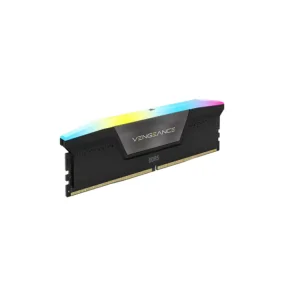
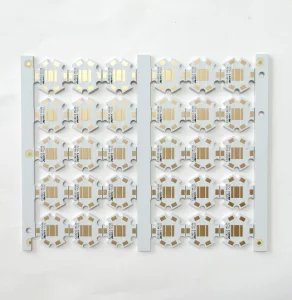
Overclocking memory up to 6000MHz requires clean power delivery. Gamers require custom aluminum PCBs, high-performance heatsinks, and unlocked PMICs. This allows BIOS voltage adjustments while managing heat through thermal pads.
Industrial applications run in harsh environments with fluctuating temperatures. Systems require wide-temperature components, conforming coatings, and high-stability voltage regulators. This ensures long-term operation for factory robotics and remote data logging setups.
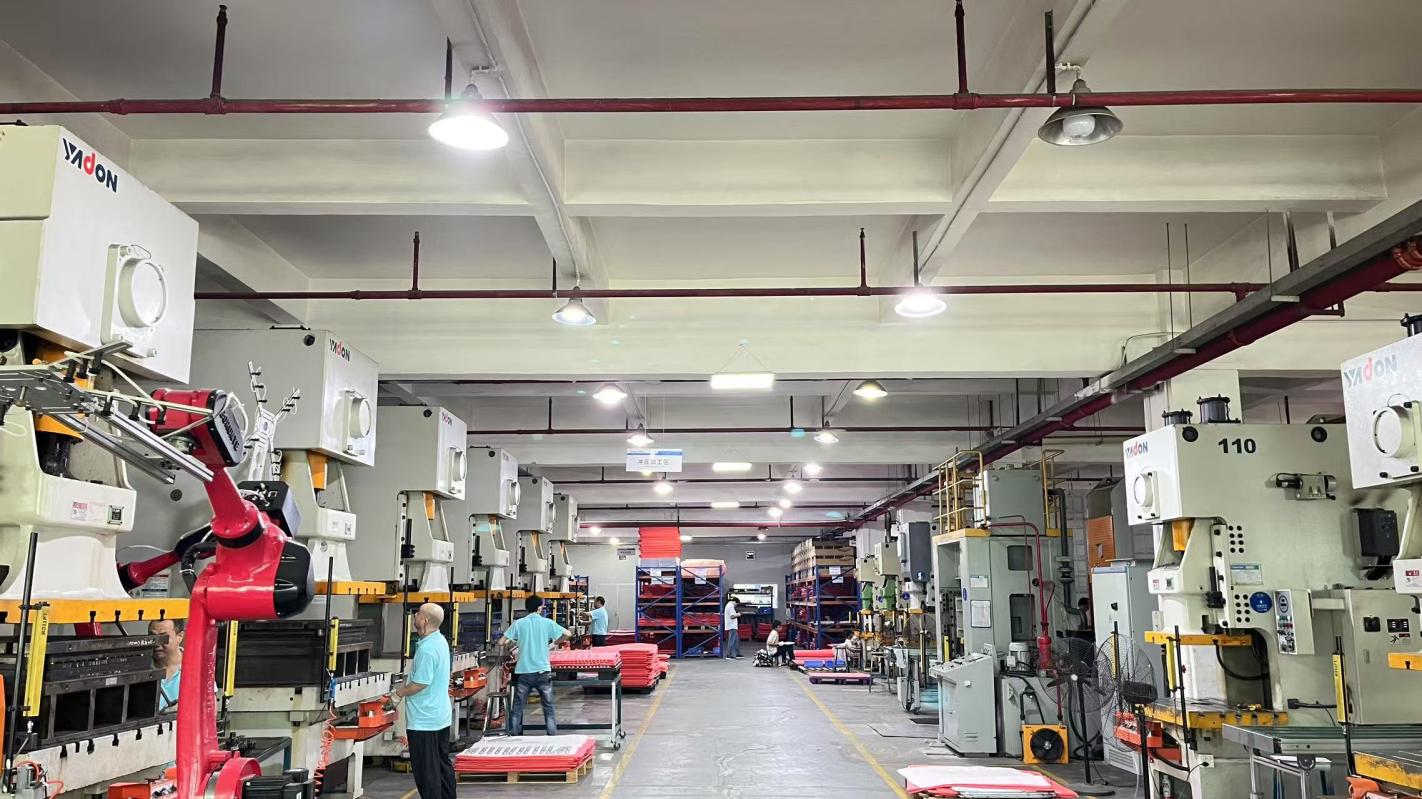
Tour our production workflows and understand our quality testing protocols.
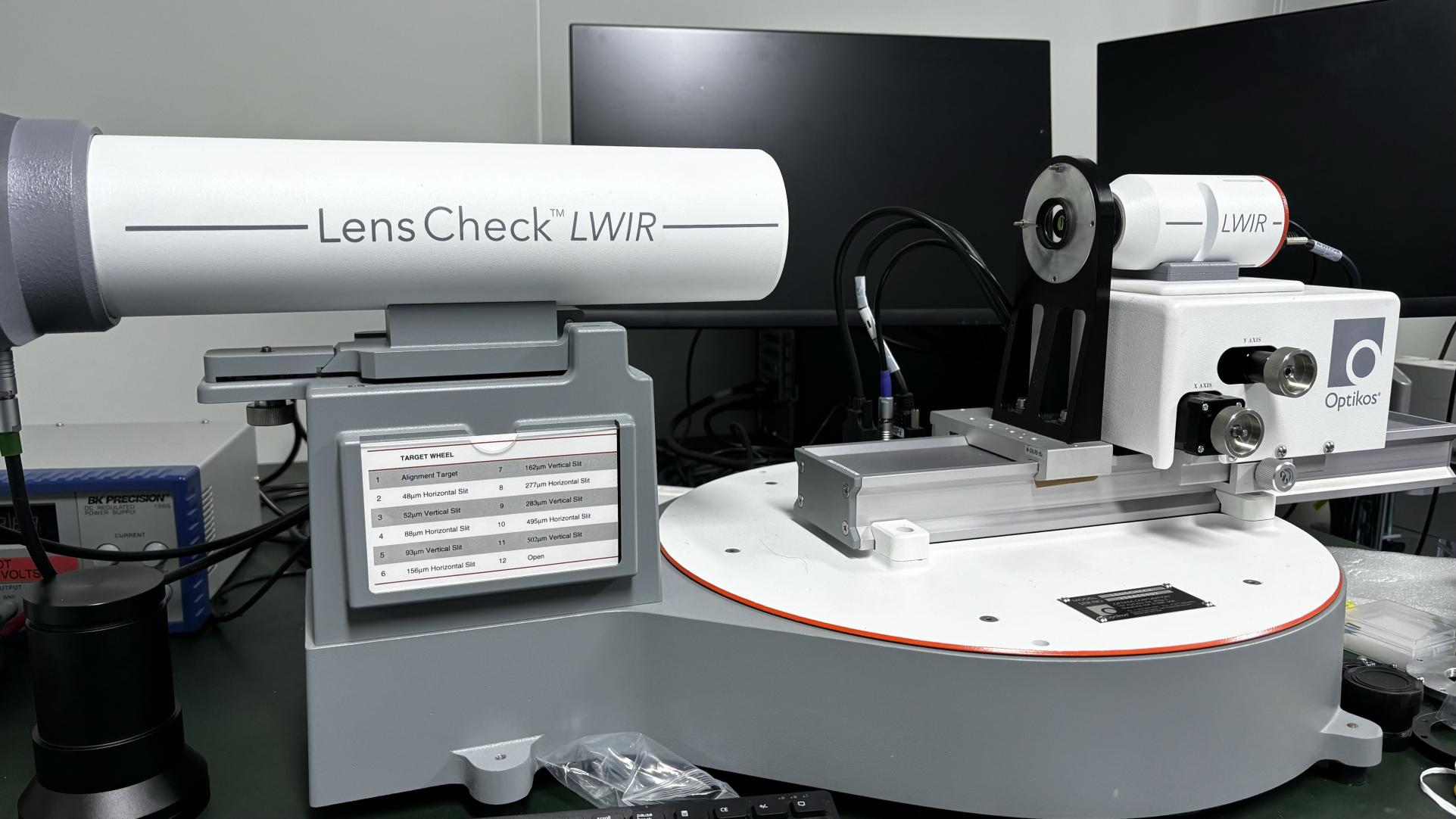
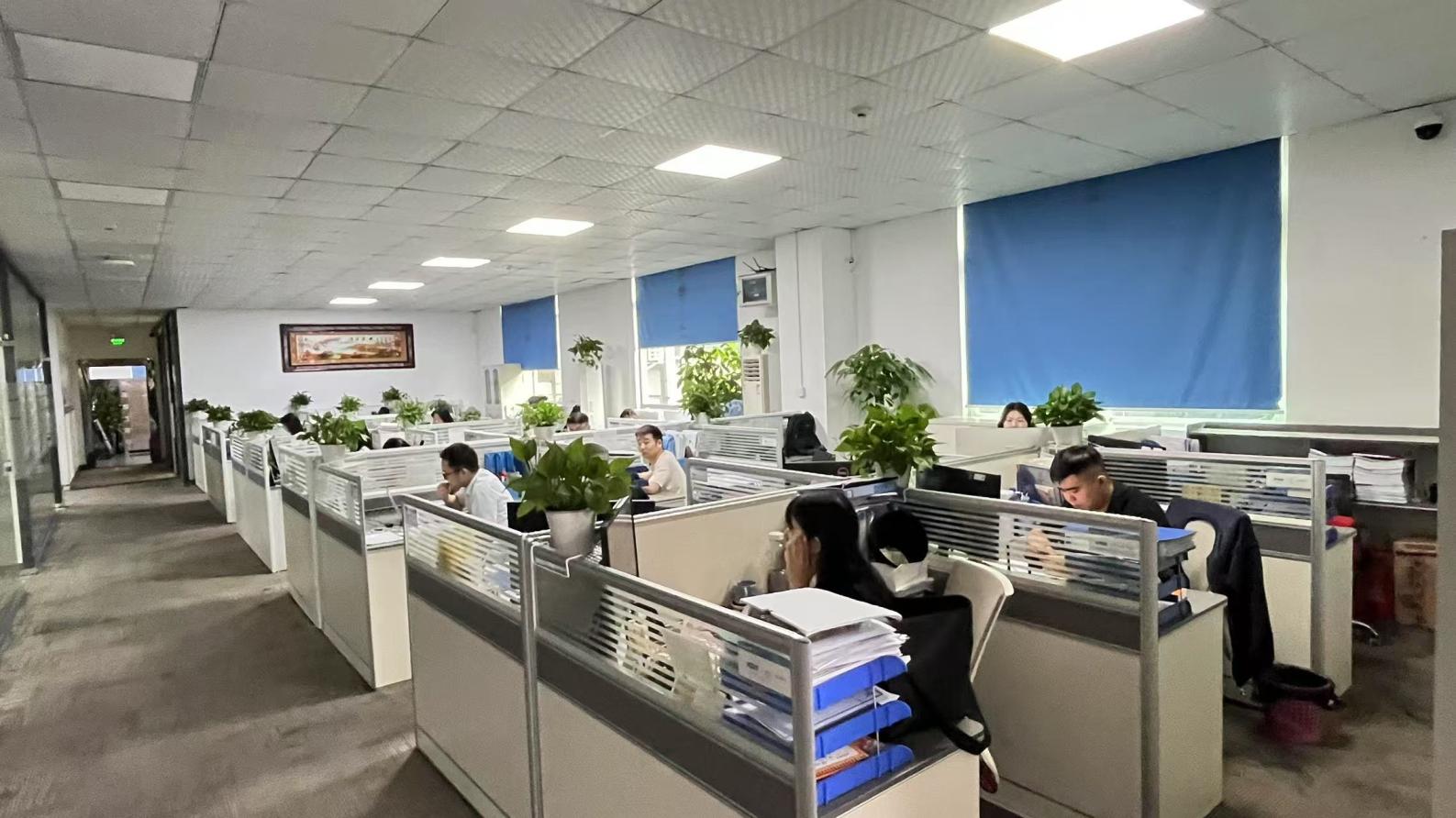
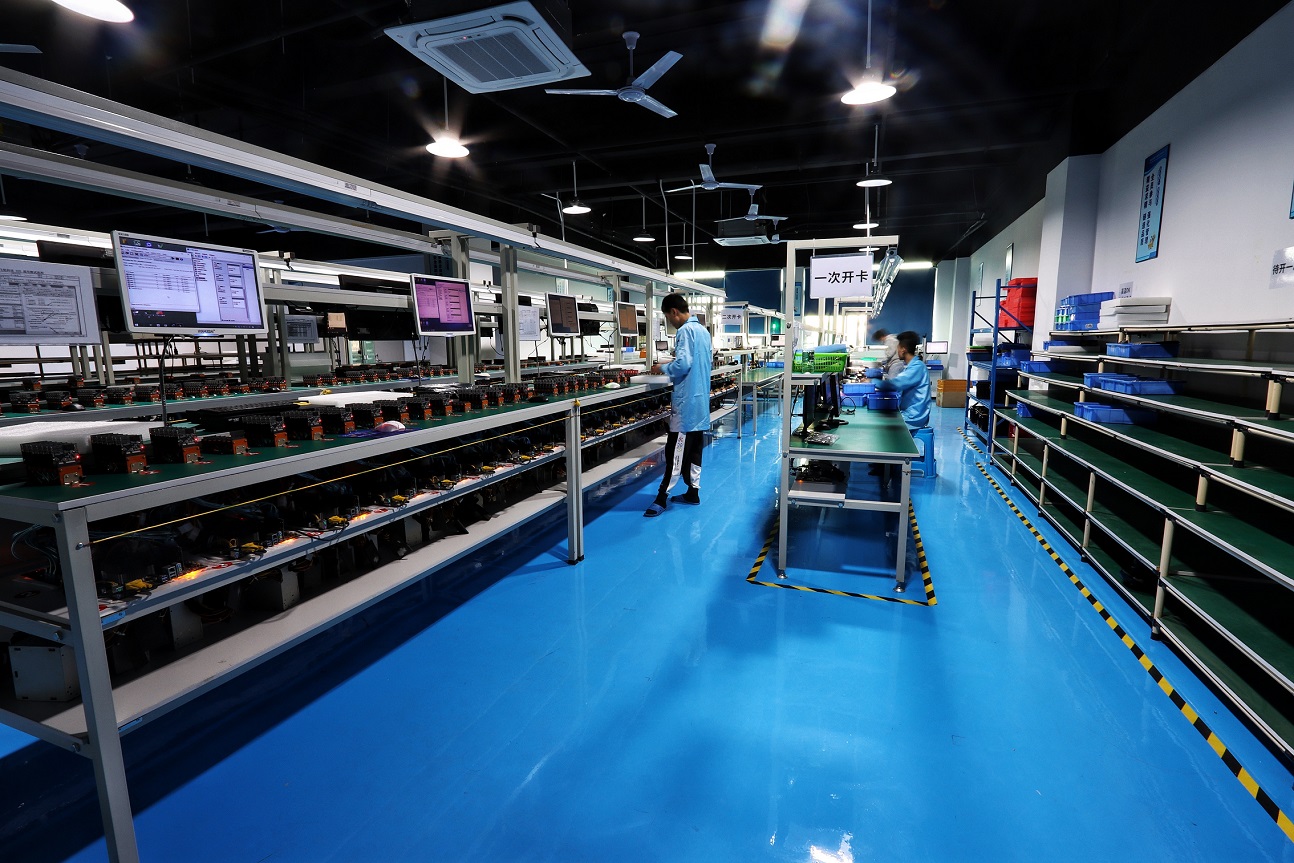
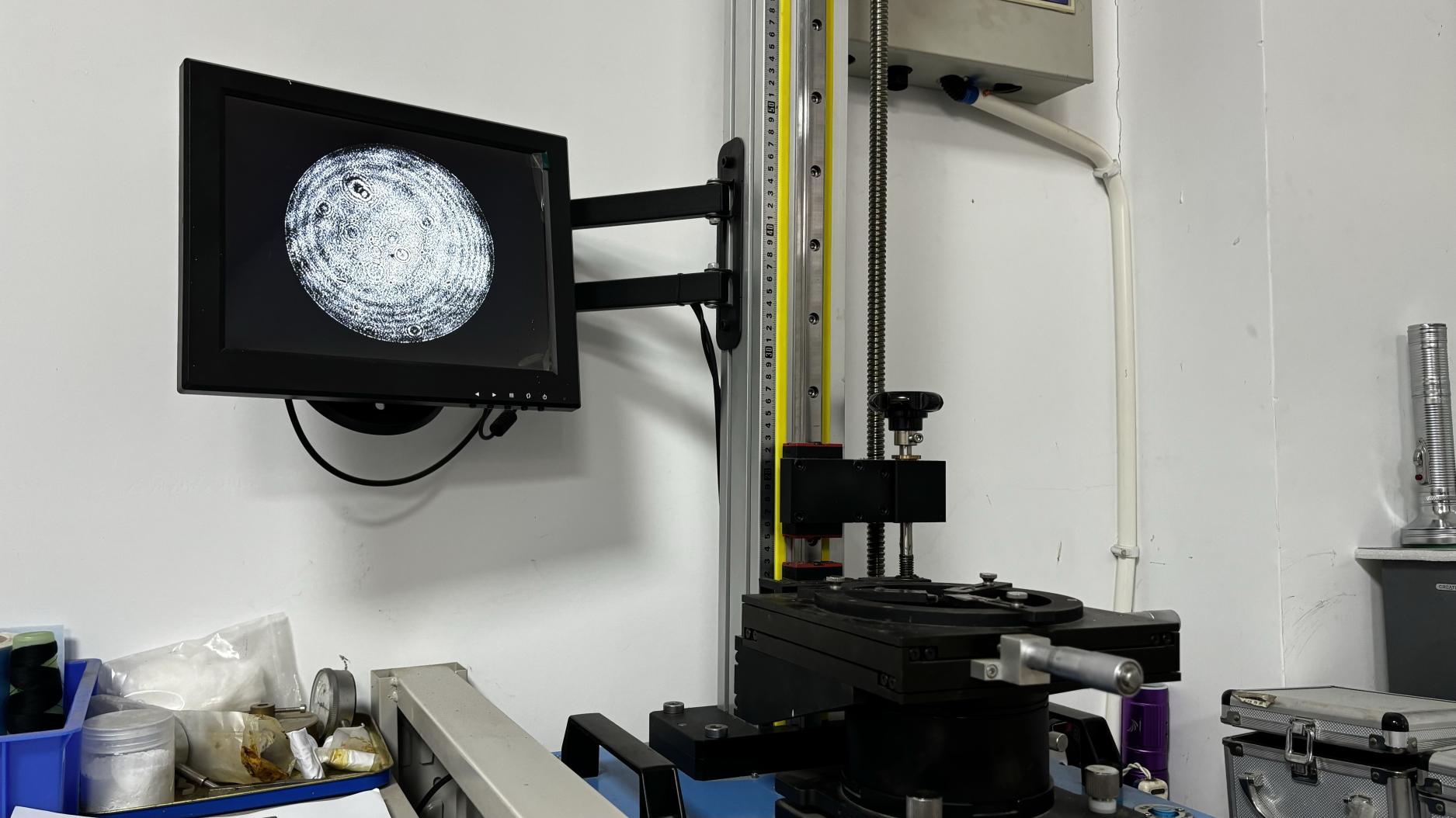
At Xeviora, we maintain a manufacturing facility covering 368 square meters, equipped with advanced production and testing machinery to ensure consistent quality and reliable performance. Our quality assurance team consists of 46 dedicated inspectors who verify that every module meets strict reliability standards.
Our comprehensive testing workflow includes incoming material inspection (IQC), in-process quality control (IPQC), automated functional testing, thermal cycling, compatibility verification across various chipsets, and long-term aging tests. Backed by 8 years of export experience and 12 years of industry expertise, we ensure all components meet the requirements of international markets.
"Last year alone, our engineering team successfully launched 86 new products, including specialized industrial-grade memory, DDR5 modules, enterprise server solutions, and custom PCBs."
Answering technical, sourcing, and design questions about voltage regulation and memory power architectures.