 Xeviora
Xeviora
Xeviora
Explore our premium selection of server thermal components, high-density DDR4/DDR5 ECC modules, and high-wattage active heatsinks designed for sub-1.2 PUE datacenters.
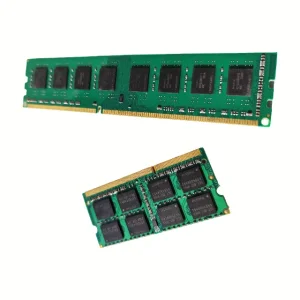
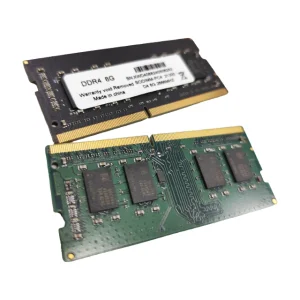
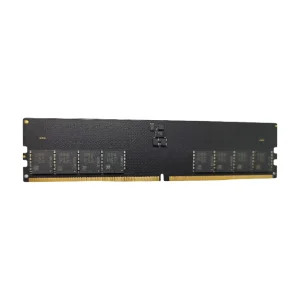
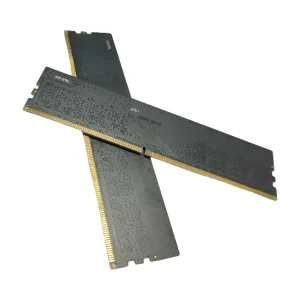
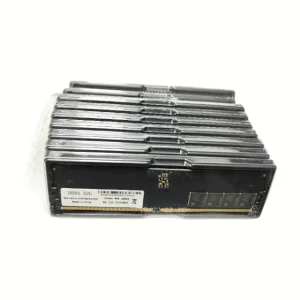
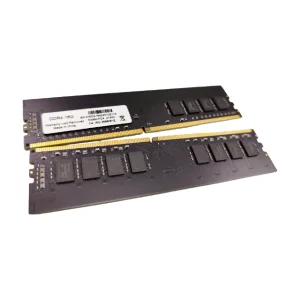
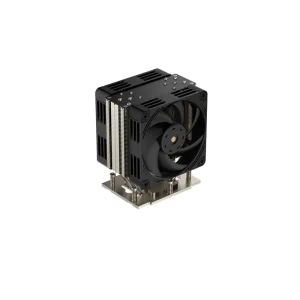
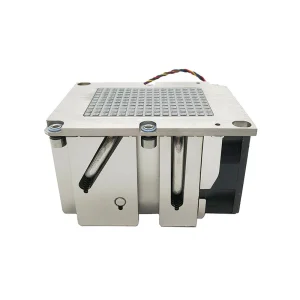
As next-generation computing architectures, artificial intelligence, and high-performance computing (HPC) continue to evolve, thermal management inside datacenter cabinets has reached a critical bottleneck. Modern CPU and GPU architectures are pushing Thermal Design Power (TDP) thresholds beyond 350W and 400W per socket, meaning traditional passive heat pipes and slow-flow cooling systems can no longer prevent localized thermal throttling.
Consequently, the global datacenter ecosystem is moving aggressively from simple air-cooled server enclosures to active, liquid-cooled, and high-thermal-conductivity configurations. Industry compliance frameworks like PUE (Power Usage Effectiveness) targets are forcing cloud service providers to rethink their chassis assemblies. Modern cooling suppliers are no longer just metal fabricators; they are thermal engineers integrated into components like memory controllers, custom heatsinks, and power supply circuits.
AI processing demands sustained, high-density power states. This generates hyper-localized thermal hotspots across multi-die packages, forcing the memory modules (such as DDR5 ECC architectures) and core components to operate near peak thermal limits. Sustained temperatures degrade component lifespan and lead to bit flips, requiring high-reliability cooling mechanisms.
By blending copper-infused vapour chambers, aluminum micro-fins, and hybrid liquid-cooled loop architectures, modern factories achieve massive heat dissipation coefficients within tight server chassis configurations, optimizing vertical cabinet space without compromising density.
When procurement directors evaluate server cooling component suppliers and factories, they look beyond pure cost parameters. Due to the high risk of component downtime, standard qualification processes involve auditing factories on the following engineering dimensions:
As a key player in high-performance hardware and component engineering, Xeviora Memory Technology (China) Co., Ltd. has carved a niche as a professional developer and supplier, delivering robust components for gaming, industrial, and enterprise servers. Established in 2017, the company has rapidly grown into a trusted OEM and ODM partner for global system builders and enterprise hardware distributors.
With an annual export revenue exceeding USD 18 million, Xeviora serves critical technology corridors across North America, Europe, Southeast Asia, the Middle East, and South America. Backed by 8 years of export experience and 12 years of industry expertise, the company maintains a state-of-the-art facility featuring dedicated inspection processes and advanced SMT capabilities.
Our quality management workflow comprises strict incoming material inspection, in-process quality control, and rigorous final product verification. Every module undergoes automated functional testing, validation on targeted CPU sockets, and thermal stress/aging tests before packaging.
Innovation is embedded in our workflow. Powered by our R&D team of 128 experienced engineers, we released 86 new high-reliability memory modules and thermal management peripherals last year, satisfying both standardized server sockets and proprietary layouts.
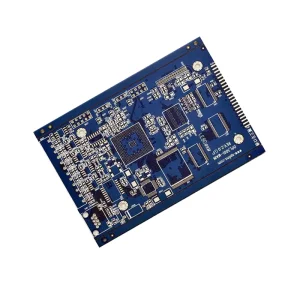
We provide full customization, including private labeling, logo printing, heat-spreader design, packaging, and custom PCB routing. Through our SMT & DIP capabilities, we customize controller boards to match specific cooling system parameters.
To plan your procurement roadmap, it is essential to understand the primary thermal design taxonomies utilized in contemporary server chassis:
Active and passive heatsinks are the workhorses of standard 1U and 2U servers. Combining high-density aluminum stacked fins with vacuum-sealed copper heat pipes, these units conduct heat away from the silicon die to the outer fin surface, where chassis fans blow it clear. Devices like the SP5 N99 400W Heatsink rely on dual high-RPM 9025 fans to achieve reliable heat dissipation at peak workloads, while 2U models (such as the LGA3647 205W Cooler) pack massive surface areas into tight vertical constraints.
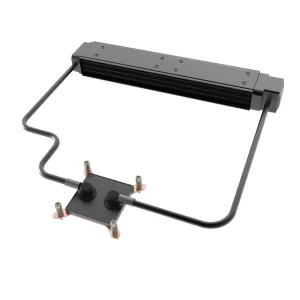
Direct-to-Chip cooling utilizes closed-loop configurations where a high-thermal-conductivity cold plate is mounted directly onto the CPU/GPU. A low-conductivity coolant fluid is pumped through the cold plate, extracting heat via micro-channels and venting it at a radiator assembly (like the LGA 115X 350W Liquid Cooler). This setup reduces local CPU temperatures significantly, lowering the need for high-velocity chassis fans and reducing operational noise and energy footprints.
Immersion cooling involves submerging the entire server motherboards directly into a specially formulated dielectric fluid. The fluid acts as a superior thermal conductor compared to air. Heat is transferred directly from the components (RAM, CPU, VRMs, chipsets) into the fluid, which then circulates through external heat exchangers. This method virtually eliminates the need for heatsink fans and enables extreme power densities in hyperscale datacenters.
Modern thermal solutions are no longer purely passive blocks of copper or aluminum. They are active ecosystems requiring integrated sensors, speed controllers, and telemetry modules. With custom SMT and PCBA design, manufacturers embed temperature-sensing ICs directly onto the PCB, allowing smart controllers to adjust liquid flow or fan speeds based on real-time hardware thermals.
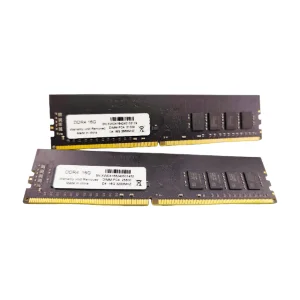
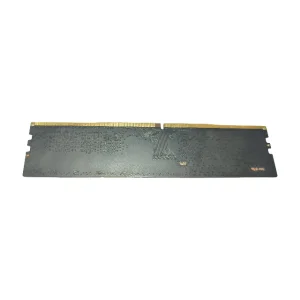
Browse our additional line-up of server memory modules, custom PCBA assemblies, and specialized liquid cooling components for next-generation system integration.
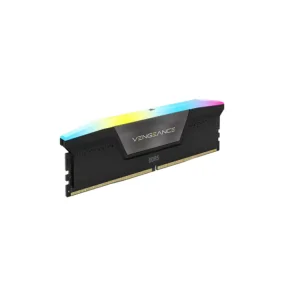
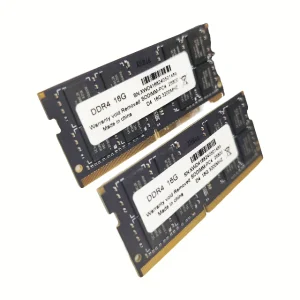
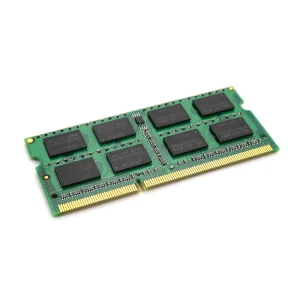
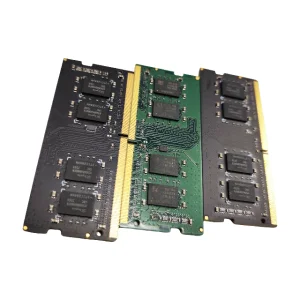
For procurement managers, maintaining a secure supply chain requires partnering with suppliers that meet strict regulatory benchmarks. These guidelines safeguard hardware performance and ensure components comply with environmental and logistics frameworks globally:
Additionally, reliable logistics and localized support networks are vital for modern tech sourcing. Leading factories provide dedicated logistics networks and on-site engineering consultations, helping streamline installation processes, minimize deployment delays, and ensure hardware reliability.
The server infrastructure industry is transitioning rapidly. As processing platforms evolve, thermal management architectures are shifting to address emerging requirements:
With processors stacking computing dies vertically (3D ICs), heat can become trapped between layers. Thermal engineers are developing microchannel cooling plates with direct liquid injection to cool internal silicon structures directly.
Graphene boasts horizontal thermal conductivity rates up to 5,000 W/mK, far exceeding copper. Integrating graphene coatings onto memory modules and server components dramatically improves passive heat dissipation.
As immersion cooling scales, suppliers are formulating biodegradable, synthetic dielectric fluids with zero global warming potential. These fluids offer exceptional viscosity properties and ensure compatibility with server hardware over long lifespans.
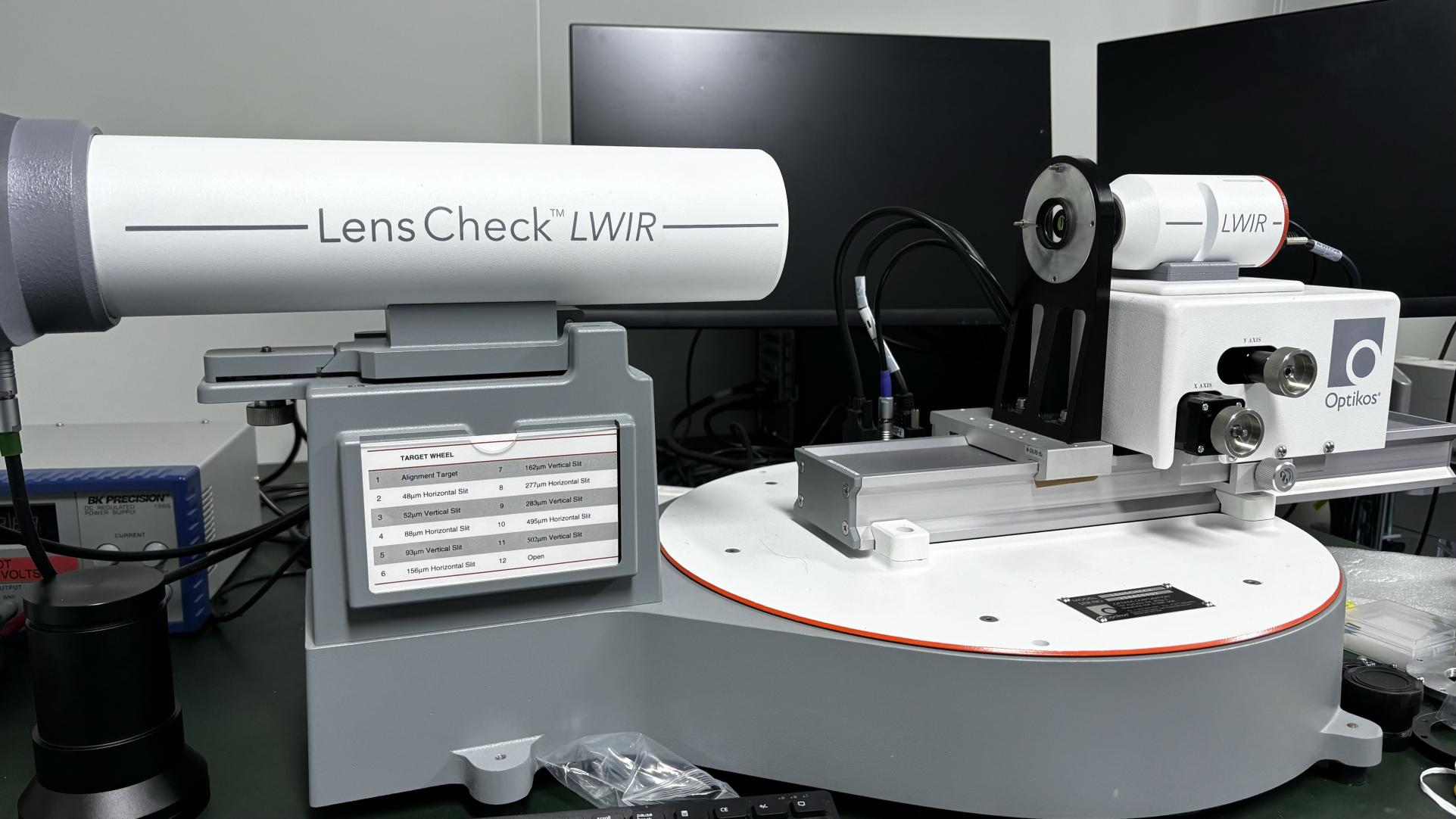
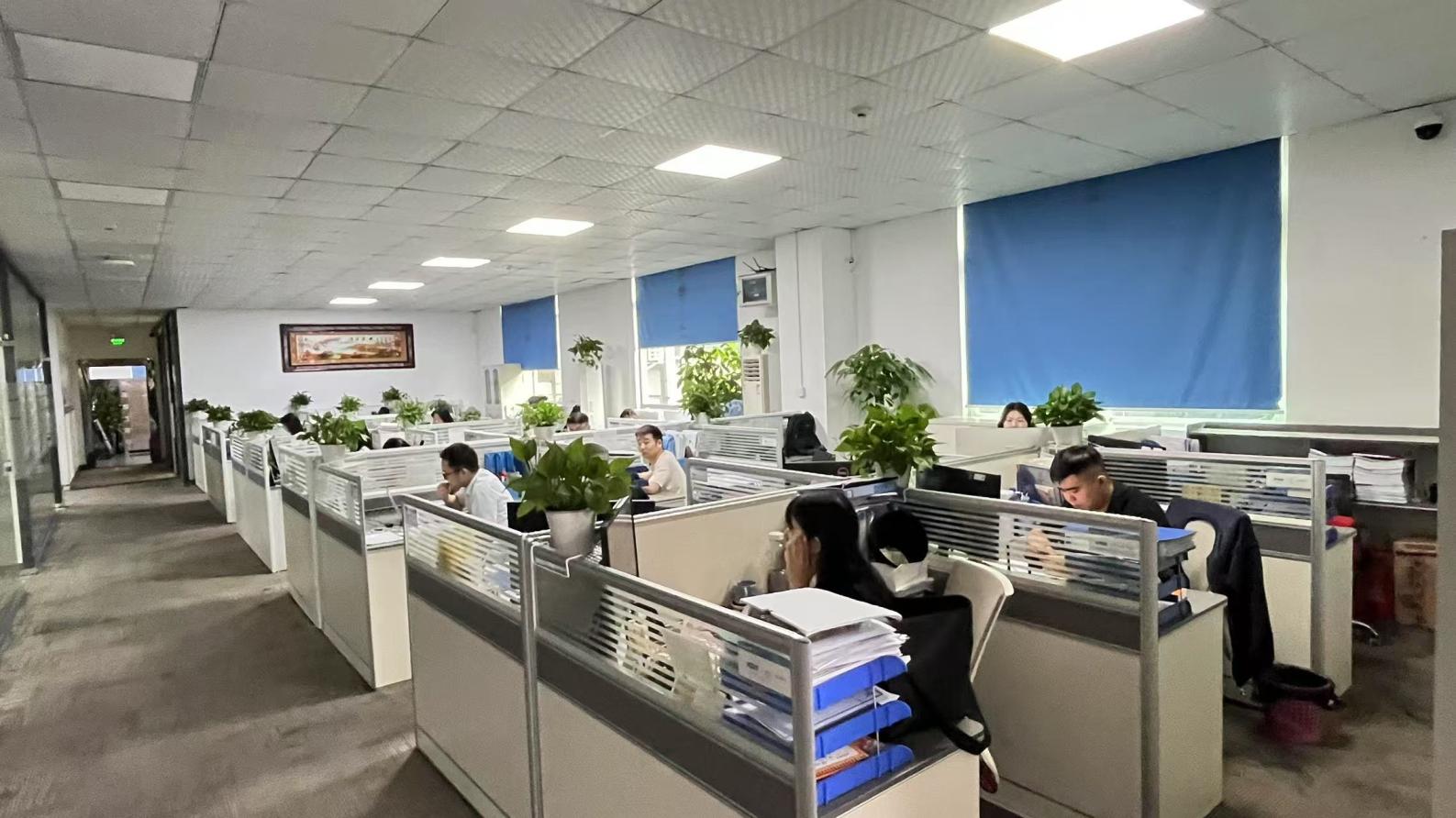
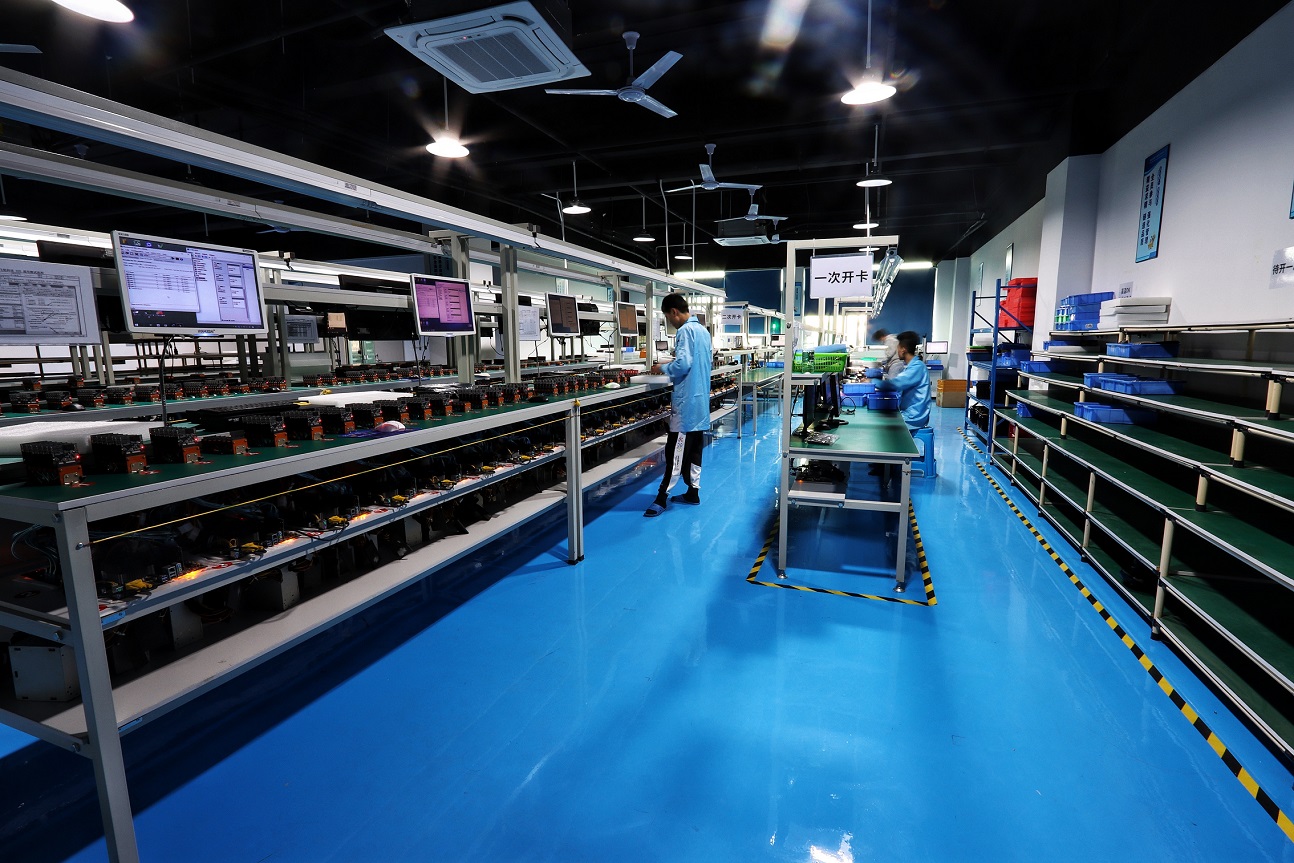
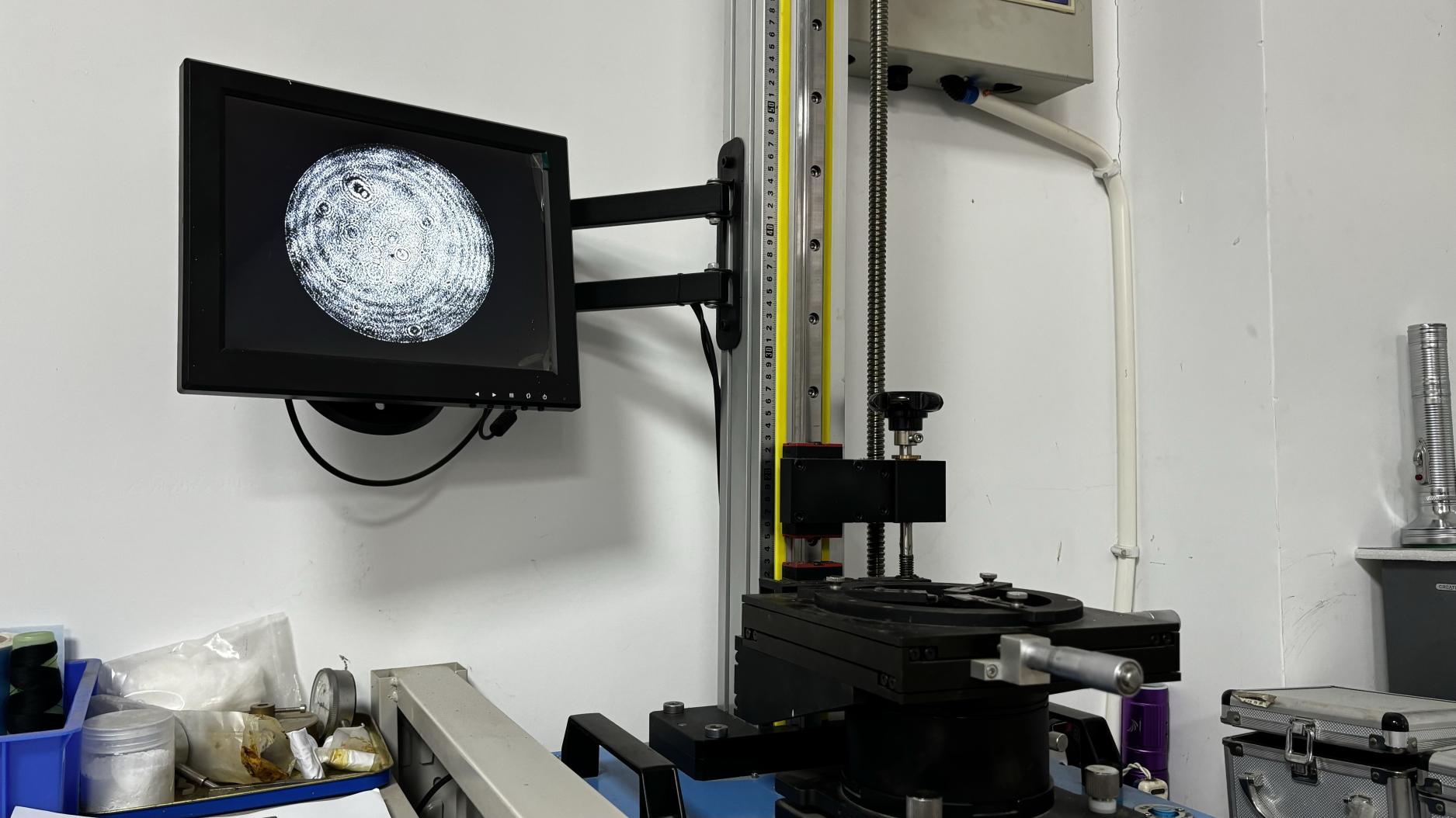
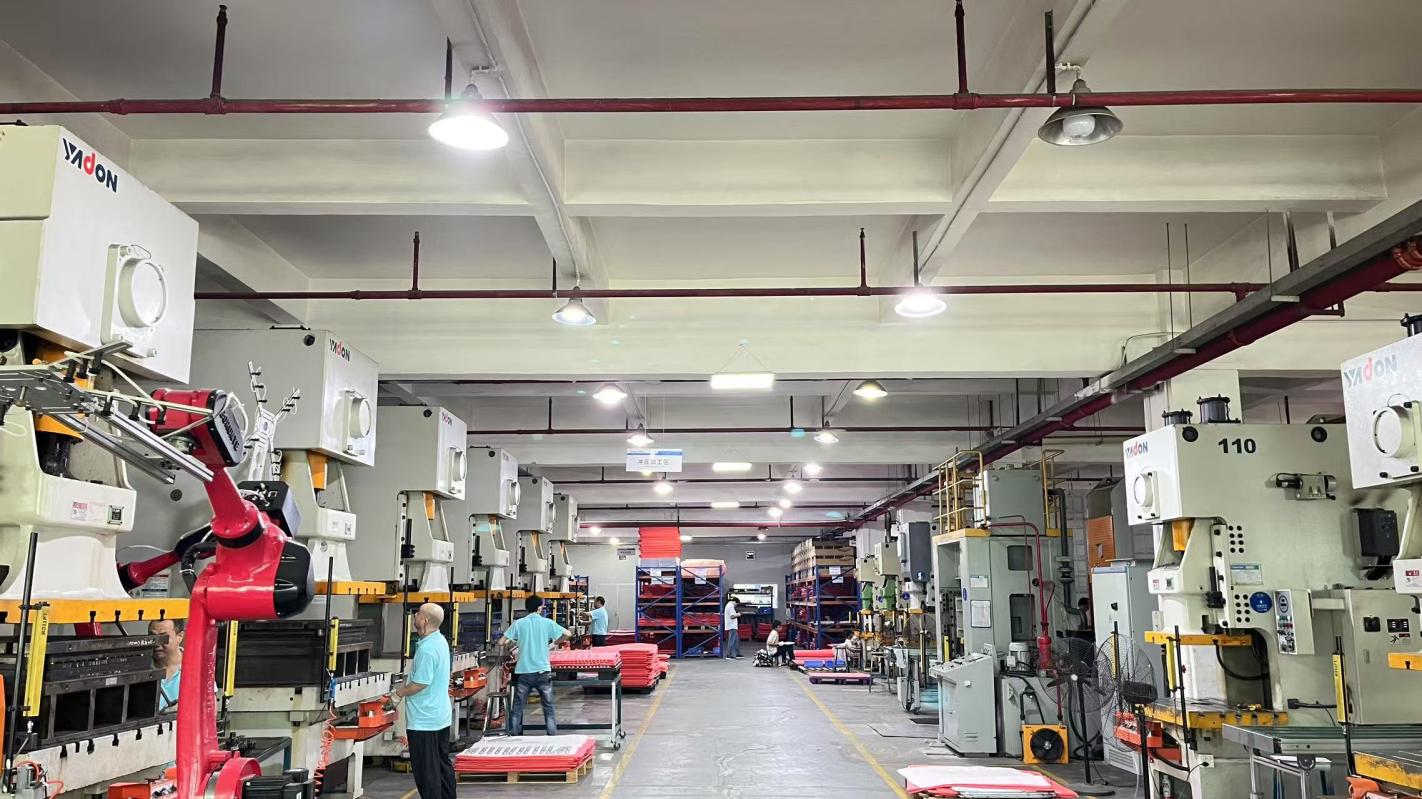
An inside look at our manufacturing partner facilities, advanced SMT precision assembly lines, reliability testing rooms, and component storage zones.
Get professional insights into server thermal design, component sourcing, and performance optimization.