Xeviora
Xeviora
Xeviora
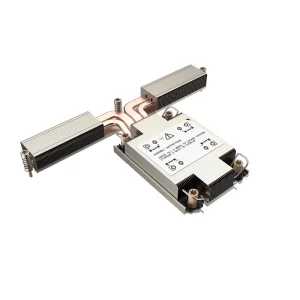
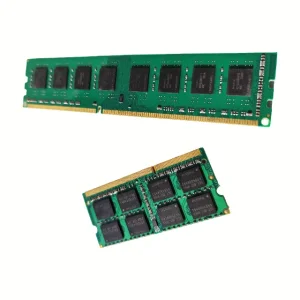
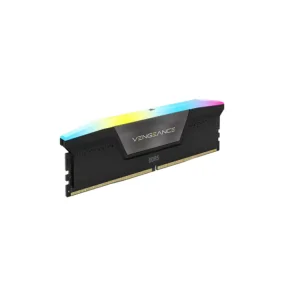
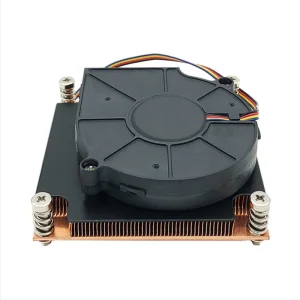
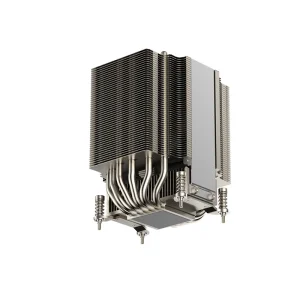
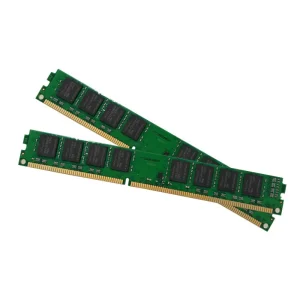
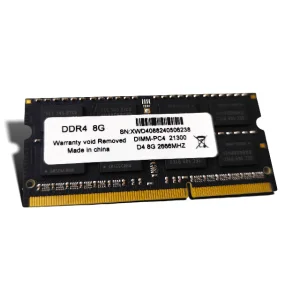
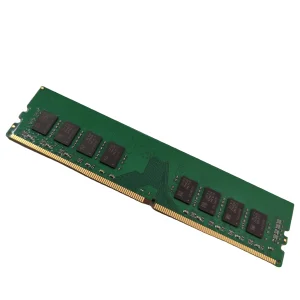
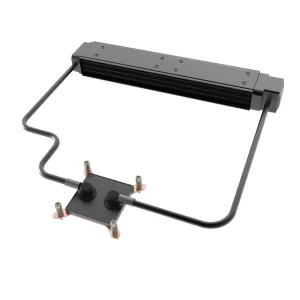
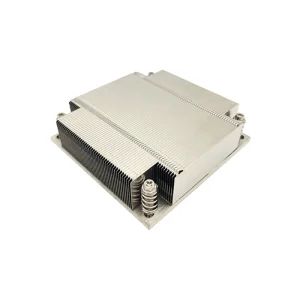
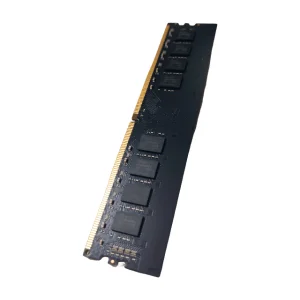
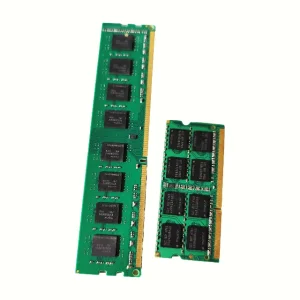
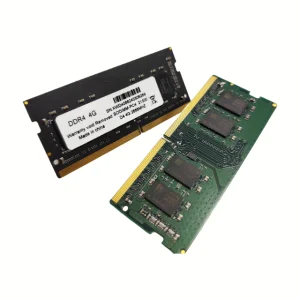
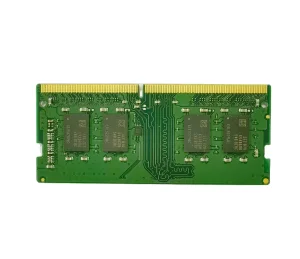
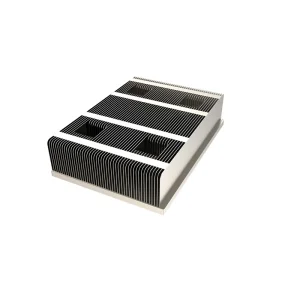
Highly optimized systems require robust infrastructure. Explore our high-demand computational memory modules, cooling arrays, and server components engineered to interoperate seamlessly with high-speed fiber-optic termination points.
In the era of hyper-scale datacenters, 5G deployments, and AI-driven workload spikes, optical fiber cables act as the neural system of the global digital economy. As demands transition from standard bandwidth towards ultra-low latency configurations, global procurements are increasingly focused on raw transmission speed, tensile durability, and thermodynamic adaptability.
Today's procurement strategies seek more than just basic fiber optic wire. Smart operators evaluate the total cost of ownership (TCO) by cross-referencing ITU-T optical specifications, fiber-count density, structural jacket options, and geopolitical exporter locations.
When evaluating suppliers, engineers use a range of standards. Below is a specification guide highlighting the critical metrics required for modern optical fiber installations:
| Fiber Type | Common Standards | Typical Attenuation (@1310/1550nm) | Ideal Application Contexts |
|---|---|---|---|
| G.652.D (Standard Single Mode) | ITU-T G.652.D | ≤ 0.34 / ≤ 0.20 dB/km | Long-haul transmission, metropolitan networks, general telecommunications backbones. |
| G.657.A1/A2 (Bend-Insensitive) | ITU-T G.657.A1/A2 | ≤ 0.35 / ≤ 0.21 dB/km | FTTH (Fiber to the Home), high-density patch panels, tight-corner building routings. |
| G.654.E (Ultra-Low Loss SM) | ITU-T G.654.E | ≤ 0.17 dB/km (@1550nm) | Super high-speed long-haul backbones, next-gen 400G/800G coherent transmission systems. |
| OM3 / OM4 / OM5 (Multimode) | ISO/IEC 11801 | ≤ 2.5 / ≤ 0.6 dB/km (@850/1300nm) | Short-reach local area networks (LAN), intra-cabinet datacenter switches, server cluster interlinks. |
Based on market share, technological patent capacity, manufacturing volume, and supply chain reliability, here is an objective analysis of the leading global manufacturers driving the optical fiber export sector in 2025.
As the global heavyweight in the cable systems industry, Prysmian operates dozens of production sites worldwide. Their proprietary BendBrightXS technology set new industry benchmarks for bend-insensitive fiber deployments.
The original inventor of low-loss optical fiber, Corning remains at the vanguard of materials science. Their SMF-28 series is universally referenced by telecommunication carriers globally for high-reliability networks.
YOFC offers the world's largest preform production base, specializing in G.654.E ultra-low-attenuation fiber preforms. They export vertically integrated optical fiber, cable, and modular connection materials to over 70 countries.
Hengtong is a major international exporter specializing in smart energy and smart ocean systems. Their marine optical cables and submarine communication networks form vital parts of transatlantic and transpacific grids.
Famous for high-precision optical fiber splicing machines and advanced multi-core optical systems. Sumitomo supplies ultra-high-density micro-cables designed for constrained urban utility duct installations.
Operating globally (specifically through OFS in the USA), Furukawa is a driving force behind ocean-floor communication architectures. Their focus on high-reliability, long-lifetime materials is backed by rigorous environmental labs.
ZTT specializes in overhead power line optical cables (OPGW - Optical Ground Wire) and ADSS (All-Dielectric Self-Supporting) cables, exporting robust transmission solutions to state grid systems globally.
CommScope leads inside the data center facility. Their SYSTIMAX structured cabling solutions and high-density fiber patching frameworks facilitate rapid scaling for multi-tenant server facilities.
Focusing heavily on sustainable cabling technologies, Nexans exports infrastructure solutions that comply with Europe's strict Construction Products Regulation (CPR) and B2ca fire performance classifications.
An emerging global exporter with strong roots in digital software and integration, STL focuses heavily on modular optical networks, combining pre-connectorized fiber drops with deep architectural planning software to streamline urban installations.
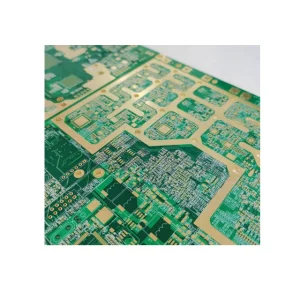
Modern telecommunication frameworks rely on high-speed transmission lines (optical fibers) feeding directly into high-density local processing units. This processing layer requires premium computing components like memory modules, cooling assemblies, and specialized multi-layer printed circuit boards (PCBs) to prevent processing bottlenecks.
Xeviora Memory Technology (China) Co., Ltd. is a professional DDR5 memory manufacturer and supplier based in China, specializing in high-performance RAM solutions for gaming, industrial, enterprise, and consumer applications. Established in 2017, the company has rapidly grown into a trusted OEM and ODM partner for global distributors, system integrators, and technology brands.
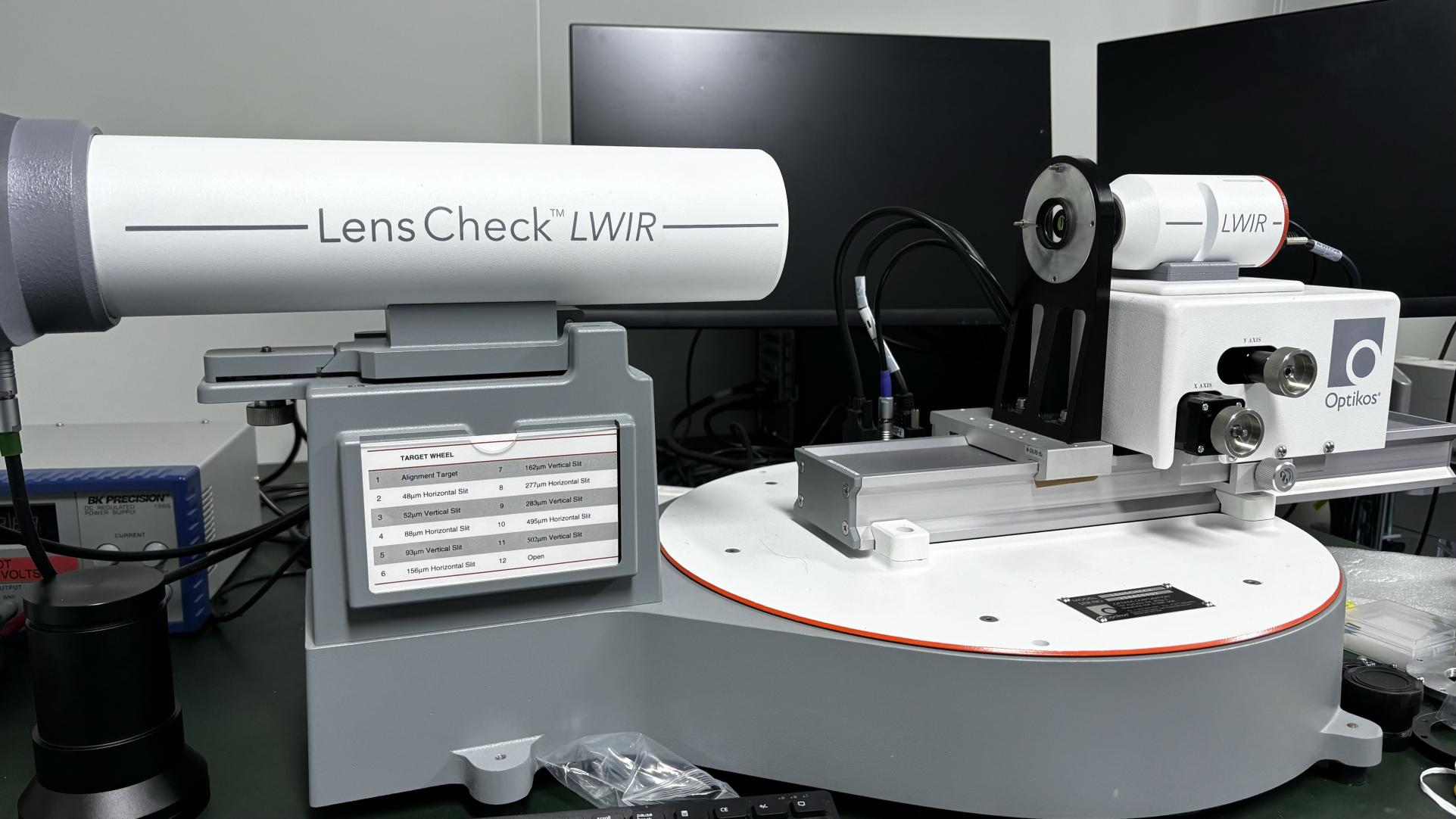
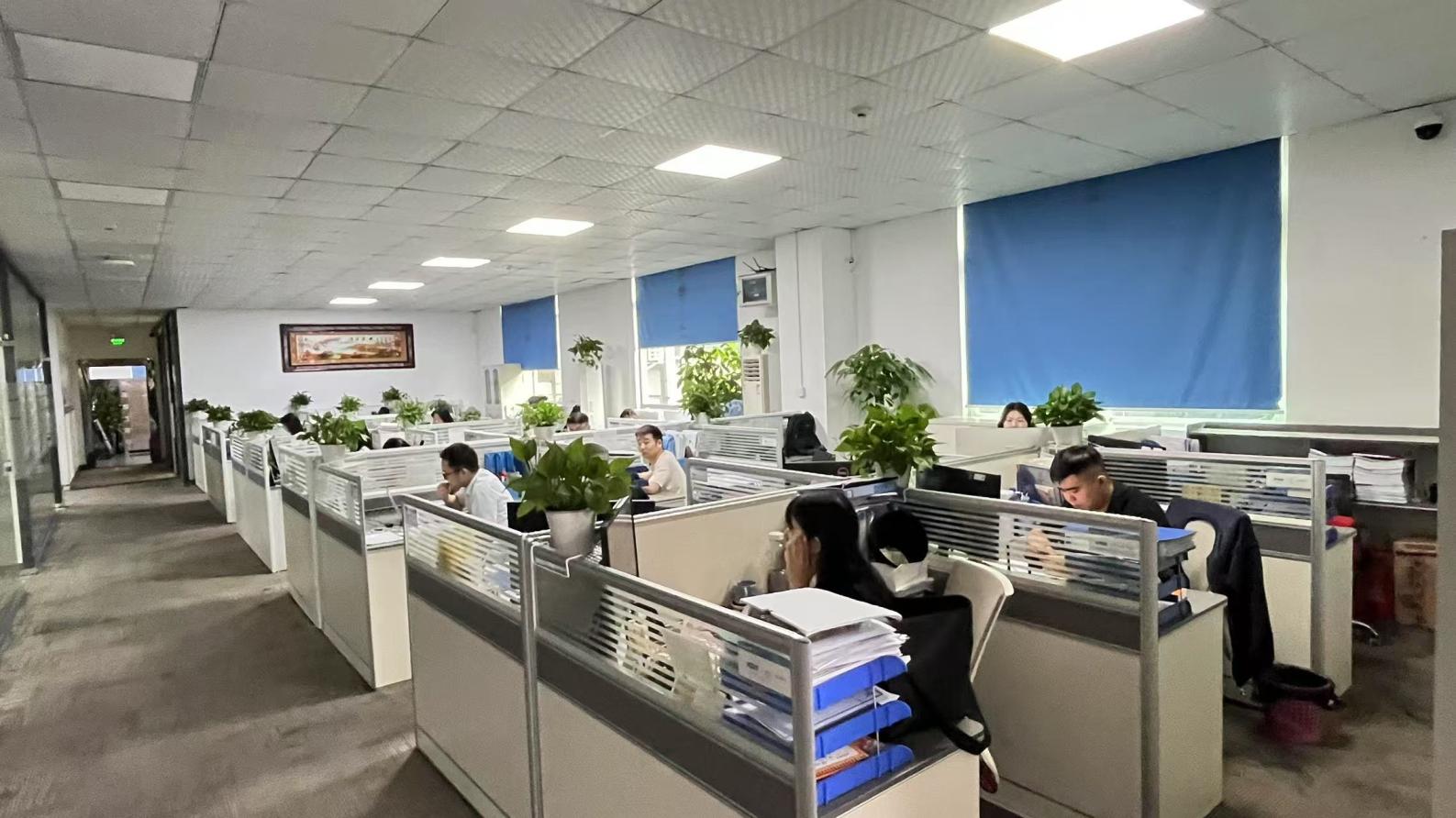
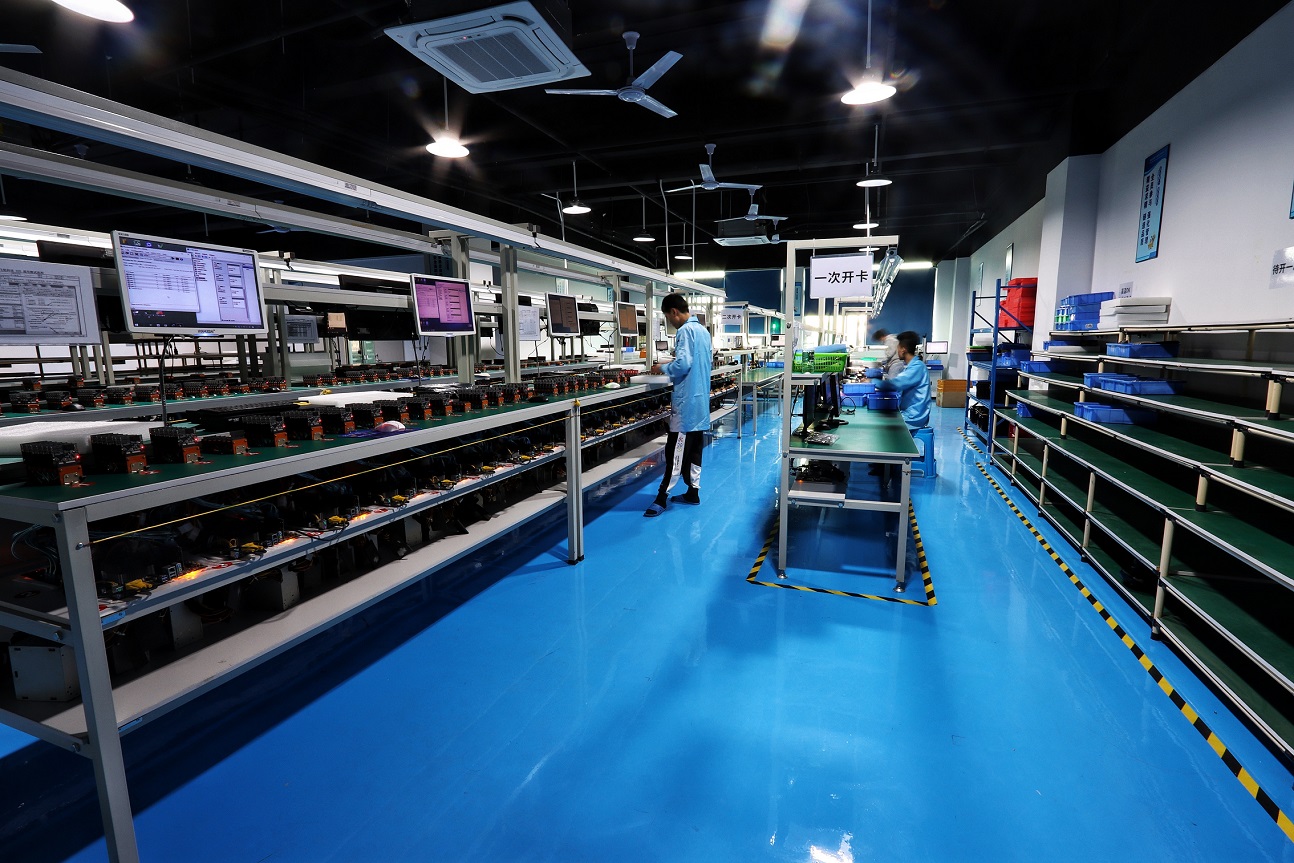
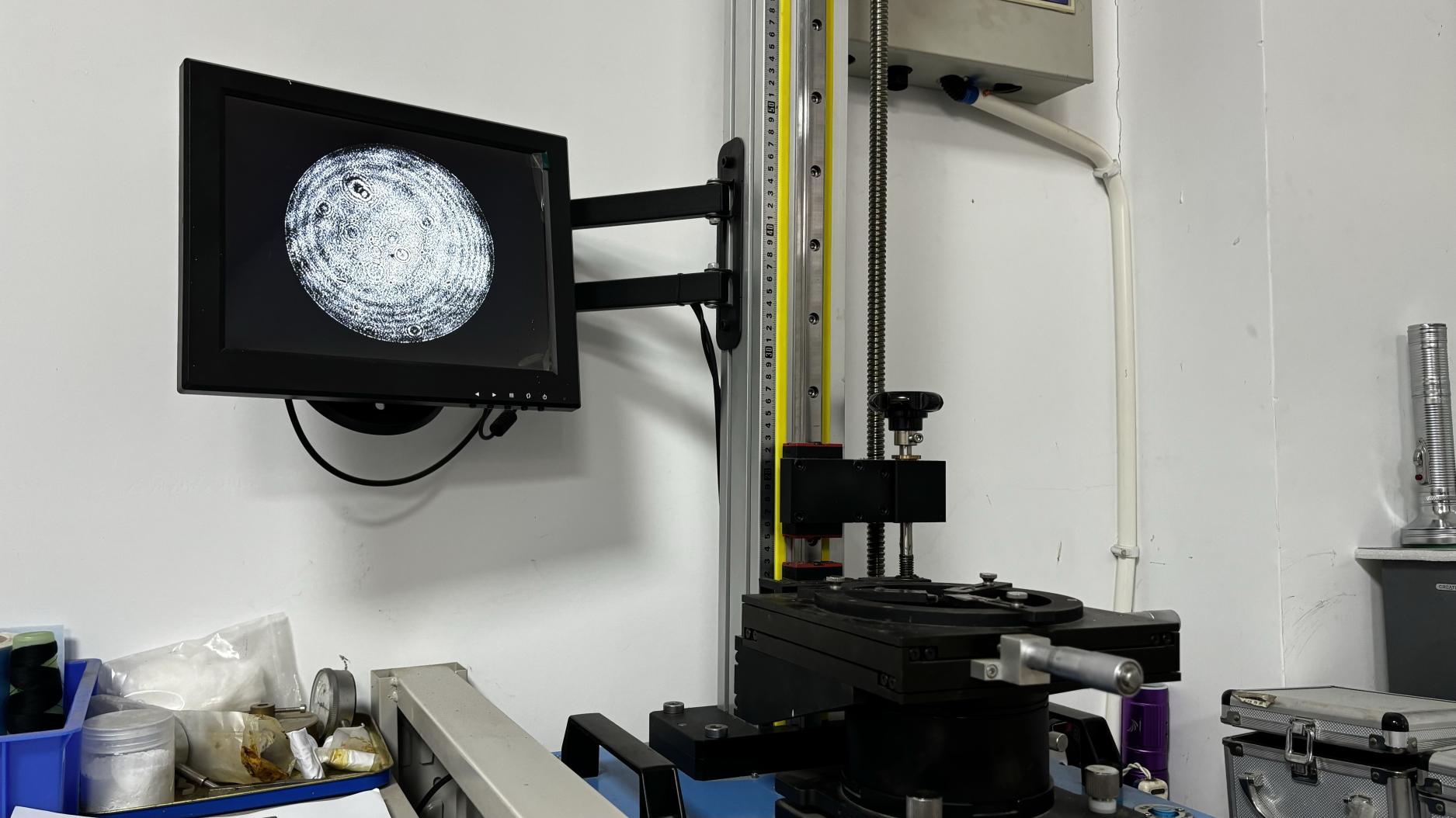
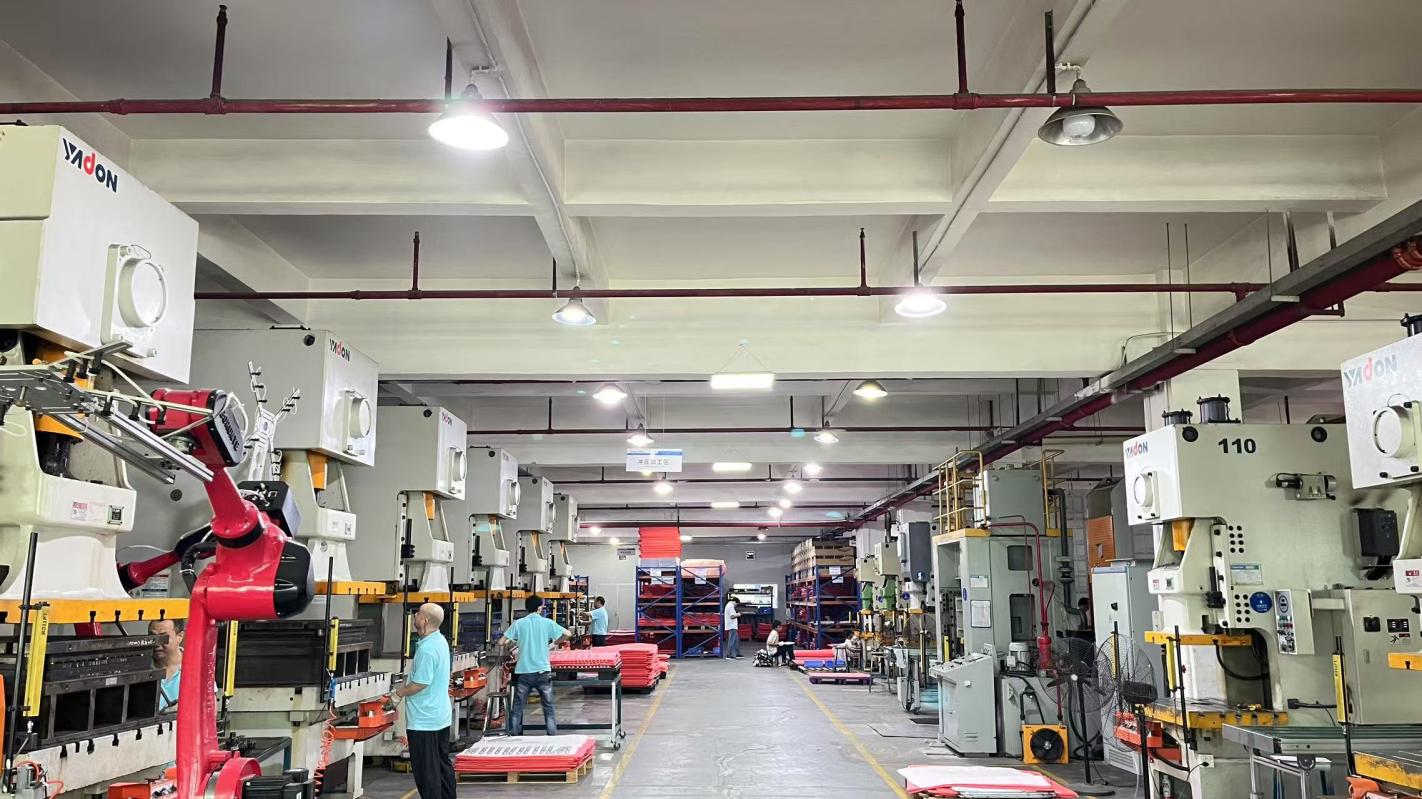
Our manufacturing facility covers 368 square meters and is equipped with advanced production and testing equipment to ensure stable quality and reliable performance. With an annual export revenue of over USD 18 million, Xeviora serves customers across North America, Europe, Southeast Asia, the Middle East, and South America.
Backed by 8 years of export experience and 12 years of industry expertise, we are committed to delivering innovative memory products that meet international quality standards. Our quality management system includes comprehensive incoming material inspection, in-process quality control, and final product testing. All products undergo automated functional testing, compatibility verification, performance validation, and aging tests before shipment. Our quality assurance team consists of 46 dedicated inspectors who ensure every module meets strict reliability requirements.
As a manufacturer with strong OEM and ODM capabilities, Xeviora works closely with more than 850 supply chain partners worldwide, enabling efficient sourcing, flexible production, and fast delivery. Our primary customers include wholesalers, distributors, e-commerce sellers, system builders, brand owners, and enterprise solution providers.
Innovation is at the core of our business. Supported by an experienced R&D team of 128 engineers, we continuously invest in new technologies and product development. Last year alone, we successfully launched 86 new memory products covering DDR5 gaming memory, industrial-grade memory modules, server memory solutions, and customized storage products.
We offer flexible customization services, including private labeling, logo printing, packaging design, specification customization, firmware optimization, and complete OEM/ODM development. Whether customers require standard memory modules or fully customized solutions, our team is dedicated to providing reliable products, competitive pricing, and professional technical support.
At Xeviora, our mission is to empower global customers with advanced memory technology, dependable manufacturing, and long-term business partnerships built on quality, innovation, and trust.
Shipping high-density cables across continents involves managing cross-border logistics and compliance standards. Exporters must meet localized fire safety and environmental metrics to prevent dynamic shipping delays.
All cables permanently installed in European buildings must bear a CE mark under the Construction Products Regulation (CPR). These are categorized into classes like B2ca (high safety), Cca, Dca, or Eca based on heat emission, flame spread, and smoke toxicity.
To protect human health and the environment, exporters must certify that optical fibers, protective outer jackets, and gel fillings do not exceed allowed limits of hazardous chemicals (such as heavy metals, phthalates, and lead compounds).
While global companies follow the ITU-T series (like G.652 or G.657), North American carriers often demand Telcordia GR-409-CORE standards for indoor fiber cabling. Selecting a supplier with dual certification prevents compatibility issues during system verification.
The telecom sector is approaching physical limits with single-core silica optical fibers. The path forward involves two main fields of research: Multi-Core Fibers (MCF) and Co-Packaged Optics (CPO).
Multi-Core Fiber (MCF): By sending light signals down multiple parallel cores in a single glass cladding, MCF multiplies a single cable run's data-carrying capacity. This is critical for connecting hyper-scale server farms where space in utility ducts is limited.
Co-Packaged Optics (CPO): This technology moves optoelectronic conversion directly onto the silicon substrate with the processor, minimizing electrical trace lengths and power requirements. High-density fiber ribbon systems plug straight into the ASIC assembly, reducing latency.
Explore our technical hardware catalog, featuring server cooling solutions, high-speed RAM modules, and performance-tested PCBs designed to support demanding network and data workloads.