Xeviora
Xeviora
Xeviora
High-performance server memory, industrial liquid coolers, and custom flexible PCBs engineered to support high-throughput data analysis tools.
As big data analytics engines evolve from simple batch-processing routines to real-time predictive modeling, machine learning inference, and complex edge processing, the underlying hardware architecture faces intense pressure. Traditional storage and memory infrastructures are struggling to keep up with the extreme data throughput demand.
“Without massive memory bandwidth, advanced liquid cooling, and tailored signal integrity on specialized printed circuit boards, even the most sophisticated data analysis software experiences severe performance bottlenecks.”
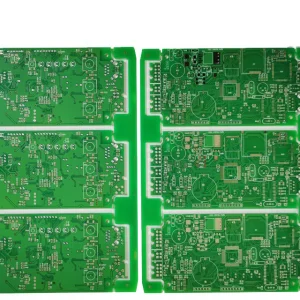
For custom OEM/ODM manufacturers of data analysis tools and hardware systems, engineering modules that minimize latency and optimize thermal dissipation is crucial. Enterprise deployments now depend on high-density DDR5 technology, highly optimized multi-layer printed circuit boards, and thermal solutions designed for 400W+ TDP processors to guarantee data throughput without computing errors.
Decentralized architectures, cloud service expansion, and industrial automation are driving the demand for specialized, custom-designed hardware.
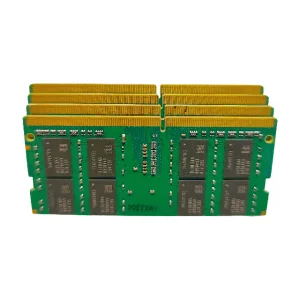
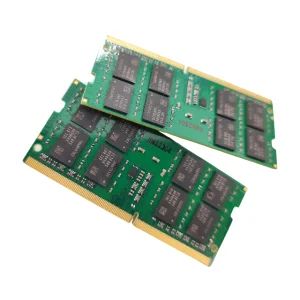
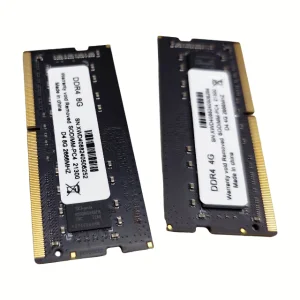
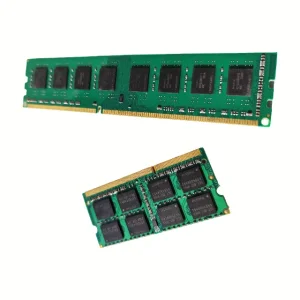
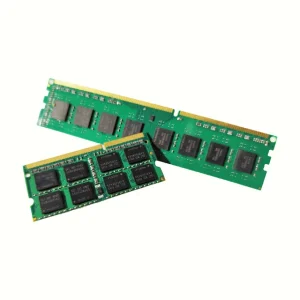
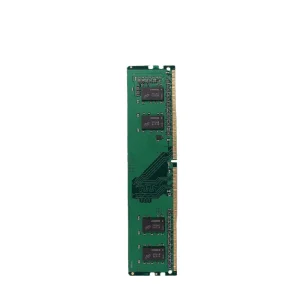
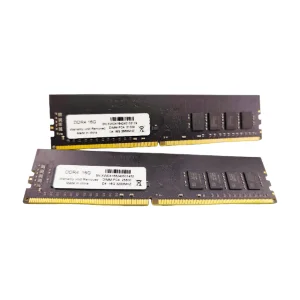
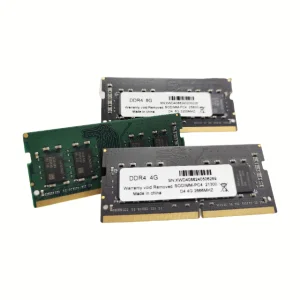
Procurement teams require compact, high-density memory modules (UDIMM, SODIMM, RDIMM) to maximize memory density per rack unit, reducing total cost of ownership (TCO) in modern hyperscale data analysis centers.
In telemetry, IoT diagnostics, and finance, data integrity is critical. Global systems integrators demand memory modules with rigorous burn-in validation, low-temperature coefficients, and proven MTBF margins.
From custom BIOS settings and firmware optimization to specialized PCB dimensions and proprietary heatsink colors, developers of custom OEM data analysis platforms require comprehensive ODM/OEM capabilities.
The manufacturing ecosystem of China has progressed beyond basic high-volume assembly into the era of intelligent Factory 4.0 production. At Xeviora Memory Technology (China) Co., Ltd., we combine precision component sourcing, advanced Surface Mount Technology (SMT) lines, and automated functional testing to build a resilient, high-yield supply chain.
Our intelligent factory configuration manages everything from raw material intake to final system validation. This ensures short production cycles and strict adherence to international quality standards.
By keeping strategic components in stock, including DRAM chips from Tier-1 silicon foundries, high-Tg dielectric substrates, and high-conductivity thermal copper elements, we protect our global supply chain from market price swings and sudden component shortages. For our international OEM partners, this means reliable delivery timelines and consistent wholesale pricing.
Comprehensive incoming materials inspection (IQC), automated optical inspection (AOI) during SMT assembly, and in-circuit testing (ICT) guarantee zero-defect yields on our memory and PCB modules.
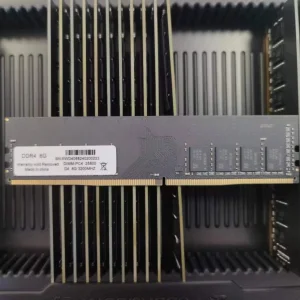
Every server memory module undergoes testing on major motherboard architectures (Intel Xeon, AMD EPYC) and experiences temperature cycling in aging chambers to verify performance in harsh industrial environments.
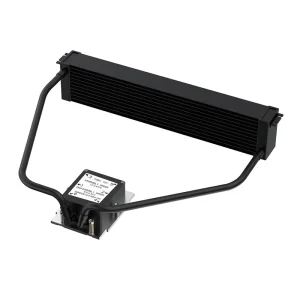
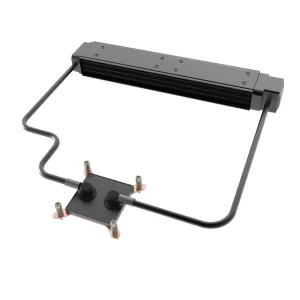
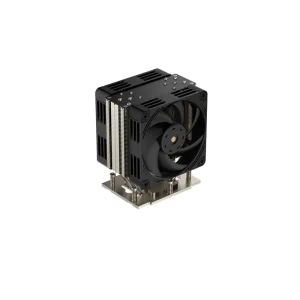
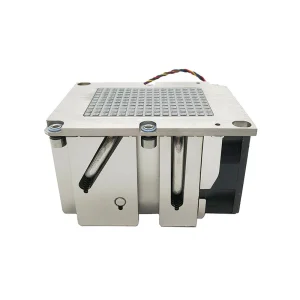
Our cooling solutions (heatsinks, liquid radiators) are designed using simulated thermal fluid dynamics and validated under real thermal loads of up to 400W TDP, ensuring system stability during intensive computing cycles.
R&D Engineers
Dedicated Inspectors
Global Partners
Annual Export Revenue
From edge computing to centralized enterprise server farms, our tailored hardware components power real-time data analysis systems around the world.
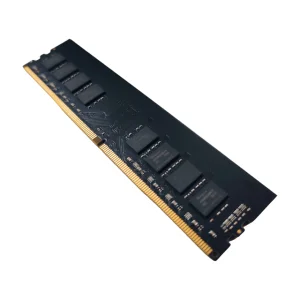
For large-scale neural network training and data warehousing, our SP5/LGA3647 cooling modules and high-speed RDIMMs maintain low server rack operating temperatures and reduce memory bus bottlenecks under constant processing loads.
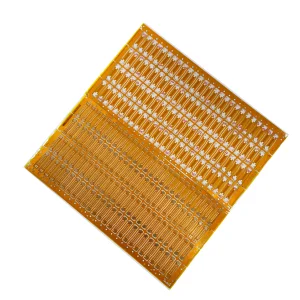
Deployed in edge diagnostic gateways, automated production systems, and remote sensing equipment. Features low-profile ECC SODIMMs and custom flexible FPCs that resist heat, vibration, and dust in factories and fields.
Incorporates custom multi-layer PCBs and specialized FPC keyboard control interfaces to ensure fast keystroke registration and data transfer in fast-paced distribution hubs, smart warehouses, and sorting facilities.
Xeviora Memory Technology (China) Co., Ltd. is a professional DDR5 memory manufacturer and supplier based in China, specializing in high-performance RAM solutions for gaming, industrial, enterprise, and consumer applications. Established in 2017, the company has rapidly grown into a trusted OEM and ODM partner for global distributors, system integrators, and technology brands.
Our manufacturing facility covers 368 square meters and is equipped with advanced production and testing equipment to ensure stable quality and reliable performance. With an annual export revenue of over USD 18 million, Xeviora serves customers across North America, Europe, Southeast Asia, the Middle East, and South America.
Backed by 8 years of export experience and 12 years of industry expertise, we are committed to delivering innovative memory products that meet international quality standards. Our quality management system includes comprehensive incoming material inspection, in-process quality control, and final product testing. All products undergo automated functional testing, compatibility verification, performance validation, and aging tests before shipment. Our quality assurance team consists of 46 dedicated inspectors who ensure every module meets strict reliability requirements.
As a manufacturer with strong OEM and ODM capabilities, Xeviora works closely with more than 850 supply chain partners worldwide, enabling efficient sourcing, flexible production, and fast delivery. Our primary customers include wholesalers, distributors, e-commerce sellers, system builders, brand owners, and enterprise solution providers.
Innovation is at the core of our business. Supported by an experienced R&D team of 128 engineers, we continuously invest in new technologies and product development. Last year alone, we successfully launched 86 new memory products covering DDR5 gaming memory, industrial-grade memory modules, server memory solutions, and customized storage products.
We offer flexible customization services, including private labeling, logo printing, packaging design, specification customization, firmware optimization, and complete OEM/ODM development. Whether customers require standard memory modules or fully customized solutions, our team is dedicated to providing reliable products, competitive pricing, and professional technical support.
At Xeviora, our mission is to empower global customers with advanced memory technology, dependable manufacturing, and long-term business partnerships built on quality, innovation, and trust.
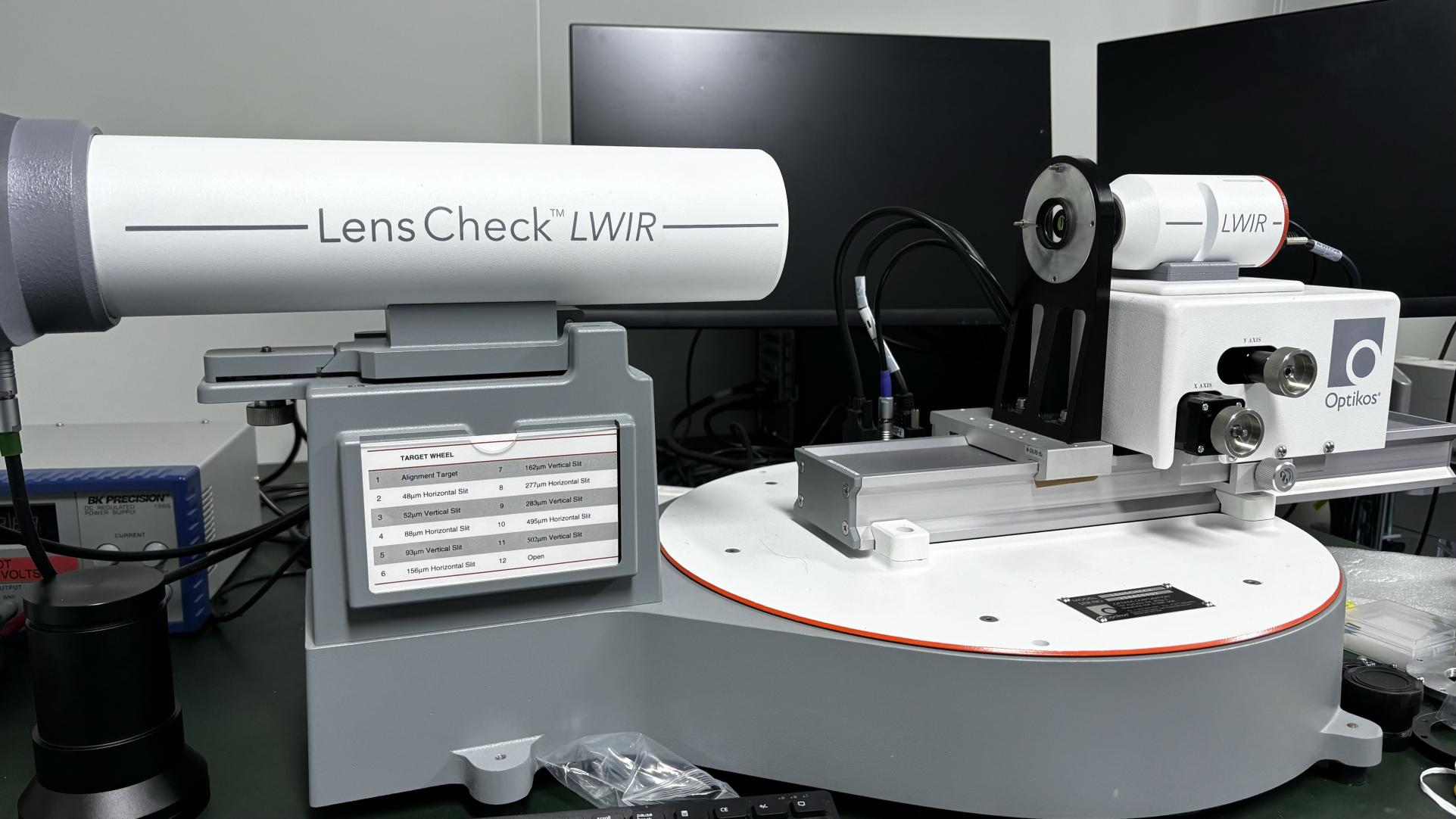
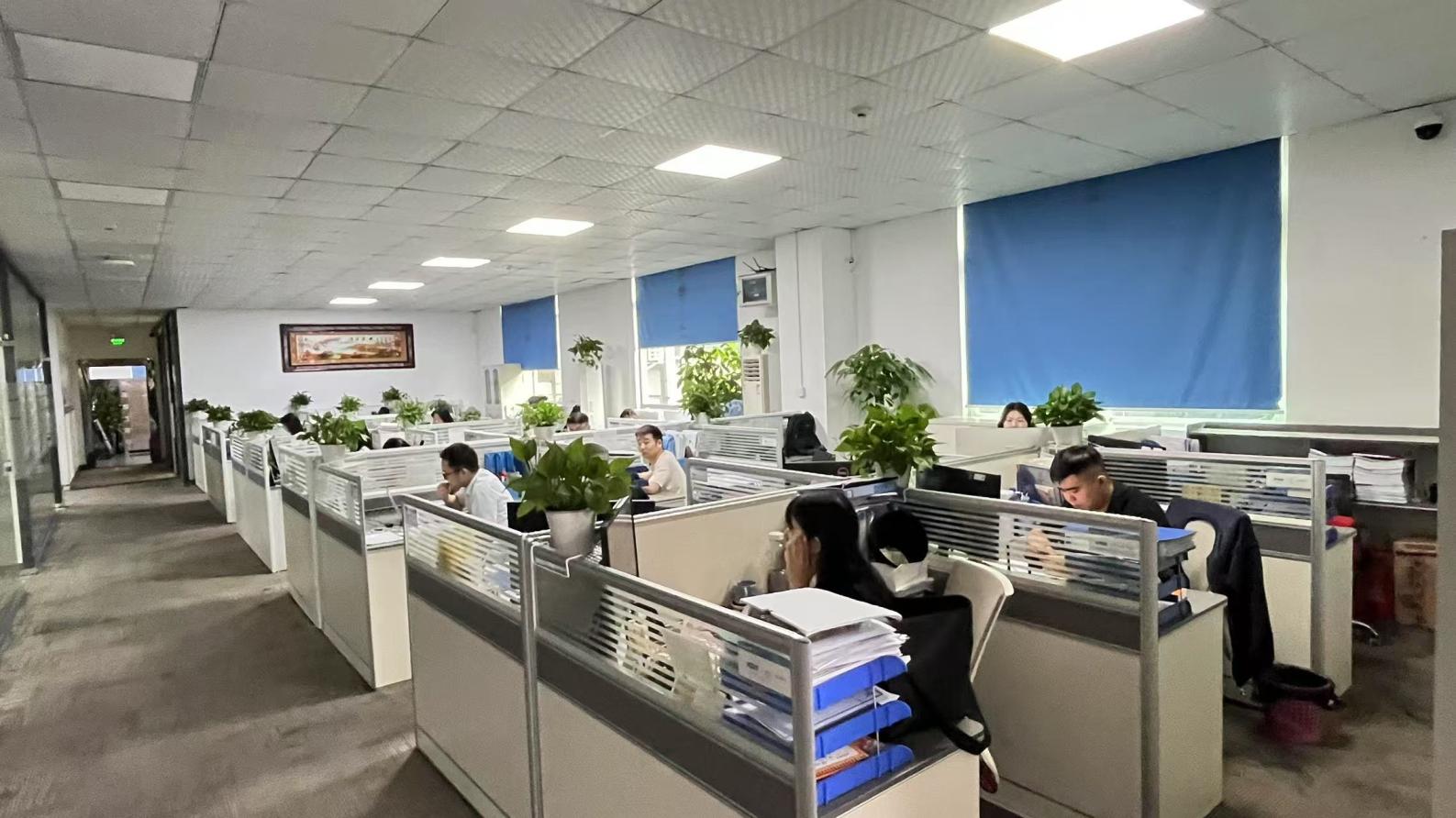
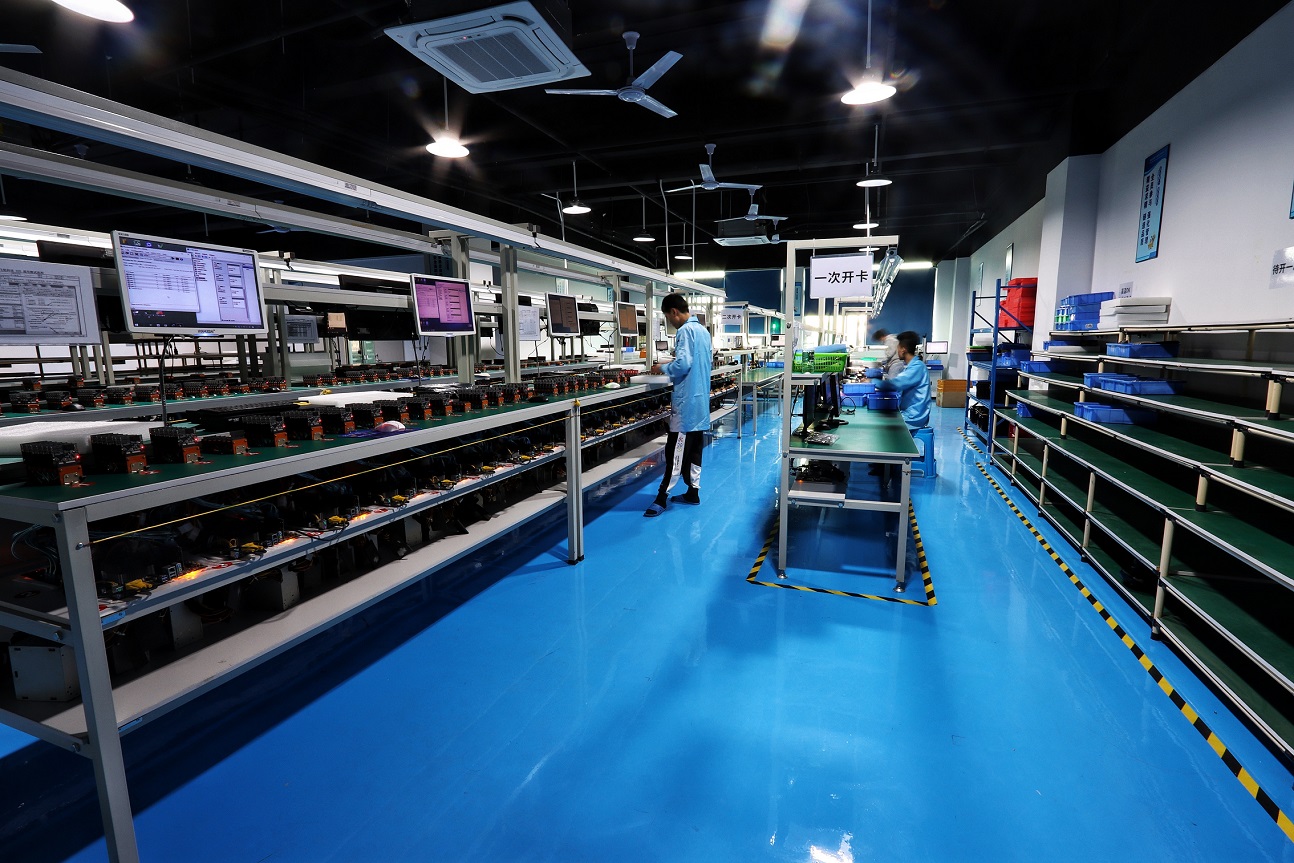
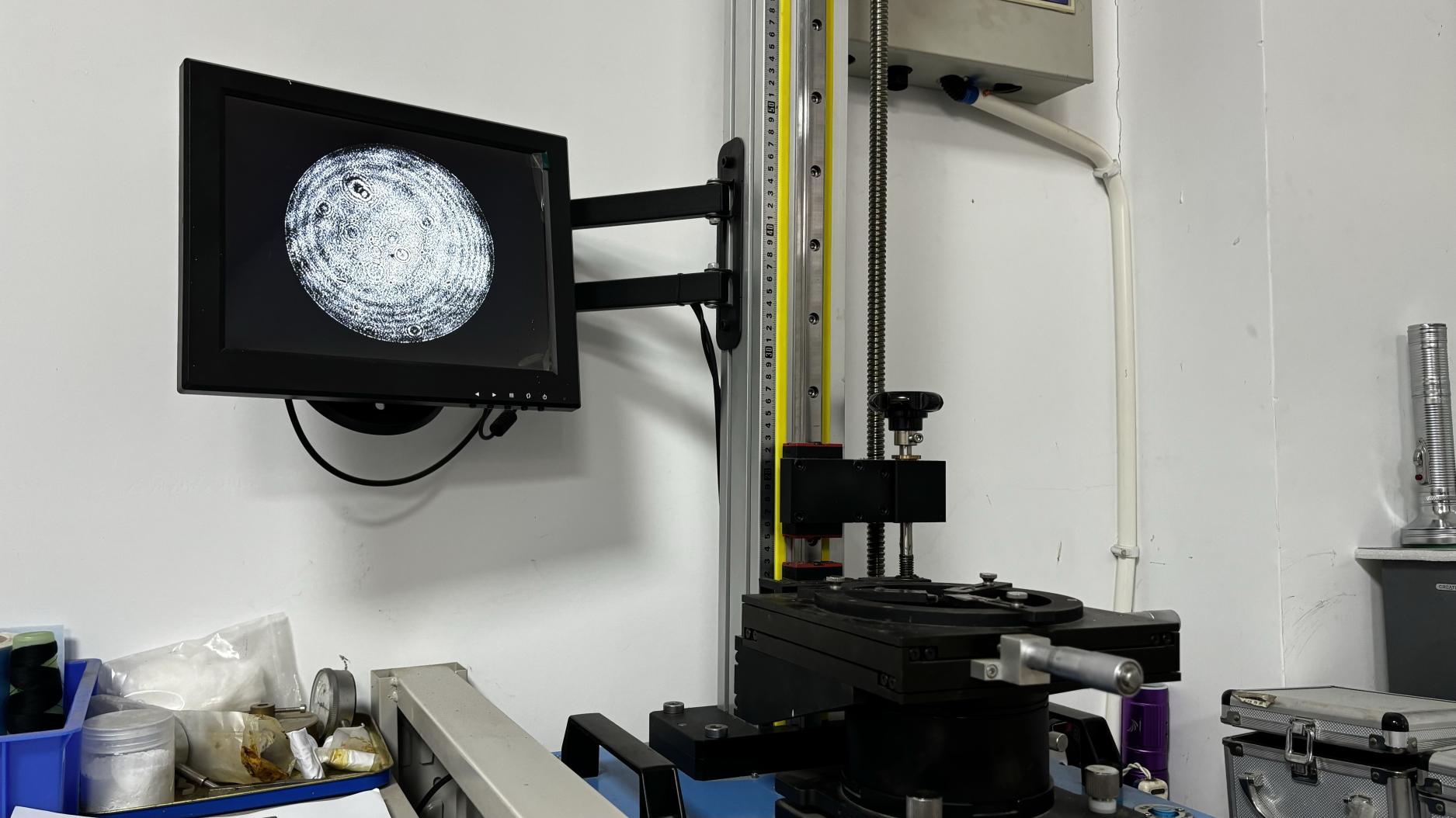
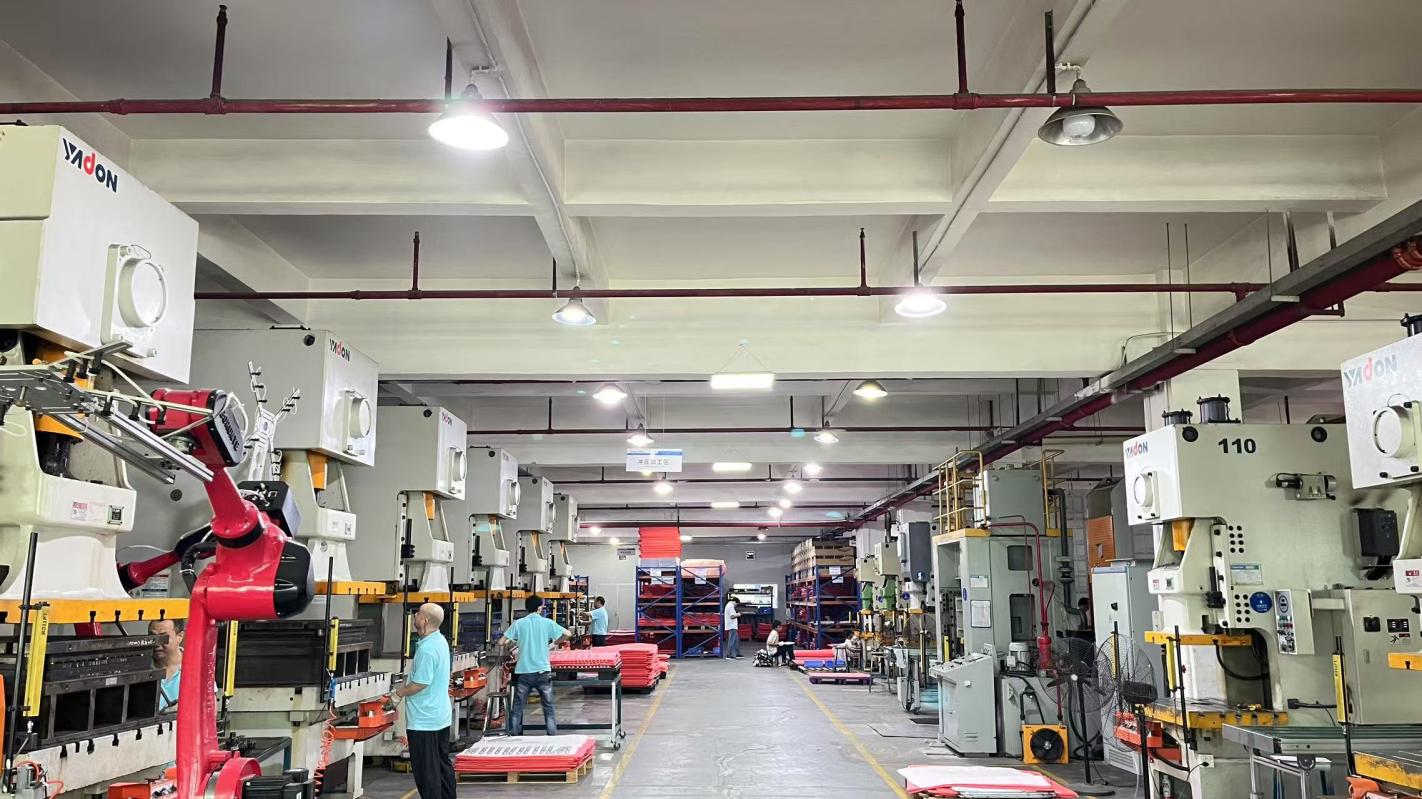
Engineered to support computing operations under continuous workloads, providing stable thermal profiles and high read/write speeds.
Technical details and answers regarding our OEM memory design, custom PCBs, and high-performance server thermal technologies.
Memory speed directly determines the maximum data throughput between the processor and the database. When running real-time analytics or training machine learning models, higher speeds (like DDR5 at 4800–6400MHz) prevent CPU core starvation, ensuring calculations finish quickly without bottlenecks.
ECC (Error-Correcting Code) memory detects and corrects single-bit memory errors on the fly. This prevents system crashes and data corruption under continuous processing loads. Standard non-ECC memory does not offer this protection, making ECC vital for enterprise servers and industrial control units.
Our cooling components, including the SP5 and LGA3647 heatsinks, are built for high thermal loads (up to 400W TDP). We test these modules using thermal wind tunnels and specialized diagnostic sensors to verify optimal temperature profiles under peak CPU performance conditions.
We offer customization across several design and hardware levels, including custom PCB layout and sizing, custom heatsink branding, targeted memory configurations (latency and frequency profiles), tailored firmware compatibility, and customized retail packaging.
Polyimide offers strong thermal stability, chemical resistance, and flexibility. This makes it ideal for dense layouts where routing paths must bend around corners without breaking copper traces, especially in small telemetry units and data interfaces.
Our validation labs maintain a testing matrix of older and newer server motherboards (including DDR4 configurations at 1600MHz to 3200MHz). This allows our team to run real-world tests on older chipsets, ensuring high reliability across various configurations.