Xeviora
Xeviora
Xeviora
Discover our comprehensive range of high-performance memory modules, precision cooling components, and advanced PCB systems engineered with proprietary surface protection and ruggedized nanotechnologies.
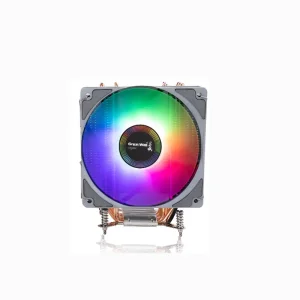
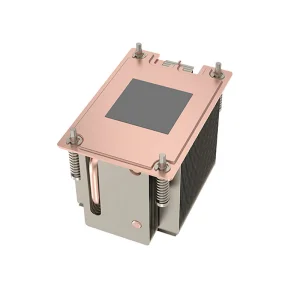
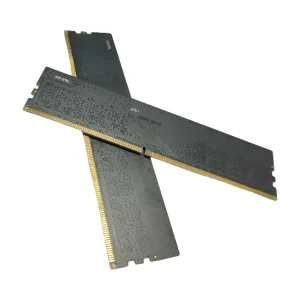
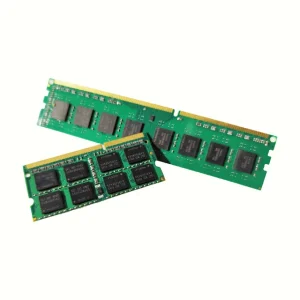
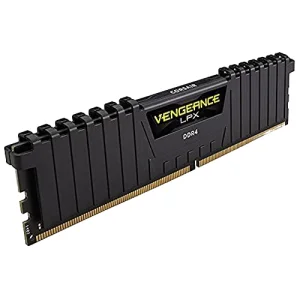
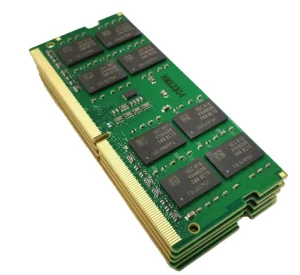
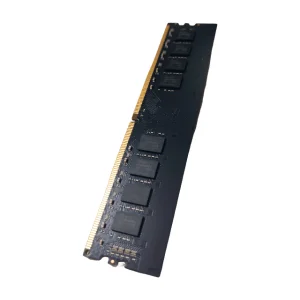
A technical examination of surface modification technologies in high-density memory modules, copper-aluminum heat sinks, and advanced semiconductor packaging.
In the contemporary globalized electronics supply chain, reliability is no longer an option—it is a critical commercial determinant. As systems shrink and density increases, electronic components face unprecedented exposures to environmental hazards: chemical corrosion, humidity, fine dust particulate matter, and localized thermal spikes. Under the E-E-A-T (Experience, Expertise, Authoritativeness, and Trustworthiness) framework, this document serves as a guide to understanding how advanced nano-coating technologies safeguard components, mitigate risk, and scale manufacturing output.
At Xeviora Memory Technology (China) Co., Ltd., we recognize that raw computing power must be paired with physical ruggedization. Operating as an industry-leading DDR5 memory manufacturer, OEM/ODM partner, and developer of advanced thermal architectures, we have integrated state-of-the-art physical vapor deposition (PVD) and molecular-level liquid coating systems into our industrial-grade components. This integration protects high-speed silicon dies, high-density storage cells, and high-conductivity copper and aluminum heatsinks, ensuring uninterrupted performance in aerospace, marine, edge-computing, and enterprise data center environments.
The global transition towards automation, smart grids, and electric vehicle (EV) infrastructure has pushed high-performance computing elements out of climate-controlled server rooms and into harsh outdoor environments. Standard conformal coatings like acrylics and polyurethanes, while effective historically, introduce non-trivial problems in high-density components. They are typically applied at thicknesses of 25 to 125 microns, which can trap heat, alter high-frequency impedance, and crack under extreme thermal cycling.
Modern micro-electronics, including DDR4/DDR5 memory modules, high-frequency RF PCBs (such as Rogers 4000 series or Shengyi FR4), and multi-tube copper-aluminum heat sinks, require a protective layer that is measured on the nanometer scale (typically 10nm to 1000nm). This atomic-level barrier blocks gas, moisture, and corrosive compounds without modifying the electric impedance, RF transmission coefficients, or thermal interface performance. Advanced nano-coatings provide high dielectric strength, exceptional water contact angles (hydrophobicity >110°), and oleophobic defense, representing a significant advancement in electronic component protection.
Understanding the chemical structures and physical processes behind vacuum deposition, fluorinated liquid barriers, and self-assembling monolayers.
To design an optimized system protection framework, industrial designers must weigh the performance, cost, and throughput metrics of various nanostructured interfaces. Below, we break down the three primary technological routes utilized by modern China wholesale suppliers and factories to deliver enterprise-grade component ruggedization.
Utilized extensively for semiconductor packaging and multi-layered PCB applications. Operates under low pressure where gaseous monomers are excited by radio-frequency energy into a plasma state, resulting in a highly uniform cross-linked thin film with excellent pinhole-free coverage and adhesion properties.
Engineered for applications requiring hydrophobicity and oleophobicity. Applied via low-viscosity liquid-phase dip processes, these materials bond with metallic oxide surfaces (copper heatsinks, solder joints) to form a barrier that repels water molecules and resists chemical attacks from sulfur and salt spray.
Organo-silicon or thiol-based molecules that spontaneously organize into single-layer molecular arrays on target substrates. Offering ultra-thin dimension metrics (<5nm), SAMs preserve electrical contact capabilities on test points and connector interfaces while preventing metal oxidation.
| Property Parameter | PECVD (Gaseous) | Fluorinated Solution (Liquid) | Self-Assembled Monolayers (SAMs) |
|---|---|---|---|
| Film Thickness Range | 100 nm – 2000 nm | 100 nm – 10 µm | 2 nm – 10 nm |
| Hydrophobic Contact Angle | 105° – 115° | 110° – 120° | 100° – 110° |
| Dielectric Strength (V/µm) | > 250 V/µm | > 120 V/µm | N/A (Ultra-thin, non-insulating) |
| Thermal Resistance Impact | Negligible (< 0.05 K/W) | Very Low | Zero Impact |
| Primary Target Application | High-Reliability PCBs & Server RAM | Copper Aluminum Heat Sinks | Gold-plated Connector Pins |
Examining how nano-coating technologies are applied to industrial components, system electronics, and cooling systems manufactured at our facilities.
Applying nanoscale surface modifications directly relates to the longevity of everyday compute systems. Let's analyze how Xeviora integrates these advanced materials across our core product portfolios to serve OEM and ODM partners globally.
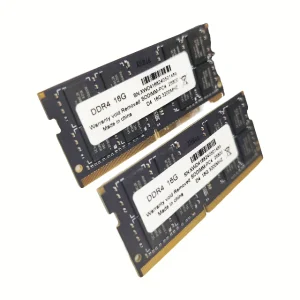
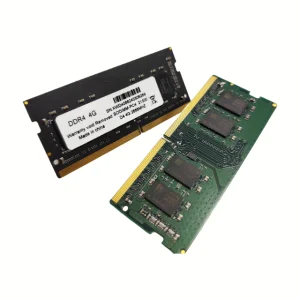
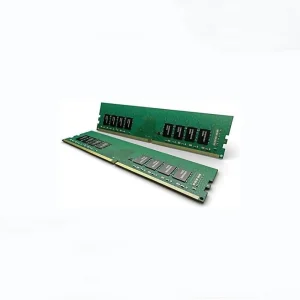
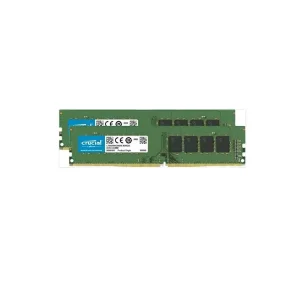
High-frequency memory operates under tight spatial configurations on motherboards, leaving components vulnerable to airborne contaminants. When atmospheric humidity mixes with sulfur compounds, it can lead to micro-dendrite growth between solder bumps, causing catastrophic electrical shorts. By applying a nanometer-scale hydrophobic layer over our DDR5 gaming and industrial-grade memory modules, we isolate critical traces from ambient moisture without impacting the high-frequency impedance parameters of 3200MHz to 5600MHz signals. This protection ensures long-term performance and reliability in diverse environmental conditions.
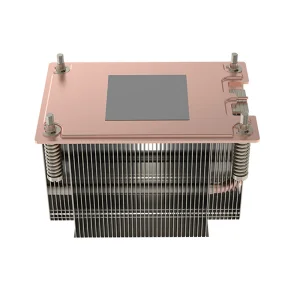
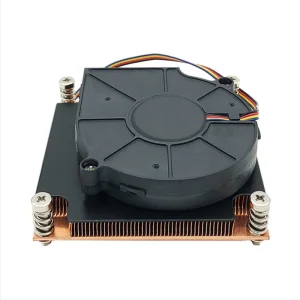
In high-power systems, such as 220W air-cooled Intel LGA1700 or AM5 server processors, copper heat pipes and aluminum fins are prone to oxidative degradation. An oxidized metallic interface suffers from reduced thermal conductivity, which degrades cooling efficiency. Traditional anti-corrosion coatings are thick and insulate the metal, reducing performance. In contrast, our factory applies a cross-linked nano-film to our multi-tube copper-aluminum heat sinks. This coating protects against salt spray and moisture while maintaining the thermal interface performance of the system.
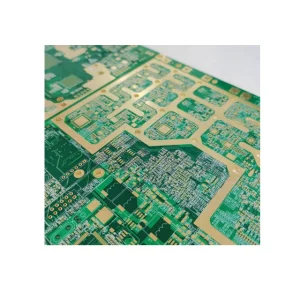
High-frequency PCBs, including Rogers 4000 and Shengyi FR4 high-TG configurations, require highly stable dielectric parameters. Standard conformal coatings can alter the board's dielectric constant, leading to signal attenuation. Our specialized nano-coating processes provide a uniform, pinhole-free layer that maintains the dielectric properties of the circuit traces, ensuring clean signal paths even in high-humidity or corrosive industrial environments.
Demonstrating manufacturing expertise, R&D investments, and systematic quality assurance processes.
Xeviora Memory Technology (China) Co., Ltd. is a dedicated manufacturer and supplier of memory and thermal hardware, integrating advanced nanocoating processes to deliver reliable, high-performance solutions. Established in 2017 and built on a foundation of 12 years of industry experience and 8 years of export operations, we provide reliable electronic components and system-level protection designs for system builders and technology partners worldwide.
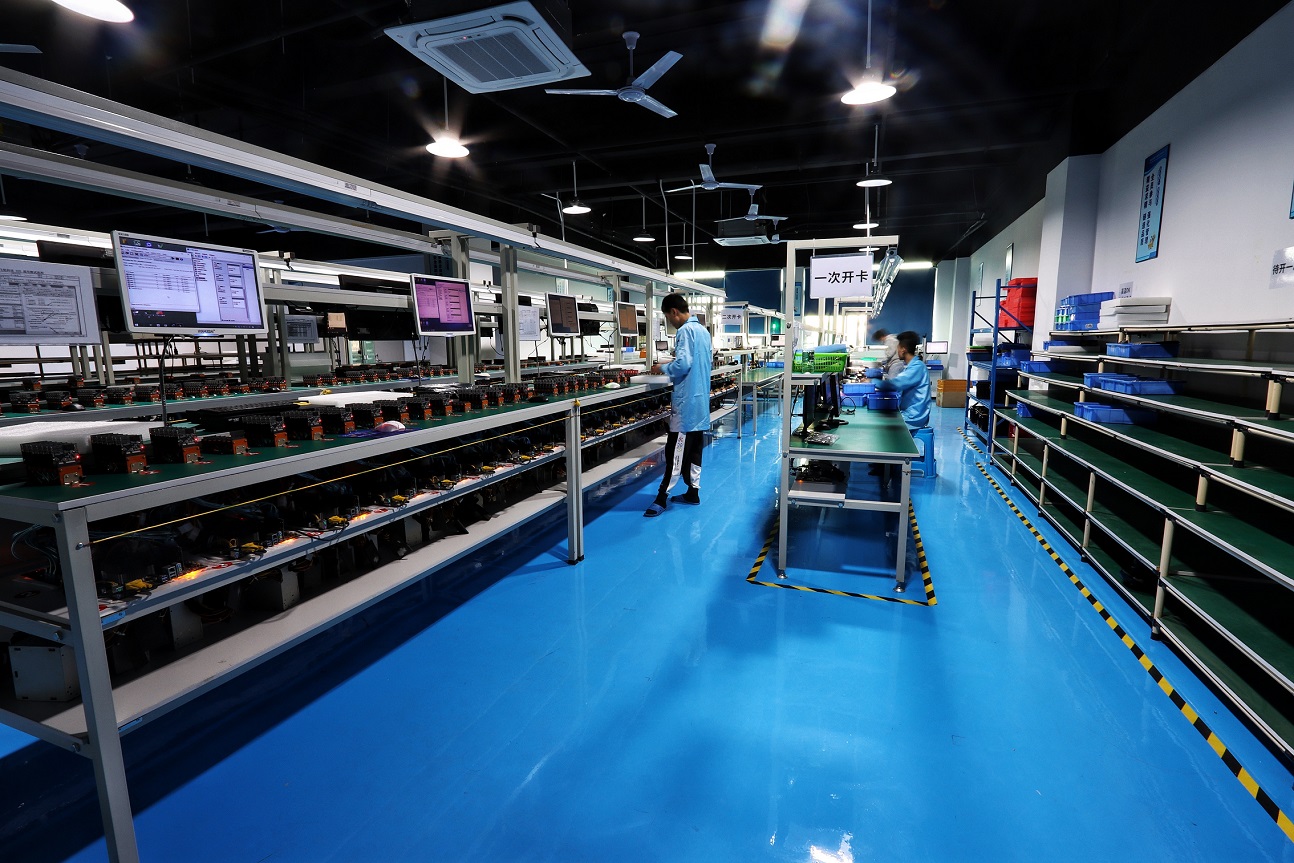
Our manufacturing facility spans a 368-square-meter footprint and features ISO-certified cleanrooms and automated testing lines. This infrastructure supports steady volume production and high quality standards. Our global export operations generate an annual revenue of over USD 18 million, serving clients across North America, Europe, Southeast Asia, the Middle East, and South America.
To support high performance, our R&D team of 128 engineers focuses on developing functional materials and integrating them with hardware components. Last year, we developed and launched 86 new products, including specialized DDR5 gaming memory modules, industrial-grade storage units, and high-capacity cooling systems designed for extreme operating environments.
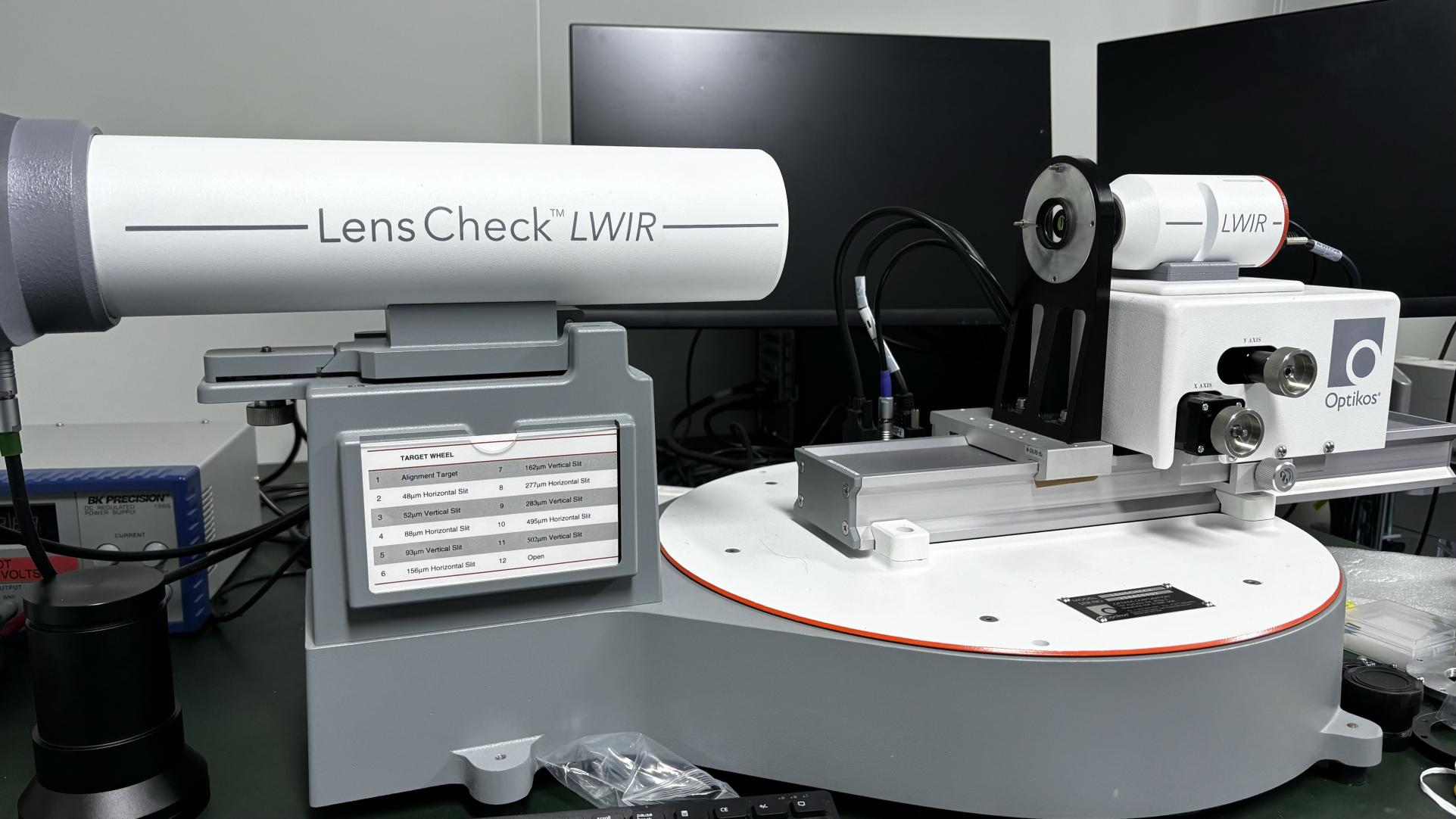
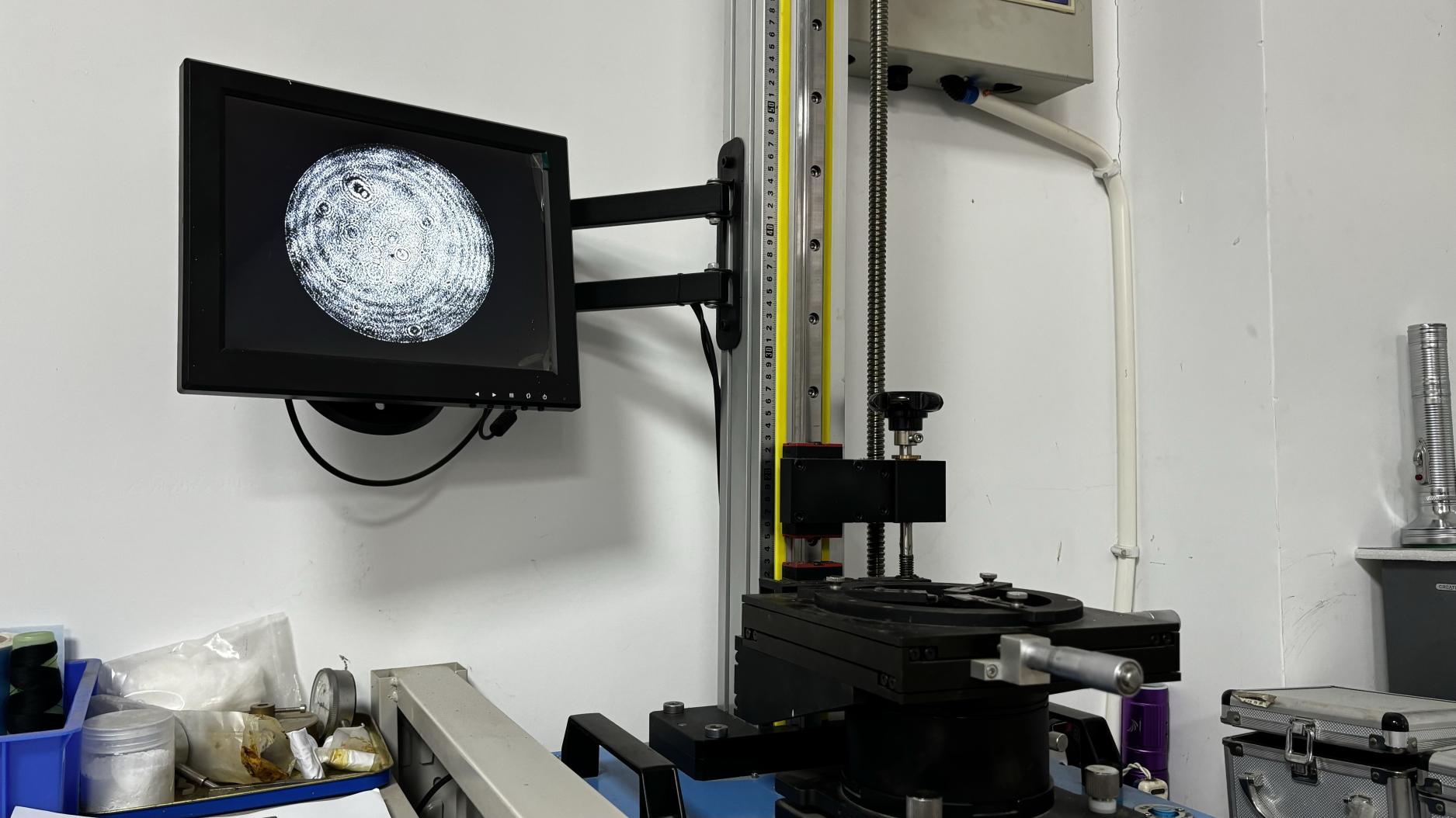
Our quality assurance program is managed by a team of 46 inspectors who monitor every step of the production process. From incoming material verification to automated optical inspections (AOI), water-contact-angle tests, thermal shock tests, and aging chambers, every product is thoroughly verified before shipment to ensure consistent quality and performance.
We work with over 850 supply chain partners globally to ensure reliable material sourcing, flexible production scheduling, and competitive lead times. Our OEM and ODM services include custom laser engraving, packaging design, and tailor-made firmware optimization to support our partners' branding and performance needs.
Meeting the strict demands of international environmental policies and electronic safety regulations.
Industrial components must comply with environmental and safety standards to enter global markets. Our nano-coating processes and materials are formulated to align with key international regulations, providing our partners with compliant and market-ready products.
A forward-looking perspective on molecular electronics, self-repairing interfaces, and eco-friendly raw materials.
As microelectronics advance toward sub-2nm nodes and high-frequency communication reaches the terahertz spectrum, physical protection techniques must adapt. Standard surface coatings face limitations in thermal dissipation and electrical contact design. Our R&D roadmap focuses on addressing these challenges through research into two key technical areas:
Modern research points toward coatings that can repair microscopic fractures caused by thermal expansion and mechanical strain. By embedding micro-capsules containing liquid polymer precursors into the coating layer, localized micro-cracks trigger a localized polymerization process, sealing the damage and maintaining barrier integrity over extended lifecycles.
To reduce dependence on petroleum-based polymers, our R&D team is studying bio-derived raw materials. Formulating high-performance coatings from renewable resources allows us to maintain hydrophobic and dielectric performance while reducing carbon footprint and aligning with global circular economy goals.
Answers to common questions regarding nano-coating applications, thermal management, and wholesale sourcing.
Explore our line of servers, PCBs, and specialized cooling solutions designed for durability in challenging industrial environments.
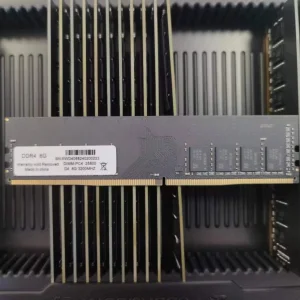
A look into our cleanrooms, manufacturing lines, and quality verification processes.