 Xeviora
Xeviora
Xeviora
Premium server componentry and custom accessories engineered for optimized heat dissolution, data integrity, and high-frequency stability.
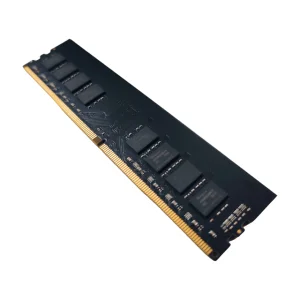
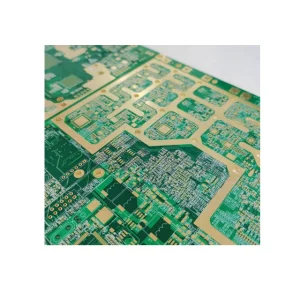
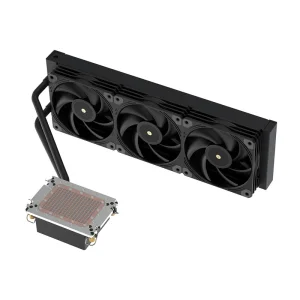
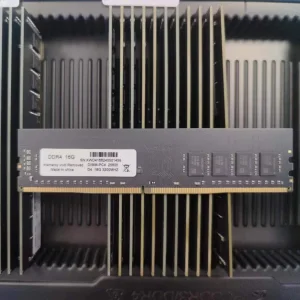
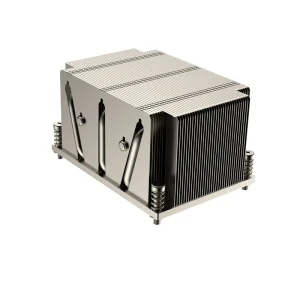
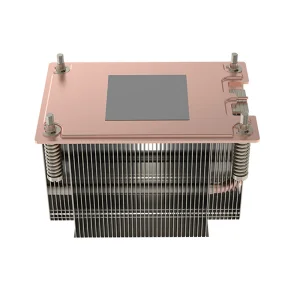
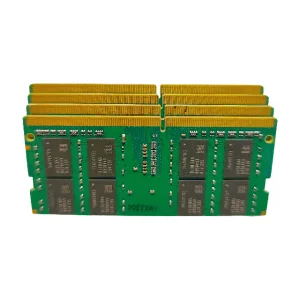
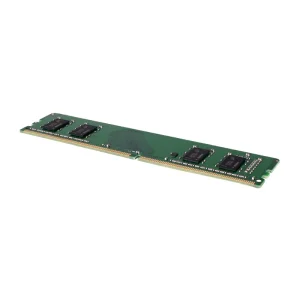
The global demand for high-performance computer hardware and localized OEM/ODM manufacturing is experiencing unprecedented growth. Driven by cloud compute frameworks, AI model training platforms, and distributed micro-datacenters, hardware solutions must offer flawless signal transmission and exceptional thermal characteristics. As an industry-recognized memory and hardware accessory manufacturer, Xeviora Memory Technology (China) Co., Ltd. sits at the heart of this technological shift, bridging the gap between high-speed component fabrication and bespoke system customization.
To support high-bandwidth computing applications, memory modules must withstand extreme variations in temperature while maintaining low latency. Our comprehensive design methodology encompasses not only RAM modules, but also key high-frequency PCB substrates (such as Rogers 4000 and Shengyi FR4 High TG170 mixed-pressure layouts) and dedicated 2U to 4U server cooling apparatuses. Together, these systems maximize uptime and prevent bottlenecking at the silicon level.
Signal Crosstalk: Our utilization of high-frequency Rogers 4000 materials prevents signal degeneration across multi-layered PCBs.
Thermal Throttling: Custom-designed copper-aluminum sinks and vapor chamber (VC) profiles dissipate heat dynamically up to 300W TDP.
System Incompatibility: Rigorous validation protocols ensure cross-generational chip compliance across multiple vendor chipsets.
A statistical breakdown of our manufacturing bandwidth, R&D investments, and market reach.
Founded in 2017 with deep roots stretching back over 12 years of industry experience and 8 years of direct export success.
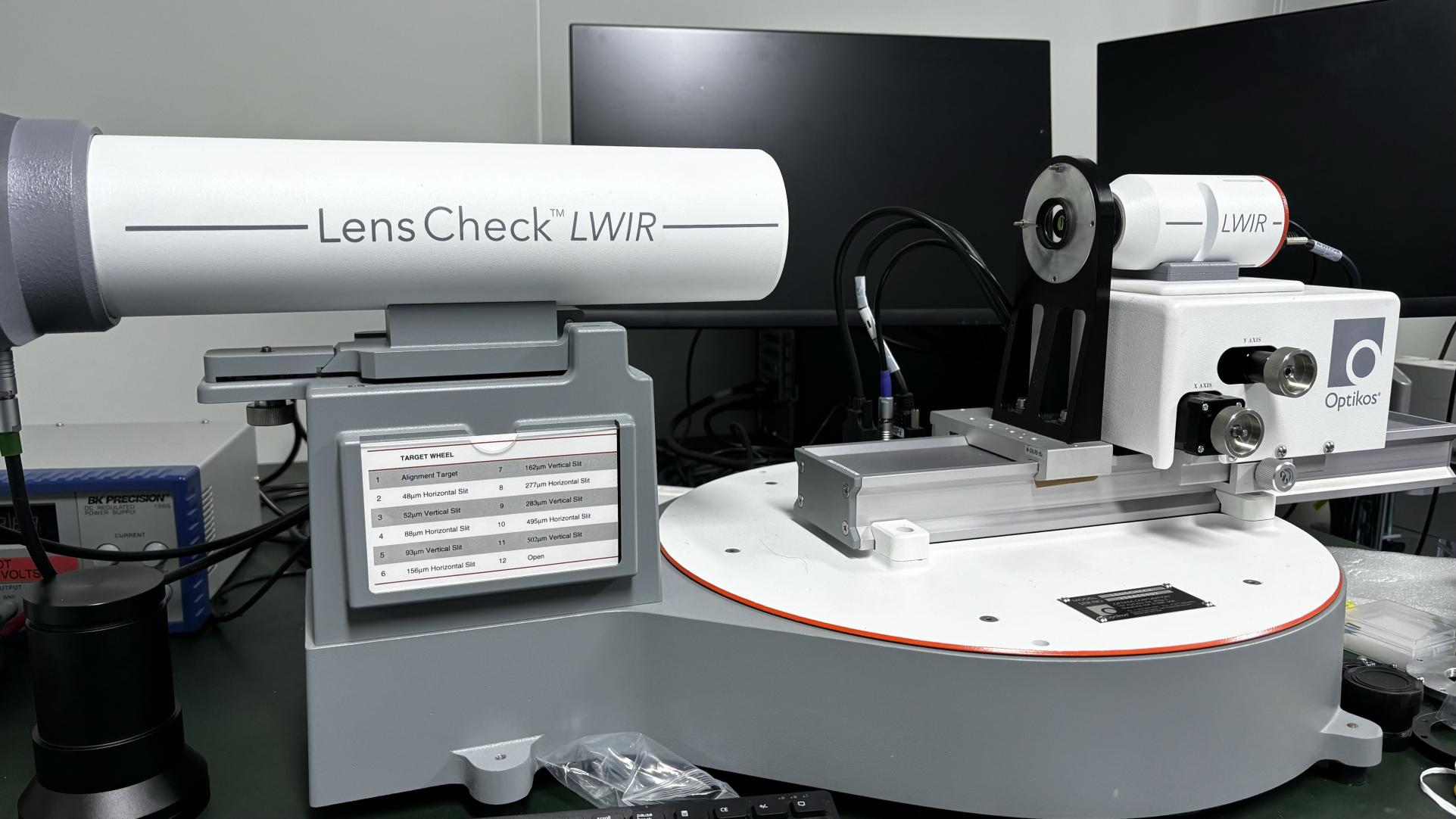
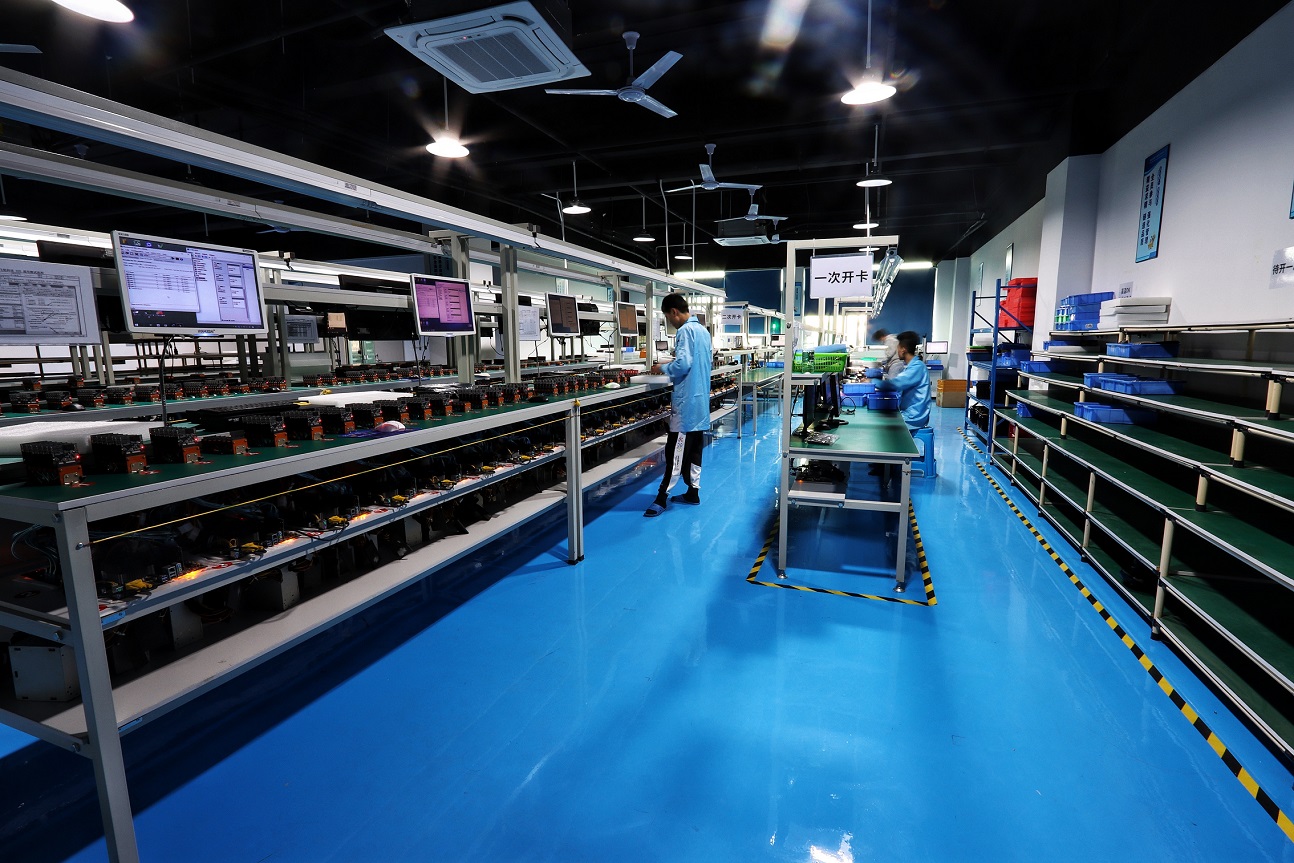
Equipped with specialized high-speed SMT assembly lines, automated optical inspection, and thermal chamber diagnostics.
86 new high-performance memory and component designs introduced last year to keep pace with changing chipset requirements.
We provide full-spectrum branding options, including customized PCB layer count, specialized heat-spreader design, tailored BIOS configurations, specific memory timings, and targeted localized compliance labeling.
Every memory module and cooling component is validated across AMD EPYC, Intel Xeon, and major consumer system motherboards, minimizing integration friction for system builders.
As computing enters the multi-gigabit DDR5 and PCIe Gen 5/Gen 6 eras, hardware specifications require meticulous tolerances. At Xeviora, our research efforts target three strategic growth vectors:
1. Signal Integrity Optimization: By collaborating directly with high-frequency board suppliers (Shengyi, Rogers, and Taconic), we optimize mixed-pressure layouts to decrease loss tangents. This allows our DDR5 memory modules to run efficiently at speeds surpassing 5600MHz while maintaining complete reliability.
2. Advanced Thermal Interfaces: As server processors surpass 300W and 400W thermal envelopes, our hardware division is developing vapor chamber cooling plates (VC3) paired with copper-aluminum hybrid fin stacks, ensuring stable operations without adding excessive chassis weight.
3. Eco-Friendly and Compliant Sourcing: Environmental standards demand mercury-free and lead-free production. All of our production processes adhere tightly to RoHS and REACH parameters, facilitating seamless importing processes across North America and the EU.
A closer look at the advanced facilities and methodologies that maintain our defect-free performance standards.
At Xeviora Memory Technology (China) Co., Ltd., quality management is built into every step of production. Our 368-square-meter state-of-the-art cleanroom facility utilizes advanced pick-and-place systems and high-precision inspection tools. We manage an active network of over 850 partners, securing premium raw materials from top-tier DRAM suppliers and specialized component fabricators. Our quality control procedure consists of three major stages:
We source top-tier DRAM silicon and original memory ICs. High-frequency PCBs undergo thickness, trace-impedance, and raw substrate testing before moving to SMT placement lines.
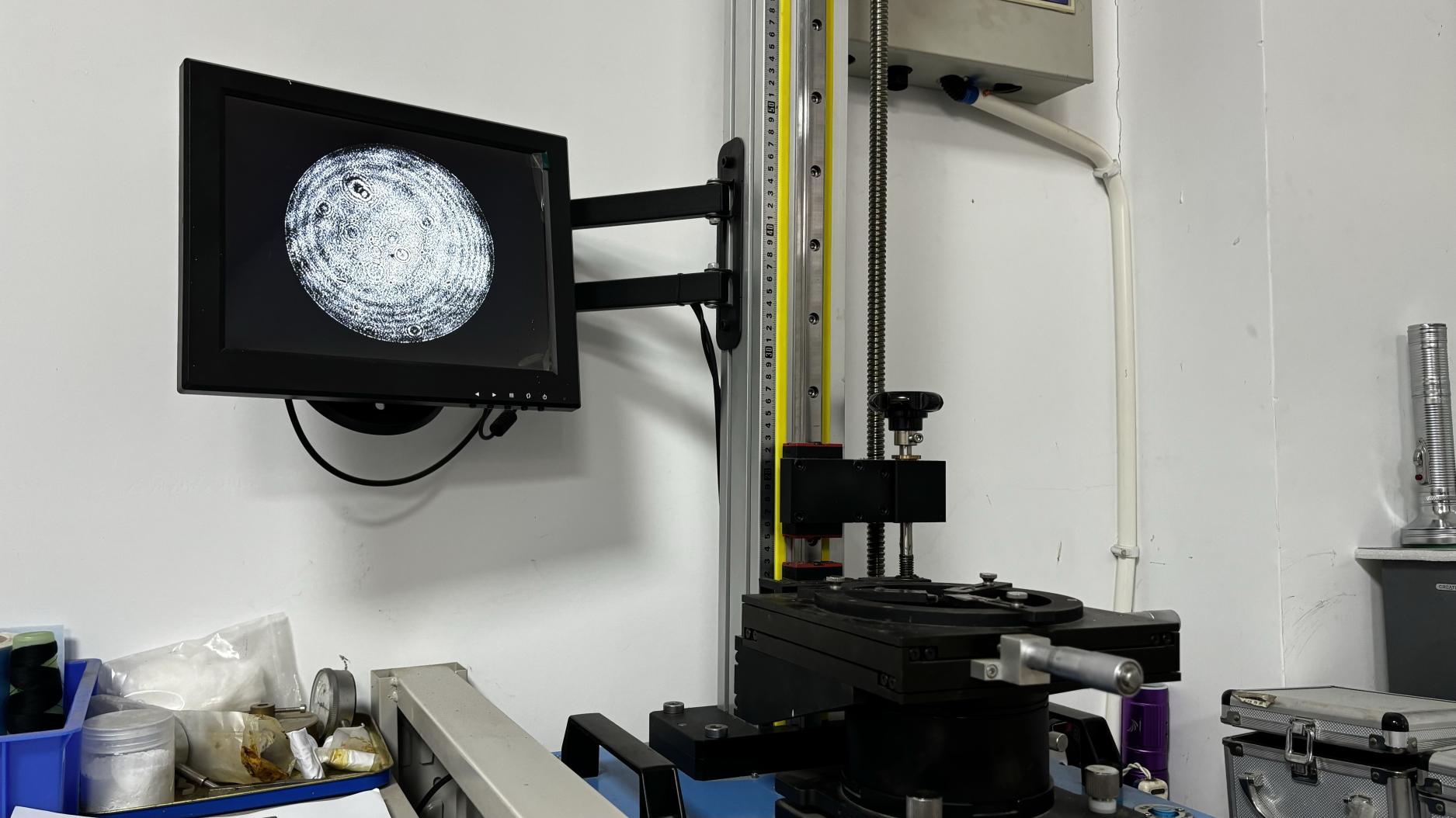
Advanced optical scanners identify solder alignment errors in real-time. Automated functional test fixtures verify memory timings, compatibility profiles, and power margins.
Finished components go through thermal chambers to test performance extremes. Each batch is verified for continuous operation before final packaging and delivery.


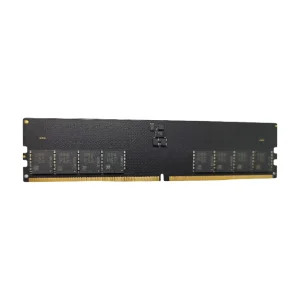
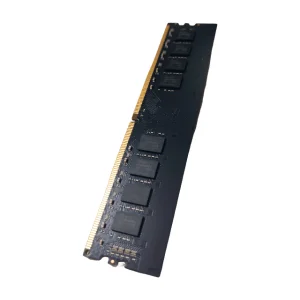
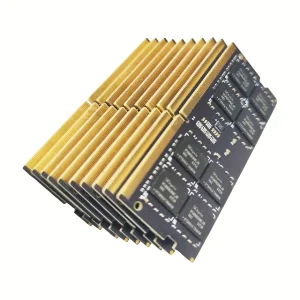
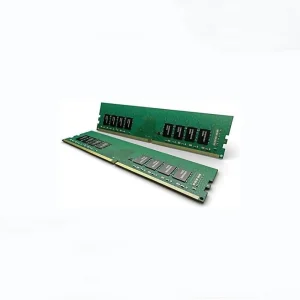
Discover high-density DDR5 memory configurations, optimized laptop modules, and passive cooling hardware designed for heavy daily workloads.
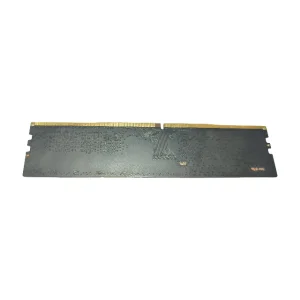
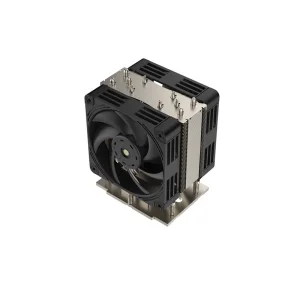
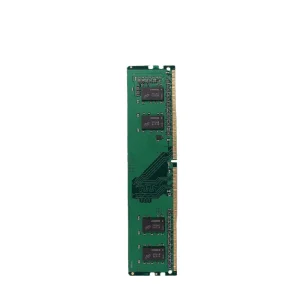
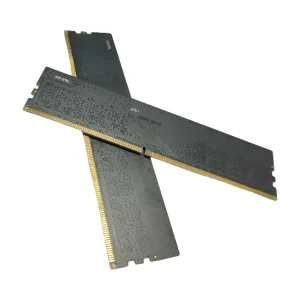
Insights from our engineering and sales teams, covering memory configuration, manufacturing methods, and compliance processes.
Combining high-performance Rogers material with standard FR4 substrates provides a cost-effective design. Rogers layer groups handle high-frequency paths to maintain signal integrity, while the FR4 layers provide structural rigidity and lower overall production costs.
Error-Correcting Code (ECC) RAM contains an additional memory chip that detects and corrects single-bit memory errors. This is vital for enterprise servers, cloud infrastructure, and financial databases to prevent data corruption and unexpected system crashes.
Yes. Our thermal engineering division works with custom step files (STP/IGS) to design custom copper heat pipes, vapor chambers, and cooling fins. This process ensures precise clearance and optimized airflow matches for 1U, 2U, or 4U rackmount servers.
All memory modules undergo automated functional tests, motherboard compatibility verification under varying loads, and ambient temperature thermal stress cycles. These steps allow us to supply high-quality products to top-tier enterprise system integrators.
DDR5 doubles the bandwidth compared to DDR4, reaching data rates of 4800MHz to 5600MHz and beyond. It also features on-die Power Management Integrated Circuits (PMICs) to improve power efficiency, and on-die ECC for better silicon-level reliability.
We provide full-service ODM support, including custom PCB design, customized SPD configurations (tailoring XMP/EXPO profiles), unique heatspreader designs, customized retail packaging, and specialized labeling to meet regional compliance standards.