Xeviora
Xeviora
Xeviora
Explore our top-tier server, desktop, and notebook RAM modules. Built with premium original ICs and tested under extreme load profiles.
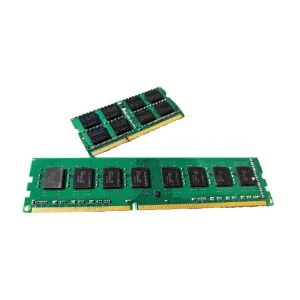
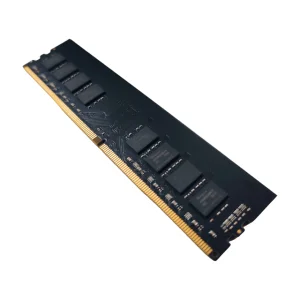
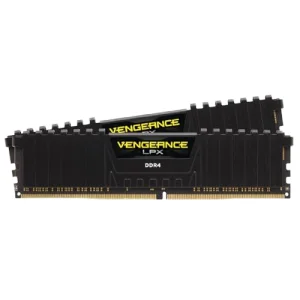
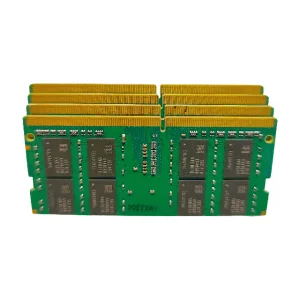
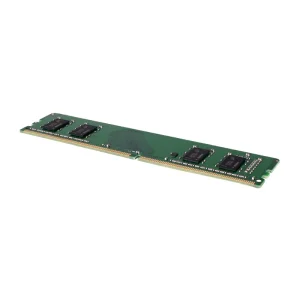
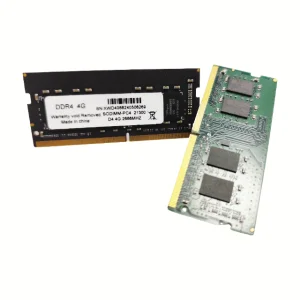
Empowering global supply chains with cutting-edge semiconductor assembly, engineering precision, and rigorous quality standard compliance.
Established in 2017, Xeviora Memory Technology (China) Co., Ltd. has established itself as an authoritative leader in high-performance RAM solutions. We specialize in designing, engineering, and manufacturing advanced memory systems for gaming, industrial, enterprise, and standard consumer electronics applications. Through our continuous dedication to architectural excellence, we serve as an indispensable OEM and ODM partner for major global distributors, system integrators, and elite technology brands.
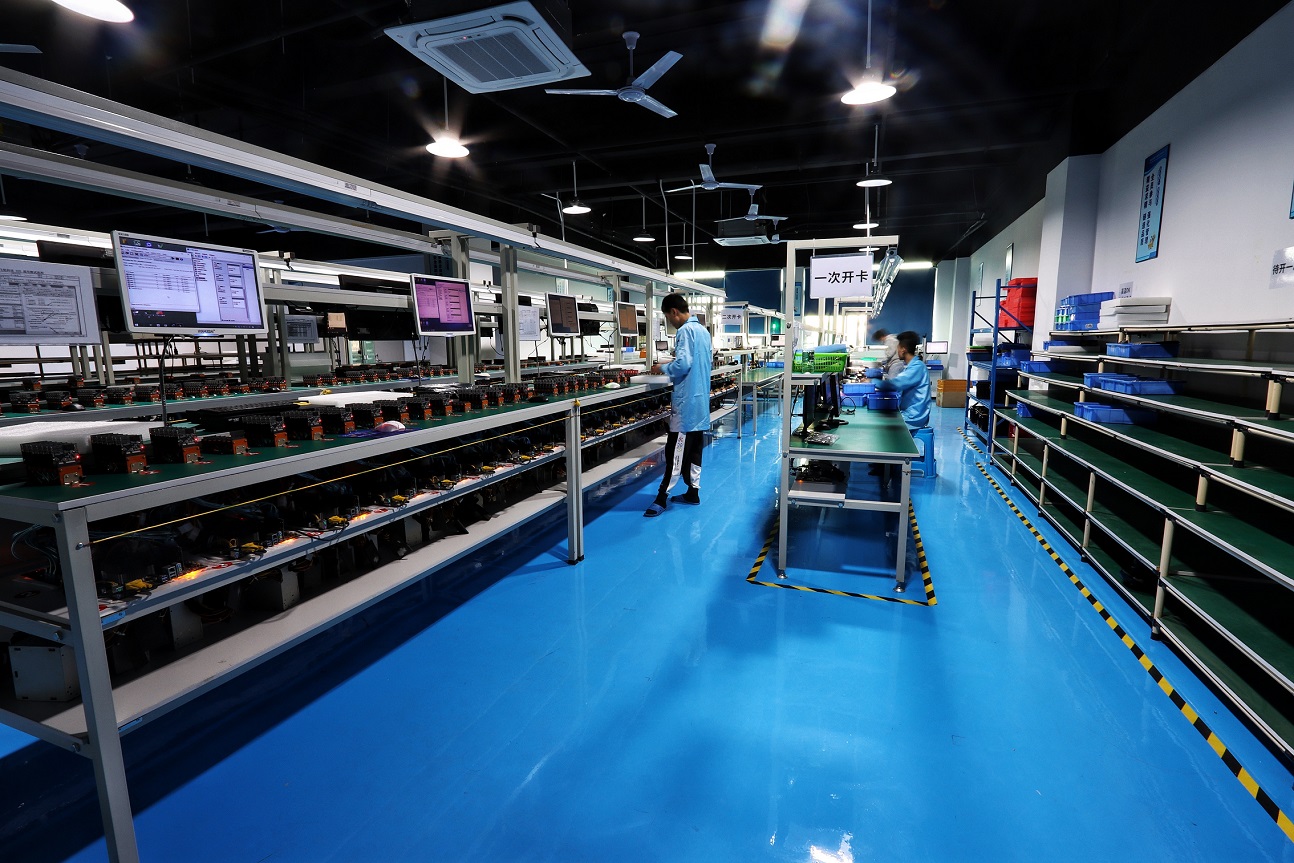
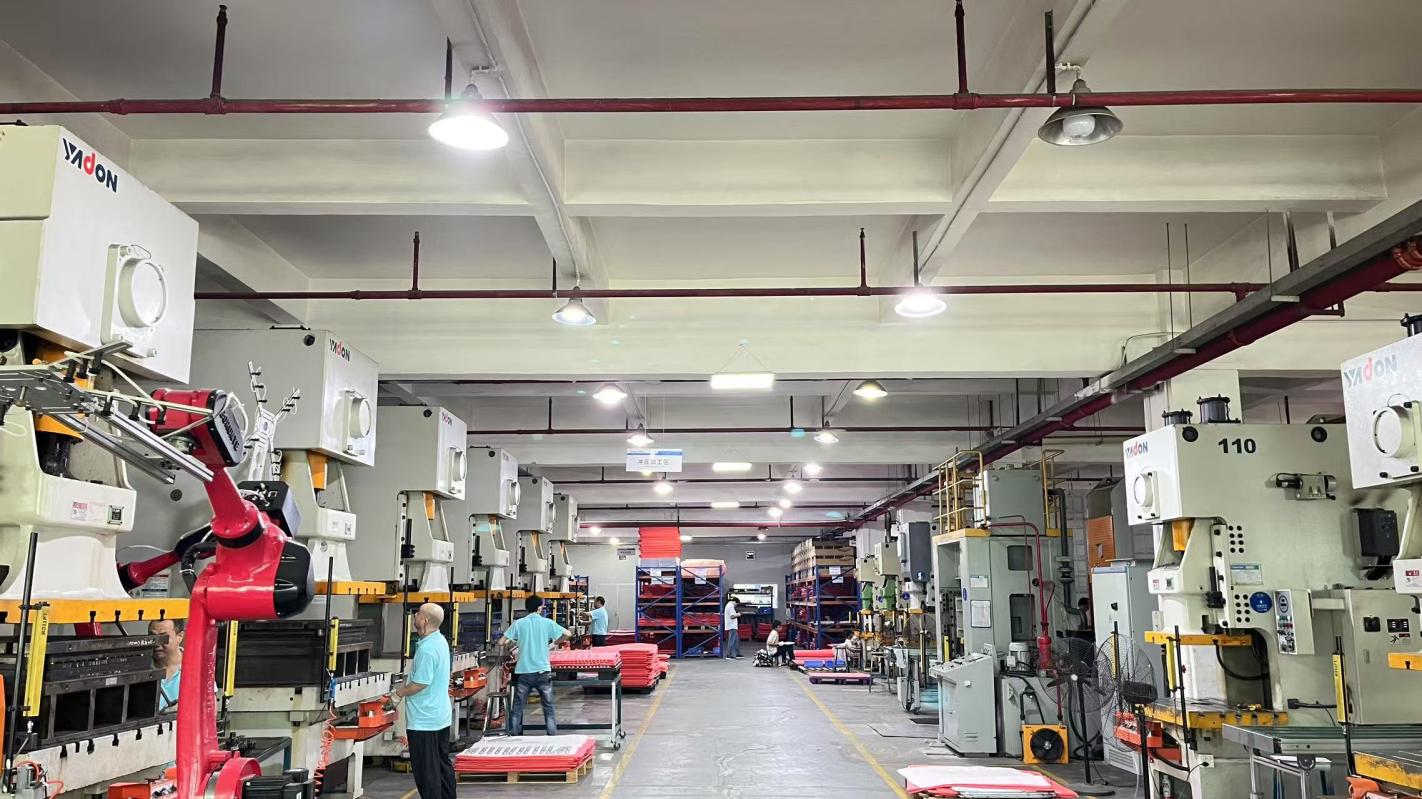
Our state-of-the-art manufacturing infrastructure features specialized production bays and cleanrooms designed to optimize thermal assembly and mechanical integrity. With an annual export volume exceeding USD 18 million, our global footprint extends across key market sectors in North America, Europe, Southeast Asia, the Middle East, and South America.
Analyzing the paradigm shifts in standard compute systems, memory architecture, and form-factor evolution.
DDR5 marks a fundamental departure from legacy DDR4 architectures. Operating at a lower baseline voltage of 1.1V (compared to DDR4’s 1.2V), DDR5 shifts Power Management ICs (PMIC) directly onto the memory module (DIMM/SO-DIMM). This structural change enhances power distribution, mitigates signal loss, and empowers mobile computers to sustain high operating frequencies up to 5600MHz and 6000MHz without compromises.
As silicon process nodes shrink below 14nm, the physical vulnerability to single-bit errors rises. DDR5 standardizes On-Die Error Correction Code (ECC) directly inside the DRAM package. This localized error protection runs calculations on the fly, rectifying bit errors before transmitting data to the CPU, guaranteeing rock-solid stability during continuous computing operations.
While standard SO-DIMM remains the dominant choice for modular laptop RAM, the industry is closely tracking the development of CAMM (Compression Attached Memory Module) standards. High-end, thin-and-light workstations are adopting this newer layout to decrease routing distances, optimize dual-channel paths, and boost heat dissipation across modern system boards.
Addressing critical supply metrics, technical specifications, and validation processes for volume buyers.
For enterprise system builders, government procurement networks, and industrial PC vendors, sourcing memory modules involves strict risk management. Random system crashes (BSODs) or elevated Field Return Rates (FRR) quickly impact brand equity and customer satisfaction. Xeviora mitigates these risks by implementing systematic quality assurance at every manufacturing phase.
Every memory die processed in our cleanroom is batch-coded and tracked directly to Tier-1 wafer lots. We do not mix grades, ensuring consistent performance characteristics and matching latency parameters across full production batches.
Industrial applications often require customized Serial Presence Detect (SPD) profile adjustments to run stably on legacy bios sets, specific SOC boards, or fanless environments. Our engineers customize JEDEC sub-timings directly at assembly.
Our QA lab houses over 300 reference test motherboards spanning Intel Core, Intel Xeon, AMD Ryzen, and ARM architecture SOCs. Every batch is validated across actual chipsets rather than relying solely on simulation software.
Bespoke technical frameworks tailored to specific operational demands and environmental stress points.
Industrial fanless PCs operate in harsh temperatures, moisture, and high vibration. Our industrial modules feature 30μ” gold plating on contact fingers, conformal coatings to resist corrosion, and support wide-temperature ranges (-40°C to 85°C).
Enthusiasts demand high bandwidth and minimal latency profiles. We offer customized modules configured with premium aluminum heat spreaders, supporting XMP 3.0 and EXPO overclocking profiles with timings tuned for high stability.
Cloud networks and micro-servers run continuously. Our ECC registered and unbuffered DDR4/DDR5 server memory modules are optimized for multi-channel arrays, ensuring reliable uptime and minimal read/write errors.
How we are designing future-proof architecture to meet tomorrow's data throughput requirements.
| Memory Gen | Data Rate Range | Vdd/Vddq Operating Voltage | Architecture Key Feature | Main Physical Form Factors |
|---|---|---|---|---|
| DDR4 SO-DIMM | 2133 MHz - 3200 MHz | 1.2V / 1.15V | Standard refresh cycles, point-to-point design | 260-Pin SO-DIMM / 288-Pin UDIMM |
| DDR5 SO-DIMM | 4800 MHz - 6400 MHz | 1.1V | On-board PMIC, Dual 32-bit channels, On-Die ECC | 262-Pin SO-DIMM / 288-Pin UDIMM |
| LPDDR5/5X | 6400 MHz - 8533 MHz | 1.05V / 0.5V (Signal) | Ultra-thin routing, optimized for mobile devices | Solder-down / LPCAMM2 socket module |
| DDR6 (Future) | 8800 MHz - 17600 MHz | Sub-1.0V (Projected) | Multi-channel scaling, PAM4 signaling modes | Next-Gen module interface configurations |
Assuring stress-free cross-border trade, regulatory clearance, and responsive customer service.
Our products meet RoHS, REACH, and CE standards, using halogen-free materials and lead-free soldering. This simplifies import clearances in strictly regulated regions like the European Union and North America.
We ship modules in specialized anti-static trays and sealed vacuum bags. These are packed in drop-tested, reinforced export cartons to protect the fragile components from ESD and physical shock during shipping.
We offer 3-year and 5-year limited warranties for our industrial-grade lines, with return centers in key regions. If a module fails under normal operating conditions, we provide replacement components with your next batch.
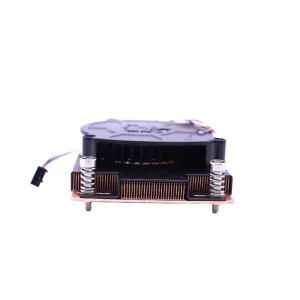
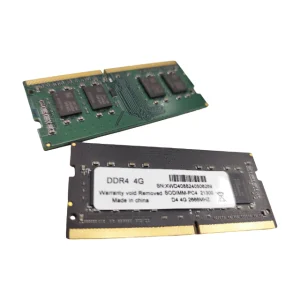
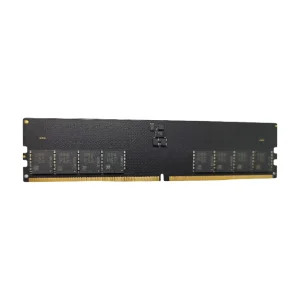
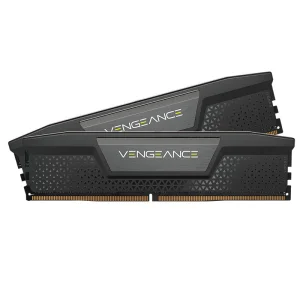
Explore our versatile selection of reliable desktop, laptop, and server upgrade kits.
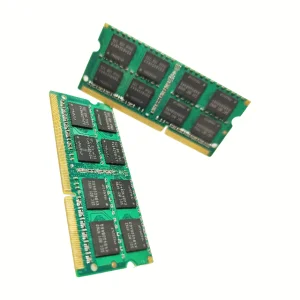
Essential technical answers regarding memory sourcing, architecture customization, and test flows.
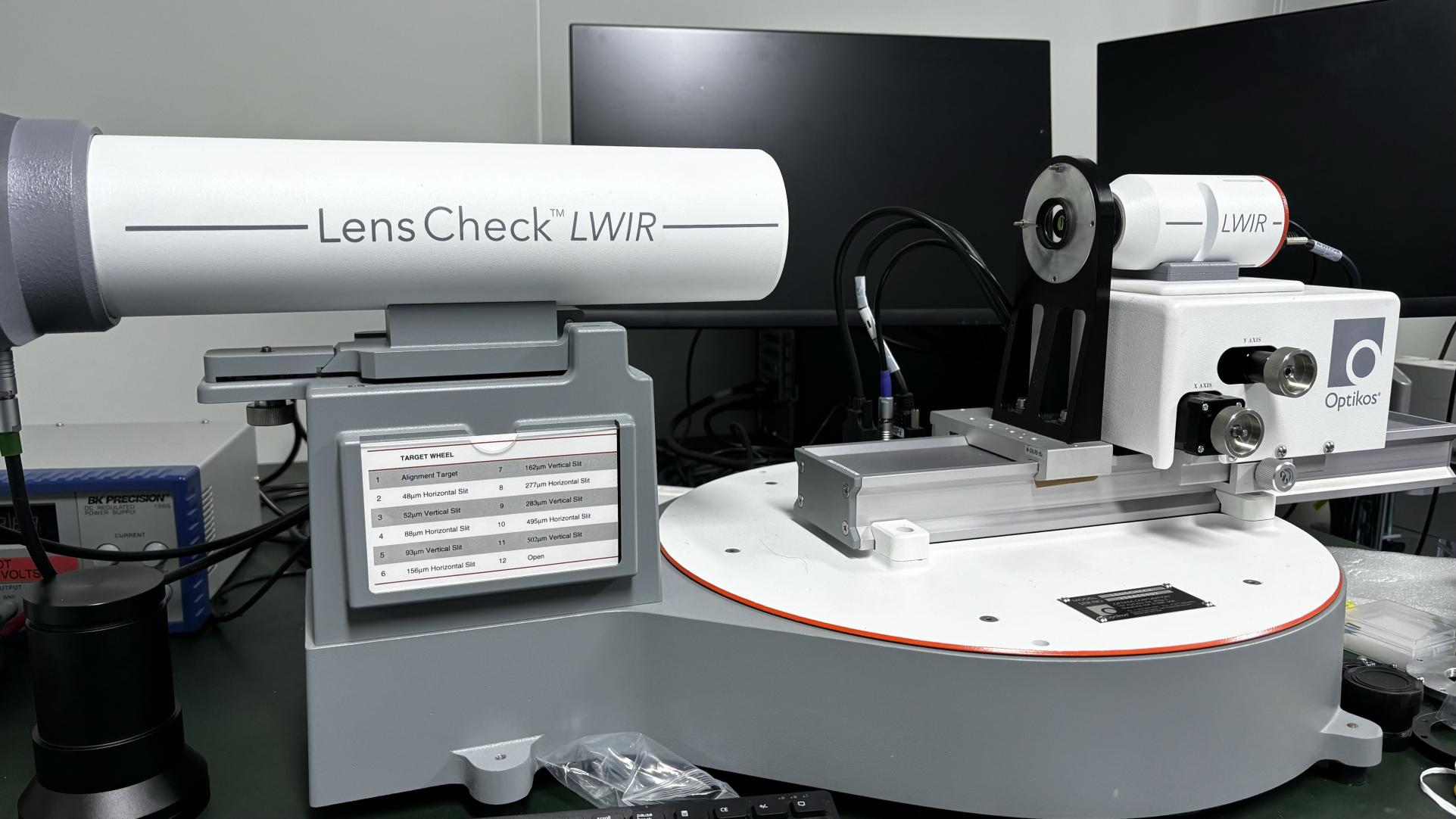
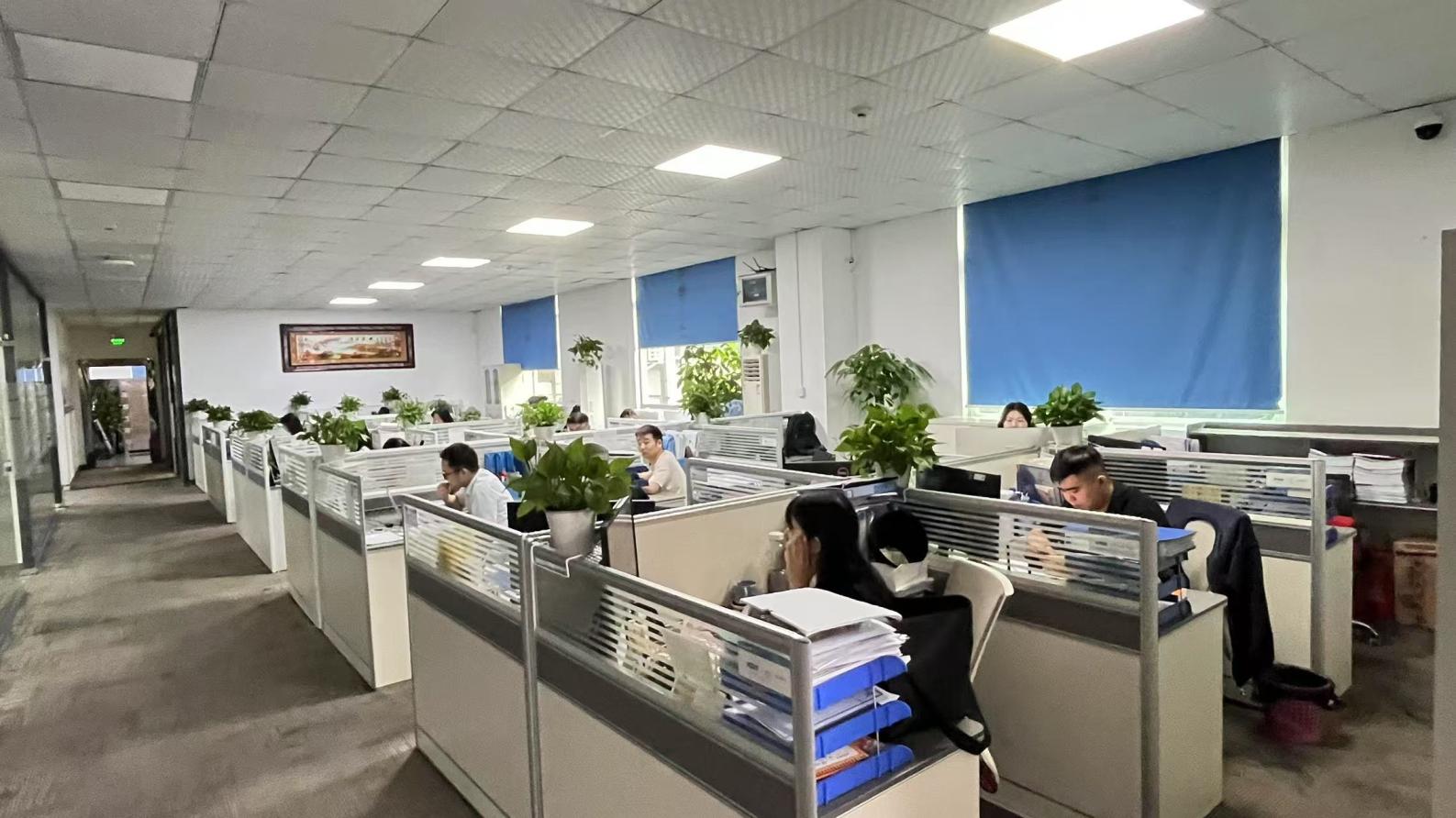
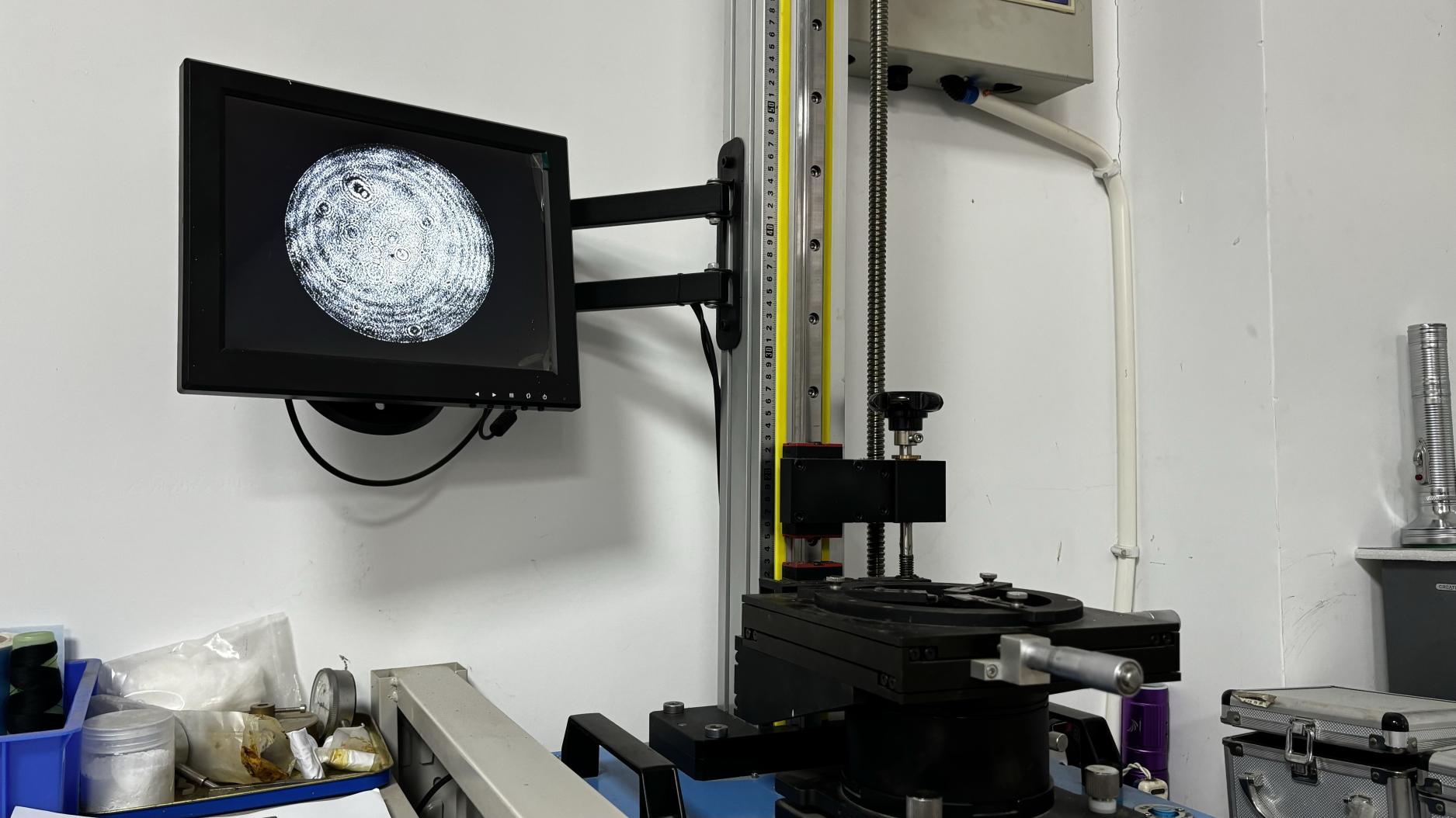
A look at our testing equipment, cleanrooms, and high-performance assembly lines.