Xeviora
Xeviora
Xeviora
High-reliability server heat sinks, memory sticks, and active thermal cooling equipment engineered for high throughput workloads.
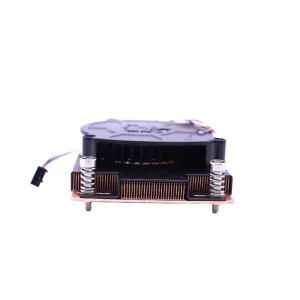
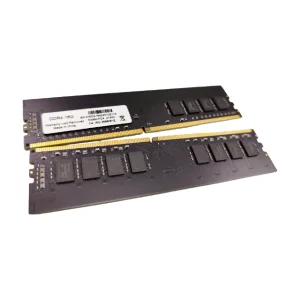
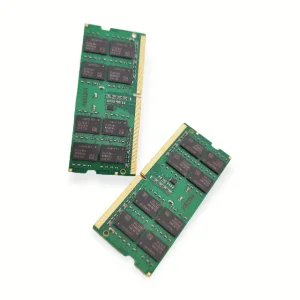
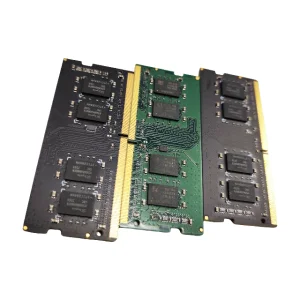
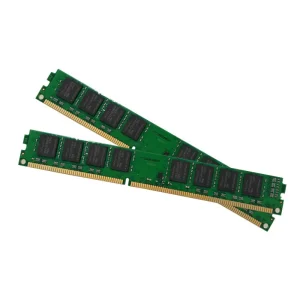
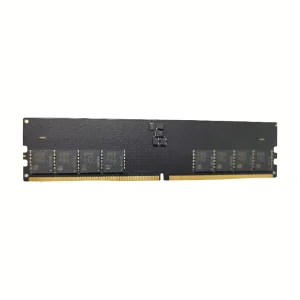
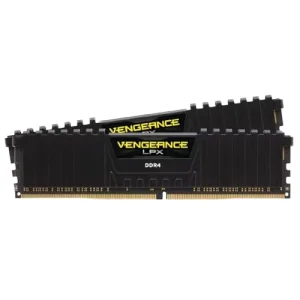
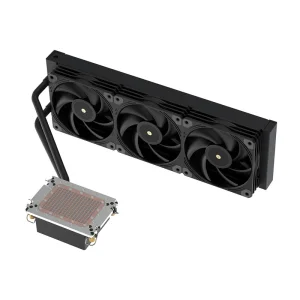
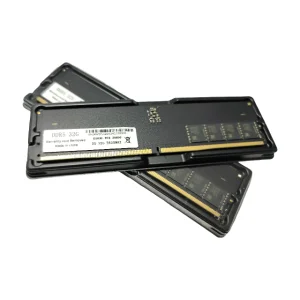
Xeviora Memory Technology (China) Co., Ltd. is a professional DDR5 memory manufacturer and supplier based in China, specializing in high-performance RAM solutions for gaming, industrial, enterprise, and consumer applications. Established in 2017, the company has rapidly grown into a trusted OEM and ODM partner for global distributors, system integrators, and technology brands.
Our advanced manufacturing facility covers 368 square meters and is equipped with cutting-edge production, high-precision assembly lines, and extreme-environment testing machinery to ensure stable physical-layer quality and reliable performance. With an annual export revenue exceeding USD 18 million, Xeviora systematically serves enterprise procurement agents and computational infrastructure builders across North America, Europe, Southeast Asia, the Middle East, and South America.
Backed by 8 years of specialized export experience and 12 years of core industry expertise, we are committed to delivering innovative, compliant memory products that meet rigid international standards. Our extensive quality assurance protocol involves systematic incoming raw material validation, intensive in-process control metrics, and absolute final-product testing regimes before freight departure.
We run multi-tier reliability test patterns consisting of automated functional compatibility validation, thermal-profile cycle aging, and platform-specific firmware optimizations.
Mapping the technical priorities and strategic hardware compliance matrices for global enterprise buyers.
Corporate procurement in the era of Artificial Intelligence, Big Data, and Hyperscale Virtualization has transitioned away from simple price-per-unit metrics. Today, Chief Technology Officers (CTOs) and infrastructure procurement managers seek hardware that simultaneously achieves low latency, high thermal efficiency, extreme compatibility, and long-term regulatory compliance. The total cost of ownership (TCO) of a modern enterprise server installation is directly influenced by component reliability, power-usage effectiveness (PUE), and operational lifespan.
Procurement teams evaluate power consumption metrics such as low-voltage DDR5 operating at 1.1V vs DDR4 at 1.2V. When deployed across thousands of nodes, these delta margins yield massive reductions in utility footprints.
Mean Time Between Failures (MTBF) is extended using Error-Correcting Code (ECC) modules. System integrators prioritize components that possess built-in architectural resilience to single-bit errors.
Exporting server nodes into the European Economic Area requires strict CE certification. Procurement directives explicitly demand verified EMI/EMC compliance, LVD electrical safety, and RoHS hazardous materials limits.
Furthermore, hardware sourcing structures are increasingly sensitive to vendor consolidation. Partnering with a manufacturer like Xeviora, which balances robust raw material stockpiles (via 850+ distribution nodes) alongside agile OEM/ODM capabilities, allows purchasing agents to bypass traditional logistics bottlenecks. This ensures that custom memory configurations and custom-engineered cooling designs can be routed from physical blueprints to test installations rapidly.
Empowering business applications from hyperscale infrastructure and deep learning pipelines to edge automation nodes.
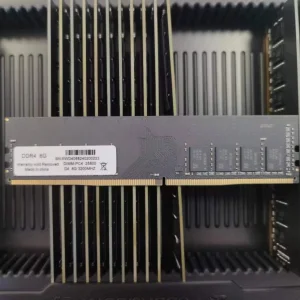
Deep neural network processing needs absolute bandwidth stability. Our enterprise-grade DDR5 ECC RAM operates up to 6000MHz to minimize processing bottlenecks. Combined with high-efficiency copper bottom liquid-cooling systems, these architectures maintain peak CPU and GPU throughput during continuous model training phases.
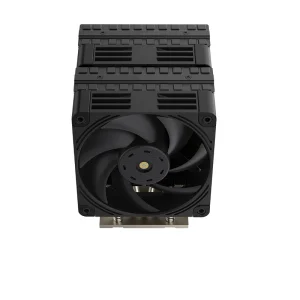
In multi-tenant cloud ecosystems, hosting density is critical. Our SP3 and LGA4677 cooling systems are specifically tailored for 1U and 2U layouts. These solutions manage high Thermal Design Power (TDP) levels inside space-constrained chassis, ensuring cloud infrastructure providers can maximize CPU density per rack cabinet.
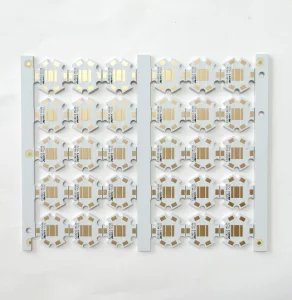
Edge industrial computing environments demand robust components. Our industrial-grade RAM and aluminum PCB substrates are certified to operate reliably under extreme operating temperatures and mechanical vibrations. This makes them ideal for assembly plants, power stations, and transportation hubs.
By combining Xeviora's high-speed ECC memory modules with custom-designed active SP3 cooling fan units, a leading regional European system builder realized a 28% reduction in server hardware failures over a 24-month period, drastically lowering field replacement costs.
An engineering analysis of next-generation high-speed memory architectures and heat dissipation mechanics.
The transition from DDR4 to DDR5 marks a fundamental shift in memory sub-system architecture. DDR5 introduces on-die Power Management Integrated Circuits (PMIC), transferring power regulation from the motherboard directly onto the memory module. This shift reduces motherboard routing complexity and improves power integrity, yielding cleaner signaling at lower voltages (1.1V vs. DDR4's 1.2V).
Furthermore, DDR5 splits the internal 64-bit data bus into two independent 32-bit subchannels (excluding ECC overhead). This layout enhances channel utilization efficiency and minimizes access latency for multi-core processors. Built-in on-die ECC corrects single-bit errors inside the DRAM dies before transmitting data to the host CPU, providing a critical layer of reliability for high-density computations.
Next-generation processors like AMD EPYC (SP3/SP5 sockets) and Intel Xeon Scalable (LGA4677/LGA4189 sockets) generate high heat outputs, often exceeding 280W. Conventional heat sink designs are insufficient for these thermal loads. Our specialized SP3 and LGA4677 thermal solutions utilize vacuum-sealed copper vapor chambers directly bonded to the silicon IHS (Integrated Heat Spreader).
This configuration is supplemented by high-density aluminum fins and dual-ball bearing fans that maintain constant volumetric airflow under high static pressure. For demanding computing applications, we integrate liquid cooling blocks with specialized coolant channels to ensure stable operation and prevent thermal throttling.
Developing customized high-frequency PCB stackups to minimize electromagnetic interference across 5600MHz to 6400MHz DDR5 channels. Implementing direct-touch copper heat sinks for extreme server operations.
Designing CXL-compliant hardware modules to facilitate memory pooling and dynamic resource sharing across heterogenous processing nodes in data center configurations.
Integrating dynamic telemetry sensors on memory heatsinks and liquid coolers to dynamically report real-time operating metrics directly to standard server management controllers (IPMI).
A visual showcase of our advanced testing labs, packaging cleanrooms, and robust assembly environments.
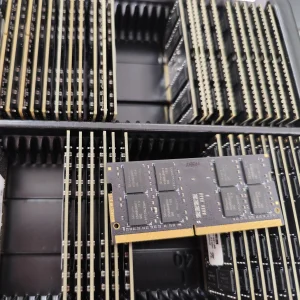
Xeviora Memory Technology operates an optimized production center engineered for high-precision components assembly. Our facilities feature cleanroom conditions to prevent static charge build-up and dust ingress, ensuring optimal reliability for high-density silicon wafers. Through systematic supply-chain integration, we support reliable output capacities for enterprise customers worldwide.
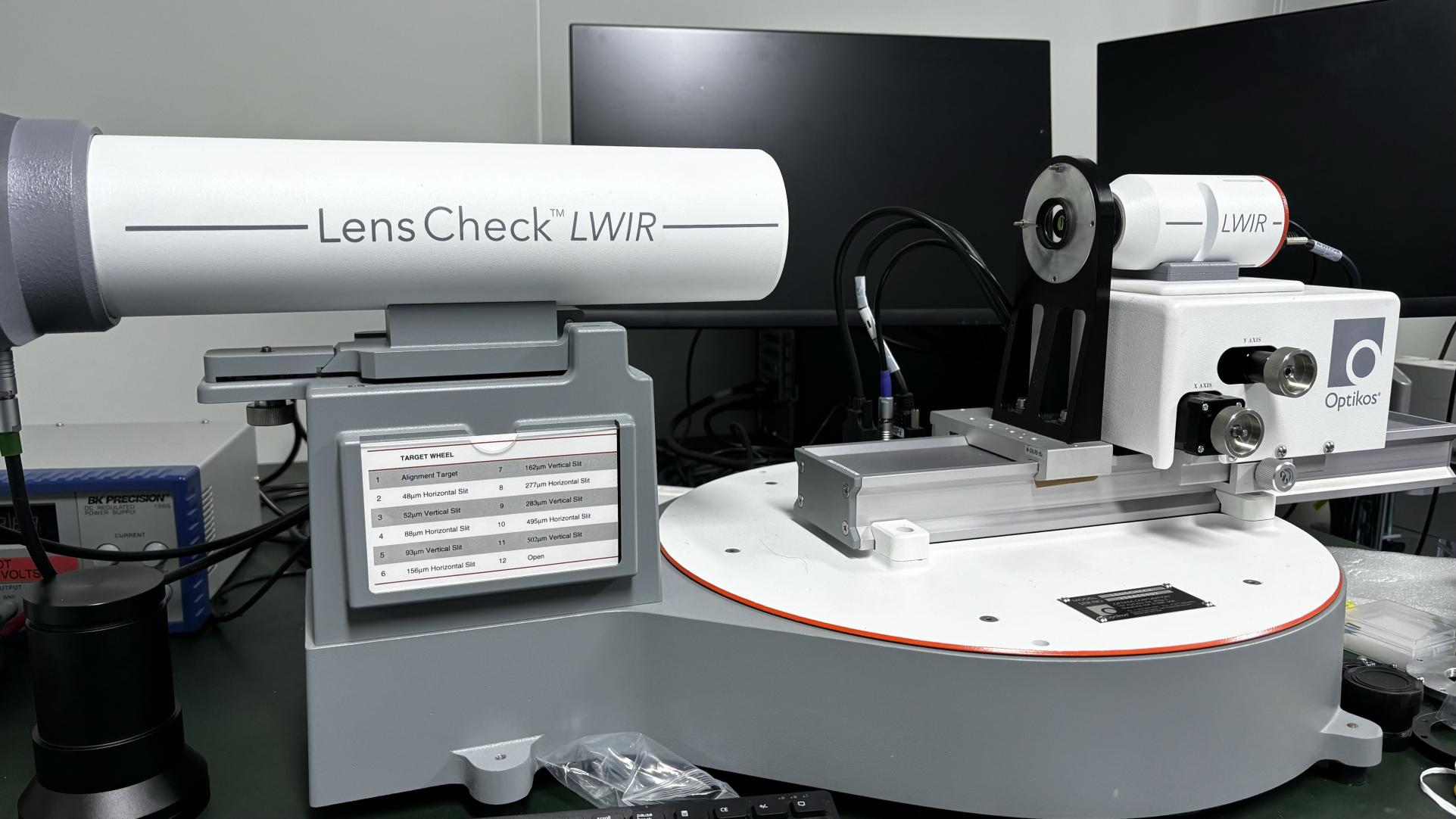
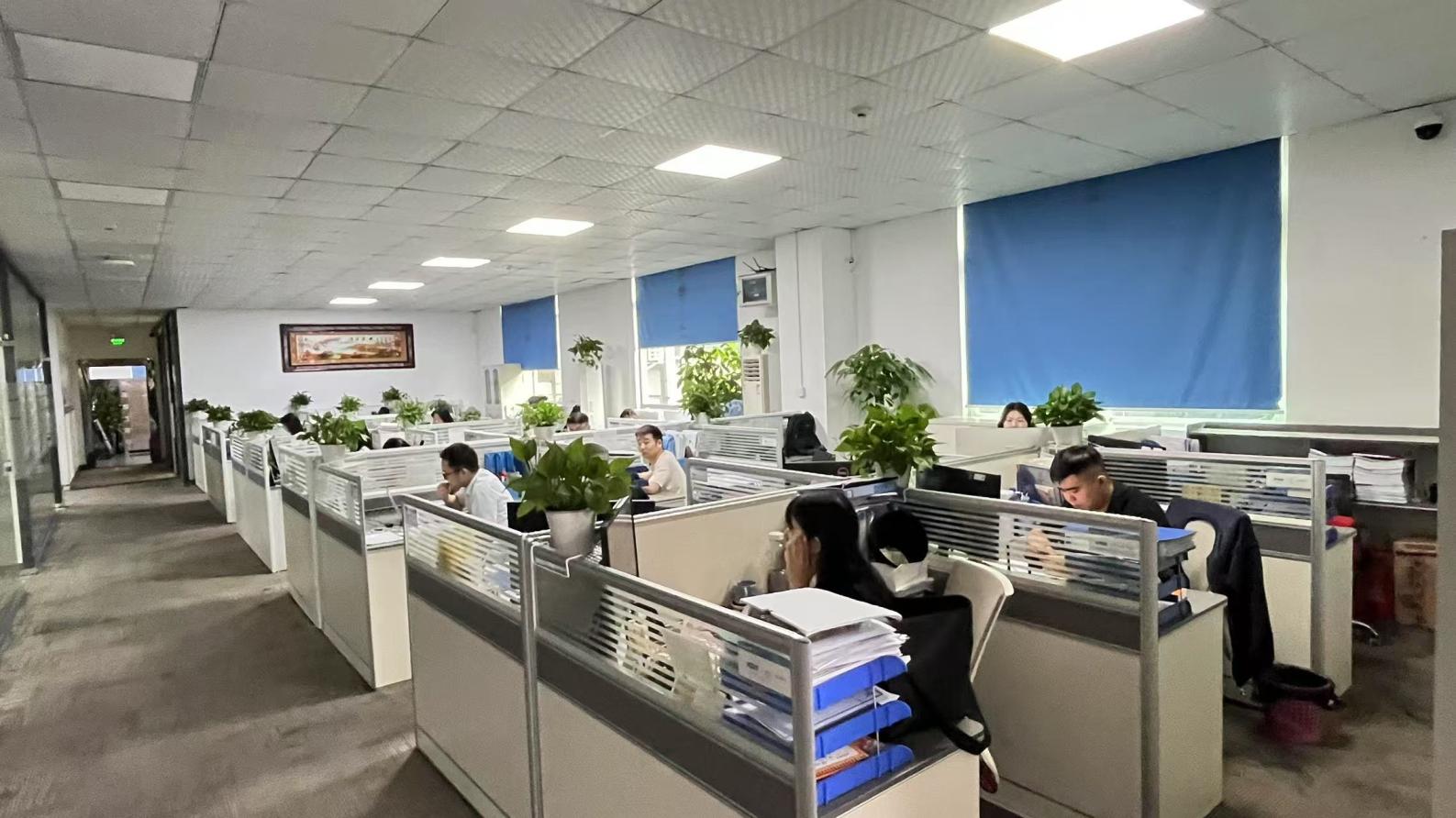
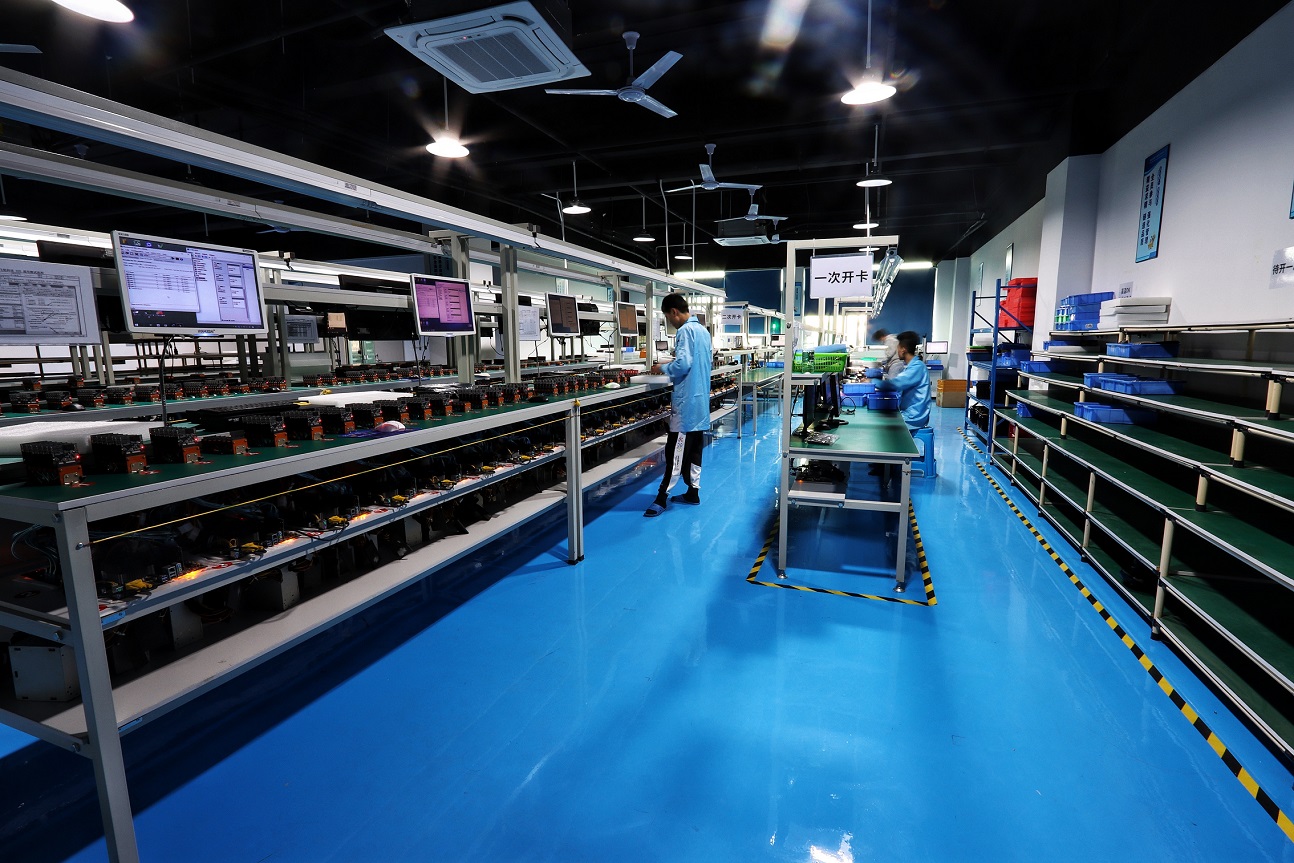
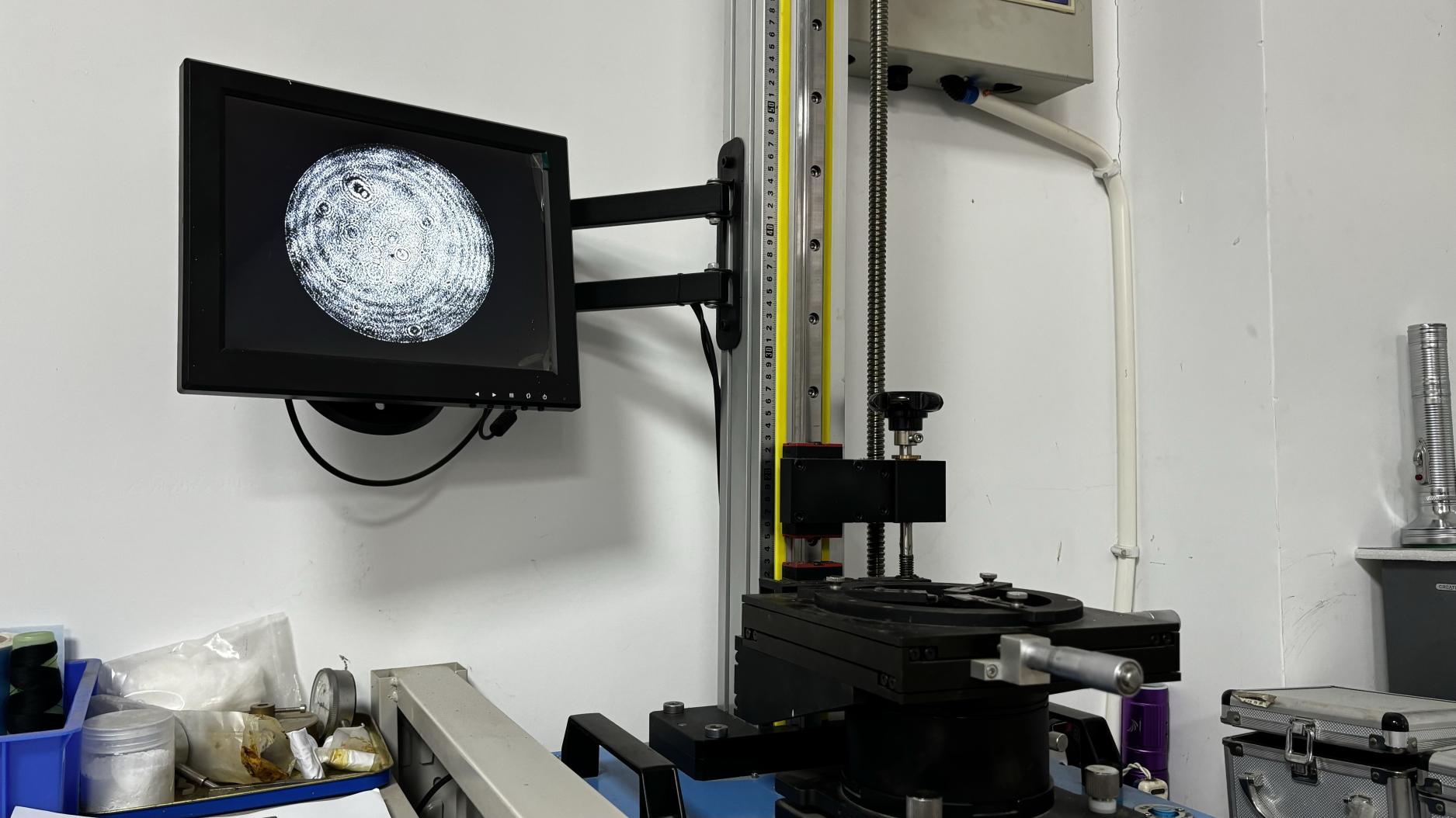
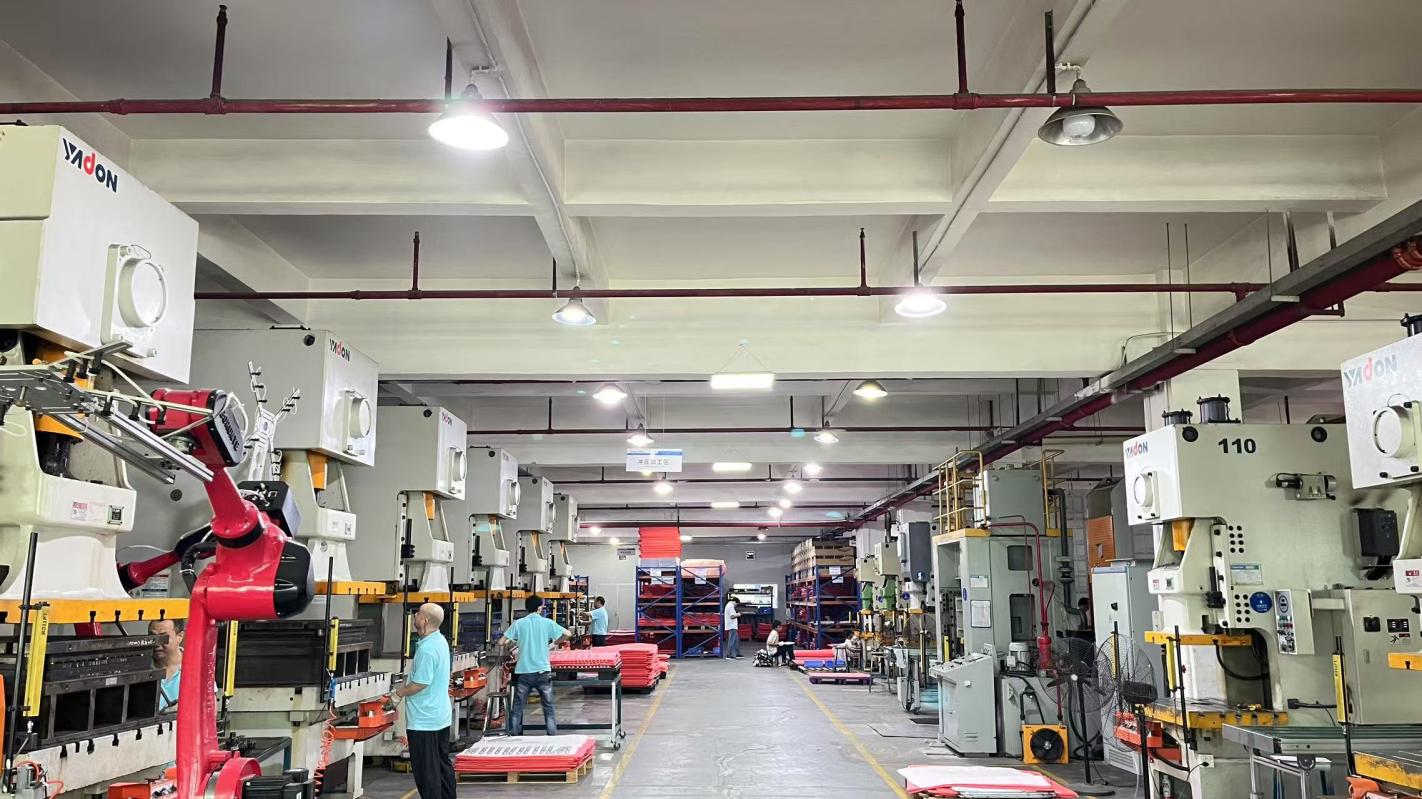
Our quality management program is structured into four main phases: Incoming Quality Control (IQC), In-Process Quality Control (IPQC), Final Quality Control (FQC), and Outgoing Quality Control (OQC). 46 dedicated quality control inspectors use automated testing platforms to run functional validation patterns and compatibility checks across major motherboard brands, ensuring every shipped batch meets international reliability standards.
Ensuring cross-border compliance, regulatory alignment, and reliable support infrastructure for our international partners.
Xeviora supports its global partners through a comprehensive regulatory compliance framework. Our products carry the CE Certification Mark, demonstrating compliance with European standards for health, safety, and environmental protection. This includes strict adherence to the Electromagnetic Compatibility (EMC) Directive 2014/30/EU, ensuring our high-frequency memory modules do not disrupt surrounding computational hardware.
We provide comprehensive documentation packages for international distribution, including Certificates of Conformity, detailed thermal test reports, material safety data sheets, and custom configurations lists. Our logistical support channels handle regional customs clearings, providing flexible trade terms (FOB, CIF, DDP) to simplify procurement processes for global enterprise customers.
Technical and procurement answers designed for hardware engineers and purchasing managers.
Our memory modules, CPU heat sinks, and hardware assemblies carry CE certifications. This ensures full compliance with European EMC and Low Voltage Directives. Additionally, our components are RoHS compliant, verifying the restriction of hazardous substances in all electronic assemblies.
DDR5 memory features on-die ECC, which manages single-bit error corrections within the DRAM chip. This reduces the error correction load on the system CPU and increases overall system stability, preventing data corruption and runtime crashes in enterprise deployments.
Yes. Our server heatsinks are engineered to handle high TDP requirements (up to 280W-400W). We offer customizable options for air-cooled copper bottom models, dynamic dual-ball bearing fans, and closed-loop liquid cooling blocks to meet your specific hardware layouts.
We provide full customization services, including custom PCB design, customized memory timings and firmware, private labeling, brand packaging, and thermal sink engineering. Our R&D team can develop custom components tailored to your design requirements.
We perform extensive validation testing on server motherboards from leading brands (including Supermicro, Dell, Intel, and AMD platforms). Every memory batch undergoes physical and software tests to ensure compatibility and stable performance.
Standard orders ship quickly from our stock. For custom OEM/ODM designs, development and prototyping take 2 to 4 weeks, with bulk production scheduled immediately after prototype approval to ensure timely delivery.
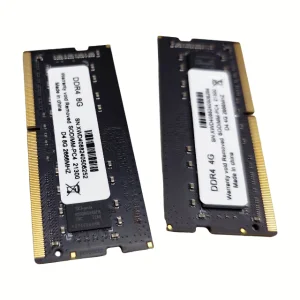
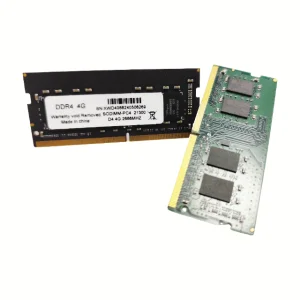
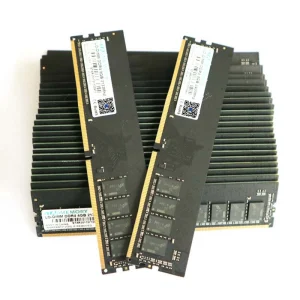
Select options for laptop memory, high-speed desktop modules, specialized cooling systems, and subcomponents.