 Xeviora
Xeviora
Xeviora
Explore immediate prototyping and mass-production options optimized for European electronics manufacturing lines, featuring precision impedance control and RoHS lead-free materials.
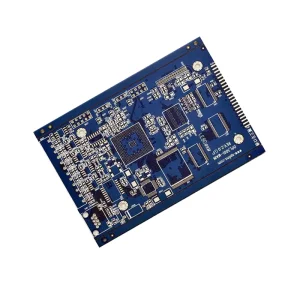
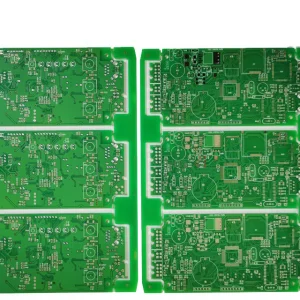
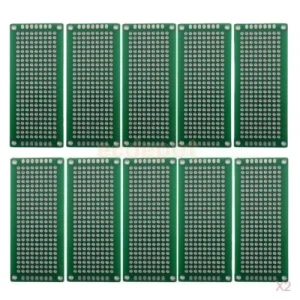
An authoritative analysis of CEE automotive clusters, regional supply chain vulnerabilities, and technical specifications for industrial systems.
Hungary has positioned itself as the preeminent hub for European automotive and battery manufacturing. Major global automakers such as Audi in Győr, Mercedes-Benz in Kecskemét, and the incoming BMW plant in Debrecen, combined with massive electric vehicle (EV) battery gigafactories (e.g., CATL and BYD in Szeged), have driven exponential demand for high-reliability electronics. The electronic systems built within these factories require advanced printed circuit boards (PCBs) that can withstand immense electrical stress, extreme heat, and severe physical vibration.
Unlike standard consumer-grade electronics, automotive and high-voltage power transmission applications in the Hungarian energy sector require PCBs fabricated from high-Tg (glass transition temperature) laminates, heavy copper pathways, and customized multilayer layouts. For example, battery management systems (BMS) and onboard chargers require thick-film copper PCBs (up to 4 oz or more) to handle thermal loading and high-current circuits. Working alongside experienced global fabricators is essential for local Hungarian Tier-1 suppliers to guarantee low FIT (Failures in Time) rates and continuous uptime.
In addition to automotive assembly, Central and Eastern European (CEE) OEMs face unique supply chain challenges. Speed-to-market and nearshoring are top of mind, yet domestic manufacturing facilities inside Europe are often backlogged or cost-prohibitive for high-mix, medium-volume production runs. A hybrid supply model has emerged: engineering design, hardware verification, and initial mechanical integration are managed inside Hungarian science hubs (like Budapest, Győr, and Debrecen), while high-volume SMT and multilayer fabrication are outsourced to certified, highly automated Chinese facilities. This model ensures structural compliance with European standards (CE, RoHS, REACH) while benefiting from the speed, raw material access, and advanced SMT capabilities of East Asian electronics corridors.
Components destined for Central European automotive systems must adhere to strict IPC Class 3 quality criteria, ensuring continuous service under extreme environmental conditions.
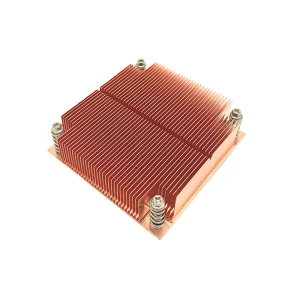
Modern power electronics require advanced thermal management via metal-core PCBs (MCPCB), aluminum substrates, or heavy-copper FR4 laminates like the KB6160 structure.
Diversifying PCB fabrication with Tier-1 Chinese suppliers ensures uninterrupted access to core glass fabrics, resins, and specialized silicon components.
Ensuring compatibility with European standards, standard mechanical interfaces, and rigorous environment envelopes.
| Parameter / Material Class | Technical Capability Range | Ideal Application Scenario in Hungary | Standards Compliance |
|---|---|---|---|
| Base Laminate (FR-4 High Tg) | Tg 150°C to Tg 180°C (e.g., Kingboard KB6160) | Automotive engine control units (ECUs), industrial high-frequency control boards. | IPC-4101D, RoHS Compliant |
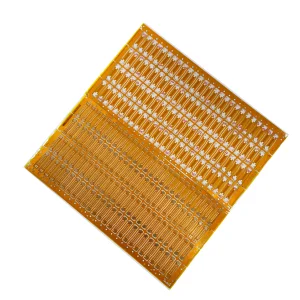
| Flexible PCB (FPC) | Polyimide base, 1-2 layers, customized shape profiling | Compact handheld industrial terminals, dynamic sensor cables, robotic joints. | IPC-6013 |
| Surface Finishes | ENIG, Immersion Silver, Lead-Free HASL (Hot Air Solder Leveling) | Fine-pitch SMT assembly, wire bonding, lead-free wave soldering processes. | RoHS, WEEE Directive |
| Impedance Tolerance | ±8% to ±10% control options | High-speed telecommunication systems, Ethernet gateways, IoT edge hubs. | IPC-2221 |
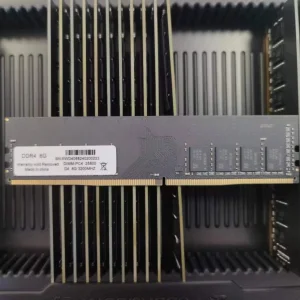
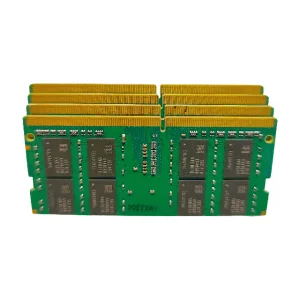
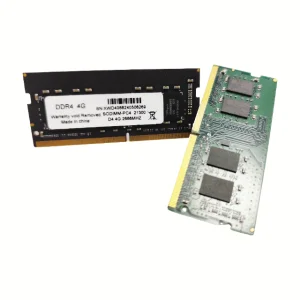
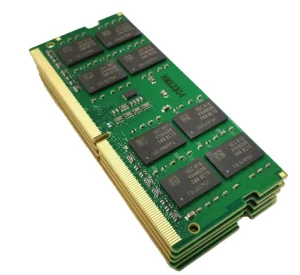
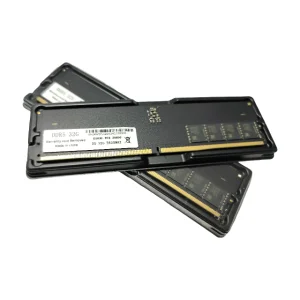
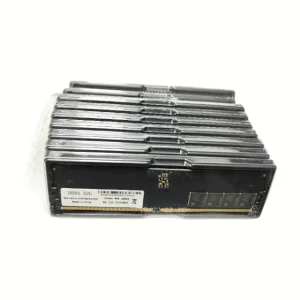
| DDR4/DDR5 Memory Modules | JEDEC standard, ECC/Non-ECC, 2400MHz to 6000MHz | Local industrial PCs, data loggers, enterprise server rack units. | JEDEC Standard, CE |
In humid or changing thermal environments such as those found in industrial processing plants in northern Hungary, selecting the correct surface finish is paramount. Lead-Free HASL offers great solderability for standard components, but for complex, high-density designs with ball grid arrays (BGAs) or micro-BGAs, Immersion Gold (ENIG) or Immersion Silver is highly recommended. These finishes provide a flat coplanar surface for fine-pitch SMT assembly, ensuring strong solder joints that withstand mechanical fatigue. Furthermore, proper baking and resin-filling (via hole plugging) prevents outgassing during reflow, a critical failure mechanism for multi-layer PCBs operating at high voltages.
A deep dive into Xeviora Memory Technology's production power, reliability engineering, and advanced SMT validation systems.
Xeviora Memory Technology (China) Co., Ltd. is a professional DDR5 memory manufacturer and supplier based in China, specializing in high-performance RAM solutions for gaming, industrial, enterprise, and consumer applications. Established in 2017, the company has rapidly grown into a trusted OEM and ODM partner for global distributors, system integrators, and technology brands.
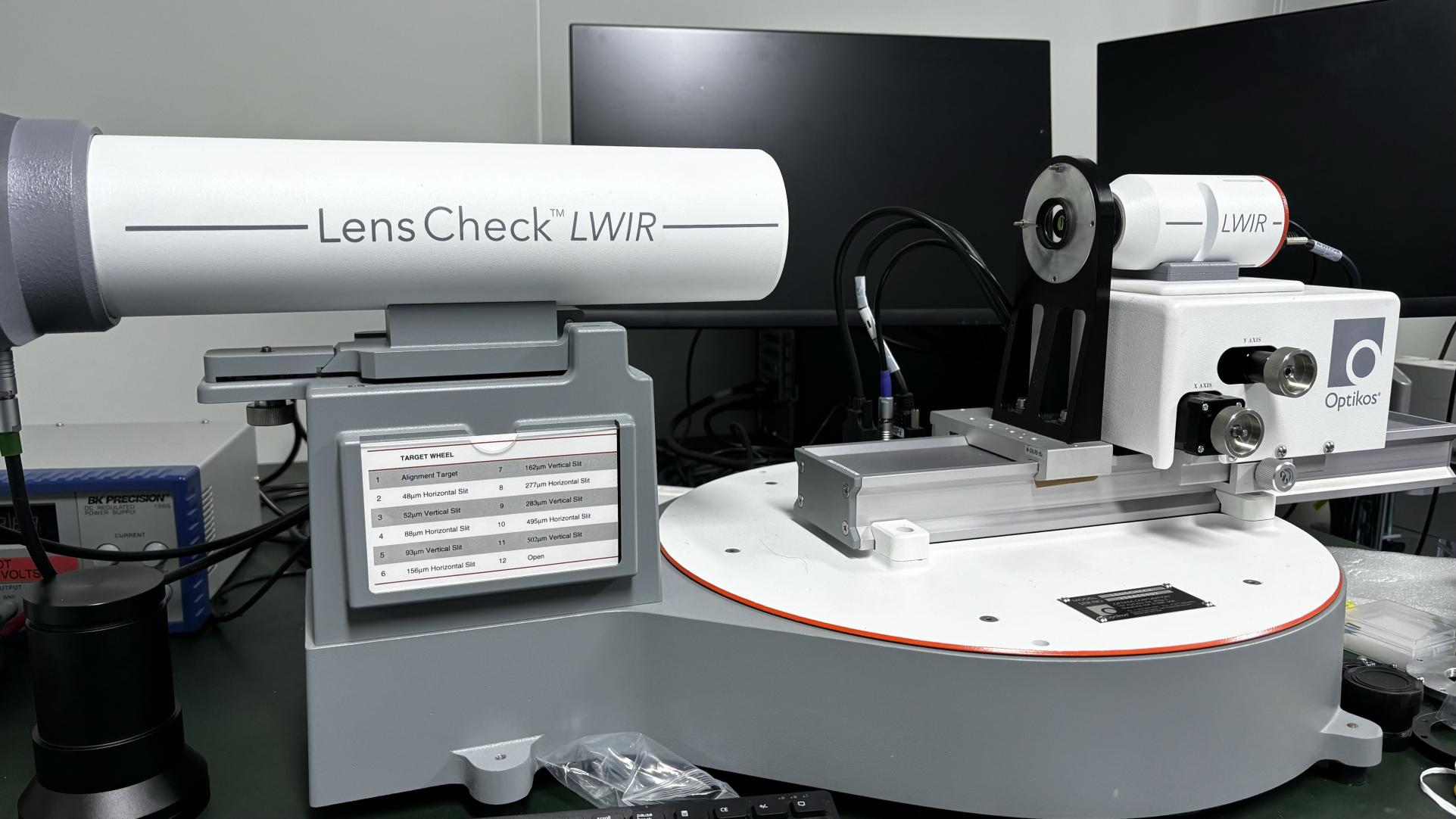
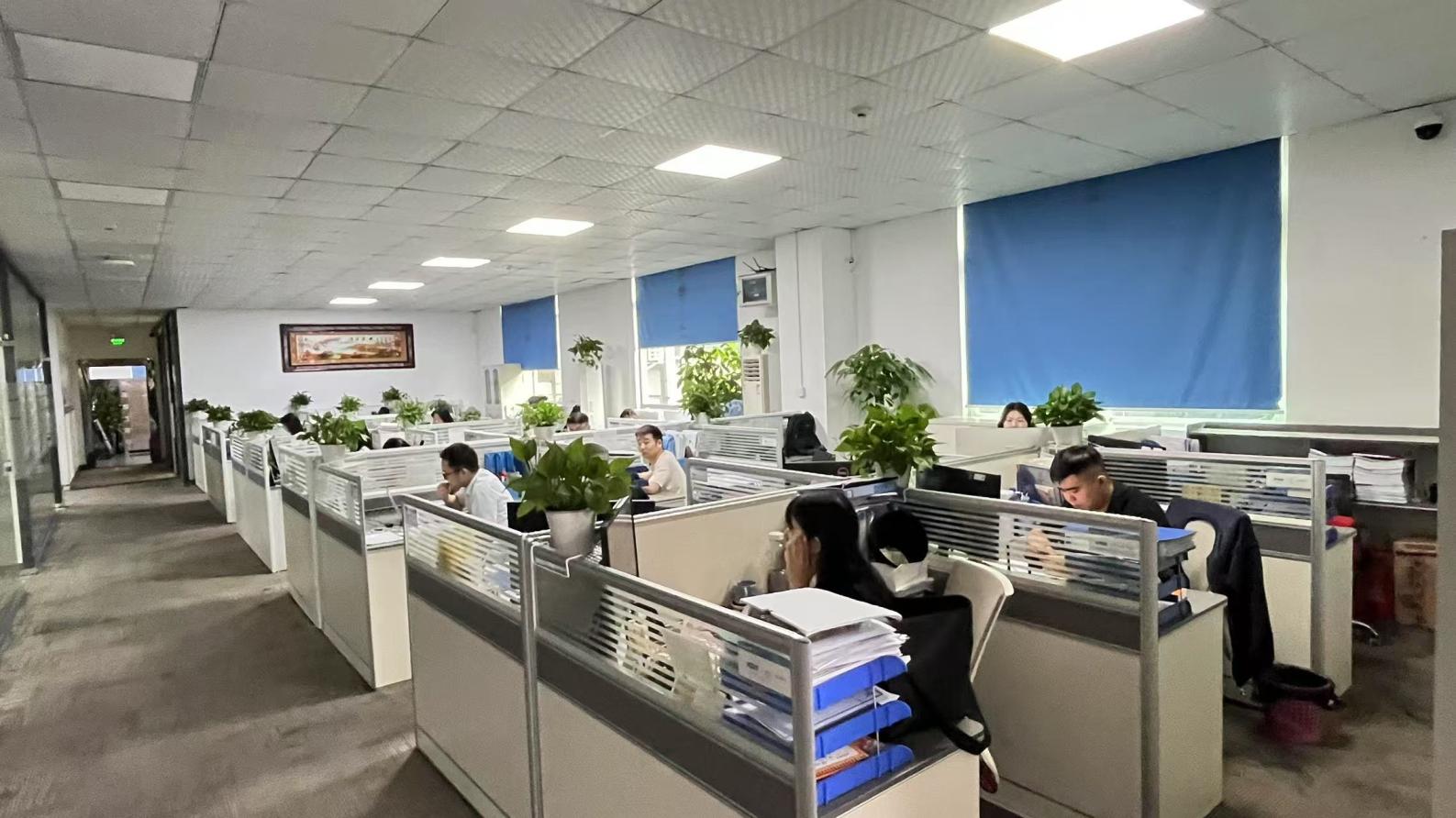
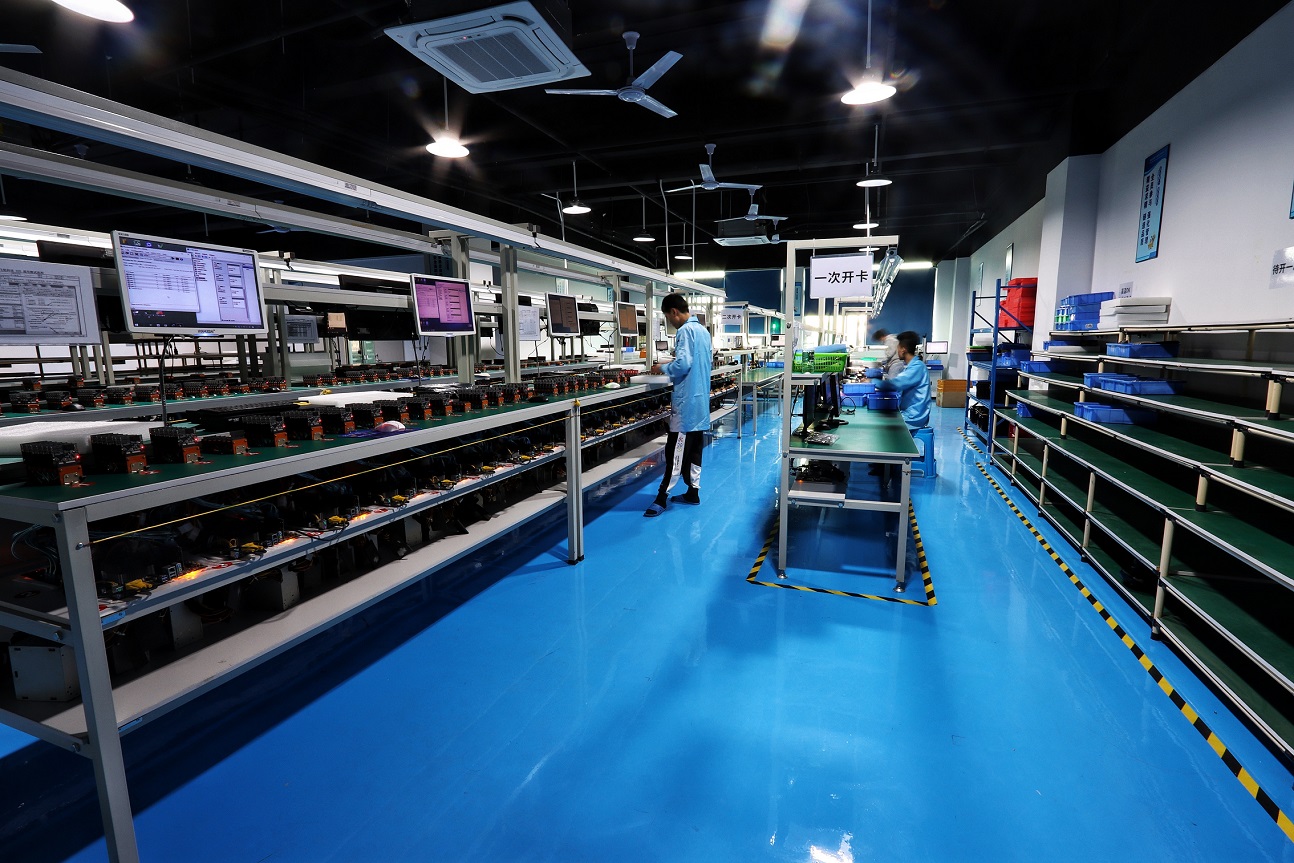
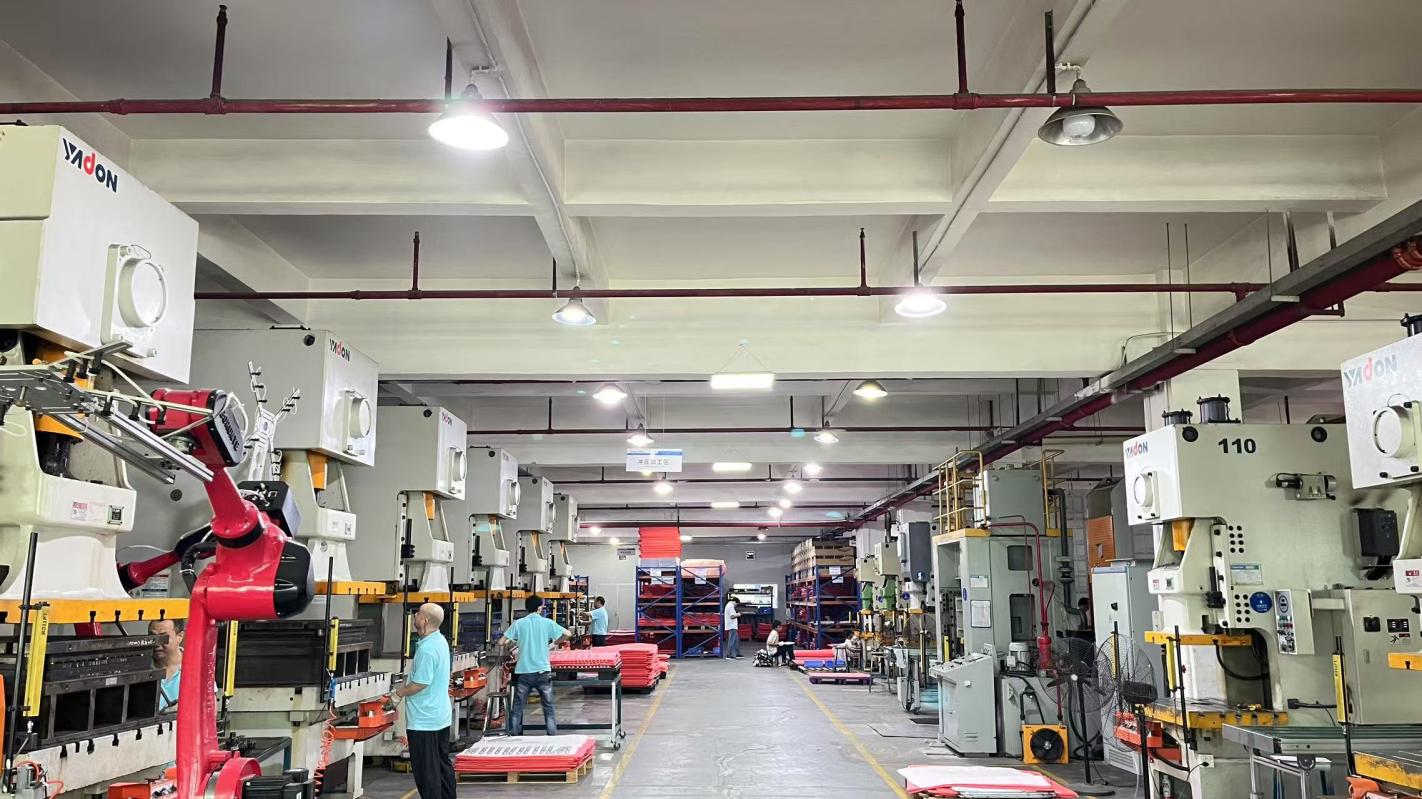
Our manufacturing facility covers 368 square meters and is equipped with advanced production and testing equipment to ensure stable quality and reliable performance. With an annual export revenue of over USD 18 million, Xeviora serves customers across North America, Europe, Southeast Asia, the Middle East, and South America.
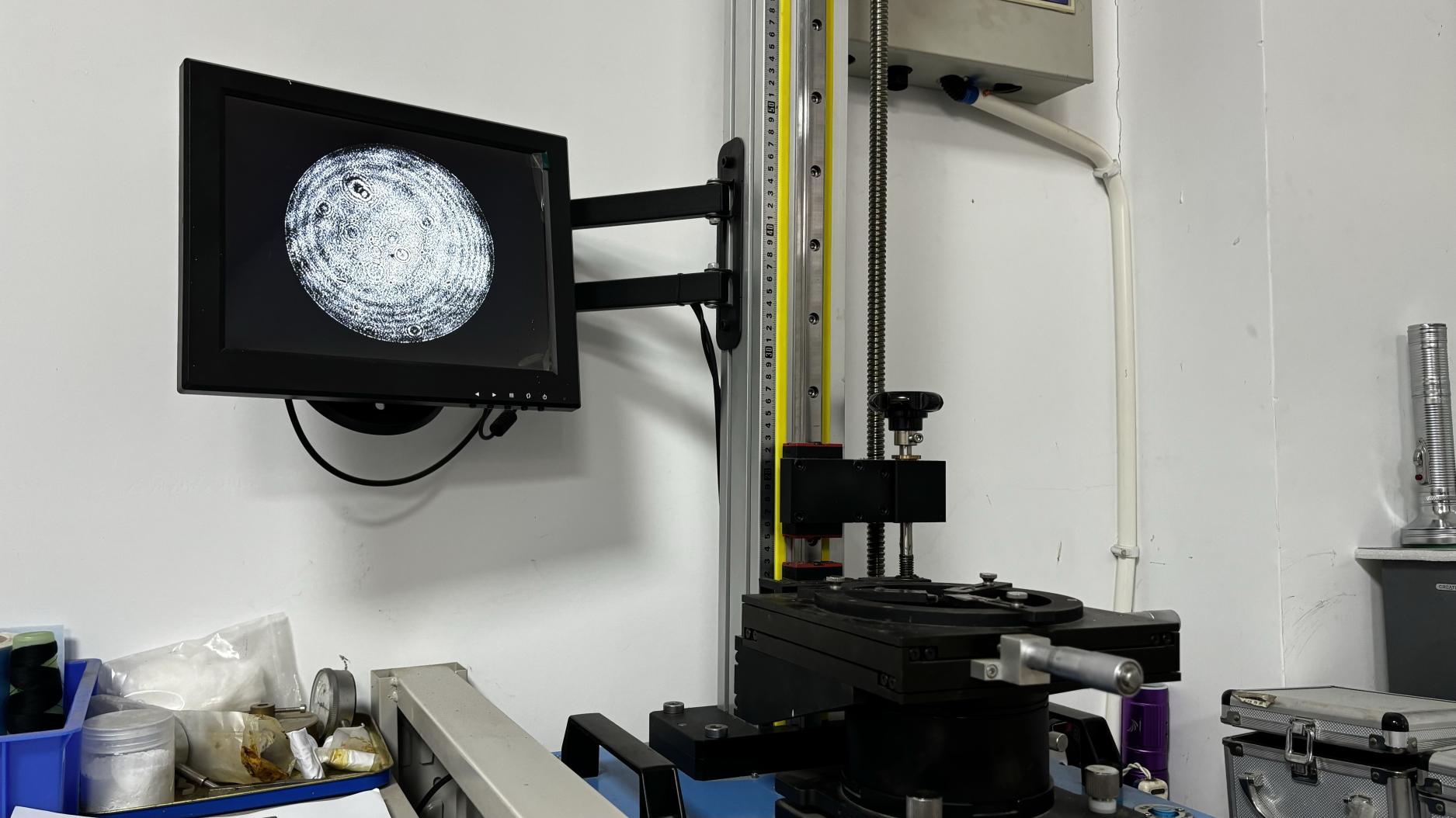
Backed by 8 years of export experience and 12 years of industry expertise, we are committed to delivering innovative memory products that meet international quality standards. Our quality management system includes comprehensive incoming material inspection, in-process quality control, and final product testing. All products undergo automated functional testing, compatibility verification, performance validation, and aging tests before shipment. Our quality assurance team consists of 46 dedicated inspectors who ensure every module meets strict reliability requirements.
As a manufacturer with strong OEM and ODM capabilities, Xeviora works closely with more than 850 supply chain partners worldwide, enabling efficient sourcing, flexible production, and fast delivery. Our primary customers include wholesalers, distributors, e-commerce sellers, system builders, brand owners, and enterprise solution providers.
Innovation is at the core of our business. Supported by an experienced R&D team of 128 engineers, we continuously invest in new technologies and product development. Last year alone, we successfully launched 86 new memory products covering DDR5 gaming memory, industrial-grade memory modules, server memory solutions, and customized storage products.
We offer flexible customization services, including private labeling, logo printing, packaging design, specification customization, firmware optimization, and complete OEM/ODM development. Whether customers require standard memory modules or fully customized solutions, our team is dedicated to providing reliable products, competitive pricing, and professional technical support.
In addition to bare board PCB manufacturing, providing complete SMT (Surface Mount Technology) and DIP (Dual In-line Package) plug-in soldering solutions streamlines the procurement workflow for Central European assembly factories. Managing parts procurement internally allows us to inspect, trace, and guarantee each active and passive component. From micro-resistors to DDR5 BGA chips, all items undergo initial inspection, Automated Optical Inspection (AOI) during reflow, and intensive functional verification before shipping. This integrated method removes the typical friction between component distributors, PCB board fabricators, and local PCBA design firms.
Robust components designed for constant operation in industrial computers, communication base stations, and automation controls.
Essential insights for procurement managers and engineering leads planning logistics and verifying technical specs.