 Xeviora
Xeviora
Xeviora
Engineered for extreme reliability: discover our range of multilayer prototypes, flexible circuits, and precision assembly solutions.
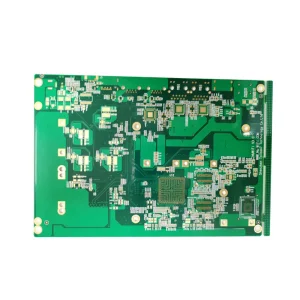
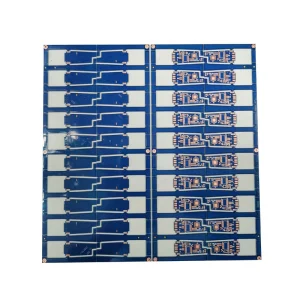
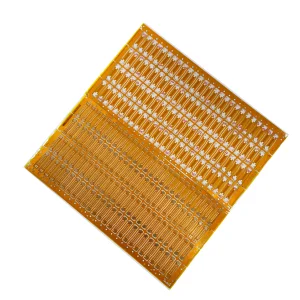
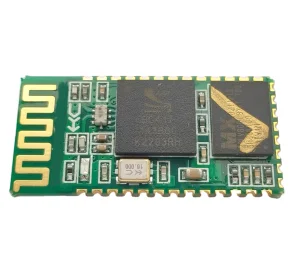
As Northern Germany's primary logistics hub and a central pillar of European civil aviation, the Hamburg metropolitan region demands electronic components that operate flawlessly under extreme, continuous conditions. From complex sensor arrays in the Port of Hamburg's automated container terminals (HHLA) to critical avionics systems at Airbus in Finkenwerder, the application of multi-layer printed circuit boards (PCBs) is foundational. Multi-layer circuit boards (typically containing from 4 up to 32 layers) provide the dense routing, controlled impedance, and electromagnetic compatibility (EMC) required by modern high-speed electronics.
For Hamburg-based engineers and procurement managers, finding an OEM/ODM partner that bridges competitive Asian manufacturing with European quality standards is crucial. Standard consumer-grade boards fail to withstand the high vibration of marine vessels or the extreme thermal shifts of wind turbines operating off the North Sea coast. As a result, German industrial purchasers actively seek circuit boards that boast thick copper layers, high glass transition temperatures (Tg > 170°C), halogen-free substrates, and compliant surface finishes like ENIG (Electroless Nickel Immersion Gold).
The Hamburg market possesses highly distinct engineering standards for embedded hardware. Here is how key local sectors deploy multi-layer PCBs:
When engineering multi-layer printed circuit boards, the selection of the substrate determines the board's electrical performance and mechanical stability. For high-speed applications running critical processing units, signal losses must be kept to an absolute minimum. We utilize standard FR-4 (such as Shengyi S1000-2M and Kingboard) alongside high-frequency laminates like Rogers RO4003C and Panasonic Megtron 6. These materials provide low dielectric constants (Dk) and dissipation factors (Df), enabling distortion-free signal transmission at frequencies exceeding 10 GHz.
Furthermore, maintaining strict impedance control (typically ±5% to ±10% tolerance) across differential pairs is essential for high-speed buses like PCIe Gen 4/5, DDR4/DDR5 memory lanes, and Ethernet connections. Our engineering department uses polar solvers (Cits880S) to optimize stackup dimensions, track widths, and dielectric thickness before fabrication starts, ensuring first-time-right prototyping.
| Parameter | Standard Range | Industrial Grade / High-Spec |
|---|---|---|
| Layer Count | 2 - 16 Layers | Up to 32 Layers |
| Finished Board Thickness | 0.4mm - 2.4mm | 0.2mm - 6.0mm |
| Min. Line Width / Spacing | 0.1mm (4mil) | 0.05mm (2mil) for HDI |
| Copper Weight (Inner/Outer) | 0.5oz - 2oz | Up to 6oz (Heavy Copper) |
| Aspect Ratio (Drill to Thickness) | 8:1 | 12:1 |
| Impedance Control Tolerance | ±10% | ±5% (Strict Class III) |
High-capacity memory modules and robust server heatsinks designed to operate seamlessly in conjunction with multilayer controller boards.
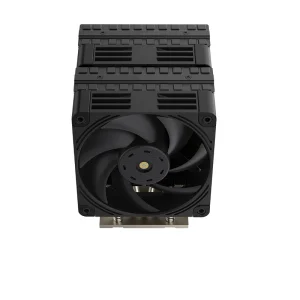
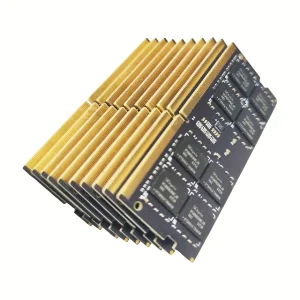
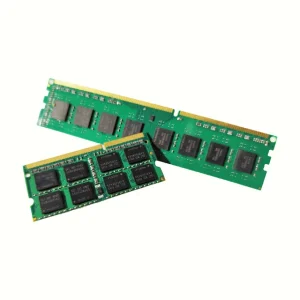
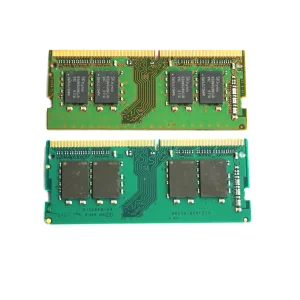
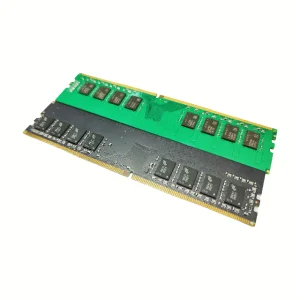
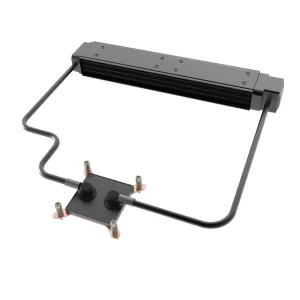
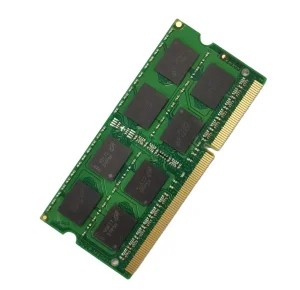
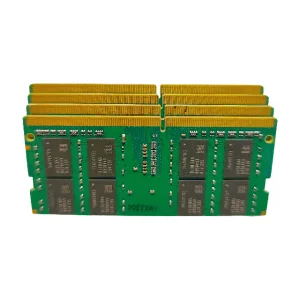
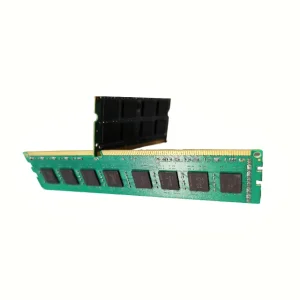
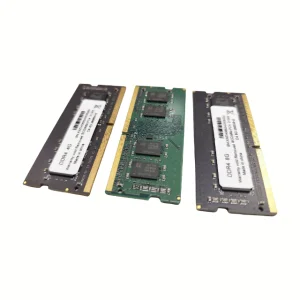
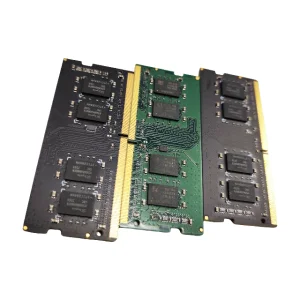
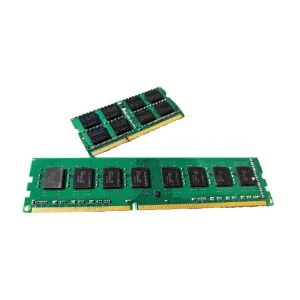
Established in 2017, Xeviora Memory Technology (China) Co., Ltd. is a leading developer and manufacturer of high-density memory modules, server computing hardware, and multi-layer electronic solutions. Our advanced manufacturing facility operates with specialized production lines, equipped with top-tier surface mount (SMT) and diagnostic machines. Through our extensive network of over 850 global supply chain partners, we ensure rapid component sourcing, flexible production runs, and highly reliable deliveries to Europe and the Americas. Annually generating over USD 18 million in export revenue, we actively supply brand owners, wholesalers, and industrial system integrators across the globe.
Our operation is underpinned by more than 12 years of industry-specific engineering experience. Guided by our R&D team of 128 engineers, Xeviora continuously designs and tests next-generation memory and multi-layer board stackups. Last year alone, we successfully launched 86 new products, including high-frequency DDR5 memory, industrial-grade storage modules, and specialized PCB designs. We support comprehensive OEM/ODM customization services, including private labeling, PCB trace optimization, layout adjustments, custom firmware design, and complete multi-layer prototyping.
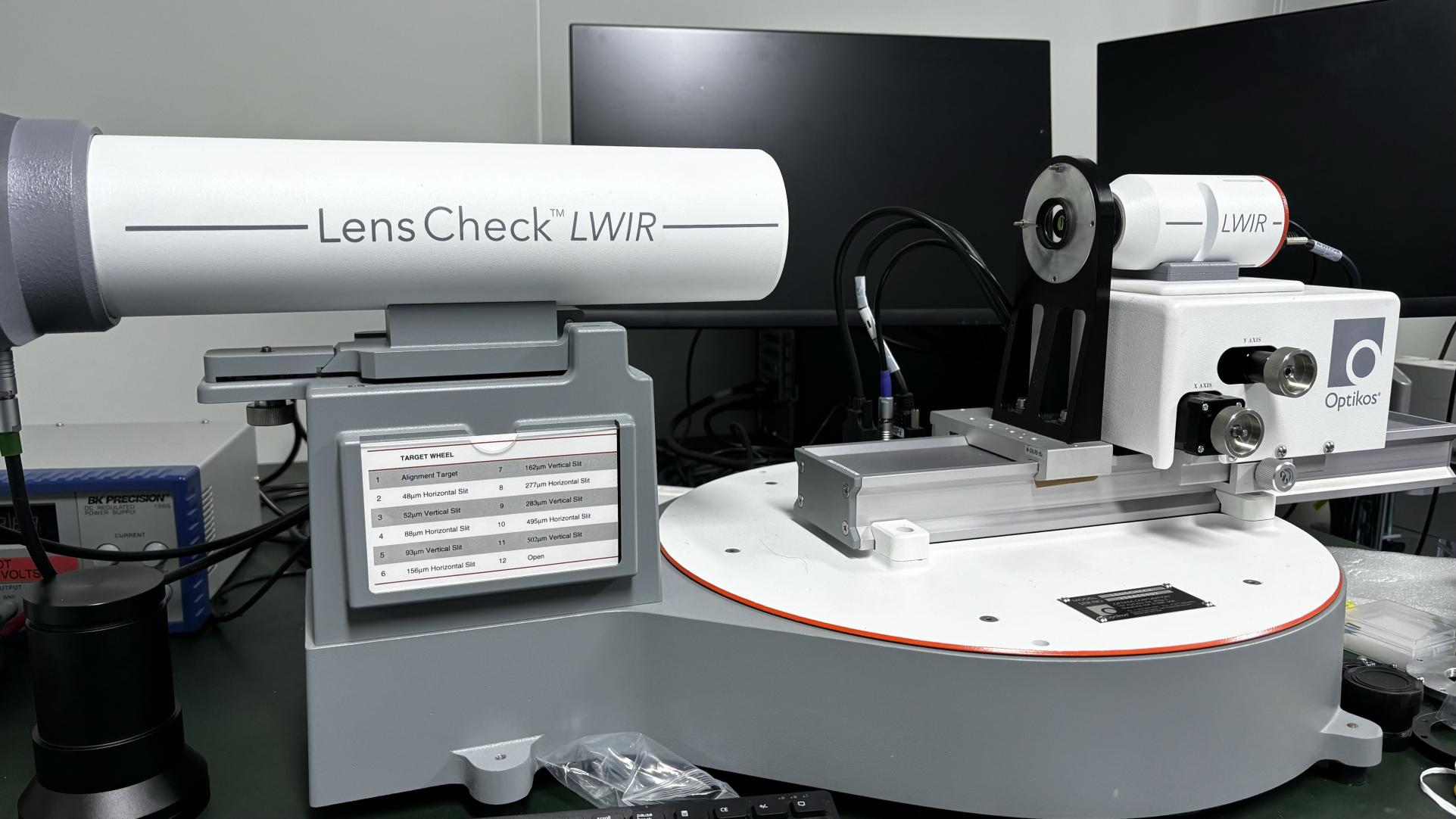
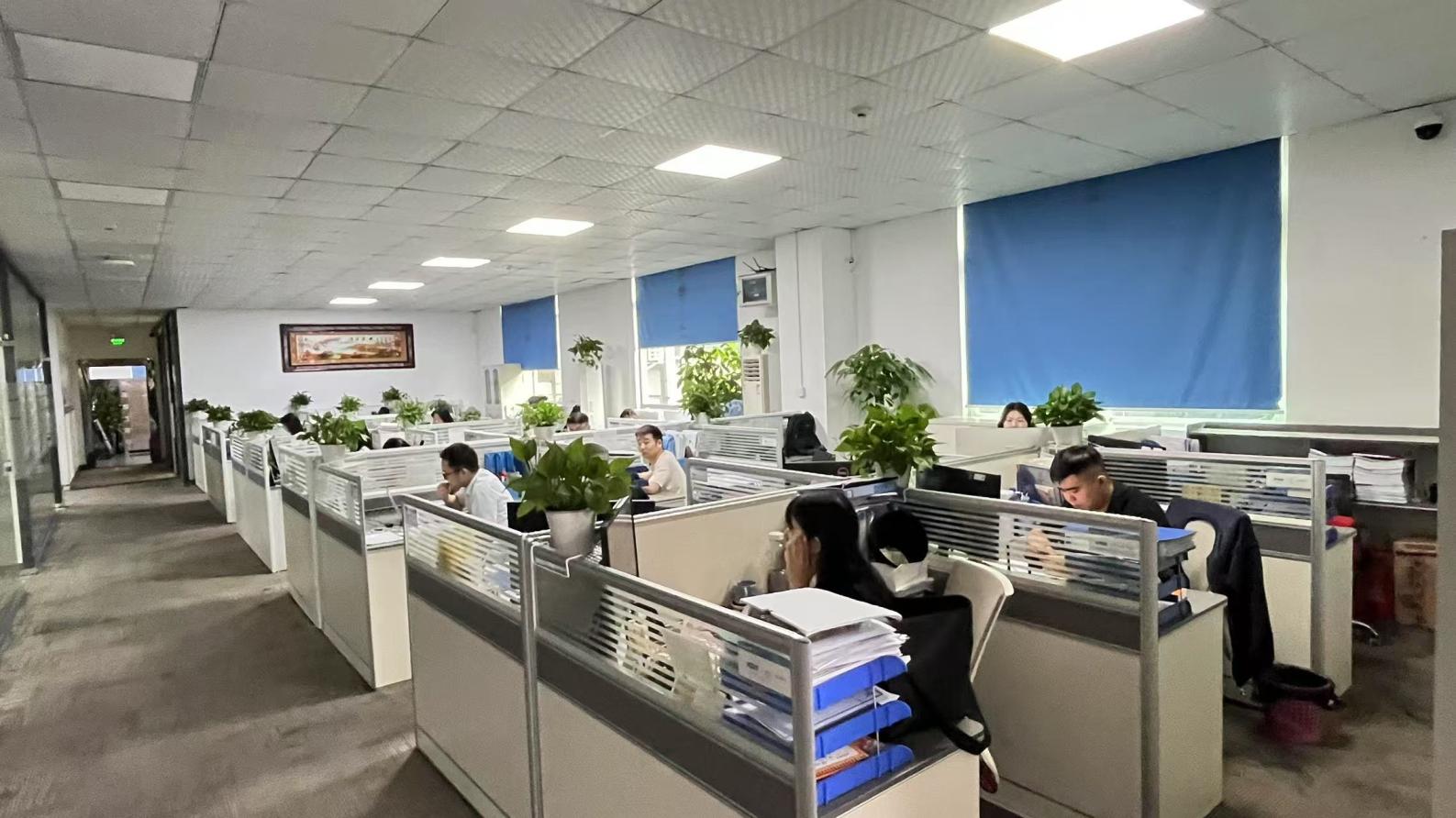
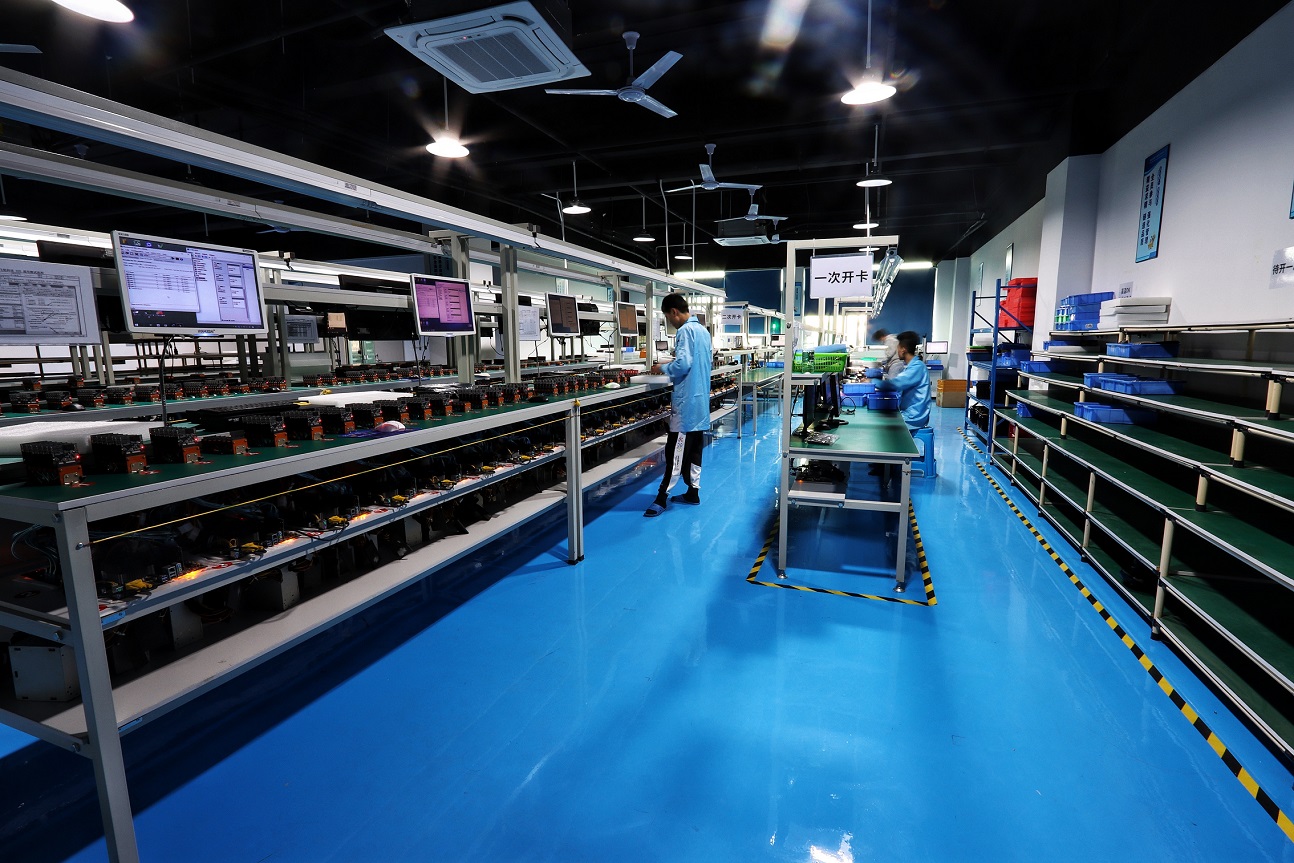
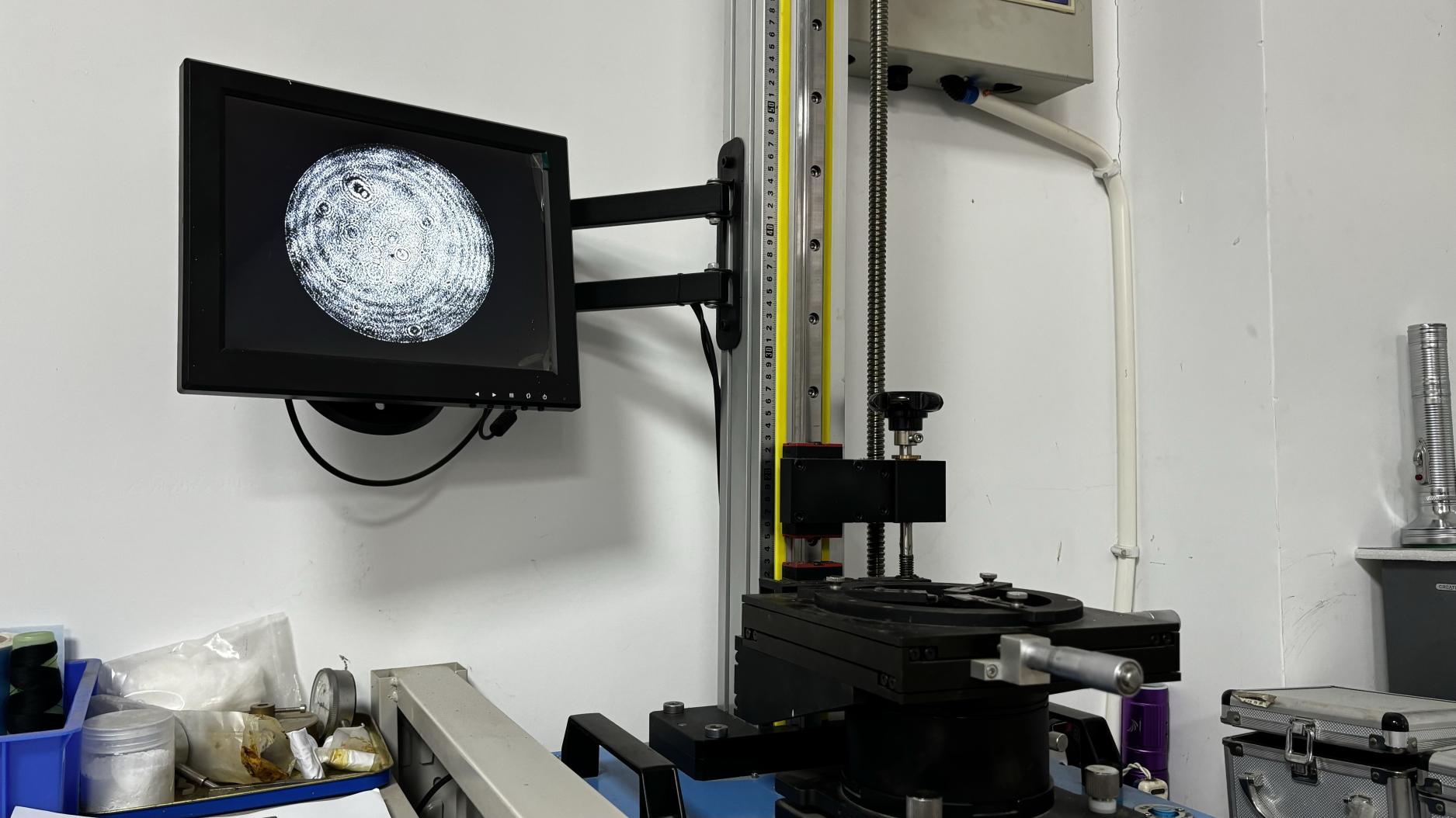
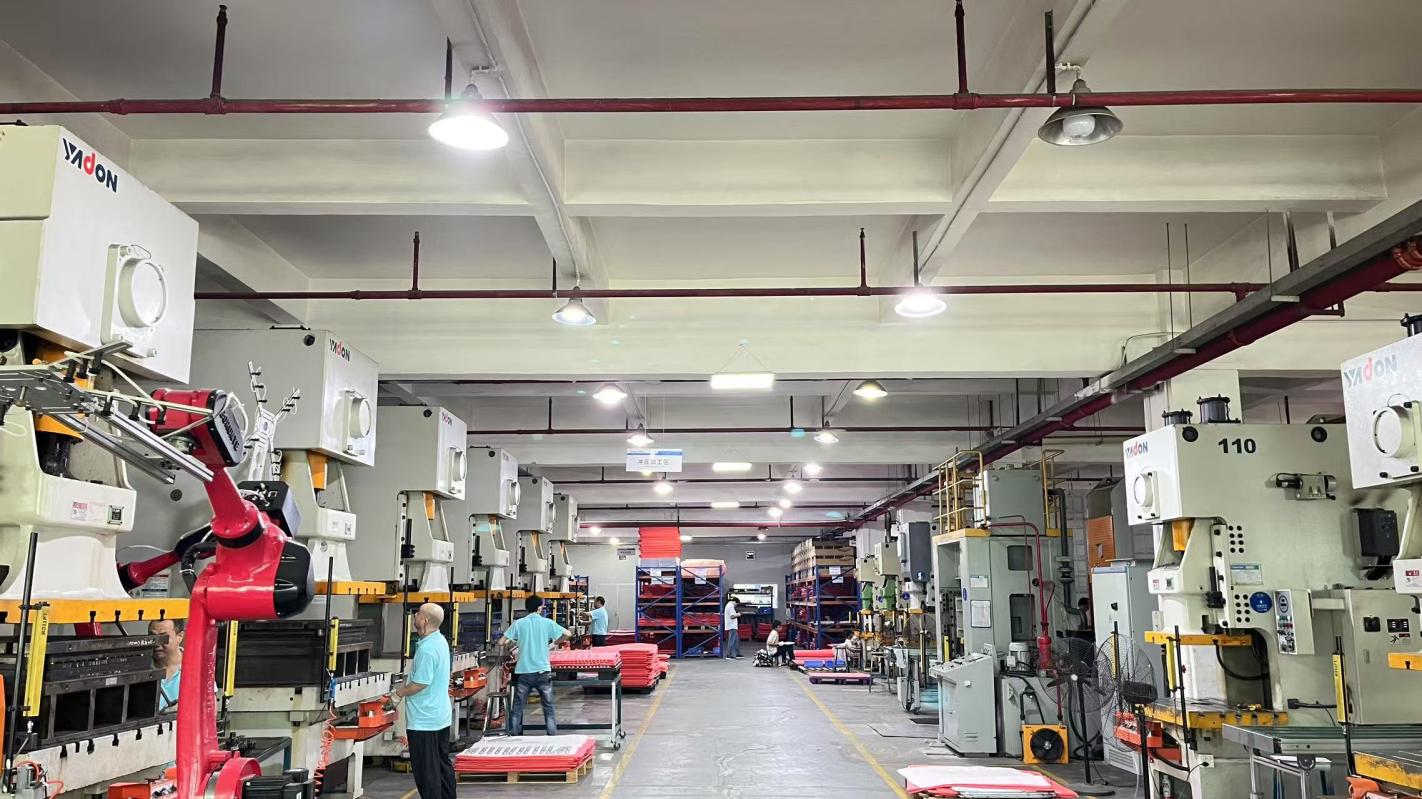
Quality assurance is embedded in every phase of the manufacturing process at Xeviora. Our 46 dedicated inspectors enforce a multi-step inspection framework, validating all raw materials and executing in-process monitoring before conducting final function testing. By utilizing Automated Optical Inspection (AOI), X-ray diagnostic machines, flying probe tests, and simulated thermal aging, we assure that every module meets IPC Class II and Class III requirements. This absolute dedication to reliability guarantees that all boards and memory modules perform consistently under the harsh temperatures and physical stresses typical of maritime transport and heavy industrial installations in Hamburg.
Importing electronic hardware into the European Union demands strict adherence to rigorous environmental and safety directives. At Xeviora, we prioritize regulatory alignment, facilitating stress-free customs clearance and hassle-free domestic integration. Every multi-layer board, memory module, and cooler assembly we manufacture is fully compliant with the following directives:
Additionally, we work closely with our partners in Germany to secure proper documentation for the German ElektroG (the local implementation of the WEEE Directive), assisting distributors in meeting registration requirements. By choosing a partner with a robust compliance record, procurement managers in Hamburg mitigate legal liabilities and secure reliable long-term supply paths.
Technical Sourcing & Engineering Answers for the Hamburg Electronics Industry.
Get detailed engineering consultation, free design checking, and a comprehensive quote within 24 hours. Benefit from Xeviora's advanced production capacity and secure global supply routes to Northern Germany.
Send Inquiry Now