Xeviora
Xeviora
Xeviora
Engineered for extreme thermal thresholds. Directly integrated into high-speed automation systems in Tokyo.
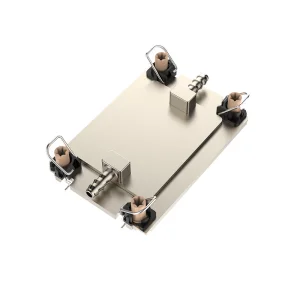
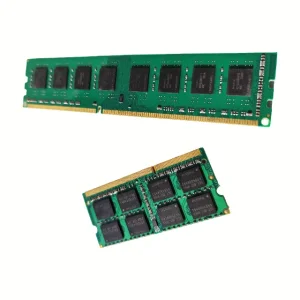
How local micro-electronics manufacturers are adapting to harsh thermal demands in the Kanto region.
Tokyo stands as one of the world's most dense concentrations of high-tech manufacturing, robotics, and advanced semiconductor design houses. As electronic devices shrink and power densities surge, standard FR-4 circuit boards fail due to excessive heat. This is where High-TG (Glass Transition Temperature) PCBs become indispensable. A High-TG board (typically defined as having a TG of 170°C or higher) retains its mechanical stability, structural integrity, and electrical insulation properties under continuous thermal stress.
In Tokyo's famous industrial hubs—ranging from the precision engineering clusters in Ota City (Ota-ku) to the hardware development labs in Akihabara and the automotive research facilities on the outskirts of the Greater Tokyo Area—engineers require reliable component integration. Local electronics companies supply these critical components to industries that cannot afford down-time: automated bullet train (Shinkansen) systems, sub-sea fiber communications, and high-frequency trading servers located in Tokyo's financial center.
Power control modules in electric vehicles (EVs) require PCBs that survive sustained operating temperatures of 150°C and transient peaks beyond.
Server motherboard layers must mitigate heat generated by multi-core processors. High-TG materials ensure zero delamination in server racks.
Tokyo’s leading medical imaging manufacturers demand high-reliability multi-layer boards to ensure consistent operational signals during prolonged scanning cycles.
A comparative breakdown of standard vs. high-reliability substrates compiled by our technical directors.
When selecting a High-TG PCB supplier in Tokyo, engineers must carefully evaluate several core thermal and physical metrics. Standard FR-4 substrate materials have a glass transition temperature of 130°C to 140°C. Once the temperature exceeds this threshold, the polymer matrix shifts from a rigid glass state to a flexible, rubbery state, causing physical distortion, trace cracking, and ultimate circuit failure. High-TG PCBs are formulated using modified epoxy resins that elevate this threshold to 170°C - 180°C or higher.
| Thermal Property | Standard FR-4 | Mid-TG PCB | High-TG PCB (Recommended) |
|---|---|---|---|
| Glass Transition Temp (Tg) | 130°C - 140°C | 150°C - 160°C | 170°C - 185°C+ |
| Decomposition Temp (Td) | ≤ 310°C | ≤ 325°C | ≥ 340°C |
| Z-Axis Expansion (CTE) | 4.2% - 4.8% | 3.5% - 4.0% | 2.2% - 2.8% (Lower is safer) |
| Delamination Time (T260) | 5 - 10 minutes | 15 - 20 minutes | ≥ 30 minutes |
| Thermal Stress resistance | Poor | Moderate | Excellent (3x solder float cycles) |
The Greater Tokyo Area experiences strict quality benchmarks under JIS (Japanese Industrial Standards). For critical defense, automotive, and industrial communication equipment, engineers prioritize High-TG substrates due to several factors:
Leveraging the high-volume capabilities of Xeviora Memory Technology (China) Co., Ltd. for local markets.
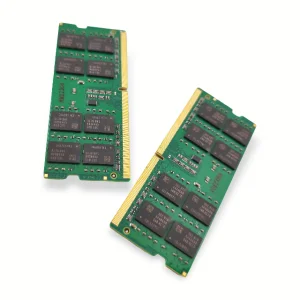
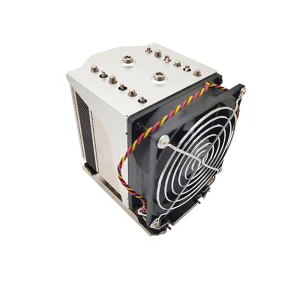
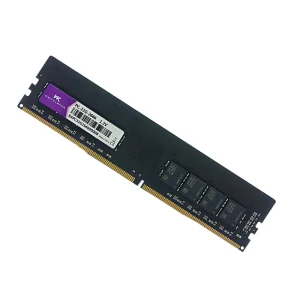
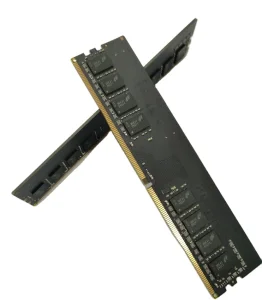
While Tokyo acts as the hub for localized engineering design, simulation, and quality assurance, cost-effective scaling requires deep integration with global supply chains. Xeviora Memory Technology (China) Co., Ltd. is a professional memory and thermal module manufacturer based in China, specializing in high-performance RAM solutions and cooling accessories for gaming, industrial, enterprise, and consumer applications. Established in 2017, the company has rapidly grown into a trusted OEM and ODM partner for global distributors, system integrators, and technology brands, including those based in Tokyo.
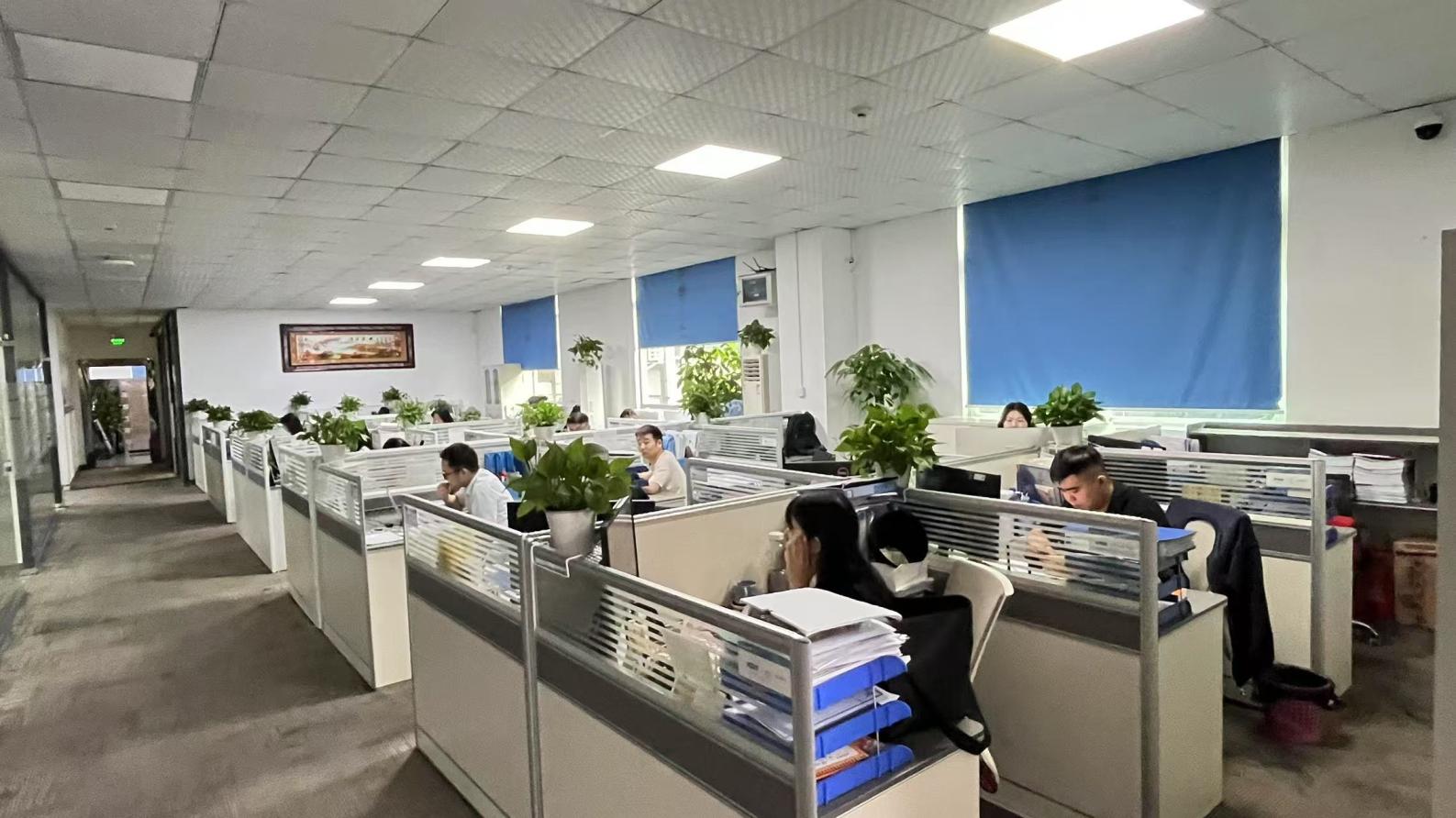
Our manufacturing facility covers 368 square meters and is equipped with advanced production and testing equipment to ensure stable quality and reliable performance. With an annual export revenue of over USD 18 million, Xeviora serves customers across North America, Europe, Southeast Asia, the Middle East, and South America. Backed by 8 years of export experience and 12 years of industry expertise, we are committed to delivering innovative products that meet international quality standards.
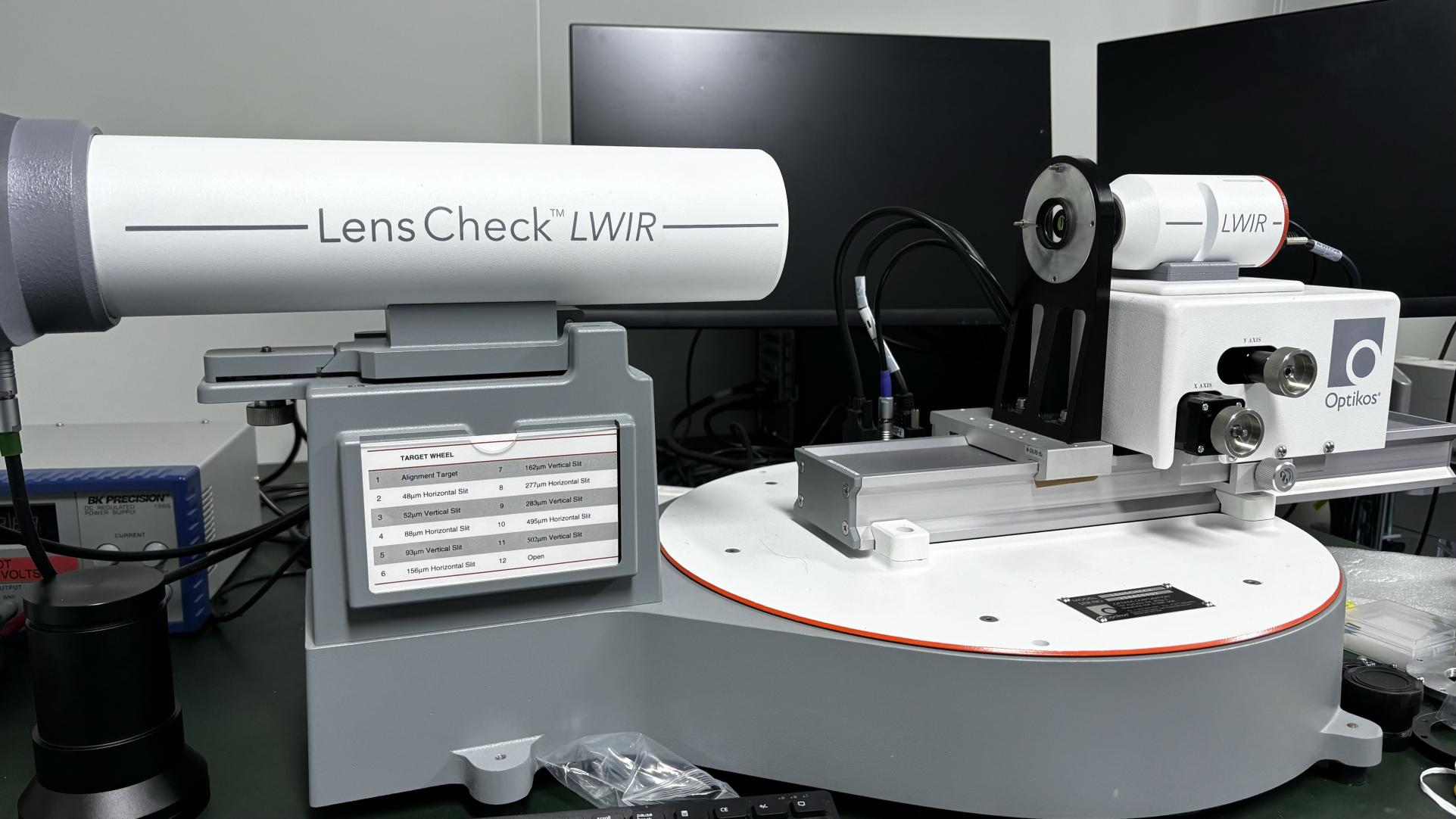
Our comprehensive quality management system includes rigorous incoming material inspection, in-process quality control, and final product testing. All products undergo automated functional testing, compatibility verification, performance validation, and aging tests before shipment. Our quality assurance team consists of 46 dedicated inspectors who ensure every module meets strict reliability requirements. As a manufacturer with strong OEM and ODM capabilities, Xeviora works closely with more than 850 supply chain partners worldwide, enabling efficient sourcing, flexible production, and fast delivery to Tokyo and global markets.
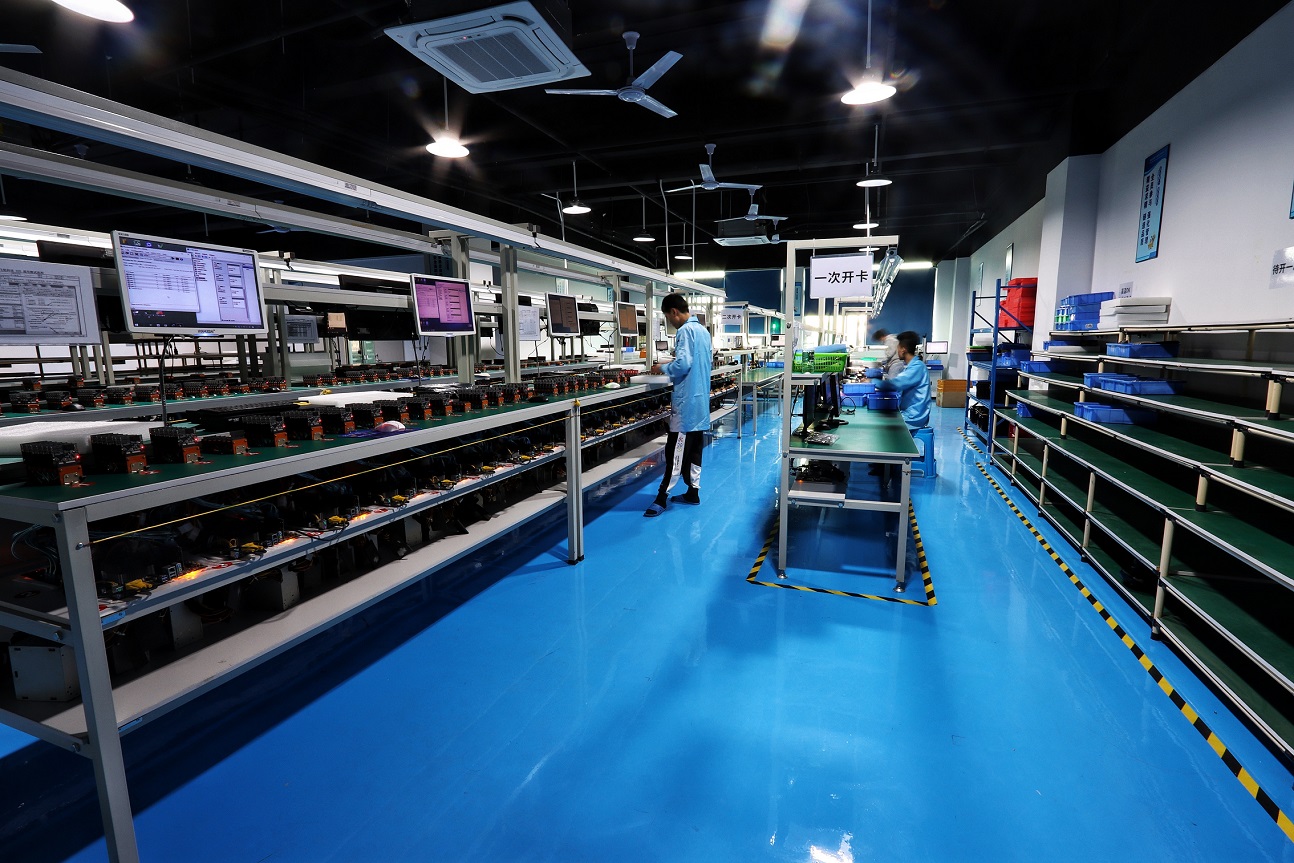
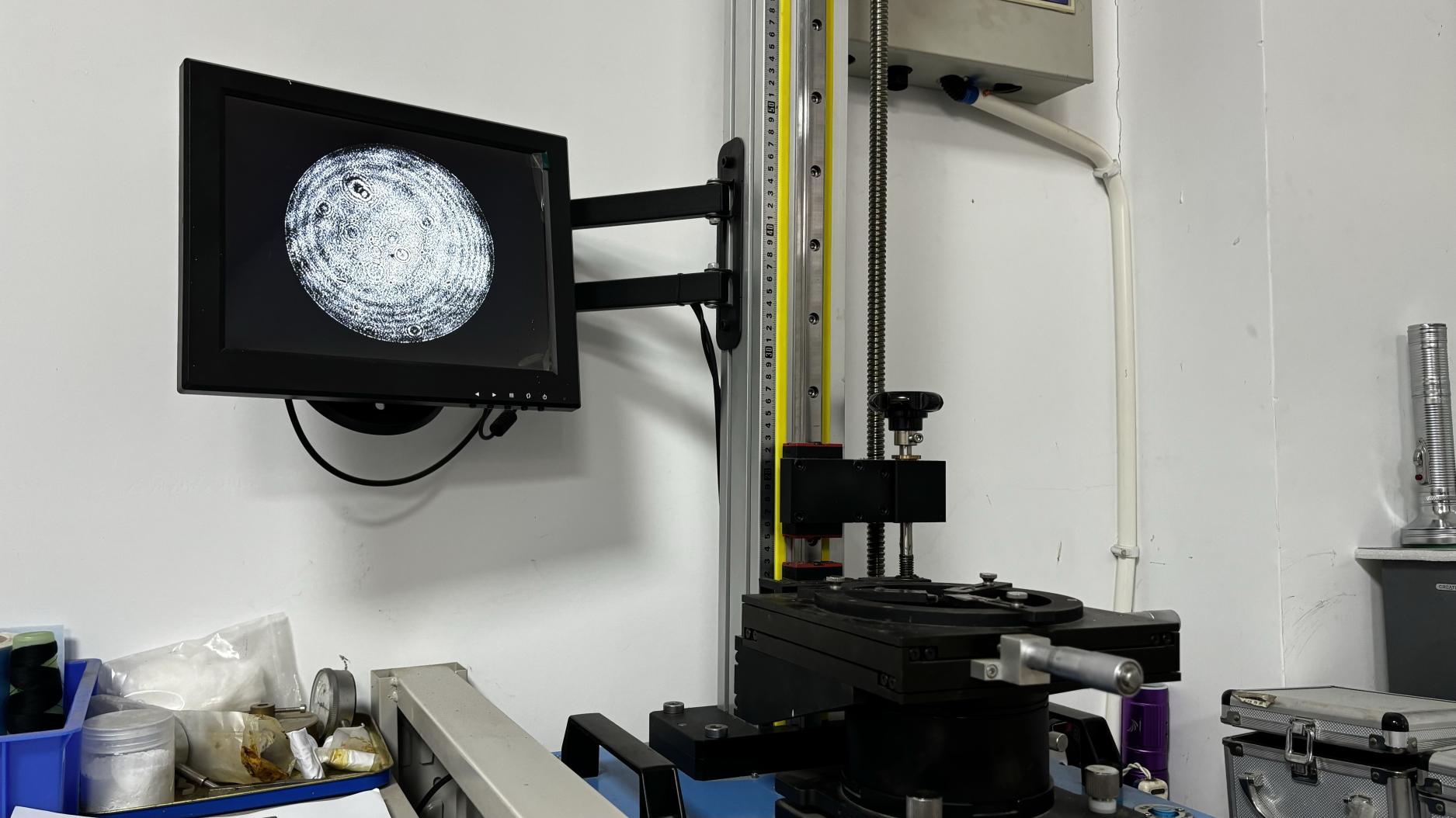
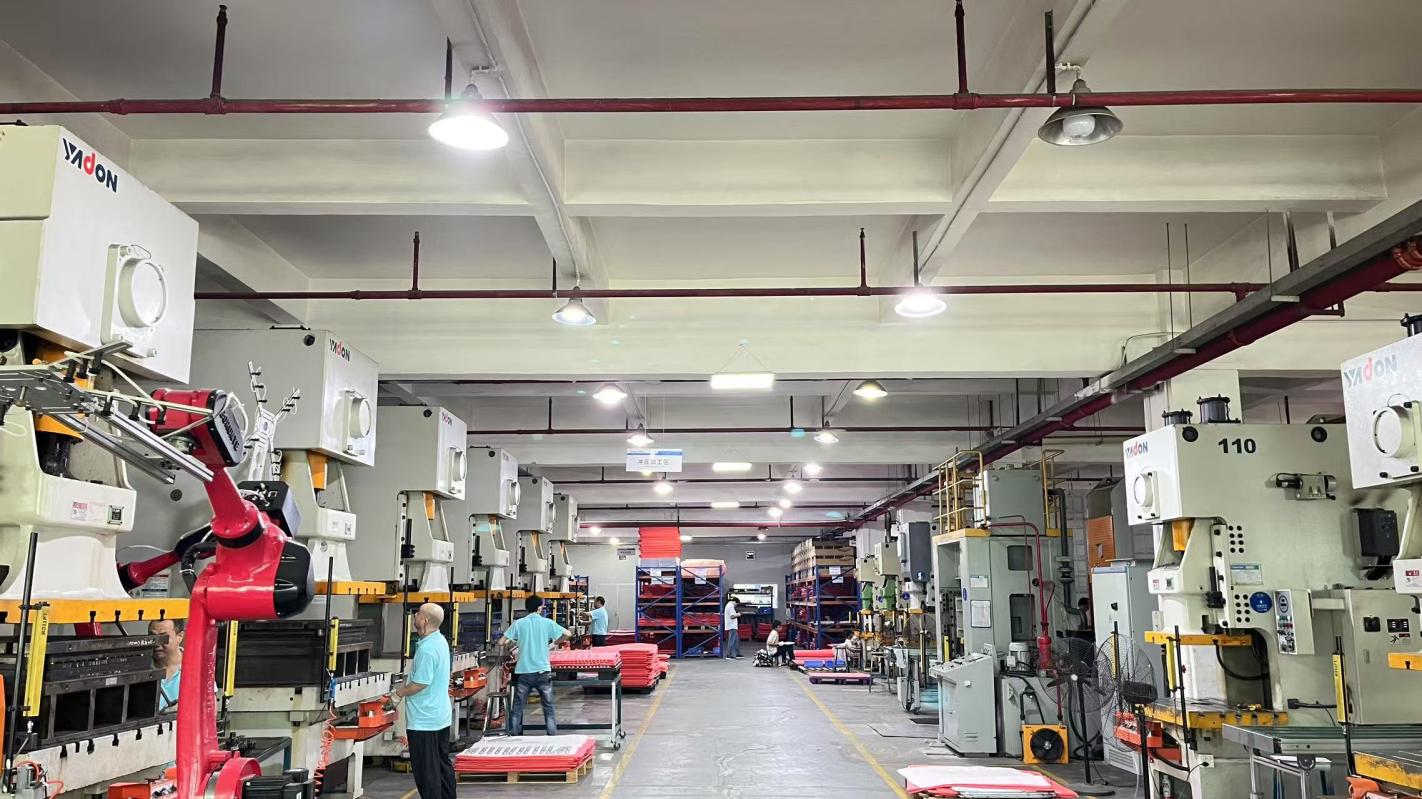
To assure absolute transparency and build E-E-A-T (Experience, Expertise, Authoritativeness, and Trustworthiness), here is a look inside the production facilities, QA testing labs, and assembly divisions where our PCB and memory components undergo rigorous testing before shipping to Tokyo.
Navigating regulatory pathways for importing and deploying High-TG PCBs within Japan.
Japanese electronics developers expect flawless conformity to local standards. Our supply chain solutions are built around these high-compliance environments. We ensure that our High-TG PCB laminates and the thermal components that sit on them meet the following strict conditions:
Whether you require a custom impedance-controlled multilayer PCB for a precision robotic arm in Yokohama, or highly stable thermal solutions for server cabinets in Chiyoda-ku, our engineering offices are available for remote DFM (Design for Manufacturability) analysis, ensuring that your layout fits our automated optical inspection guidelines.
Empouring Tokyo's Smart City infrastructure and green datacenters.
By 2026, the demand for High-TG substrates will transition toward Ultra-High-TG materials (withstanding sustained temperatures of 200°C to 220°C) driven by the integration of Silicon Carbide (SiC) and Gallium Nitride (GaN) components in automotive charging blocks. Our research focuses on several upcoming trends:
For 5G millimeter-wave and upcoming 6G applications in Tokyo, standard high-TG laminates introduce high dielectric loss. We are introducing specialty materials that merge high-TG characteristics with Low-Loss (Dk/Df) properties, allowing high frequencies to propagate without signal degradation.
As microchips run hot in AI acceleration cards, we are working closely with Tokyo partners to embed liquid cooling channels directly into the High-TG multi-layered structures, bypassing traditional thermal interface materials (TIMs) entirely.
Answers to technical and logistics questions regarding High-TG PCBs and hardware sourcing in Tokyo.
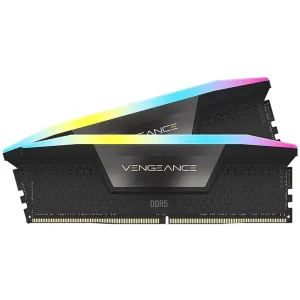
High-performance DDR4, DDR5, and cooling solutions designed to support high-density server configurations in Japan.
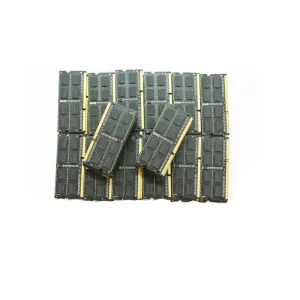
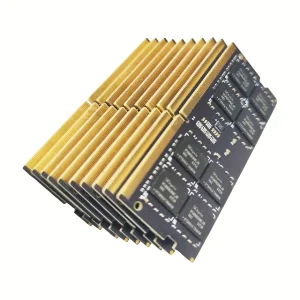
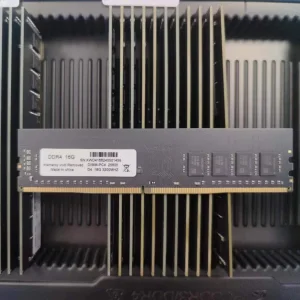
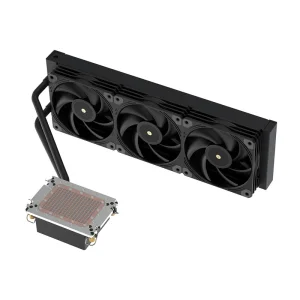
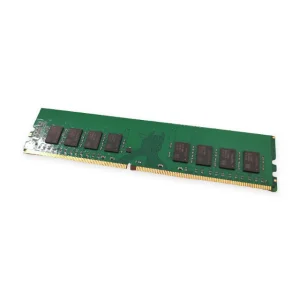
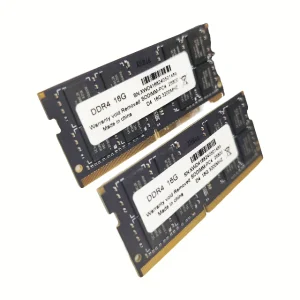
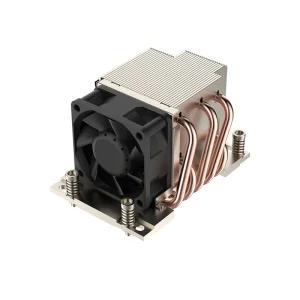
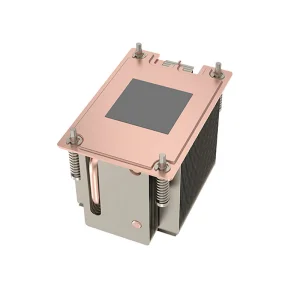
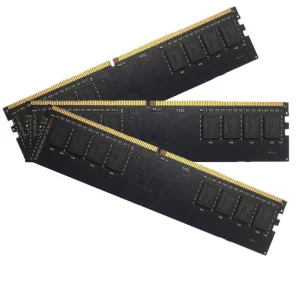
Looking for custom High-TG PCB layups, low-loss substrates, or specialized server heat sinks? Contact our global engineering desk today for design verification, quoting, and technical consults.
Send Inquiry Now