 Xeviora
Xeviora
Xeviora
Industrial-grade hardware engineered for precision, high thermal stability, and long life cycles under continuous operation.
Within the ultraviolet spectrum, the 260nm to 270nm band represents the absolute pinnacle of germicidal effectiveness. Pathogen DNA and RNA molecules exhibit maximum absorption of light energy at approximately 265nm. When microorganisms are exposed to UVC radiation in this precise wavelength window, the light energy penetrates their outer cell walls, disrupting their molecular bonds and forming pyrimidine dimers.
At 260nm-270nm, photon absorption induces cross-linking of thymine bases in DNA and uracil bases in RNA. This structural deformation inhibits transcription and replication, rendering bacteria, viruses, and molds completely inactive without the use of chemical additives.
The 3535 package architecture (measuring 3.5mm x 3.5mm) has emerged as the global standard for high-power, industrial-grade optoelectronics. Utilizing ceramic substrates (Aluminium Nitride - AlN) combined with a robust quartz glass lens, the 3535 package provides exceptional thermal dissipation. Since deep UV LEDs typically convert only a fraction of input power to optical output, heat generation is significant. The AlN substrate features a thermal conductivity of >180 W/mK, quickly conducting heat away from the semiconductor junction to protect the AlGaN active layers and ensure long-term stability.
Exploring the convergence of local infrastructural modernization in Vietnam and global technological shifts.
Hanoi and its surrounding northern industrial provinces (such as Bac Ninh, Hung Yen, and Hai Phong) are undergoing rapid industrialization and urban expansion. Industrial parks are attracting massive foreign direct investment (FDI) in high-tech manufacturing, consumer electronics, and food processing. However, rapid growth brings critical requirements for water purification, wastewater treatement, and cleanroom environment control.
Localized integration of 260nm-270nm 3535 UVC LEDs is expanding quickly in Hanoi's municipal water systems, residential water filtration units, and industrial sterile environments. Compliance with environmental and food safety regulations requires high-reliability disinfection equipment that operates continuously in humid, high-temperature subtropical climates.
Globally, the disinfection industry is pivoting from mercury discharge lamps to solid-state UV LEDs. This shift is driven by strict environmental regulations, the demand for energy-efficient systems, and the ability to integrate smart sensors with microcontrollers. In markets across North America, Europe, and Asia, UVC LEDs are utilized in diverse areas, including vehicle cabin sanitization, HVAC air purification, and pharmaceutical process water treatment.
Global procurement managers focus on optimizing the Wall Plug Efficiency (WPE) and thermal resistance of AlGaN-based chips. Choosing a manufacturer that offers precise optical power binning, consistent spectral outputs, and reliable submount configurations is key to minimizing failure rates in critical applications.
Combining raw material access, precision manufacturing, and strict quality control standards.
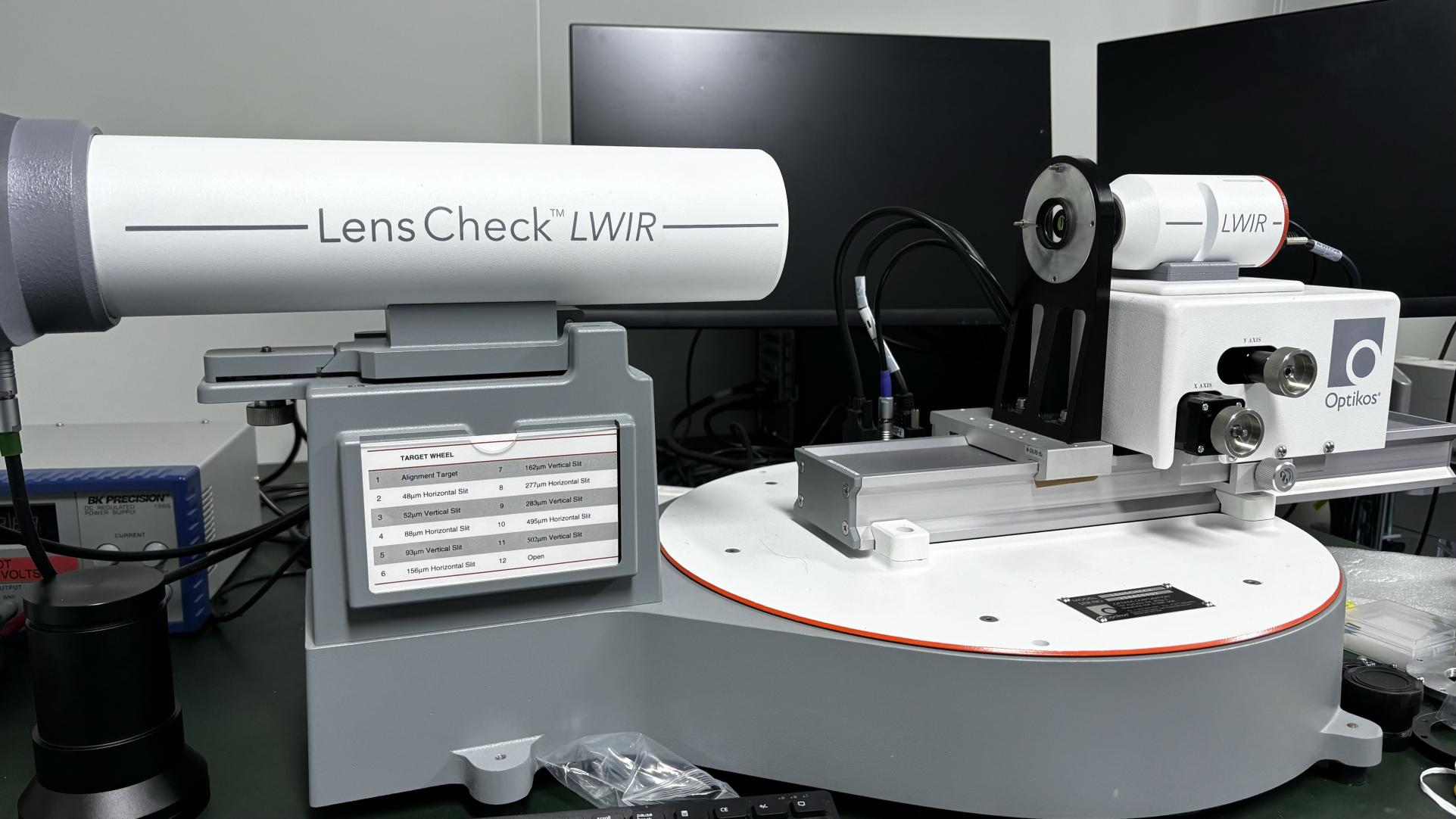
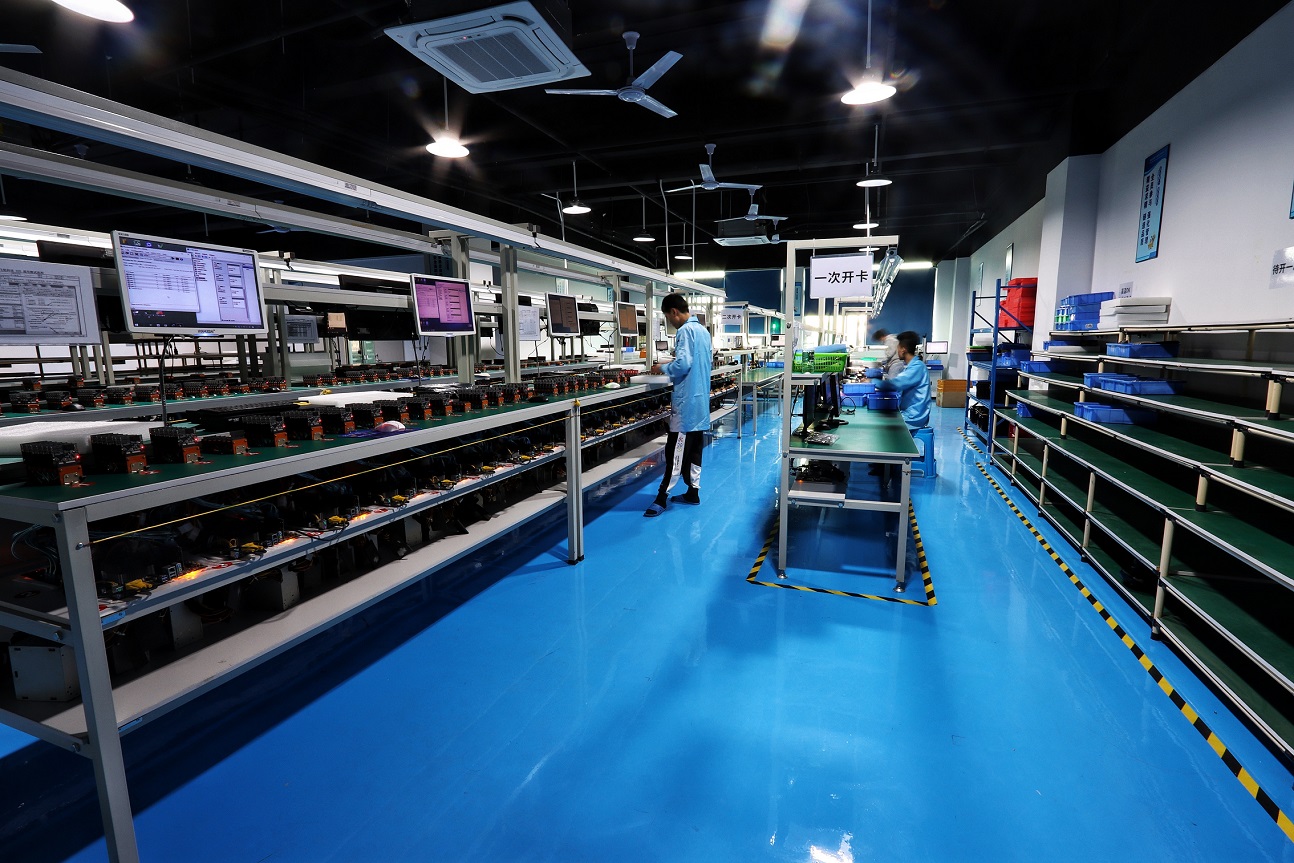
As a leading China-based manufacturer, Xeviora Memory Technology (China) Co., Ltd. leverages a highly developed semiconductor packaging ecosystem. The cleanroom assembly facilities utilize automated die-bonding, eutectic reflow ovens, and high-speed automated optical inspection (AOI) equipment. These tools guarantee high precision and reliability for every 3535 UVC LED module and controller assembly we produce.
Our facility is backed by 8 years of export experience and 12 years of industry-specific engineering. Xeviora manages a robust supply chain network of over 850 partners, enabling rapid sourcing, custom package options, and quick delivery timelines for the Hanoi market. Our QA division includes 46 certified inspectors who oversee incoming material inspections, in-process monitoring, thermal simulation modeling, and final product verification.
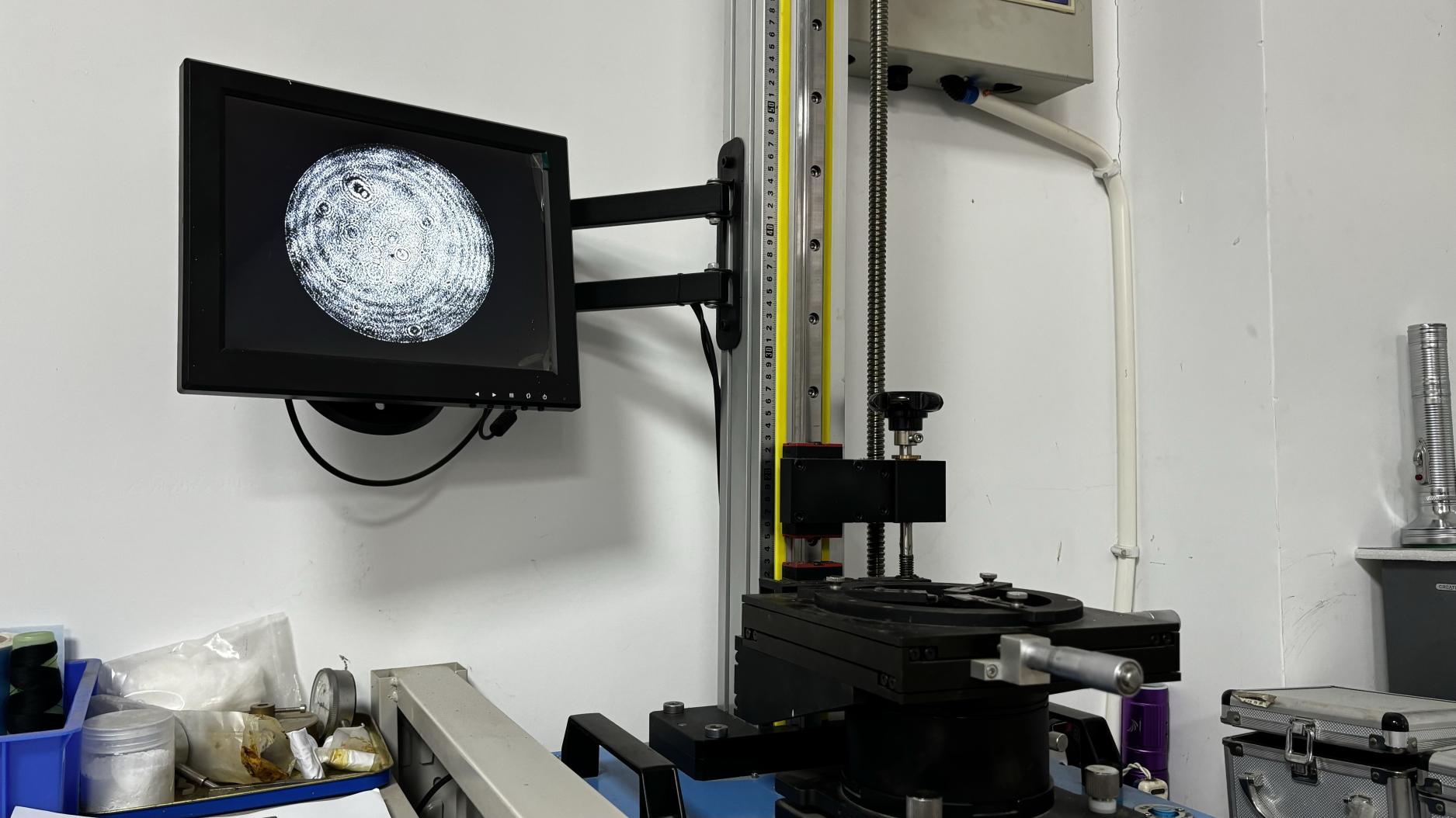
All optoelectronic and memory modules undergo automated functional testing, high-temperature aging tests, and thermal resistance calibration. This rigorous process guarantees stable performance for demanding industrial environments in northern Vietnam.


From cleanrooms to municipal water treatment: engineering optimized disinfection protocols.
In the Red River Delta, industrial parks require high-purity water systems for electronics manufacturing and food production. Deploying UVC LED reactors at water inlets provides effective disinfection, inactivating chlorine-resistant pathogens like Cryptosporidium without altering taste, odor, or chemical composition.
Hanoi's advanced semiconductor and assembly cleanrooms require strict control of airborne microbes. 3535 UVC LED arrays integrated into air showers and HVAC ducts provide high-intensity UV irradiation, inactivating spores and airborne bacteria without generating ozone.
Hospitals and laboratories in Hanoi use portable and automated surface disinfection units. 260nm-270nm LEDs provide rapid decontamination of medical devices, diagnostic consoles, and high-touch patient surfaces, helping to prevent healthcare-associated infections (HAIs).
Expert insights on optical parameters, thermal performance, and integration guidelines for UVC LEDs.
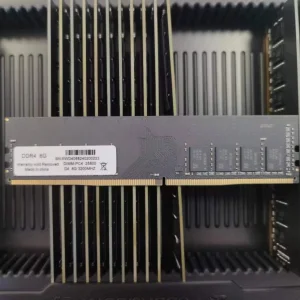
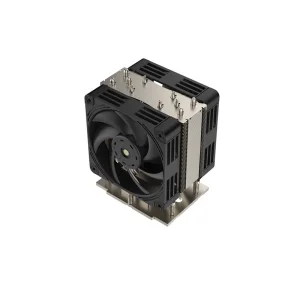
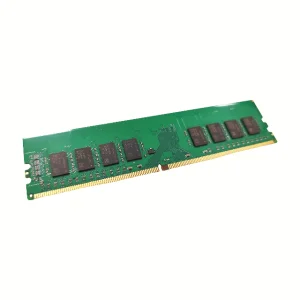
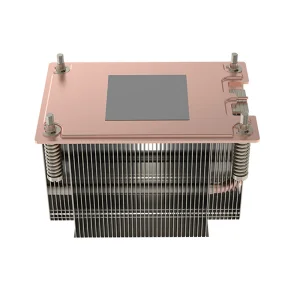
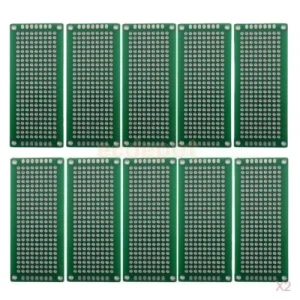
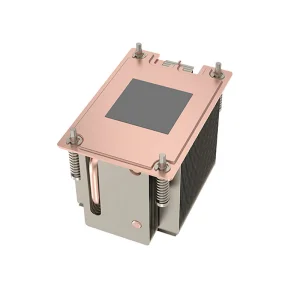
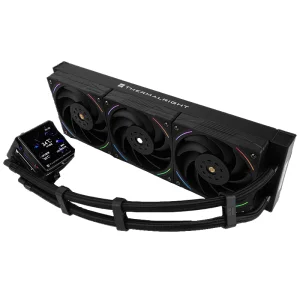
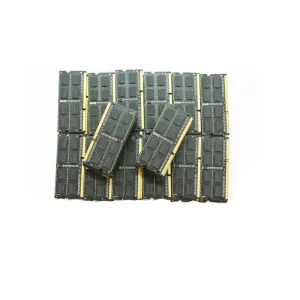
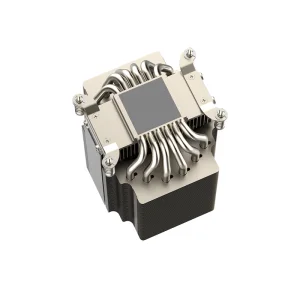
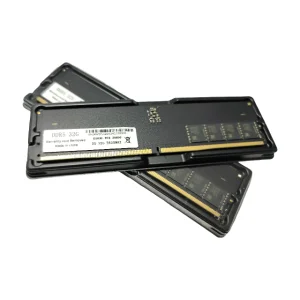
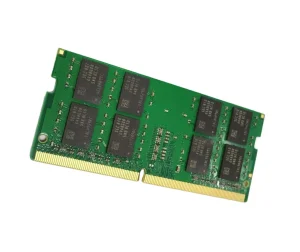
Explore our complete inventory of industrial-grade memory modules, heat sinks, and PCB circuit layers developed to support municipal infrastructure projects.
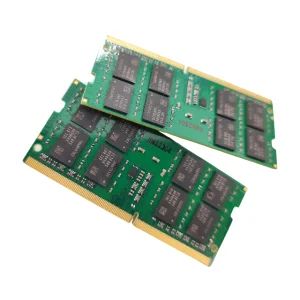
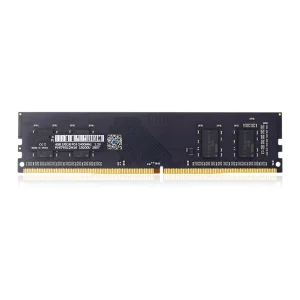
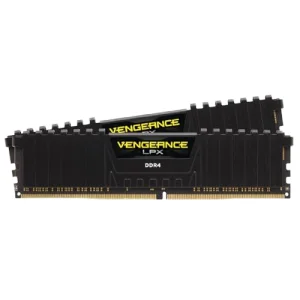
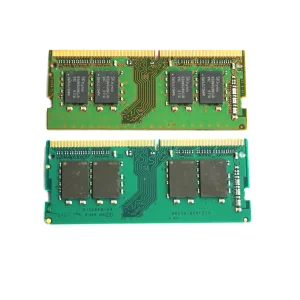
Contact our engineering team to request optical test reports, custom submount designs, or specific pricing options for the Hanoi region.