Xeviora
Xeviora
Xeviora
Optimize your system parameters with our high-grade aluminum/copper heat sinks and low-latency memory products engineered for harsh deployment conditions.
In the modern era of hyperscale cloud infrastructures, high-frequency trading platforms, and large-scale artificial intelligence modeling, thermal performance has transitioned from a supporting engineering parameter to a core operational limiting factor. As computational density surges across corporate servers, enterprise-level buyers require heat sinks and cooling structures that can mitigate extreme heat flux densities without bloating operational expenditures.
Global supply chain leaders face unique headwinds: procuring thermal management modules that offer long-term reliability while sustaining dynamic performance profiles. System instability caused by thermal throttling directly impacts bottom-line revenues. From multi-stage server deployment down to individual industrial control boards, procurement programs mandate component compatibility, compliance with international directives (RoHS, REACH), and guaranteed thermal dissipation matrices under 24/7 continuous operation workloads.
Aligning thermal design principles with enterprise requirements to eliminate system bottlenecks across diverse industrial deployment scenarios.
High-density server layouts require optimized backplate architectures, passive heat-pipe matrices, and performance air-cooling modules capable of dissipating TDP up to 350W per socket to ensure continuous uptime.
Dust-proof, fanless environments rely entirely on extruded aluminum structures and customized skived-fin heat sinks to dissipate heat from logic controllers and industrial embedded computers.
Outdoor RF enclosures and 5G transceiver units use robust, weather-resistant chromated heatsinks to maintain high thermal transfer efficiency under harsh environmental fluctuations.
As chip architectures migrate down to sub-3nm nodes, the concentration of thermal hot spots shifts dynamically. The future of cooling relies on the transition from traditional solid metal interfaces to advanced Phase Change Materials (PCMs) and hybrid Vapor Chambers.
Our engineering pipelines are actively optimizing structural geometries for AM5 platforms, LGA-4677 sockets, and bespoke BGA server environments. By combining precision high-pressure copper forging with low-resistance vapor diffusion pathways, we aim to decrease systemic thermal resistance (θjc) by up to 22% over the next two product iterations.
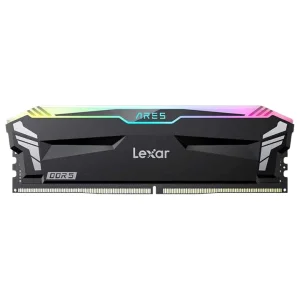
Additionally, with DDR5 introducing on-module Power Management Integrated Circuits (PMICs), memory cooling has become crucial. Modern modules must dissipate PMIC-generated heat away from the DRAM dies to prevent localized thermal degradation and maintain signal integrity.
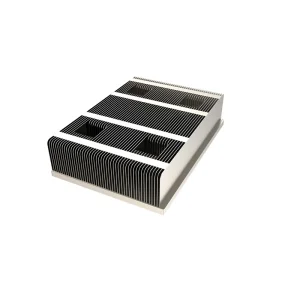
Focus on density optimization of high-fin-ratio aluminum arrays for custom server chassis layouts.
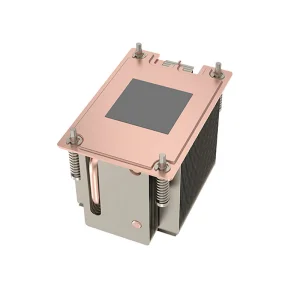
Direct contact copper pipe implementations paired with customizable interface geometries.
Incorporating low-profile phase transition enclosures optimized for enterprise edge installations.
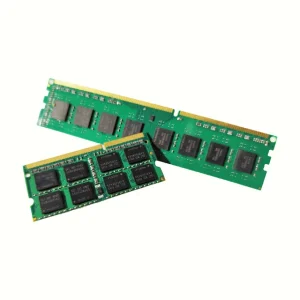
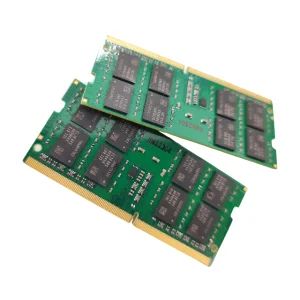
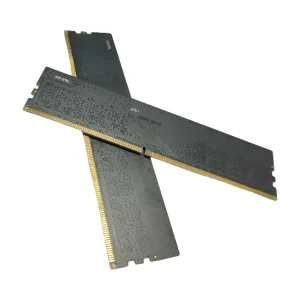
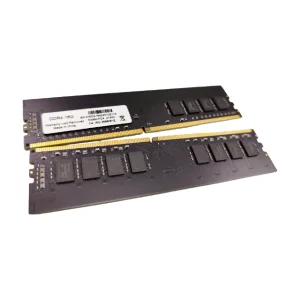
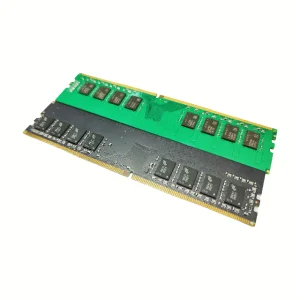
Xeviora Memory Technology (China) Co., Ltd. is a professional DDR5 memory manufacturer and supplier based in China, specializing in high-performance RAM solutions for gaming, industrial, enterprise, and consumer applications. Established in 2017, the company has rapidly grown into a trusted OEM and ODM partner for global distributors, system integrators, and technology brands.
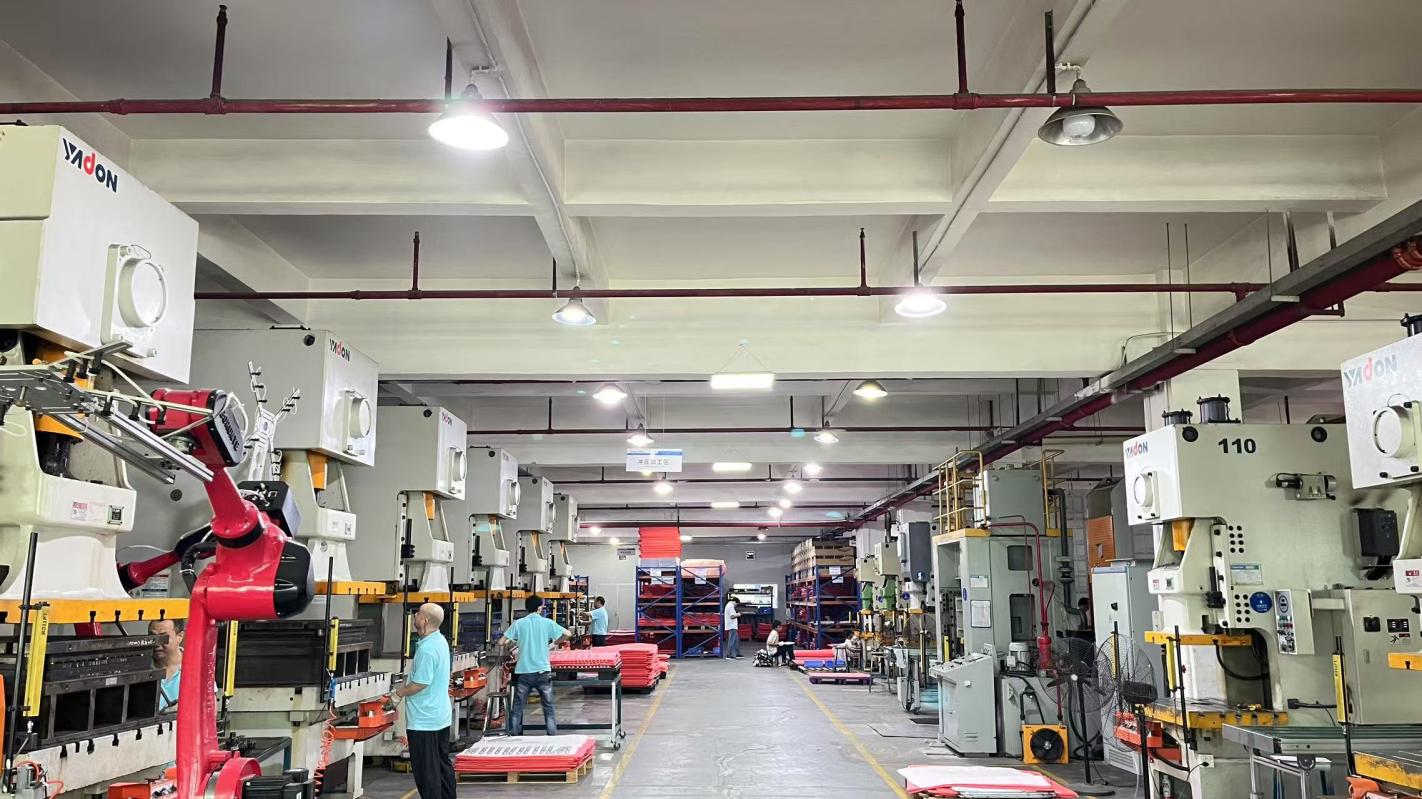
Our manufacturing facility covers 368 square meters and is equipped with advanced production and testing equipment to ensure stable quality and reliable performance. With an annual export revenue of over USD 18 million, Xeviora serves customers across North America, Europe, Southeast Asia, the Middle East, and South America.
Backed by 8 years of export experience and 12 years of industry expertise, we are committed to delivering innovative memory products that meet international quality standards. Our quality management system includes comprehensive incoming material inspection, in-process quality control, and final product testing. All products undergo automated functional testing, compatibility verification, performance validation, and aging tests before shipment. Our quality assurance team consists of 46 dedicated inspectors who ensure every module meets strict reliability requirements.
As a manufacturer with strong OEM and ODM capabilities, Xeviora works closely with more than 850 supply chain partners worldwide, enabling efficient sourcing, flexible production, and fast delivery. Our primary customers include wholesalers, distributors, e-commerce sellers, system builders, brand owners, and enterprise solution providers.
Innovation is at the core of our business. Supported by an experienced R&D team of 128 engineers, we continuously invest in new technologies and product development. Last year alone, we successfully launched 86 new memory products covering DDR5 gaming memory, industrial-grade memory modules, server memory solutions, and customized storage products.
We offer flexible customization services, including private labeling, logo printing, packaging design, specification customization, firmware optimization, and complete OEM/ODM development. Whether customers require standard memory modules or fully customized solutions, our team is dedicated to providing reliable products, competitive pricing, and professional technical support.
At Xeviora, our mission is to empower global customers with advanced memory technology, dependable manufacturing, and long-term business partnerships built on quality, innovation, and trust.
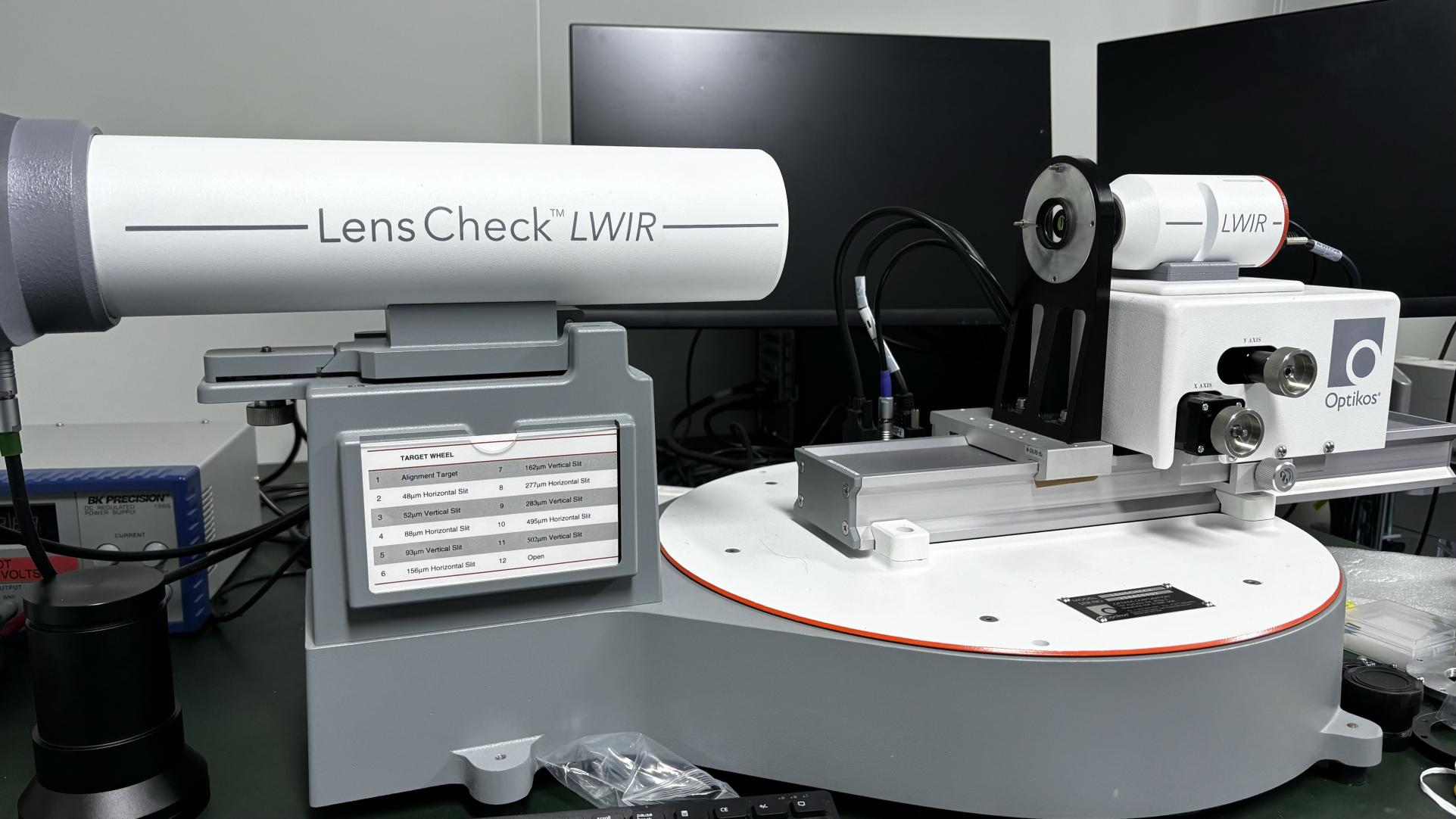

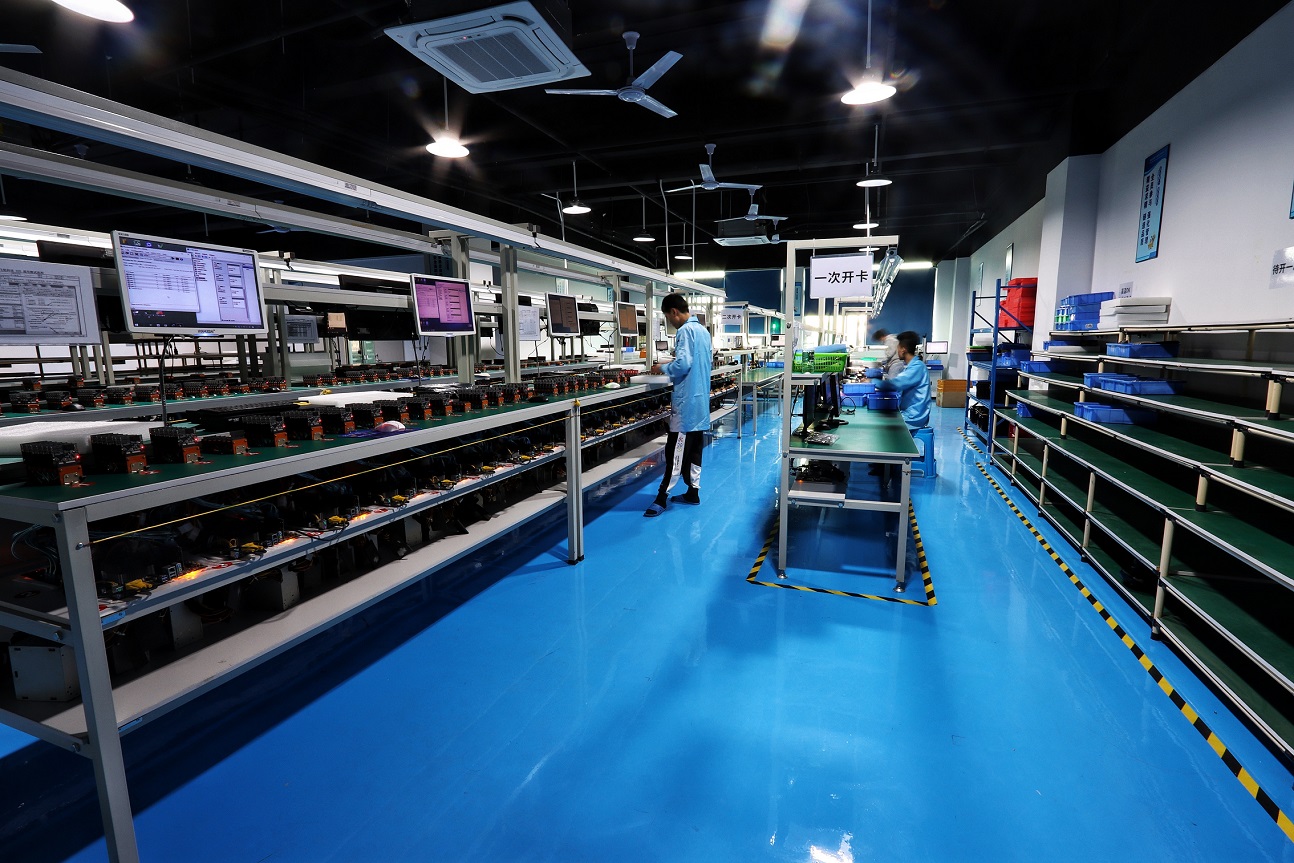
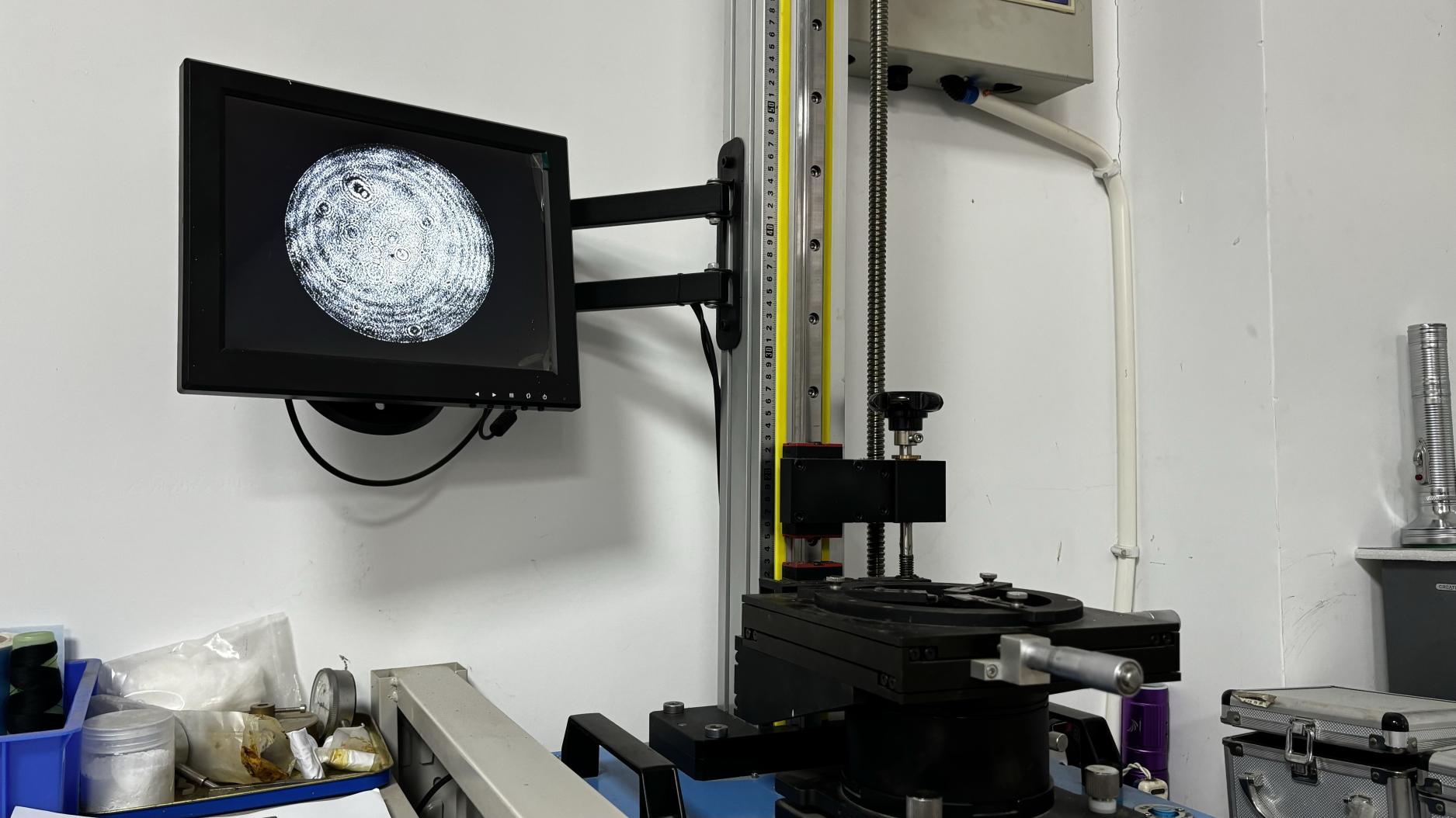
Every production batch undergoes a strict quality loop. Our 46 inspectors conduct comprehensive automated optical inspections (AOI) alongside automated diagnostic scripts to detect timing anomalies or structural variations. Testing modules are integrated into native target platforms (Intel Xeon, AMD EPYC, BGA board interfaces) to assure 100% downstream compatibility.
Environmental protection is embedded in our workflow. By adhering strictly to RoHS and CE/FCC compliance frameworks, we eliminate heavy metal usage from all heat sink interfaces and lead-based processing routes, ensuring seamless integration into public sector contracts and highly regulated international markets.
With localized supply networks spanning over 850 partners globally, we offer flexible drop-shipping pathways and localized custom customs clearance consultancy. In North America and EU regions, our tech response nodes provide layout diagnostics, customized heatsink mockups, and quick-turn prototyping services to shrink design cycles for complex custom hardware.
Our flexible MOQ conditions allow developers to transition smoothly from proof-of-concept stages to volume production. Backed by automated performance validations, we resolve potential configuration errors prior to regional distribution.
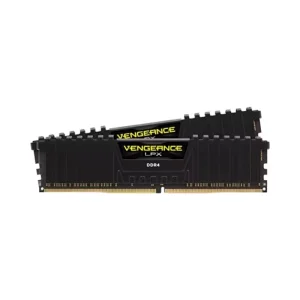
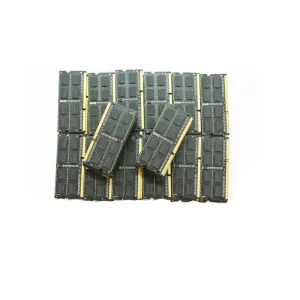
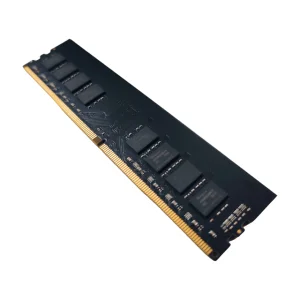
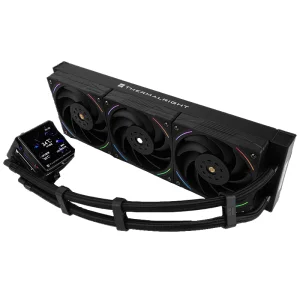
Browse our comprehensive list of high-grade memory products and dynamic CPU thermal coolers certified for modern industrial and enterprise server environments.
Expert engineering responses to common queries regarding thermal design parameters and memory compatibility.
Thermal conductivity is the primary physical differentiator. Pure copper has a thermal conductivity of approximately 401 W/m·K, whereas aluminum alloys (such as AL6063) range between 150 to 220 W/m·K. Copper base plates are utilized at high heat flux locations to quickly spread heat from the silicon die. Aluminum is favored for fin arrays due to lower mass density and cost efficiency, helping maintain an optimal weight-to-performance profile.
Unlike DDR4, which relies on the motherboard to step down voltage, DDR5 relocates the Power Management Integrated Circuit (PMIC) directly onto the PCB of the memory module. While this guarantees cleaner power delivery and lower latencies, it creates a localized heat source on the module. Consequently, custom heat-spreaders or dedicated ambient airflow paths are recommended for high-capacity DDR5 systems to avoid thermal throttling during multi-threaded operation.
We operate automated stress chambers that cycle thermal loads from -40°C to +85°C. For server memory modules, we employ specialized memory-test platforms to capture bit-flips or timing drift during high thermal excursions. For heat sinks, thermal resistance measurements are conducted using precise resistive heater plates that mimic simulated TDP profiles under varying airflow rates (measured in CFM).
We provide deep technical customization including bespoke fin densities, copper heat-pipe counts, thermal interface material (TIM) pre-application, custom-molded backplates, and special surface treatments like black anodizing or nickel plating. On the memory side, we offer custom SPD programming, trace routing adjustments for industrial-grade signal integrity, and branded heat spreader designs.