Xeviora
Xeviora
Xeviora
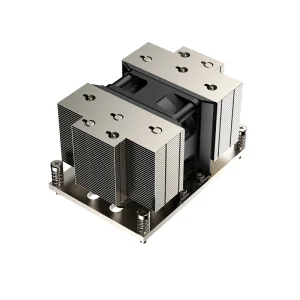
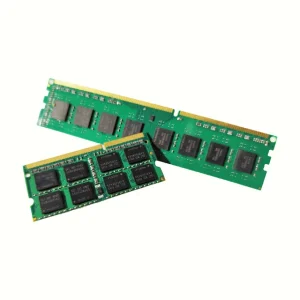
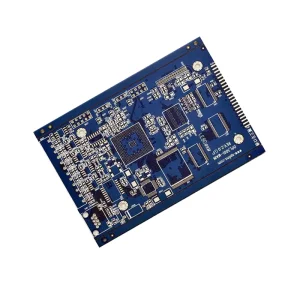
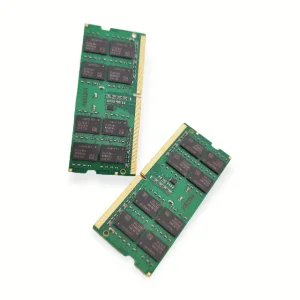
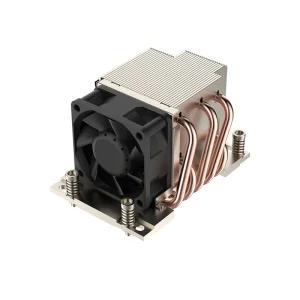
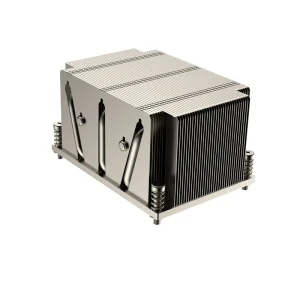
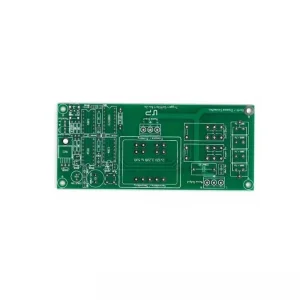
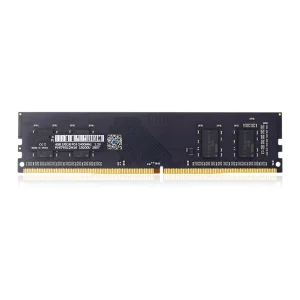
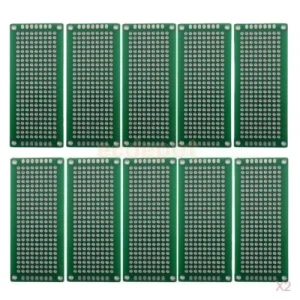
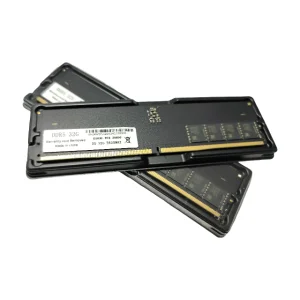
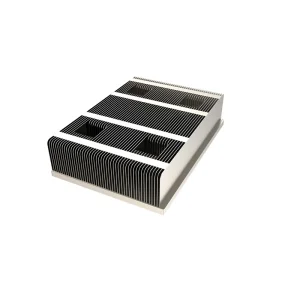
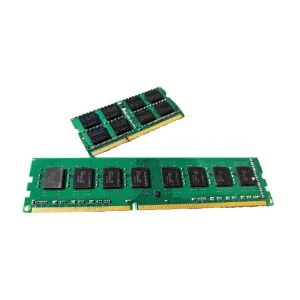
Explore our leading selection of enterprise memory modules, PCBA assemblies, and high-performance server cooling solutions direct from our modern manufacturing facility.
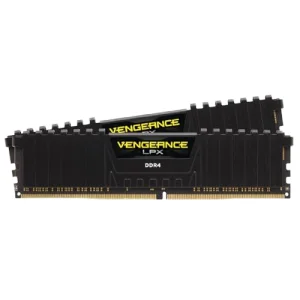
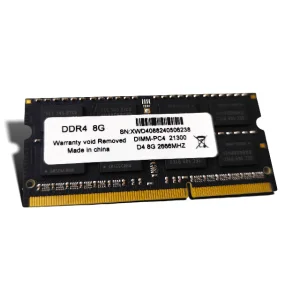
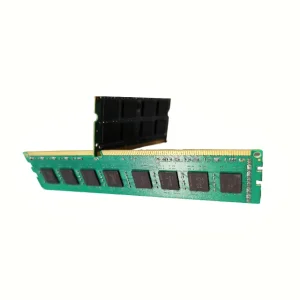
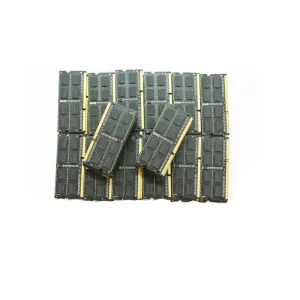
Xeviora Memory Technology (China) Co., Ltd. is a professional DDR5 memory manufacturer and supplier based in China, specializing in high-performance RAM solutions for gaming, industrial, enterprise, and consumer applications. Established in 2017, the company has rapidly grown into a trusted OEM and ODM partner for global distributors, system integrators, and technology brands.
Our manufacturing facility covers 368 square meters and is equipped with advanced production and testing equipment to ensure stable quality and reliable performance. With an annual export revenue of over USD 18 million, Xeviora serves customers across North America, Europe, Southeast Asia, the Middle East, and South America.
Backed by 8 years of export experience and 12 years of industry expertise, we are committed to delivering innovative memory products that meet international quality standards. Our quality management system includes comprehensive incoming material inspection, in-process quality control, and final product testing. All products undergo automated functional testing, compatibility verification, performance validation, and aging tests before shipment.
Our quality assurance team consists of 46 dedicated inspectors who ensure every module meets strict reliability requirements. Operating within ISO 9001 and CE/FCC compliance frameworks, we eliminate failures before shipment.
Navigating the transitions of Cellular, Short-Range, and Low-Power Wide-Area Network (LPWAN) protocols for the next era of interconnected devices.
Empowering heavy-payload industrial routers, telemedicine terminals, and vehicle-to-everything (V2X) systems. The transition to 5G Reduced Capability (RedCap) bridges the gap between high-speed eMBB and low-power IoT, optimizing cost and power dissipation profiles for enterprise deployments.
Implementing Ultra-High-Bandwidth and Multi-Link Operation (MLO) protocols. Wi-Fi 7 enables latency-critical industrial AGVs and AR/VR diagnostic environments, while Bluetooth 5.4 introduces Periodic Advertising with Responses (PAwR) to revolutionize large-scale electronic shelf label networks.
For remote environmental telemetry, smart grid metering, and long-range structural health sensors. Optimized for battery lifetimes exceeding 10 years, these modules guarantee deep indoor signal penetration and robust performance in sub-optimal RF environments.
Bridging raw silicon compute capabilities with application-specific protocols to accelerate integration cycles across diverse operating scenarios.
Integrating NB-IoT and LTE-M transceivers within smart electricity, gas, and water meters. Modules feature DLMS/COSEM security handshakes, supporting secure over-the-air (FOTA) updates and ultra-low sleep currents (PSM) to survive harsh municipal environments.
Leveraging multi-constellation GNSS (GPS, GLONASS, BeiDou, Galileo) paired with automotive-grade LTE/5G chipsets. Enables high-frequency inertial sensor polling, CAN bus integration via on-board UART links, and real-time remote vehicle diagnostic pipelines.
Combining high-performance memory modules (DDR4/DDR5) and wireless transceivers on a single edge computing board. This permits real-time local processing of machine-vision streams and sensor arrays, transmitting anomalous parameters via secured wireless channels.
For complex environments, deploying modules alone is insufficient. System integrators require a co-designed stack containing:
Inside our advanced manufacturing center: How automation, rigorous QA, and tight component partnerships yield consistent execution.
Automated paste deposition check with SPI (Solder Paste Inspection) systems, ensuring flawless pad coverage for micro-BGA components.
Placing components down to 01005 passives and high-lead-count SoC packages at speed with strict geometric positioning tolerances.
Reflow profiling under inert N2 gas to prevent pad oxidation, ensuring long-term intermetallic joint stability.
Non-destructive inspection verifying void ratios under array balls, solder fillet volumes, and dynamic component alignment.
Innovation is at the core of our business. Supported by an experienced R&D team of 128 engineers, we continuously invest in new technologies and product development. Last year alone, we successfully launched 86 new memory and processing products covering DDR5 gaming memory, industrial-grade memory modules, server memory solutions, and customized storage products.
As a manufacturer with strong OEM and ODM capabilities, Xeviora works closely with more than 850 supply chain partners worldwide, enabling efficient sourcing, flexible production, and fast delivery. Our primary customers include wholesalers, distributors, e-commerce sellers, system builders, brand owners, and enterprise solution providers. We offer flexible customization services, including private labeling, logo printing, packaging design, specification customization, firmware optimization, and complete OEM/ODM development.
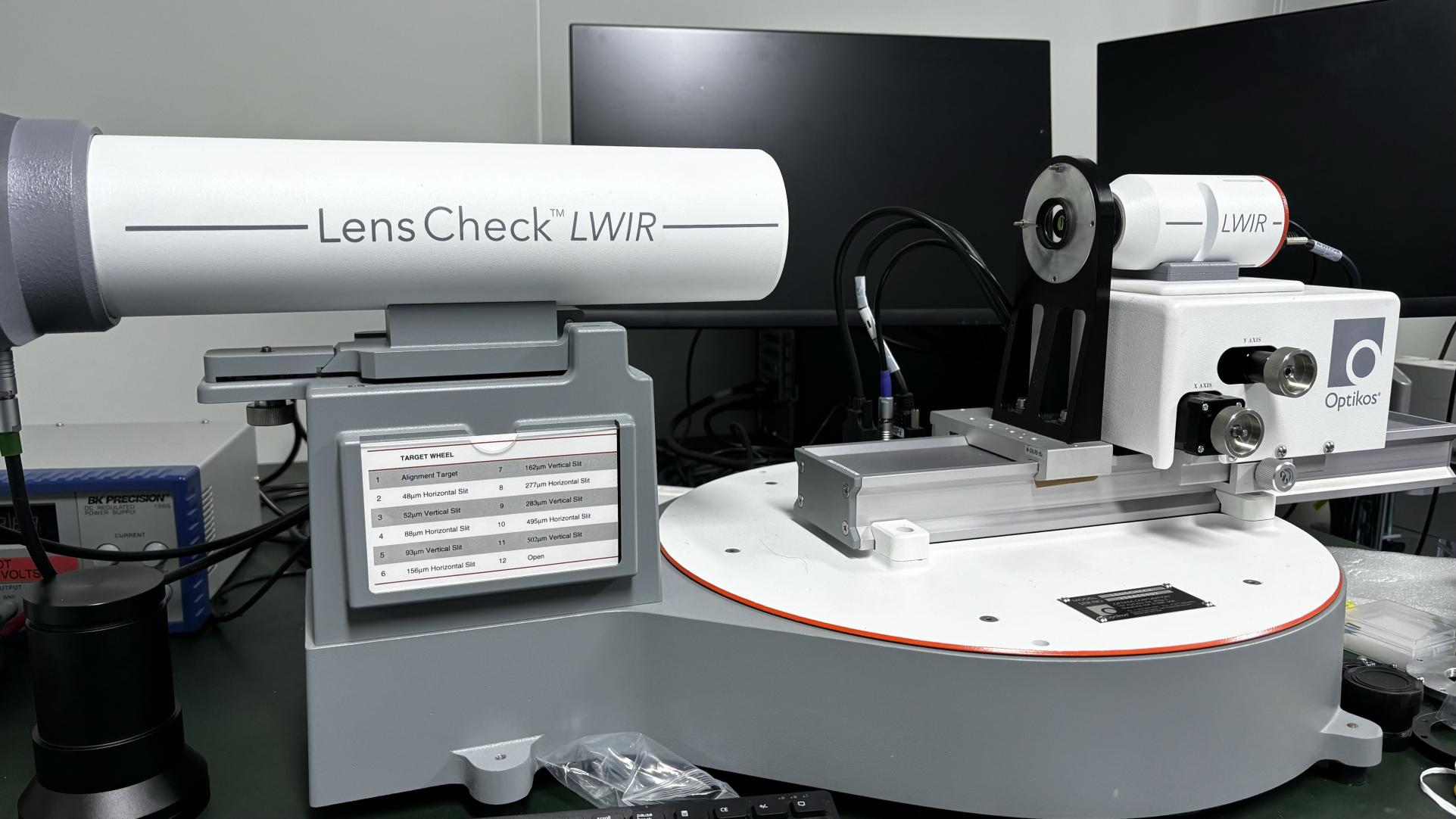

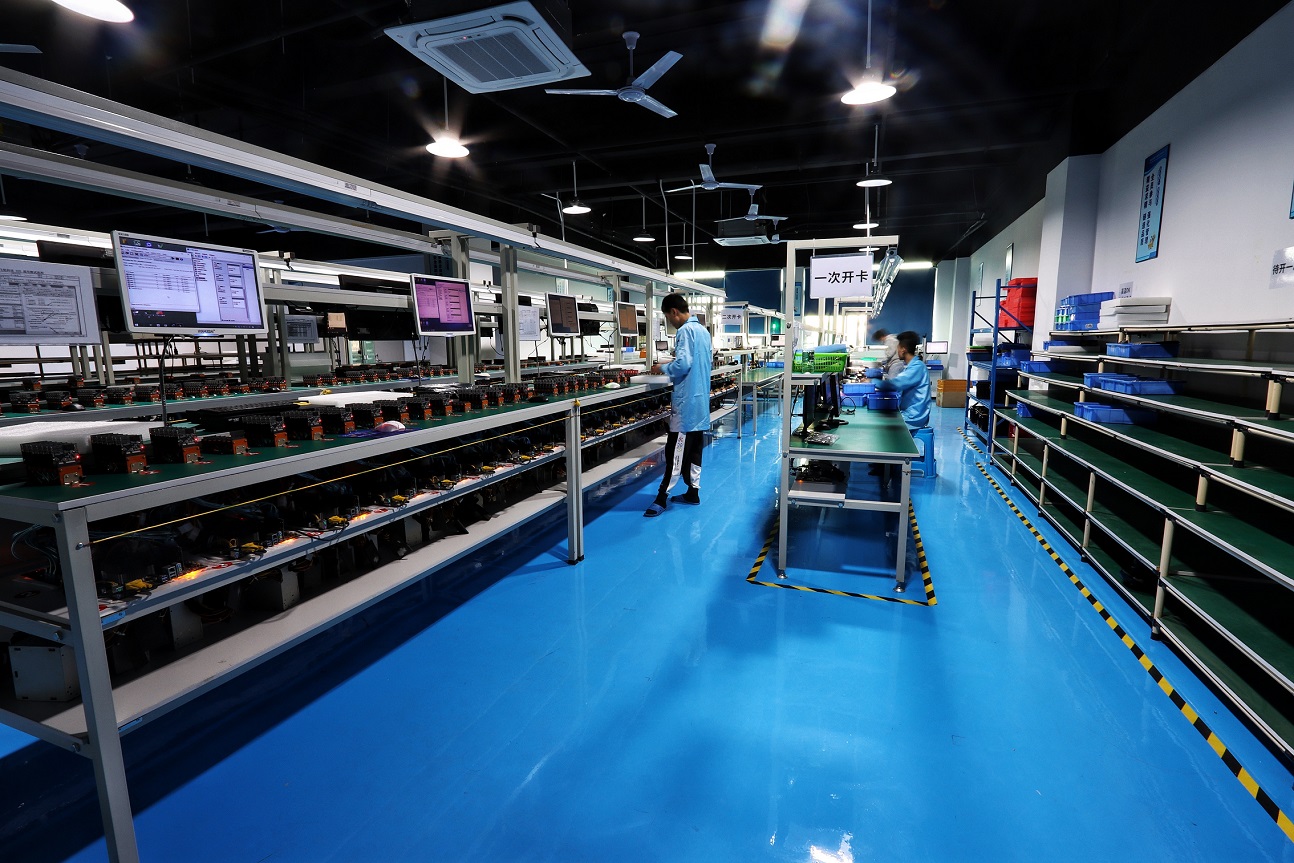
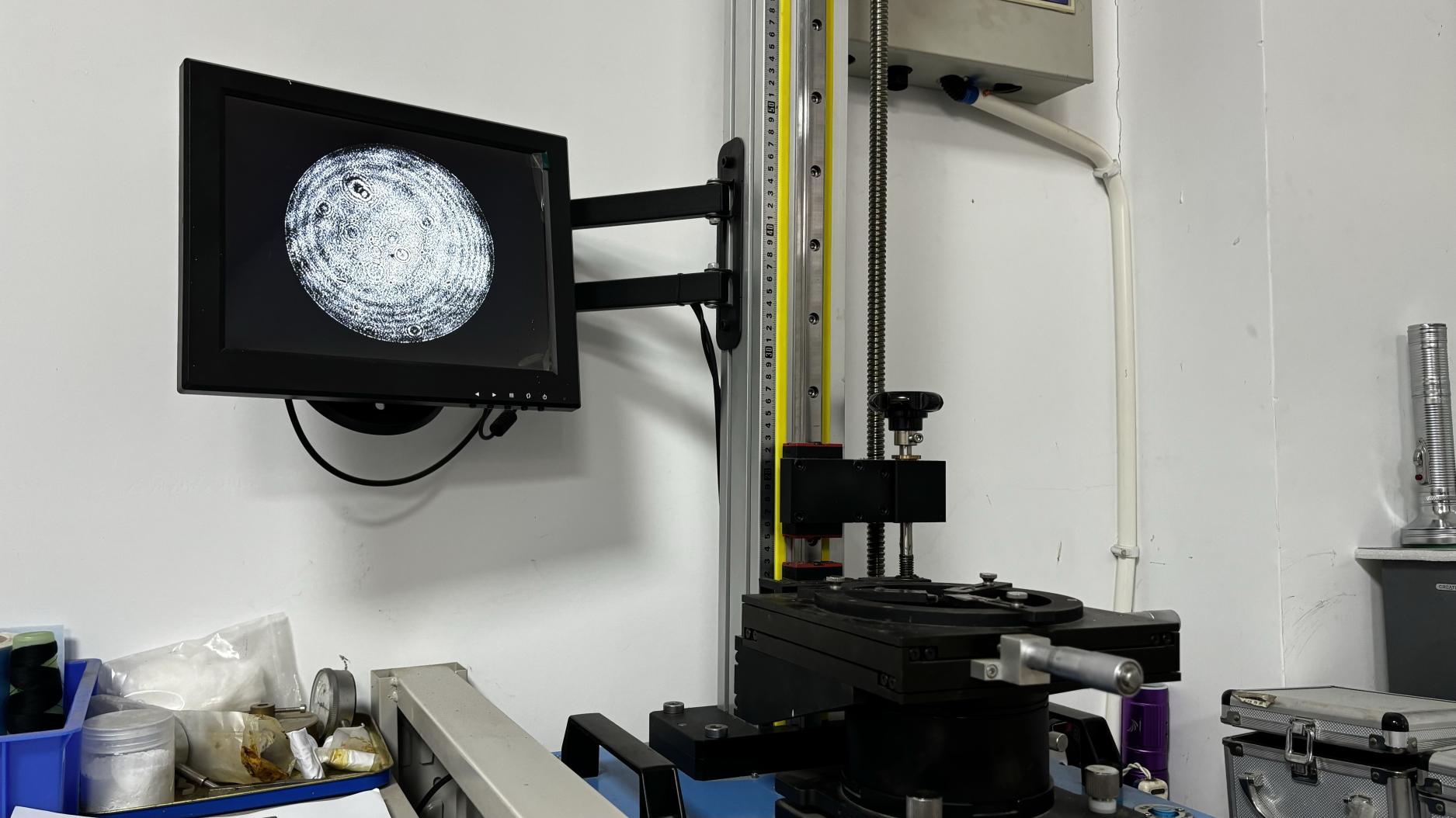
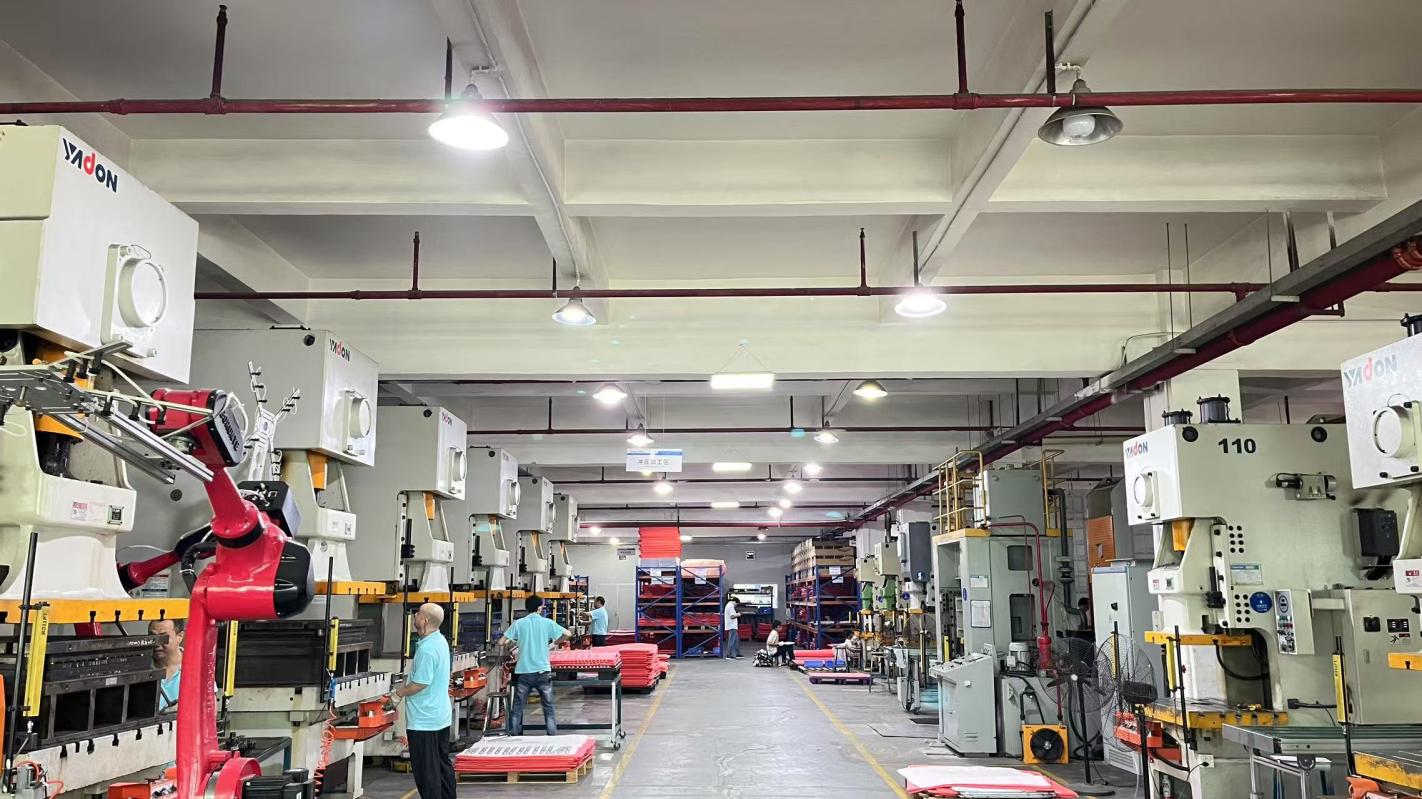
Assuring smooth global distribution by matching international regulatory standards and providing specialized support teams.
All our modules are designed to adhere strictly to regional mandates. We routinely handle compliance certification files for FCC (USA), CE (Europe), IC (Canada), TELEC (Japan), RoHS, and REACH. This ensures your downstream end products sail through custom verifications and carrier registration gates smoothly.
Hardware engineering is iterative. Our Field Application Engineers (FAEs) provide remote and on-site support to resolve complex hardware issues, including schematic design reviews, RF antenna matching network simulation (using HFSS), memory bus trace parasitics auditing, and debug assistance.
Industrial, automotive, and server applications typically require service lifetimes of 7 to 10+ years. We offer rigorous Product Change Notifications (PCN) and End-of-Life (EOL) policies, complete with recommended pin-to-pin compatible replacement paths to protect your design investments.
Answers to complex questions from system architects, hardware engineers, and purchasing directors.
Explore our technical server cooling systems, high-speed RAM layouts, and multi-layer FR4 boards built to demanding specifications.