Xeviora
Xeviora
Xeviora
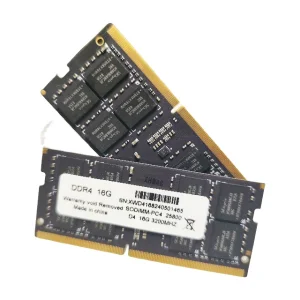
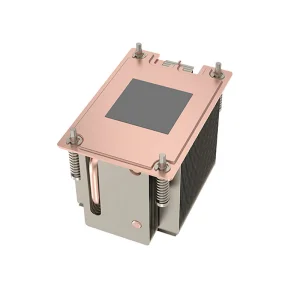
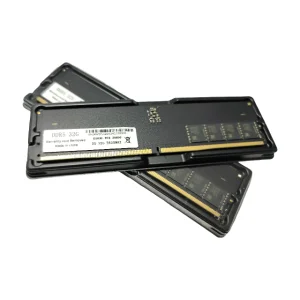
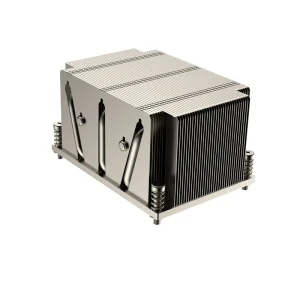
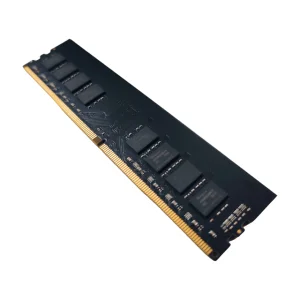
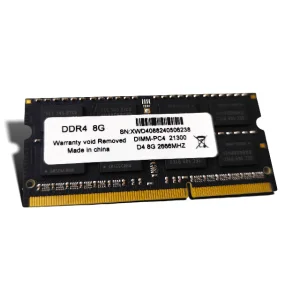
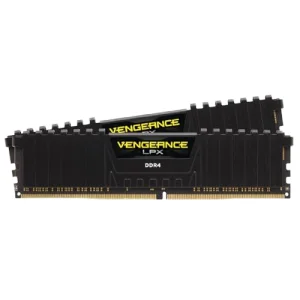
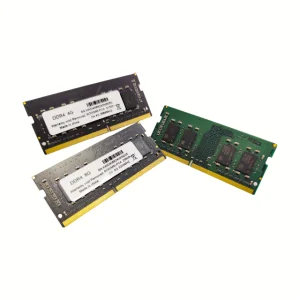
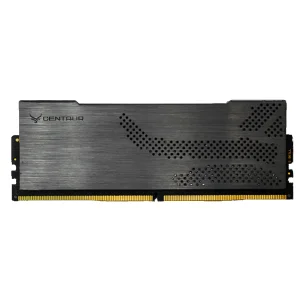
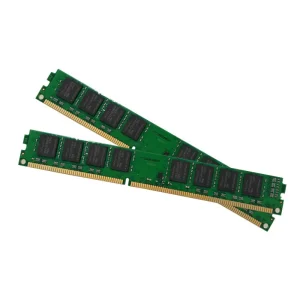
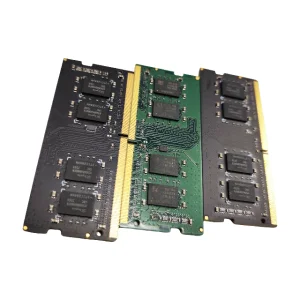
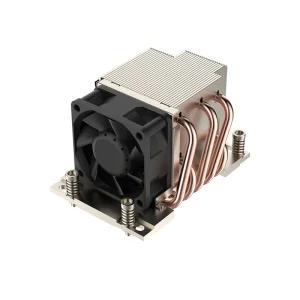
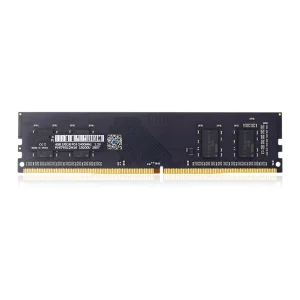
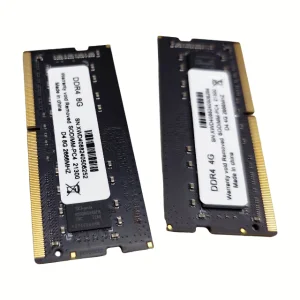
In the era of hyperscale computing, AI inference, and edge-deployed networks, the physical substrate of electronics has transitioned from basic interconnect routing to a highly complex system design constraint. Xeviora Memory Technology (China) Co., Ltd., established in 2017 and powered by 12 years of core industry expertise, stands at the crucial intersection of advanced Printed Circuit Board (PCB) design, high-density memory architectures (DDR4/DDR5), and ultra-high-dissipation thermal integration (Server Heat Sinks and Aluminum PCBs).
To ensure complete reliability under continuous computing workloads, our engineering processes are designed to bypass the traditional boundary between circuit board fabrication and end-component populating. By executing strict control over impedance tolerances, dielectric loss factors, and localized thermal gradients, we produce subsystems that achieve maximum performance, structural durability, and optimal electrical efficiency.
As systems transition from standard DDR4 memory routing running up to 3200MHz to next-generation DDR5 technologies processing workloads at 6000MHz and beyond, traditional PCB trace mechanics face severe physical limitations. Skin effects, dielectric losses, and cross-talk degrade high-speed signals. Xeviora's R&D roadmap focuses on addressing these issues directly.
Deploying sub-3 mil (75μm) trace width/spacing with staggered microvias to optimize layout densities for high-speed signal matching.
Refining thin-dielectric stack-ups for mobile and high-density industrial systems, ensuring structural integrity under high temperatures.
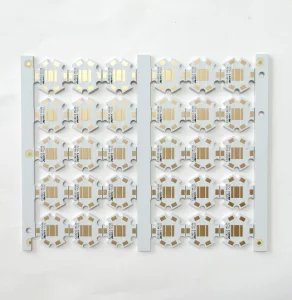
Integrating direct-thermal-path metal core PCBs (MCPCBs) to handle localized thermal hot spots in high-power systems.
Looking forward, the transition to DDR6 and PCIe Gen 6 requires even more precise fabrication methods. Our manufacturing facility has started testing ultra-low-loss dielectric laminates (with dissipation factors below 0.002) alongside advanced surface treatments. This ensures our clients receive hardware that is fully compatible with upcoming standard specifications.
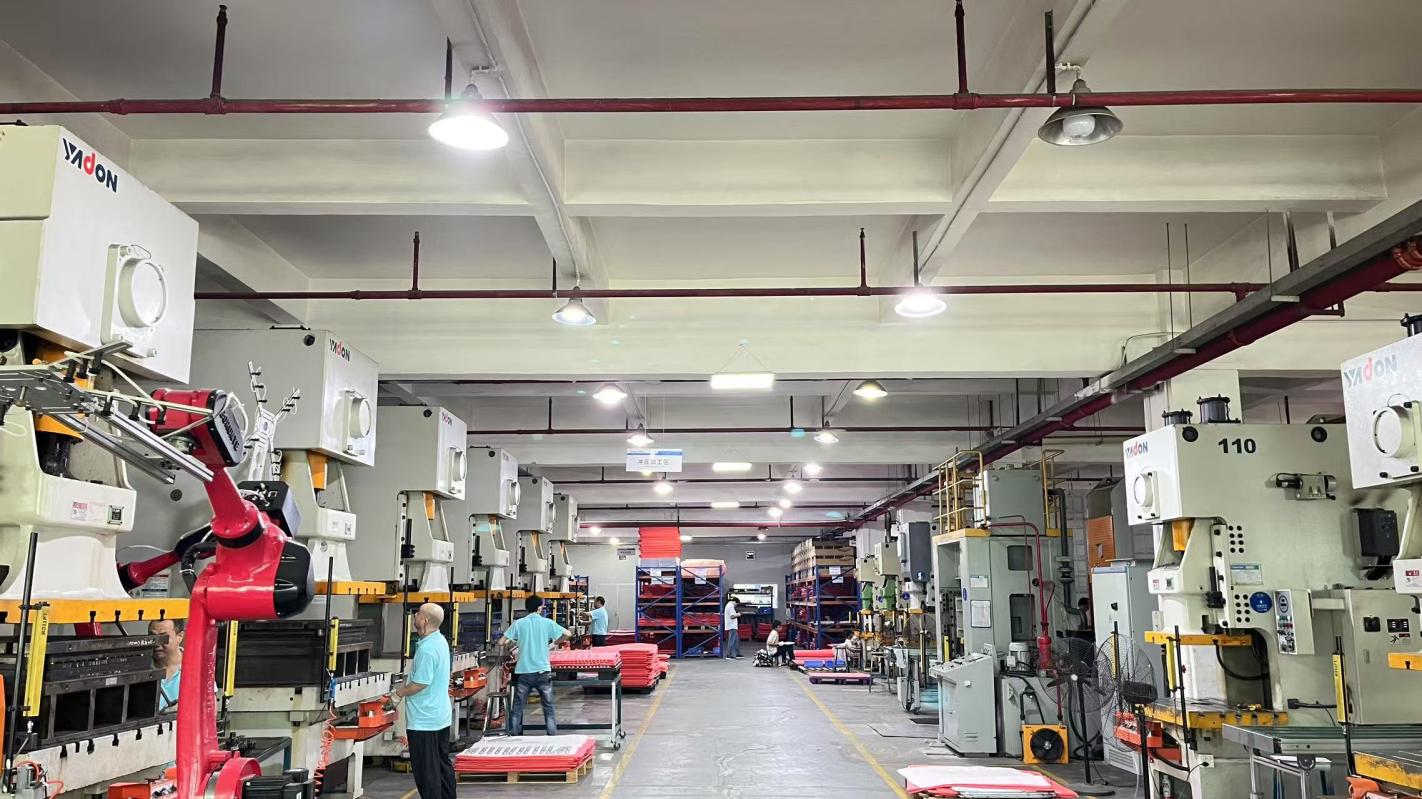
Operating out of China's core electronics cluster, Xeviora utilizes a comprehensive, vertically integrated supply network. We collaborate with over 850 verified supply chain partners. This robust local network enables reliable raw material sourcing, flexible lead times, and quick adjustments to market shifts.
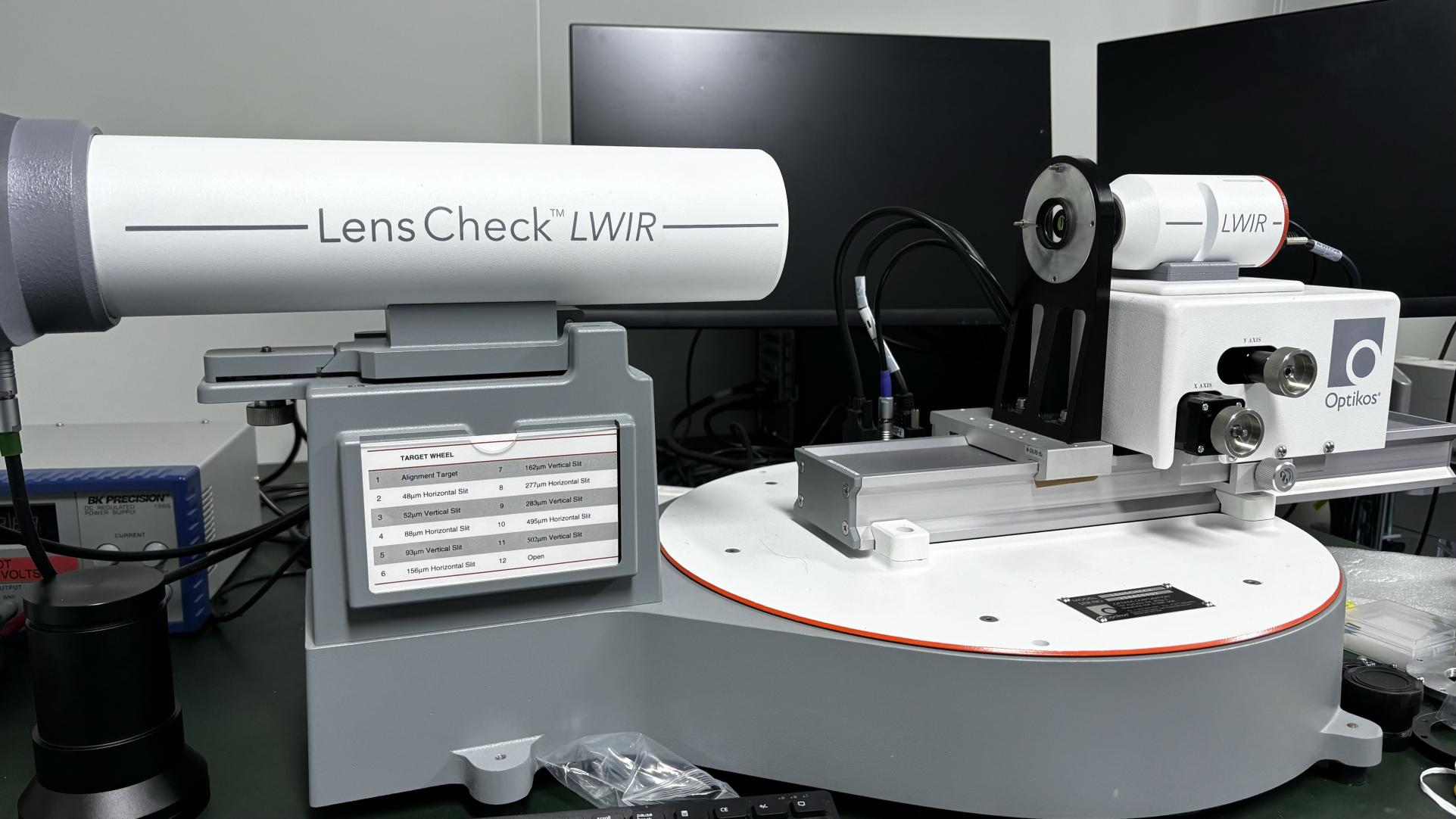
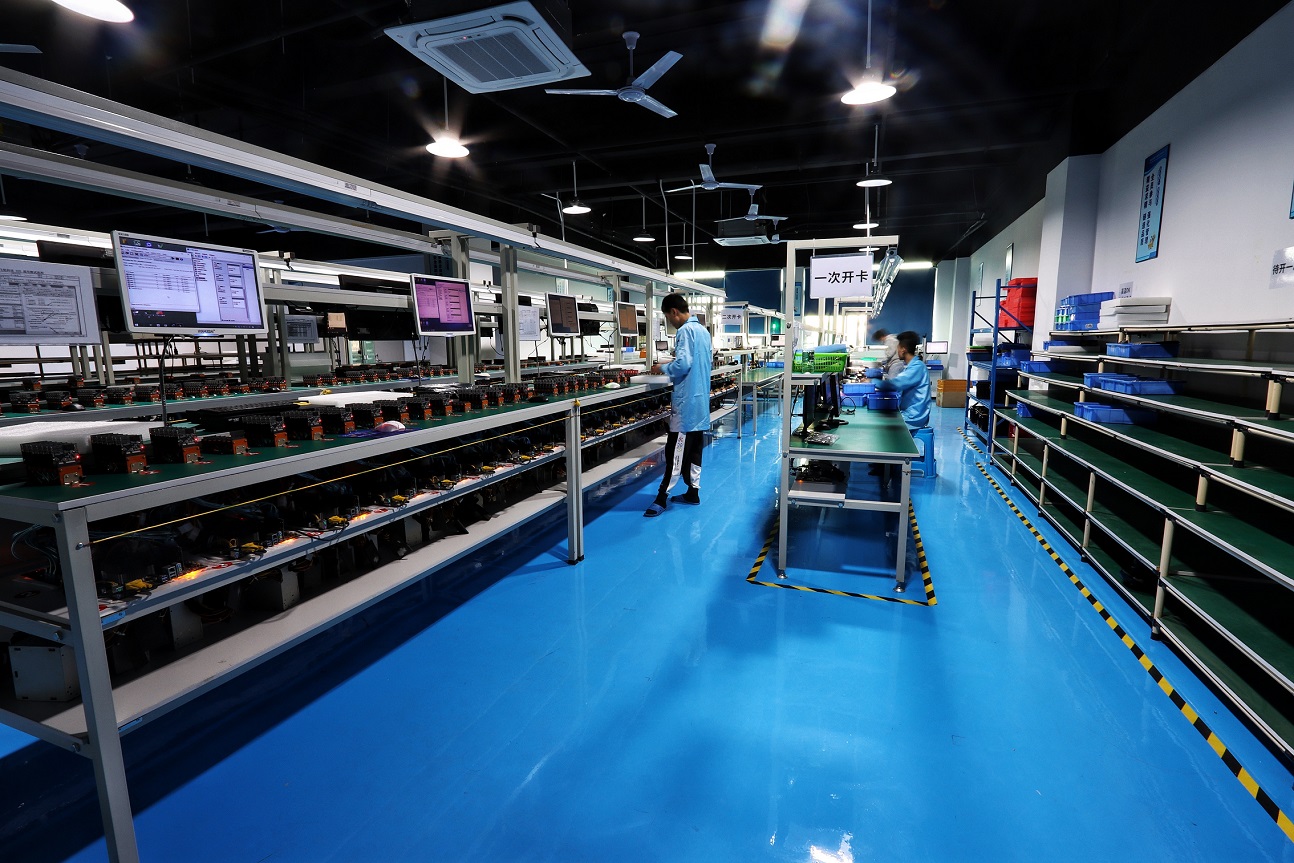
Our manufacturing facility operates under strict process controls to ensure consistent production quality. Equipped with advanced automated optical inspection (AOI) systems, multi-zone reflow profiling tools, and high-speed pick-and-place systems, we efficiently transition from prototype designs to high-volume manufacturing runs.
| Manufacturing Metric | Standard Specification | High-Precision Limit |
|---|---|---|
| Layer Count Capabilities | 2 - 12 Layers | Up to 32 Layers | Dielectric Base Materials | FR-4, Halogen-Free, Metal Core | PTFE High-Frequency, Rogers |
| Min. Trace Width / Spacing | 4 mil (100μm) | 2.5 mil (63.5μm) |
| Thermal Conductivity (MCPCB) | 1.5 W/m-K - 2.0 W/m-K | Up to 8.0 W/m-K (Direct Thermal Path) |
Global purchasing managers frequently navigate critical risks, including quality variations, late deliveries, and compliance gaps. Xeviora mitigates these risks through structured, transparent engineering workflows and reliable manufacturing practices:
Modern electronics demand specialized material sets and configurations tailored to their target environments. Our product line supports diverse applications across several primary sectors:
AI compute engines require extremely low power distribution path resistance and robust high-speed signal integrity. Our multi-layer PCBs and DDR5 server modules are designed to maintain signal quality under high thermal loads, helping to minimize server down-time.
High-power lighting solutions require rapid thermal dissipation to prevent color shifting and premature component wear. Our Aluminum PCBs (such as the T6 5050/3535 lamp bead substrates) use thin, highly conductive dielectric layers bonded to metal bases, quickly conducting heat away from high-power LEDs.
Industrial control setups often deal with vibration, electrical noise, and high temperature fluctuations. Xeviora's industrial memory modules feature thick gold fingers, underfill options, and conformal coatings to ensure stable operation in challenging environments.
Xeviora conforms to all relevant international environmental and performance regulations, facilitating straightforward distribution in highly regulated markets like Europe and North America:
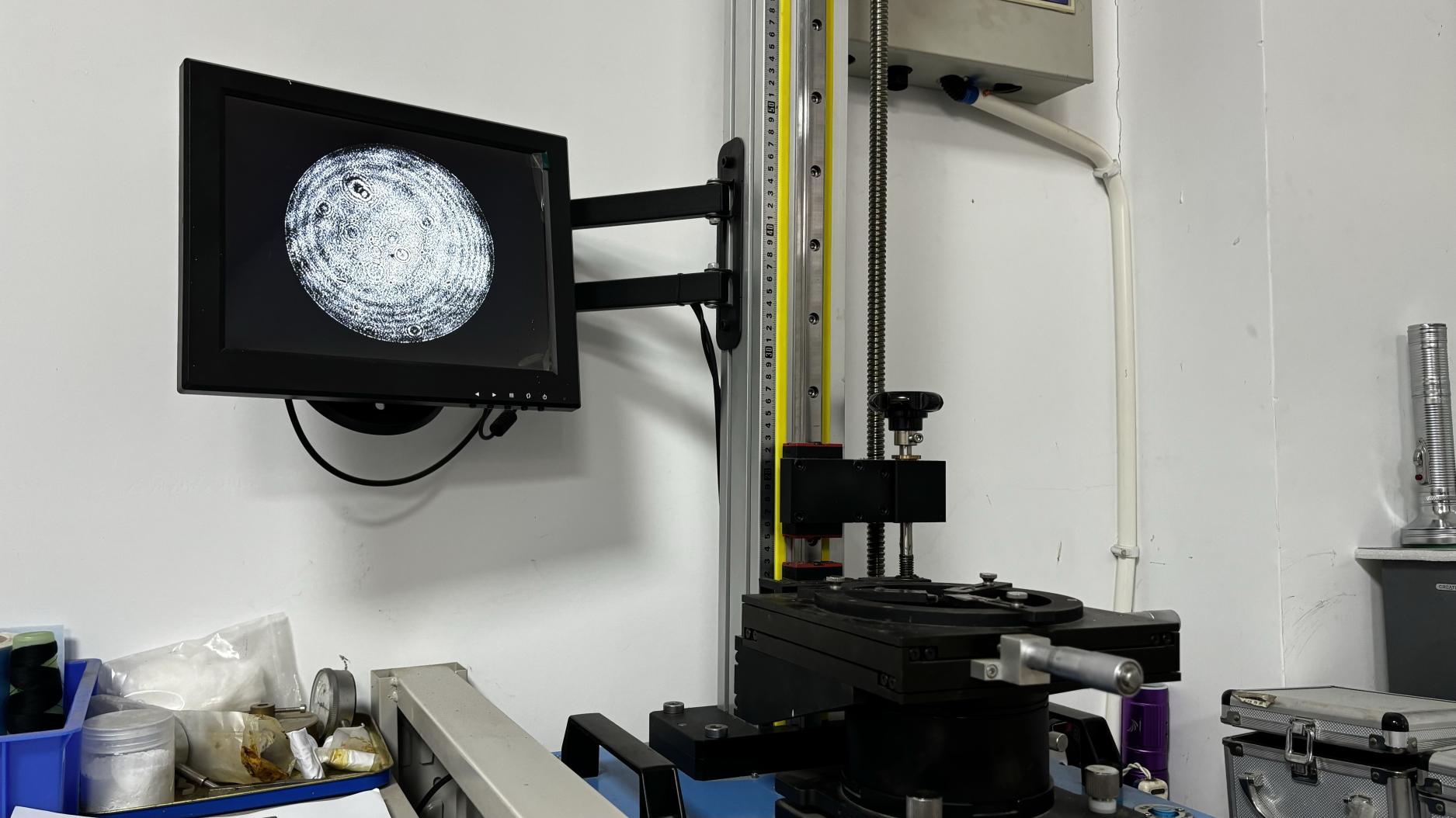
Our Quality Management System governs each production phase—from incoming laminate inspection to thermal cycling tests. This disciplined approach ensures that all memory modules and circuit boards function reliably within their specified tolerances.