Xeviora
Xeviora
Xeviora
Explore our top-performing components designed specifically to support remote monitoring hubs, enterprise databases, and SCADA infrastructure operating under challenging conditions.
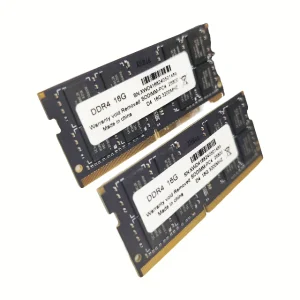
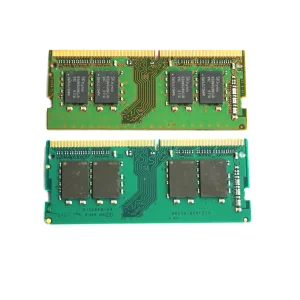
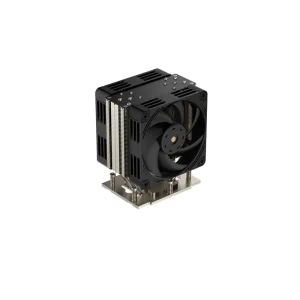
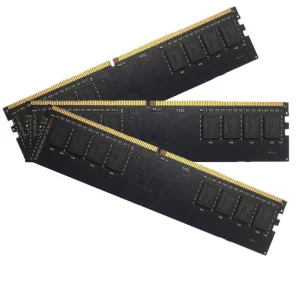
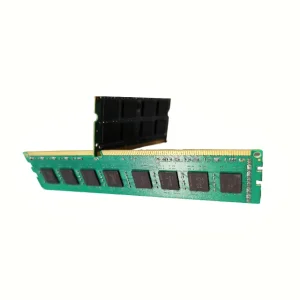
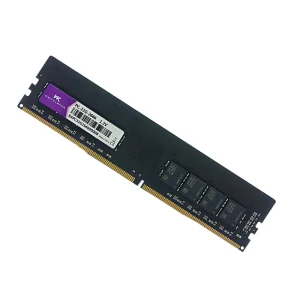
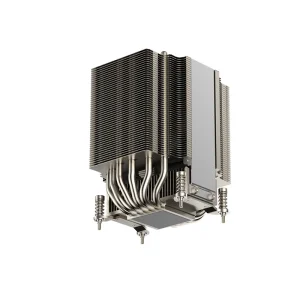
Remote monitoring systems, from distributed telemetry platforms to industrial IoT nodes, operate inside environments that are notoriously hostile to hardware. Unmanned telecom towers, wind farms, mining fields, and edge gateways run computational tasks continuously, leaving no margin for data loss or physical degradation. At the center of these deployments are the servers and edge devices responsible for transmitting telemetry packets, processing streaming sensors, and managing secure cloud synchronizations.
An overlooked vulnerability in modern remote monitoring solutions is memory volatility and thermal throttling. Systems without Error Correction Code (ECC) technology risk data corruption and spontaneous reboots caused by radiation-induced bit flips. Concurrently, inadequate cooling systems lead to thermal mitigation protocols that slow processing rates exactly when real-time system alerts are crucial. This whitepaper analyzes why premium memory modules and heat-management solutions are the baseline requirements for reliable remote infrastructure.
"Reliability at the edge is not an optional engineering feature; it is the single deciding factor of your TCO. An off-site system crash requires physical deployment, driving maintenance costs through the roof. Securing reliable enterprise hardware at the core prevents these remote system collapses."
Xeviora Memory Technology (China) Co., Ltd. is a professional DDR5 and DDR4 memory manufacturer and supplier based in China, specializing in high-performance RAM solutions for gaming, industrial, enterprise, and consumer applications. Established in 2017, the company has rapidly grown into a trusted OEM and ODM partner for global distributors, system integrators, and technology brands.
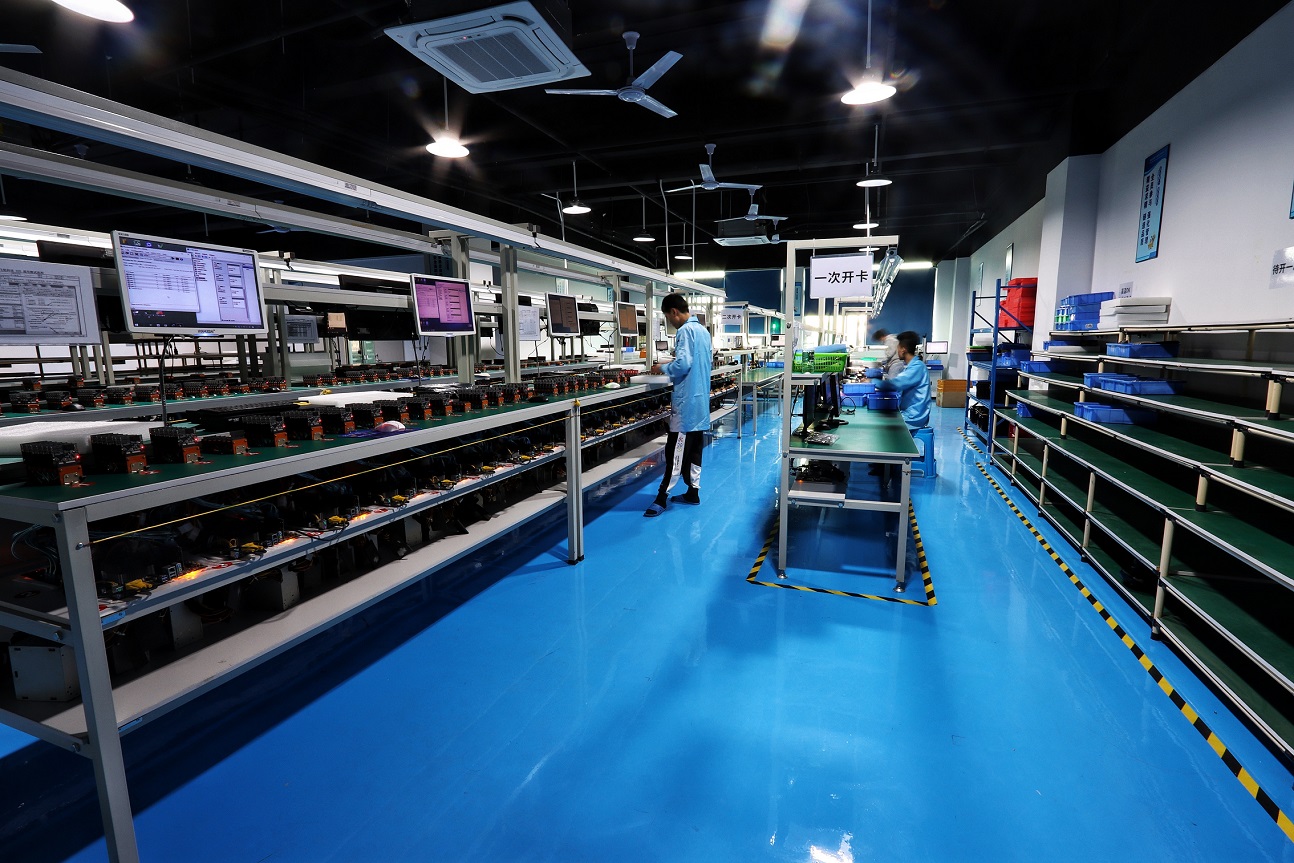
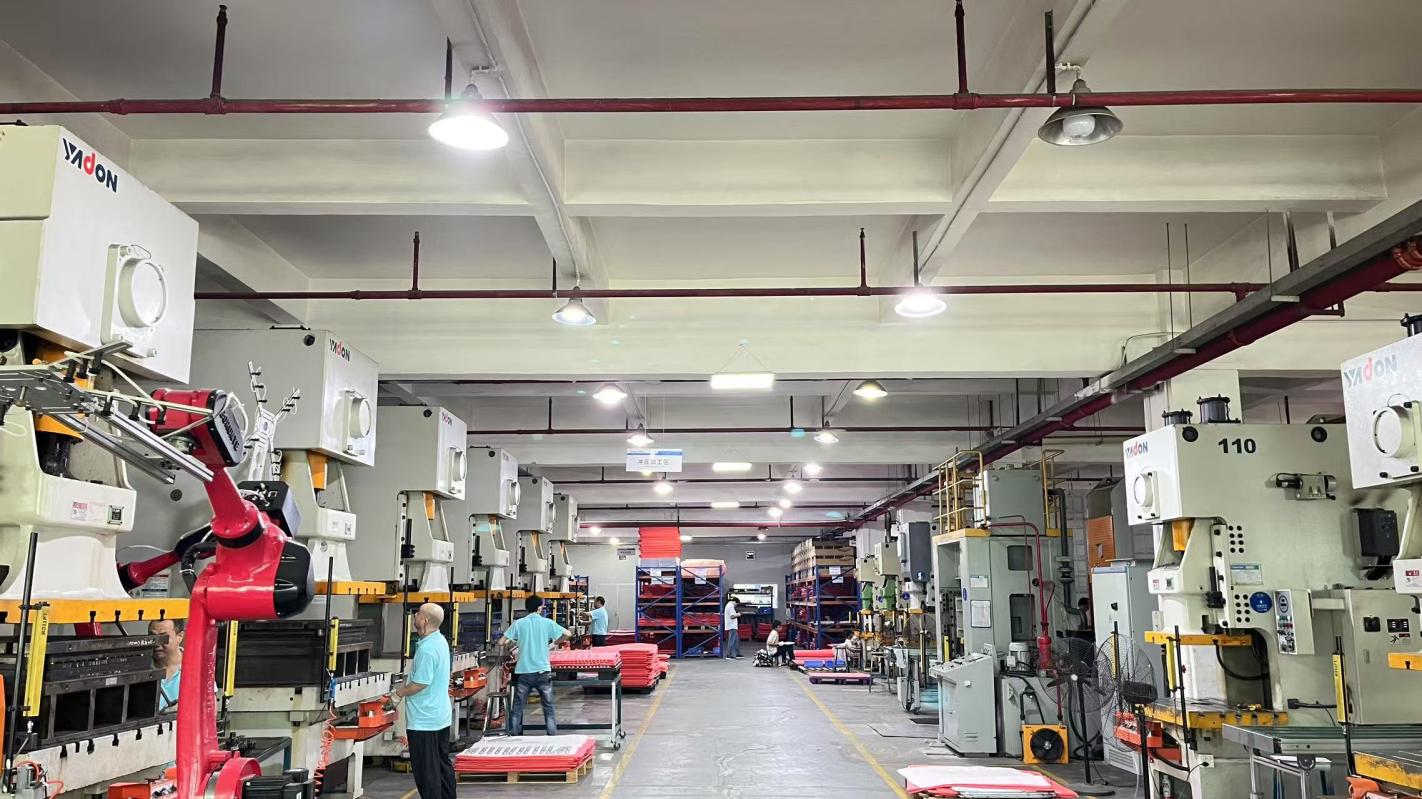
Our manufacturing facility covers 368 square meters and is equipped with advanced production and testing equipment to ensure stable quality and reliable performance. With an annual export revenue of over USD 18 million, Xeviora serves customers across North America, Europe, Southeast Asia, the Middle East, and South America.
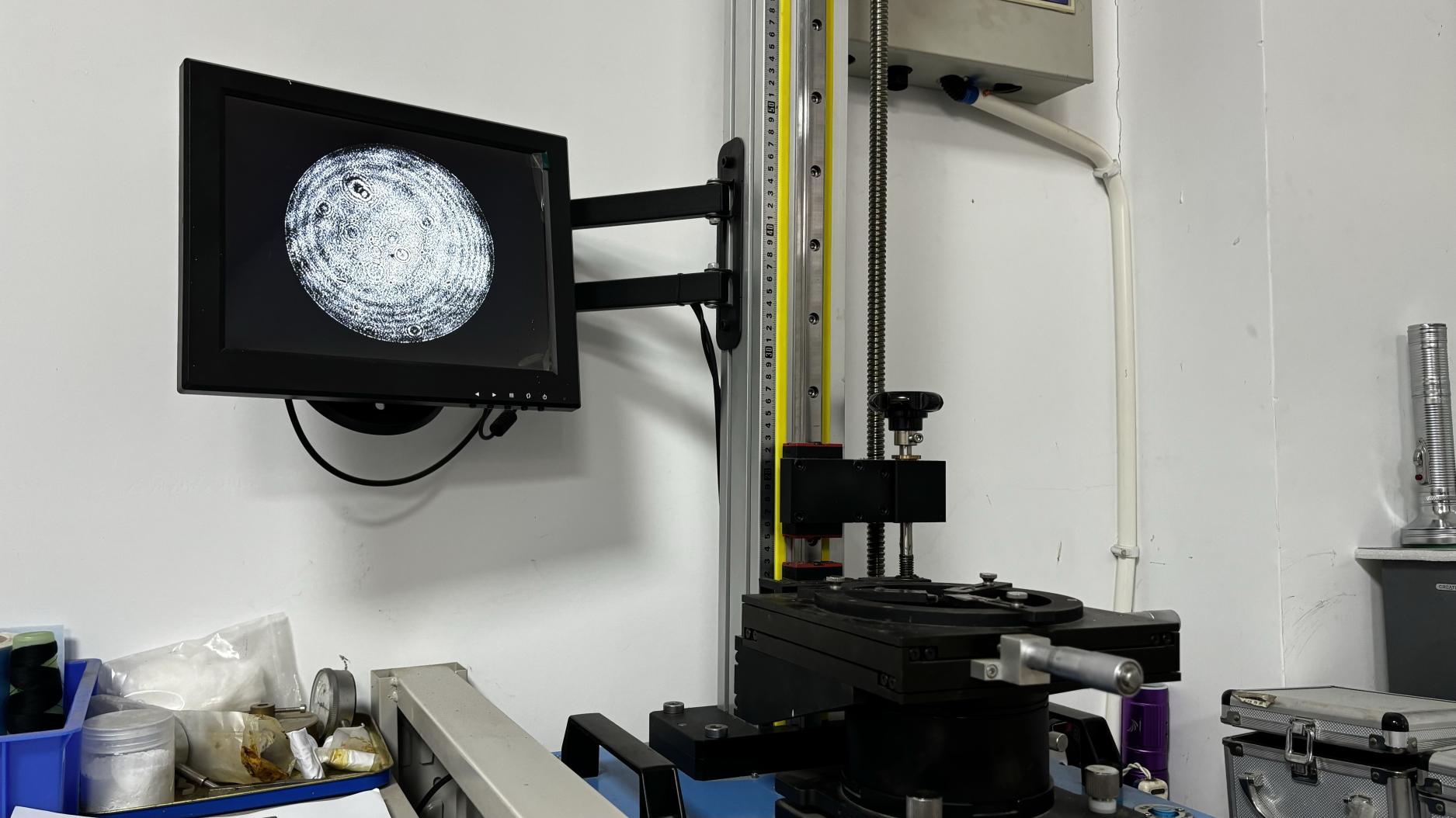
Backed by 8 years of export experience and 12 years of industry expertise, we are committed to delivering innovative memory products that meet international quality standards. Our quality management system includes comprehensive incoming material inspection, in-process quality control, and final product testing. All products undergo automated functional testing, compatibility verification, performance validation, and aging tests before shipment. Our quality assurance team consists of 46 dedicated inspectors who ensure every module meets strict reliability requirements.
As a manufacturer with strong OEM and ODM capabilities, Xeviora works closely with more than 850 supply chain partners worldwide, enabling efficient sourcing, flexible production, and fast delivery. Our primary customers include wholesalers, distributors, e-commerce sellers, system builders, brand owners, and enterprise solution providers.
Innovation is at the core of our business. Supported by an experienced R&D team of 128 engineers, we continuously invest in new technologies and product development. Last year alone, we successfully launched 86 new memory products covering DDR5 gaming memory, industrial-grade memory modules, server memory solutions, and customized storage products.
How next-generation infrastructure components solve the challenges of remote telemetry and edge compute requirements.
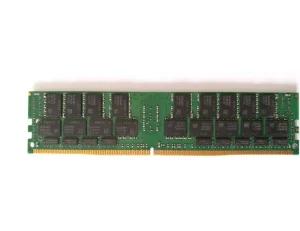
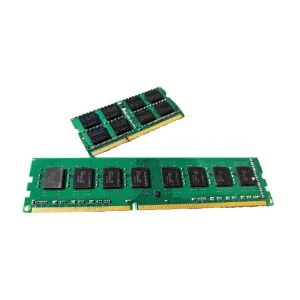
DDR5 memory integrates On-Die Error Correction Code (ECC) directly inside the DRAM chip. This architecture detects and corrects single-bit errors prior to transmitting data to the CPU, guaranteeing high-uptime operations for remote cloud monitoring nodes where manual restarts are impossible.
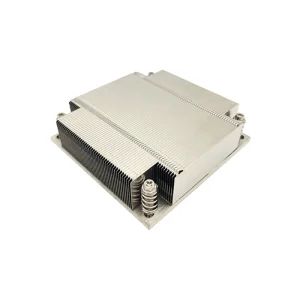
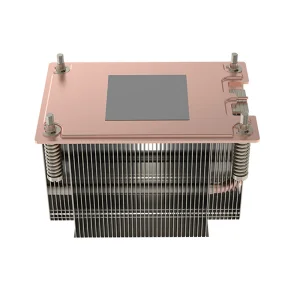
With high TDP demands on modern processing platforms (e.g., 400W server architectures), our passive copper vapor chambers and high-CFM active cooling components ensure edge controllers avoid thermal limits and maintain processing performance.
By sourcing top-tier silicon and employing specialized PCB designs, Xeviora extends component lifecycles to 7+ years, matching the standard operational window required by global telecommunication and utility organizations.
Remote monitoring systems are not uniform. A monitoring platform deployed inside an offshore oil rig operates under completely different conditions than an IoT gateway tracking weather patterns in an alpine pass. Selecting the right hardware components requires aligning the operating parameters to the environmental stress factors:
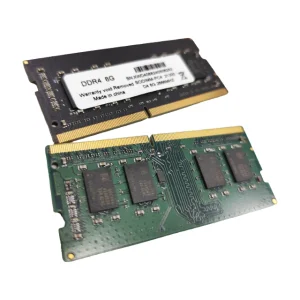
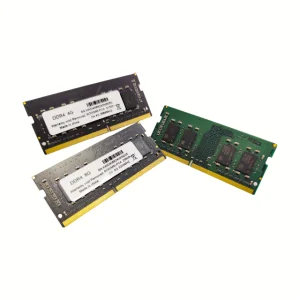
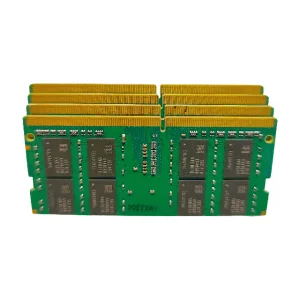
Cell towers are situated in extreme locations, running continually while exposed to high ambient heat. Xeviora's 1U and 2U passive server radiators combined with low-voltage DDR4 ECC laptop RAM modules provide the optimal balance of power efficiency and thermal tolerance.
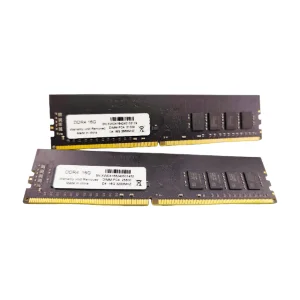
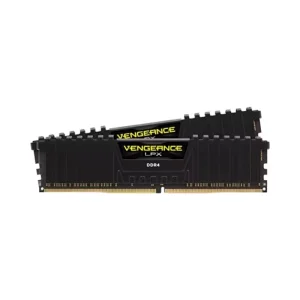
Electrical telemetry installations generate significant high-voltage interference. Electromagnetic disruption can trigger bit flips in system memory. Implementing industrial-grade ECC DDR4 or DDR5 RAM modules protects the system's memory stack from these interruptions, ensuring clean, continuous data streams.
China's manufacturing ecosystem provides major advantages for global IT buyers: supply chain density, rapid prototyping, and automated production scaling. At Xeviora, we combine these benefits with strict quality management protocols:
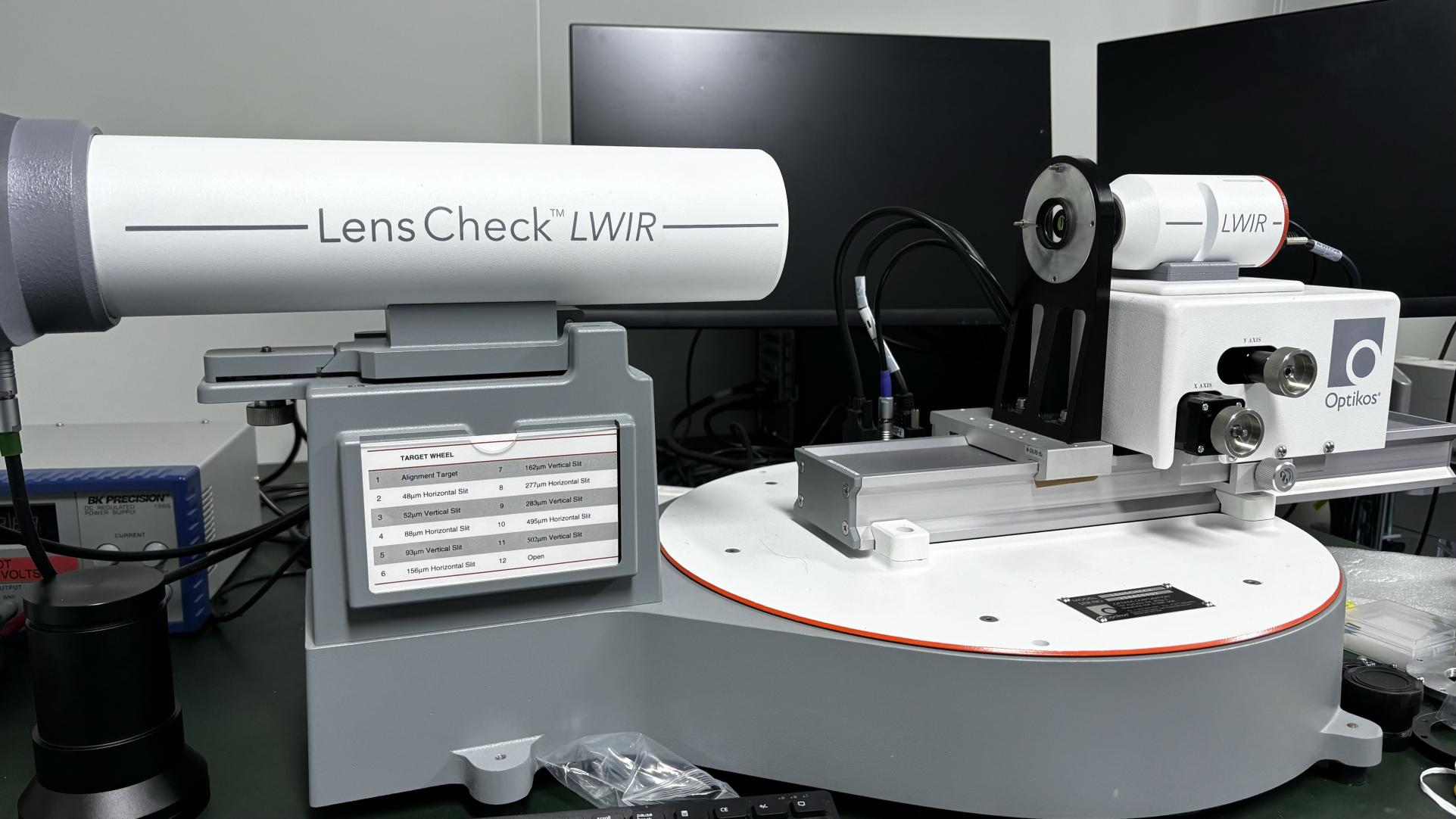
"Our facility implements multi-stage testing, including automated optical inspections (AOI), high-temperature stress tests, and final component burn-in. Every batch has complete serial tracking to ensure high reliability."
This comprehensive QA structure is maintained by our 46 dedicated inspectors, helping minimize defective components to standard enterprise targets (< 0.05% RMA rates). This production stability is why global systems integrators trust Xeviora to supply components for mission-critical industrial applications.

Sourcing components for remote installations requires evaluating multiple metrics beyond unit price:
Review our additional hardware components, built to withstand extended runtimes inside high-density data centers and remote processing cabinets.
Answers to common technical questions regarding memory deployment, cooling metrics, and custom hardware integration.