 Xeviora
Xeviora
Xeviora
Engineered for low-latency computation, high-frequency signal integrity, and high-efficiency thermal management. Explore our foundational hardware components deployed by global enterprise partners.
An engineering and supply chain analysis of high-density interconnect (HDI) substrates, high-speed SMT assembly, and global logistical networks.
The global printed circuit board assembly (PCBA) sector is transitioning from standard high-volume manufacturing to multi-layered, thermally optimized, and high-frequency systems. Driven by the expansion of machine learning, cloud databases, telecommunication infrastructures, and automotive control modules, the requirements for quality assurance, material science, and manufacturing tolerance are tightening. Modern PCBA is no longer a simple transactional service; it is a critical bottleneck in the design of next-generation enterprise products.
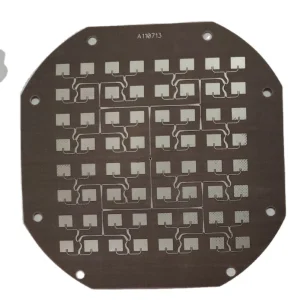
To establish competitive advantages, top tier-1 OEM and ODM suppliers are focusing on Information Gain and technical innovation. High-speed signal processing requires PCBs that minimize insertion loss and dielectric degradation. For instance, the transition from standard FR4 materials to PTFE-based high-frequency laminates, such as the Taconic TLY-5 with precise thicknesses like 0.254mm, is essential for high-performance RF designs. Simultaneously, SMT lines must now maintain placement tolerances under ±0.03 mm to support the latest 0201 and 01005 passive components alongside complex Ball Grid Array (BGA) processors.
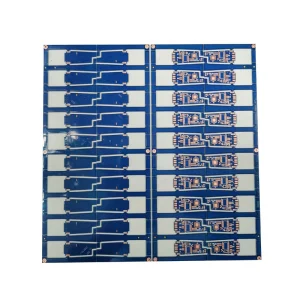
Implementation of PTFE, Taconic, and aluminum substrates to support high-frequency applications and prevent insertion loss at frequencies above 10 GHz.
Designing structures with integrated aluminum substrates and high-TDP cooling units, enabling heat dissipation values exceeding 300W.
Deploying automated SPI, AOI, and 3D X-ray systems to secure solder joint integrity for fine-pitch BGA and micro-BGAs.
For system integrators, understanding these parameters is key to evaluating PCBA suppliers. A supplier's value is no longer measured solely by cost-per-joint, but by their ability to provide end-to-end solutions, including active cooling integration, DDR memory SMT placement, and high-frequency dielectric stack-up development.
How thermal limits, the DDR5 transition, and high-density packaging are changing the procurement requirements of global buyers.
Three main trends are currently driving the engineering requirements for printed circuit board assemblies:
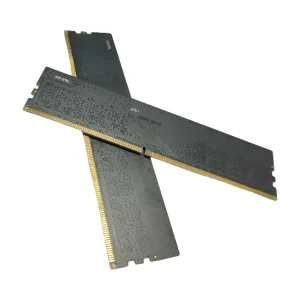
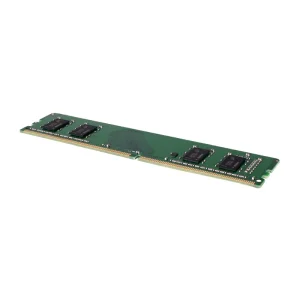
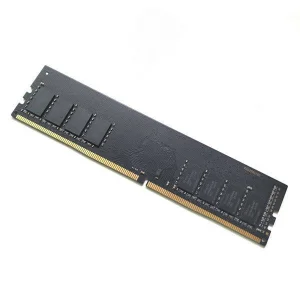
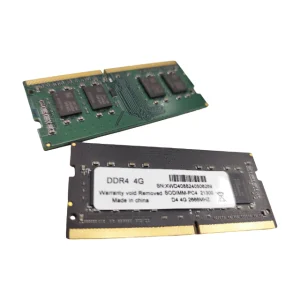
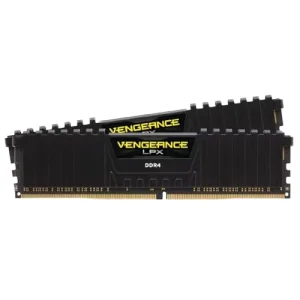
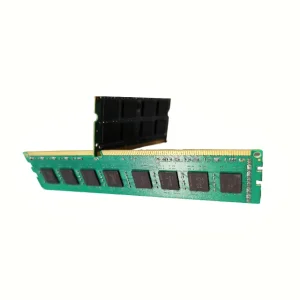
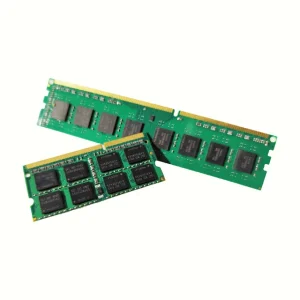
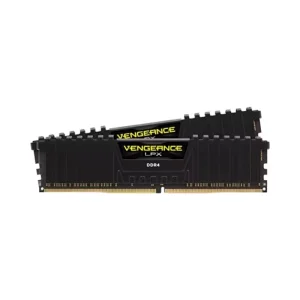
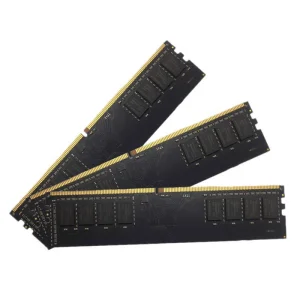
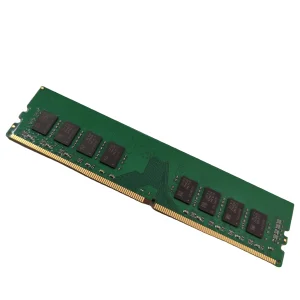
DDR5 memory modules operate at frequencies up to 6400MHz and beyond, demanding strict impedance control, shorter trace lengths, and minimal crosstalk. System architects require PCBA suppliers who are proficient in advanced HDI layer stackups and micro-via technologies to ensure signal integrity across memory buses.
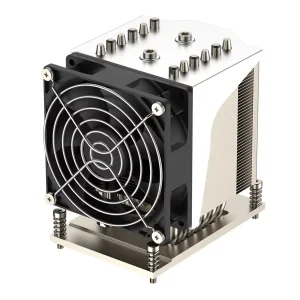
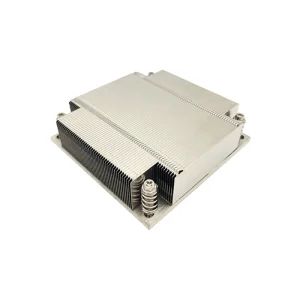
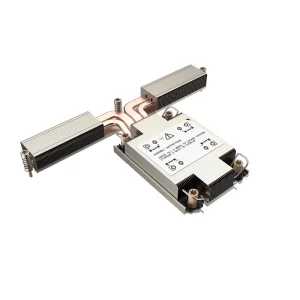
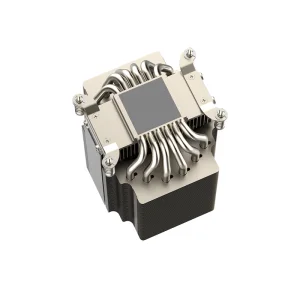
High-performance computing chips running up to 300W TDP require dedicated cooling solutions. Traditional passive heatsinks are being replaced by high-performance active and passive cooling solutions, such as the LGA4926, LGA4677, or SP5 integrated water blocks. Finding a supplier capable of sourcing, assembling, and testing these mechanical thermal assemblies alongside the electrical board assembly is crucial for reducing supply chain complexity.
For power electronics, high-brightness LEDs, and industrial power supplies, standard FR4 substrates fail due to low thermal conductivity. Thermally conductive metal core boards, particularly aluminum substrate PCBs, offer heat dissipation rates of 1.0 to 4.0 W/m-K, ensuring critical components operate within safe thermal limits.
Global procurement offices must align with PCBA suppliers that utilize advanced SMT lines equipped with multi-zone reflow ovens, nitrogen gas injection, and dynamic AOI systems. By standardizing manufacturing metrics (such as DPMO - Defects Per Million Opportunities - under 10), companies can ensure that high-frequency PCBs and high-capacity RAM modules function reliably under prolonged workloads.
A deep dive into our manufacturing infrastructure, supply networks, and engineering resources designed for global OEMs/ODMs.
Xeviora Memory Technology (China) Co., Ltd. is a professional DDR5 memory manufacturer and supplier based in China, specializing in high-performance RAM solutions for gaming, industrial, enterprise, and consumer applications. Established in 2017, the company has rapidly grown into a trusted OEM and ODM partner for global distributors, system integrators, and technology brands.
Our manufacturing facility covers 368 square meters and is equipped with advanced production and testing equipment to ensure stable quality and reliable performance. With an annual export revenue of over USD 18 million, Xeviora serves customers across North America, Europe, Southeast Asia, the Middle East, and South America. Backed by 8 years of export experience and 12 years of industry expertise, we are committed to delivering innovative memory products that meet international quality standards.
Our quality management system includes comprehensive incoming material inspection, in-process quality control, and final product testing. All products undergo automated functional testing, compatibility verification, performance validation, and aging tests before shipment. Our quality assurance team consists of 46 dedicated inspectors who ensure every module meets strict reliability requirements.
As a manufacturer with strong OEM and ODM capabilities, Xeviora works closely with more than 850 supply chain partners worldwide, enabling efficient sourcing, flexible production, and fast delivery. Our primary customers include wholesalers, distributors, e-commerce sellers, system builders, brand owners, and enterprise solution providers.
Innovation is at the core of our business. Supported by an experienced R&D team of 128 engineers, we continuously invest in new technologies and product development. Last year alone, we successfully launched 86 new memory products covering DDR5 gaming memory, industrial-grade memory modules, server memory solutions, and customized storage products. We offer flexible customization services, including private labeling, logo printing, packaging design, specification customization, firmware optimization, and complete OEM/ODM development.
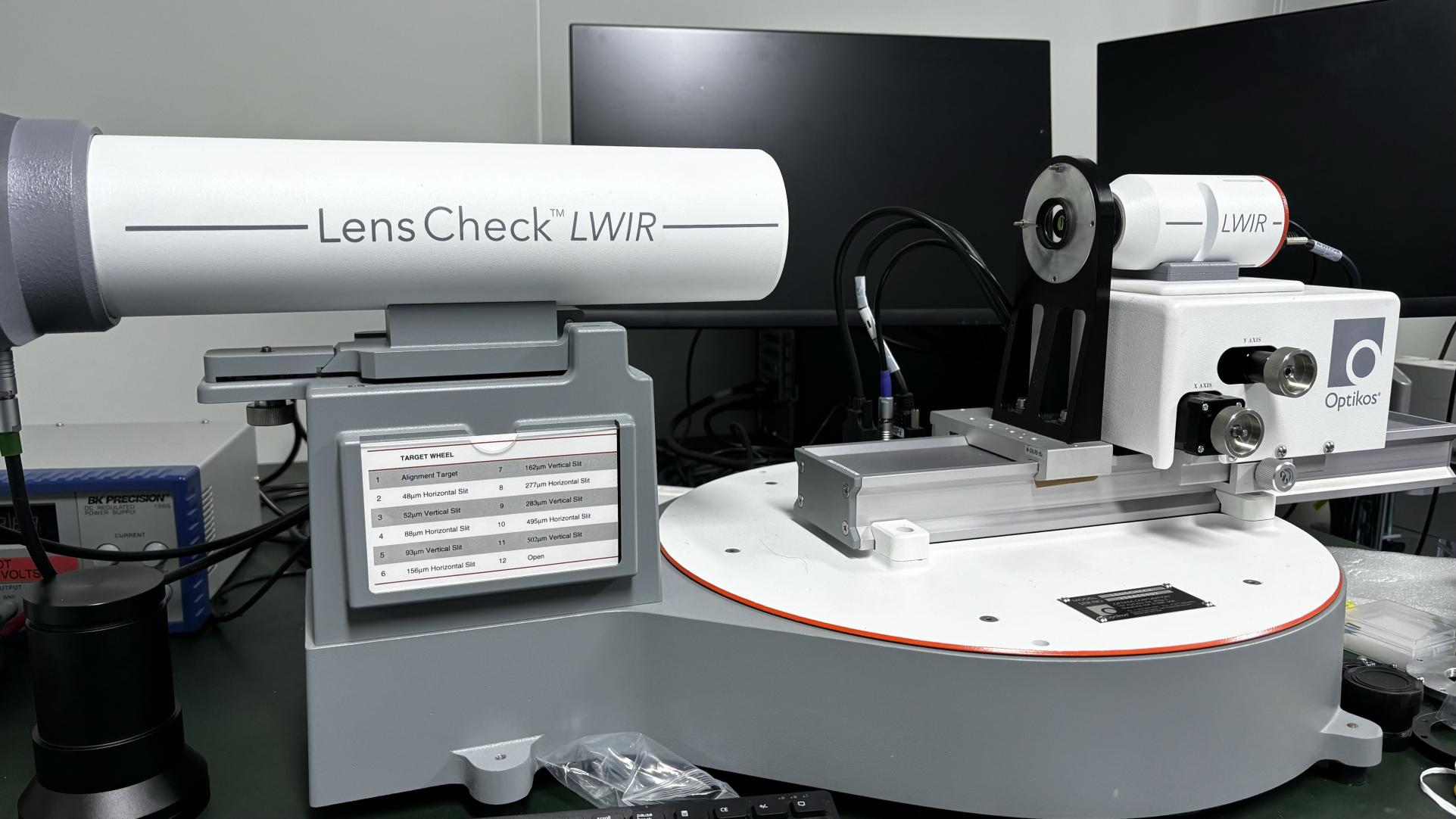
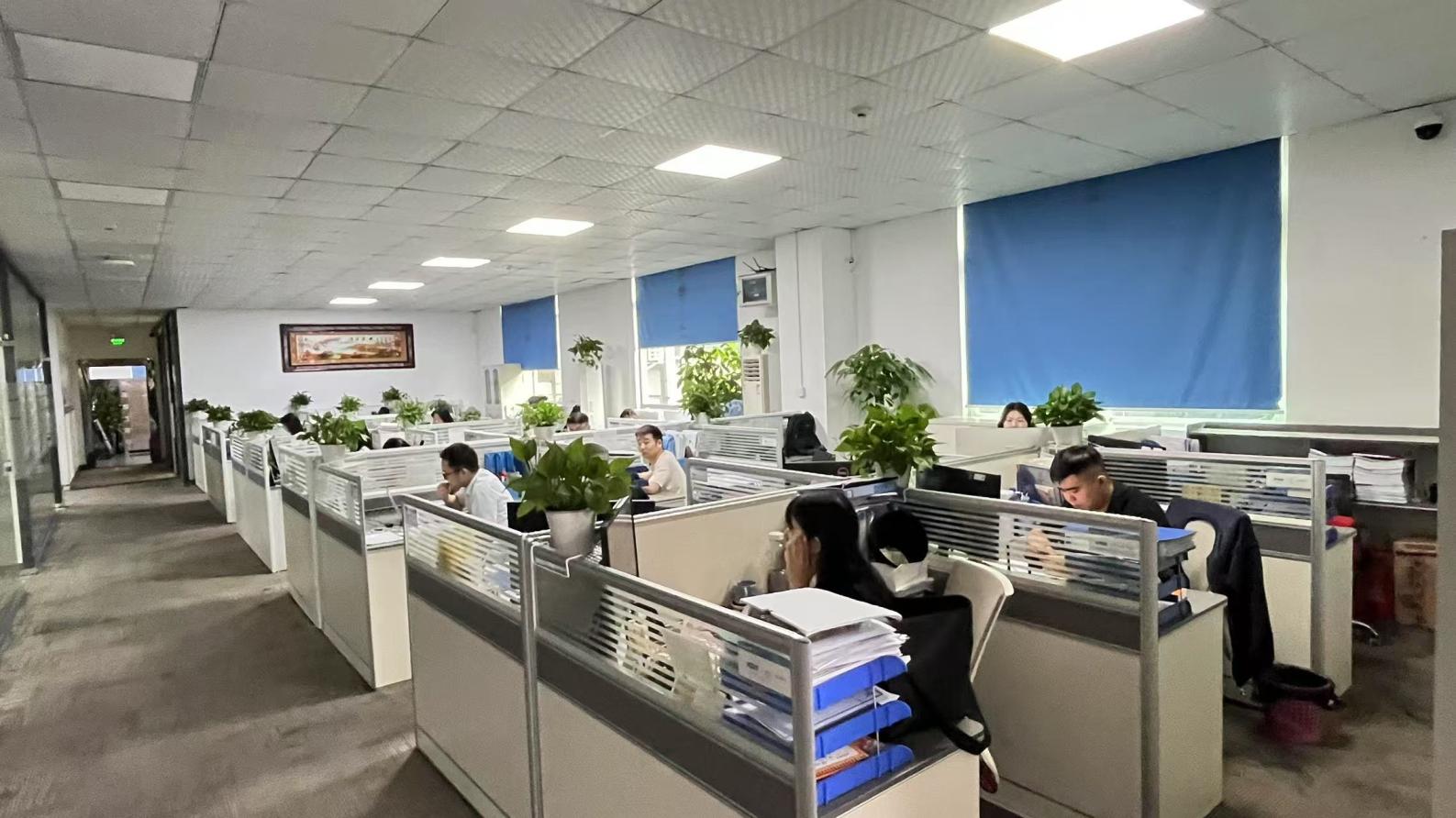
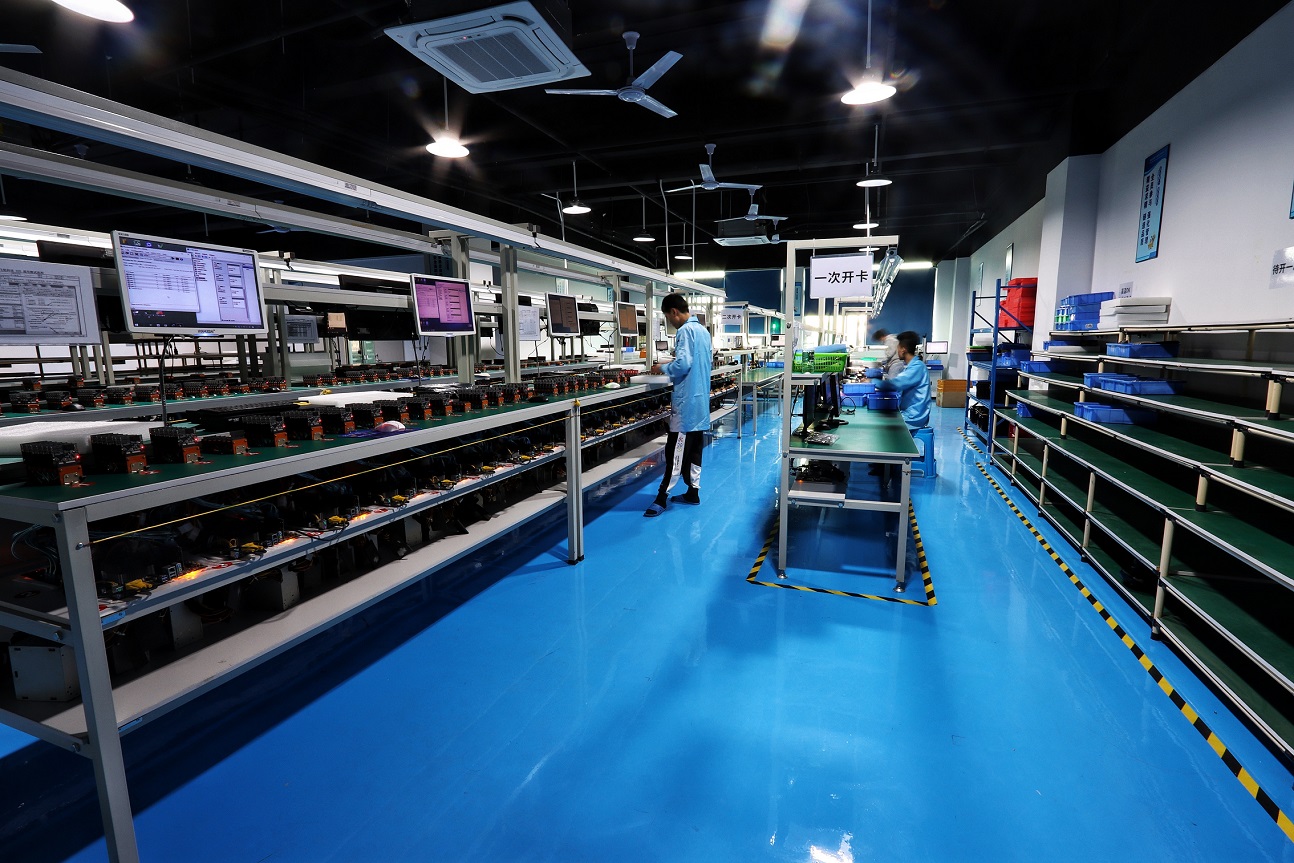
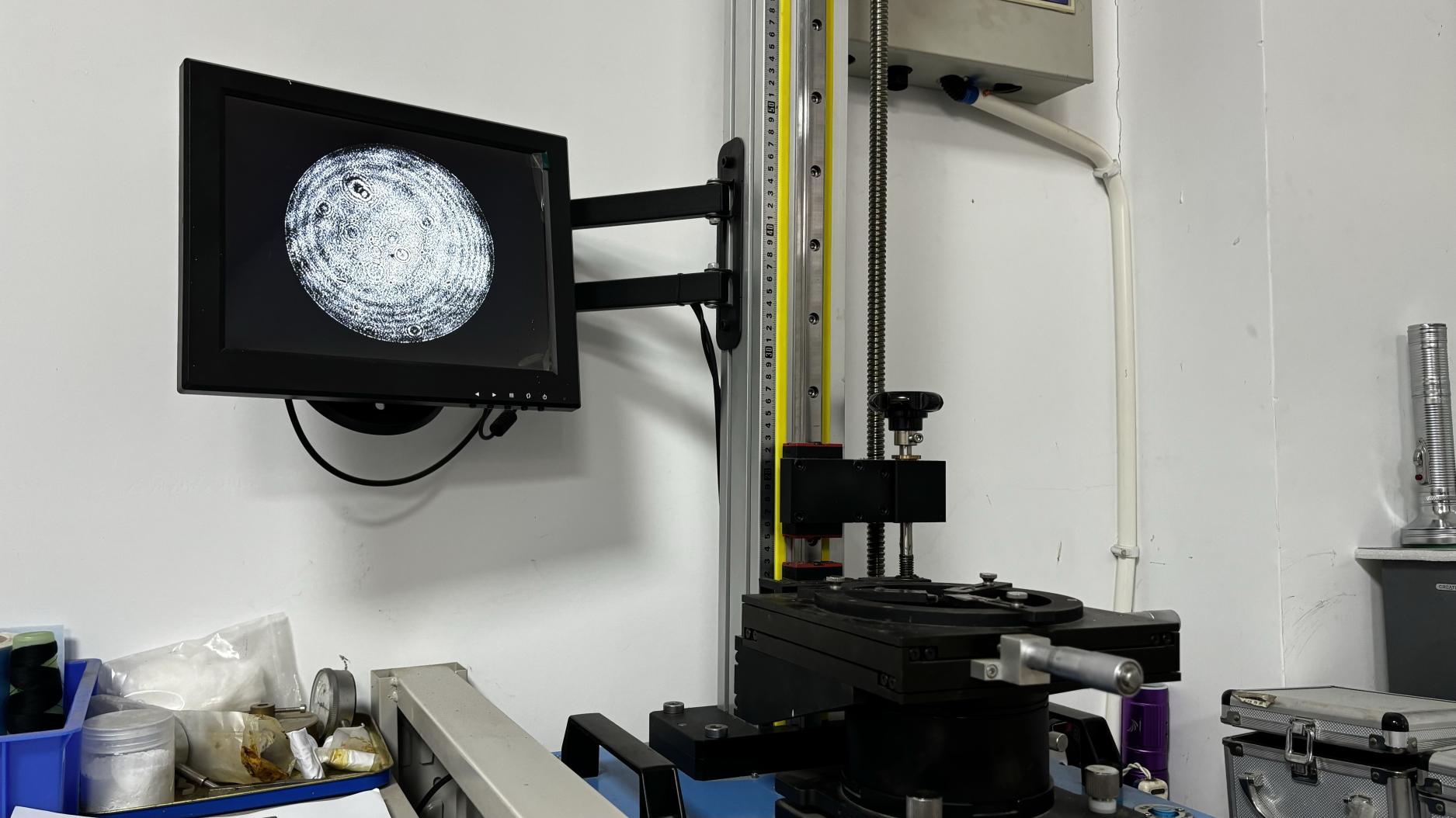
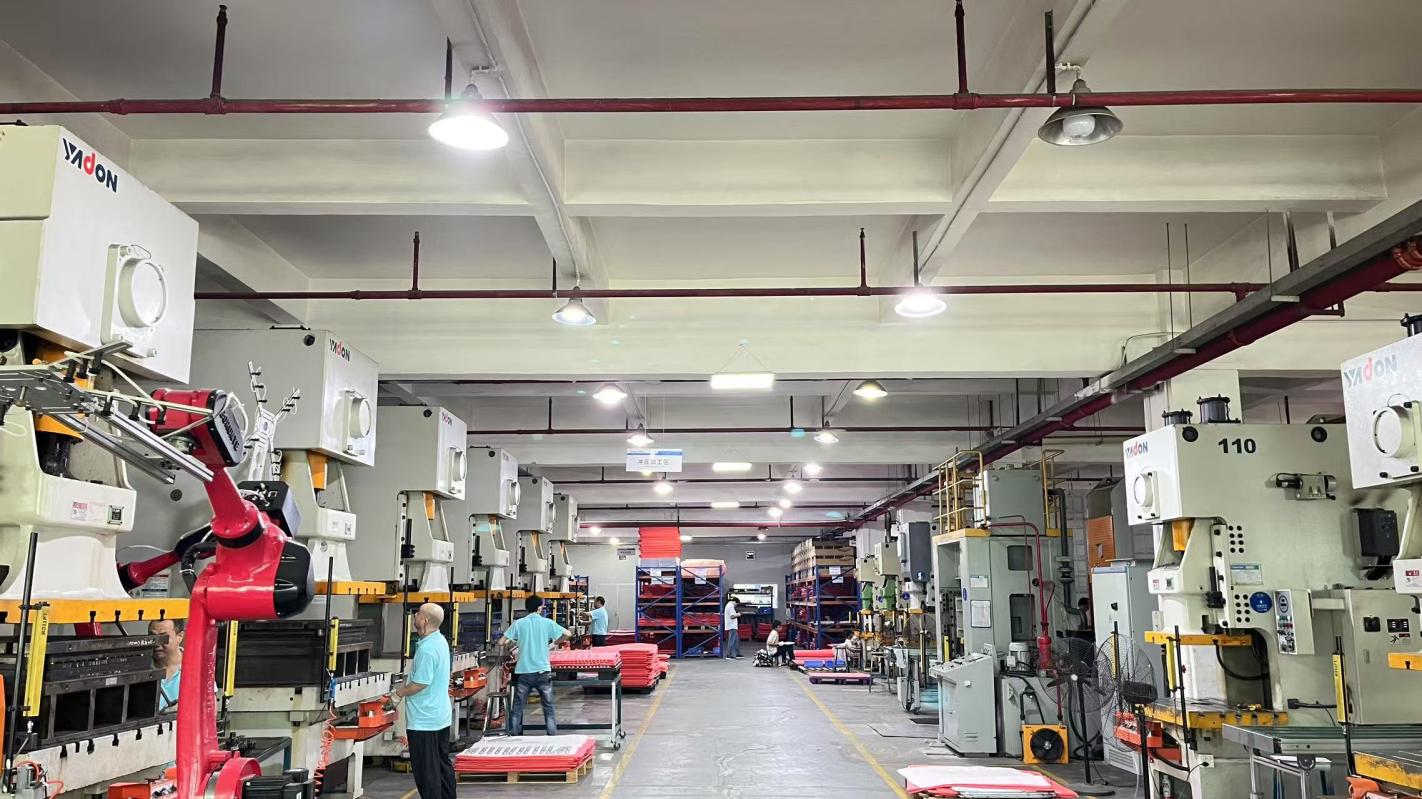
How modernized Chinese factories integrate automation, component ecosystems, and logistics networks to secure global deliveries.
Supply chain disruption remains a key concern for hardware manufacturers globally. Building resilience requires a manufacturing footprint that balances high yield, reliable component supply, and direct shipping routes. Modern Chinese electronics manufacturing clusters, particularly in the Pearl River Delta, have evolved into highly automated "Factory 4.0" operations to address these needs.
Modern production lines minimize human error through integrated automation. Solder Paste Inspection (SPI) units measure deposition volumes in real-time, instantly adjusting stencil positions. Post-reflow Automated Optical Inspection (AOI) uses multi-angle cameras and deep-learning algorithms to detect bridging, voids, and misalignments. For complex boards with under-component BGA structures, X-ray inspection is deployed to verify the integrity of hidden solder balls.
The speed of a PCBA project is often limited by its slowest component delivery. Chinese SMT facilities are located close to domestic semiconductor packagers, passive component makers, and raw material suppliers. Sourcing high-frequency Taconic substrates, aluminum cores, and memory chips is simplified by this proximity, keeping lead times for custom runs to under 10–14 working days.
To mitigate geopolitical risks, top PCBA suppliers maintain dual-source qualification processes for critical passives, connectors, and substrates. Raw materials like copper-clad laminates (CCL) are staged in local hubs, buffering against volatile market dynamics and ensuring price stability for long-term customer contracts.
Examining how these high-specification assemblies, memory kits, and cooling components perform across real-world enterprise infrastructure.
Data centers running heavy database workloads require 24/7 uptime and low thermal throttling. High-wattage cooling systems, such as the LGA4926 300W and SP5 2U heatsinks, keep server CPUs running at optimal temperatures. Paired with high-reliability ECC DDR4 and DDR5 memory modules, these setups prevent single-bit errors from causing system crashes, maintaining data integrity in mission-critical applications.
Industrial PCs operate in harsh environments with vibration, dust, and temperature swings. Using aluminum-substrate PCBs helps transfer heat away from components without relying on failure-prone system fans. Conformal coating applications over PCBA components protect the circuitry from moisture and airborne dust, extending the system's operational life.
5G transceivers and microwave links require clean signal paths. Utilizing Taconic TLY-5 substrates with ultra-thin dielectric layers (e.g., 0.254mm) prevents signal distortion and minimizes power losses at high frequencies, ensuring efficient data transmission across wireless networks.
Engineered for high-density servers, gaming systems, and high-frequency communication rigs. Select from our specialized components below.
Answers to common engineering, procurement, and logistics questions.