Xeviora
Xeviora
Xeviora
Explore our premium range of industrial-grade PCBs, high-performance thermal cooling substrates, and enterprise memory architectures.
An in-depth whitepaper on sourcing, technological evolution, and industrial applications of supporting hardware and high-frequency components.
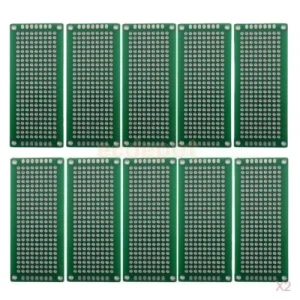
In the rapidly evolving world of electronics manufacturing, passive components, thermal solutions, and multilayer Printed Circuit Boards (PCBs) constitute the bedrock of hardware stability and performance. While active silicon drives the computational logic, it is the passive infrastructure—capacitors, resistors, inductors, thermal substrates, and precision interconnections—that ensures signal integrity, power distribution, and thermal equilibrium. From the high-speed data transmission lines of enterprise server racks utilizing DDR5 memory architectures to localized LED arrays supported by metal-clad PCBs, sourcing quality components remains a top strategic priority for procurement executives globally.
This industry report explores the leading global manufacturers and exporters, focuses on the paradigm shift in technological capabilities, and details how modern enterprises can optimize their supply chain. In an era where global electronics demands are highly volatile and compliance rules are stringent, selecting the right partner means evaluating not just manufacturing capacity, but engineering depth, compliance protocols, and logistics resilience.
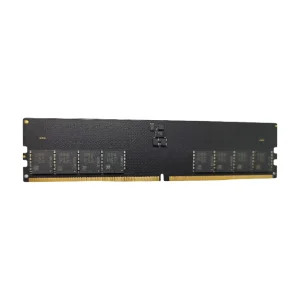
Xeviora Memory Technology (China) Co., Ltd. is a professional DDR5 memory manufacturer and supplier based in China, specializing in high-performance RAM solutions for gaming, industrial, enterprise, and consumer applications. Established in 2017, the company has rapidly grown into a trusted OEM and ODM partner for global distributors, system integrators, and technology brands.
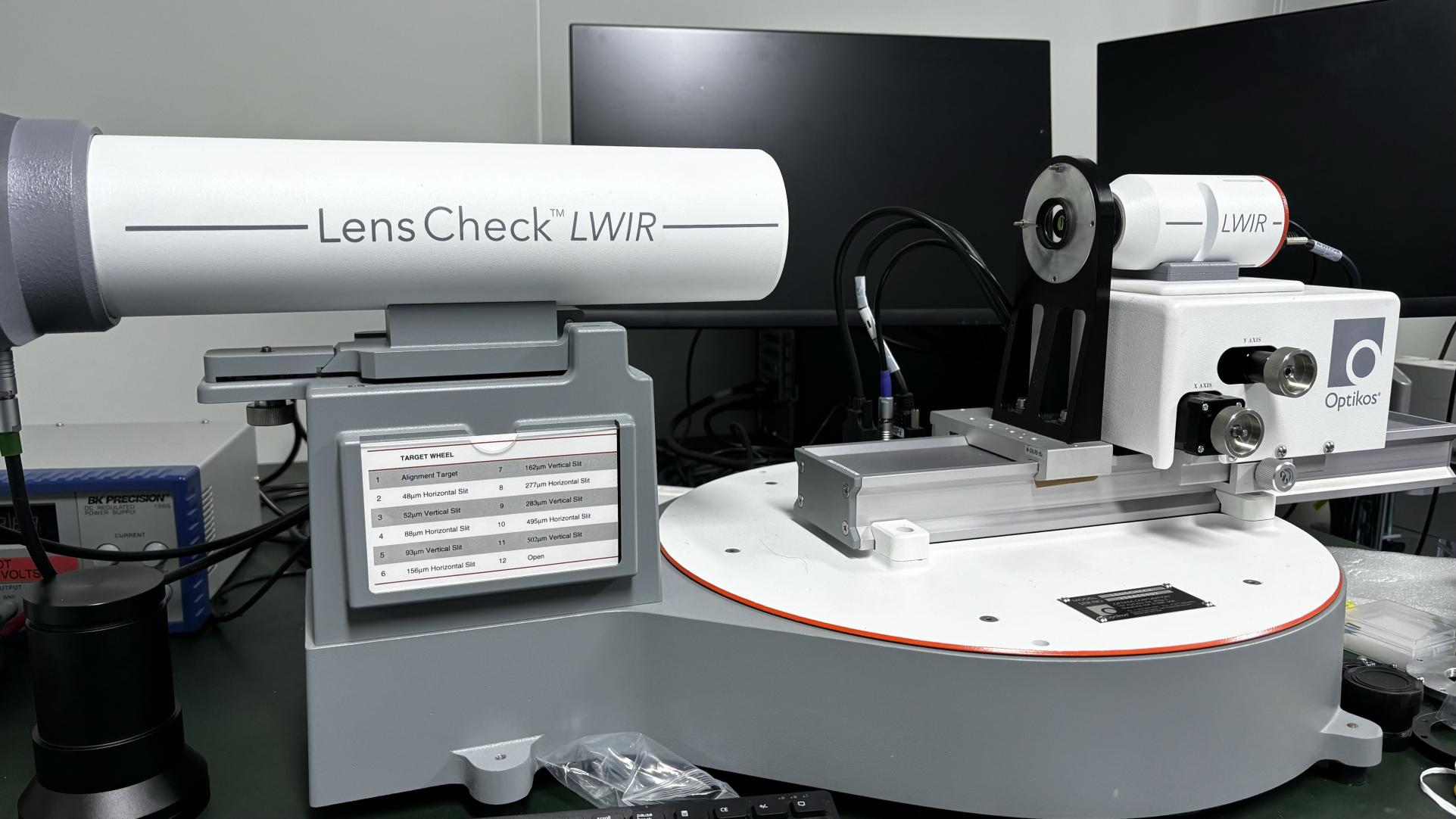
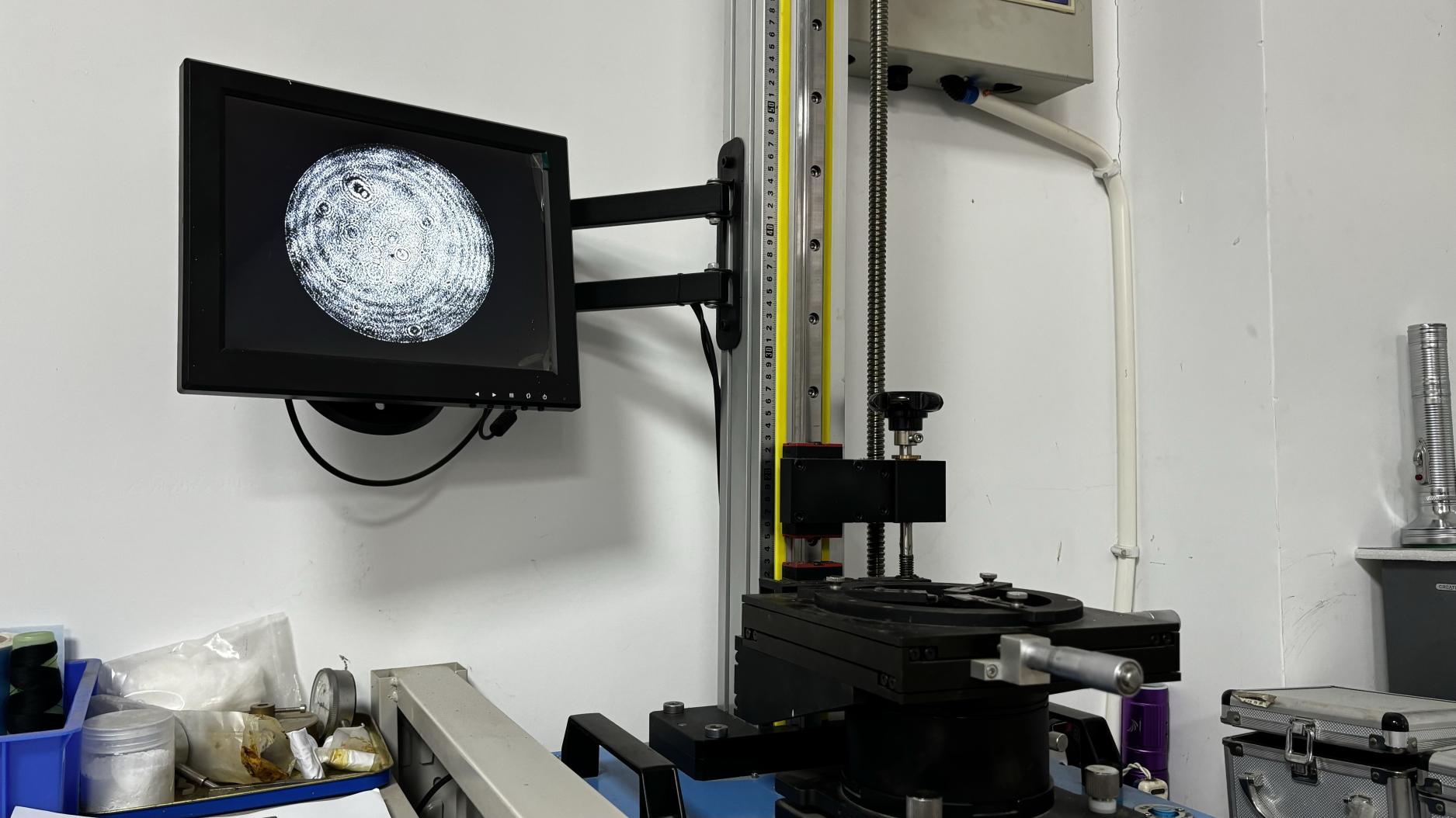
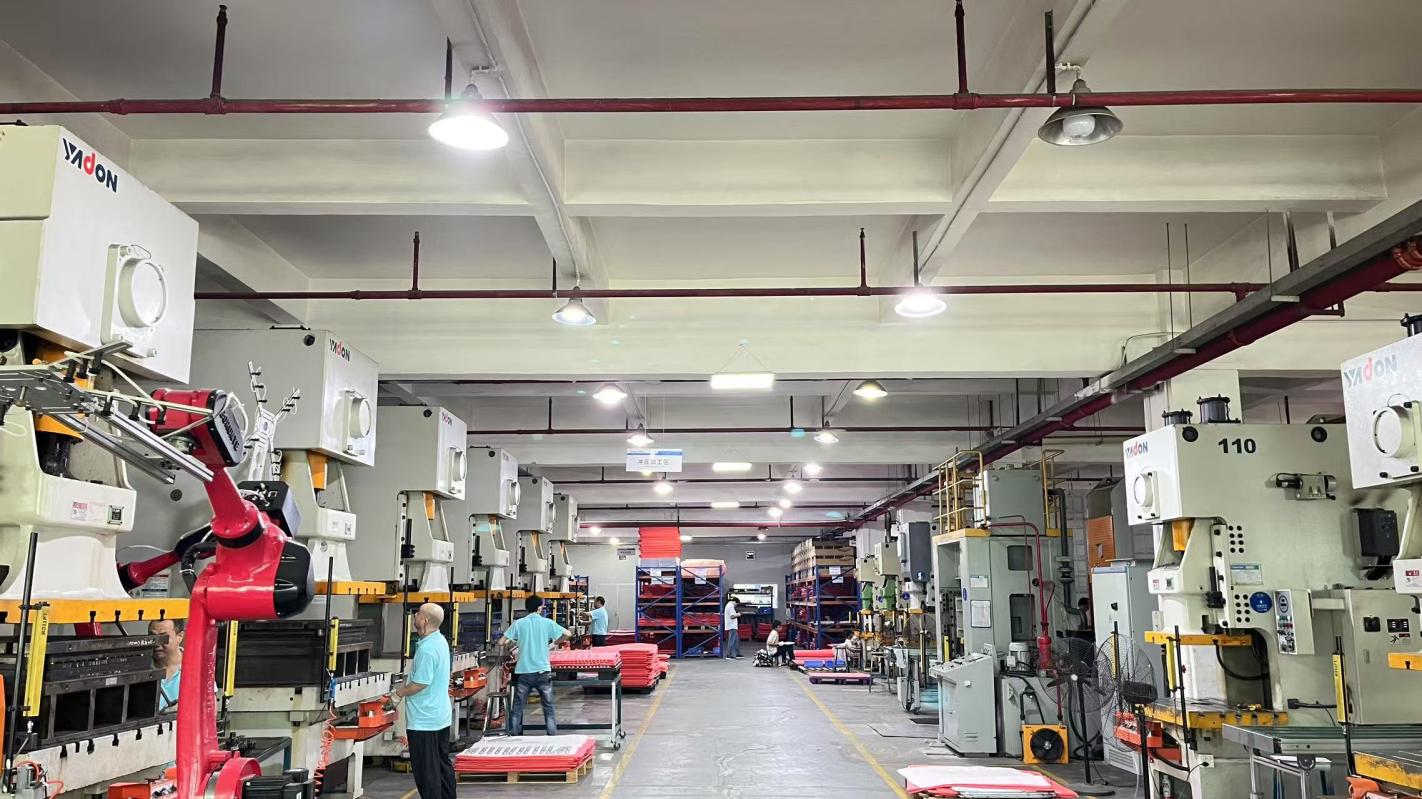
Our state-of-the-art manufacturing facility covers 368 square meters and is equipped with advanced production and testing equipment to ensure stable quality and reliable performance. With an annual export revenue of over USD 18 million, Xeviora serves customers across North America, Europe, Southeast Asia, the Middle East, and South America. Backed by 8 years of export experience and 12 years of industry expertise, we are committed to delivering innovative memory products that meet international quality standards. Our quality management system includes comprehensive incoming material inspection, in-process quality control, and final product testing. All products undergo automated functional testing, compatibility verification, performance validation, and aging tests before shipment.
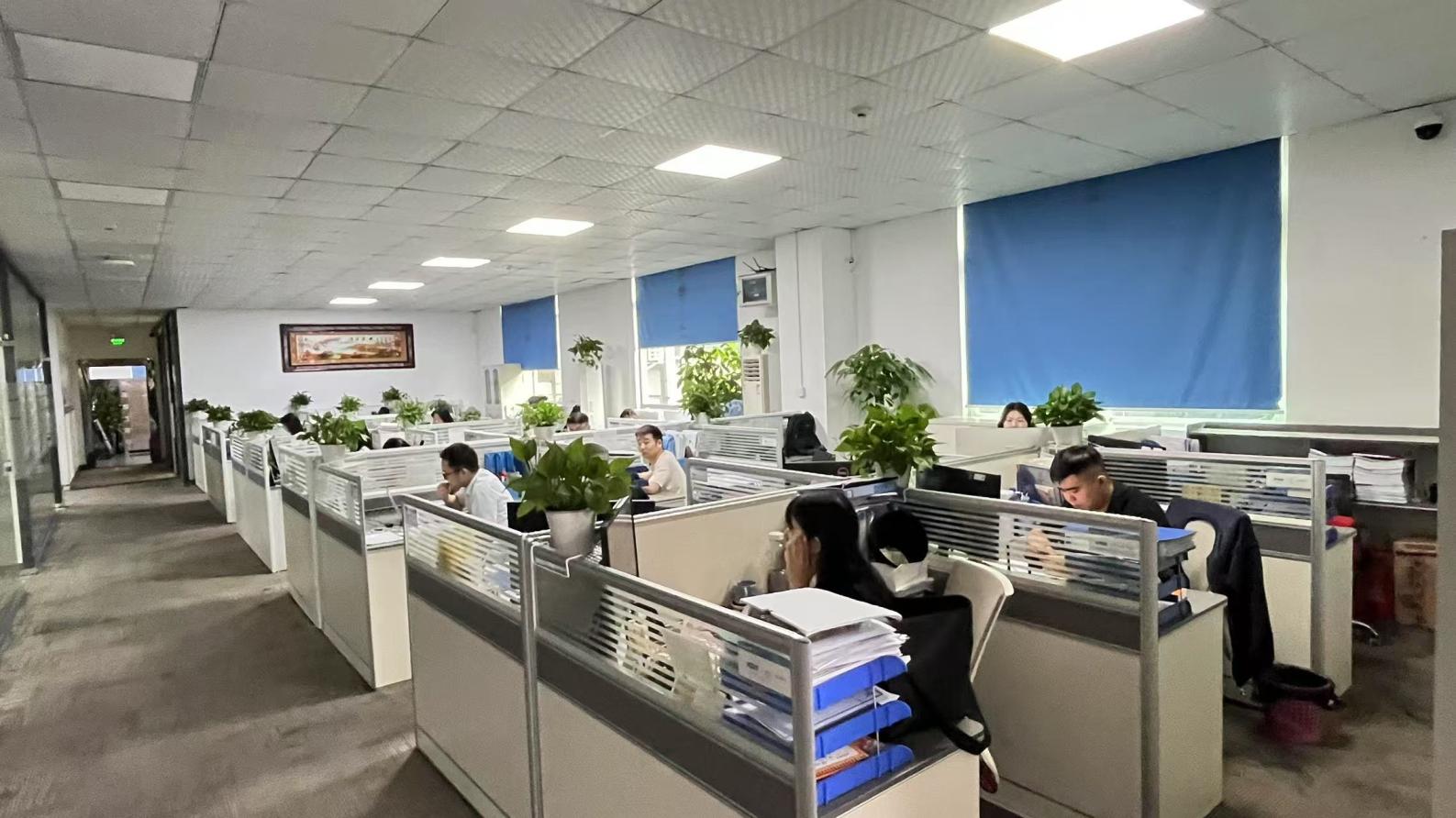
Our quality assurance team consists of 46 dedicated inspectors who ensure every module meets strict reliability requirements. As a manufacturer with strong OEM and ODM capabilities, Xeviora works closely with more than 850 supply chain partners worldwide, enabling efficient sourcing, flexible production, and fast delivery. Our primary customers include wholesalers, distributors, e-commerce sellers, system builders, brand owners, and enterprise solution providers.
Supported by an experienced R&D team of 128 engineers, we continuously invest in new technologies and product development. Last year alone, we successfully launched 86 new memory products covering DDR5 gaming memory, industrial-grade memory modules, server memory solutions, and customized storage products. We offer flexible customization services, including private labeling, logo printing, packaging design, specification customization, firmware optimization, and complete OEM/ODM development.
The passive component and circuit board industries are undergoing structural transformations due to three main technology drivers: high-frequency signals (5G/6G), high-density integration, and extreme thermal loads. Devices are shrinking while power requirements are increasing, pushing traditional materials to their limits.
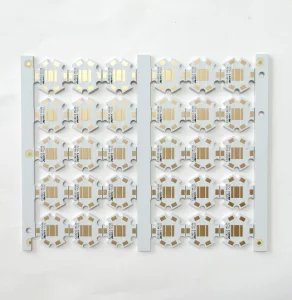
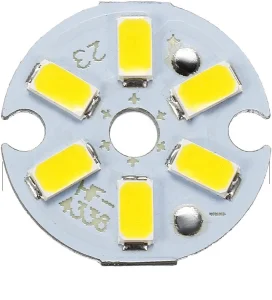
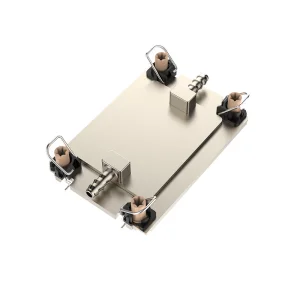
Metal-clad PCBs, especially Aluminum T6 and Copper-core substrates, are replacing classic FR4 in high-lumen lighting and high-power density converters to prevent heat build-up and extend runtime lifespans.
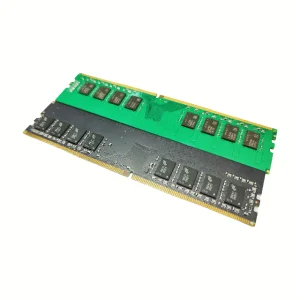
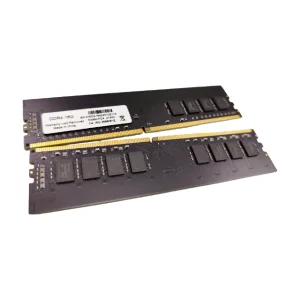
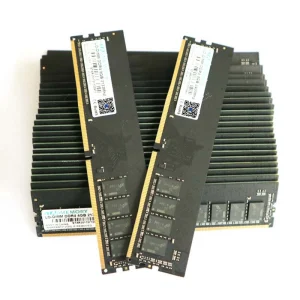
The computing industry is aggressively migrating from DDR4 to DDR5. Because DDR5 transfers PMIC (Power Management IC) from the motherboard directly onto the memory module, high-quality onboard capacitors and inductors are crucial.
AI servers draw massive peak currents, demanding ultra-low ESR (Equivalent Series Resistance) capacitors and high-conductivity multi-layer PCBs capable of handling signal routing without noise interference.
Purchasing agents choose China-based manufacturers not only for cost savings, but also for ecosystem maturity. The Pearl River Delta (Shenzhen-Dongguan-Guangzhou hub) offers unparalleled component synergy. Raw substrate materials, SMT (Surface Mount Technology) assembly lines, silicon die packaging, and high-precision inspection tools are geographically close, reducing development cycles from months to days.
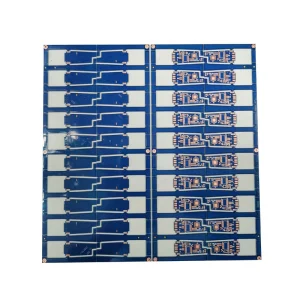
Furthermore, Chinese suppliers have evolved from basic contract assemblers into co-developers. Equipped with advanced automated optical inspection (AOI) units, X-ray inspection for multilayer PCBs, and climate-controlled clean rooms, companies like Xeviora offer structural design, signal integrity analysis, and custom PCB routing tailored specifically to the requirements of western markets.
Global electronics products must adhere to stringent regulatory frameworks. Standard consumer components can fail importing regulations if they do not hold certified documentation. High-quality manufacturers ensure full compliance across several critical standards:
To understand the performance requirements of these parts, it is helpful to look at how they are applied in modern electronic systems:
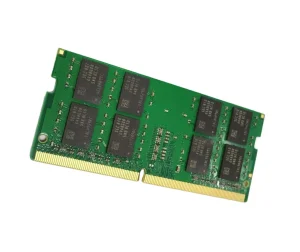
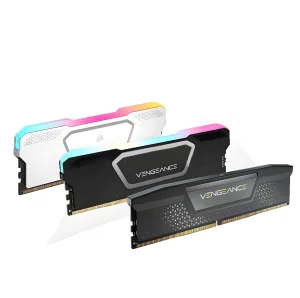
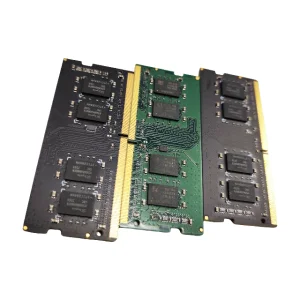
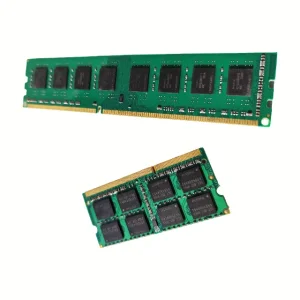
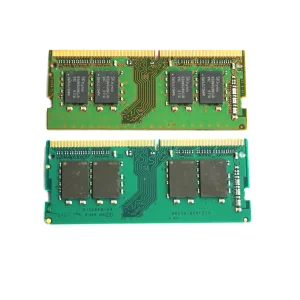
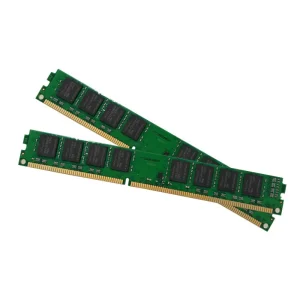
Discover our range of multi-layered PCBs, performance desktop and laptop RAM, and high-conductivity thermal interface plates.
Peek inside our high-tech assembly workshops, clean rooms, and automated testing labs where consistency meets innovation.