Xeviora
Xeviora
Xeviora
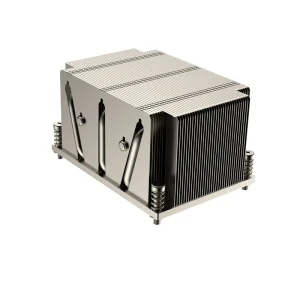
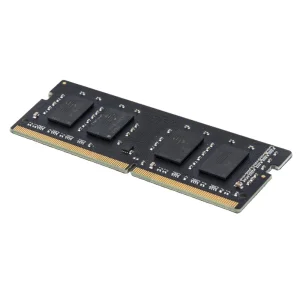
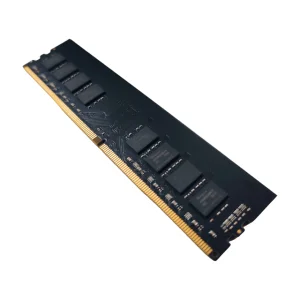
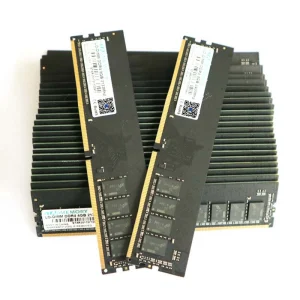
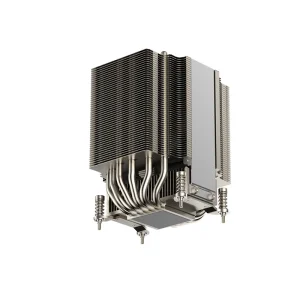
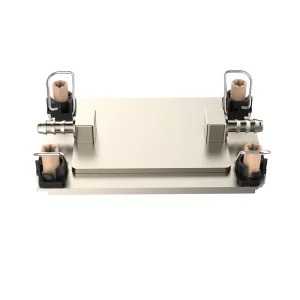
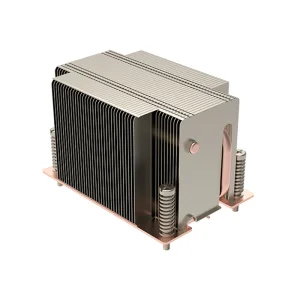
In the era of hyper-scale computing, real-time data streaming, and Ultra-High-Definition (UHD) visualization, the division between high-speed internal computing buses and external transmission cables has dissolved. Modern high-bandwidth digital infrastructure demands an end-to-end signal integrity ecosystem. Whether transmitting uncompressed 8K video feeds via Active Optical HDMI Cables or piping millions of floating-point operations through server memory blocks, the baseline criteria remain the same: minimal signal attenuation, robust electromagnetic interference (EMI) protection, and flawless physical layer stability.
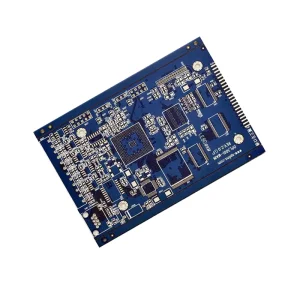
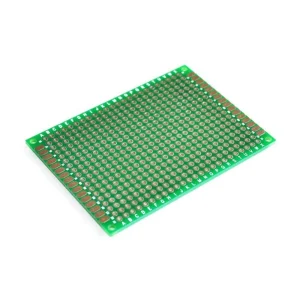
As digital networks scale toward higher frequencies, manufacturing precision governs performance. Leading global exporters leverage advanced Surface Mount Technology (SMT) and High-Density Interconnect (HDI) PCB architectures to construct the complex conversion chips embedded in optical HDMI connectors. These transceivers operate adjacent to ultra-fast memory components, requiring specialized thermal dissipation systems to handle the localized heat generation. By evaluating the structural intersection of digital interfaces, industry leaders deliver components certified for 48Gbps throughput (HDMI 2.1b), ensuring compatibility with next-generation enterprise decoders, data center visual matrices, and AI-accelerated imaging environments.
HDMI 2.1b requires up to 48 Gbps bandwidth to support uncompressed 8K resolution at 60Hz and 4K at 120Hz with Dynamic HDR, demanding premium shielding and signal-to-noise ratios.
Active Optical Cables (AOC) merge fiber optics for long-distance transmission with copper lines for power delivery, requiring precise optoelectronic conversion circuits on board.
High-frequency cables operate alongside high-density RAM modules and processing units, necessitating synchronous thermal design and system cooling interfaces.
Established in 2017, Xeviora Memory Technology (China) Co., Ltd. is a leading professional manufacturer and supplier based in China, specializing in high-performance memory, server thermal management, and precision circuit systems. By deploying 12 years of core industry expertise alongside 8 years of dedicated export experience, Xeviora has evolved into a key OEM and ODM partner for system integrators, international distributors, and custom hardware developers.
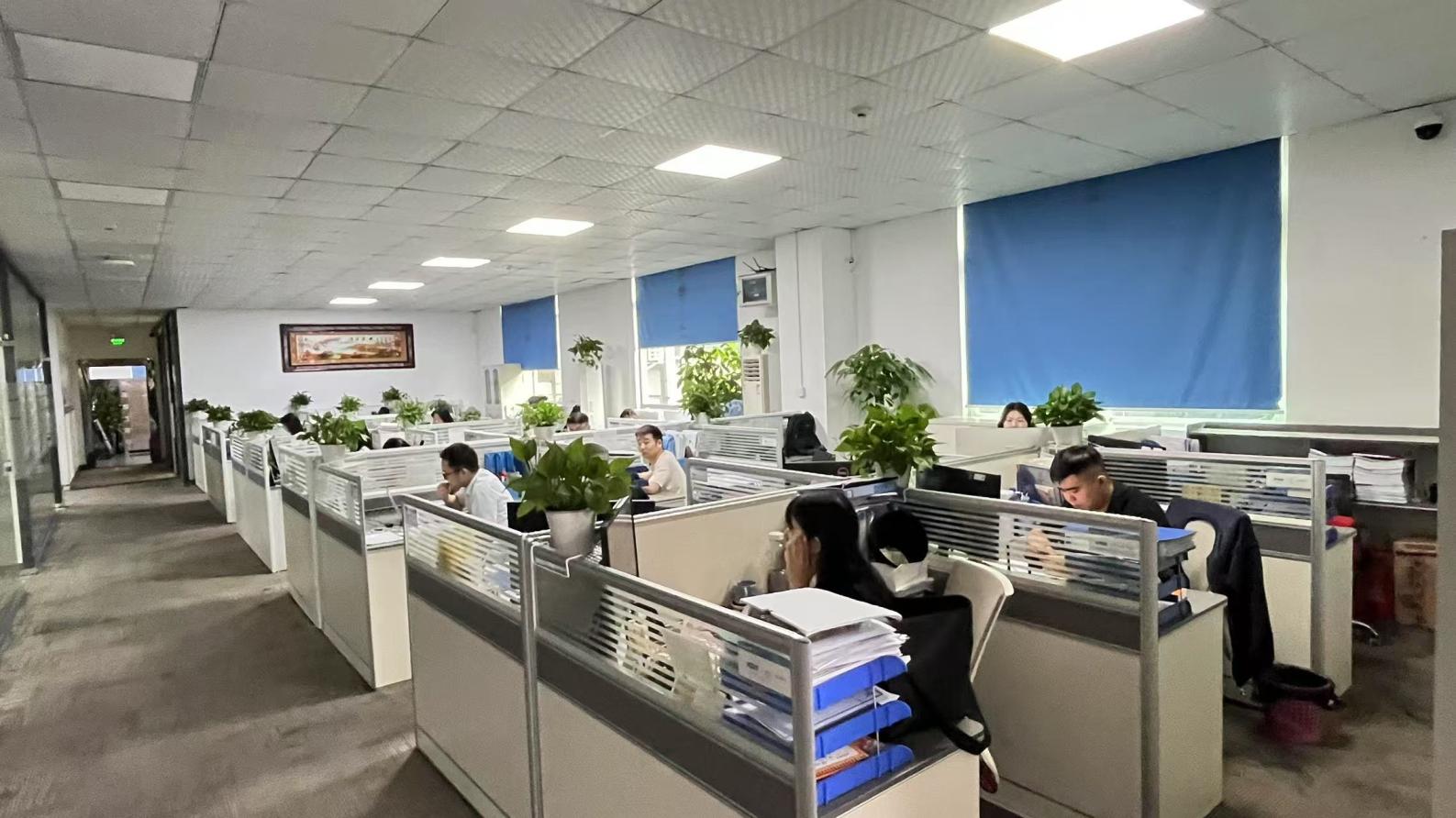
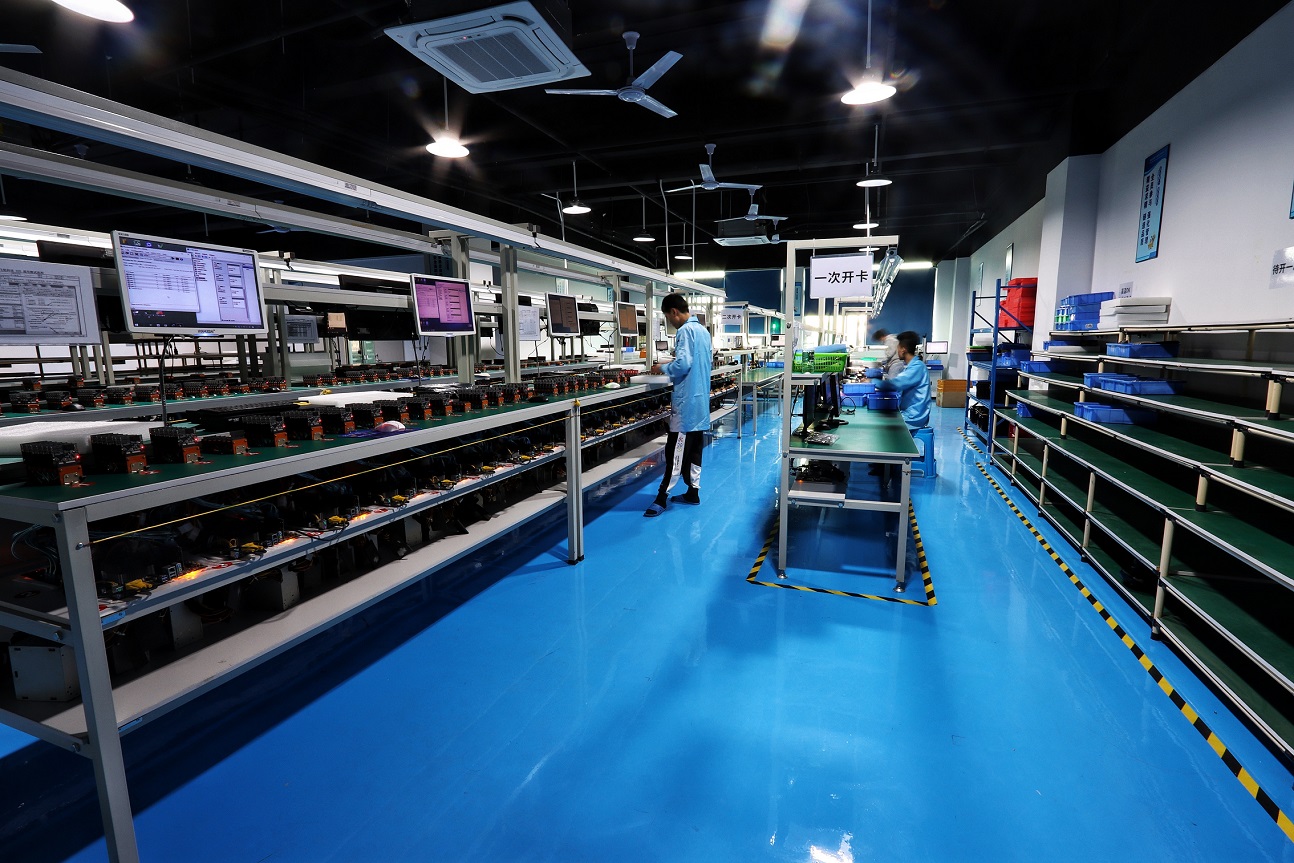
Our state-of-the-art manufacturing facility spans 368 square meters, optimized with high-performance production lines, custom testing rigs, and advanced quality assurance stations. Our dedication to premium design has yielded an annual export revenue exceeding USD 18 million. Xeviora products are implemented across diverse infrastructure nodes in North America, Europe, Southeast Asia, the Middle East, and South America.
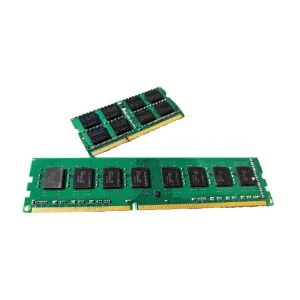
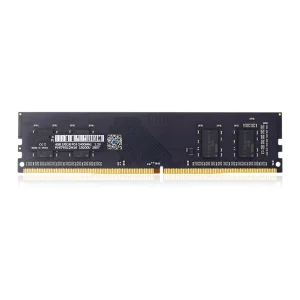
Our product engineering department is supported by a dedicated R&D team of 128 engineers who focus on optimizing high-speed transmission layouts, DDR5 architectures, and thermal limits. During the previous fiscal year, Xeviora successfully brought 86 new solutions to market. These included DDR5 gaming memories, industrial-grade storage modules, custom server heat-sinks, and ultra-reliable PCBA architectures designed to operate seamlessly in demanding high-frequency computational settings.
Modern high-definition transmission standards demand ultra-fast digital-to-analog converters and optoelectronic routing engines. A primary technical barrier is attenuation over extended distances. Standard passive copper HDMI interfaces degrade severely past 5 meters due to insertion loss, skin effect, and capacitive loading. Active Optical Cable (AOC) solutions bypass this limitation by transmitting high-bandwidth signals over silica glass fibers using integrated laser transmitters.
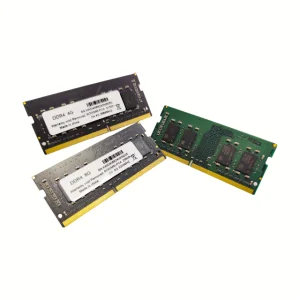
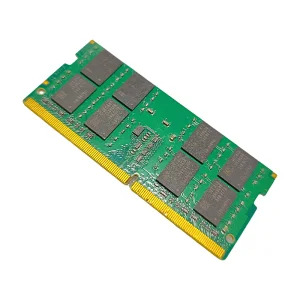
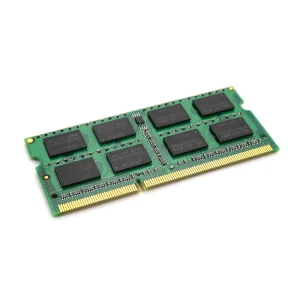
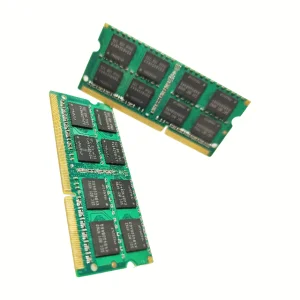
This high-speed signal pipeline requires matching board-level stability. The precision SMT PCBA modules driving the laser diodes in HDMI AOC connectors rely on similar production processes, signal integrity tests, and clean power delivery methods used in high-frequency memory modules. Operating at speeds up to 3200MHz (DDR4) and beyond in DDR5 channels, RAM boards demand micro-millimeter precision in traces, matched impedance, and cross-talk suppression. These requirements parallel the physical characteristics necessary for high-density, low-latency HDMI data lines.
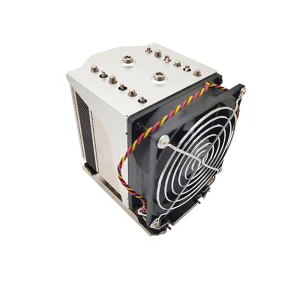
Furthermore, high computational throughput creates high thermal density. Server deployments containing high-end processors (such as LGA4926 or LGA4189 socket configurations) operating under 300W+ thermal design power (TDP) demand engineered cooling. High-performance multi-heatpipe heatsinks and liquid blocks dissipate localized thermal energy. Without appropriate cooling, thermal throttling causes packet drops and jitter in video transmission and computational pipelines. The synergy between high-speed interconnects, RAM stability, and thermal systems forms the foundation of modern digital workflows.
Integrating high-performance digital cables and server hardware facilitates stable operations across several critical industrial and commercial fields:
High-bandwidth active cables route zero-latency uncompressed video streams from processing clusters to control displays, preventing artifacts and frame drops.
High-speed RAM modules supply data pipelines for real-time visual AI analysis, converting inputs instantly for immediate display output.
Precision medical imagers require lossless transmission. Advanced cabling and memory systems prevent distortion in critical diagnostic views.
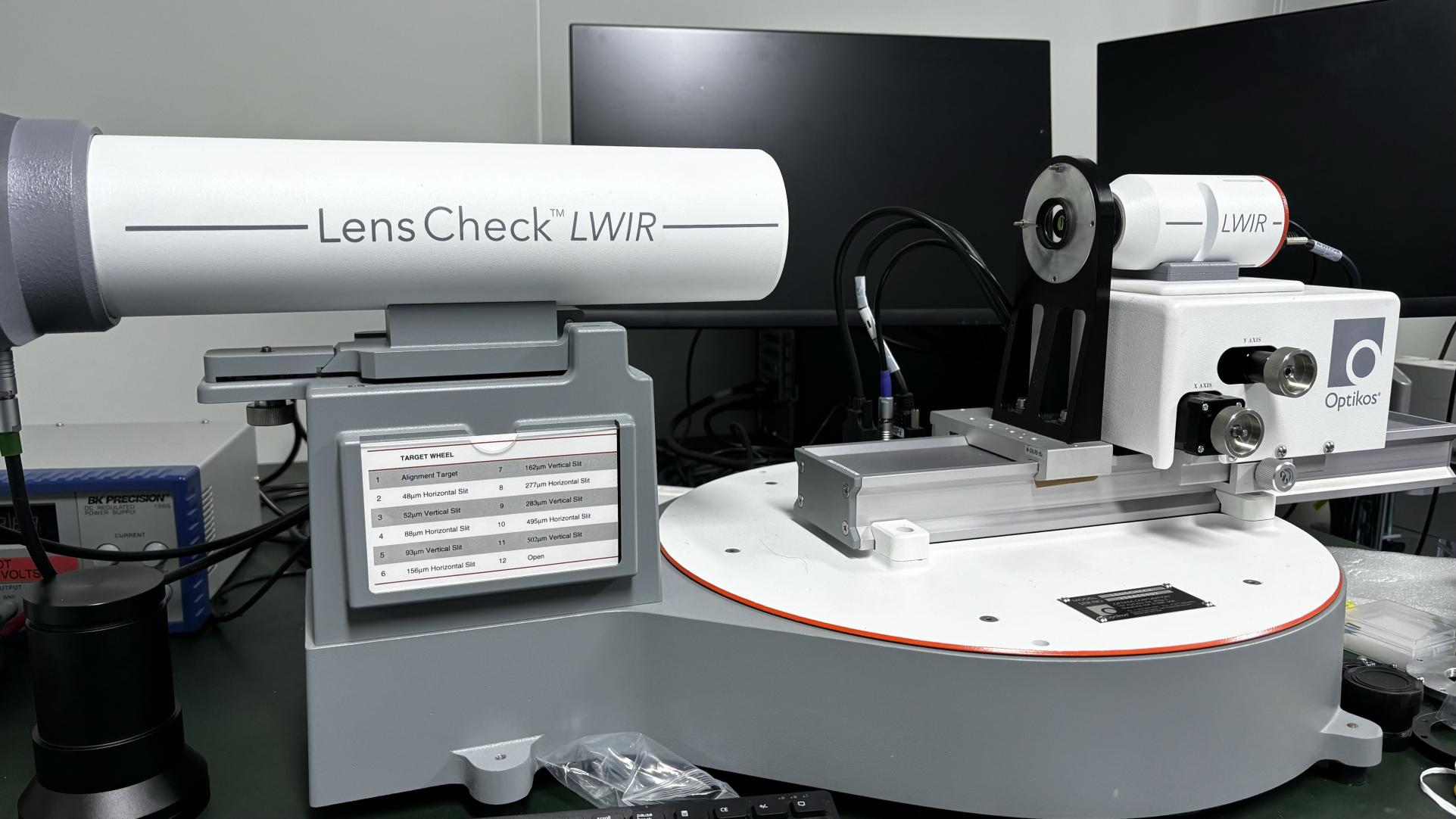
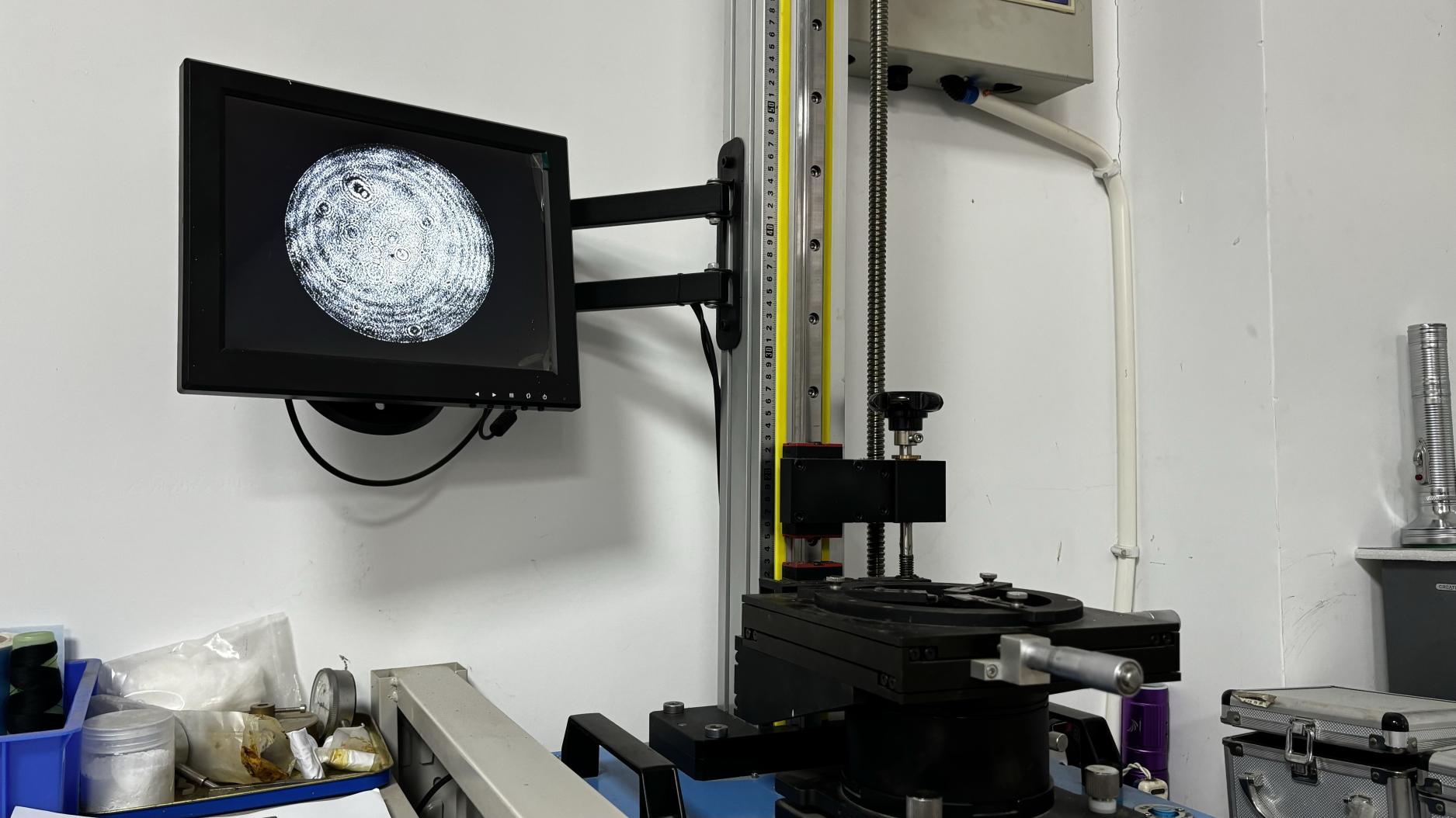
Xeviora's production facilities operate under strict quality management structures. All components undergo extensive incoming materials inspection, in-process checking, and automated final validation. Testing parameters include functional capability verification, system cross-compatibility, thermal range limits, and high-frequency longevity testing.
Our dedicated quality control department contains 46 certified inspectors who monitor our production cycles, ensuring output meets strict international compliance directives including FCC, CE, RoHS, and specialized signal transmission standards. By maintaining this consistent QA framework, Xeviora ensures that every exported batch operates reliably in enterprise environments.

The signal routing and computing landscape is moving toward higher integration and performance densities. Future digital infrastructures are defined by key engineering developments:
High-frequency HDMI signals suffer from skin effect and capacitive loading over copper, causing attenuation and phase distortion. Active Optical Cables (AOC) use fiber optics to convert electrical inputs to optical signals, maintaining signal integrity over runs exceeding 100 meters.
Real-time rendering systems process high-resolution frames. Memory modules operating at 3200MHz offer high-bandwidth channels that supply GPU pipelines quickly, preventing buffer underruns and rendering lag.
High-density computing generates significant heat. Without specialized cooling configurations like multi-heatpipe or liquid-block heatsinks, chips exceed safe thermal levels, resulting in thermal throttling and component degradation.
We provide comprehensive customization, including private labeling, logo printing, package design, memory specification tuning, firmware optimization, and full SMT/PCBA product development to meet specific client needs.