Xeviora
Xeviora
Xeviora
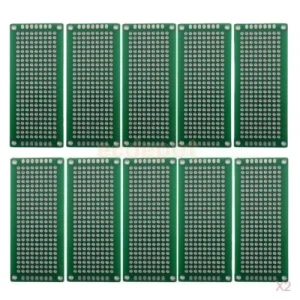
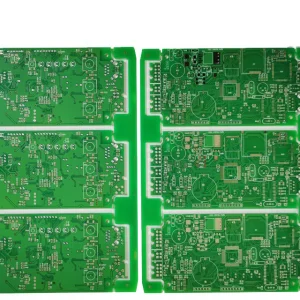
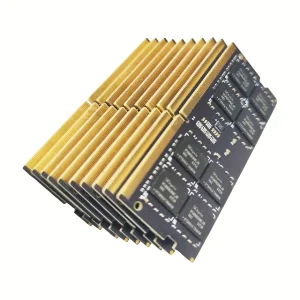
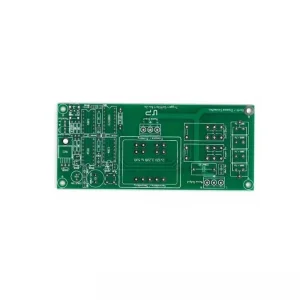
Double-sided printed circuit boards (PCBs) act as the foundational architecture for modern microelectronics. By utilizing conductive copper layers on both faces of the substrate, interconnected through precision plated through-holes (PTH), double-sided designs double the routing density relative to single-sided boards. This enables complex signal layouts required in dense memory architectures like DDR4/DDR5 and high-density industrial control units.
The choice of core materials, such as Kingboard KB-6160 FR4, plays a pivotal role in ensuring thermal and mechanical stability under strenuous operational workloads. A high-Tg (glass transition temperature) laminate is necessary for high-frequency applications, minimizing impedance mismatch and dielectric loss across multi-layer and high-speed data transmission designs.
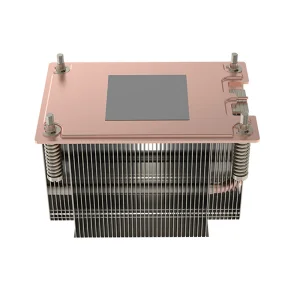
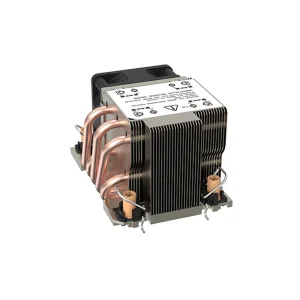
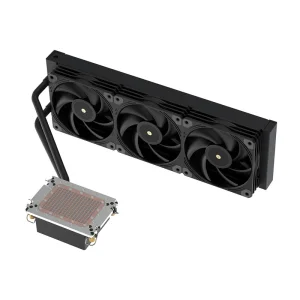
Thermal management remains a critical performance bottleneck. The combination of double-sided thermal vias, specialized resin filling, and advanced passive thermal systems—such as 2U server heat pipes and high-performance heat sinks—ensures stable operating temperatures for memory chips and processing engines running up to 6000MHz under peak load.
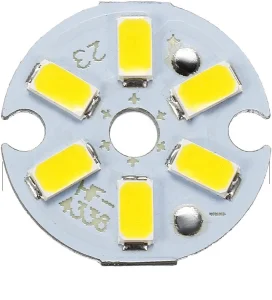
The global PCB market is undergoing a significant transition, driven by the rollout of 5G infrastructure, electric vehicles (EVs), cloud computing, and IoT deployments. Double-sided circuit boards remain the workhorse of this evolution, filling the gap between simple single-layer boards and expensive high-layer-count HDI (High-Density Interconnect) multi-layers. They provide the most cost-effective solution for power distribution systems, LED lights, computer memory modules, and general industrial automation.
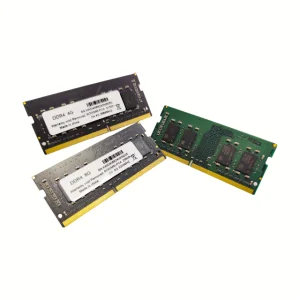
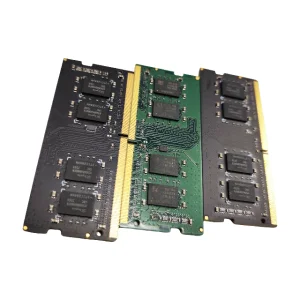
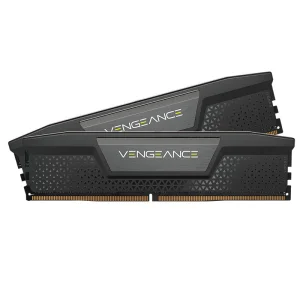
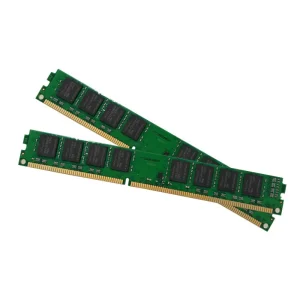
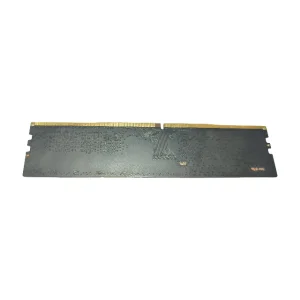
As the demand for computing power accelerates, memory storage solutions (DDR4 and DDR5 RAM modules) represent a major consumer segment for double-sided PCB designs. High-speed double-sided traces require tight tolerances, clean trace geometry, and impedance-matched pathways to control electromagnetic interference (EMI). In this highly competitive market, suppliers must balance manufacturing costs (HASL vs ENIG finishes) with structural reliability to support critical computing ecosystems.
| Substrate Material | Common Applications | Key Advantages | Surface Finish Compatibility |
|---|---|---|---|
| FR4 (e.g. KB-6160) | Memory Modules, Industrial Controllers | Excellent mechanical strength, high Tg stability | HASL, Lead-Free HASL, ENIG, OSP |
| Aluminum Core (MCPCB) | LED Lights, High-Power Converters | Superior heat dissipation, thermal management | OSP, HASL |
| PTFE/Teflon | RF Systems, High-Frequency Communication | Ultra-low dielectric loss (Df), low Dk | ENIG, Immersion Silver |
| Polyimide (Flex) | Compact Devices, Wearable Tech | Bendable, lightweight, high spatial efficiency | ENIG, OSP |
Industry Expertise
New Products Annually
Annual Export Revenue
Supply Chain Partners
As memory architectures transition from DDR4 to DDR5, operational speeds reach up to 6000MHz and beyond. This requires double-sided PCBs to be fabricated with tight impedance tolerances (±10% or better). Differential trace lengths must be matched to within micro-inches to prevent skew and signal degradation.
Environmental standards (RoHS/REACH) demand lead-free surface finishes. Modern double-sided boards implement Lead-Free HASL or ENIG (Electroless Nickel Immersion Gold) along with via-in-pad resin plugging to prevent solder migration and improve component density during surface mount assembly (SMT).
With high-power CPUs, GPUs, and servers emitting heat up to 300W (e.g., LGA 4677 configurations), combining double-sided PCBs with copper cores, thermal vias, and passive heat pipes is essential. Heat management is no longer an afterthought; it is integrated directly into the board's structural design.
Double-sided PCBs serve distinct roles across various industrial sectors:
Utilizes thick copper double-sided designs for high power distribution, PLC controllers, and high-frequency signal processing interfaces. These boards withstand high-temperature and high-vibration factory environments.
Used in engine control units, ADAS sensor grids, and lighting displays where environmental stability and high-temperature tolerance (using high Tg FR4 materials) are required for safety compliance.
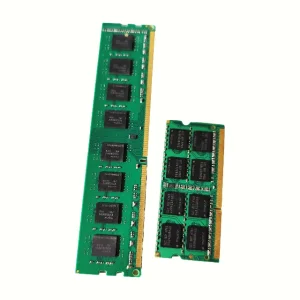
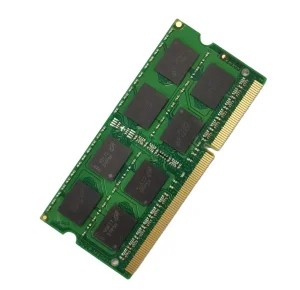
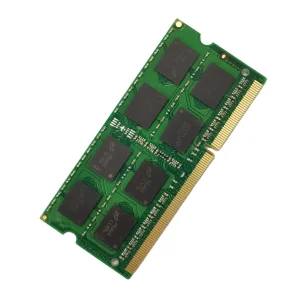
Found in DDR4/DDR5 DIMM memory modules, SSD drive controller boards, and server motherboards. These require multi-layer and double-sided structures optimized for high trace density and minimal impedance loss.
Widely used in LED bulb arrays, audio decoder modules, amplifier boards, and smart home modules where reliable performance must be achieved within a highly competitive cost framework.
Advancements in mechanical and laser drilling technologies permit the creation of blind and buried vias with diameters below 0.1mm. This enables complex routing paths on double-sided boards without requiring high layer counts.
The incorporation of modified high-Tg FR4 resins and polyphenylene ether (PPE) blends allows double-sided PCBs to handle higher frequencies (up to 28 GHz), meeting the needs of 5G infrastructure and PCIe Gen 5 memory architectures.
Transitioning to bio-based resins, halogen-free laminates, and additive manufacturing processes (like printed electronics) reduces water and chemical waste during production, aligning with global green initiative goals.
Xeviora Memory Technology (China) Co., Ltd. is a professional DDR5 memory manufacturer and supplier based in China, specializing in high-performance RAM solutions for gaming, industrial, enterprise, and consumer applications. Established in 2017, the company has rapidly grown into a trusted OEM and ODM partner for global distributors, system integrators, and technology brands.
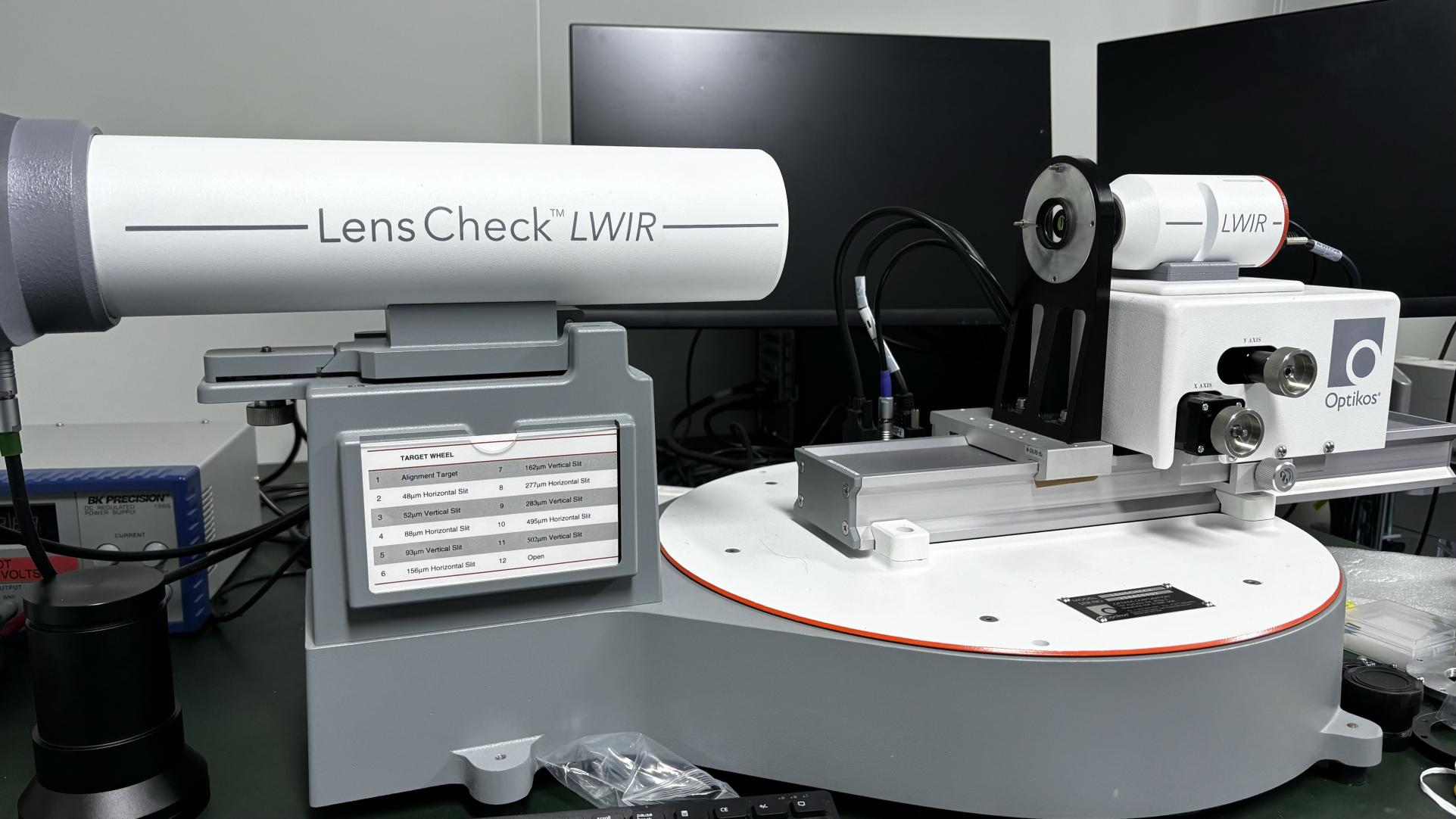
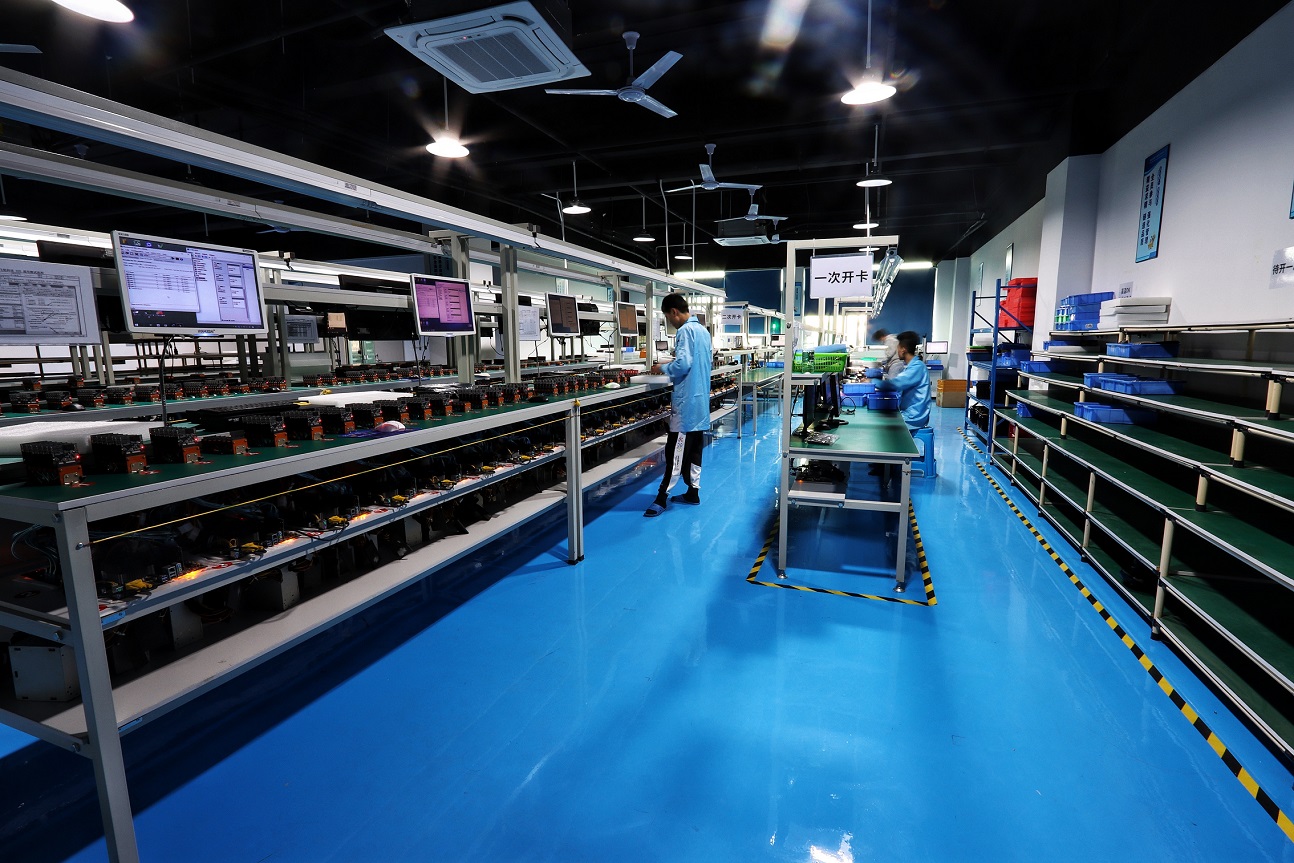
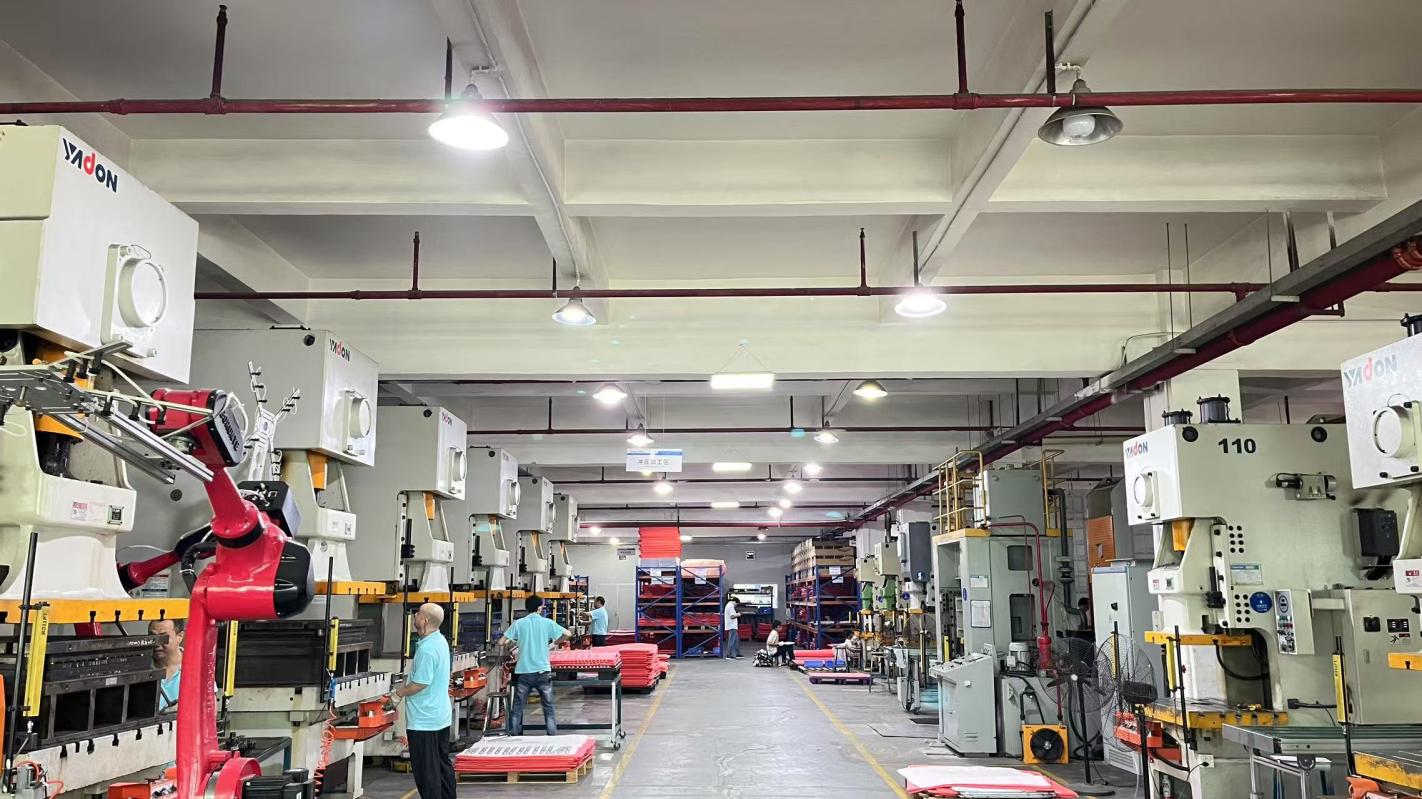
Our manufacturing facility covers 368 square meters and is equipped with advanced production and testing equipment to ensure stable quality and reliable performance. With an annual export revenue of over USD 18 million, Xeviora serves customers across North America, Europe, Southeast Asia, the Middle East, and South America.
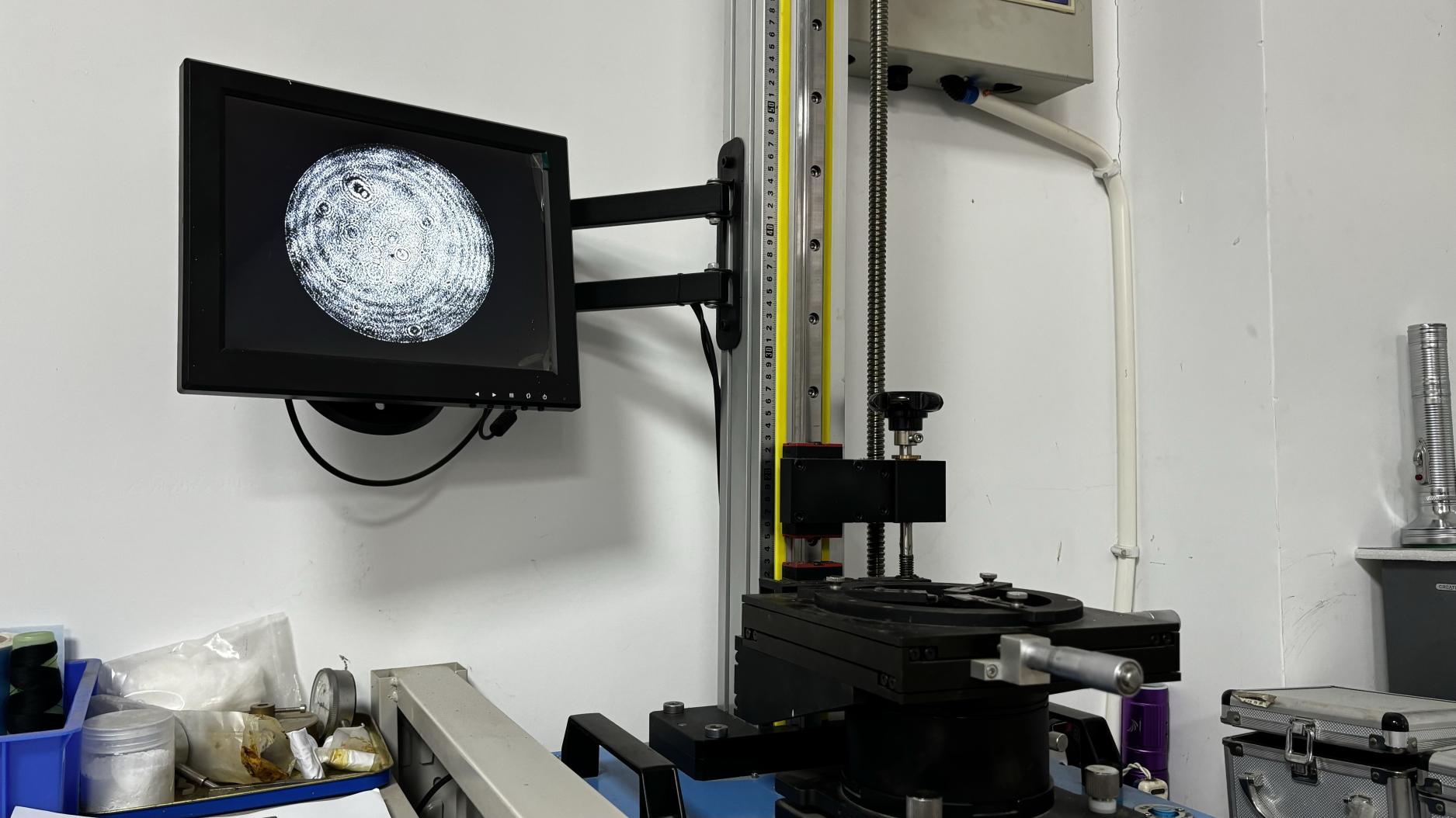
Backed by 8 years of export experience and 12 years of industry expertise, we are committed to delivering innovative memory products that meet international quality standards. Our quality management system includes comprehensive incoming material inspection, in-process quality control, and final product testing. All products undergo automated functional testing, compatibility verification, performance validation, and aging tests before shipment. Our quality assurance team consists of 46 dedicated inspectors who ensure every module meets strict reliability requirements.
As a manufacturer with strong OEM and ODM capabilities, Xeviora works closely with more than 850 supply chain partners worldwide, enabling efficient sourcing, flexible production, and fast delivery. Our primary customers include wholesalers, distributors, e-commerce sellers, system builders, brand owners, and enterprise solution providers.
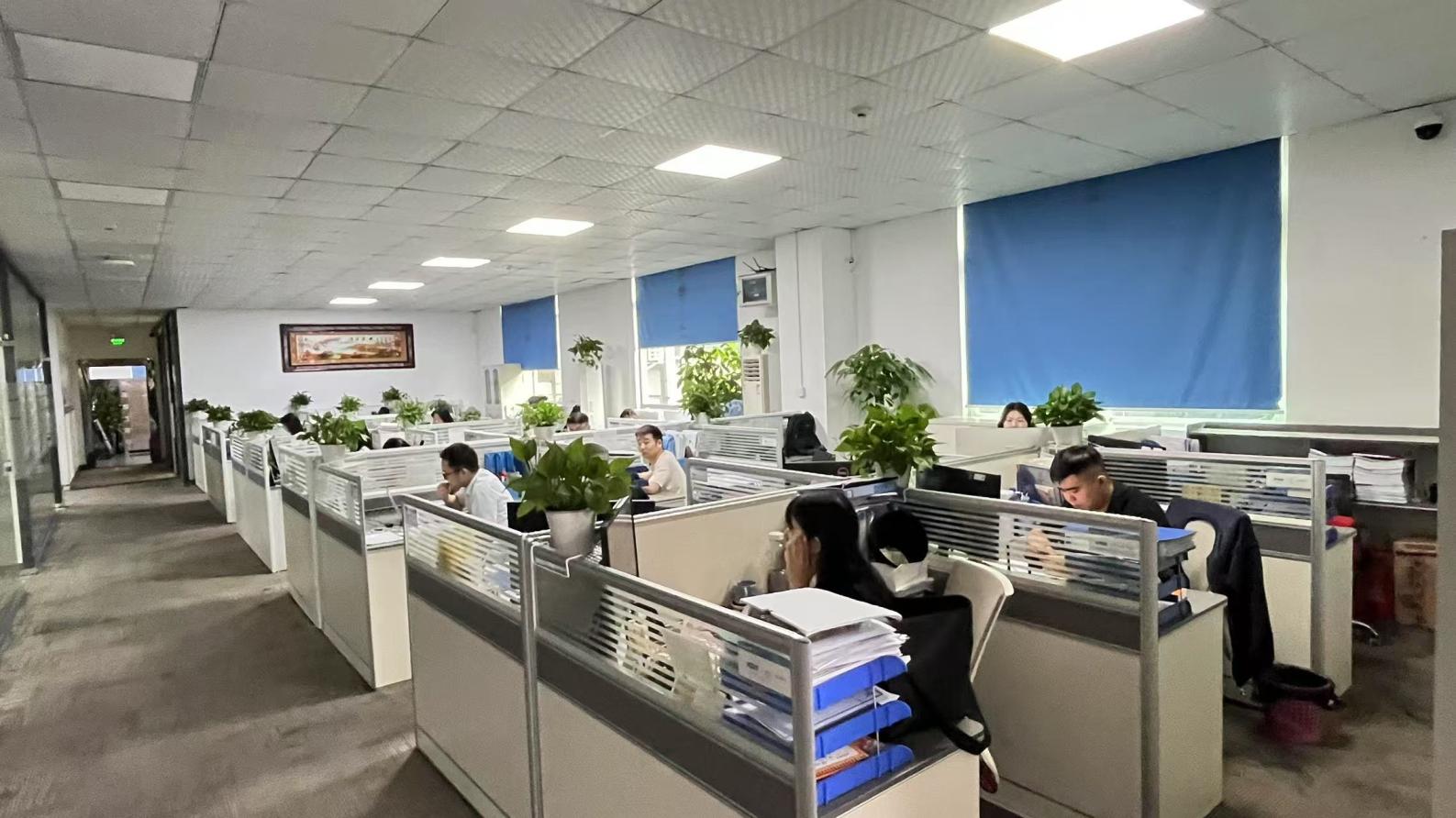
Innovation is at the core of our business. Supported by an experienced R&D team of 128 engineers, we continuously invest in new technologies and product development. Last year alone, we successfully launched 86 new memory products covering DDR5 gaming memory, industrial-grade memory modules, server memory solutions, and customized storage products.
We offer flexible customization services, including private labeling, logo printing, packaging design, specification customization, firmware optimization, and complete OEM/ODM development. Whether customers require standard memory modules or fully customized solutions, our team is dedicated to providing reliable products, competitive pricing, and professional technical support.
At Xeviora, our mission is to empower global customers with advanced memory technology, dependable manufacturing, and long-term business partnerships built on quality, innovation, and trust.