Xeviora
Xeviora
Xeviora
Explore our enterprise-grade memory modules, high-frequency PCB substrates, and system thermal solutions engineered for demanding network infrastructure and AIoT devices.
The global wireless landscape is undergoing a massive paradigm shift. As enterprises transition from legacy systems to smart infrastructure, the demand for high-capacity, low-latency Wi-Fi modules has exploded. Modern applications such as industrial automation, smart medical grids, edge compute gateways, and next-generation smart homes require hardware that goes beyond basic data transmission.
With the commercialization of Wi-Fi 6, Wi-Fi 6E, and Wi-Fi 7, modules must now manage dense environments through Orthogonal Frequency Division Multiple Access (OFDMA), Target Wake Time (TWT) for energy-saving IoT nodes, and Multi-Link Operation (MLO) to minimize latency. Meeting these requirements demands an integrated design process where the RF module, the PCB layout, and the high-speed memory buffers function in perfect synergy.
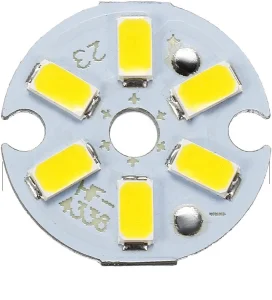
As transmission frequencies increase, wireless RF modules face strict limitations in signal attenuation and thermal dissipation. Designers must choose advanced substrates and components:
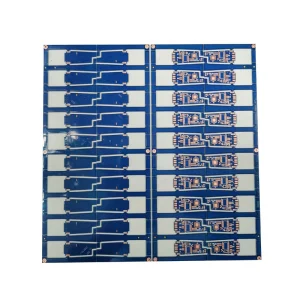
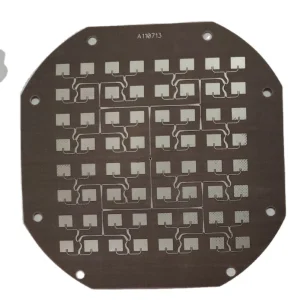
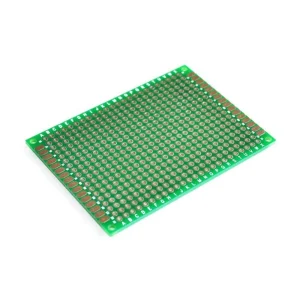
Utilizing specialized materials like Taconic TLY-5 (0.254mm) high-frequency PCBs ensures stable dielectric constants and low dissipation factors at gigahertz frequencies.
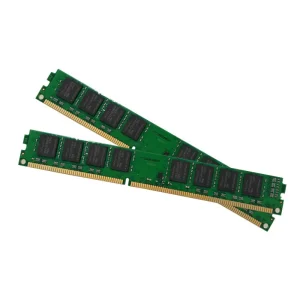
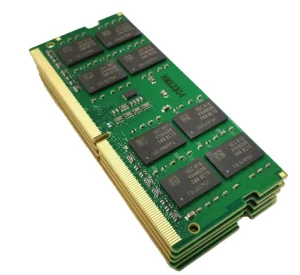
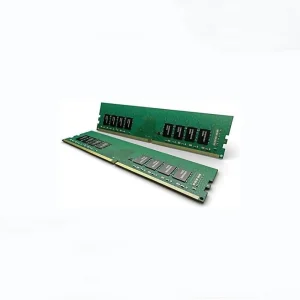
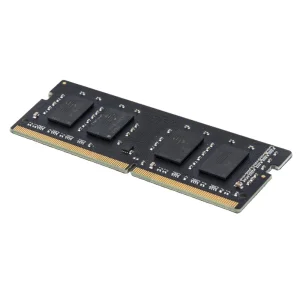
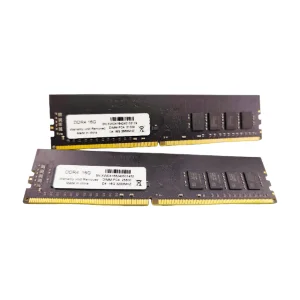
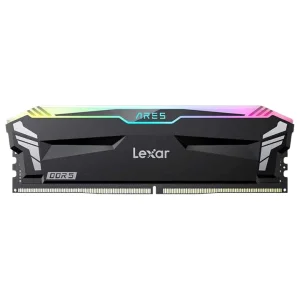
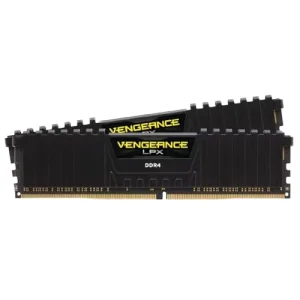
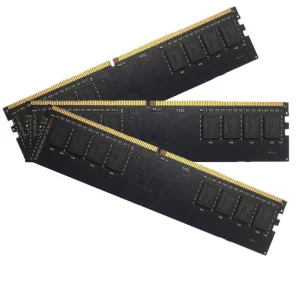
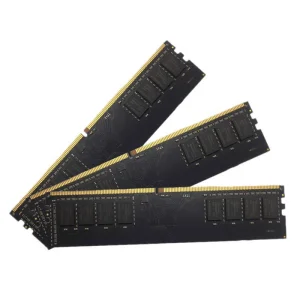
Modern Wi-Fi routers and IoT edge nodes use high-performance DDR4/DDR5 RAM as buffer memory to prevent packets from dropping during high-concurrency connections.
For system integrators, hardware engineering leads, and supply chain directors, choosing a Wi-Fi module partner involves evaluating manufacturing capabilities, quality validation standards, and customization depth.
Global operations require modules certified under international bodies (FCC, CE, RoHS, REACH, TELEC). RF compliance validation ensures your end products face zero regulatory barriers during market entry.
Procuring organizations must secure commitments on component lifecycles (minimum 7-10 years) to avoid expensive redesign cycles. We maintain robust partnerships with chipmakers to ensure long-term stability.
Standard off-the-shelf options rarely meet specific size limits, antenna shapes, or security requirements. Hardware customization services range from PCB configuration to custom firmware optimizations.
Xeviora Memory Technology (China) Co., Ltd. is a leading DDR5 memory and electronic component manufacturer and supplier based in China. Specializing in high-performance RAM solutions for gaming, industrial, enterprise, and consumer electronics, Xeviora integrates hardware reliability with production agility to support modern AIoT deployments.
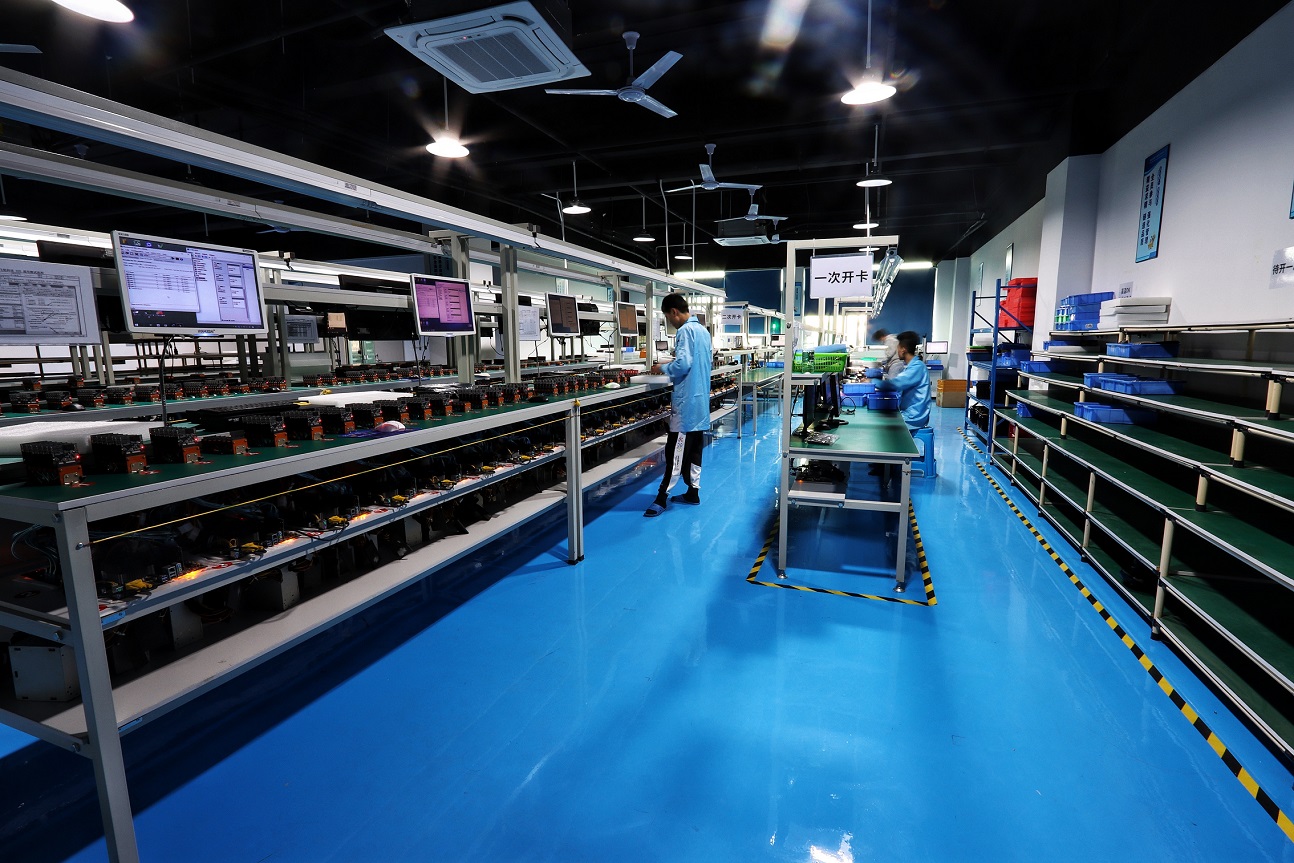
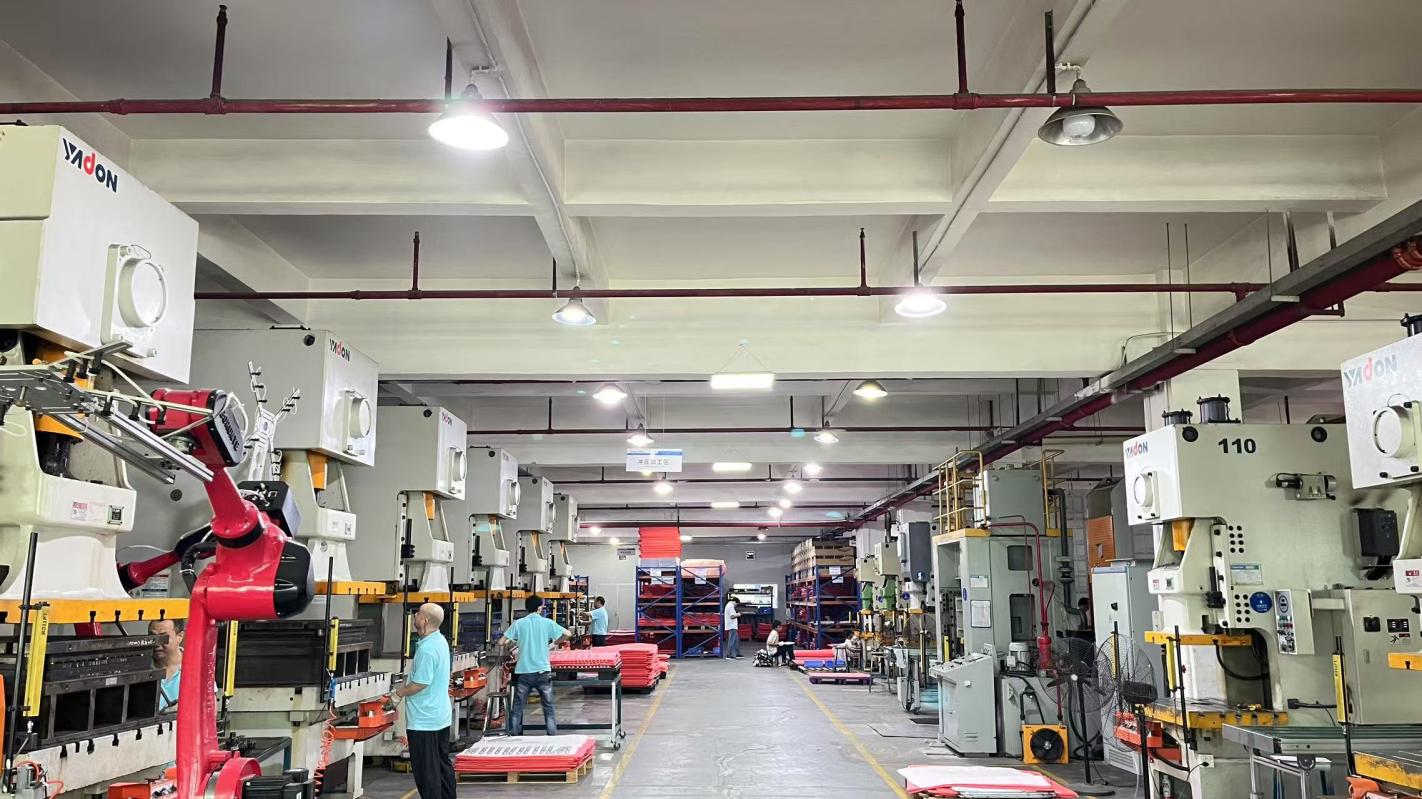
Established in 2017, the company has grown into a trusted OEM and ODM partner for global distributors, system integrators, and technology brands. Our facility spans a precision-controlled 368 square meters R&D/assembly footprint equipped with advanced SMT line equipment, yielding an annual export revenue exceeding USD 18 million across North America, Europe, Southeast Asia, the Middle East, and South America.
Backed by 8 years of export experience and 12 years of industry expertise, our engineering teams understand how memory performance, PCB impedance control, and RF shielding interact in high-frequency applications.
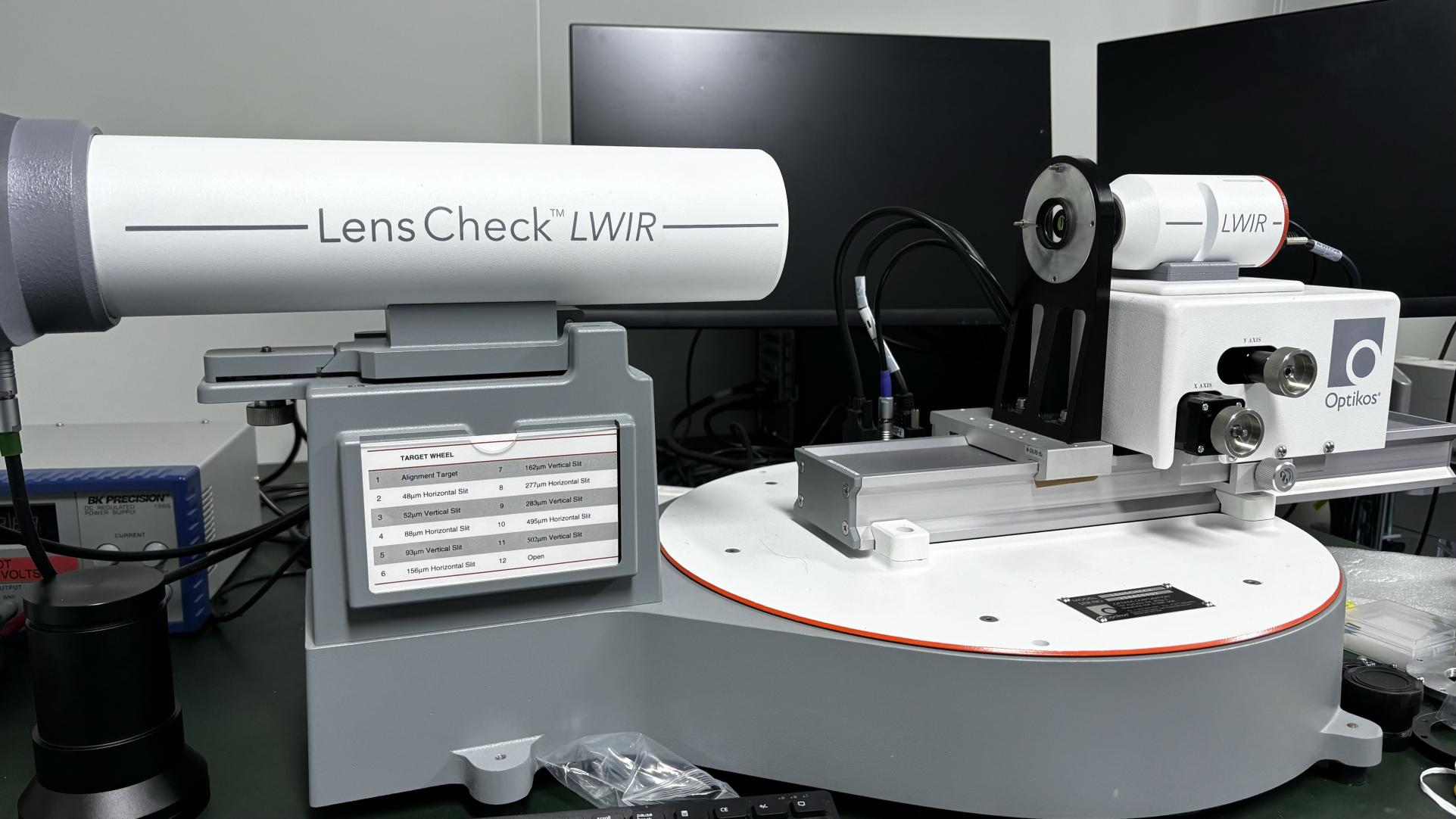
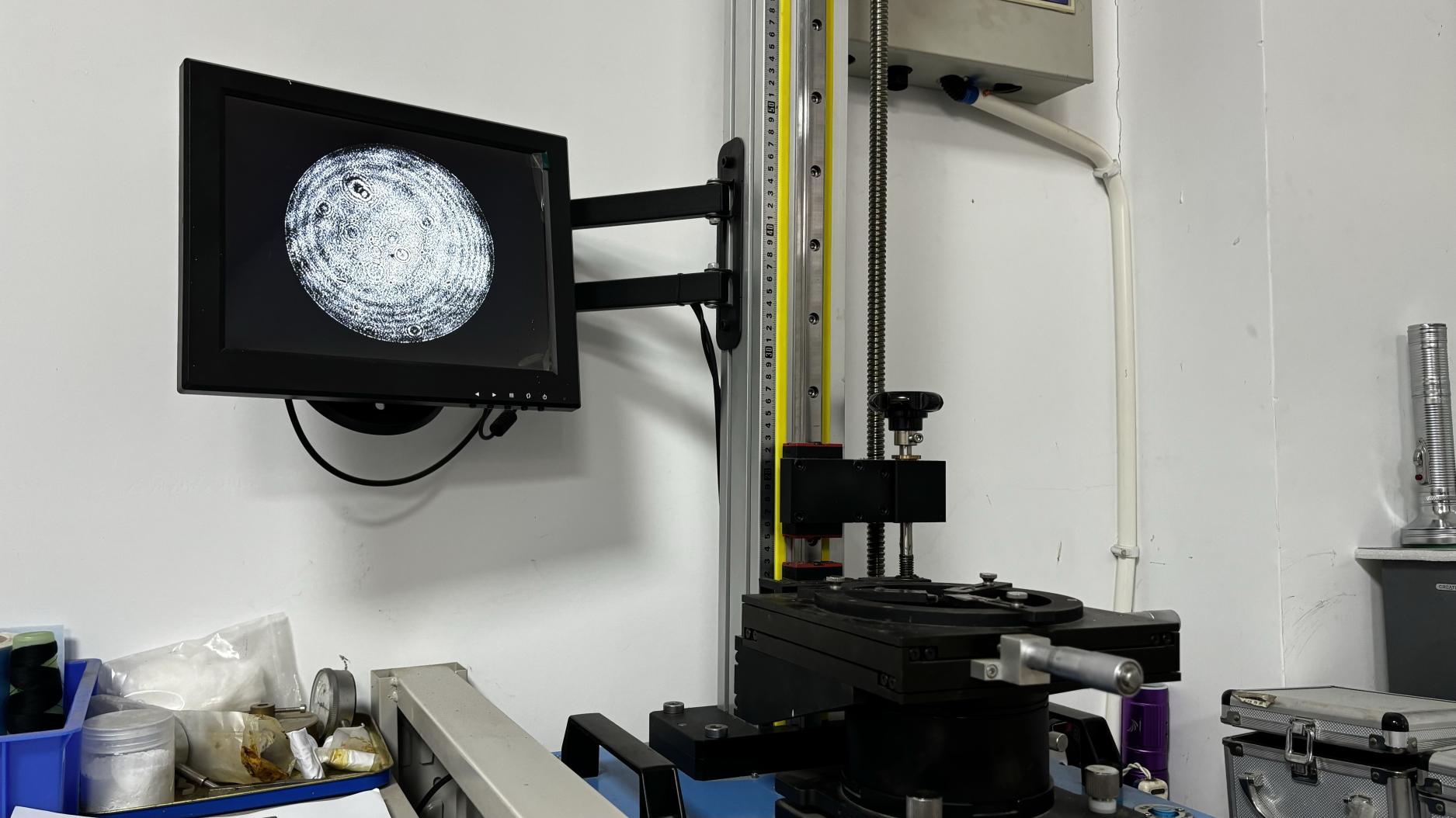
To ensure high standards of hardware durability, Xeviora enforces strict quality control across all assembly processes:
How we guarantee consistency across thousands of production runs:
Modern wireless device manufacturing relies on components from multiple suppliers. A disruption in chip scale packaging, crystal oscillators, or high-frequency laminate materials can delay launch dates. Our facility utilizes a digitized "Factory 4.0" framework, optimizing logistics and material tracking.
Our integration with 850 supply chain partners allows us to source raw materials efficiently, adjust batch sizes to fit client demands, and limit lead times. If a component goes out of stock, our engineering team can adapt layouts to alternative parts, minimizing impacts on production schedules.
This resilience is vital for high-speed network components (like DDR4/DDR5 servers and advanced Wi-Fi modules) where small shifts in track impedance can alter the device's electrical characteristics.
Our hardware solutions and RF PCB manufacturing services fit seamlessly into complex, high-concurrency network environments globally.
Industrial environments require reliable wireless connections. Our high-frequency PCB substrates and memory modules are designed for remote terminal units (RTUs) and PLCs operating under extreme heat and electromagnetic interference.
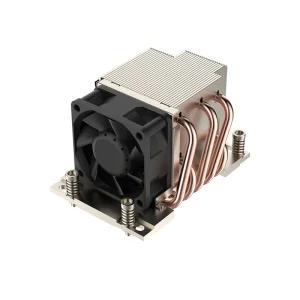
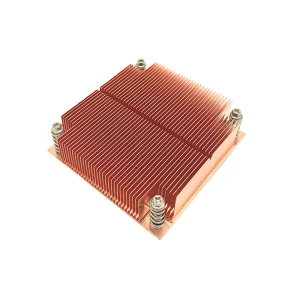
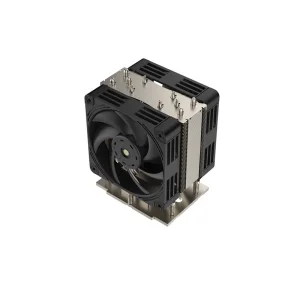
High-capacity routers need strong processing capabilities and low latency. Utilizing low-latency DDR4/DDR5 memory modules, double-sided PCBs, and server coolers (such as our 350W AMD SP6/SP5 CPU coolers) helps prevent thermal throttling during high traffic volumes.
Smart hospitals and office environments require dedicated, secure wireless bandwidth. Our custom OEM modules provide reliable connectivity and follow strict isolation and security protocols at the firmware level.
A reference guide comparing different module classes, recommended memory configurations, and thermal management strategies.
| Application Category | Wi-Fi Standard Compatibility | Substrate & Layout Recommendation | Recommended Buffer Memory | Target Thermal Management |
|---|---|---|---|---|
| IoT Edge Node | Wi-Fi 4 / Wi-Fi 5 / Wi-Fi 6 (Low Power) | Double-Sided FR4 (1.2mm) | Sodimm DDR3 / DDR4 4GB | Passive Heat Sink / Thermal Pads |
| Enterprise Access Point | Wi-Fi 6 / Wi-Fi 6E (Tri-band) | Multilayer Taconic TLY-5 RF Substrate | High-Performance DDR4 8GB/16GB | Passive Die-Cast Heat Dissipation Housing |
| AIoT Industrial Gateway | Wi-Fi 6E / Wi-Fi 7 | Impedance-Controlled High-TG PCB | DDR4/DDR5 ECC Memory 8GB-32GB | Active Fan Cooling / Copper Block Radiator |
| High-Speed Compute Node | Wi-Fi 7 / High-speed Routing | Taconic TLY-5 (0.254mm) High-Frequency PCB | DDR5 ECC 32GB 1333MHz Gaming Module | 350W AMD SP6 / SP5 Active Dual Ball Coolers |
Answers to key questions from hardware engineers and procurement managers regarding OEM/ODM wireless modules and high-speed memory systems.
High-stability component upgrades for high-concurrency systems, storage networks, and telecommunication hardware.
A look at Xeviora's electronic manufacturing equipment, processing lines, and quality verification divisions.