Xeviora
Xeviora
Xeviora
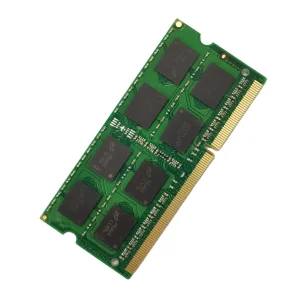
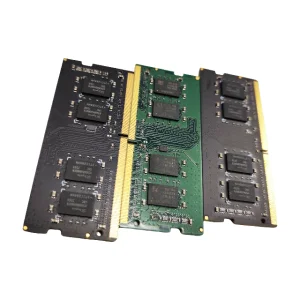
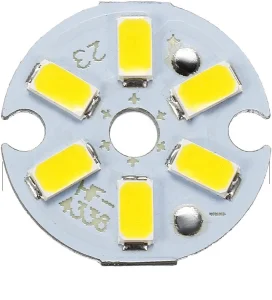
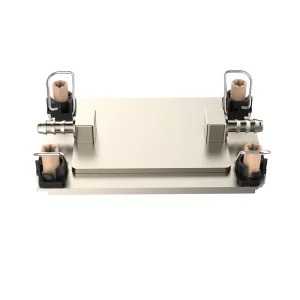
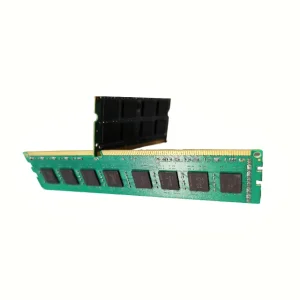
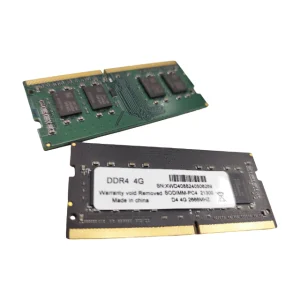
In the micro-miniaturized arena of modern hardware engineering, electrical conductivity and thermal management can no longer be addressed as separate design concerns. Xeviora Memory Technology (China) Co., Ltd., established in 2017, operates at this critical intersection, specializing in high-performance RAM solutions for gaming, industrial, enterprise, and consumer applications. As a premier manufacturer of DDR5 gaming memory, industrial-grade modules, and server solutions, we recognize that structural reliability and high thermal dissipation hinge directly on specialized conductive adhesives.
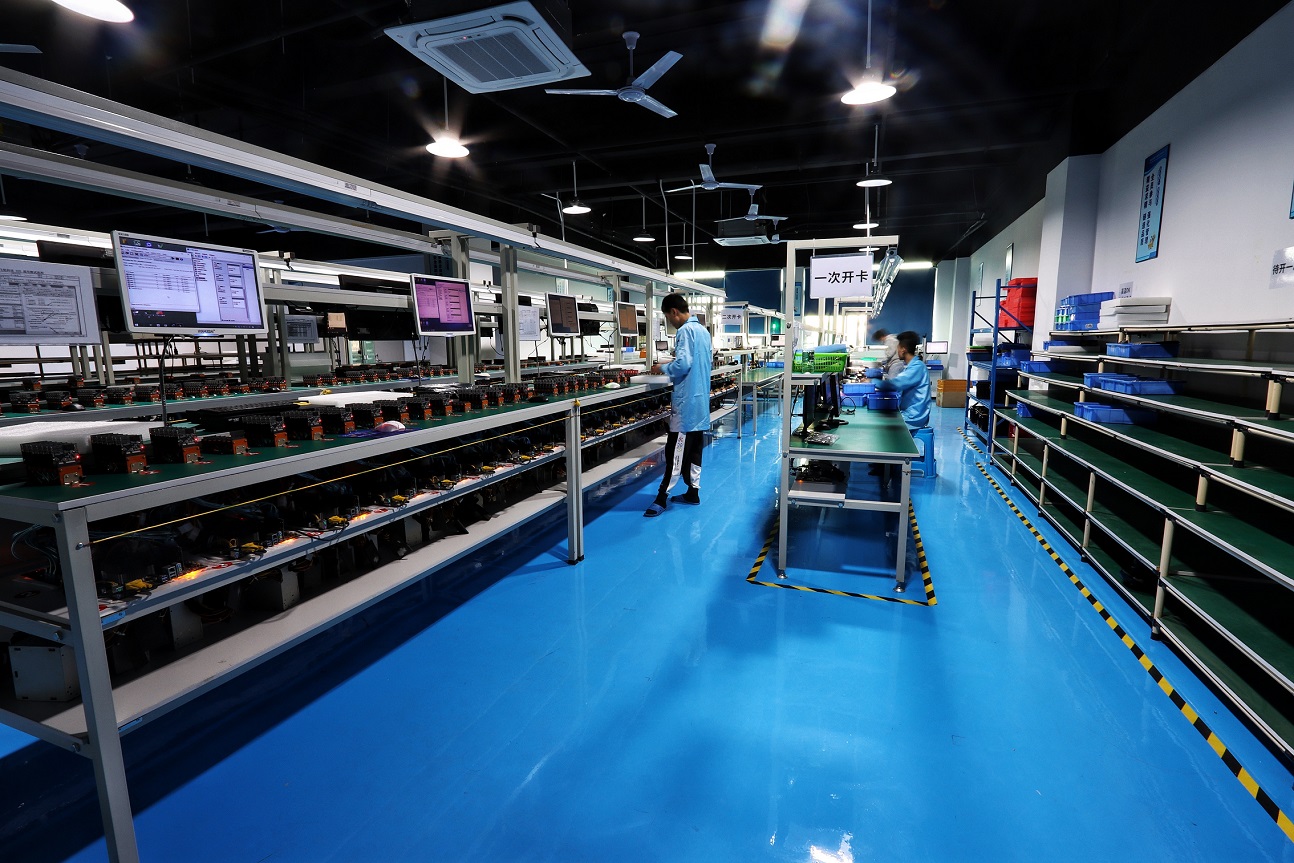
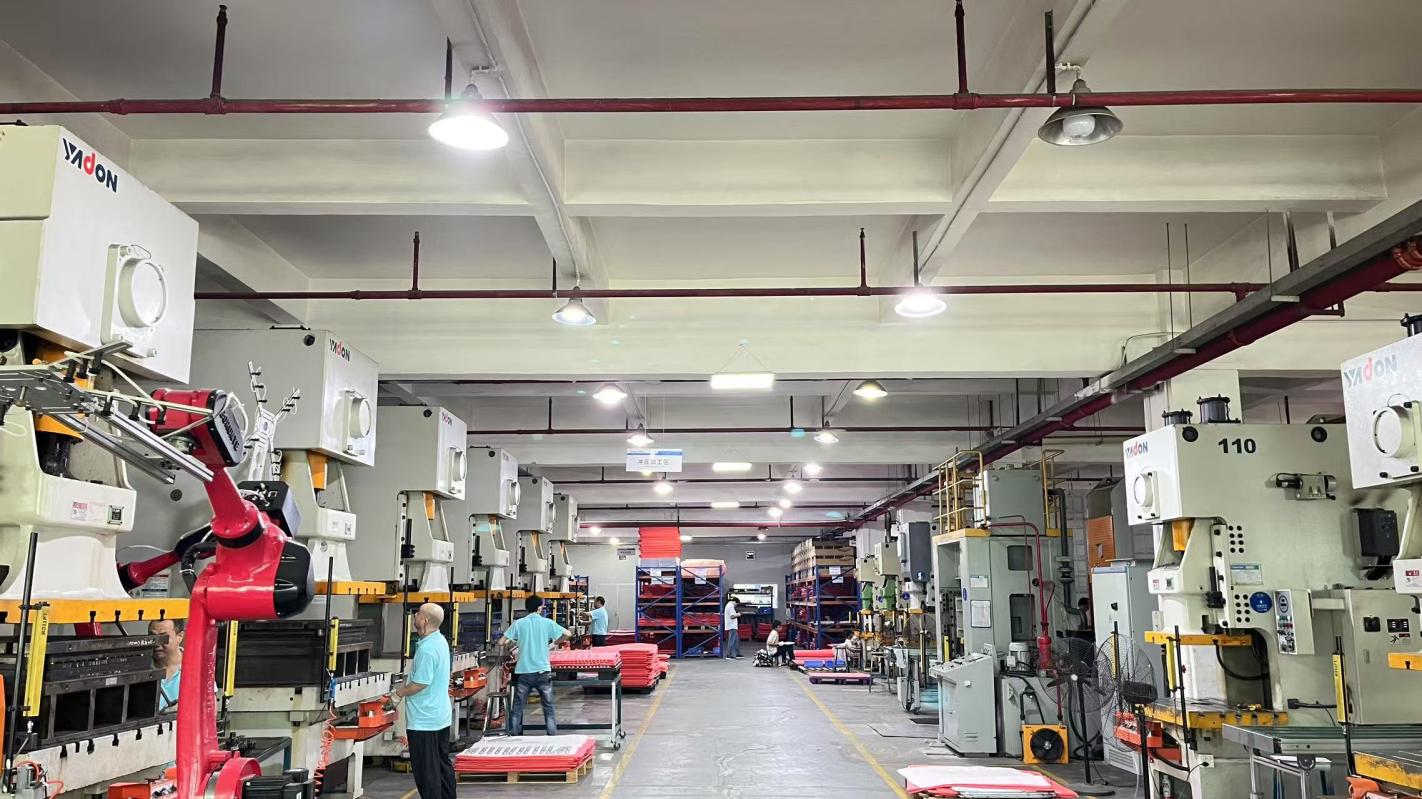
To support high-frequency hardware systems, our chemical formulation and material engineering divisions supply state-of-the-art Isotropically Conductive Adhesives (ICAs) and Anisotropically Conductive Adhesives (ACAs). These advanced thermal and electrical interface materials ensure the seamless operation of PCBs, flexible circuits (FPCs), and chip-on-board assemblies. Backed by 8 years of global export experience and 12 years of industry expertise, Xeviora operates as a trusted OEM/ODM partner, delivering international quality standards directly from our advanced testing and assembly facilities in China.
As global electronics manufacturing pivots toward denser component integration and multi-die chip architectures, traditional soldering reaches physical limits. Lead-free solder alternatives often require processing temperatures that damage sensitive substrates. In response, anisotropic conductive films (ACFs) and pastes are becoming standard for liquid crystal displays, FPC bonding, and high-density semiconductor interconnects.
Next-generation enterprise DDR5 memory arrays, high-wattage LGA4677 server processor blocks, and AI accelerators generate immense heat. High thermal conductivity adhesives (TCAs) loaded with metal or ceramic micro-fillers have transitioned from optional pastes to structural necessities. Maintaining a continuous, low-resistance thermal path is critical to preventing throttling in server environments.
The elimination of halogens, lead, and volatile organic compounds (VOCs) is heavily enforced by international bodies under RoHS and REACH protocols. Modern procurement mandates that conductive adhesive formulations retain processability, long-term adhesion strength, and electrical integrity while adhering strictly to zero-halogen and non-hazardous criteria.
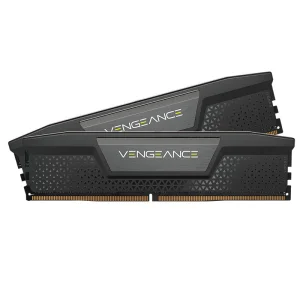
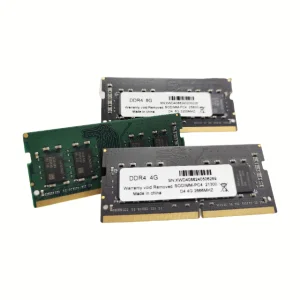
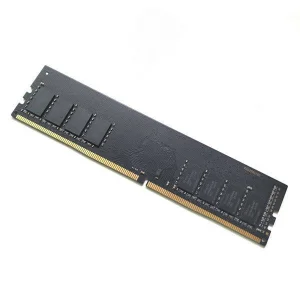
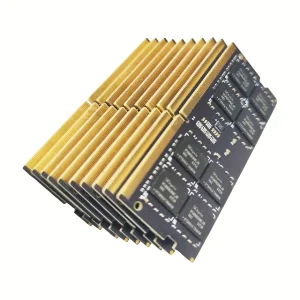
For our high-speed DDR5 gaming and server modules, thermal interface reliability is critical to prevent thermal throttling. We utilize custom-formulated thermally conductive adhesives to secure heatsinks directly to RAM ICs, ensuring stable heat dissipation under high-density loads.
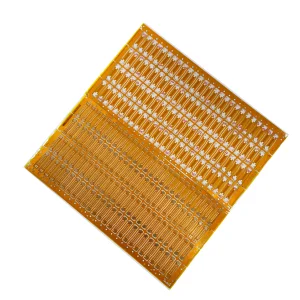
Flexible circuits require adhesives that can withstand physical flexing without developing microscopic cracks or connection failures. Our polyimide-compatible anisotropically conductive adhesives provide reliable mechanical adhesion and electrical connectivity for flexible keyboards and multi-layer FPCs.
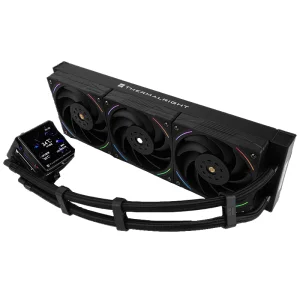
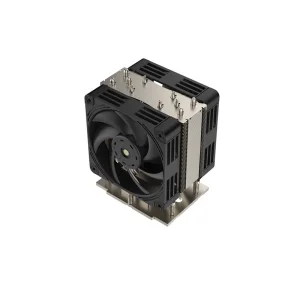
Cooling 400W server processors like the LGA4677 requires minimal interface thermal resistance. Our high-performance thermal adhesives bond liquid cooling plates and copper fin heatsinks securely, providing continuous operation for data centers.
To guarantee compatibility and stability, every adhesive formulation undergoes:
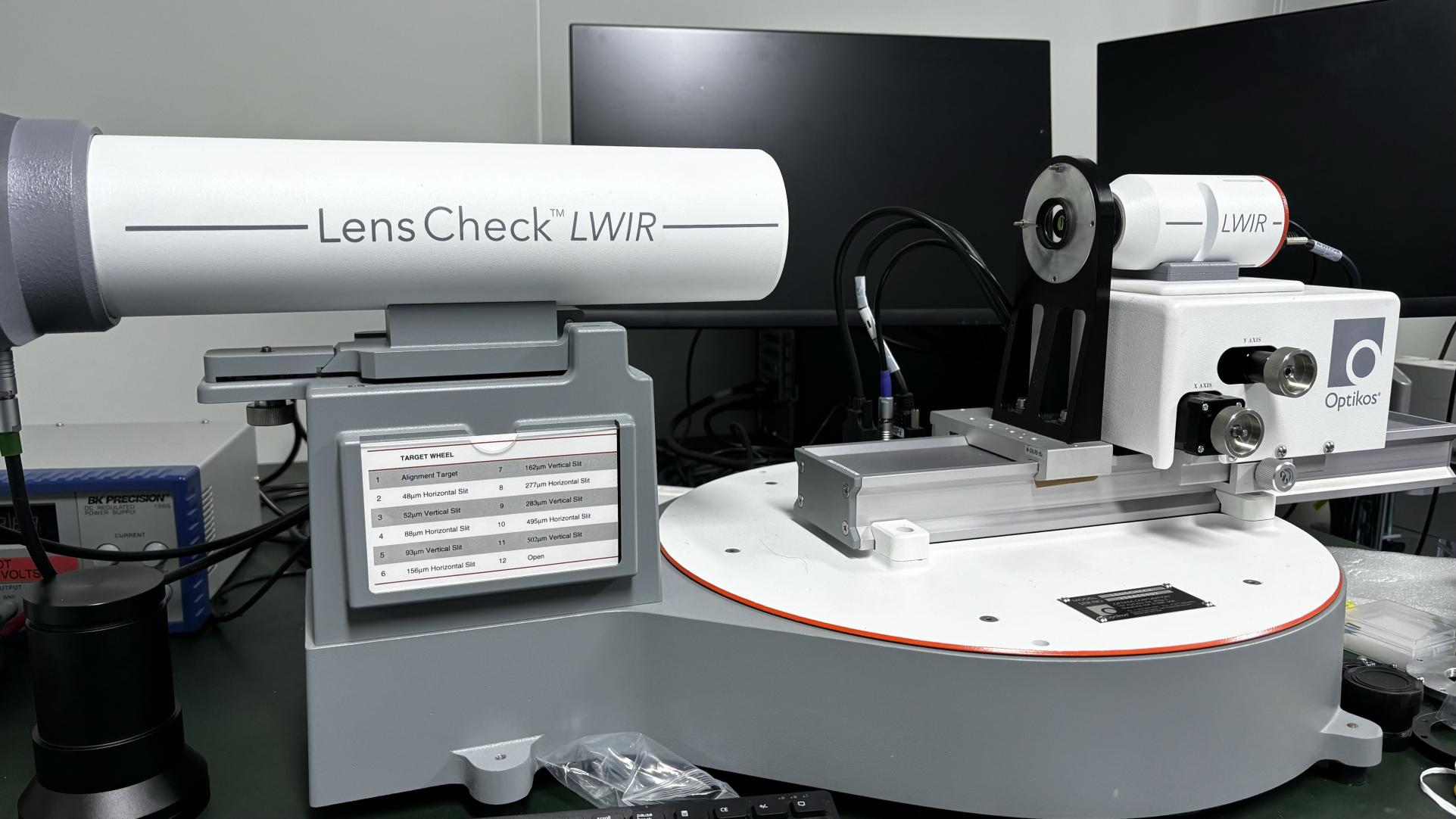
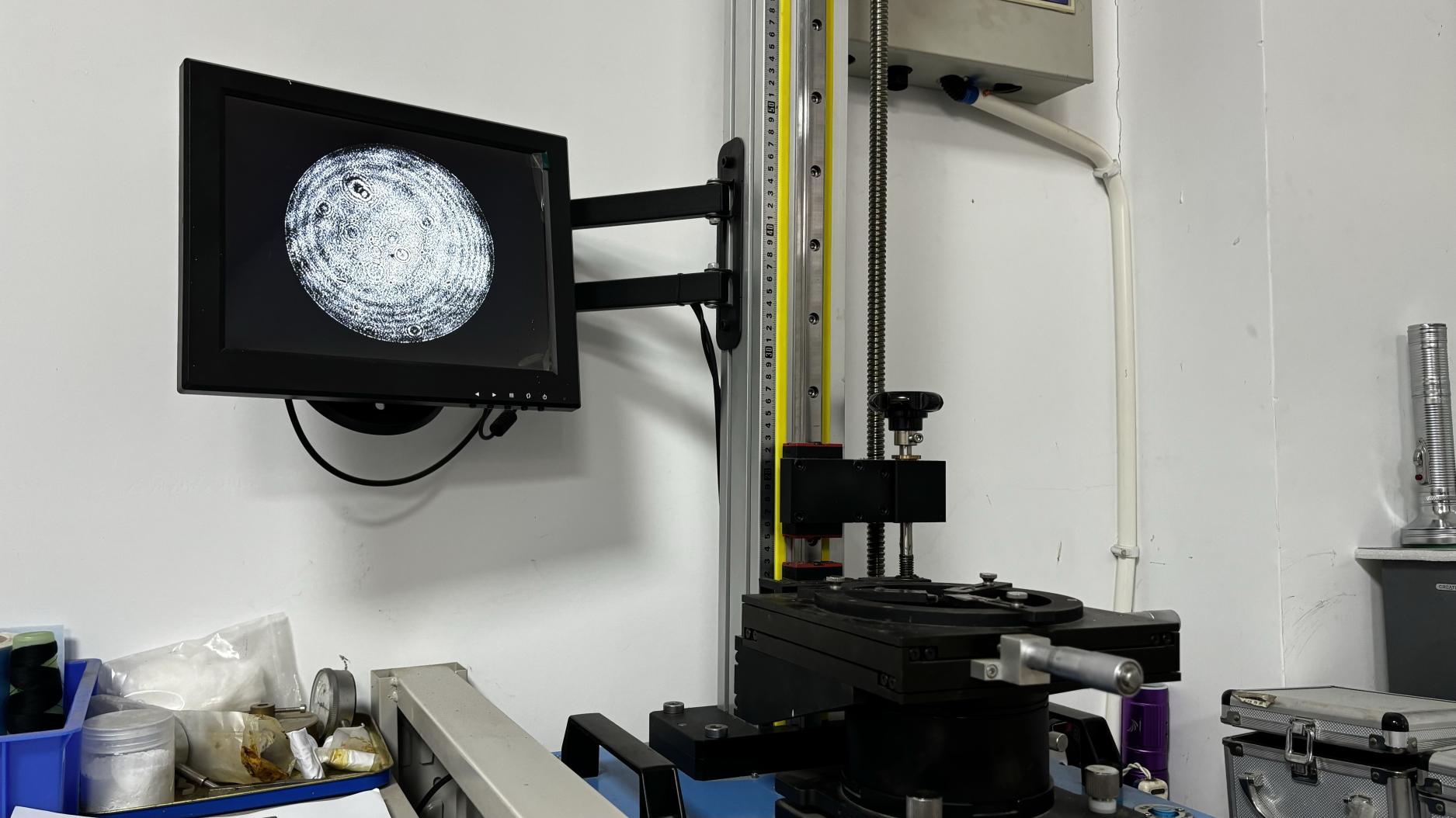
Quality assurance at Xeviora starts with incoming raw materials and continues through to final product validation. Our dedicated chemical and materials testing lab, spanning 368 square meters, is equipped to analyze polymer structures and cure profiles.
Our quality assurance team consists of 46 dedicated inspectors who ensure every batch of adhesive meets our strict reliability requirements. Automated functional testing, compatibility verification, performance validation, and accelerated aging tests are performed before shipment to verify that our adhesives maintain high adhesion and conductive performance over time.
With an engineering team of 128 skilled specialists, we continuously develop new formulations to meet evolving application requirements. Whether optimizing curing profiles for temperature-sensitive substrates or tailoring viscosity for automatic dispensing systems, our team is equipped to support your technical needs.

Review processing temperature limits, substrate types, and target electrical/thermal requirements.
Adjust formulation rheology for specific application processes, such as needle dispensing or screen printing.
Optimize curing profiles (UV, thermal, or dual-cure) to align with existing production lines.
Deliver customized private labeling, storage packaging, and rapid logistics to our global partners.
As microelectronics move toward sub-micron structures, our R&D roadmap focuses on integrating advanced nanomaterials. Incorporating carbon nanotubes (CNTs) and graphene nanoplatelets into our epoxy systems aims to improve both electrical and thermal conductivity while reducing filler loading levels. This helps maintain low viscosity and high adhesion strength.
Additionally, we are developing snap-cure formulations that achieve polymer cross-linking within seconds at lower temperatures. This reduces thermal stress on delicate components, such as high-frequency sensors and display glass, helping to increase throughput for automated assembly lines.
Through cooperation with global materials research centers, Xeviora is committed to providing advanced conductive adhesives that meet the requirements of emerging 5G, automotive radar, and high-density semiconductor assemblies.