Xeviora
Xeviora
Xeviora
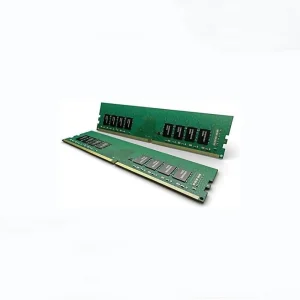
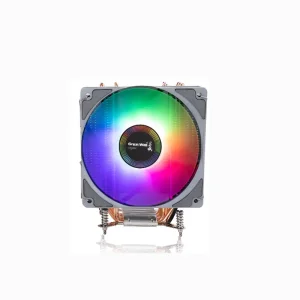
Explore our high-performance hardware, cooling systems, and customized motherboard assemblies designed to scale with your enterprise infrastructure.
In the era of hyper-connectivity, the search for robust, ultra-low-power wireless data transmission has positioned Bluetooth Low Energy (BLE) modules as the foundation of modern IoT hardware. Industry applications have evolved from basic point-to-point connections to complex mesh network structures capable of handling high data-rate communication and sub-meter positioning accuracies via Angle of Arrival (AoA) and Angle of Departure (AoD).
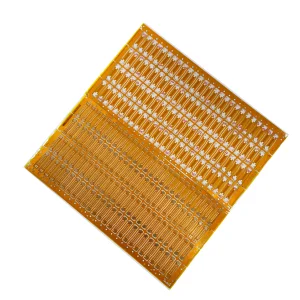
As standard-setting specifications advance towards Bluetooth 5.4, industrial developers require modules that offer greater reliability, enhanced cryptographic security, and exceptional power conservation. Xeviora Memory Technology's dual-competency in high-speed computing memory layout and complex multilayer Flexible Printed Circuit (FPC) routing allows our team to address RF (Radio Frequency) physical layout design challenges with superior impedance matching, minimized insertion losses, and enhanced signal integrity.

Technical managers and supply chain directors evaluate wireless module manufacturers based on specific operational benchmarks. We systematically align our OEM/ODM design process with these critical key performance requirements.
Enterprise systems depend on consistent Link Budgets. We optimize the physical antenna layouts (PCB trace antennas, ceramic patch, or IPEX connector configurations) to ensure low VSWR and high receiver sensitivity down to -104 dBm, maintaining connections over critical distances.
A module is only as good as its compliance profile. We design and prep our components for fast-track certifications (BQB, FCC, CE, IC, RoHS, and REACH), reducing the validation timeframe for client end-products during global market entry.
We provide tailored embedded code development, covering customized GATT profiles, power management schemes, and over-the-air (OTA) bootloader adjustments, maximizing system-level efficiency on Nordic, TI, or Realtek chipsets.
How Xeviora bridges high-capacity automation, strict quality control protocols, and rapid scale to insulate your enterprise from market disruptions.

Xeviora operates a specialized SMT precision pilot facility of 368 square meters, engineered to scale rapidly into mass production through our network of over 850 validated global supply chain partners. This micro-RF facility utilizes high-speed automated placement machines and automated optical inspection (AOI) to process high-density component layouts without thermal stress or placement defects.
Supported by a comprehensive team of 46 dedicated quality inspectors, our system ensures strict compliance at every production milestone. The testing process covers automated functional analysis, RF signal validation via vector network analyzers, multi-platform compatibility verification, and environmental stress aging tests. Operating with 12 years of industry experience and 8 years of export expertise, we guarantee hardware stability that minimizes return rates and field failures.
From micro-controllers to integrated high-speed memory systems, we support specific industrial use cases with targeted technical customization.
Integrating Bluetooth modules with high-speed memory solutions to capture diagnostics, enable secure keyless entry systems, and support continuous sensors monitoring over CAN bus architectures.
Implementing low-power sleep modes down to micro-amp levels, utilizing ultra-compact FPC designs to fit into space-constrained diagnostic devices, cardiac monitors, and insulin pumps.
Deploying robust Bluetooth Mesh configurations that connect thousands of terminal nodes in electrical grids and factory automation setups, maintaining communication stability under high EMI.
Continuous investment in cutting-edge circuit topology, advanced materials engineering, and RF signal processing allows us to develop components for high-reliability systems.
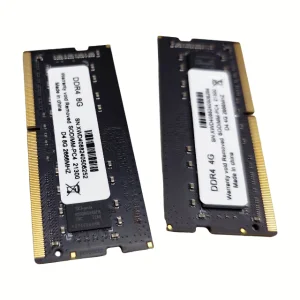
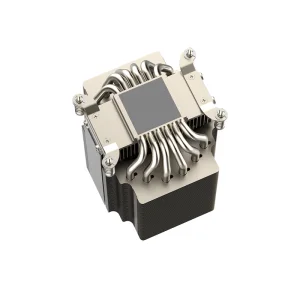
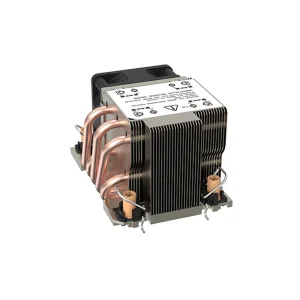
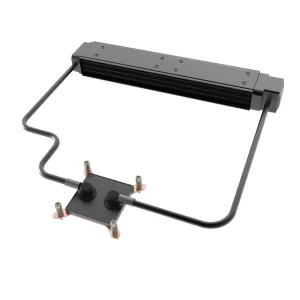
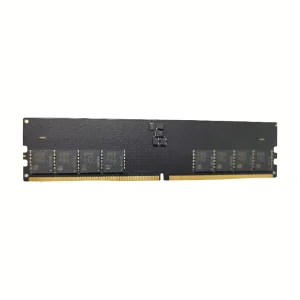
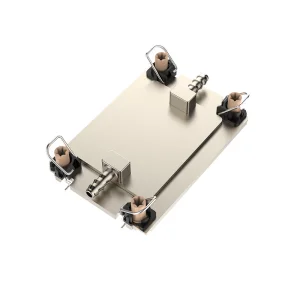
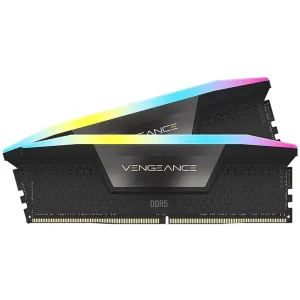
Innovation defines our R&D roadmap. Our engineering department, consisting of 128 experienced engineers, focuses on solving the physical challenges of hardware design. In the past fiscal year alone, we successfully designed, tested, and released 86 new products, ranging from DDR5 high-speed gaming memory units and industrial-grade high-frequency components to custom thermal cooling blocks and integrated wireless control boards.
Our ODM development workflow is designed for maximum speed and absolute compliance. When partners present complex specifications, we manage the entire engineering cycle: starting with RF 3D electromagnetic simulations to optimize transmission parameters, proceeding to high-precision SMT prototyping, and finishing with custom firmware development to meet target power profiles. Our designs incorporate flexible PCBs (FPC) and specialized thermal dissipation methods to guarantee reliability under demanding conditions.

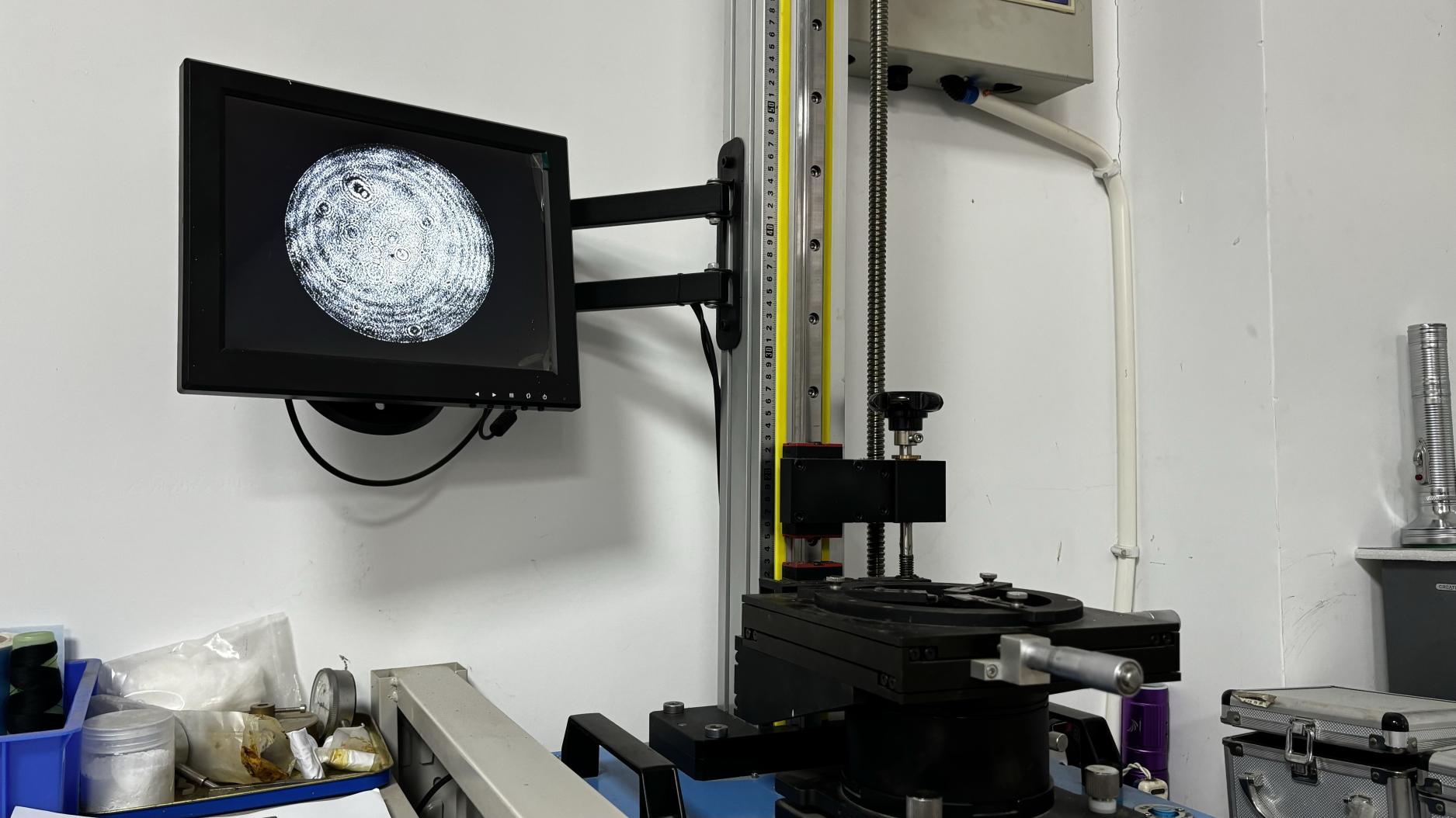
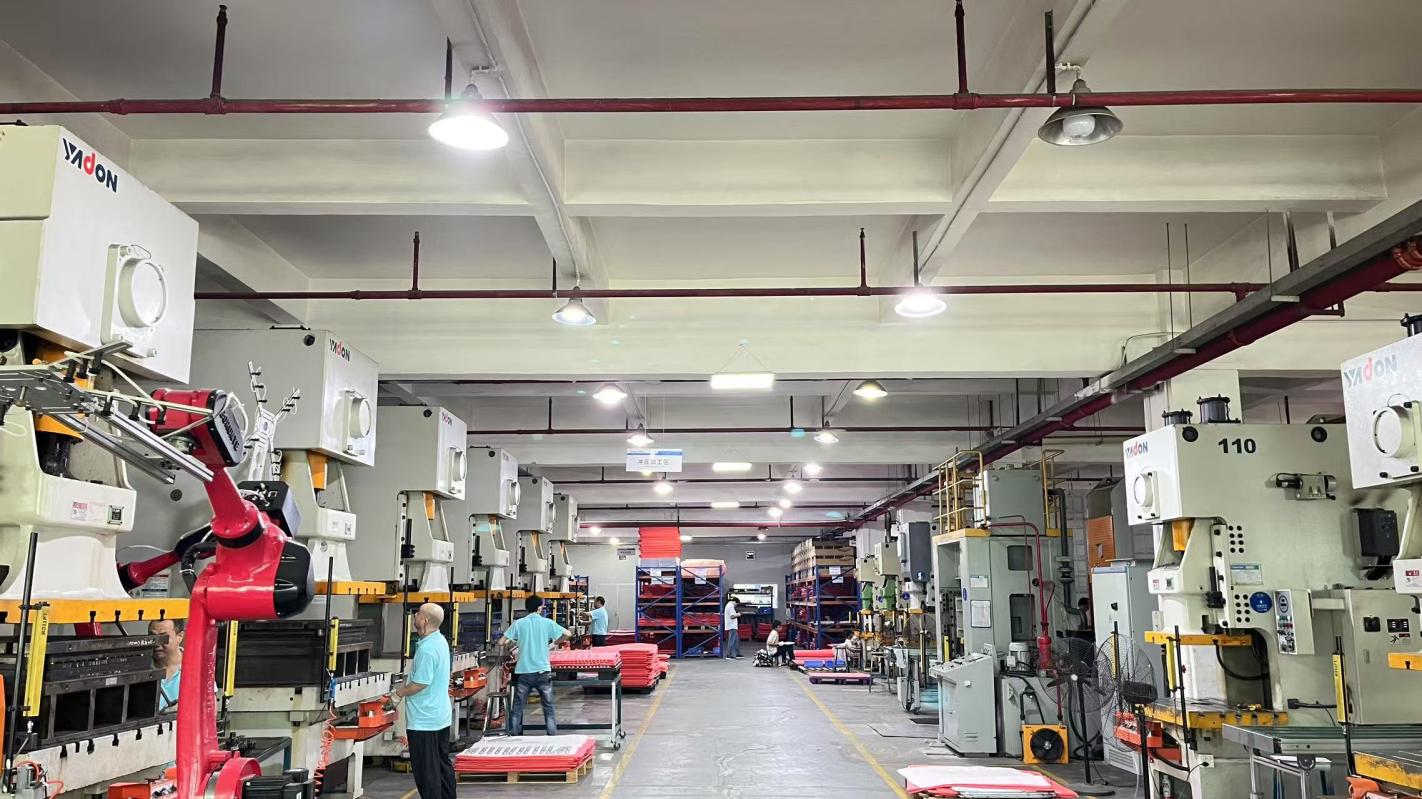
Inside the Xeviora Manufacturing and Testing Facility: Precision automated production, micro-component placement, and final module validation.
Flexible engagement pathways tailored to help supply chain directors and hardware engineers optimize product development speed and total cost of ownership.
For brands needing fast market deployment. Select our certified reference designs, customize the branding, package layouts, and laser-etched metal shields, and initiate shipping within short timeframes.
From dynamic PCB trace design, customized antenna matching, and mechanical size constraints to proprietary firmware flashing. We build optimized solutions tailored to your product ecosystem's requirements.
Utilize our SMT assembly capacity, high-speed automated placement systems, and in-house testing setups to combine Bluetooth chipsets, passive arrays, and memory into specialized System-in-Package (SiP) modules.
Detailed technical and operational answers to address common queries from procurement specialists and systems engineers.
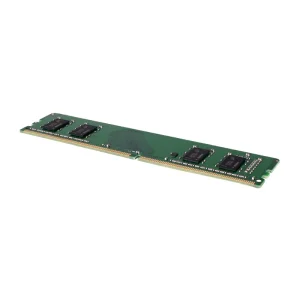
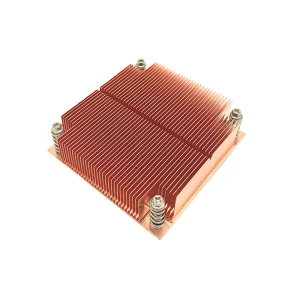
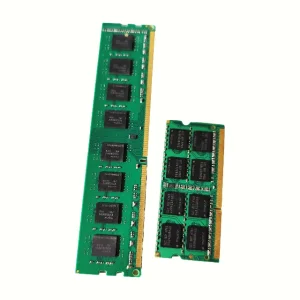
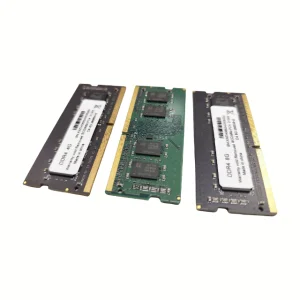
Explore our selection of computer memory modules, heatsinks, and custom electronics layouts built to industrial quality standards.