Xeviora
Xeviora
Xeviora
Industrial-grade RAM modules and high-capacity server cooling solutions engineered for sustained concurrency and zero-latency CDN edge rendering.
An Industry Whitepaper on Optimizing Memory Throughput and Thermal Stability for Global OTT, CDN, and Live Edge Transcoding Networks.
In the era of hyper-scale content distribution, ultra-low latency live broadcasting, and AI-driven personalized media rendering, software optimization alone cannot solve the physical constraints of data throughput. Media streaming hardware infrastructures, especially those running OTT (Over-The-Top) services, 4K/8K real-time transcoders, and multi-tenant cloud-gaming frameworks, encounter immediate performance limitations at the hardware level. The throughput limits of physical system memory (RAM) and the thermal dissipation threshold of dense server nodes constitute the ultimate determinants of concurrent user limits, frame drop rates, and overall service reliability.
As a premier Custom OEM Media Streaming Solutions Factory & Supplier, Xeviora Memory Technology (China) Co., Ltd. addresses these exact infrastructural pain points. Our core specialization lies in the development, validation, and large-scale manufacturing of high-bandwidth memory (DDR4 and next-gen DDR5 modules) coupled with advanced thermal management products designed specifically for media streaming host architectures. By integrating custom-engineered memory layouts with specific cooling parameters, we optimize server performance at the micro-architecture level, delivering concrete hardware validation for critical global deployments.
Maximizing multi-channel 4K AV1/H.265 transcoding by eliminating RAM buffering limitations and addressing memory bus bottlenecks.
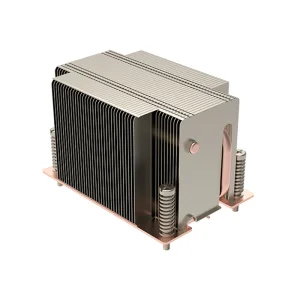
Thermal management architectures designed for 2U and density-optimized blade servers, ensuring CPU/GPU cores remain in high-frequency boost states.
All-custom OEM products are built using premium original DRAM chips, subjected to rigorous burn-in test sequences and 100% full-load verification.
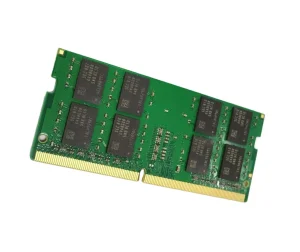
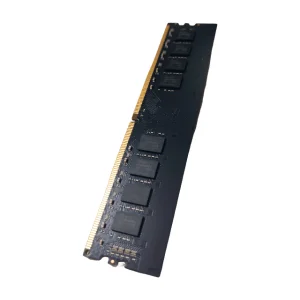
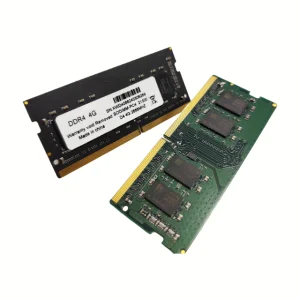
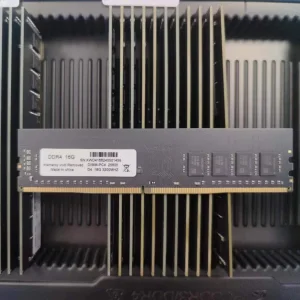
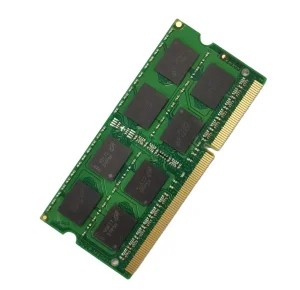
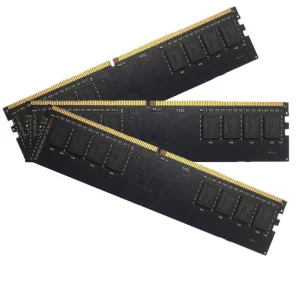
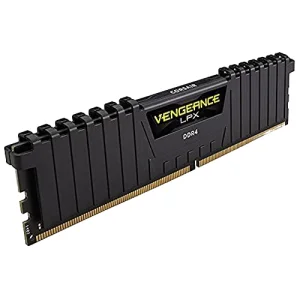
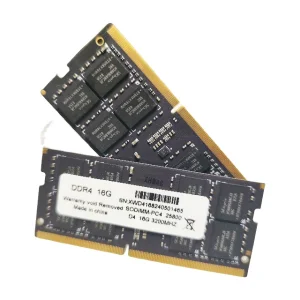
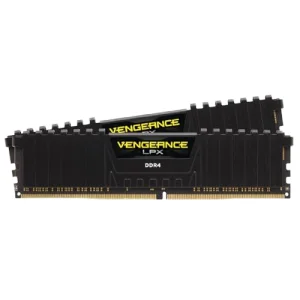
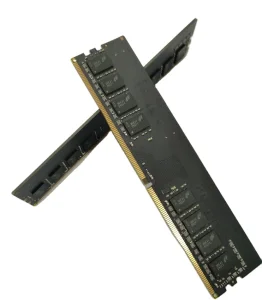
When streaming servers deliver hundreds of concurrent video feeds, the primary systemic bottleneck shifts from the CPU to the memory subsystem. As data packets are fetched from NVMe storage devices, they are cached in the system RAM prior to packetization and transmission over the network card. In standard configurations, if the RAM speed or capacity is insufficient, I/O waits increase dramatically. This is why our OEM DDR4 and DDR5 high-speed modules (supporting up to 3200MHz for DDR4 and even higher frequencies for DDR5) are crucial. By deploying Xeviora high-density 16GB, 32GB, and 64GB memory arrays, CDN servers can keep entire hot video segments loaded directly in volatile memory, yielding sub-millisecond response times and avoiding latency spikes.
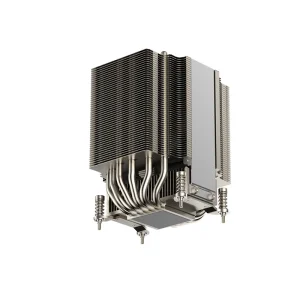
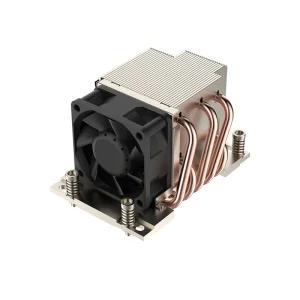
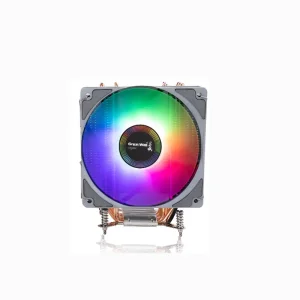
Equally important is the thermal signature. Video transcoding at scale generates extreme heat. If the CPU or server chipset reaches its thermal threshold, it initiates automatic cycle-skipping (thermal throttling) to protect the silicon. This drops transcoding frames, causing buffering for the end-user. Xeviora's custom engineering solves this via specialized server cooling components like the AMD SP5/SP6 water-cooled assemblies and LGA2011/LGA1700 high-power multi-pipe radiators, capable of dissipating up to 350W of TDP. This keeps server architectures running at peak capacity in 24/7 data center environments.
| Solution Type | Target Bottleneck | Hardware Component Applied | Strategic Performance Gain |
|---|---|---|---|
| Edge CDN Node Cache | I/O Wait Times & Cache Misses | DDR4 16GB/32GB/64GB 3200MHz Modules | Sustained cache hit ratio improvement by keeping hot files in low-latency memory. |
| Real-Time OTT Transcoder | CPU/GPU Thermal Throttling | 350W AMD SP5/SP6 Passive & Active Coolers | Maintains maximum boost clocks for CPU cores during high-density multi-channel encoding. |
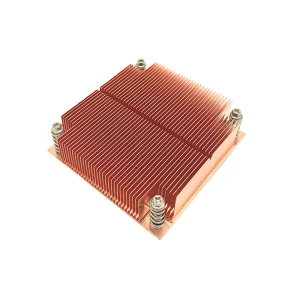
| Micro Data Center Servers | Form-factor limitations & Heat Densities | LGA1700 M-ATX Compact 6-Tube Radiators | Enables deployment of high-power hardware in space-constrained micro-racks. |
| Enterprise Storage Arrays | Memory bus saturation & parity errors | Fully Compatible original-chip DRAM arrays | Minimizes packet drops and data corruption in high-speed network attached storage. |
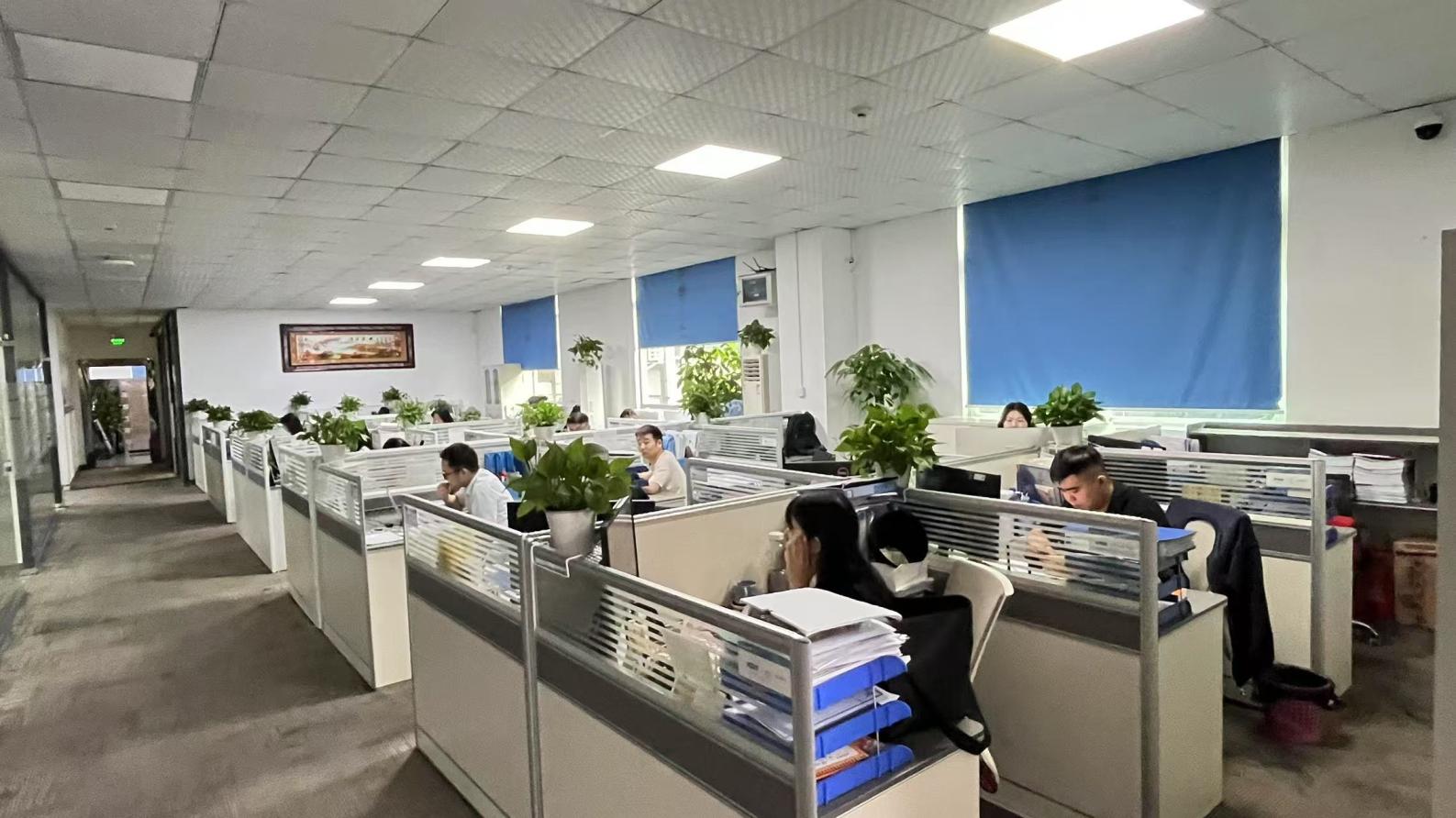
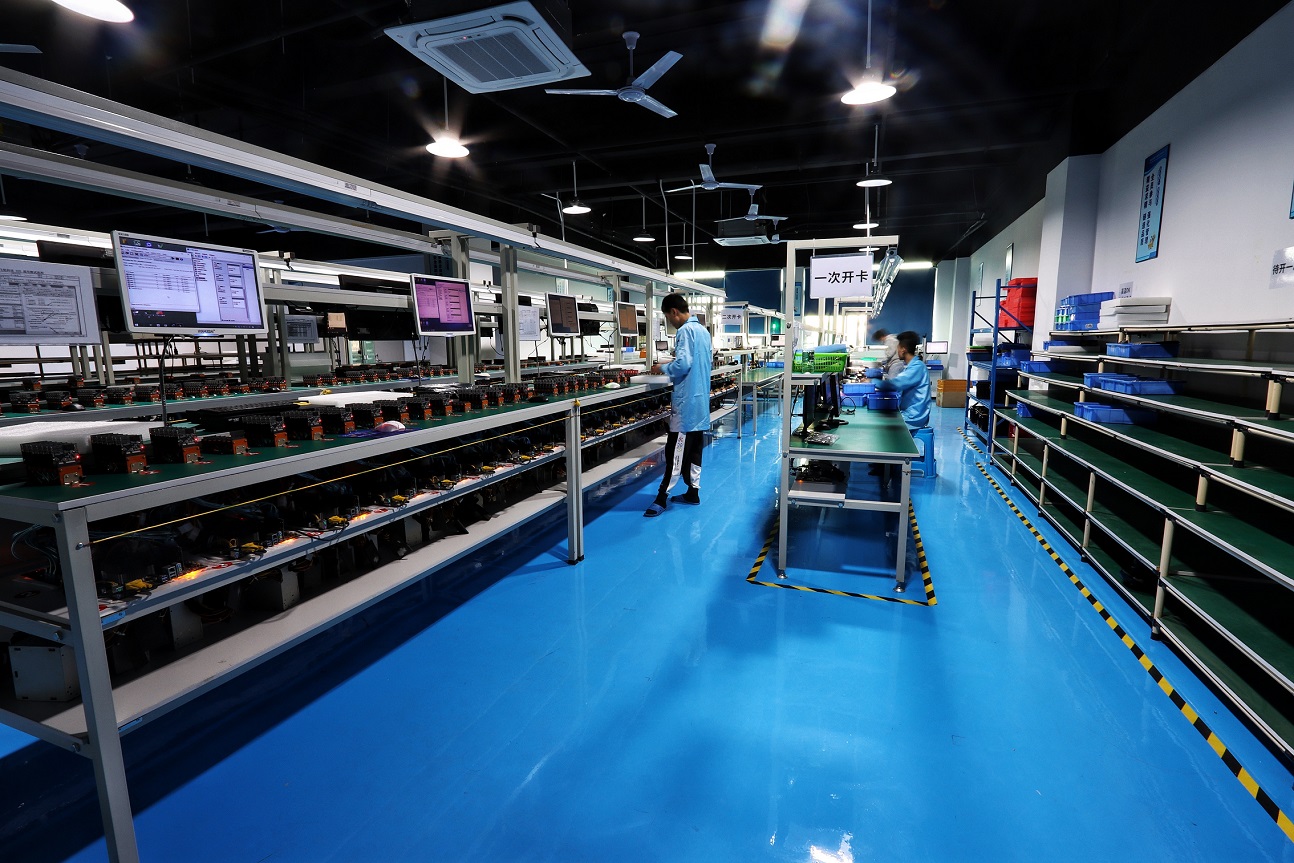
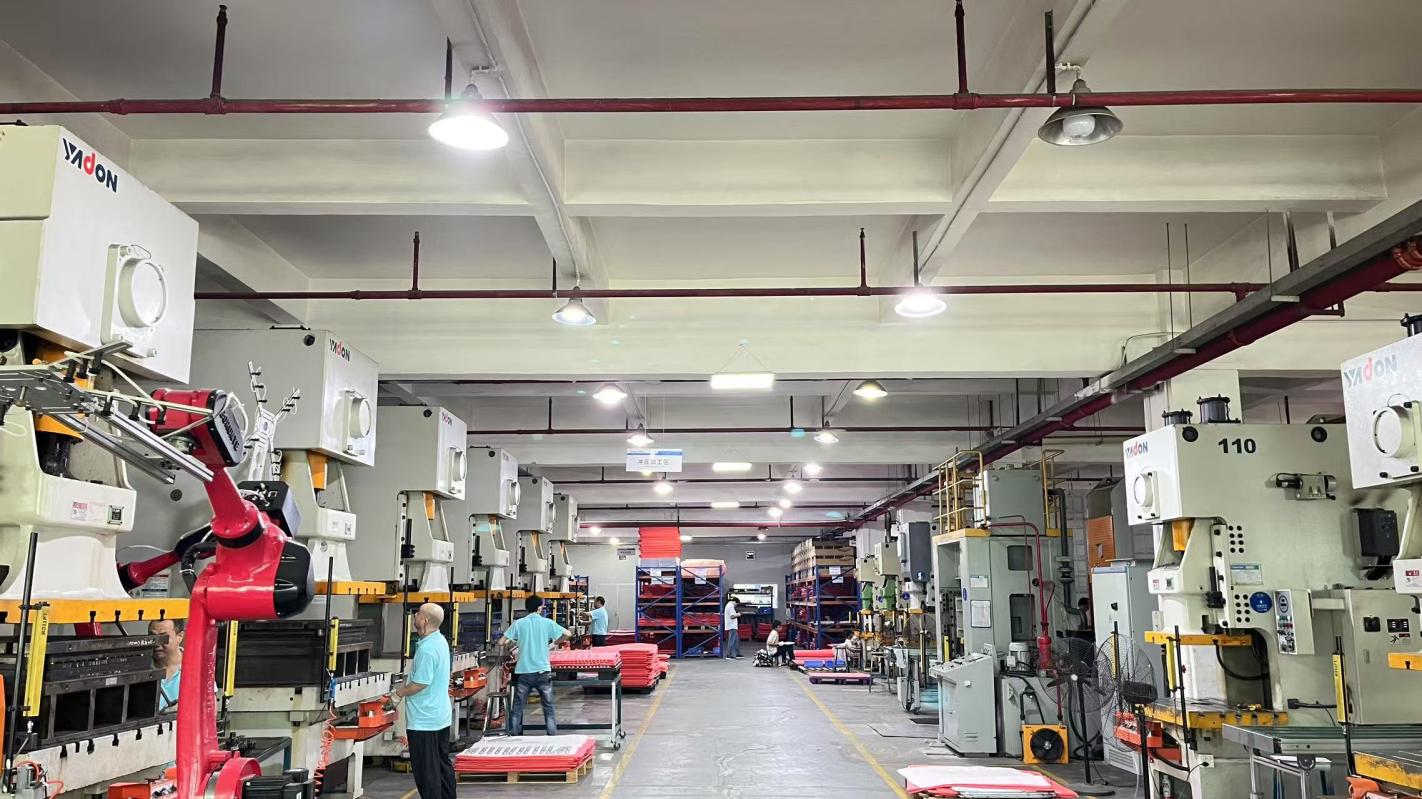
Operating from our state-of-the-art facility in China, Xeviora Memory Technology (China) Co., Ltd. utilizes advanced manufacturing technologies and quality assurance systems to deliver consistent product quality at scale. Established in 2017, we have scaled our production capabilities to service system builders and distributors worldwide, generating an annual export revenue exceeding USD 18 million across North America, Europe, Southeast Asia, the Middle East, and South America.
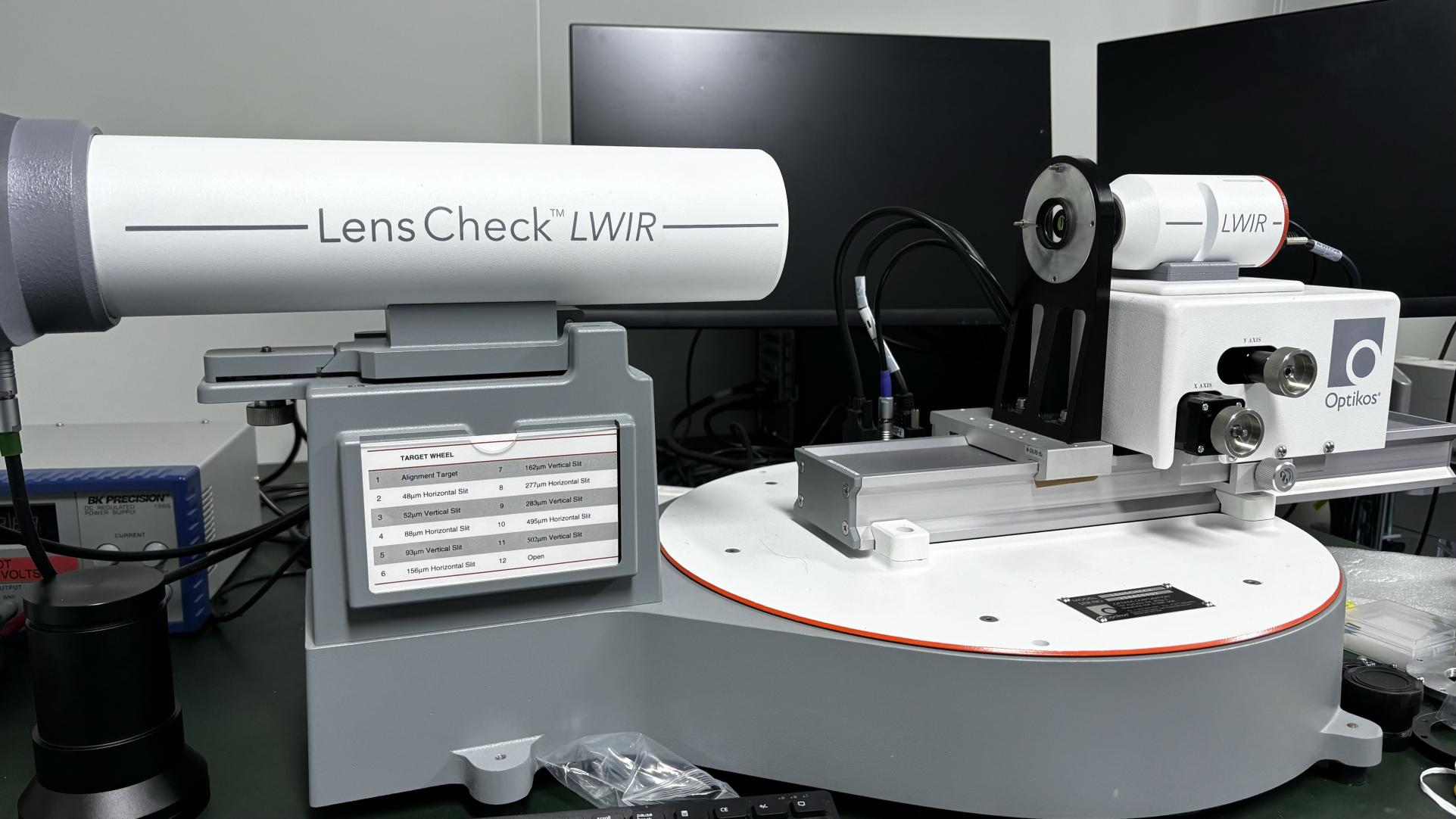
Our facility is designed for high-precision electronics manufacturing and assembly. We maintain tight partnerships with over 850 global supply chain partners, ensuring access to premium original DRAM chips and robust sourcing stability even during periods of global silicon shortage.
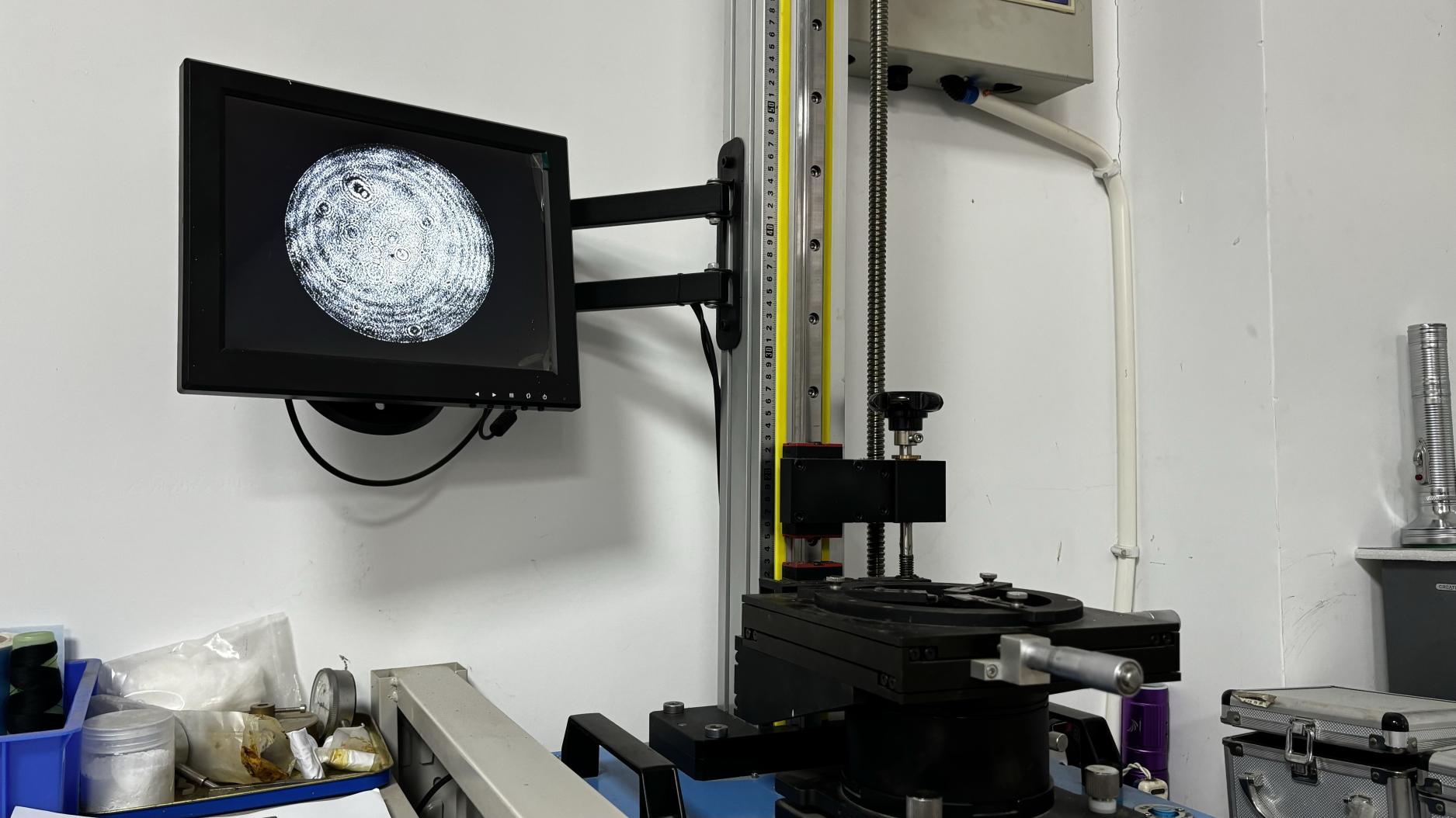
Every single memory module and thermal product we manufacture is subjected to a strict Quality Assurance protocol. Our 46 dedicated inspectors oversee a multi-tier testing pipeline comprising Incoming Material Inspection (IQC), In-Process Quality Control (IPQC), Automated Functional Testing, System Compatibility Verification, Performance Validation, and thermal burn-in chambers (aging tests). This guarantees that our OEM components meet international quality benchmarks, reducing field failures and ensuring a low total cost of ownership (TCO) for global enterprise networks.
As UHD content (4K at 60/120 fps and 8K formats) becomes standard, modern media streaming architectures are transitioning from DDR4 to DDR5 platforms. DDR5 offers double the bandwidth of DDR4, moving from a maximum data rate of 3200 MT/s to over 4800 MT/s. More importantly, DDR5 introduces on-die ECC (Error Correction Code) and a dual-channel sub-channel architecture, which improves bus efficiency and reduces the latency of random memory reads typical of multi-user media fetches.
At Xeviora, our R&D team is developing optimized DDR5 configurations tailored for high-concurrency servers. By integrating PMICs (Power Management Integrated Circuits) directly onto the memory modules, we provide precise voltage control, lowering energy consumption for large server arrays. Simultaneously, our thermal engineering roadmap includes vapor chamber heatsinks and custom liquid cooling jackets to match the rising thermal dissipation requirements of modern processors in high-density rack setups.
We work closely with global system integrators, distributors, and cloud service providers to offer flexible hardware customization options, including:
Shipping high-performance electronics worldwide requires strict adherence to international safety and quality protocols. All Xeviora memory modules and thermal management components carry full CE, FCC, and RoHS certifications, ensuring hassle-free customs clearance and compatibility with municipal energy regulations in key markets like North America and the European Union.
To support our global customers, we maintain dedicated communication lines for technical integration and logistical support. By coordinating shipping schedules, customs paperwork, and warranty coverage, we minimize supply chain risks, allowing system integrators and distributors to receive their orders on schedule.
Expert insights on hardware selection, custom manufacturing, and system optimization for enterprise media deployment.
Live media streaming requires servers to process multiple incoming video streams and deliver them to thousands of concurrent users in real time. System RAM serves as a temporary cache for active video frames before packetization. High-bandwidth memory (DDR4 3200MHz or DDR5) ensures the CPU/GPU can access these frames instantly, eliminating buffering issues, packet latency, and frame drops during peaks in traffic.
Video transcoders (such as those running HEVC or AV1 encoding) put heavy workloads on processors, raising chip temperatures. If server cooling is inadequate, the CPU will automatically thermal throttle (lower its operating frequency) to prevent damage. High-performance heatsinks and active water-cooling loops maintain stable chip temperatures, allowing processors to sustain maximum frequencies and prevent frame drops during resource-heavy encoding tasks.
We provide full customization, including private labeling, logo printing, customized heatsink designs (to match specific chassis space constraints), custom SPD profile optimization for specialized servers, and complete development of custom physical memory modules to meet client requirements.
Our quality control process is managed by a team of 46 QC inspectors. It includes Incoming Quality Control (IQC) for original DRAM chips, In-Process Quality Control (IPQC), automated functional testing on high-end test platforms, compatibility verification on popular server mainboards, and aging tests in thermal chambers to verify reliability before shipment.
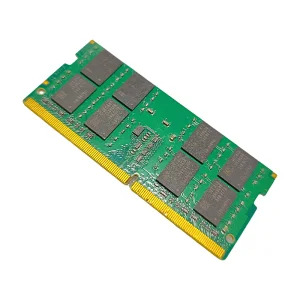
Premium heat sinks and dynamic laptop/server RAM modules built to maintain high system throughput and optimal thermal profiles.