China Top Smart Sensors Factory & Exporter

High-Precision Embedded Computing, PCBA Design, and Thermal Management Architectures Supporting Global IoT & Industrial Infrastructure

White Paper: The Interdependence of Sensing, High-Performance Microcomputing & Advanced System Cooling

Executive Summary

Modern IoT development is undergoing a core paradigm shift. Sensors are no longer just passive, analog-only measuring units; they have evolved into Smart Sensors—fully integrated nodes equipped with on-board signal processing, dynamic calibration, edge computing micro-controllers, and high-frequency memory modules. Operating at high speed, these systems require advanced thermal management, high-density flex PCB interconnects, and zero-defect SMT component assembly to maintain reliability in extreme industrial and commercial environments.

1. Understanding Smart Sensor Architecture & On-Board Storage Integration

At the center of any smart sensor system is the raw transducer integrated with an ADC (Analog-to-Digital Converter) and a microprocessing unit. When dealing with real-time analytics, such as vibration analysis, structural health monitoring, or autonomous vehicle sensing arrays, raw data streams are too massive to transmit continuously to centralized clouds due to bandwidth costs and latency limits. Consequently, data must be cached, filtered, and processed at the edge.

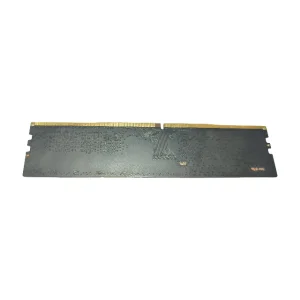
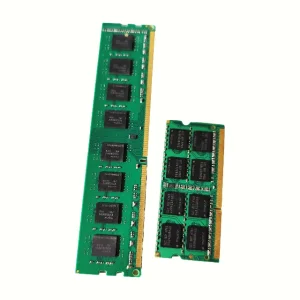
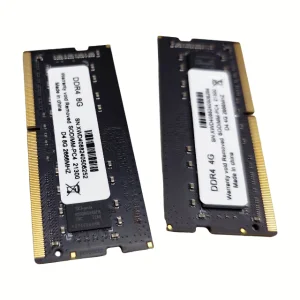
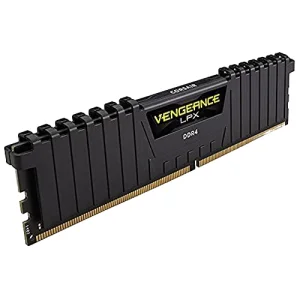
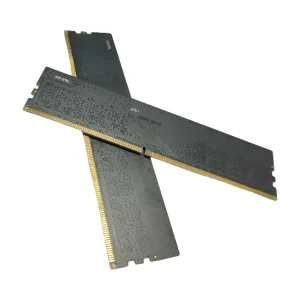
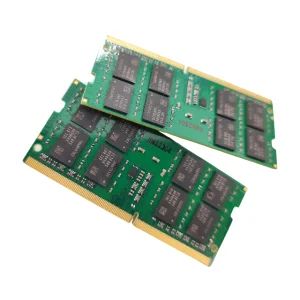
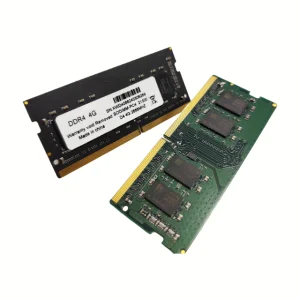
This is where high-integrity memory architectures—specifically DDR4/DDR5 systems, ECC modules, and high-density, low-footprint RAM—become critical. When caching sensor data under rapid duty cycles, data loss is not an option. Error-Correcting Code (ECC) modules prevent single-bit errors in harsh electromagnetic environments, ensuring that automated systems run continuously. Smart sensors require matching SMT processing units and optimized boards that resist vibration, making materials like polyimide FPC (Flexible Printed Circuits) and high-density FR4 the foundation of modern hardware assemblies.

2. Global Market Trends in Smart Sensors & Edge Infrastructure (2025–2030)

We are witnessing several critical developments shaping the global sensor and embedded electronics landscape:

  • TinyML and Edge AI Integration: Smart sensor modules are embedding machine learning models directly into their control microchips to categorize events without host-CPU intervention.
  • Advanced Substrate Materials: The shift towards flexible polyimide (FPC) and high-thermal aluminum substrates to handle extreme heat loads and fit into complex, micro-sized assemblies.
  • Ultra-low Power High-density Cache: The demand for DDR5 memory configurations to support heavy-load IoT hubs that aggregate hundreds of edge sensor streams.
  • Advanced Heat Dissipation: High-performance air-cooled server systems and dual ball-bearing active CPU coolers are required to sustain stable temperatures in multi-sensor processing servers.

Industrial IoT Stability

Ensuring complete signal integrity under heavy electromagnetic interference through premium multilayer SMT PCB assembly.

Edge Compute Density

Leveraging high-speed DDR4/DDR5 memory modules to support massive real-time sensor data caching and analysis.

Thermal Management

Custom server heat sinks and aluminum substrates designed for continuous 24/7/365 operational safety margins.

3. Global Enterprise Procurement Demands: Addressing the Supply Chain Bottlenecks

For international procurement managers, sourcing electronics from China presents challenges involving specification drift, firmware compatibility, component lifecycle, and compliance with international standards (such as CE, FCC, RoHS, and WEEE). Successful exporters must function as integrated R&D partners rather than simple transactional suppliers.

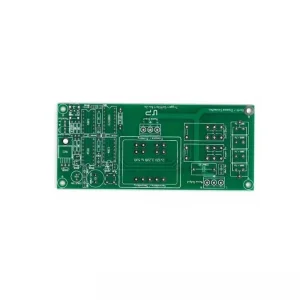
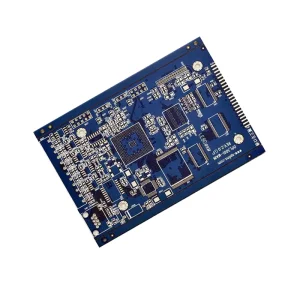
Procuring custom PCB structures, SMT assemblies, high-speed RAM, and thermal solutions requires a partner with deep vertical integration. By handling raw PCB manufacture (FR4 and Aluminum), high-precision SMD plug-in soldering, dynamic component testing, and downstream thermal design under one unified QC umbrella, supply chain friction is dramatically minimized, reducing total lead times and cost-of-quality errors.

Corporate Ecosystem

Xeviora Memory Technology (China) Co., Ltd. is a professional DDR5 memory manufacturer and supplier based in China, specializing in high-performance RAM solutions for gaming, industrial, enterprise, and consumer applications. Established in 2017, the company has rapidly grown into a trusted OEM and ODM partner for global distributors, system integrators, and technology brands.

Leveraging our deep semiconductor manufacturing and SMT board integration expertise, we support advanced hardware developments for smart sensors, IoT gateways, high-speed automation systems, and high-performance server structures.

Technical Capacity
  • 850+ Global Supply Chain Partners
  • 128 R&D Hardware Engineers
  • 46 Dedicated Quality Inspectors
  • Over USD 18M Annual Export Value

Manufacturing Footprint & E-E-A-T Performance

A proven record of quality control, engineering depth, and global scale in precision electronics

12+
Years Industry Expertise
8+
Years Export Experience
86
New Products Launched Yearly
368m²
Micro-Precision Facility

Macro-Industry Solutions & Implementation Engineering

Our solutions target high-demand industrial verticals, resolving core design issues surrounding electromagnetic interference, heat build-up, and mechanical stress in continuous-duty electronic assemblies.

Industrial Automation & Robotics

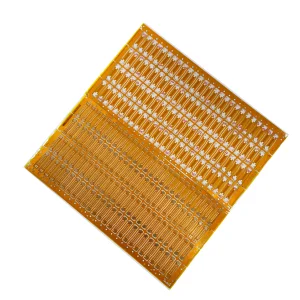
In modern industrial facilities, automated machinery, PLC systems, and multi-axis robotic arms generate massive vibrational forces and high temperatures. Traditional circuit designs fail under these conditions. Our custom FPC flexible PCBs utilize high-grade polyimide substrates that maintain continuous routing integrity under millions of bending cycles. Paired with our instrumentation SMT PCBA manufacturing, which incorporates automated solder-paste inspection (SPI) and X-ray structural checks, these modules ensure sensor-to-processor links stay completely stable.

Data Centers & Embedded Edge Server Modules

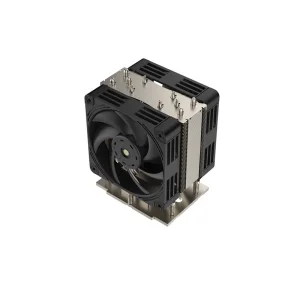
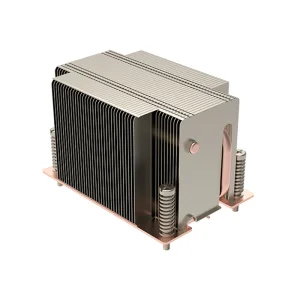
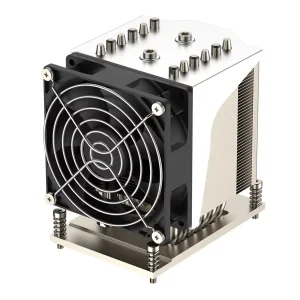
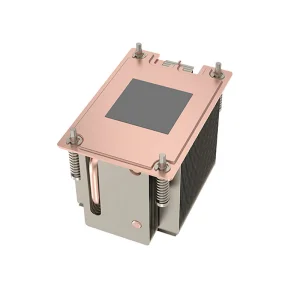
High-density processing racks consolidating hundreds of real-time sensor streams require high-capacity memory to execute machine learning algorithms at the edge. To support memory-intensive workloads without server throttle, we provide optimized, system-validated DDR4 & DDR5 RAM Modules, complete with Error-Correcting Code (ECC) to identify and correct data corruption. To manage the heat dissipated by processing chips like SP5 and LGA4926 sockets, we design active and passive cooling solutions, including AM5 server coolers, dual ball-bearing cooling systems, and multi-heat-pipe copper structures capable of managing up to 300W of heat load safely.

Thermal Dissipation for Solid-State Lighting & High-Power Sensors

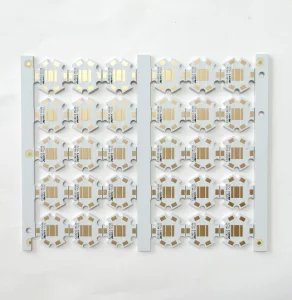
Solid-state industrial sensors and high-performance optoelectronics run at high thermal densities. Using traditional fiberglass (FR4) PCBs creates hot spots that degrade electronic component life. Our Aluminum PCBs (T6 5050/3535) feature metal-core substrates that draw heat away from delicate semiconductor nodes, ensuring consistent performance and preventing catastrophic failures in outdoor and high-temperature environments.

Rigorous Quality Assurance Framework

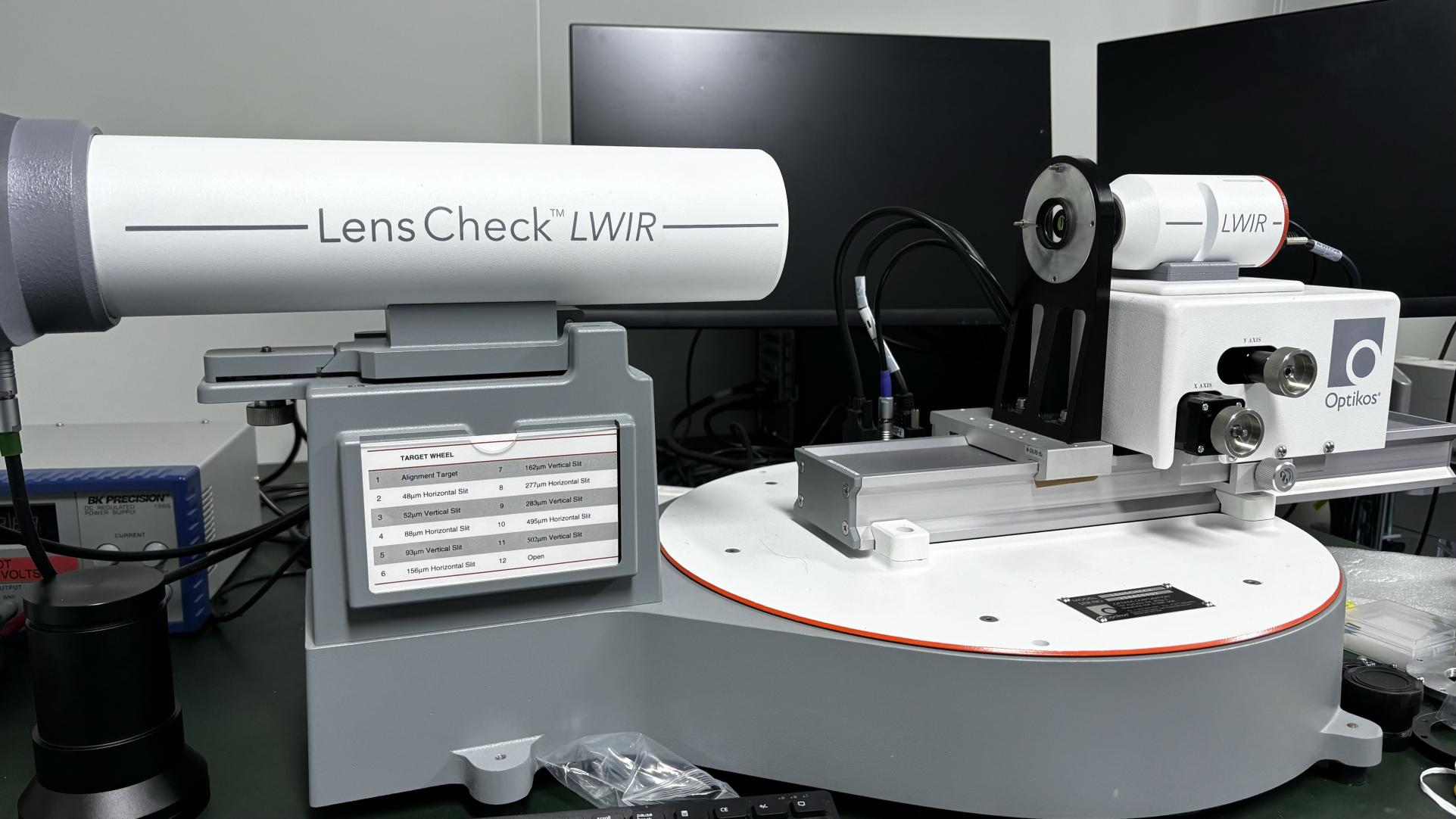
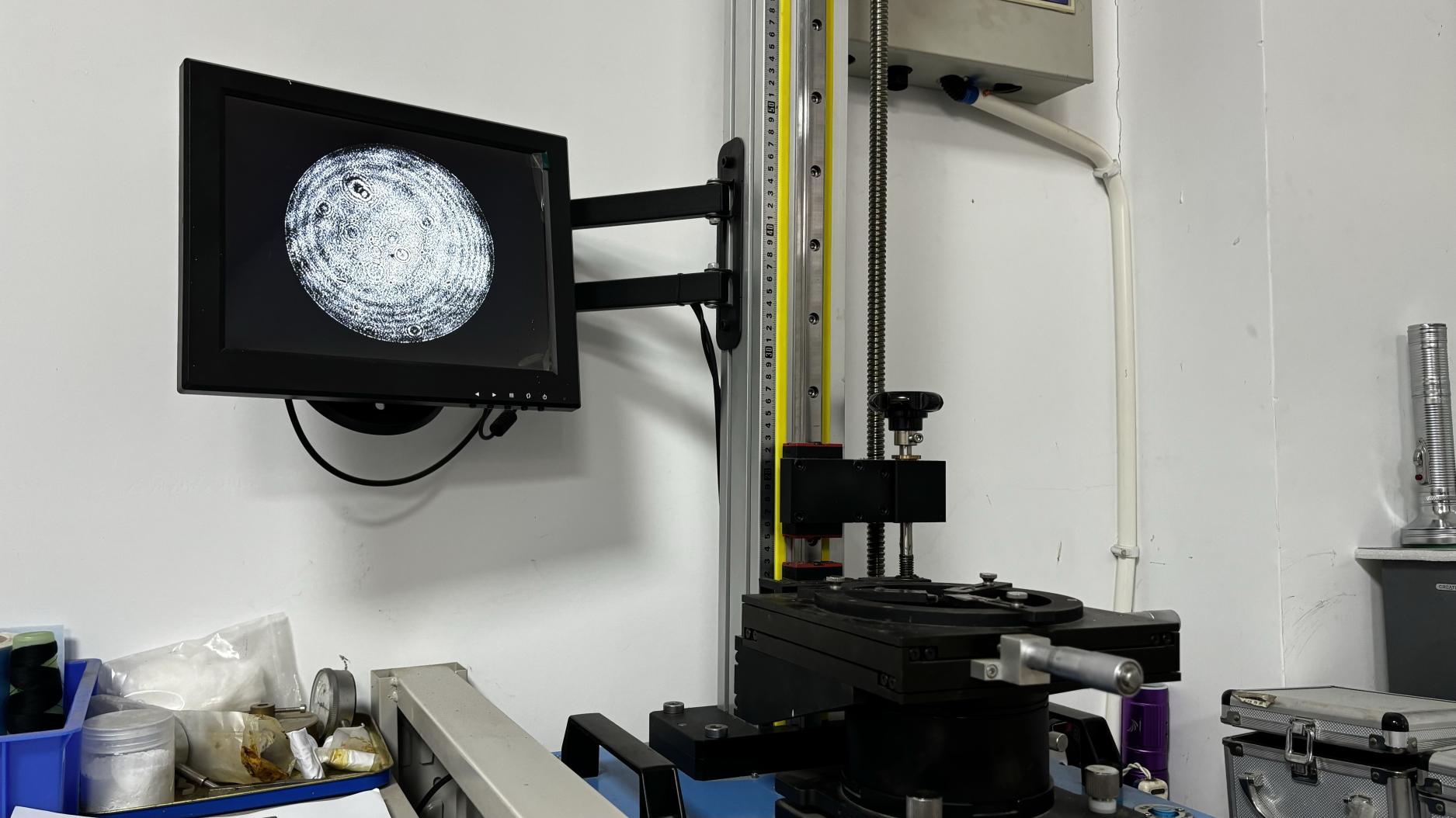
Our production facility incorporates a rigorous quality management system containing comprehensive incoming material inspection (IQC), in-process quality control (IPQC), and final product testing (FQC/OQC). All memory, PCBA, and sensor sub-assemblies undergo automated functional testing, real-world compatibility validation, performance testing, and thermal aging tests before leaving the factory. Our team of 46 inspectors ensures strict compliance with our rigorous standard operating procedures.

Technical Roadmap & Future Outlook (2025–2030)

Xeviora is committed to engineering advanced technologies that support future high-speed networks. Our technological roadmap is guided by three primary goals:

  • Miniaturization of Processing Nodes: Developing ultra-thin 4-layer and 6-layer FPCs combined with embedded passive components to reduce board space in smart sensor nodes.
  • DDR5 Transition: Expanding our high-speed DDR5 memory series (from 5600MHz to 6000MHz and beyond) with low-voltage power management ICs (PMIC) to lower overall power consumption at edge nodes.
  • Sustainable Thermal Engineering: Creating eco-friendly, lead-free aluminum substrates and low-acoustic-signature active coolers that align with global green building and manufacturing regulations.

Expert Q&A (Frequently Asked Questions)

Direct technical feedback from our engineering team regarding design, compatibility, and manufacturing specs

Q1: What are the main design differences when using Aluminum PCBs compared to standard FR4 boards?
Aluminum PCBs (or MCPCBs) feature a metal base layer bonded to a thin, dielectric, thermally conductive layer and a standard copper circuit layer. The primary advantage is heat dissipation; aluminum conducts heat up to 10 times better than standard FR4 fiberglass. This makes aluminum PCBs ideal for high-power LED installations, power supplies, and automotive sensor arrays. However, they are generally limited to single-layer or simple double-layer routing layouts compared to multilayer FR4, which can easily support complex high-density circuit designs.
Q2: Why is ECC (Error-Correcting Code) critical for edge-compute memory modules in smart sensor arrays?
Industrial settings are full of electromagnetic interference (EMI) from heavy machinery, high-voltage lines, and wireless communications. This EMI can occasionally cause random single-bit corruptions (soft errors) in memory chips. Standard non-ECC RAM will crash or corrupt system files when this occurs. ECC memory contains an extra data channel that automatically detects and corrects single-bit errors in real-time, preventing system crashes and ensuring continuous uptime for critical operations.
Q3: How does Xeviora support custom OEM/ODM requests for packaging and specifications?
We provide a complete suite of customization options, including custom PCB design, specific thermal ratings, customized packaging, laser-etched branding, and optimized firmware configurations (such as custom SPD settings on RAM modules to ensure compatibility with proprietary industrial motherboards). Our team of 128 engineers can take prototype specifications and design them through to full production, including mechanical drafting, component sourcing, and compliance certification.
Q4: What thermal management solutions do you recommend for high-density 300W server processors?
For 300W processors (such as the LGA4926 socket series), we recommend using air-cooled server heat sinks built with multiple sintered copper heat pipes combined with high-density aluminum fins. High-performance thermal interface materials (TIM) and dual ball-bearing fans are essential to ensure efficient thermal transfer and sustained airflow, protecting the system from thermal throttling and hardware damage.
Q5: How does a polyimide substrate improve durability in flexible PCB (FPC) configurations?
Polyimide is a high-performance polymer that offers high thermal stability, chemical resistance, and physical flexibility. Unlike rigid FR4, polyimide FPCs can bend and flex repeatedly without cracking the copper traces. This allows designers to place connections in moving joints, wrap circuitry around tight spaces, and reduce the overall weight and volume of the assembly, which is critical for medical devices, wearable sensors, and aerospace systems.

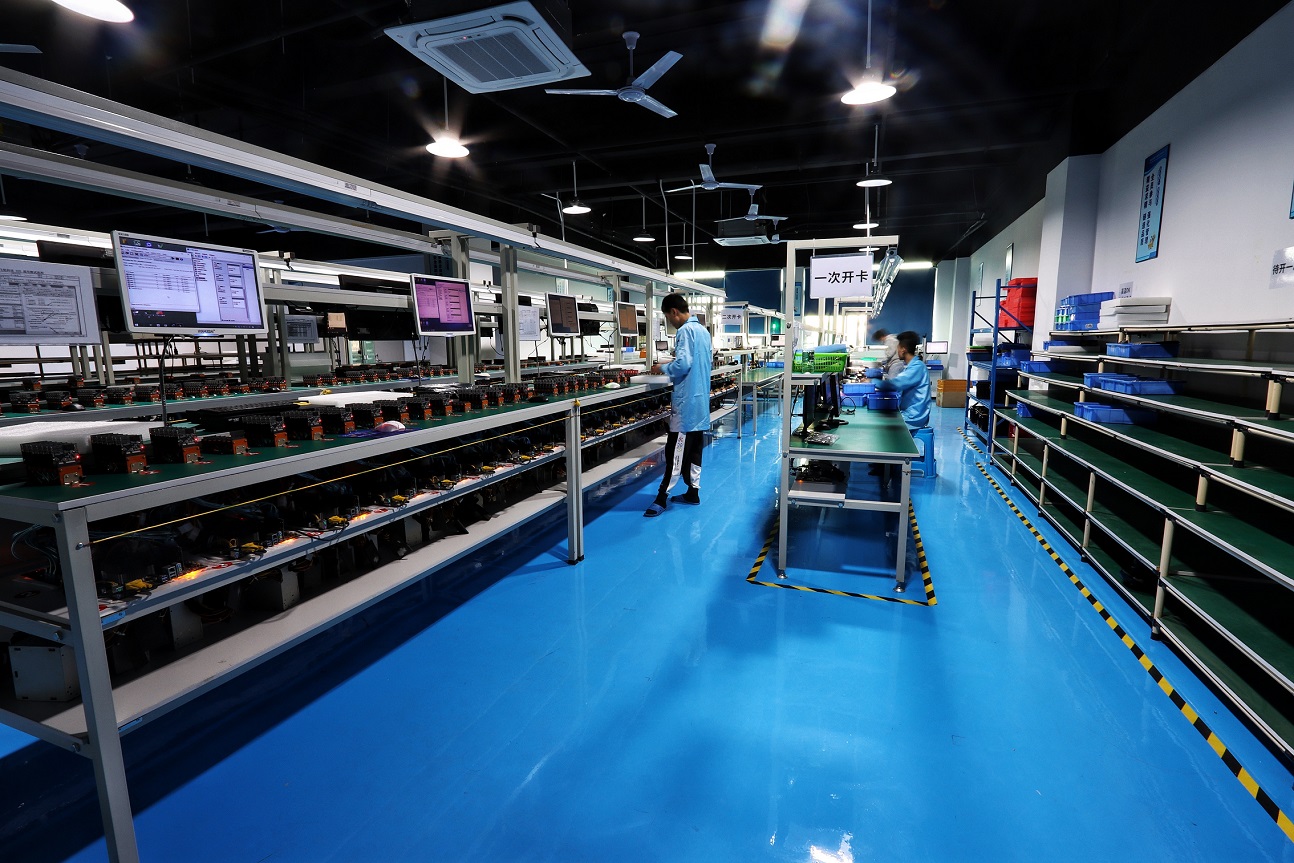
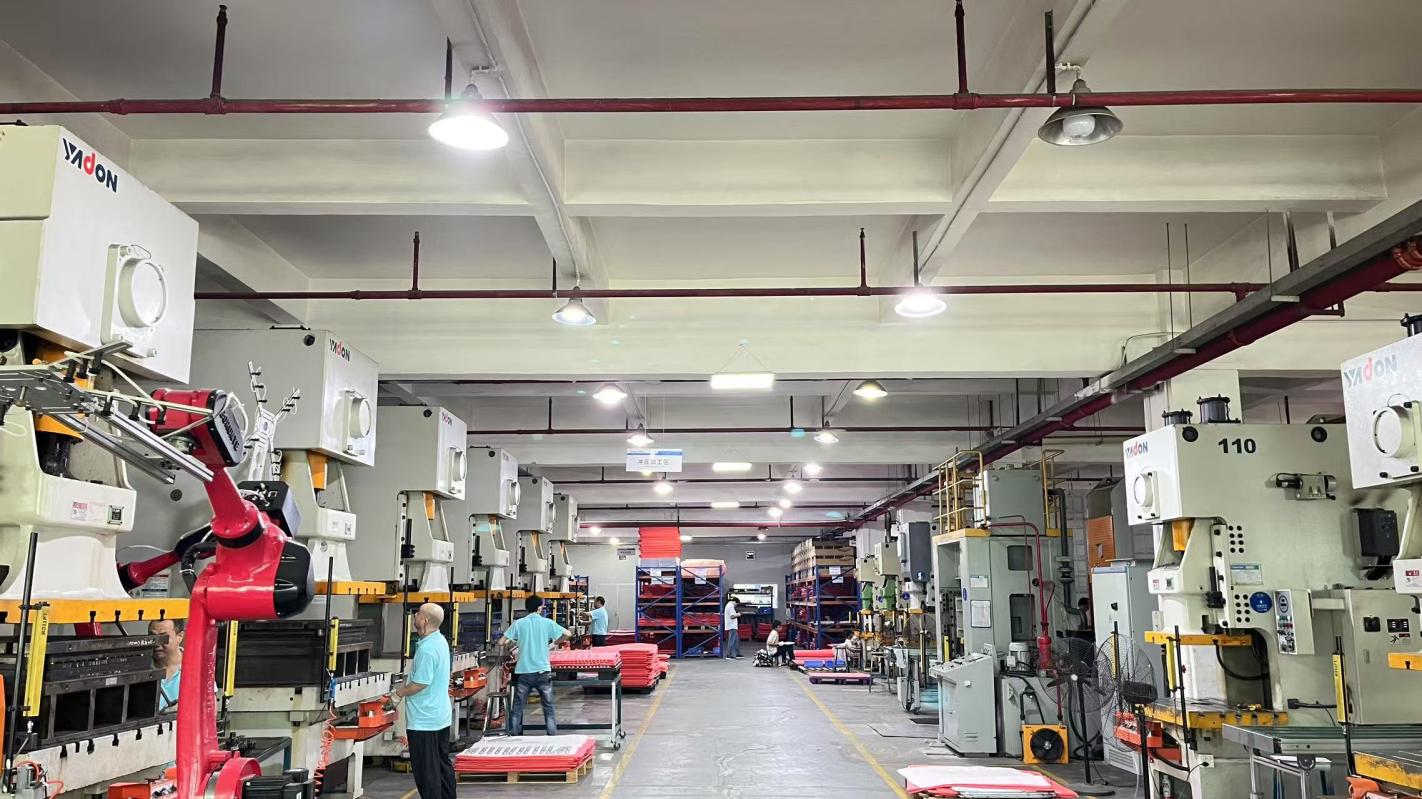
Production Facility & SMT Production Lines

A look at our advanced manufacturing plants, research labs, and warehousing divisions