Xeviora
Xeviora
Xeviora
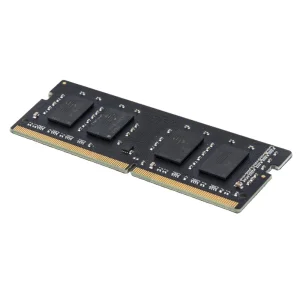
Underlying industrial-grade hardware, memory modules, and thermal management units powering modern digital capture ecosystems.
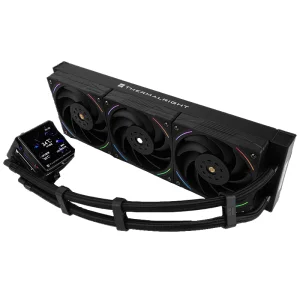
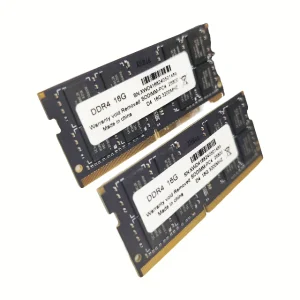
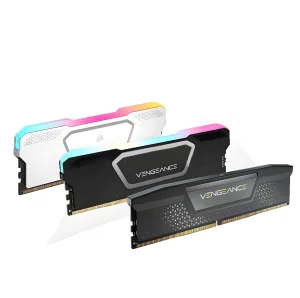
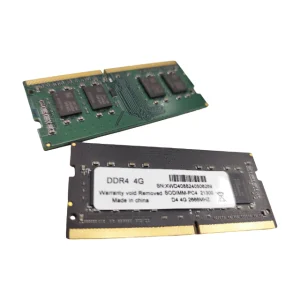
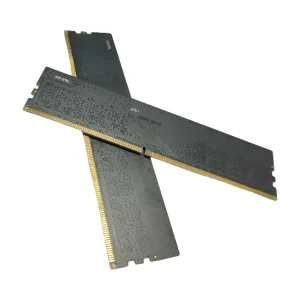
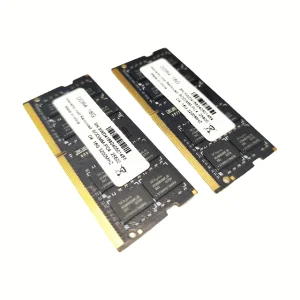
In the age of real-time ultra-high-definition streaming, cloud collaboration, and automated medical imaging, video capture cards have transitioned from simple peripheral digitizers to highly integrated computing boards. Modern industrial and commercial workflows require lossless raw capture, sub-frame transmission latencies, and multi-channel system stability. As a premier electronics and memory solution group based in China, we leverage state-of-the-art SMT assembly lines, advanced high-speed memory buffers (DDR4/DDR5), and rigorous thermal engineering to deliver world-class video capture interfaces for global markets.
Unlike consumer-grade capture products, enterprise-grade capture hardware relies heavily on specialized hardware controllers, such as FPGA boards or dedicated ASIC units, to manage tasks like Color Space Conversion (e.g., RGB to YUV4:4:4 or YUV4:2:2), High Dynamic Range (HDR) metadata parsing, and Direct Memory Access (DMA) frame transfers. High-bandwidth capturing devices, specifically those operating at 4K60Hz, 4K120Hz, or 8K30Hz, generate vast volumes of raw digital data that must be structured, buffered, and pushed to system memory without dropped frames or thermal throttling.
The market for video capture cards is experiencing an unprecedented structural shift driven by four primary macroeconomic and technology trends:
Broadcast and medical applications demand native 10-bit and 12-bit color capture. Hardware must process BT.2020 color gamuts and dynamic HDR10 metadata without external software codecs.
Next-generation capture architectures integrate on-board Neural Processing Units (NPUs) or custom FPGA logic to perform real-time video scaling, background removal, and object tracking.
Transition from physical outputs to network-based IP protocols like NDI (Network Device Interface) and SRT (Secure Reliable Transport) directly from the capture board controller.
Furthermore, system integration demands have pushed manufacturers to design dual-use hardware. For example, modern capture boards are no longer just desktop plug-ins. They are integrated into modular medical displays, industrial automation vision rigs, and edge computing servers. To maintain signal integrity over high-frequency lines, manufacturers must utilize premium multi-layer FR4 PCBs (e.g., KB6160 substrates) and robust impedance control, coupled with efficient thermal dispersion blocks like copper-aluminum heat sinks.
For international distributors, system integrators, and brand owners, importing video capture cards from China involves evaluating core hardware capabilities beyond simple price metrics. High-reliability procurement focuses on:
| Feature Parameter | Consumer Capture Dongles | Industrial & Broadcast Capture Cards |
|---|---|---|
| Interface Bus | USB 2.0 / USB 3.0 (UVC) | PCIe Gen3/Gen4 x4, USB 3.2 Gen 2, Thunderbolt 4 |
| Encoding Latency | 50ms - 150ms | Sub-5ms (Hardware DMA Transfer) |
| Color Processing | YUV 4:2:0 (Lossy Compression) | RGB 24-bit, YUV 4:4:4, YUV 4:2:2, 10-bit Deep Color |
| Audio Protocol | Stereo LPCM (2-Channel) | Up to 8-Channel Embedded Audio, SDI, Analog Line-in |
| MTBF (Mean Time Between Failures) | <10,000 Hours | >100,000 Hours (Continuous Operation) |
| Thermal Interface | None / Basic Plastic Enclosure | Anodized Aluminum Fin Heat Sinks / Copper Pipes |
Video capture cards are pivotal in bridging analog/digital real-world signals with digital compute networks. Here are the core industry solutions powered by our technology:
Modern hospitals require high-fidelity capture of surgical endoscopes, ultrasounds, and MRI displays. These signals must be integrated into PACS (Picture Archiving and Communication Systems). We manufacture capture cards with low-latency loop-throughs, allowing surgeons to view uncompressed real-time outputs on medical monitors while the card simultaneously compresses and uploads 108bit surgical video for archival.
In educational setups, multiple inputs (camera feeds, digital whiteboards, document cameras) must be captured and synchronized. Our multi-channel PCIe capture cards enable a single host system to ingest up to four distinct HDMI/SDI inputs simultaneously, saving physical space and lowering overall system costs.
Esports demands high refresh rate pass-throughs (e.g., 240Hz or 144Hz) while capturing at 60Hz. Our custom firmware options allow dynamic downscaling and color space conversion on the fly, ensuring viewers see a vivid color palette while the gamer plays with zero lag.
Xeviora Memory Technology (China) Co., Ltd. is a professional DDR5 memory manufacturer and supplier based in China, specializing in high-performance RAM solutions for gaming, industrial, enterprise, and consumer applications. Established in 2017, the company has rapidly grown into a trusted OEM and ODM partner for global distributors, system integrators, and technology brands.
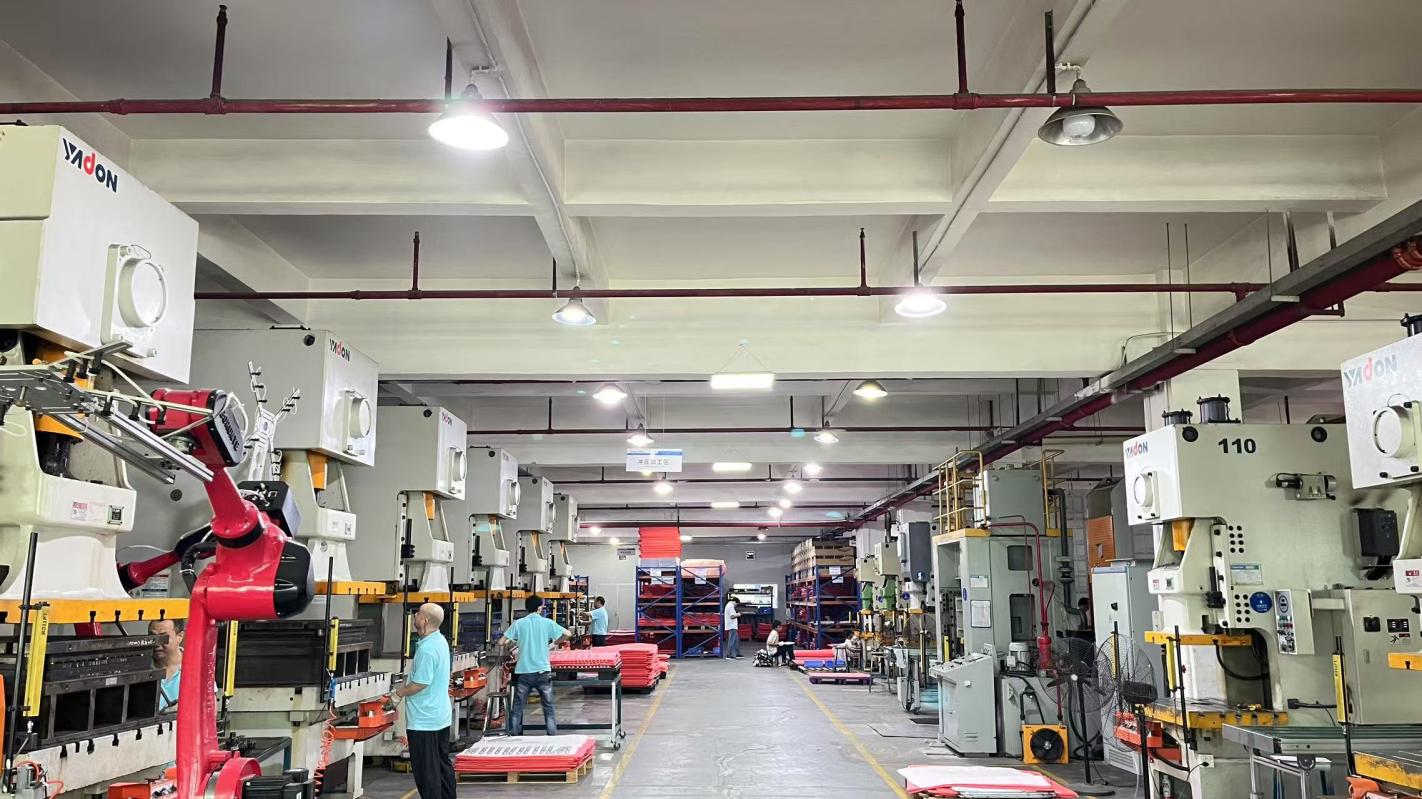
Our manufacturing facility covers 368 square meters and is equipped with advanced production and testing equipment to ensure stable quality and reliable performance. With an annual export revenue of over USD 18 million, Xeviora serves customers across North America, Europe, Southeast Asia, the Middle East, and South America.
Backed by 8 years of export experience and 12 years of industry expertise, we are committed to delivering innovative memory products and complex PCBA hardware that meet international quality standards. Because video capture cards are fundamentally high-speed PCB assemblies embedded with high-density RAM buffers, our deep expertise in high-frequency DDR5 memory, complex multilayer PCB layout, and passive heat sink design allows us to manufacture highly reliable capturing hardware.
Our quality management system includes comprehensive incoming material inspection, in-process quality control, and final product testing. All products undergo automated functional testing, compatibility verification, performance validation, and aging tests before shipment. Our quality assurance team consists of 46 dedicated inspectors who ensure every module and capture board meets strict reliability requirements.
As a manufacturer with strong OEM and ODM capabilities, Xeviora works closely with more than 850 supply chain partners worldwide, enabling efficient sourcing, flexible production, and fast delivery. Our primary customers include wholesalers, distributors, e-commerce sellers, system builders, brand owners, and enterprise solution providers.
Innovation is at the core of our business. Supported by an experienced R&D team of 128 engineers, we continuously invest in new technologies and product development. Last year alone, we successfully launched 86 new memory and hardware products covering DDR5 gaming memory, industrial-grade memory modules, server memory solutions, and customized storage products.
We offer flexible customization services, including private labeling, logo printing, packaging design, specification customization, firmware optimization, and complete OEM/ODM development. Whether customers require standard memory modules, custom PCBA assemblies, or fully customized capture solutions, our team is dedicated to providing reliable products, competitive pricing, and professional technical support.
Sourcing digital video capture cards globally requires compliance with regional safety, electromagnetic interference (EMI), and environmental laws. Our manufacturing operations strictly adhere to:
As we look to the future, video capture technology is aligning with the broader paradigms of artificial intelligence, high-speed interconnects, and decentralized workflows. Our R&D efforts are focused on the following breakthrough fields:
Q: What is the advantage of using high-speed RAM buffers in video capture cards?
A: High-speed RAM buffers, like DDR4 or DDR5, act as an emergency cache between the incoming high-bandwidth video decoder and the host system's bus (USB/PCIe). During peak CPU loads or bus congestion, the RAM buffer stores incoming frames, preventing frame drops and ensuring smooth, lossless recording.
Q: How does Xeviora ensure the reliability of its SMT and PCBA processes?
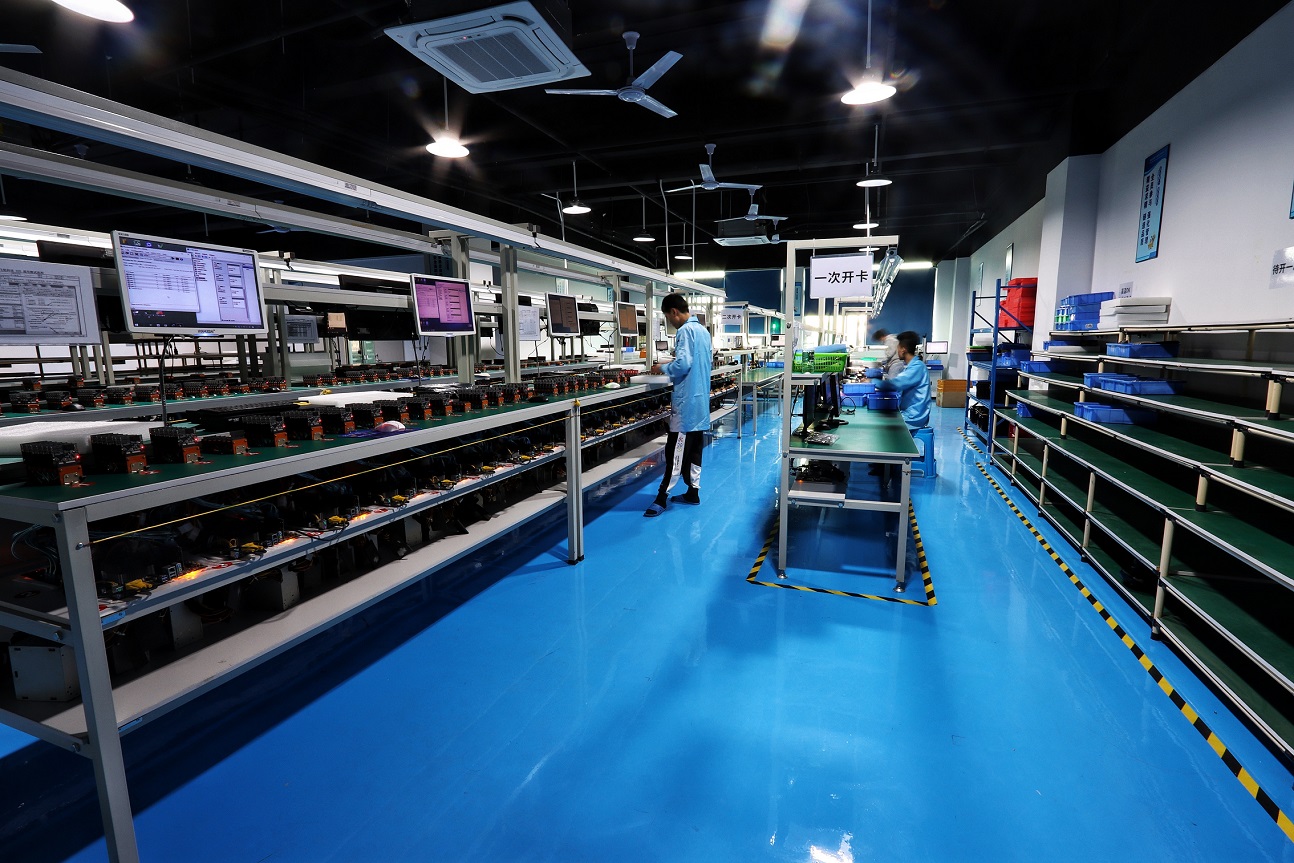
A: Xeviora implements multi-stage inspection including automated 3D SPI (Solder Paste Inspection), AOI (Automated Optical Inspection), and real-time X-ray inspections on multilayer PCBs. Every batch of capture card assemblies goes through continuous high-temperature aging tests to secure 24/7 industrial-grade reliability.
Q: What is the difference between UVC (USB Video Class) and PCIe-based capture cards?
A: UVC capture cards use standard, driver-free USB protocols, making them highly portable and widely compatible. PCIe capture cards, on the other hand, plug directly into the motherboard's PCIe slots, offering superior bandwidth, direct memory access (DMA), much lower latency (sub-5ms), and multi-channel expandability.
Q: Can you customize capture card firmware for proprietary software integrations?
A: Yes. Through our strong OEM/ODM capabilities and our dedicated team of 128 R&D engineers, we provide custom firmware development, including EDID profile tuning, vendor-specific USB identifier injection, and customized driver setups for specialized medical or industrial software.
Q: Why is thermal design critical for 4K video capture cards?
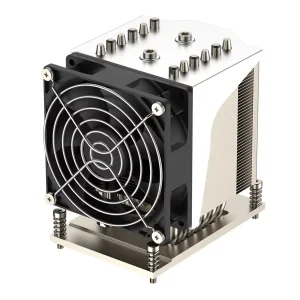
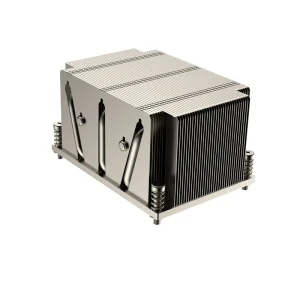
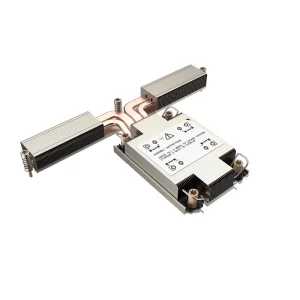
A: High-definition capture chips generate substantial heat during video decoding and color space conversion. Without passive aluminum heatsinks, heatpipes, or active cooling fans, the chip temperature can rise rapidly, triggering thermal throttling which results in stuttering, dropped frames, or hardware failure.
High-quality PCB processing, server RAM kits, and passive cooling fins built to empower enterprise video capture environments.
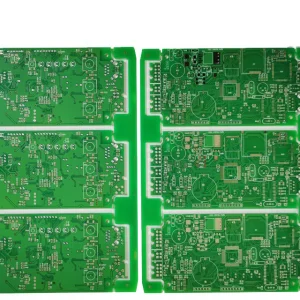
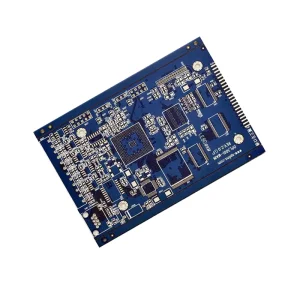
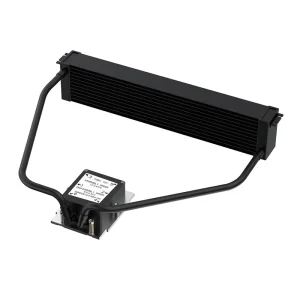
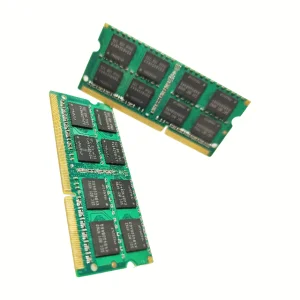
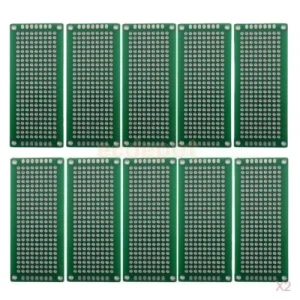
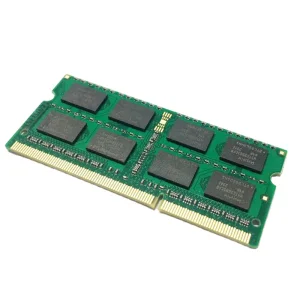
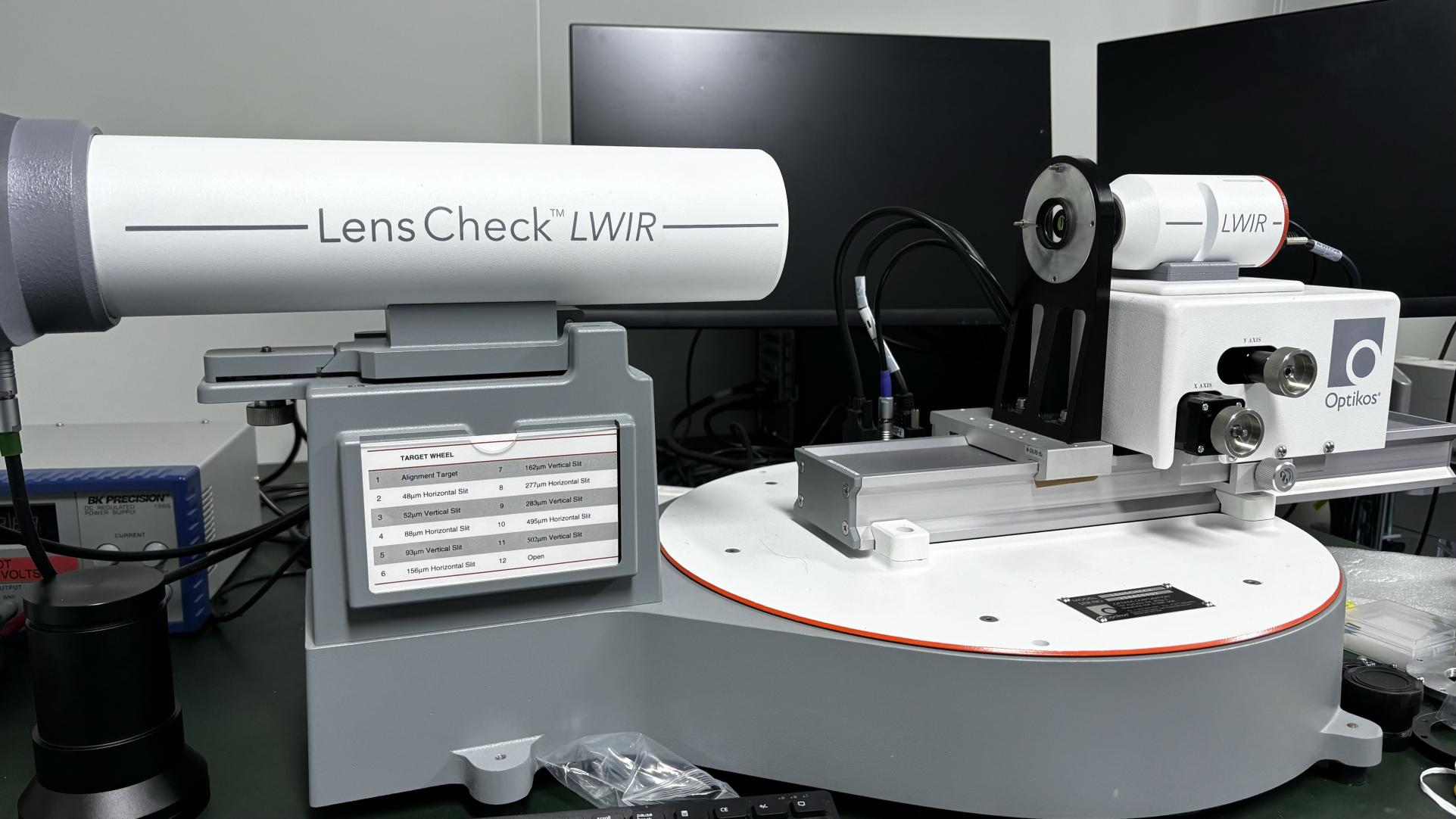
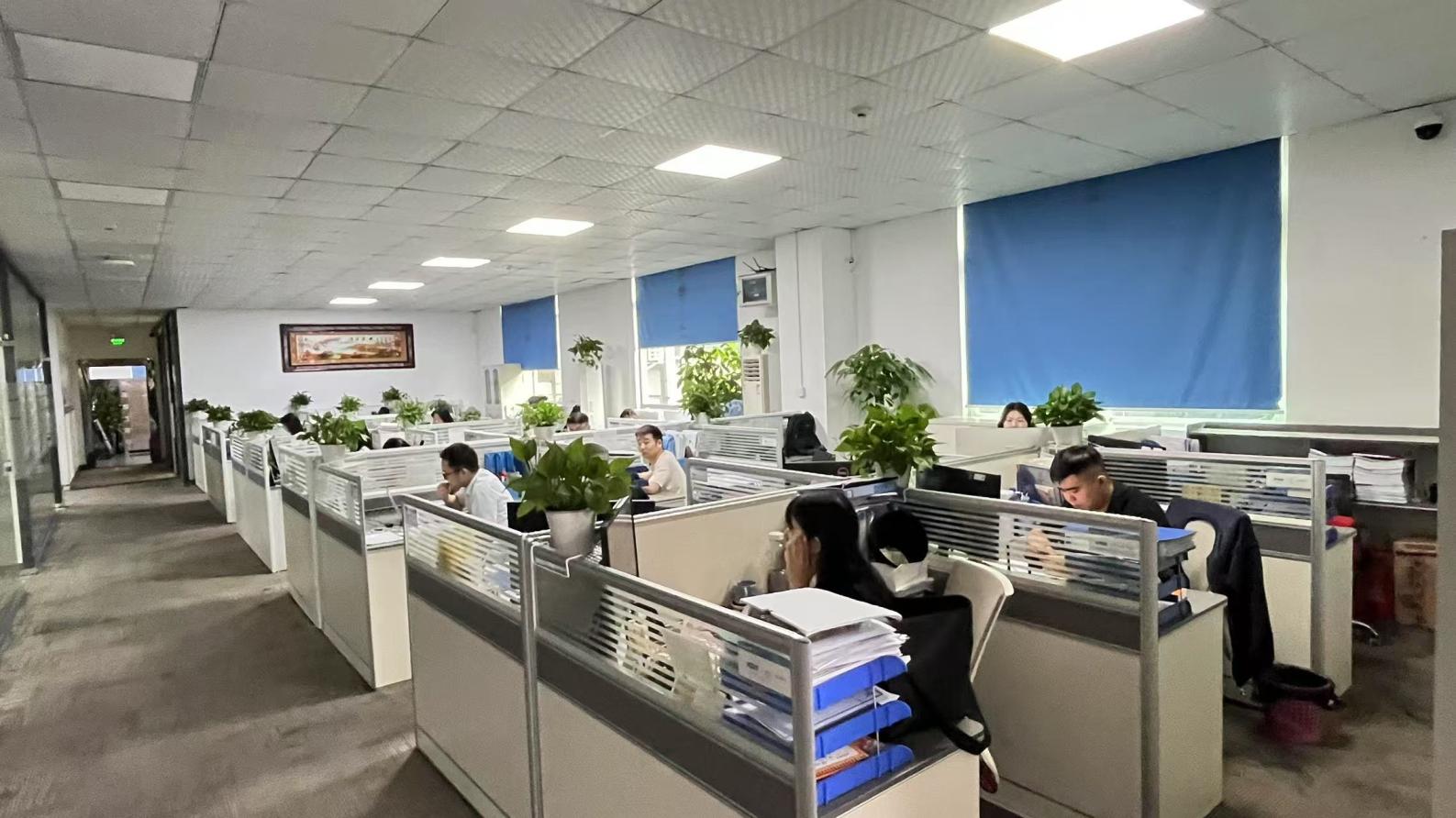
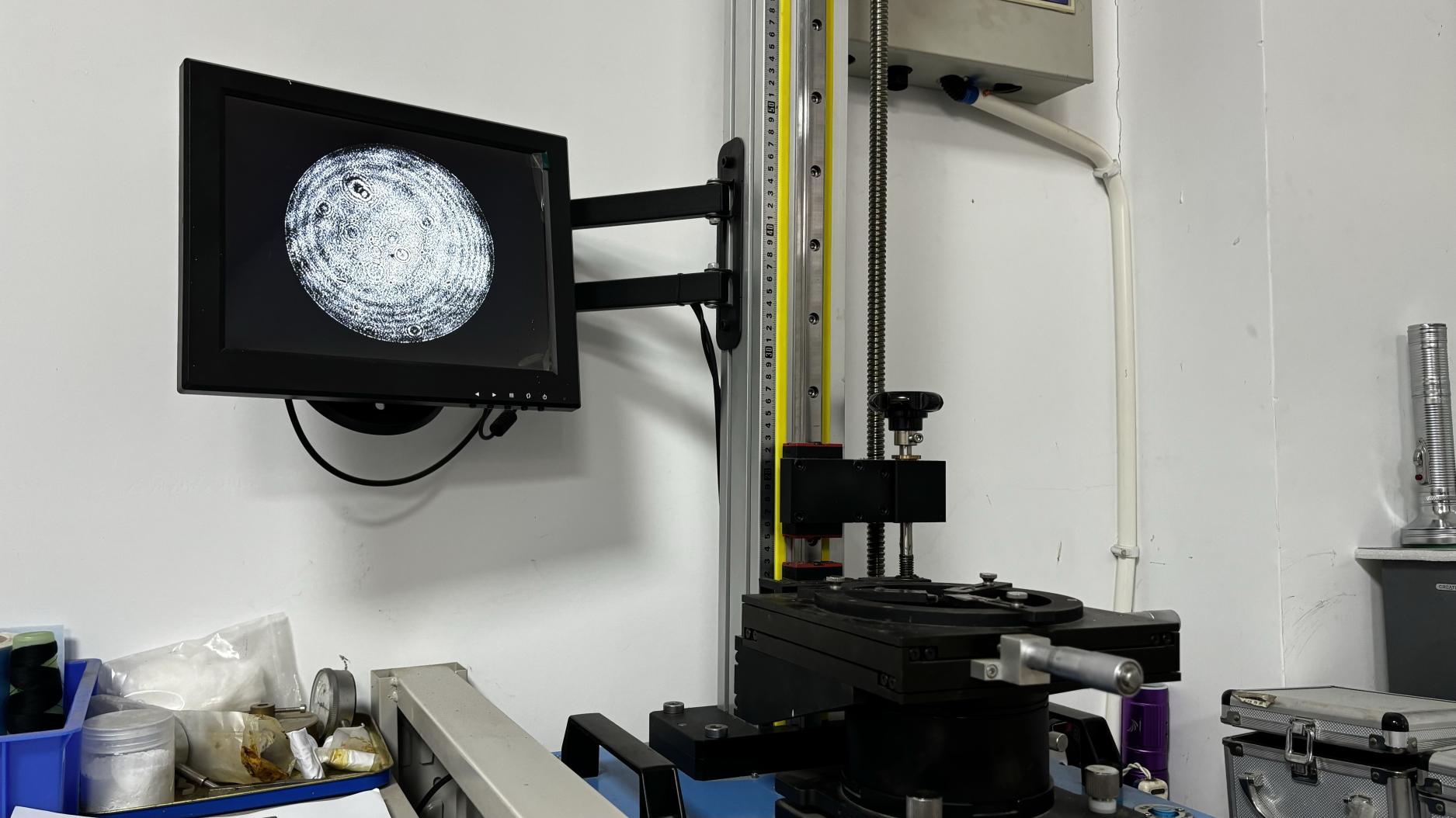
Direct view into our ISO-certified factory workshops, testing systems, and high-frequency precision lines.