Xeviora
Xeviora
Xeviora
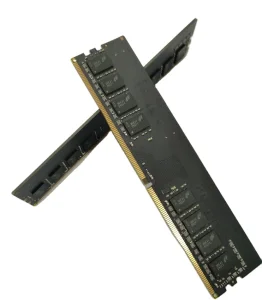
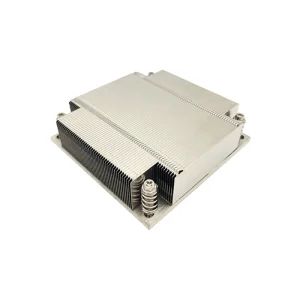
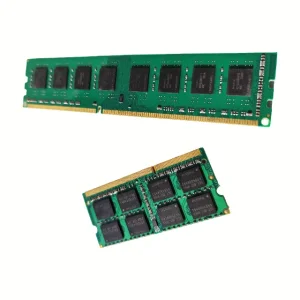
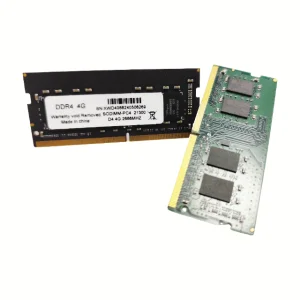
Explore our premium selection of industrial PCBs, performance memory modules, and advanced thermal systems engineered for next-generation computing hardware.
An authoritative analysis of the global tablet hardware ecosystem, manufacturing benchmarks, and technological advancements driving modern enterprise productivity.
The global tablet market has evolved beyond simple media consumption devices into high-efficiency mobile computing systems. This transition has reshaped the demands for corresponding accessories and their foundational components. The modern market classifies Tablet Accessories not merely as protective sleeves or mechanical stands, but as integrated functional peripherals including active digitizers, ultra-thin mechanical and membrane smart keyboards, thermal management docks, and high-speed multi-port hub solutions.
As operating systems like iPadOS, Windows 11 on ARM, and customized Android environments become increasingly productivity-focused, the internal electronics of tablet docking peripherals require rigorous, server-grade design standards. Devices like smart keyboards rely heavily on complex Flexible Printed Circuits (FPCs) and high-performance multilayer PCBs. These modules process high-density, low-latency keystroke signals while operating under highly restrictive power consumption envelopes. Concurrently, external accessories such as high-performance graphics docks, specialized expansion docks, and storage accessories depend on robust memory solutions and thermal dissipation structures to maintain sustained peak workloads.
China's manufacturing sector acts as the primary driver for these advancements. With mature cluster ecosystems situated across Shenzhen, Dongguan, and Suzhou, factories in China provide unmatched integration of raw material sourcing, automated SMT lines, and specialized technical expertise. This concentration of capabilities ensures that global B2B procurement professionals can acquire high-quality, customized hardware assemblies with optimized lead times.
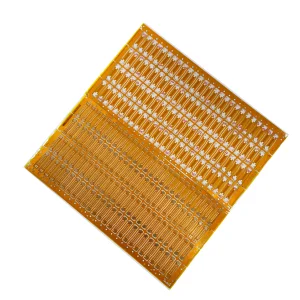
Tablet accessories require high reliability and compact dimensions. Traditional circuit board architectures cannot support the ultra-thin form factors required by modern tablet keyboard cases. To meet this challenge, leading manufacturers utilize Flexible Printed Circuits (FPCs) constructed from polyimide substrate films. These FPC keyboards integrate multilayer interconnects (1-layer and 2-layer configurations) to offer consistent electrical properties, minimal thermal expansion, and resilient mechanical flexibility.
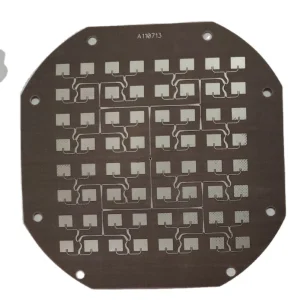
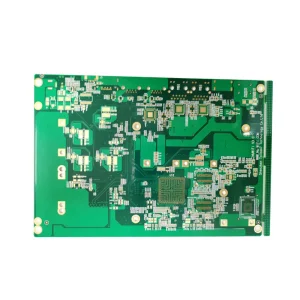
For premium active stylus systems and keyboard attachments, signal stability is critical. Implementing high-frequency, double-sided, and 4-layer FR4 boards (such as the industry-standard KB6160 substrates) ensures impedance control and minimal electromagnetic interference. Advanced surface finish treatments, including Electroless Nickel Immersion Gold (ENIG), prevent corrosion and ensure reliable micro-soldering connections, guaranteeing structural integrity through repeated folding and bending cycles.
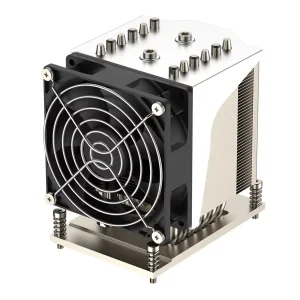
When tablets are docked to function as workstation replacements, thermal throttling presents a significant engineering bottleneck. Ultra-thin mobile chassis designs restrict natural convection cooling. Consequently, high-performance tablet accessory systems incorporate dedicated copper heat sinks and active cooling solutions.
Utilizing metal-backed PCB substrates (aluminum or copper core) allows accessory enclosures to serve as massive heat sinks. These substrates rapidly conduct heat away from components like voltage regulators and charging controllers, preventing system overheating and extending device lifespan. For enterprise applications and POS mounting stations, cooling components optimized for server-like continuous operation ensure consistent peak-frequency operation.
Leading-edge memory manufacturing and supply chain integration serving global computing and smart hardware industries.
Established in 2017, Xeviora Memory Technology (China) Co., Ltd. is a specialized manufacturer and supplier of DDR5 and DDR4 memory solutions, customized PCBs, and performance cooling modules. With 12 years of industry experience and 8 years of export history, we provide advanced hardware engineering to system integrators, global distributors, and OEM/ODM brands.
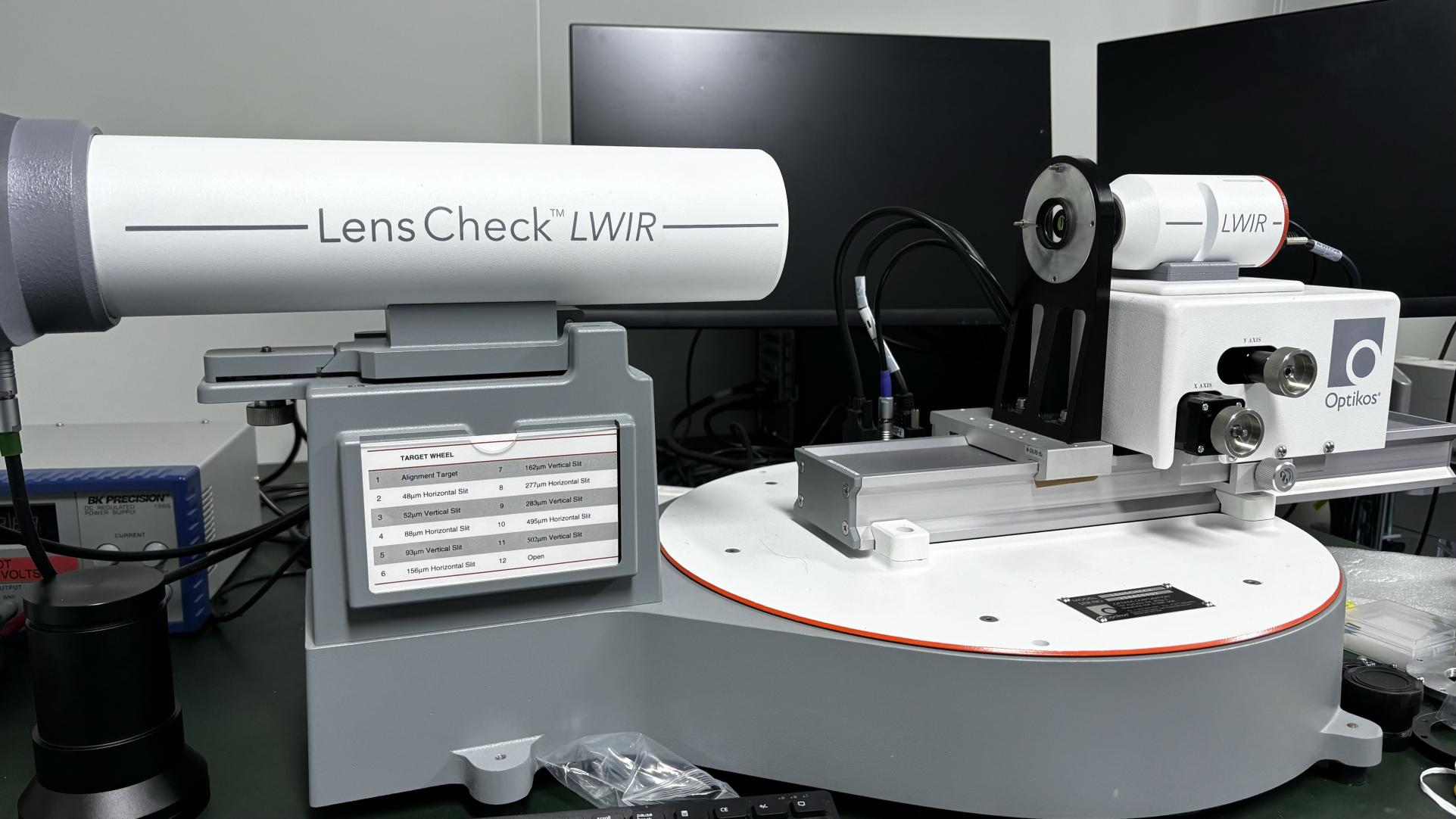
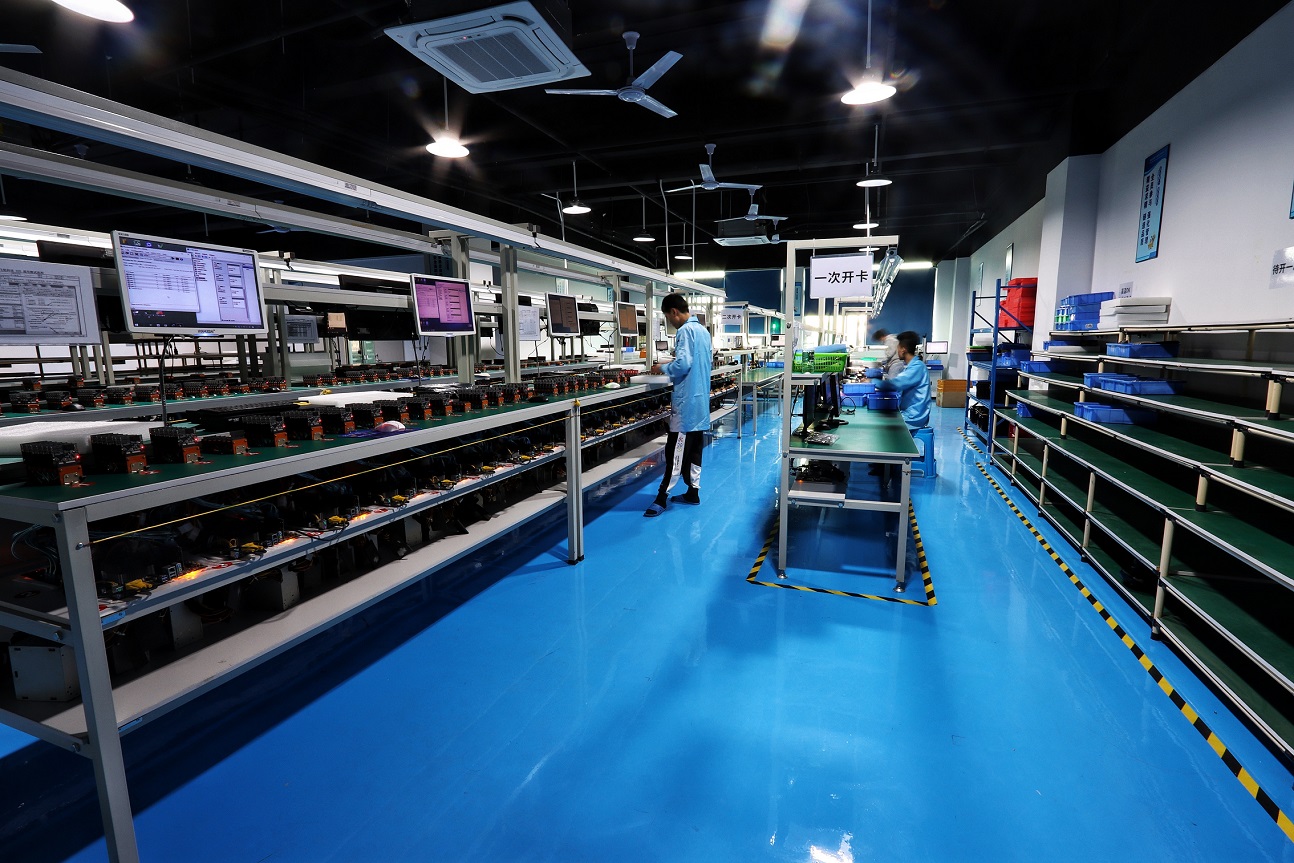
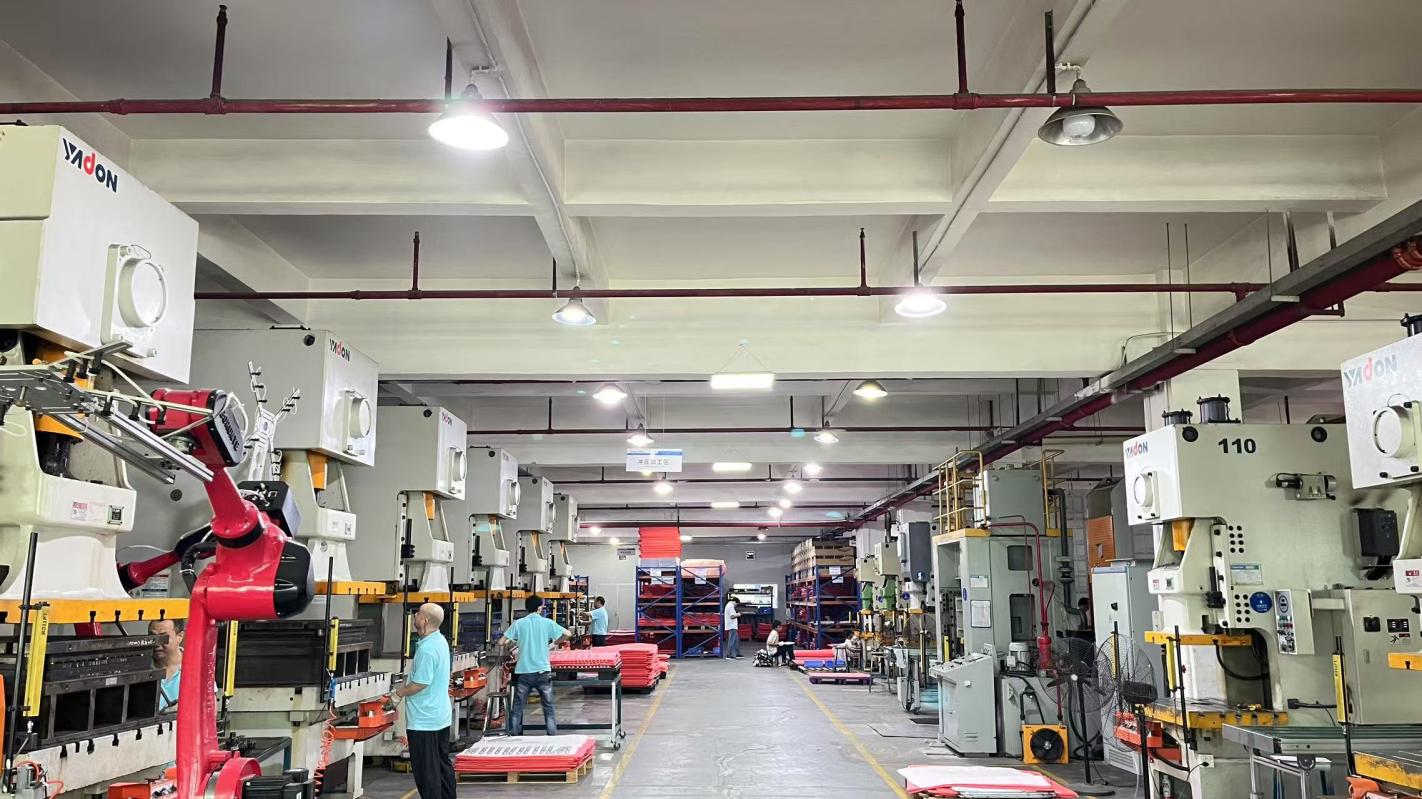
Our manufacturing infrastructure includes advanced surface mount technology (SMT) lines and a comprehensive testing suite, ensuring consistent performance for industrial, enterprise, and consumer electronics. Operating with an annual export revenue exceeding USD 18 million, our supply footprint spans across North America, Europe, Southeast Asia, the Middle East, and South America.
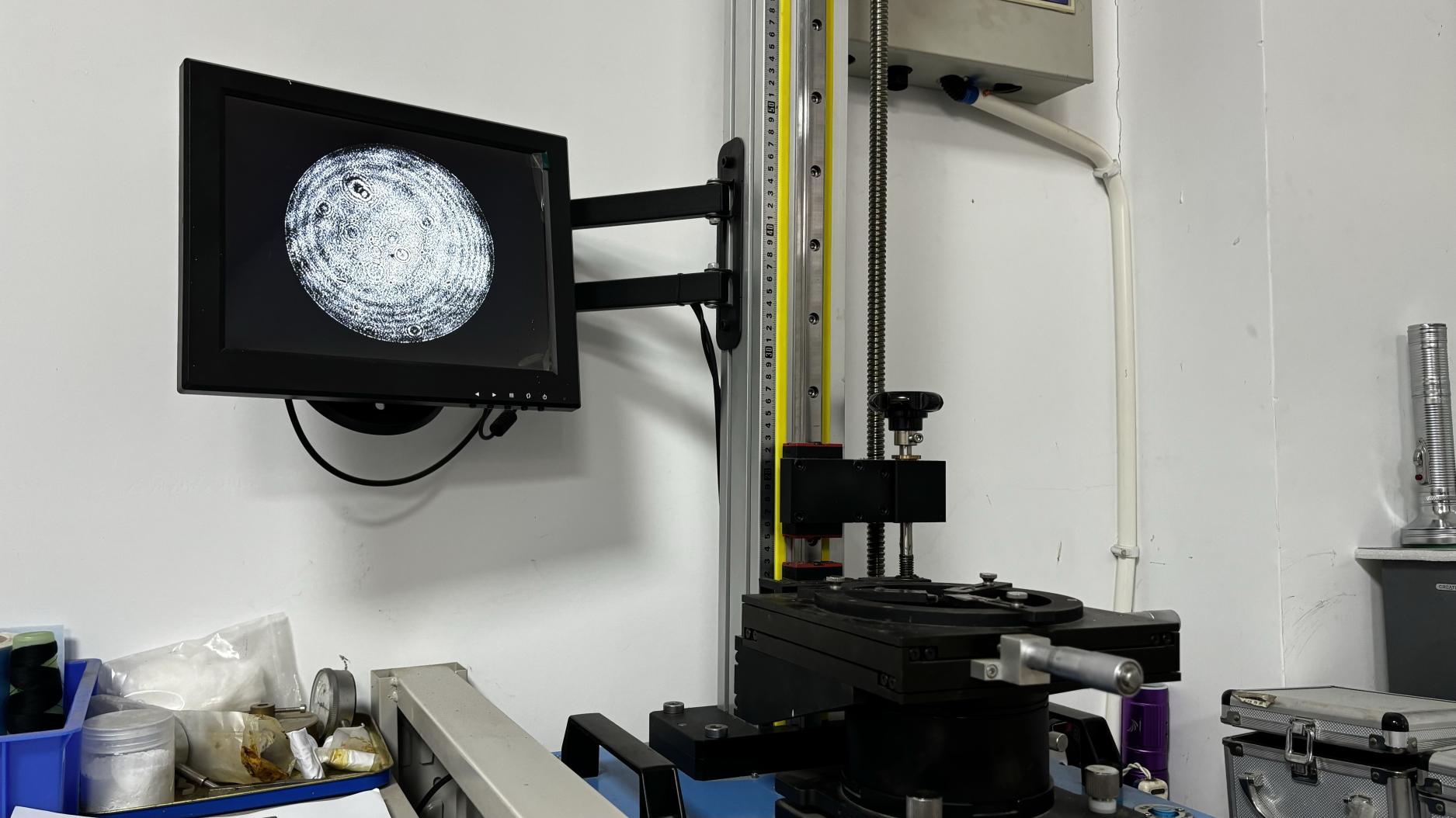
Our quality management workflow integrates incoming material inspection, in-process checking (IPQC), and final automated functional testing. Supported by 46 quality control inspectors, all memory modules undergo automated compatibility verification, performance stress-testing, and high-temperature burn-in protocols.
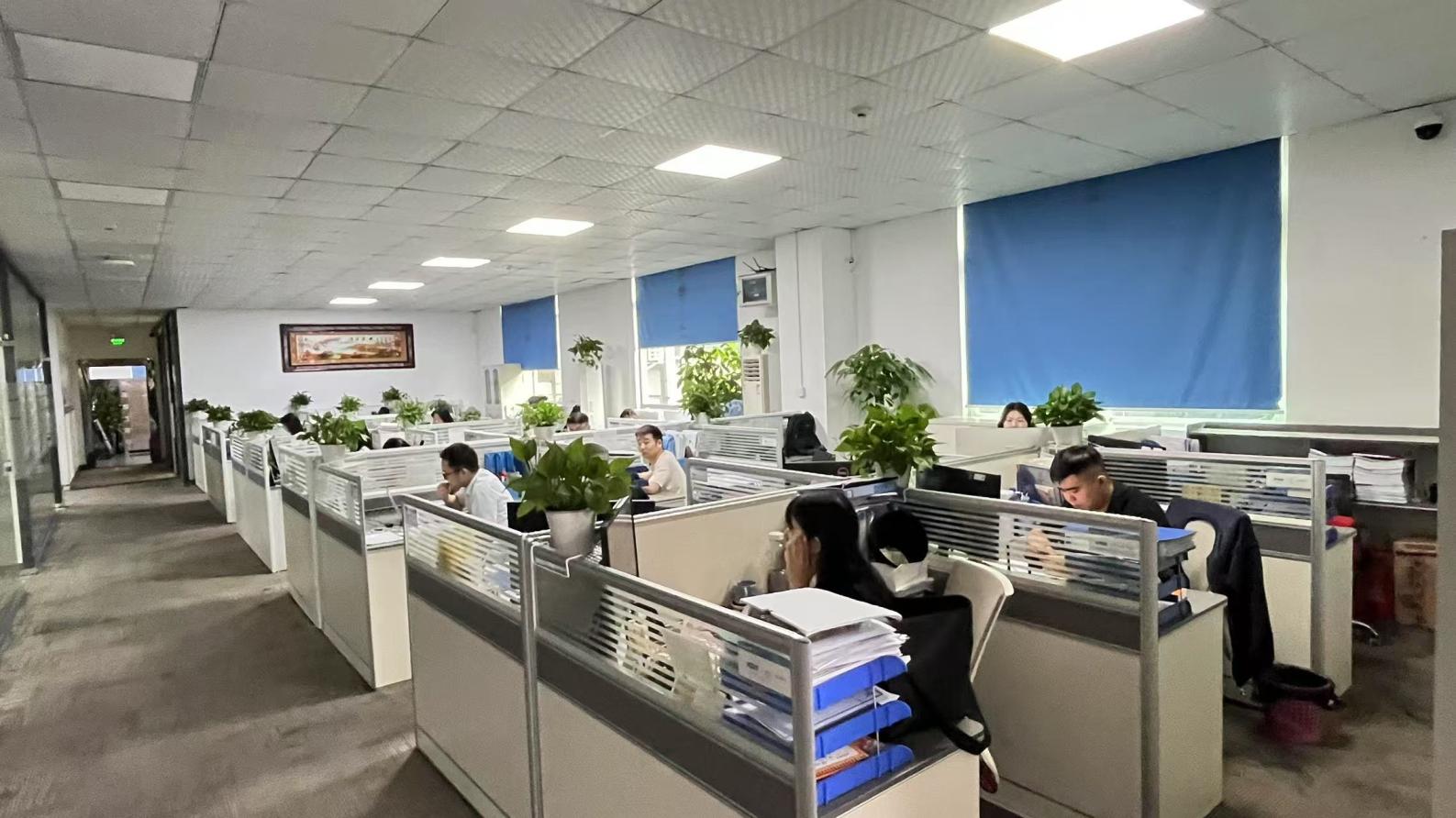
Our engineering team of 128 specialists delivers custom PCB layout development, mechanical cooling solutions, customized memory module configurations, and firmware optimization. Last year, Xeviora launched 86 new memory and electronic component products, validating our commitment to product development and innovation.
Through robust collaboration with over 850 vetted supply chain partners worldwide, we secure raw electronic components and high-purity laminates at competitive pricing, ensuring reliable lead times for volume manufacturing runs and custom projects.
We provide comprehensive customization services, including private labeling, logo screen printing, custom retail packaging, spec-tailoring, and full turn-key PCB/FPC assembly projects. Whether you are scaling an existing product line or developing a custom hardware platform, our team delivers reliable manufacturing, competitive pricing, and direct technical support.
How custom PCB components and high-capacity RAM modules integrate into specialized vertical application fields.
Rugged tablet PCs deployed in oilfields, heavy manufacturing yards, and geological survey teams operate under extreme temperatures and physical vibrations. These devices rely on Industrial-grade Memory Modules featuring wide-temperature ranges (-40°C to 85°C) and robust PCB chassis. Integrating custom 4-layer and 6-layer high-frequency circuit boards, alongside aluminum core substrates, enables these devices to withstand continuous shock, vibration, and thermal fluctuations without signal degradation.
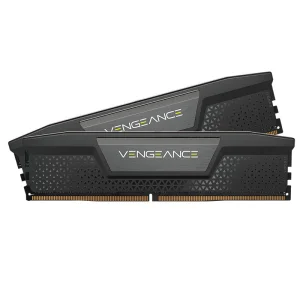
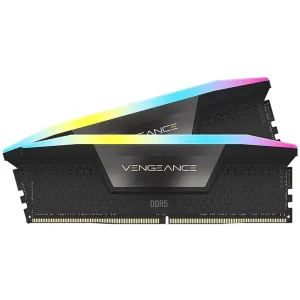
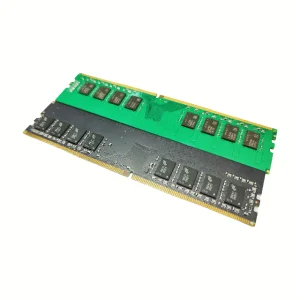
The integration of Generative AI capabilities into tablet interfaces requires high memory bandwidth. Devices utilized by digital illustrators, CAD engineers, and mobile video editors benefit directly from DDR5 High-Frequency Memory Bars (operating from 5200MHz up to 6800MHz). These modules offer faster data transfer rates, lowering render times and improving overall system response. Additionally, custom PCB-based thermal management assemblies keep high-performance memory modules operating within optimal temperature limits.
In commercial retail setups, tablets serve as central POS terminals, requiring 24/7 uptime. Custom-engineered mainboards, flexible keyboard linkages, and copper heatsink cooling assemblies prevent thermal runaway, ensuring stable operation. These components allow terminals to handle continuous card processing, inventory updates, and peripheral data transfers without interruption.
Addressing technical inquiries, customization capabilities, and compliance standards for global B2B procurement managers.
Browse our high-durability DDR4 modules, server cooling solutions, and industrial-grade PCB designs.