Industrial & Enterprise Grade Performance

China Best Memory Modules Manufacturers & Supplier

Leading China's Memory Architecture Innovation

Decades of combined engineering intelligence, state-of-the-art packaging integration, and strict quality gates define Xeviora Memory Technology.

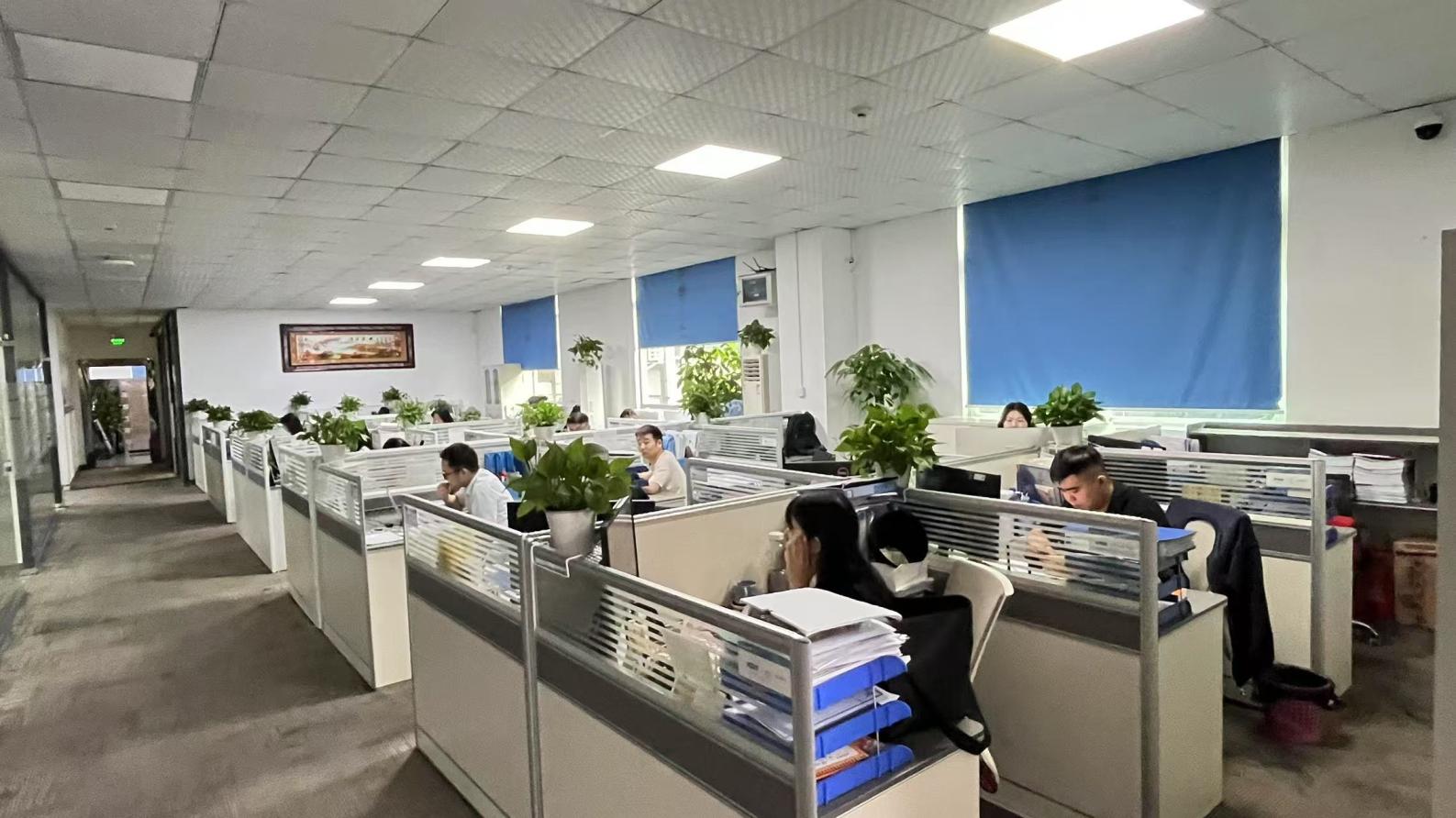
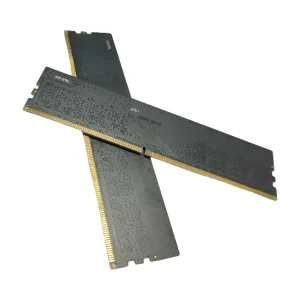
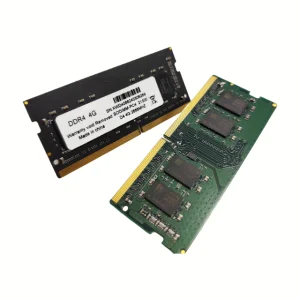
Xeviora Memory Technology (China) Co., Ltd. is a distinguished DDR5 and DDR4 memory manufacturer and supplier based in China's high-tech semiconductor corridor. We specialize in engineering and manufacturing high-performance RAM solutions tailored specifically for extreme gaming, enterprise datacenters, mission-critical industrial automation, and high-density consumer computing platforms. Established in 2017, our corporate foundation is built on 12 years of core industry expertise and 8 years of seamless global export operation, transforming us into a premier OEM/ODM manufacturer for tier-one global distributors, system integrators, and custom computer brands.
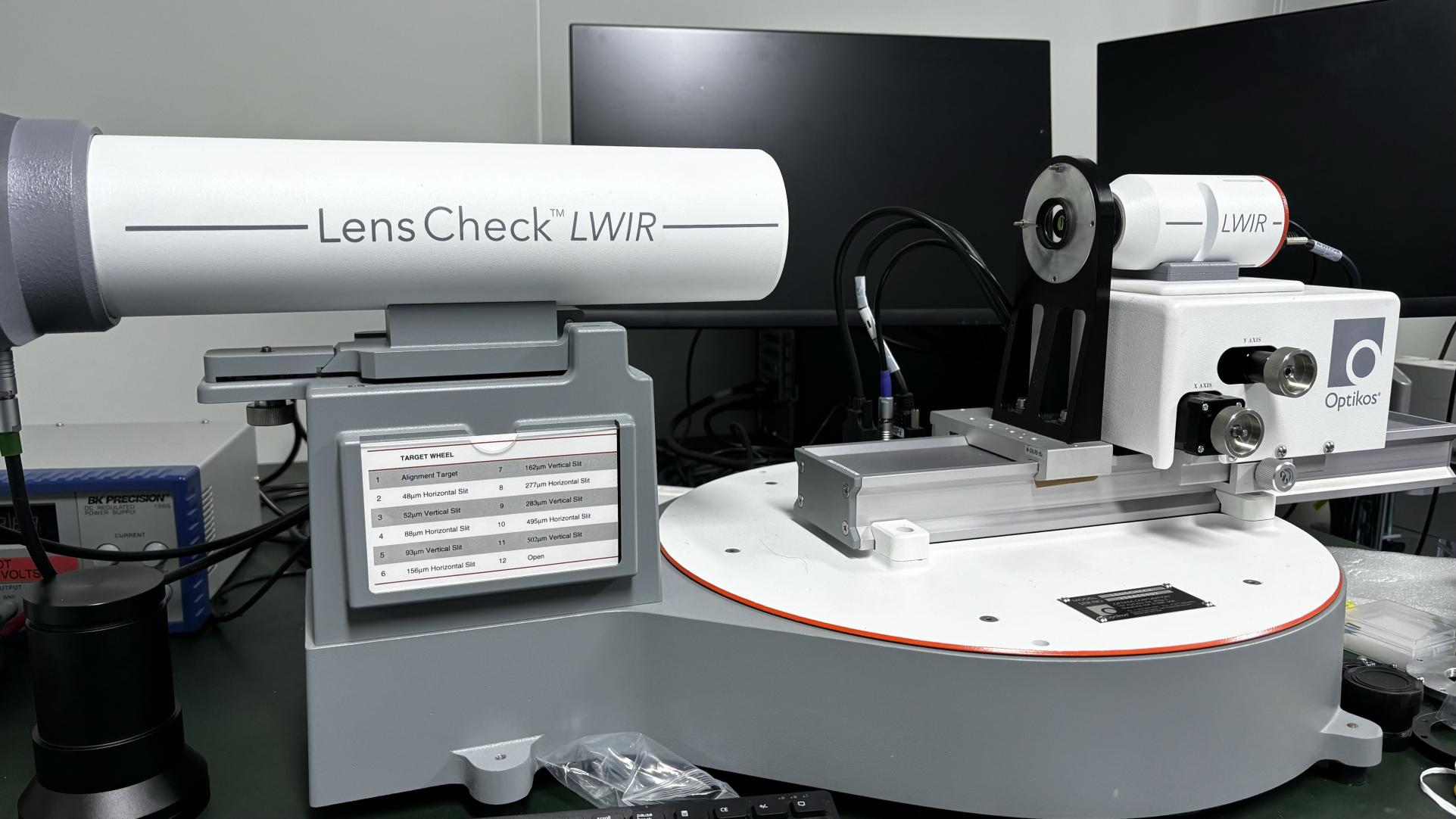
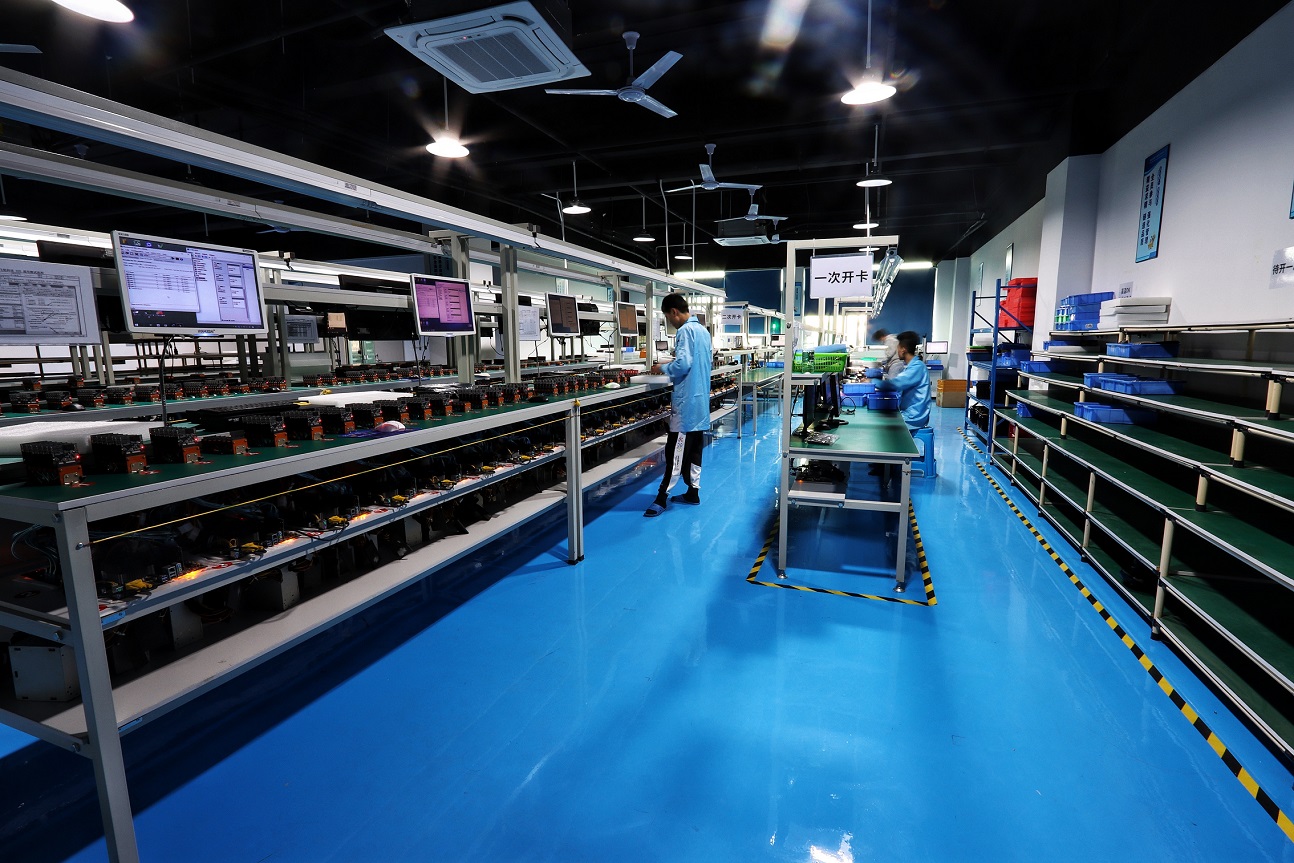
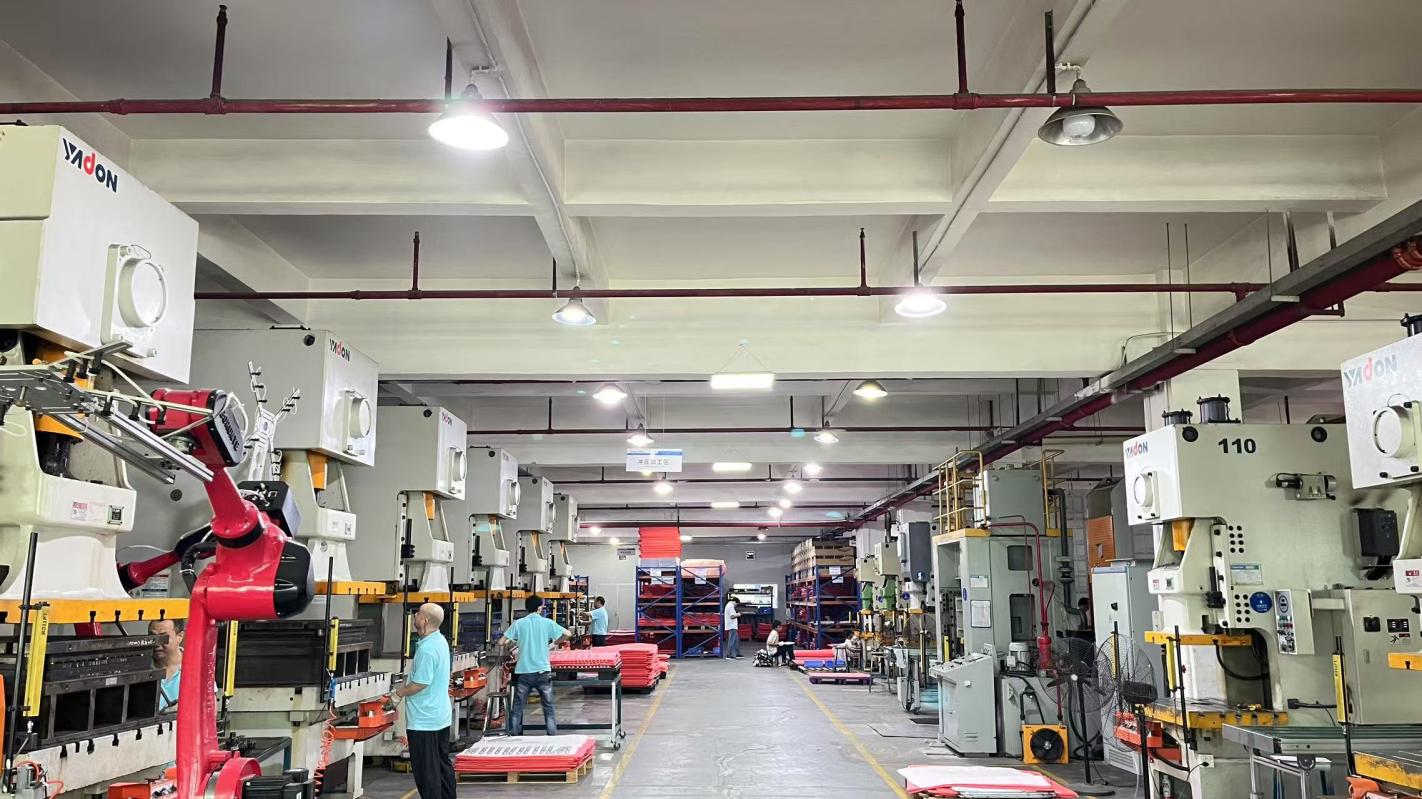
Operating from our highly specialized, ultra-clean final assembly and testing facility spanning 368 square meters, we execute advanced validation protocols. We work in tandem with a robust network of over 850 supply chain partners worldwide, allowing us to achieve unprecedented scalability, optimized component sourcing, and rapid deployment. With an annual export volume exceeding USD 18 million, our products empower computing infrastructures across North America, Europe, Southeast Asia, the Middle East, and South America.
12+
Years Industry Tech
850+
Supply Chain Partners
128
R&D Engineers
$18M+
Annual Export Revenue

The Global Memory Module Landscape & China's Supply Chain Edge

Unpacking the structural shifts from DDR4 to DDR5, the impact of AI servers, and the economic efficiency of Chinese manufacturing hubs.

The global semiconductor memory market is undergoing its most significant transition in a decade. As artificial intelligence (AI), edge computing, and big data applications scale exponentially, the demand for higher bandwidth, lower latency, and energy-efficient memory subsystems has skyrocketed. DDR5 SDRAM has quickly moved from a premium niche to the standard architecture for modern enterprise servers and mainstream client platforms.
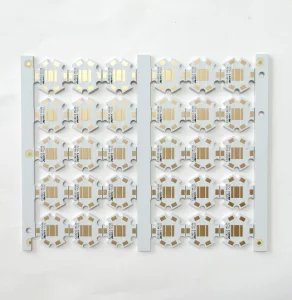
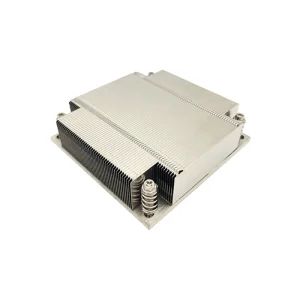
Historically, DRAM production has been concentrated around major silicon wafer foundries. However, the critical process of module assembly, fine-tuning, firmware optimization, and high-frequency signal testing takes place within specialized ecosystems where manufacturing agility dictates competitiveness. This is where China's manufacturing efficiency shines. By utilizing localized industrial clustering, Chinese manufacturers can source premium multi-layer PCBs, advanced power management ICs (PMICs), and thermal dissipation solutions (such as extruded aluminum and copper server heatsinks) in close physical proximity, drastically shortening lead times.
Xeviora leverages these unique regional cluster dynamics. By integrating our specialized, cleanroom assembly operations with over 850 industry partners, we ensure that every batch of DDR4 and DDR5 memory modules benefits from top-tier component availability, competitive pricing structures, and highly specialized labor.

Advanced Die Sorting & Binning

We source high-integrity, original DRAM dies, applying strict parameters to select only those chips capable of meeting peak operational frequencies.

Signal Integrity & Crosstalk Shielding

Custom multi-layer PCB design ensures minimized signal interference and optimal impedance matching for high-speed DDR5 buses.

Shortened Time-to-Market (TTM)

Our localized supply chain enables custom firmware adjustments and packaging design turnarounds in days rather than weeks.

Rigorous Testing Protocols & Enterprise Customization

How Xeviora guarantees component reliability, long-term stability (MTBF), and flexible OEM/ODM integration.

Reliability is the single most critical factor in memory module purchasing. A single bit-flip error in a server environment can cause system crashes, data corruption, and catastrophic downtime. Xeviora addresses this challenge by employing a rigorous quality management system containing 46 dedicated quality inspectors.
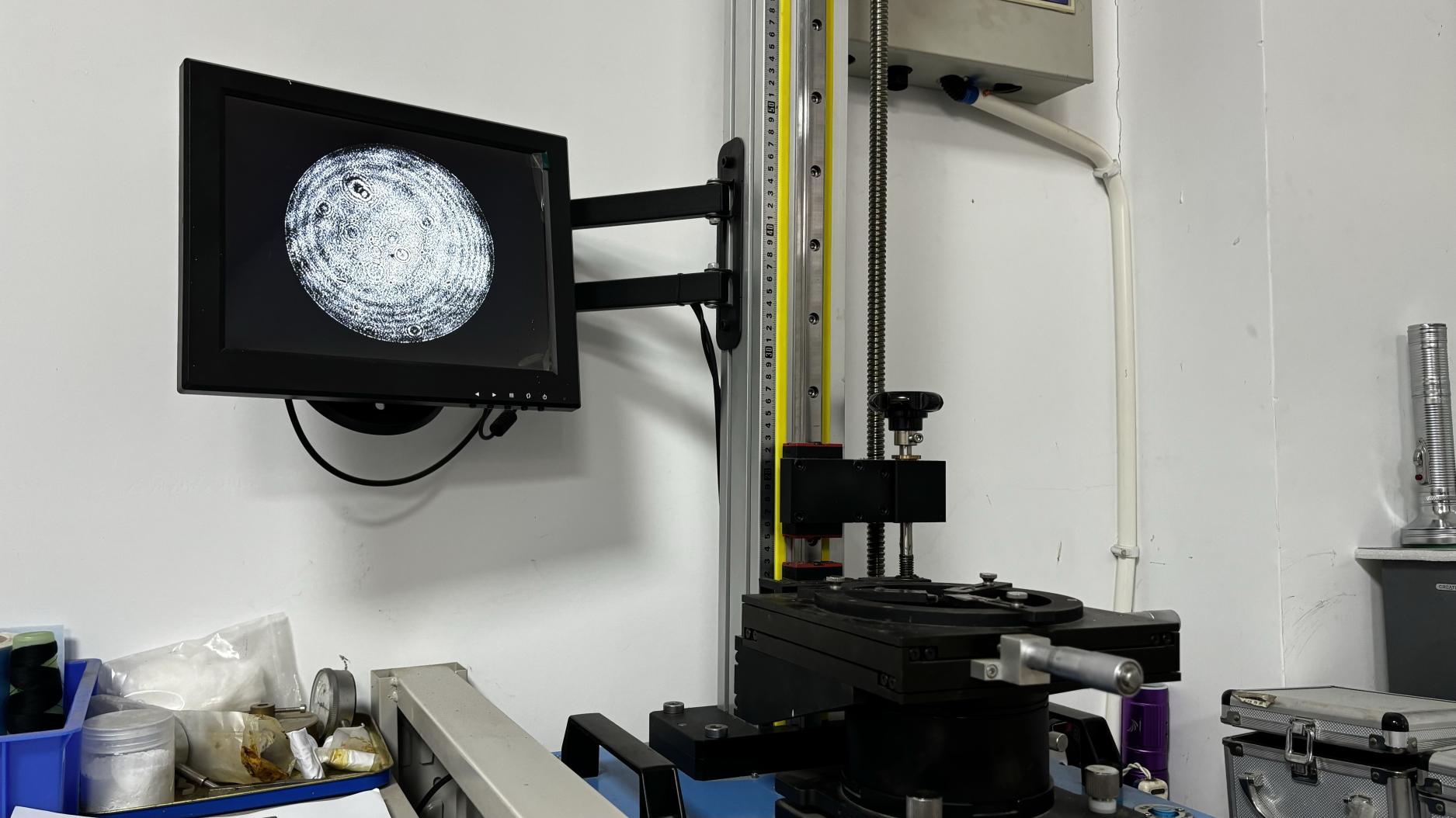
Our verification system begins with strict Incoming Quality Control (IQC), where we inspect raw DRAM chips, PCBs, and passive components. During production, In-Process Quality Control (IPQC) teams monitor automatic optical inspection (AOI) data from SMT assembly lines to catch any soldering defects. Finally, every completed module is subjected to strict Outgoing Quality Control (OQC).
Testing Stage Methodology & Parameters Target Output / Assurance Metrics
Pre-assembly Sifting Thermal and electrical stress binning of raw DRAM wafers. Identification of optimal clock rate compatibility.
SMT Inspection 3D Automated Optical Inspection (AOI) & X-Ray solder profiling. Zero cold-joint solder defects, absolute component alignment.
Functional Testing Motherboard compatibility cross-testing (Intel Core/Xeon, AMD Ryzen/EPYC). Flawless boot sequence, native SPD profiling detection.
Environmental Stress Thermal chamber testing (ranging from 0°C to 85°C for standard modules). Industrial integrity validation, prevention of early failure.
Custom SPD/PMIC Programming On-board firmware writing, customization of timing registers (CL-tRCD-tRP-tRAS). XMP 3.0 / EXPO compatibility, specialized voltage tuning.
For companies looking to launch proprietary memory lines, we provide comprehensive OEM and ODM support. Our customization options are extensive, covering everything from high-performance heatsinks and RGB diffuser bars to customized PCB layouts, customized SPD parameters, and tailored packaging. Our R&D team of 128 engineers launched 86 new products last year alone, demonstrating our commitment to keeping our clients at the forefront of memory technology.

Engineered for Modern Enterprise & Computing Scenarios

From demanding server infrastructure to edge-computing hardware, Xeviora modules are engineered for stability.

High-Density Datacenters

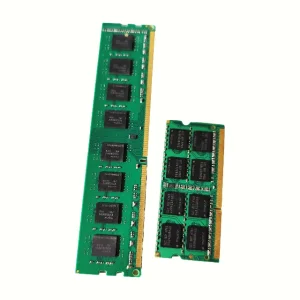
Our DDR4 and DDR5 ECC RDIMMs deliver the high capacity and error-correcting capabilities necessary for cloud computing and enterprise servers.

Industrial PCs & Edge Terminals

For factories and outdoor edge devices, we manufacture memory modules that withstand temperature variations, vibration, and dust.

Gaming Systems & Overclocking PCs

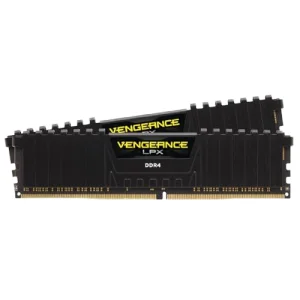
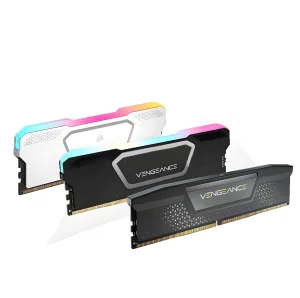
Low-latency DDR5 modules with integrated RGB lighting and custom heatsinks provide the speed and aesthetics gamers expect.

Medical & Medical Imaging Computing

Extremely reliable workstations rely on our memory modules to run continuous diagnostic imaging tasks without data loss.

The Next Era of Memory Architecture: DDR5, CXL, and Beyond

Our engineering team analyzes the structural advantages of next-generation RAM standards.

As the market transitions from DDR4 to DDR5, several significant architectural changes occur. In older DDR4 designs, voltage regulation was managed by the motherboard. With DDR5, power management moves directly onto the memory module itself via a Power Management Integrated Circuit (PMIC). This shift allows for cleaner power distribution, less signal noise, and greater efficiency, bringing the operational voltage down to 1.1V from DDR4's standard 1.2V.
Furthermore, DDR5 splits the standard 64-bit data bus into two independent 32-bit subchannels (excluding ECC bits). This dual-subchannel architecture significantly improves data access efficiency and memory bus utilization, making it ideal for multi-core processors. As we look to the future, emerging interface standards like CXL (Compute Express Link) and new form factors like CAMM2 will continue to reshape system memory design. Xeviora is actively investing R&D resources into these areas to keep our partners ahead of the curve.

Frequently Asked Questions

Technical details on memory modules, customization, and factory operations.

What is the main difference between DDR4 and DDR5 memory modules?

DDR5 features an on-board Power Management IC (PMIC) and On-Die ECC for improved reliability. It also operates at a lower voltage (1.1V compared to DDR4's 1.2V) and utilizes dual 32-bit subchannels to double the data rate and improve bus efficiency.

How does Xeviora ensure motherboard and system compatibility?

Every memory batch undergoes functional validation on a wide array of server and consumer motherboards from brands like Intel, AMD, ASUS, and Gigabyte. We adjust the SPD profiles to match diverse BIOS and UEFI settings.

What OEM/ODM customization services do you provide?

We offer full-service customization, including private labeling, logo printing, custom packaging, heatsink design, and SPD firmware adjustments to configure specific timings, frequencies, and voltages.

How does the 368 square meter facility handle massive volume orders?

Our facility functions as a high-density, ultra-clean assembly, testing, and final quality control laboratory. We collaborate with 850+ industrial partners to handle massive raw wafer processing and PCB manufacturing, keeping our core operations focused on testing, validation, and final assembly.

Do you support industrial-grade wide temperature specifications?

Yes, our industrial-grade DRAM modules undergo specialized thermal binning and burn-in testing to guarantee reliable, long-term operation within standard industrial operating temperature ranges.

What is the standard lead time for bulk orders?

Standard OEM/ODM orders are typically delivered within 7 to 15 working days, depending on component availability and customization requirements. Our logistics network ensures quick shipment from our China hub.

Inside Xeviora Production & Testing Facilities

Our automated production environments, cleanroom facilities, and testing stations.