Xeviora
Xeviora
Xeviora
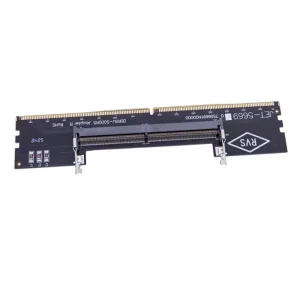
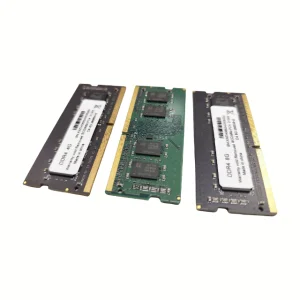
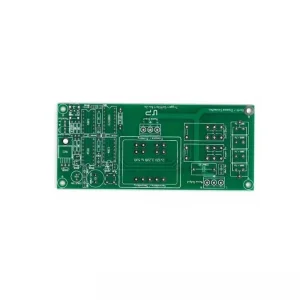
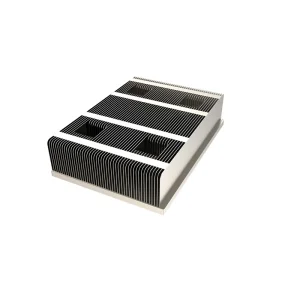
Explore our leading industrial RAM, server cooling hardware, and high-precision PCB designs engineered for zero-downtime environments.
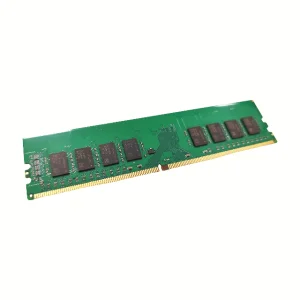
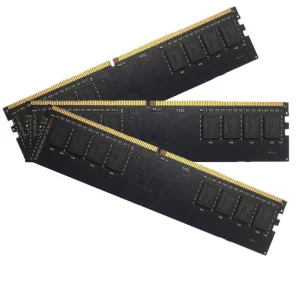
A comprehensive look into Xeviora Memory Technology's robust design capabilities, advanced validation systems, and production excellence.
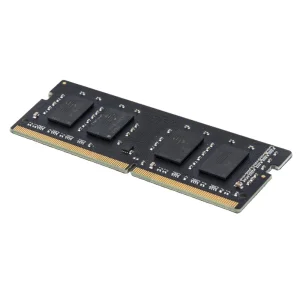
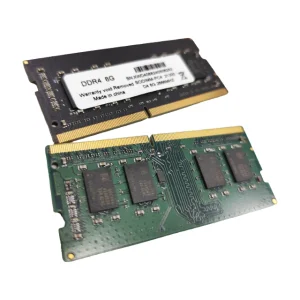
In an era defined by Edge Artificial Intelligence, automated high-throughput manufacturing, and cloud enterprise architectures, memory stability is no longer just a technical metric—it is the bedrock of operational continuity. Xeviora Memory Technology (China) Co., Ltd. stands at the forefront of the global semiconductor supply chain as a leading developer and manufacturer of high-performance DDR3, DDR4, and DDR5 RAM solutions. We specialize in tailoring custom form factors, optimized configurations, and custom firmware parameters for demanding applications worldwide.
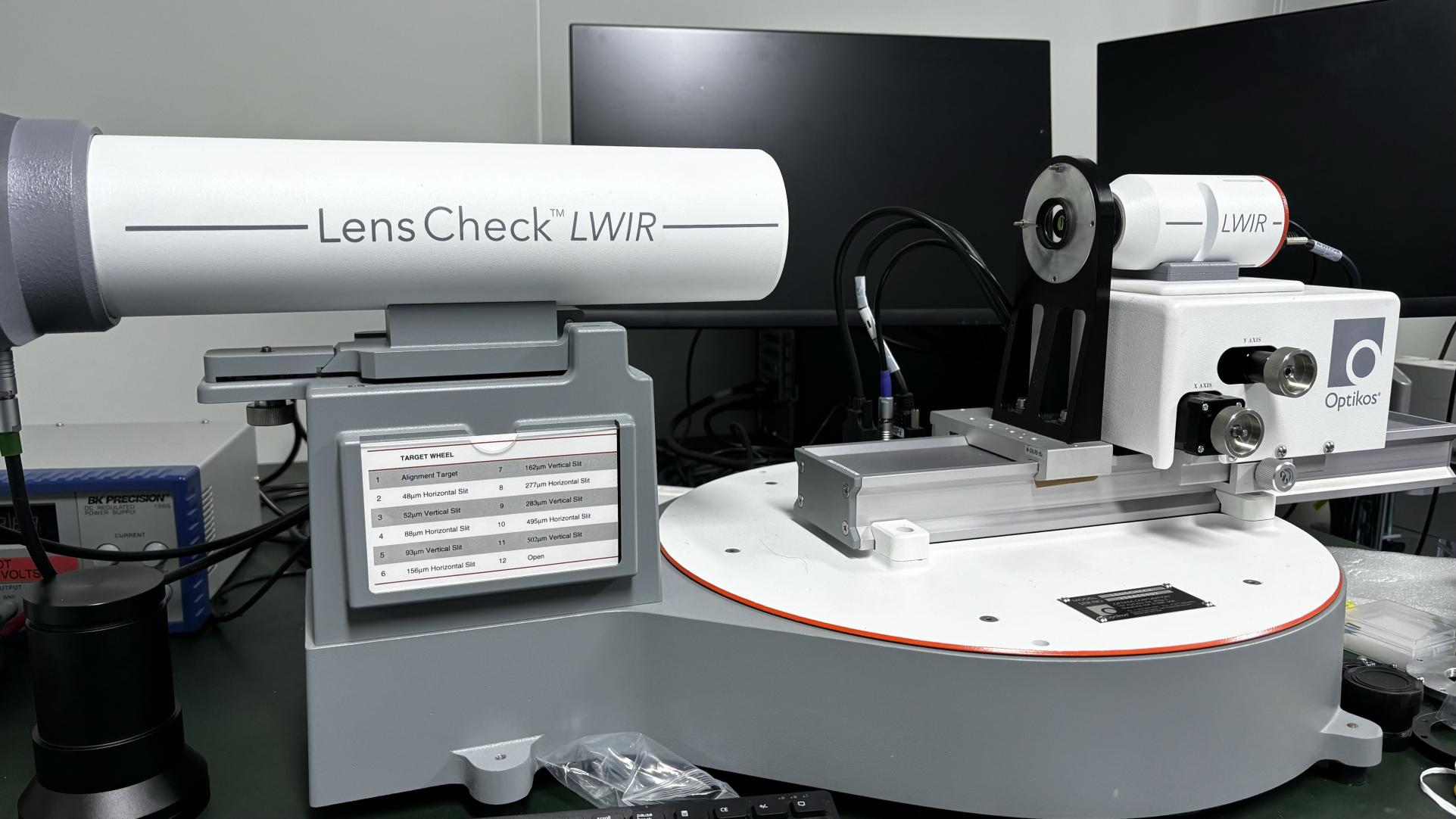
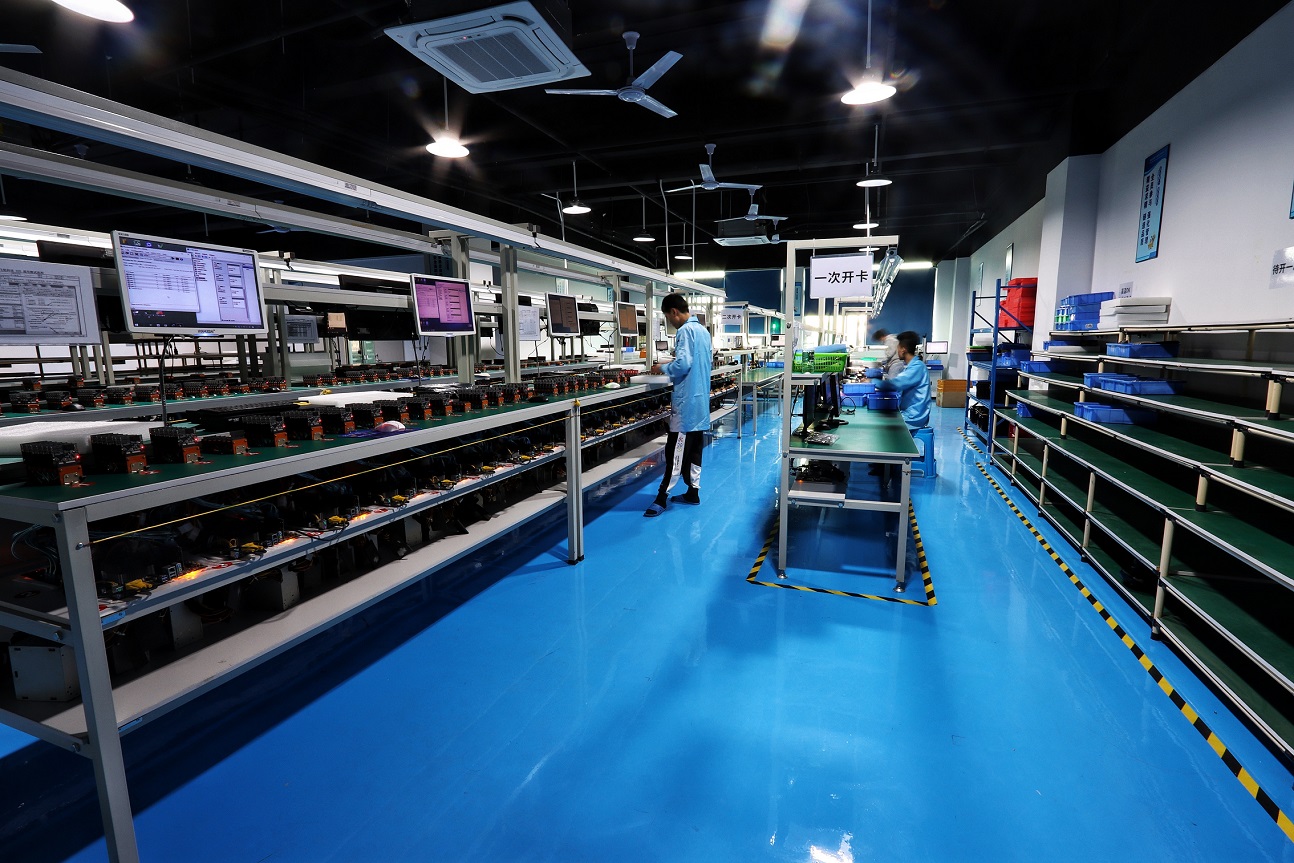
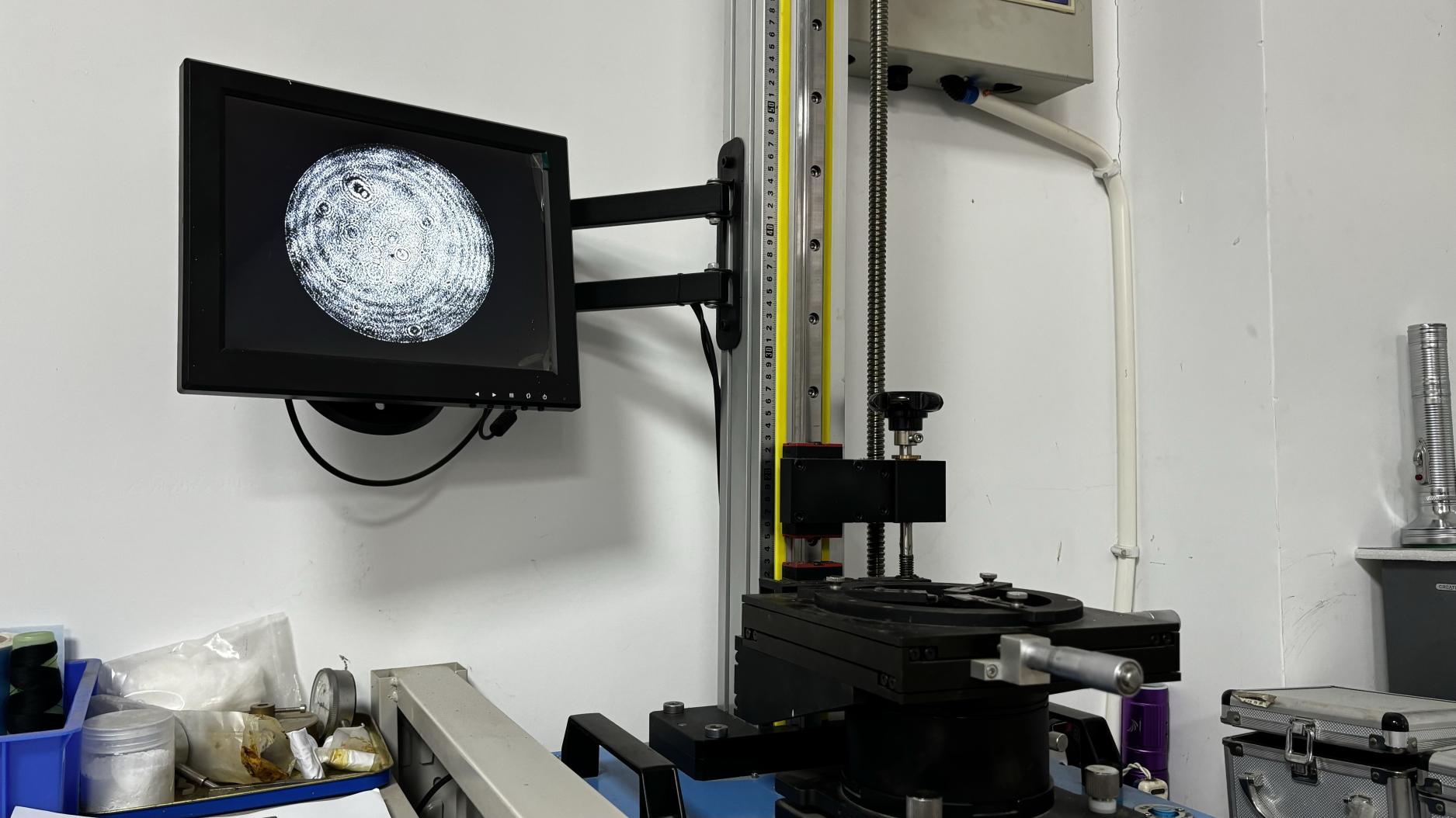
Operating a high-density, ISO 9001-certified 368 square meter precision facility equipped with state-of-the-art automated testing beds and cleanrooms for specialized component validation and failure analysis.
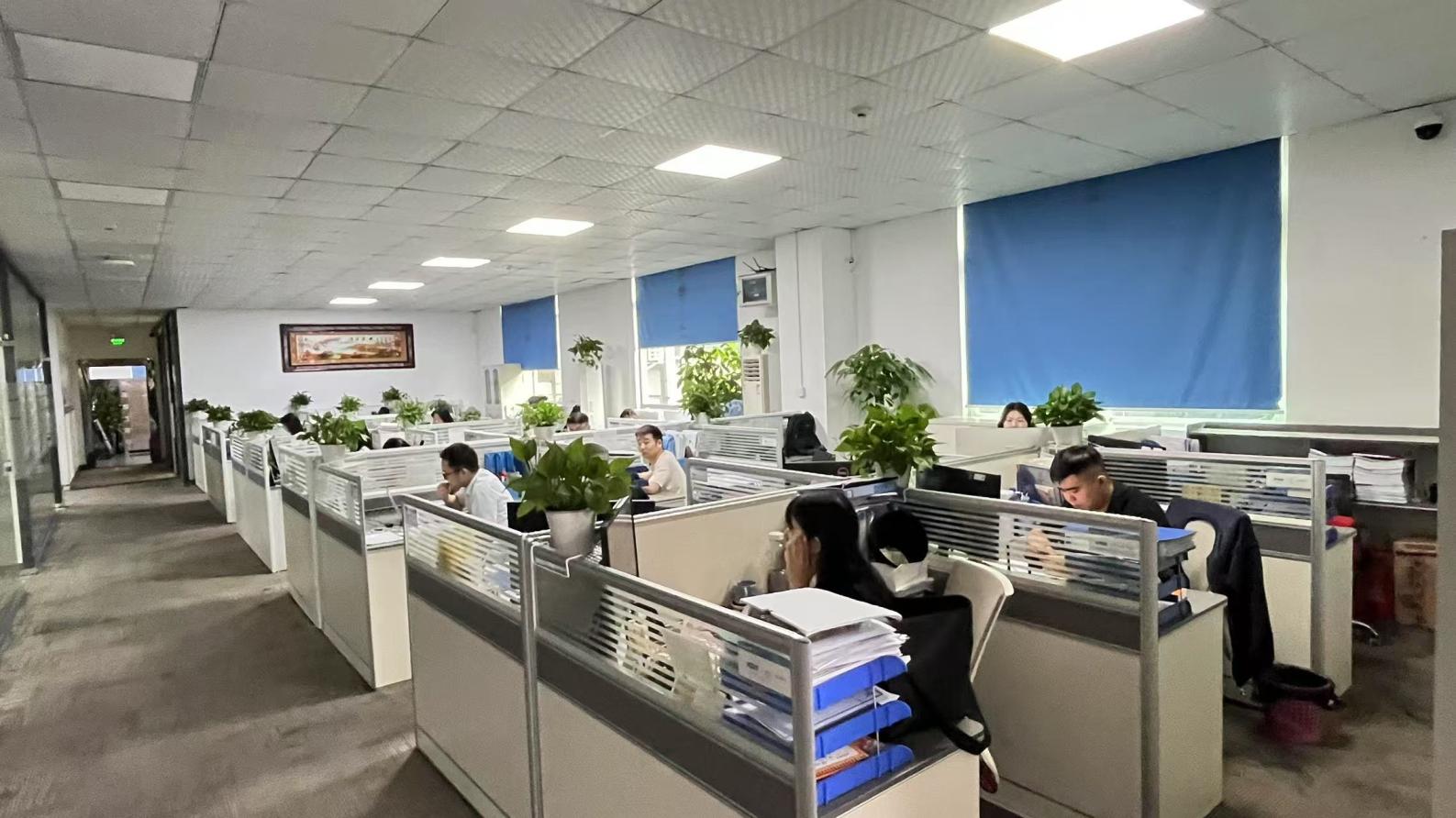
Supported by a specialized team of 46 quality control inspectors who enforce strict protocols: raw DRAM die selection, high/low thermal shock testing, and automated functional diagnostics.
With 8 years of dedicated export experience, Xeviora facilitates friction-free logistics across North America, Europe, Southeast Asia, South America, and the Middle East.
How the shift to intelligent edge environments and data-intensive applications is redefining storage requirements.
As Edge AI applications demand massive processing power directly at the sensor level, legacy bandwidth becomes a bottleneck. DDR5 solves this by delivering twice the bandwidth of DDR4, scaling up to rates above 4800 MT/s. With dynamic on-die ECC (Error Correction Code), DDR5 architecture actively resolves single-bit errors within the DRAM cell array, dramatically reducing memory-related system crashes in remote industrial computing modules.
Industrial deployments are frequently exposed to high dust concentrations, chemical contaminants, extreme temperature swings (-40°C to 85°C), and vibrational stress. The industry has shifted towards utilizing specialized protective treatments such as *Conformal Coating* to block moisture and pollutants, *Anti-Sulfuration resistors* to counteract chemical corrosion, and reinforced *underfill* to secure the components against physical impact.
Power management is vital in remote deployments and compact fanless systems. The transition from DDR4 (1.2V) to DDR5 (1.1V) introduces direct *Power Management ICs (PMIC)* on the module board instead of relying on the motherboard regulator. This relocation allows for more precise power distribution, lower system thermal signatures, and increased power efficiency for multi-rack server structures.
In contrast to consumer hardware cycles, industrial automation and medical systems typically operate with lifecycles spanning 7 to 10+ years. System builders increasingly prioritize memory suppliers who offer strict *BOM (Bill of Materials) Control* to ensure that DRAM dies, passives, and controllers remain unchanged, avoiding costly software re-certifications.
How we help procurement managers, system integrators, and distributors balance costs, longevity, and quality.
By leveraging relationships with over 850 strategic supply chain partners worldwide, Xeviora mitigates semiconductor shortages, securing key wafer inventories to fulfill large-scale orders on time.
From custom heat-spreader designs to tailored firmware settings and SPD optimization, we work directly with system builders to develop application-specific memory hardware.
Our international support structures and strictly tested products comply with global standards like CE, FCC, RoHS, and WEEE, simplifying international logistics and compliance clearances.
Explore how Xeviora memory solutions deliver stability across various key verticals.
Delivering low-latency SO-DIMM and ECC modules optimized for high-temperature edge servers, processing vision-based quality control and real-time sensor analytics.
Anti-vibration designs and custom thermal-spreaders ensure signaling systems, onboard telematics, and heavy rail machinery maintain stability through continuous shock and thermal shifts.
High-capacity registered DIMMs (RDIMM) and specialized server-grade DDR4/DDR5 modules featuring thermal-monitored sensors and high-performance design configurations.
A look at the processes carried out by our 46 QC inspectors to ensure high operational reliability.
Our QC workflow begins prior to SMT line staging. All source DRAM components are subjected to rigorous testing. We maintain stable production quality by validating performance, checking motherboard compatibility, and performing system burn-in tests under varying thermal stresses.
Granular testing of incoming DRAM wafers and passives from validated primary global suppliers, checking logic integrity and parameters.
Automated Optical Inspection (AOI) detects component misalignment, solder bridges, and structural flaws immediately following SMT reflow.
100% of finished memory modules undergo dynamic environmental burn-in testing, compatibility verification, and high-frequency validation before packaging.
Target Failure Rate
< 100 DPPM (Defects Per Million)
R&D Launch Velocity
86+ Products Engineered Annually
Operational Lifespan
MTBF of 2 Million Hours
A reference table mapping the characteristics and performance advancements from legacy DDR3 systems to next-gen DDR5 modules.
| Performance Metrics | DDR3 Technology | DDR4 Technology | DDR5 Technology |
|---|---|---|---|
| Operating Voltage | 1.5V / 1.35V (DDR3L) | 1.2V | 1.1V (Highly energy efficient) |
| Transfer Rate Limits | 800 to 2133 MT/s | 1600 to 3200 MT/s | 4800 to 8400+ MT/s |
| On-Die ECC Support | Not Supported | Not Supported | Standard Integrated Support |
| Power Management | Regulated via Motherboard | Regulated via Motherboard | Integrated PMIC on Board |
| Density Offerings | Up to 8GB per module | Up to 32GB per module | Up to 128GB+ per module |
In-depth responses to direct inquiries from system builders and supply chain professionals.
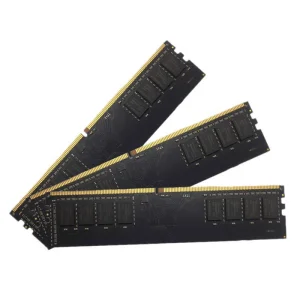
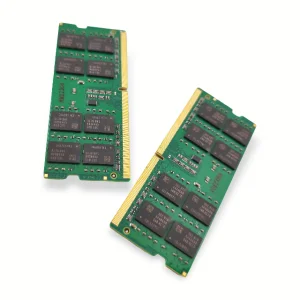
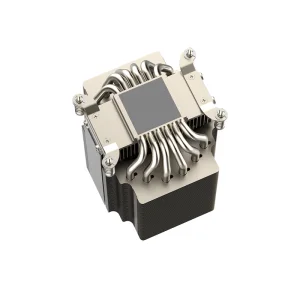
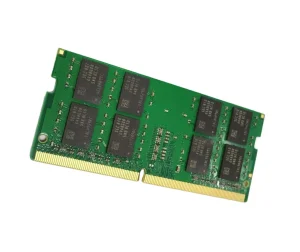
Browse our additional memory architectures, adapter options, and cooling assemblies designed for stable system builds.
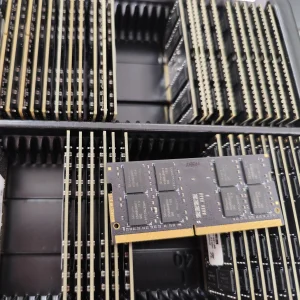
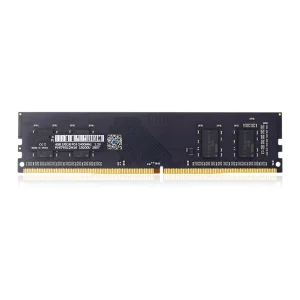
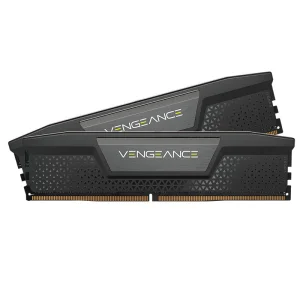
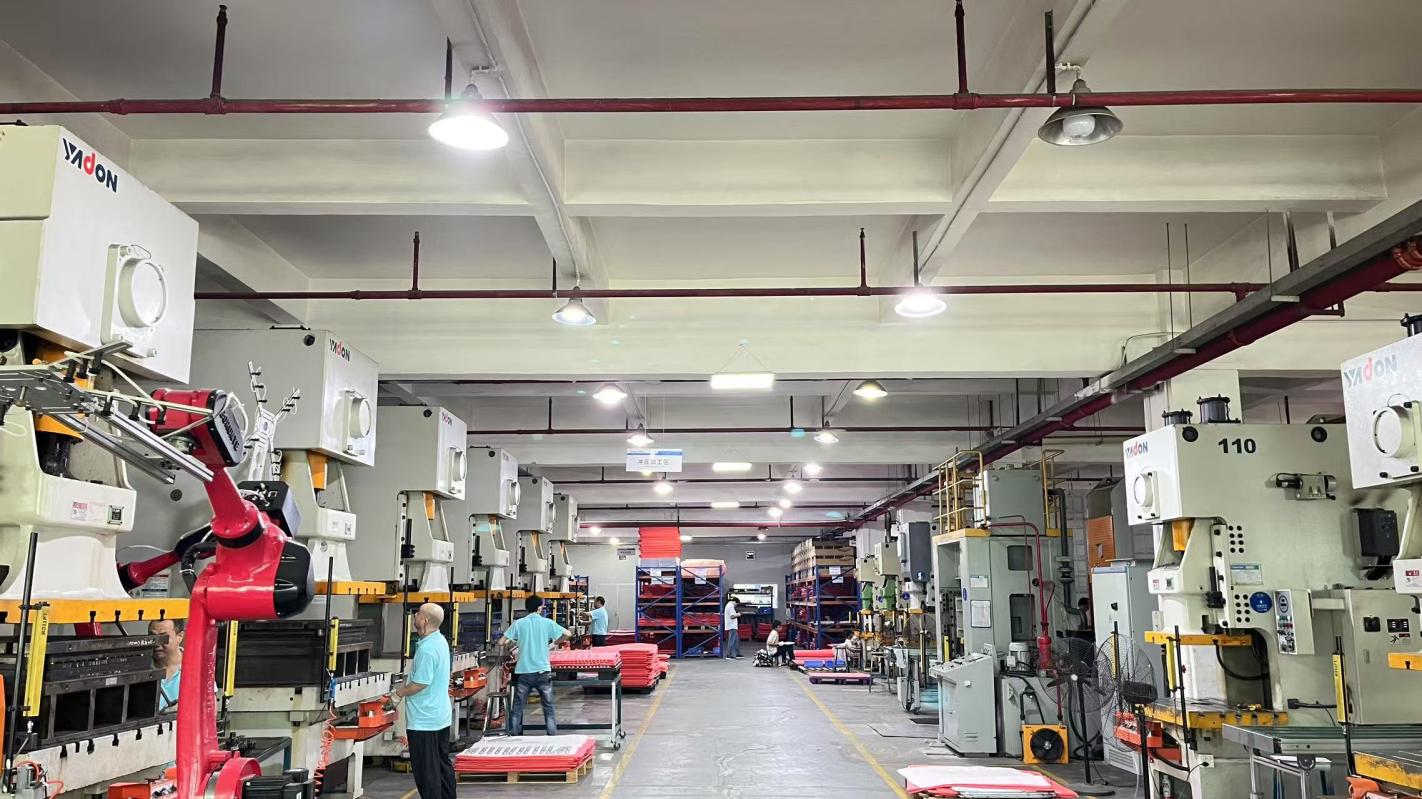
Inside our advanced production plants showing high-reliability production lines, chip testing machines, and cleanroom packaging spaces.