Xeviora
Xeviora
Xeviora
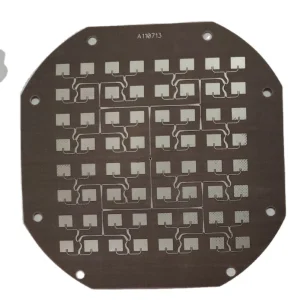
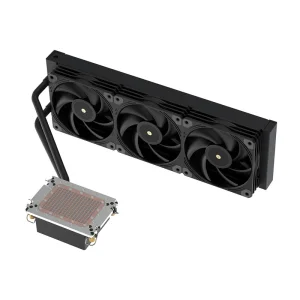
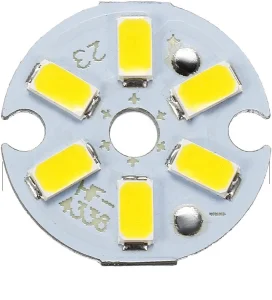
A technical guide on structural layers, dielectric properties, and base metals selection.
As the demand for energy-efficient, high-density, and compact hardware increases, the thermal management of printed circuit boards has become a key design bottleneck. Standard FR4 PCBs, with their relatively low thermal conductivity (typically around 0.25 W/mK), fail under high-power conditions such as automotive drive systems, solar inverters, and high-brightness LED arrays. This is where Aluminum Metal Clad PCBs (MCPCBs) provide an essential solution.
An aluminum circuit board is a structural sandwich comprised of three functional layers: the circuit layer (copper foil), the thermally conductive dielectric layer, and the metal base layer (aluminum alloy 5052 or 6061). Among these layers, the dielectric layer is the core differentiator. It must balance two opposing material properties: maximizing thermal conductivity while maintaining high electrical insulation (dielectric breakdown voltage up to 6kV AC). High-performance aluminum PCBs utilize ceramic-filled polymer formulations that push thermal conductivity limits from 1.0 W/mK up to 8.0 W/mK, ensuring rapid heat transfer from the active components to the ambient environment.
Aluminum 5052 alloys provide superior mechanical formability and high corrosion resistance, ideal for precision routing and automotive bracket configurations. 6061 alloys offer higher tensile strength and structural rigidity, making them the default choice for heavy machinery, aerospace sub-assemblies, and high-vibration systems.
Finding the right balance in dielectric thickness is key. A thinner layer (e.g., 50μm) reduces thermal resistance but lowers dielectric breakdown strength. Our processes use advanced automated lamination to control thickness tolerances within ±5 microns, achieving high reliability in automotive applications.
With high-power configurations requiring thick tracks, we support copper weights from 1 oz to 10 oz. This design flexibility ensures minimal heat generation along the trace pathways and allows integration of power stages directly alongside digital logic units.
Years of Industrial Design Expertise
Global Supply Chain Partners
Dedicated QC Inspection Engineers
Annual Global Export Volume
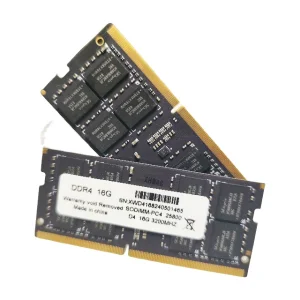
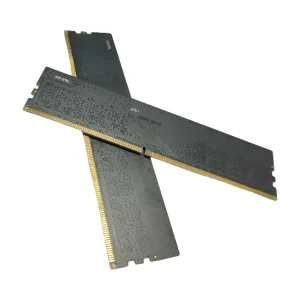
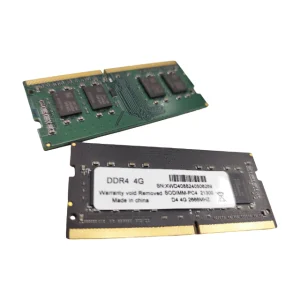
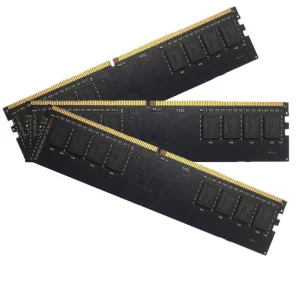
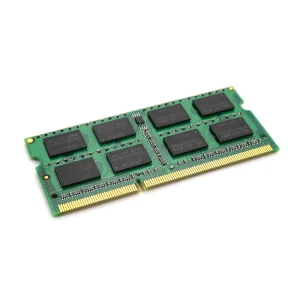
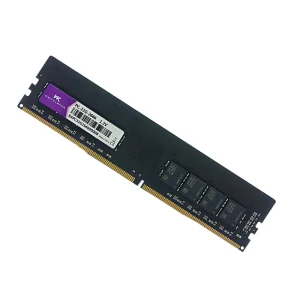
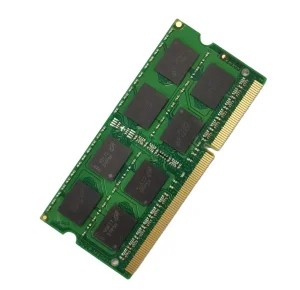
Xeviora Memory Technology (China) Co., Ltd. is a leading DDR5 memory manufacturer and supplier based in China, specializing in high-performance RAM solutions for gaming, industrial, enterprise, and consumer applications. Established in 2017, the company has rapidly grown into a trusted OEM and ODM partner for global distributors, system integrators, and technology brands.
By operating inside the China electronics fabrication hub, we leverage localized industrial advantages. This allows us to supply specialized components, raw materials, and high-frequency substrates (such as Taconic TLY-5 high-frequency materials with aluminum backing) with short turnaround times. The combination of local material sourcing, immediate surface treatment infrastructure, and high-volume demand creates a resilient supply chain that protects global customers from price volatility and delays.
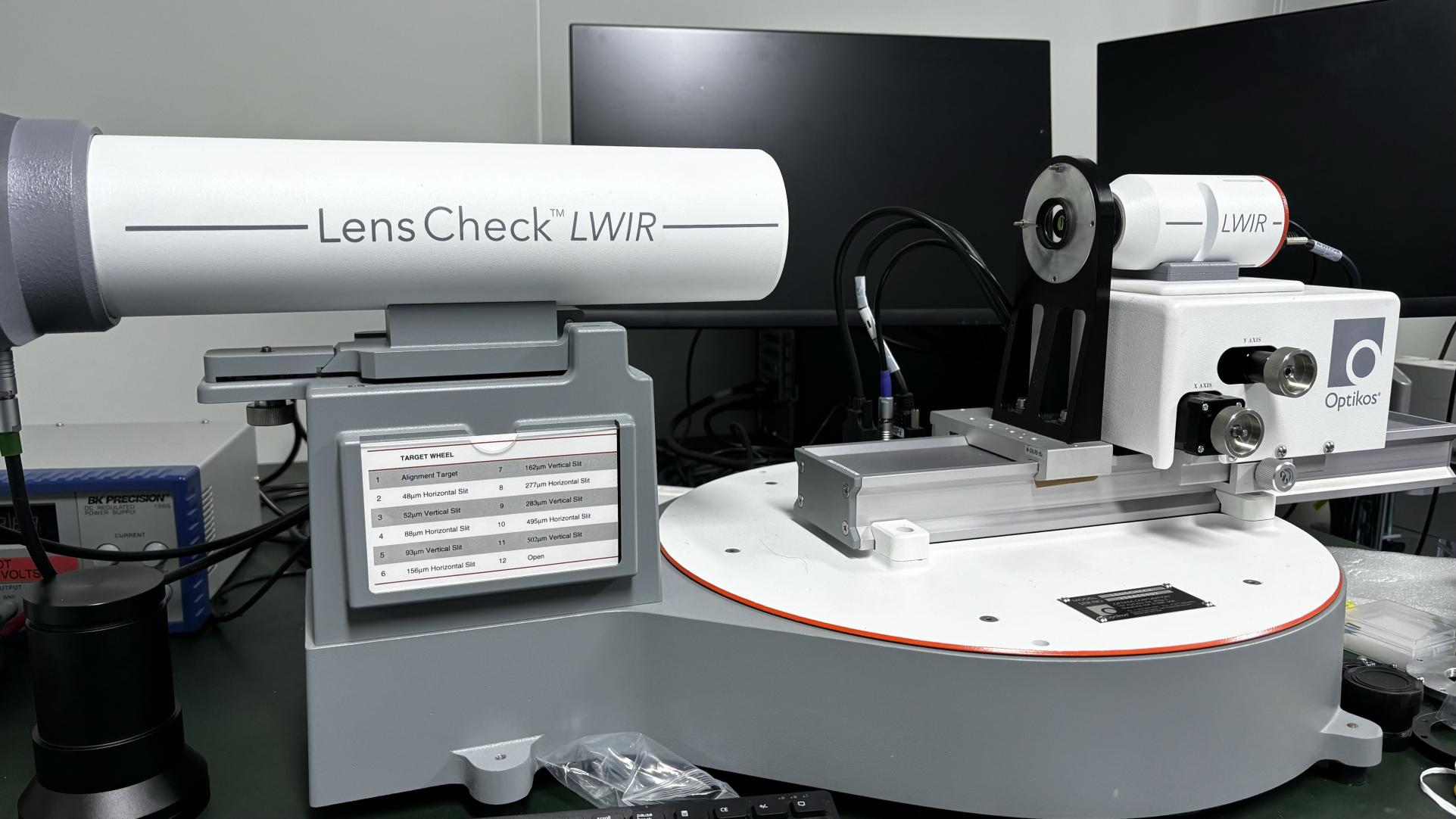
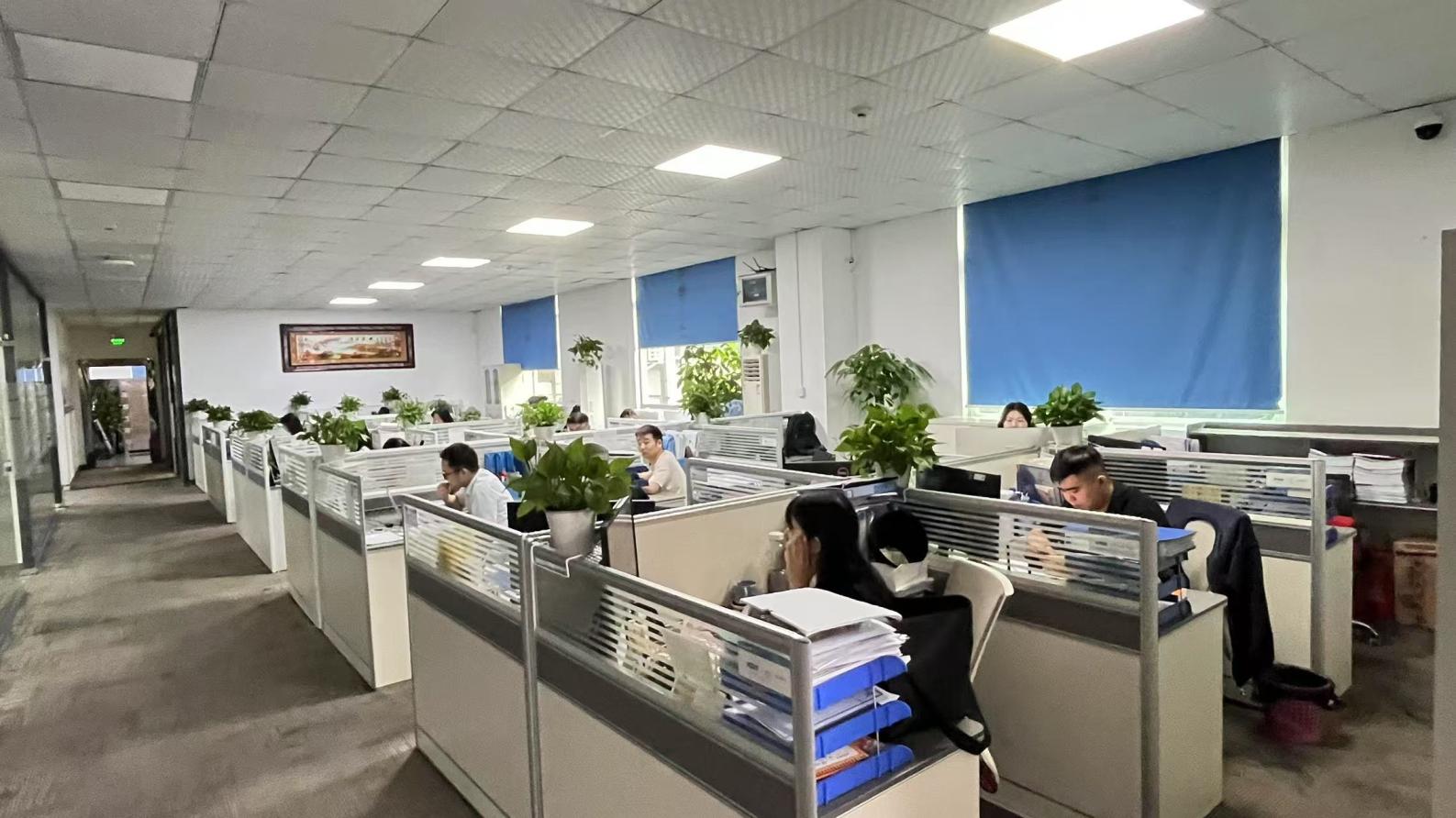
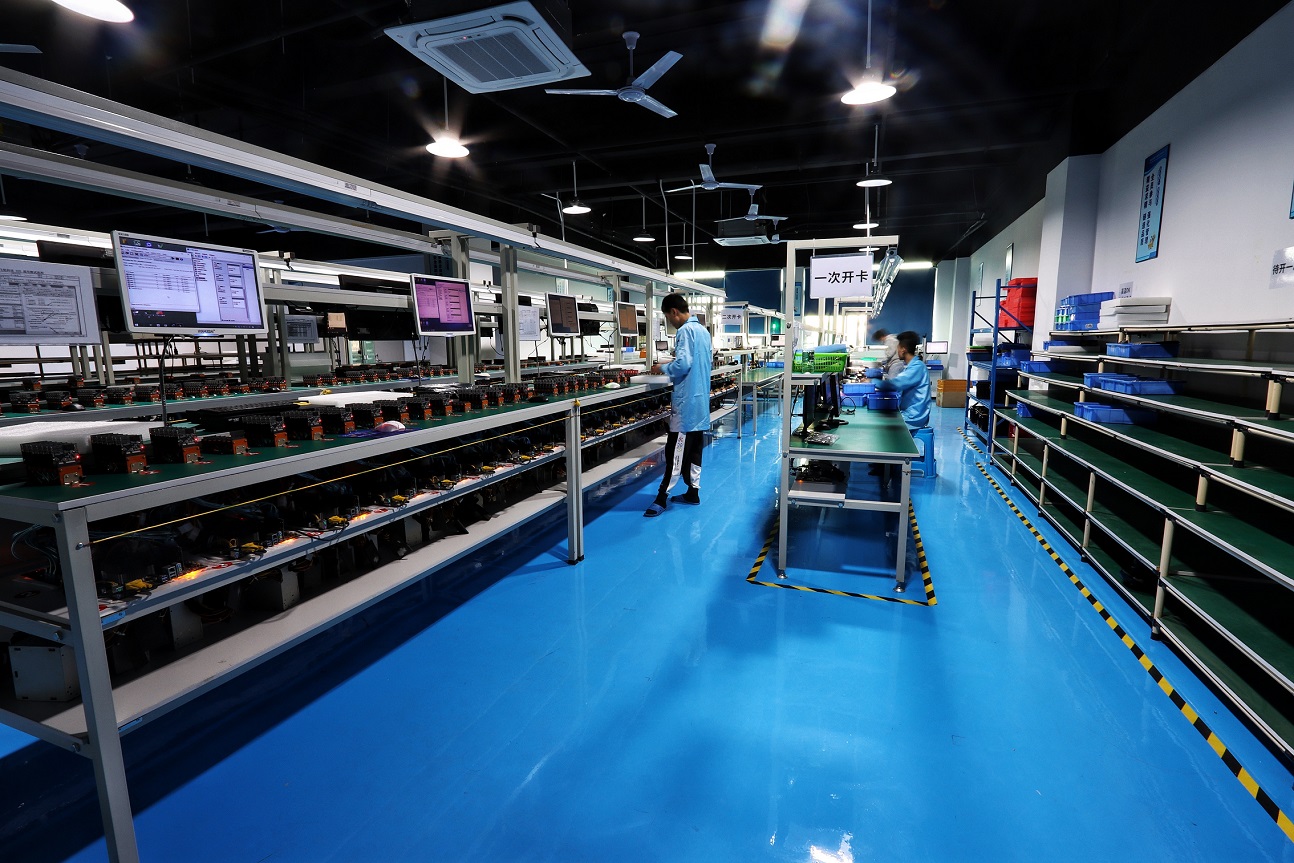
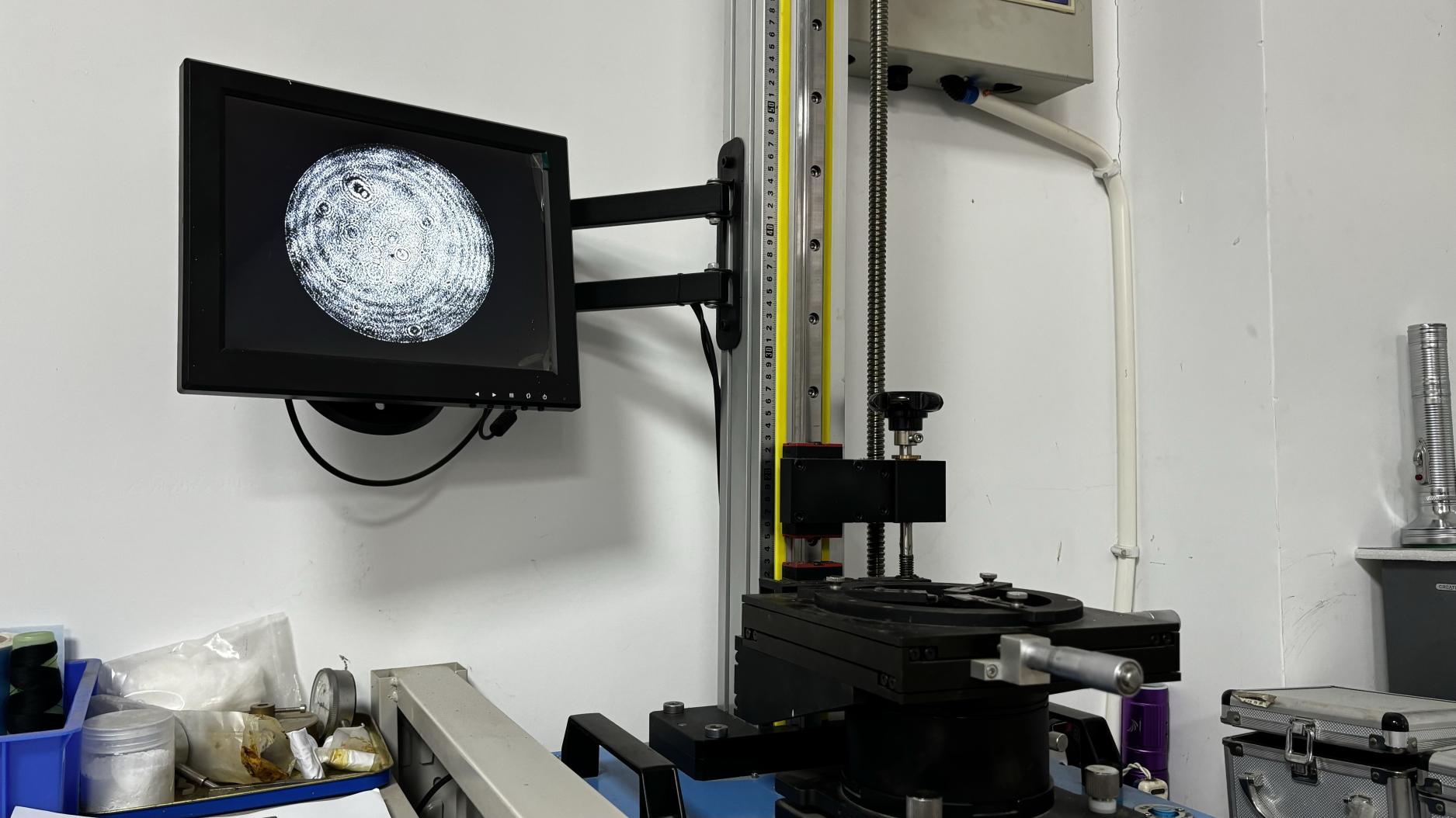
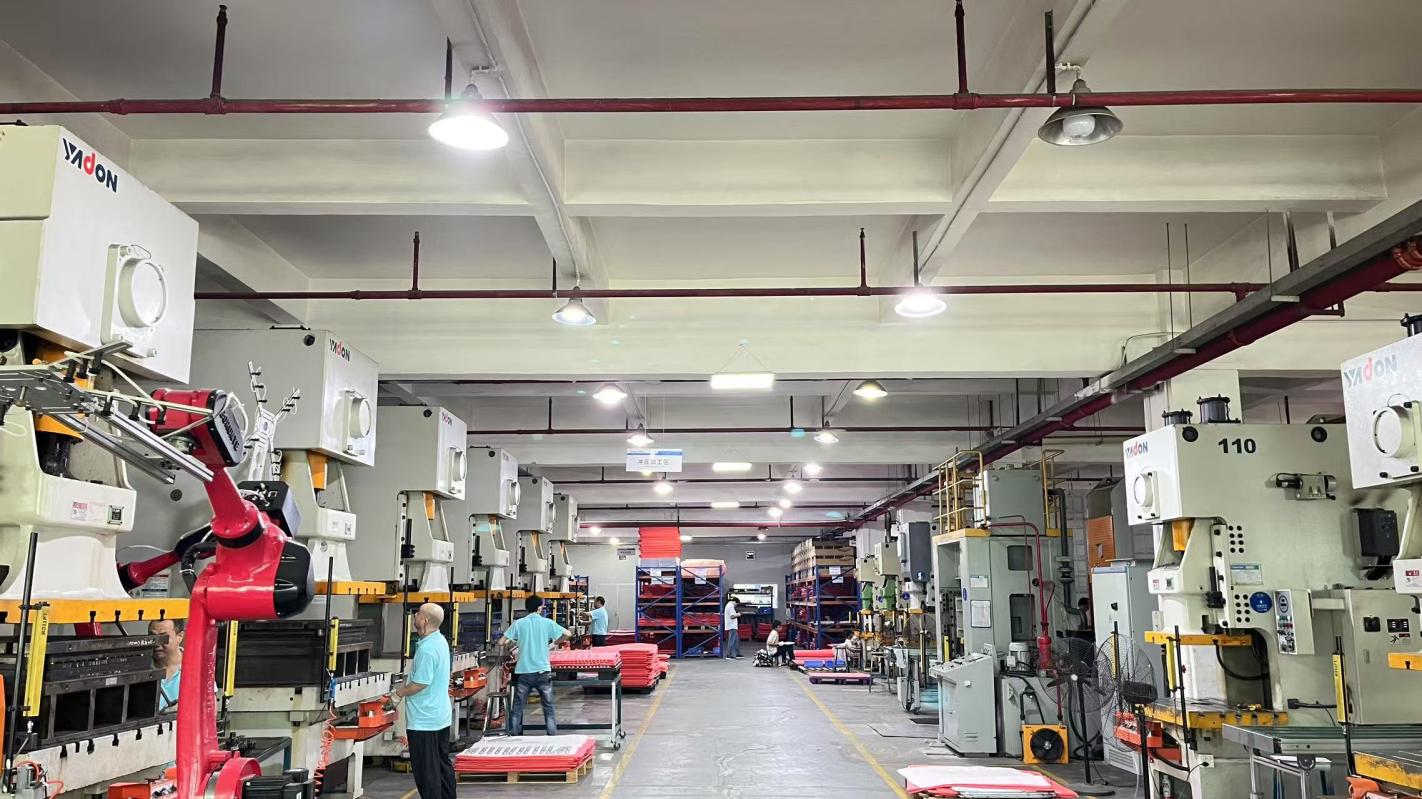
How we guarantee regulatory alignment and seamless deployment across international borders.
Entering international markets requires strict compliance with global technical and environmental regulations. For procurement teams in North America, Europe, and Asia-Pacific, buying from overseas is more than just a cost calculation—it involves navigating complex compliance frameworks. Our products undergo third-party validations and meet all major environmental directives, including RoHS (Restriction of Hazardous Substances), REACH, and UL 94V-0 flammability ratings.
To help mitigate supply chain risks for our global clients, we offer comprehensive Localization Support. This goes beyond simple translation to include dedicated compliance documentation, localized customer service, and flexible logistics management. Our QA process ensures that every batch of aluminum PCBs or high-speed memory modules has complete trace-ability, including material origin certs, dielectric performance tests, and micro-section analysis reports. This helps prevent importing friction and gives you the documentation needed for strict auditing.
All aluminum core substrates and bonding prepregs are certified to meet UL 94V-0 self-extinguishing safety metrics. This is critical for high-voltage applications like battery systems, EV on-board chargers, and server power distribution networks.
We guarantee lead-free, halogen-free, and heavy-metal-free construction across all materials. Complete certifications are provided with every batch, ensuring compliance with European Union directives and eliminating compliance risks.
Our quality assurance team consists of 46 inspectors. Every board undergoes strict automated optical inspections (AOI), high-voltage isolation checks, peel strength tests, and thermal stress tests to verify long-term performance.
Understanding user intent and optimizing thermal substrates for real-world deployments.
Procurement departments at global OEMs and system integrators face unique challenges. High-volume buyers look for solutions that address three key metrics: performance stability, supply chain continuity, and cost-performance ratios. Selecting the right aluminum circuit board requires analyzing the specific environmental conditions of the end application, balancing thermal conductivity against breakdown voltage requirements to avoid over-engineering.
Modern electric vehicles (EVs) require durable PCBs for power steering, battery management systems (BMS), motor control units (MCUs), and high-power LED headlights. Aluminum substrates provide the thermal performance needed to prevent failure from continuous vibration and high operating temperatures.
High-current switching devices generate significant heat in localized areas. Utilizing thick copper foils (up to 6 oz) laminated onto 5052-H32 aluminum plates allows industrial control boards to run cooler, extending the service life of high-power IGBTs and diodes.
High-frequency RF signals require substrates with low insertion loss and excellent heat management. Using PTFE/ceramic hybrid dielectric layers bonded to high-conductivity aluminum allows base station amplifiers to operate stably in extreme weather environments.
A look at next-generation material compositions, ultra-thin dielectrics, and hybrid substrate options.
The electronics industry is moving toward higher integration and power density, driving several key design trends in aluminum PCB fabrication:
Answers to technical, regulatory, and sourcing questions about aluminum circuit boards.
Standard aluminum PCBs feature a thermal conductivity ranging between 1.0 W/mK and 2.0 W/mK. To optimize thermal performance for demanding applications (such as high-voltage converters or high-density LED arrays), we can integrate advanced dielectric formulas containing specialized ceramic fillers, achieving thermal conductivities up to 8.0 W/mK. This reduces the thermal junction temperature of power components.
Aluminum 5052 is the standard alloy used in MCPCB fabrication due to its excellent sheet metal bending characteristics and corrosion resistance. It is well-suited for applications requiring routing, V-scoring, or minor mechanical forming. Aluminum 6061 offers higher mechanical strength, tensile strength, and hardness, making it the preferred choice for structural chassis parts, high-stress automotive mounts, or aerospace components.
The dielectric breakdown voltage depends on the thickness of the insulation layer and the polymer formula used. Typical breakdown voltages range from 2,000V AC up to 6,000V AC. High-voltage automotive applications (such as EV on-board chargers and motor controllers) require a minimum breakdown voltage of 4kV AC to ensure insulation and prevent leakage currents.
Yes, we can fabricate high-frequency hybrid substrates. This process involves bonding high-frequency materials (such as Taconic TLY-5, 0.254mm thick, or Rogers RO4003C) to an aluminum base plate using high-bond prepregs. This combines the low dielectric loss and low signal dispersion of high-frequency laminates with the heat dissipation of metal-backed PCBs.
We provide a range of surface finishes tailored to your assembly requirements: Electroless Nickel Immersion Gold (ENIG) for flat pad surface profile and high-density SMT components; Hot Air Solder Leveling (HASL / Lead-Free HASL) for cost efficiency; and Organic Solderability Preservative (OSP) for multi-reflow assemblies.
Our quality management system is certified to ISO9001 and IATF16949 standards. Backed by our team of 46 quality inspectors, we conduct rigorous testing on every batch: 100% Automated Optical Inspection (AOI) to detect trace defects, Flying Probe electrical testing, Hi-Pot isolation testing to verify dielectric integrity, peel strength testing to check copper adhesion, and thermal cycle testing to check for delamination.
Thicker copper foils (e.g., 2 oz to 6 oz) are typically specified for high-current applications to minimize voltage drop and trace heating. When designing with thicker copper, the spacing between traces must be increased to account for lateral etching during fabrication. Our engineering team helps review your designs to ensure correct clearance values.
We offer flexible lead times for prototype development and production. Prototypes can be completed in 5 to 7 working days, with medium to large production batches taking 12 to 18 days. We support various project stages, with MOQs starting at 1 piece for prototypes up to high-volume production runs.