Xeviora
Xeviora
Xeviora
Explore our high-performance memory modules and peripheral components engineered specifically for high-reliability network firewalls, industrial gateways, and server stacks.
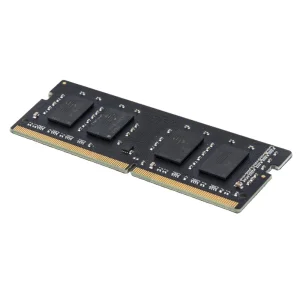
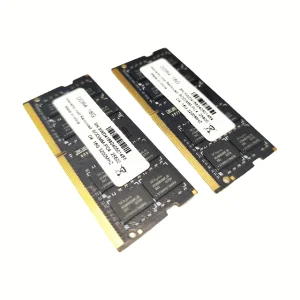
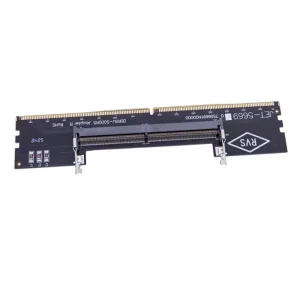
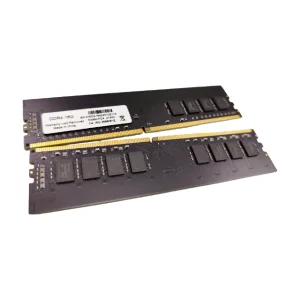
As threats scale globally, software protection without high-reliability hardware validation is fundamentally incomplete. Today's hardware-rooted network security solutions demand rigorous electronic shielding, thermal stabilization, and zero-defect memory architectures. Xeviora Memory Technology (China) Co., Ltd. serves as a prime manufacturer in bridging the gap between chip-level performance and CE-compliant physical integration.


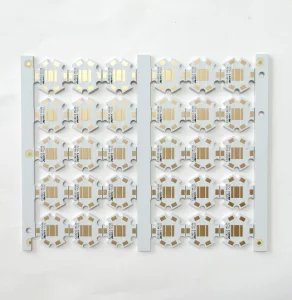
Modern telecommunication networks, edge-computing arrays, and corporate intranet firewalls operate under constant high-throughput strains. To survive denial-of-service (DDoS) spikes and inspect encrypted SSL/TLS packets without processing bottlenecks, specialized security appliances require hardware that functions with minimal latencies. Every component—from the custom multi-layer FR4 PCB to the high-frequency DDR5 ECC memory module—must be physically designed to withstand continuous workload spikes while ensuring complete data integrity.
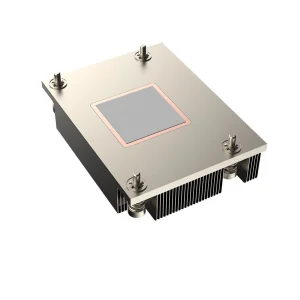
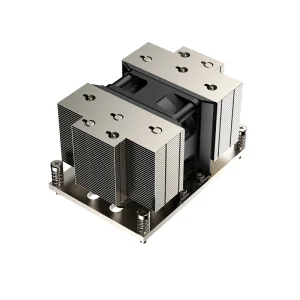
The convergence of artificial intelligence and local data parsing requires that server appliances possess not only high throughput, but also on-board physical memory security. The latest standard iterations necessitate memory modules that feature On-Die ECC (Error Correction Code) and side-band security filters to prevent dynamic row-hammer attacks. Additionally, thermal dissipation plays a massive role in network reliability. A system executing deep packet inspection runs warm, and CPU core heat must be managed via tailored solutions, such as active copper-based AM5 air-cooled sinks or localized server cooling plates. If system temperatures surge past threshold limits, the processor throttles, packets drop, and security parameters automatically degrade, leaving networks vulnerable.
Global systems integrators and enterprise procurement directors face strict demands when sourcing hardware components from manufacturers. The buying framework typically involves five crucial compliance parameters:
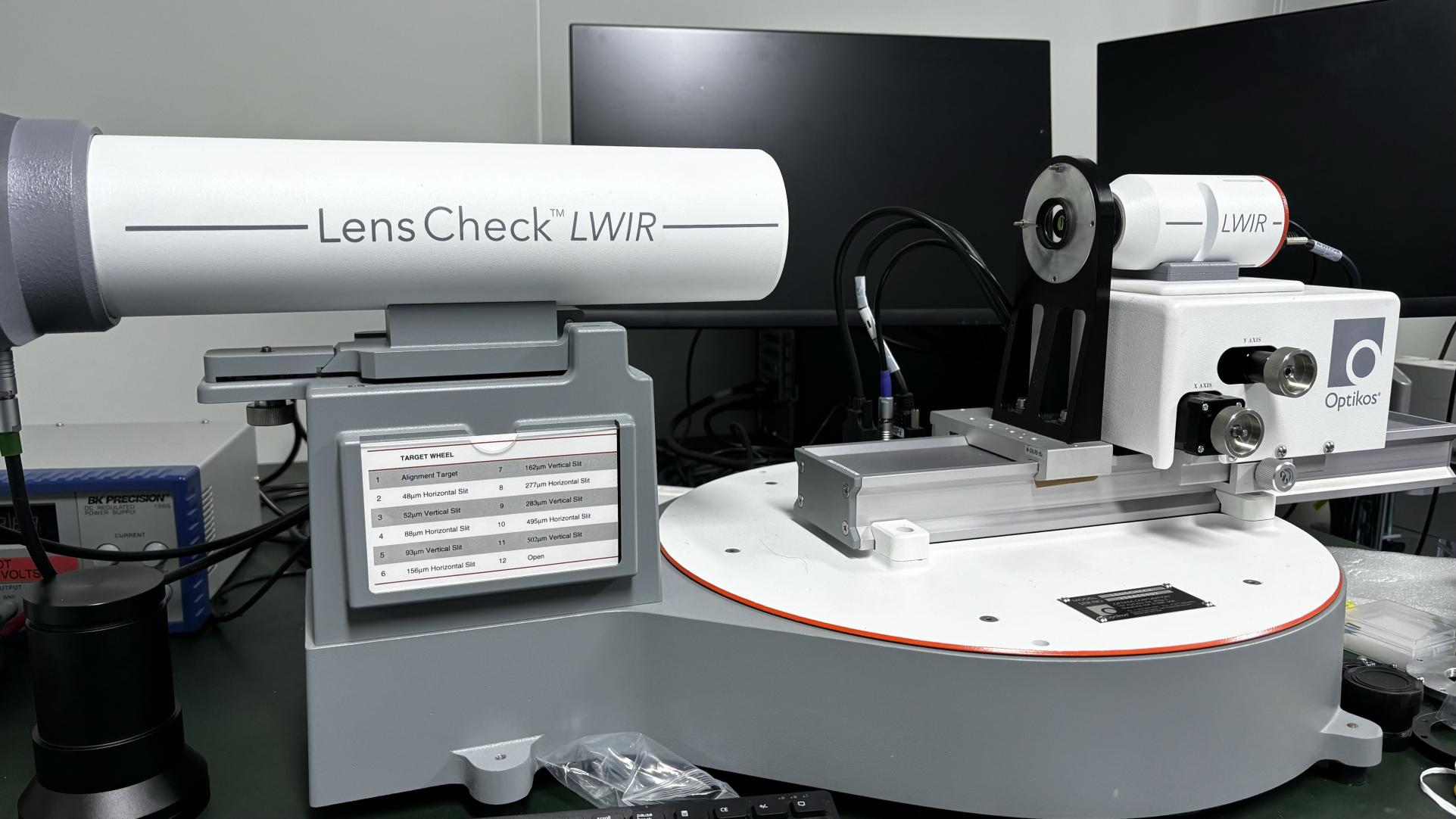
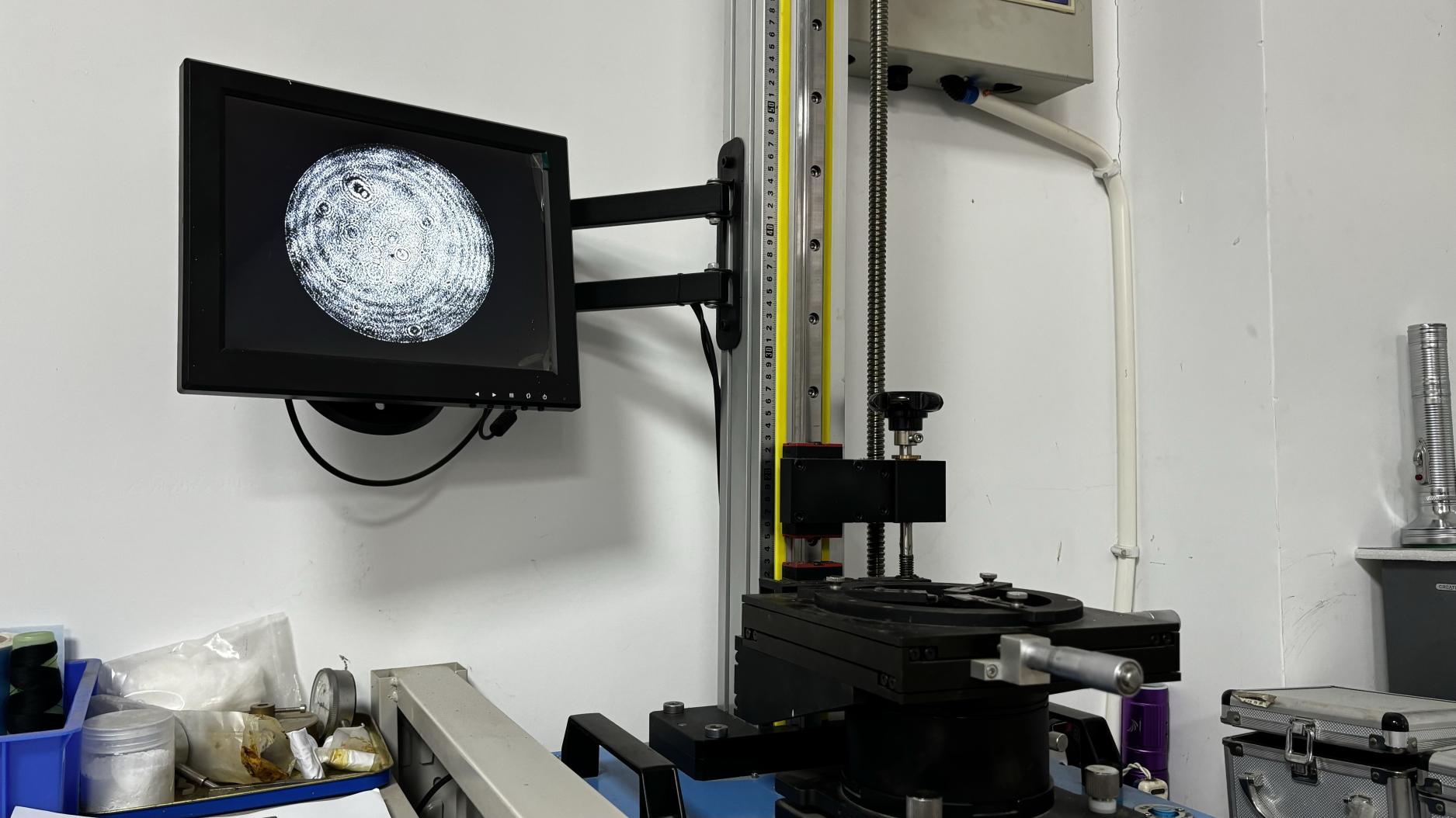
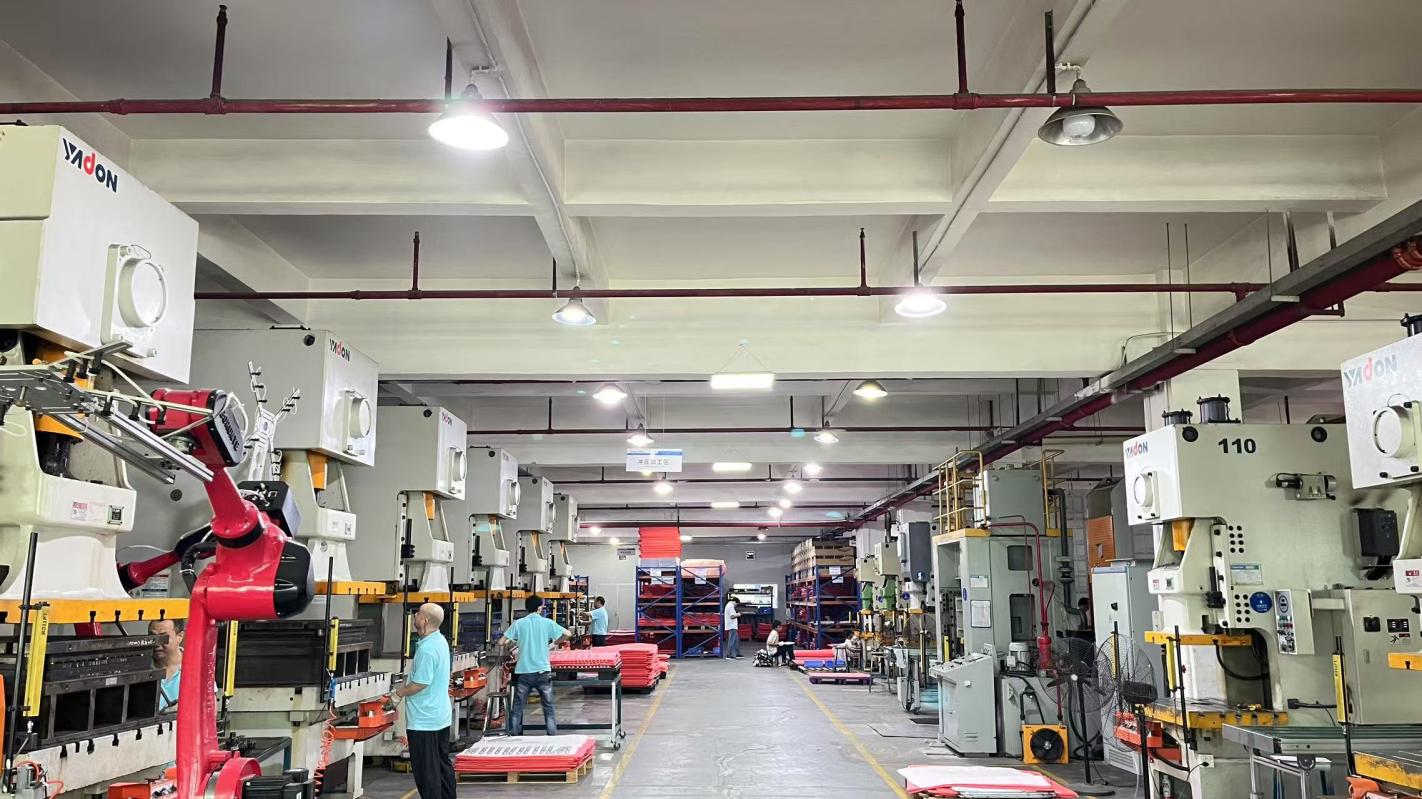
The manufacturing infrastructure of Xeviora Memory Technology in China integrates state-of-the-art robotic surface mount technology (SMT) lines to guarantee zero-defect yields. Our facility functions as a high-density, automated microelectronics production core, backed by a global network of over 850 primary supply chain partners. SMT assembly requires high spatial accuracy to place fine-pitch ball grid arrays (BGA) and passives on complex multi-layer boards. Each step is monitored via real-time Automated Optical Inspection (AOI), X-ray validation, and continuous structural and performance testing. This meticulous assembly method ensures our hardware elements withstand the rugged demands of round-the-clock enterprise networks.
How Xeviora's high-grade memory products and PCB assemblies power the crucial layers of hardware safety systems globally.
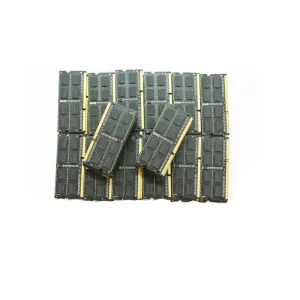
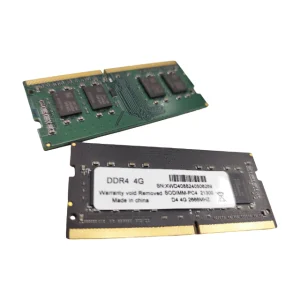
Operating inside challenging industrial environments, localized edge routers and UTM appliances require compact DDR4/DDR5 SO-DIMM formats with high thermal limits. Xeviora delivers memory solutions that function flawlessly under extreme external temperatures.
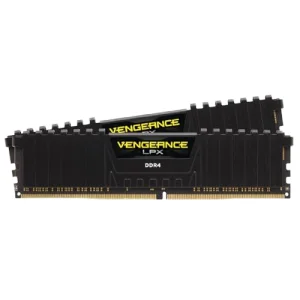
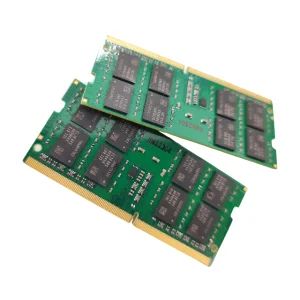
Hardware-level encryption engines demand rapid computational reads and writes. Outfitted with high-speed, CE-certified DDR5 memory architectures, security appliances process multi-gigabit traffic flows without buffer overrun failures.
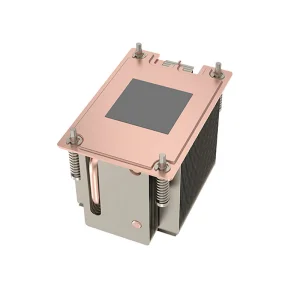
Deploying high-reliability AM5 air-cooled systems and passive heat sinks ensures cloud servers running security virtual machines (VMs) maintain low core operating temperatures, increasing the operational lifespan of the entire system stack.
Find technical answers on CE certification compliance, custom hardware specifications, and industrial-grade quality control.
A transparent look inside Xeviora's high-tech manufacturing facility and testing units.
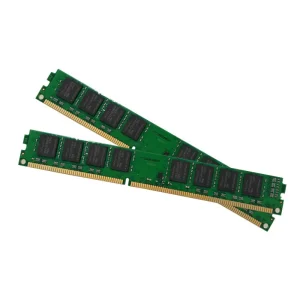
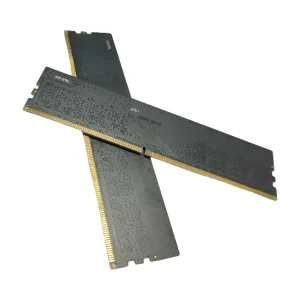
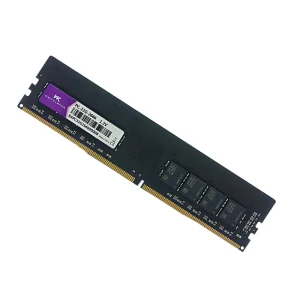
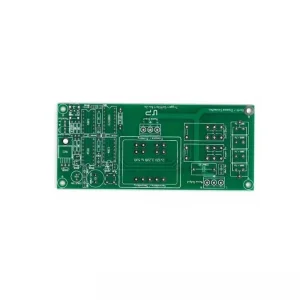
Find advanced DDR5 modules, custom system PCBs, and high-efficiency CPU cooling products built for demanding compute profiles.