 Xeviora
Xeviora
Xeviora
The debate surrounding the "DDR5 vs DDR4 comparison" is gaining traction as technology advances. Industry experts highlight the significance of memory speed and efficiency. According to a recent report by Tech Insights, DDR5 offers nearly double the bandwidth of DDR4, enhancing performance for demanding applications like gaming and video editing.
Bob Smith, an analyst at Memory Research Group, stated, "DDR5 not only boosts speed but also improves power efficiency." This is crucial for modern devices requiring higher performance without draining battery life. However, the higher cost of DDR5 modules raises questions about affordability for average consumers.
Many users find themselves reevaluating their needs. Will the performance gains justify the investment? For casual users, DDR4 still suffices. Yet, for professionals and gamers, the "DDR5 vs DDR4 comparison" becomes essential. As we dive deeper into this topic, it's vital to weigh the pros and cons carefully, ensuring the chosen memory meets specific requirements.
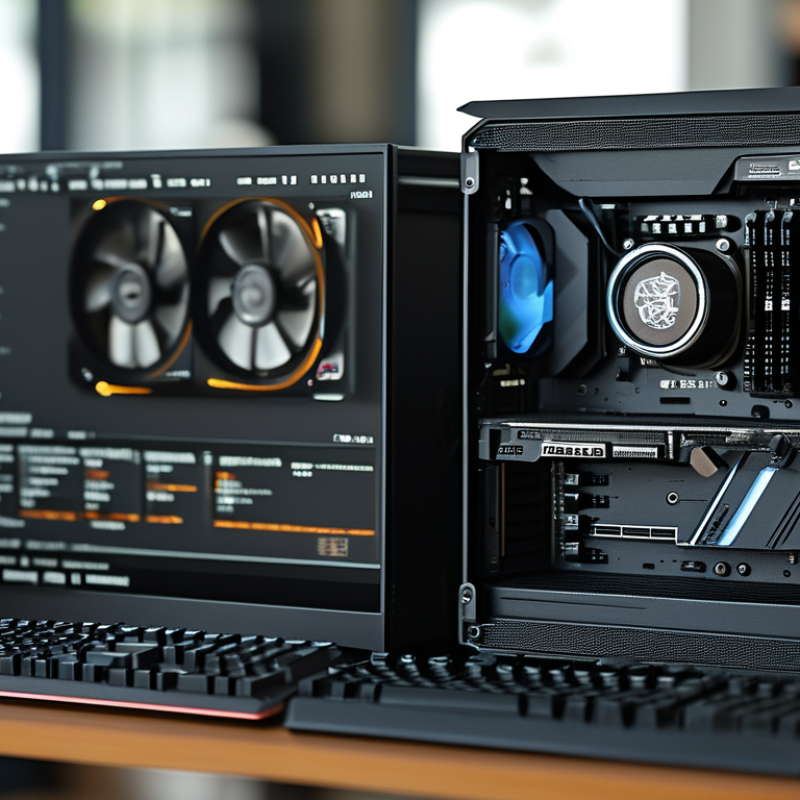
When comparing DDR4 and DDR5, it's essential to understand their key differences. DDR4 has been the industry standard for years, offering solid performance and lower power consumption. On the other hand, DDR5 boasts higher speeds and increased bandwidth, making it ideal for demanding applications.
One major difference is the data rate. DDR4 typically ranges from 1600 MT/s to 3200 MT/s, while DDR5 starts at 4800 MT/s and can go much higher. This increased speed results in better performance for tasks requiring heavy data processing, like gaming or content creation.
**Tips:** If you are a casual user, DDR4 may suffice. It provides stable performance for everyday tasks. However, if you engage in high-performance gaming or heavy multitasking, investing in DDR5 could be worth it. Consider your current and future needs carefully.
Another notable difference is power efficiency. DDR5 uses less voltage than DDR4, which can lead to longer battery life in laptops and mobile devices. This is particularly beneficial for those on the go.
**Tips:** Assess your existing system’s compatibility before upgrading. Not all motherboards support DDR5 yet. If you’re building a new system, future-proofing with DDR5 might be a wise choice. However, the cost of DDR5 modules is higher, so weigh the benefits against your budget.
| Feature | DDR4 | DDR5 |
|---|---|---|
| Data Rate | 1600 - 3200 MT/s | 4800 - 8400 MT/s |
| Bandwidth | 12.8 - 25.6 GB/s | 38.4 - 67.2 GB/s |
| Capacity per Module | 8GB - 32GB | 16GB - 64GB |
| Power Consumption | 1.2V | 1.1V |
| Latency | 15 - 19 ns | Late latency data pending |
| Key Features | Lower speed, more widespread adoption | Higher speeds, improved efficiency, and ECC support |
: DDR5 offers higher speeds and increased bandwidth compared to DDR4, which has been the industry standard for years.
Yes, DDR4 provides stable performance for everyday tasks, like browsing and simple applications.
DDR5 uses less voltage than DDR4, improving battery life in laptops and mobile devices.
Verify your existing system’s compatibility. Not all motherboards support DDR5 yet.
DDR5 has a higher price due to limited supply and production challenges.
Balance your performance needs with your budget. Assess if you really need DDR5's capabilities.
Only newer motherboards come with DDR5 slots. Always check specifications before buying.
Many users may find DDR4 sufficient for their needs without the higher costs of DDR5.
Engage with online forums and review others' experiences to guide your decision.
If building a new system, choosing DDR5 can enhance future-proofing but assess the budget first.
The DDR5 vs DDR4 comparison highlights significant advancements in memory technology. DDR5 offers enhanced performance through increased data rates and improved bandwidth, making it ideal for demanding applications such as gaming and content creation. However, the choice between DDR4 and DDR5 also hinges on factors such as price and availability, with DDR4 generally being more budget-friendly and widely supported in existing systems. Additionally, compatibility issues arise since not all motherboards support DDR5, which is essential to consider when upgrading.
Ultimately, future-proofing your system will play a pivotal role in deciding whether to invest in DDR5. While DDR5 presents clear advantages for high-end performance and longevity, the initial investment and current system compatibility must be weighed against the immediate needs of the user. This comprehensive evaluation will guide potential buyers in making informed decisions based on their specific requirements and budget.
