Xeviora
DDR5 RAM represents a significant leap in memory technology. But what is DDR5 RAM? It is the latest standard in dynamic random access memory, designed to enhance performance across a variety of devices. Experts like Dr. James Johnson, a leading figure in memory technologies, describe it as "the future of memory, offering speeds and efficiency previously unattainable."
Global buyers can benefit immensely from DDR5 RAM. It boasts higher bandwidth and lower power consumption, making it ideal for gaming, AI, and data-intensive applications. These advancements enable smoother multitasking and better overall performance. Users can experience faster load times and improved responsiveness.
However, not all buyers fully grasp its value. Some still weigh the cost against potential gains. DDR5 RAM's higher price point may deter some. But, investment in this technology can yield significant efficiency and performance rewards in the long run. Understanding what DDR5 RAM offers is crucial in the evolving tech landscape. Embracing this innovation may seem daunting, yet it presents opportunity for future-ready systems.
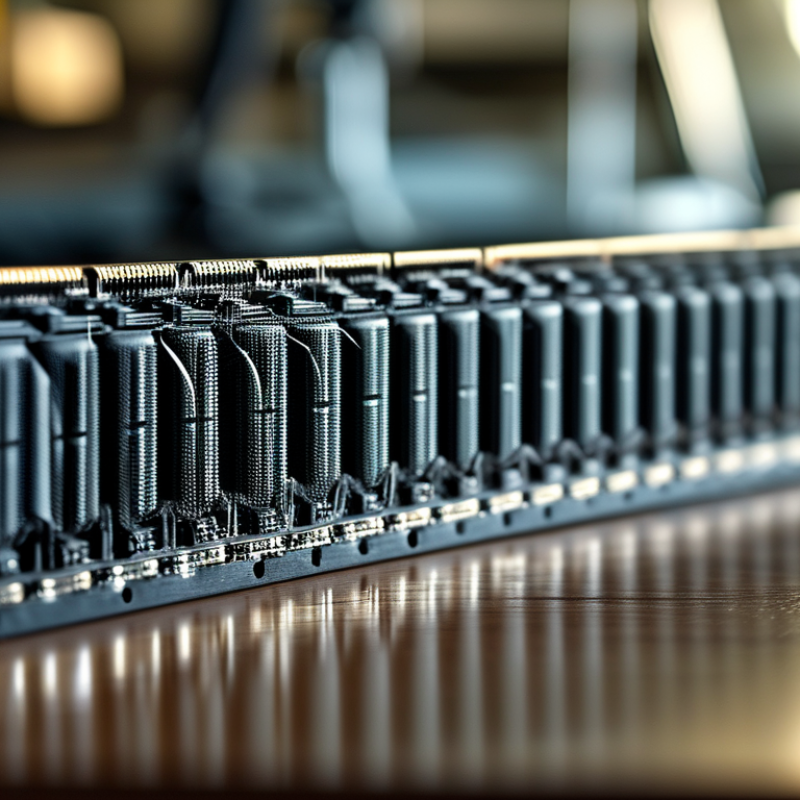
DDR5 RAM is the latest advancement in memory technology, designed to enhance performance and efficiency. Its standout feature is the increased bandwidth. DDR5 offers up to 6400 MT/s, significantly improving data transfer rates. This means faster load times for applications and games, which is crucial for both gamers and professionals alike.
Another important aspect is improved power efficiency. DDR5 operates at a lower voltage than its predecessor. This reduction leads to extended battery life in laptops and mobile devices. Additionally, DDR5 incorporates on-die ECC, increasing data integrity. This ensures reliability in critical tasks, a necessity for professionals working with large datasets.
However, upgrading to DDR5 RAM may face challenges. Compatibility with existing motherboards is a significant issue. Users must ensure their systems support this new technology. While DDR5 promises impressive capabilities, the cost may also cause hesitation among buyers. Weighing performance benefits against budget constraints is essential. Embracing new technologies often involves careful consideration.
DDR5 RAM is revolutionizing the way we think about memory in computing. Enhanced performance is at the forefront of this technology. Compared to DDR4, DDR5 provides higher bandwidth and increased capacity. Users can experience faster data transfer rates, which is critical for demanding applications.
One significant improvement is in multitasking. DDR5 enables smoother performance when running multiple applications simultaneously. Users notice reduced latency. This responsiveness is vital for gamers and professionals. The design of DDR5 allows for increased efficiency. This means less power consumption without sacrificing performance.
However, not all systems are compatible with DDR5. Buyers should ensure their devices support this technology before making a switch. Transitioning can be costly and may require more than just a new memory module. As with any technological advancement, users must weigh benefits against potential drawbacks. Adopting DDR5 RAM could yield significant performance gains, but it also brings considerations that need careful evaluation.
DDR5 RAM exhibits a significant increase in performance with a bandwidth of 50 GB/s compared to 25 GB/s of DDR4, making it a compelling choice for global buyers looking for enhanced performance in their computing systems.
The advent of DDR5 RAM brings significant improvements, particularly for gaming and high-performance computing. With increased bandwidth, DDR5 offers faster data transfer rates. This enhances the performance of demanding applications like gaming, where every frame counts. Gamers can expect smoother gameplay, reduced load times, and an improved overall experience.
In high-performance computing scenarios, DDR5 RAM showcases its value in data-intensive tasks. The ability to handle larger datasets efficiently transforms workflows. Applications in fields like AI and machine learning benefit notably. However, there is a learning curve with the transition to DDR5. Buyers need to ensure compatibility with existing hardware.
One must consider that not every system will fully utilize DDR5's capabilities right away. Upgrading to DDR5 may involve additional costs and potential compatibility issues. It's crucial to assess whether the benefits align with specific needs. Despite its promises, the real-world performance may vary between different setups. This requires careful contemplation before making a purchasing decision.
When considering DDR5 RAM, cost plays a crucial role for buyers. The initial investment is higher compared to DDR4. This might raise eyebrows, especially for budget-conscious consumers. However, the performance gains can justify the expenditure. DDR5 offers increased bandwidth and higher data rates, enhancing overall system performance.
Look at the needs of your specific applications. Gamers, content creators, and professionals heavily rely on speed and efficiency. They may find that DDR5 RAM significantly improves their workflow. Faster load times and better multitasking capabilities are invaluable. Yet, not everyone may notice these improvements right away. For casual users, DDR4 might still suffice.
Budget constraints can complicate the decision. Buyers should weigh immediate costs against long-term benefits. Investing in DDR5 may lead to future-proofing a system, but it requires thoughtful consideration. In a rapidly evolving tech landscape, the desire for cutting-edge performance must be balanced with financial realities. Reflecting on personal needs can guide this important choice.
When considering the future of your PC, DDR5 RAM stands out as a compelling option for users aiming for longevity and performance. Its design supports higher bandwidth and increased data rates. This translates into smoother multitasking and faster application launches. According to industry reports, DDR5 can reach speeds of up to 8400 MT/s, nearly double that of its predecessor, DDR4. This leap in performance benefits not only gamers but also content creators who require robust memory capabilities.
The potential for future-proofing is significant. DDR5's architecture includes on-die ECC (Error-Correcting Code) functionality. This feature improves data integrity, reducing the risk of crashes and data loss. Furthermore, a study by market analysts suggests that as software demands increase, systems equipped with DDR5 will remain relevant longer than those with older standards. Still, it’s essential to evaluate individual needs. Not all users may benefit immediately from the upgrade, especially if current workloads do not demand high memory bandwidth. This raises questions about timing and necessity for such an investment.
M for gaming?
It efficiently handles larger datasets, improving workflows in data-intensive tasks like AI and machine learning.
Yes, it’s essential to ensure that existing hardware is compatible before making the switch to DDR5.
Casual users may not notice significant performance improvements; DDR4 might still meet their needs adequately.
It provides faster load times and better multitasking, which are crucial for enhancing productivity.
Buyers should assess their specific application needs and weigh immediate costs against potential long-term benefits.
Real-world performance enhancements can vary, leading to situations where the benefits are not fully realized.
It's important to balance the desire for cutting-edge performance with financial considerations and personal usage needs.
What is DDR5 RAM? It is the latest generation of dynamic random-access memory, offering advanced features such as higher bandwidth and improved power efficiency compared to its predecessors. DDR5 RAM significantly enhances performance, making it a superior choice for gaming and high-performance computing applications. Users can expect faster data rates and reduced latency, which translates to smooth gameplay and efficient multitasking.
Additionally, while DDR5 RAM may come at a higher cost than previous generations, its benefits justify the investment for many buyers looking to future-proof their systems. By incorporating DDR5 RAM, users not only enhance their computing experience today but also ensure their systems remain relevant and capable of handling future demands. Overall, DDR5 RAM stands out as a smart choice for those seeking enhanced performance and longevity in their computing setups.